

Halifax Waterfront (Halifax) Travel Guide - Free
Explore Halifax Waterfront in Halifax with Evendo's free guide. Find the best shops, historic streets, restaurants, and gems on web or mobile.


Halifax Waterfront in Halifax, Canada combines harbour walks, maritime museums, historic warehouses, public art, waterfront dining and ferry views near downtown.
A Harbourfront District
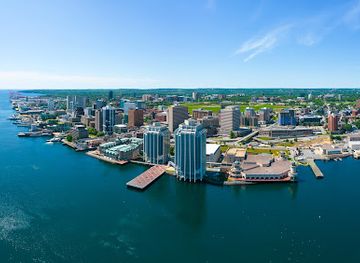
Halifax Waterfront occupies a long, publicly accessible stretch along the western shore of Halifax Harbour, immediately below the city's historic commercial core. It is less a formally bounded neighbourhood than a sequence of quays, boardwalks, heritage warehouses, restaurants, galleries, visitor facilities and open harbour views. The atmosphere changes along its length: the northern end around Historic Properties feels anchored in the eighteenth- and nineteenth-century port, while the central boardwalk is shaped by public art, seasonal activity and modern waterfront buildings. Further south, the Maritime Museum of the Atlantic and nearby working harbour structures introduce a more overtly nautical character.Read more about Halifax Waterfront
Maritime History and Public Space
Eating, Browsing and Exploring
Best attractions in Halifax Waterfront
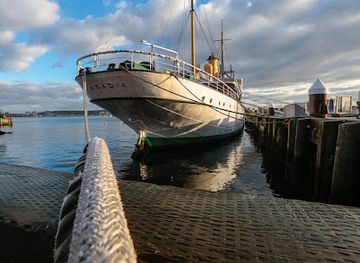
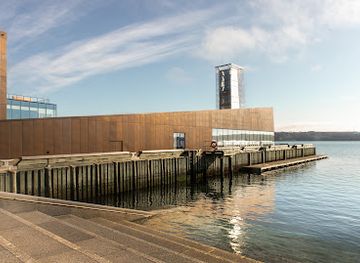
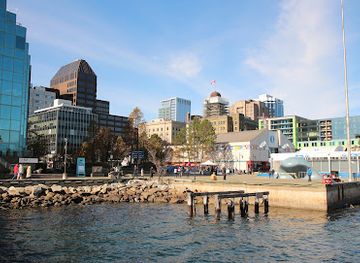
The Halifax Waterfront's main attraction is its long boardwalk, where visitors can move between heritage buildings, harbour lookouts, public art and active wharves without losing sight of the water. Historic Properties presents restored waterfront warehouses now occupied by shops and places to eat, while Bishop's Landing extends the promenade through a more contemporary mix of retail, public space and harbour-facing terraces. The Maritime Museum of the Atlantic is the district's essential cultural stop, with collections interpreting Nova Scotia's naval, commercial and small-craft history; its vessels, including CSS Acadia and HMCS Sackville, make the subject tangible. Seasonal installations and sculptures add interest along the route, and the ferry terminal provides a direct way to experience the harbour from the water. Georges Island and Dartmouth are visible across the harbour, but are separate destinations rather than attractions within the Halifax Waterfront itself.
-
Tourist attraction
Halifax Waterfront
Experience the lively Halifax Waterfront, a hub of history, culture, and stunning harbor views in Nova Scotia's vibrant capital.
2 min walk · 0.2 km from neighbourhood centre
-
Maritime museum
Maritime Museum of the Atlantic
Explore the rich maritime history of Nova Scotia at the Maritime Museum of the Atlantic, featuring fascinating exhibits and historic artifacts.
5 min walk · 0.4 km from neighbourhood centre
-
Tourist attraction
Pier 22 Pavillion
Experience the beauty of Halifax's waterfront at Pier 22 Pavilion, a delightful blend of scenic views and delicious local cuisine.
10 min walk · 0.8 km from neighbourhood centre
-
Tourist attraction
Queen’s Marque
Experience the vibrant waterfront at Queen's Marque in Halifax, where modern architecture meets rich cultural experiences and stunning views.
6 min walk · 0.5 km from neighbourhood centre
Best landmarks in Halifax Waterfront
Historic Properties is the waterfront's most legible architectural landmark: a group of surviving nineteenth-century warehouses whose timber construction and commercial form recall Halifax's mercantile past. The Maritime Museum of the Atlantic is significant not only for its collections but also for placing naval and seafaring memory directly on the harbour edge, alongside historic vessels such as CSS Acadia and HMCS Sackville. Bishop's Landing represents a later phase of waterfront redevelopment, combining public promenade, contemporary buildings and commercial uses while preserving views across the harbour. The boardwalk itself has become a civic landmark, connecting old wharves, piers and public art into one walkable route. Across the water, Dartmouth and Georges Island help explain the harbour's scale, but they are separate places rather than landmarks within the Halifax Waterfront.
-
Tourist attraction
Halifax Waterfront
Experience the best of Halifax at its vibrant waterfront: history, culture, dining, and stunning harbour views await!
2 min walk · 0.2 km from neighbourhood centre
-
Garden
Halifax Public Gardens
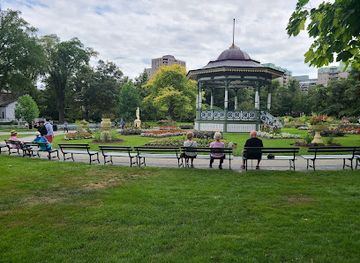
Discover Victorian charm in Halifax's Public Gardens: a tranquil oasis with floral beauty, historical landmarks, and free summer concerts.
15 min walk · 1.2 km from neighbourhood centre
-
Historical landmark
Halifax Citadel National Historic Site
Explore Halifax Citadel: a historic fortress with stunning views, military reenactments, and a glimpse into Victorian life in downtown Halifax.
13 min walk · 1.0 km from neighbourhood centre
-
Historical landmark
Grand Parade
Discover Halifax's historic Grand Parade: A central gathering place for events, ceremonies, and a tribute to Canadian history.
9 min walk · 0.7 km from neighbourhood centre
Explore Halifax Waterfront on the map
A handpicked selection of must-see spots in Halifax Waterfront, mapped for you.
Best hotels in Halifax Waterfront
Best restaurants in Halifax Waterfront
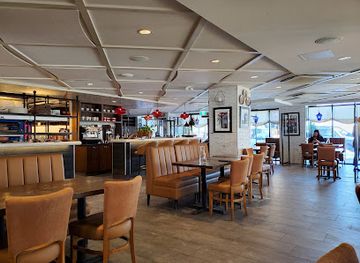
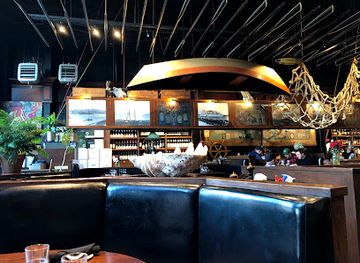
Dining along the Halifax Waterfront is shaped by the harbour setting, with restaurants, cafés, bars and casual venues occupying adapted warehouses, modern waterfront buildings and spaces around Bishop's Landing. Menus commonly draw on Atlantic Canadian ingredients, including seafood, while the broader selection also includes familiar international and contemporary dishes suited to visitors, office workers and local residents. Historic Properties and the central boardwalk provide some of the district's most recognisable settings, although tables with a view can be exposed to wind and busy in summer. The waterfront is convenient for a meal between museum visits or before a ferry crossing, while nearby downtown streets add a larger choice of independent restaurants. The Seaport Farmers' Market, just south of the central waterfront, offers another nearby food-focused experience but should not be confused with the restaurants of the boardwalk itself.
-
Italian
The Bicycle Thief
Discover the exquisite flavors of Italy at The Bicycle Thief in Halifax - where fine dining meets waterfront charm.
2 min walk · 0.1 km from neighbourhood centre
-
Italian
Ristorante a Mano
Experience authentic Italian cuisine at Ristorante a Mano in Halifax - where every dish tells a story of tradition and flavor.
2 min walk · 0.2 km from neighbourhood centre
-
Seafood
Salty's
Experience fresh seafood with stunning harbor views at Salty's in Halifax - where every meal tells a maritime story.
10 min walk · 0.8 km from neighbourhood centre
-
Seafood
Waterfront Warehouse
Savor fresh seafood delights at Halifax's Waterfront Warehouse – where coastal charm meets culinary excellence.
3 min walk · 0.2 km from neighbourhood centre


Best bars in Halifax Waterfront
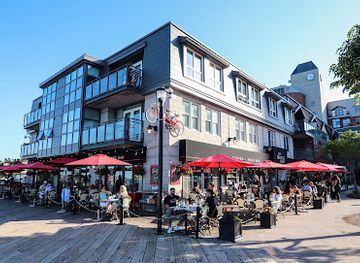
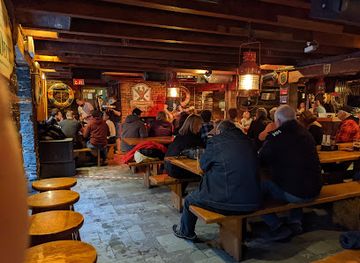
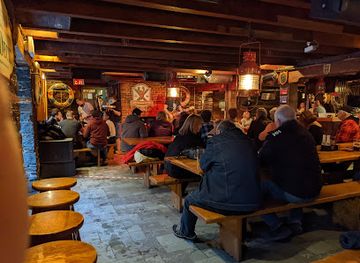
Evenings on the Halifax Waterfront tend to centre on restaurants, hotel bars, pub-style venues and harbour-facing terraces rather than a concentrated nightclub strip. Historic Properties and Bishop's Landing are the best-known areas for an after-dark drink, with the boardwalk providing an atmospheric route between venues when weather and seasonal conditions allow. The district can feel relatively quiet once offices and museums close, while the adjoining downtown streets around Argyle Street and the entertainment core offer a broader late-night scene outside the waterfront neighbourhood. Live music and special events may appear in waterfront venues or public spaces, but programmes and opening arrangements vary. Because the harbour edge is exposed and some stretches are residential or working-port in character, visitors should keep noise down and use marked routes when returning after dark.
-
Italian
The Bicycle Thief
Experience the best of Italian fine dining at The Bicycle Thief in Halifax, where local ingredients meet authentic flavors in a stunning waterfront setting.
2 min walk · 0.1 km from neighbourhood centre
-
Pub
The Lower Deck
Experience the vibrant atmosphere, local brews, and delicious seafood at The Lower Deck, Halifax's premier waterfront pub.
10 min walk · 0.8 km from neighbourhood centre
-
Brewpub
Gahan House Nova Centre
Experience the best of Halifax's craft beer scene at Gahan House Nova Centre, a lively brewpub offering local flavors and a vibrant atmosphere.
8 min walk · 0.6 km from neighbourhood centre
-
Gastropub
The Stubborn Goat Gastropub
Discover The Stubborn Goat Gastropub in Downtown Halifax, where innovative cuisine meets a vibrant atmosphere for an unforgettable dining experience.
7 min walk · 0.5 km from neighbourhood centre

Best nightclubs in Halifax Waterfront
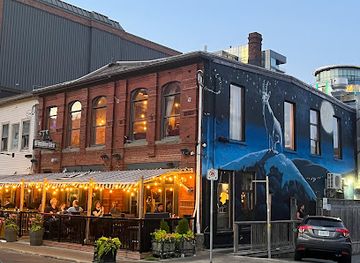
Evenings on the Halifax Waterfront tend to centre on restaurants, hotel bars, pub-style venues and harbour-facing terraces rather than a concentrated nightclub strip. Historic Properties and Bishop's Landing are the best-known areas for an after-dark drink, with the boardwalk providing an atmospheric route between venues when weather and seasonal conditions allow. The district can feel relatively quiet once offices and museums close, while the adjoining downtown streets around Argyle Street and the entertainment core offer a broader late-night scene outside the waterfront neighbourhood. Live music and special events may appear in waterfront venues or public spaces, but programmes and opening arrangements vary. Because the harbour edge is exposed and some stretches are residential or working-port in character, visitors should keep noise down and use marked routes when returning after dark.
-
Pub
The Lower Deck
Discover the vibrant essence of Halifax at The Lower Deck, a premier pub offering local flavors, live music, and unforgettable experiences.
10 min walk · 0.8 km from neighbourhood centre
-
Lounge
Niche Lounge
Discover the vibrant atmosphere at Niche Lounge in Halifax, where delicious food, refreshing drinks, and sports meet in a chic setting.
6 min walk · 0.5 km from neighbourhood centre
-
Bar
Pacifico
Experience the vibrant nightlife at Pacifico, Halifax's premier bar and live music venue, offering a unique blend of cuisine, culture, and entertainment.
8 min walk · 0.7 km from neighbourhood centre
-
Bar
Charlie's Club
Experience the vibrant nightlife at Charlie's Club, Halifax's favorite bar and pool hall with great drinks and a welcoming atmosphere.
5 min drive · 1.7 km from neighbourhood centre


Best shops in Halifax Waterfront
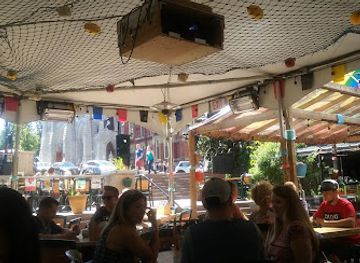
Shopping on the Halifax Waterfront is concentrated in adapted heritage buildings, Bishop's Landing and small commercial spaces along the boardwalk rather than in a large enclosed retail centre. Visitors will find local crafts, art, jewellery, clothing, books, nautical gifts and design-led souvenirs, with the strongest appeal coming from products connected to Nova Scotia's coastal identity and independent makers. Historic Properties provides the most atmospheric setting, while newer waterfront premises offer a more contemporary retail experience alongside cafés and restaurants. Stock and individual businesses change, so the district is better suited to browsing than to planning a specific purchase. The Seaport Farmers' Market, located just south of the central waterfront, is nearby for regional food and producer-led shopping, but it belongs to the adjoining Seaport area and has a distinct market character.
-
Boutique
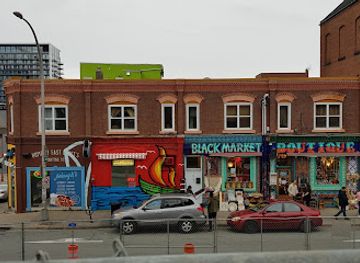
Black Market Boutique
Explore Halifax's Black Market Boutique for unique handmade crafts, vintage treasures, and local artistry in a charming shopping haven.
7 min walk · 0.5 km from neighbourhood centre
-
Gift shop
Jennifer's Of Nova Scotia
Explore Jennifer's of Nova Scotia for unique gifts and local crafts that showcase the beauty and creativity of the region.
11 min walk · 0.8 km from neighbourhood centre
-
Gift shop
Inkwell Modern Handmade Boutique & Letterpress Studio Inc.
Discover unique handmade gifts and artisanal stationery at Inkwell Boutique in Downtown Halifax, a perfect stop for creative souvenirs.
12 min walk · 1.0 km from neighbourhood centre
-
Souvenir store
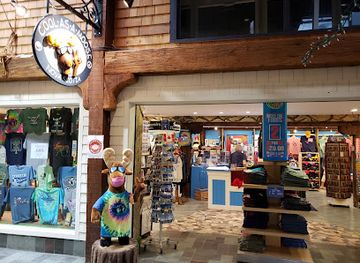
Cool As A Moose
Explore unique souvenirs at Cool As A Moose in Halifax, where every item tells a story of Nova Scotia's rich culture and heritage.
10 min walk · 0.8 km from neighbourhood centre


Halifax Waterfront essentials
Getting There
Getting Around
Safety
Emergency Situations
Do's and Don'ts
Local Tips

From Eve
Local phrases worth knowing
You don't need to get them perfect. A few words go a long way, and locals appreciate the effort.
Basics
| English | Local | Say it |
|---|---|---|
| Hello | Hallo | [ha-lo] |
| Goodbye | Tschüss | [chüss] |
| Yes | Ja | [ya] |
| No | Nein | [nine] |
| Please/You're welcome | Bitte | [bi-te] |
| Thank you | Danke | [dan-ke] |
| Excuse me/Sorry | Entschuldigung | [ent-shul-di-gung] |
| How are you? | Wie geht's? | [vee gates] |
| Fine. And you? | Gut. Und dir? | [goot. oont deer] |
| Do you speak English? | Sprichst du Englisch? | [shprihst doo eng-lish] |
| I don't understand | Ich verstehe nicht | [ikh fer-shte-e nikht] |
Eating & Drinking
| English | Local | Say it |
|---|---|---|
| I'd like to see the menu, please | Ich möchte bitte die Speisekarte sehen | [ikh merkhte bi-te dee shpah-ze-kahr-teh zeh-en] |
| I don't eat meat | Ich esse kein Fleisch | [ikh ess-eh kine fli-sh] |
| Cheers! | Prost! | [prost] |
| I would like to pay, please | Ich möchte bitte bezahlen | [ikh merkhte bi-te beh-za-len] |
Emergencies
| English | Local | Say it |
|---|---|---|
| Help! | Hilfe! | [hil-fe] |
| Go away! | Geh weg! | [ge vekh] |
| Call the Police! | Rufen Sie die Polizei! | [roo-fen zee dee po-li-tsay] |
| Call a doctor! | Rufen Sie einen Arzt! | [roo-fen zee i-nen ahrts] |
| I'm lost | Ich bin verloren | [ikh been fer-lo-ren] |
| I'm ill | Ich bin krank | [ikh been krangk] |
Shopping
| English | Local | Say it |
|---|---|---|
| I'd like to buy... | Ich möchte kaufen... | [ikh merkhte kouf-en] |
| I'm just looking | Ich schaue nur | [ikh shou-e noor] |
| How much is it? | Wie viel kostet das? | [vee feel kohs-tet das] |
| That's too expensive | Das ist zu teuer | [das ist tso toy-er] |
| Can you lower the price? | Können Sie den Preis senken? | [kern-en zee den prees sen-ken] |
Time & Numbers
| English | Local | Say it |
|---|---|---|
| What time is it? | Wie spät ist es? | [vee shpet ist es] |
| It's one o'clock | Es ist ein Uhr | [es ist iyn oor] |
| Half past (10) | Halb elf | [halb elf] |
| Morning | Morgen | [mor-gen] |
| Afternoon | Nachmittag | [nahkh-mit-tahk] |
| Evening | Abend | [ah-bent] |
| Yesterday | Gestern | [gehs-tern] |
| Today | Heute | [hoy-teh] |
| Tomorrow | Morgen | [mor-gen] |
| 1 | Eins | [iyns] |
| 2 | Zwei | [tsvai] |
| 3 | Drei | [dry] |
| 4 | Vier | [feer] |
| 5 | Fünf | [fünf] |
| 6 | Sechs | [zeks] |
| 7 | Sieben | [zee-ben] |
| 8 | Acht | [ahkt] |
| 9 | Neun | [noyn] |
| 10 | Zehn | [tsen] |
Transport & Directions
| English | Local | Say it |
|---|---|---|
| Where's a/the...? | Wo ist ein/der...? | [vo ist iyn/dehr] |
| What's the address? | Was ist die Adresse? | [vas ist dee ah-dre-seh] |
| Can you show me (on the map)? | Können Sie mir zeigen (auf der Karte)? | [kern-en zee meer tsi-gen (ouf dehr kar-teh)] |
| When's the next (bus)? | Wann kommt der nächste (Bus)? | [van kommt dehr nekh-ste (boos)] |
| A ticket (to ....) | Eine Fahrkarte (nach ....) | [i-nuh fahr-kahr-teh (nahkh)] |
History of Halifax Waterfront
Mi'kmaq Shore and British Foundation
The Halifax Waterfront lies within Mi'kma'ki, the traditional and ongoing homeland of the Mi'kmaq, whose relationship with the harbour predates European settlement by thousands of years. In 1749, the British established Halifax on the western side of the harbour as a military and administrative centre, and the shoreline became central to the new settlement's survival. Wharves, storehouses and landing places connected the town to coastal supply routes and the wider Atlantic world. The waterfront was not a separate district in the modern sense, but the essential working edge of the colonial town, linking military needs, commerce and maritime travel.
Warehouses, Wharves and Atlantic Trade
During the eighteenth and nineteenth centuries, Halifax's shoreline developed through a dense mixture of piers, merchants' premises, ship-related businesses and warehouses. The buildings now known as Historic Properties preserve part of this commercial landscape, with structures associated with the town's maritime trade and later adaptation to retail and hospitality uses. The port handled timber, provisions, passengers and naval traffic, while private shipping and government activity shaped the streets behind the water. Rail connections and expanding steamship services increased Halifax's importance as an Atlantic gateway, although much of the heavy port activity eventually moved away from the most visitor-oriented central shoreline.
Naval Memory and Maritime Institutions
Halifax's naval importance remained visible along the waterfront into the twentieth century, when the harbour served as a major base for the Royal Canadian Navy and an important convoy port during the two world wars. The Maritime Museum of the Atlantic, established in 1948 and later moved to its present waterfront location, gave the city a permanent institution devoted to Nova Scotia's seafaring history. Historic vessels including CSS Acadia and HMCS Sackville added a physical dimension to that interpretation. The waterfront also retains associations with the wider harbour's naval, immigration, commercial and disaster histories without reducing the district to a single episode.
From Working Quays to Public Waterfront
Late twentieth-century changes in port operations and urban planning opened more of the central shoreline to public access. Buildings and wharves once dedicated primarily to storage, cargo and shipping were conserved, adapted or joined by new development, while a continuous boardwalk made harbour walking a defining visitor experience. Bishop's Landing and later projects added shops, restaurants, residences and public spaces without removing the area's maritime setting. Today the waterfront remains connected to active harbour uses, but its central stretches function increasingly as a civic and cultural foreground for Halifax, combining heritage interpretation with everyday recreation and tourism.
Halifax Waterfront in Photos
Browse through our photo collection highlighting the charm and character of the destination.
Neighbourhoods near Halifax Waterfront
The closest neighbourhoods to Halifax Waterfront, if you have time for more than one stop.
-

-

-

-

-


Swipe for more neighbourhoods
Explore more

Explore more of Halifax
Halifax, Canada blends a harbourfront citadel, maritime history, Atlantic culture, museums, coastal walks and lively neighbourhoods for memorable sightseeing.
Explore Halifax