

Centretown (Ottawa) Travel Guide - Free
Explore Centretown in Ottawa with Evendo's free guide. Find the best shops, historic streets, restaurants, and gems on web or mobile.


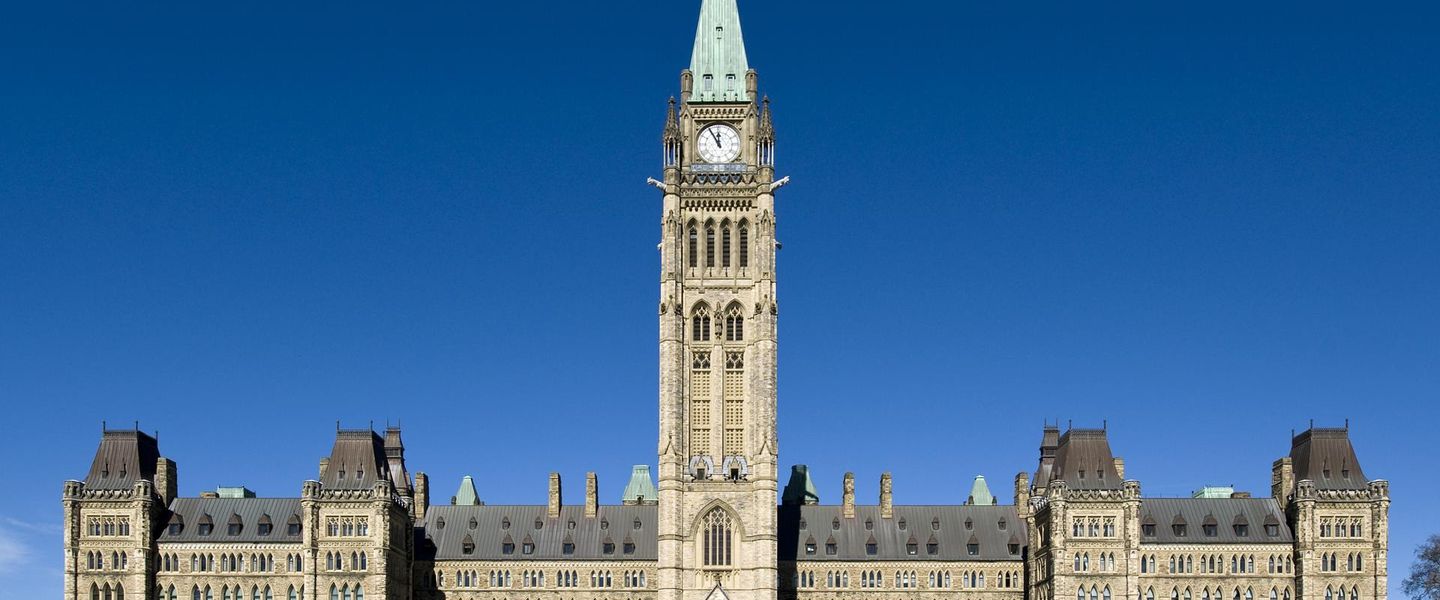


Centretown Ottawa blends Victorian streets, the Canadian Museum of Nature, Bank Street cafés, Elgin nightlife and walkable urban history near Parliament.
A Central Ottawa Neighbourhood
Centretown occupies the broad urban district immediately south of Ottawa's parliamentary core, where the formal avenues of downtown give way to residential streets, independent businesses and a dense mix of older houses and apartment buildings. Its commonly understood area stretches roughly from the downtown edge near Gloucester Street south towards the Queensway, and from Bronson Avenue east towards Elgin Street, although local boundaries are informal and overlap with neighbouring districts. The result is a neighbourhood best explored on foot, with several distinct pockets rather than one tightly enclosed centre.Read more about Centretown
Architecture and Street Life
Culture, Food and Everyday Ottawa
Best attractions in Centretown
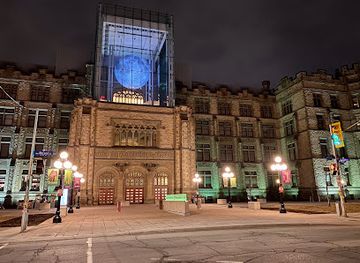
Centretown's principal attraction is the Canadian Museum of Nature, where natural-history galleries occupy the former Victoria Memorial Museum building, a landmark in itself. Its collections offer a substantial indoor visit, while the surrounding streets provide a useful starting point for exploring the neighbourhood's older residential fabric. Dundonald Park is a modest but important public space near Bank Street, used for recreation and community activity amid the dense blocks. Walking routes along Bank, Elgin, Metcalfe and the quieter cross-streets reveal a changing sequence of cafés, apartment buildings, churches, porched houses and small businesses. Saint Patrick's Basilica, close to the northern edge of the area, adds a significant religious and architectural stop. Centretown is best understood through these connected experiences: a museum, a park, historic streets and active commercial corridors rather than a large concentration of formal visitor attractions.
-
Tourist attraction
Canadian Museum of Nature / Musée canadien de la nature
Explore Canada's natural heritage at the Canadian Museum of Nature, where history and science come alive in Ottawa's stunning Gothic Revival landmark.
5 min walk · 0.4 km from neighbourhood centre
-
Tourist attraction
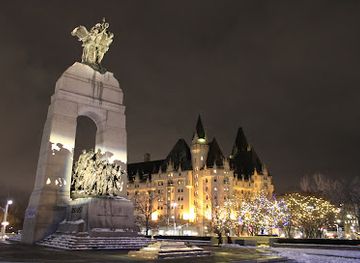
The National War Memorial
Explore the National War Memorial in Ottawa, a moving tribute to Canada's brave soldiers and a vital piece of the nation’s history.
18 min walk · 1.4 km from neighbourhood centre
-
Tourist attraction
Confederation Park
Explore the enchanting Confederation Park in Ottawa, a perfect blend of nature, art, and culture in the heart of Canada's capital.
15 min walk · 1.2 km from neighbourhood centre
-
Tour agency
Haunted Walk of Ottawa
Explore the haunted history of Ottawa with thrilling tales and ghostly encounters on the Haunted Walk, a must-do for every tourist in Canada’s capital.
17 min walk · 1.3 km from neighbourhood centre


Best landmarks in Centretown
The Canadian Museum of Nature is Centretown's defining landmark, occupying the 1912 Victoria Memorial Museum building, whose stone exterior and tower-like central entrance give the southern neighbourhood a strong civic presence. Saint Patrick's Basilica, on Kent Street near the downtown edge, is another important historic structure and a reminder of the area's long religious and institutional history. Dundonald Park is less monumental but significant as a rare, central green space framed by the neighbourhood's dense urban blocks. The older houses along streets including Gilmour, Lewis, Lisgar and Cartier form a collective landmark landscape rather than a single monument, displaying the porches, brickwork, bay windows and compact lots associated with historic Ottawa residential development. Bank Street and Elgin Street remain the social landmarks of daily life, linking these buildings to shops, restaurants and public movement.
-
 Historical place
Parliament Hill
Explore the architectural beauty and rich history of Parliament Hill, the heart of Canadian democracy in Ottawa, a must-see for all tourists visiting Canada.
18 min walk · 1.5 km from neighbourhood centre
-
War memorial
The National War Memorial
Explore the National War Memorial in Ottawa, a powerful tribute to Canadian soldiers and a cornerstone of national remembrance.
18 min walk · 1.4 km from neighbourhood centre
-
Tour agency
Haunted Walk of Ottawa
Explore Ottawa's chilling history with the Haunted Walk, where ghostly legends and spine-tingling tales await visitors in the heart of Canada's capital.
17 min walk · 1.3 km from neighbourhood centre
-
Historical landmark
Terry Fox Statue
Discover the legendary Terry Fox Statue in Ottawa, a symbol of hope and perseverance that inspires visitors from around the world.
17 min walk · 1.4 km from neighbourhood centre


Explore Centretown on the map
A handpicked selection of must-see spots in Centretown, mapped for you.
Best hotels in Centretown
Best restaurants in Centretown
Centretown's dining scene is concentrated along Bank Street, Elgin Street and parts of Somerset Street West, with options ranging from cafés and bakeries to casual restaurants, pubs and more ambitious small dining rooms. Elgin is particularly associated with evening meals and sociable restaurant culture, while Bank Street mixes everyday food businesses with independent eateries serving a broad range of cuisines. Long-established names such as The Manx and The Whalesbone have helped give the area a recognisable local dining identity, though individual businesses and formats change over time. The neighbourhood's proximity to government offices and residential apartments supports both quick daytime meals and later dinners, and its food culture is more about a varied inner-city corridor than a single signature dish. Nearby Chinatown and the Glebe offer additional choices, but they should be treated as adjoining areas rather than part of Centretown itself.
-
Italian
North & Navy
Experience the essence of Northern Italy at North & Navy, Ottawa's premier destination for exquisite Italian dining.
9 min walk · 0.7 km from neighbourhood centre
-
Restaurant
Bâton Rouge Steakhouse & Bar
Discover the exquisite flavors of Bâton Rouge Steakhouse & Bar in Ottawa – where culinary excellence meets a vibrant dining atmosphere.
14 min walk · 1.1 km from neighbourhood centre
-
Tapas
Aroma Meze
Experience the vibrant flavors of Greece at Aroma Meze in Ottawa – where every dish tells a story.
10 min walk · 0.8 km from neighbourhood centre
-
Restaurant
Union Local 613
Discover Union Local 613: A must-visit restaurant and cocktail bar in Ottawa featuring local cuisine and creative drinks in a vibrant atmosphere.
7 min walk · 0.5 km from neighbourhood centre


Best bars in Centretown
After dark, Elgin Street is Centretown's clearest nightlife corridor, lined with pubs, bars and restaurants where the atmosphere ranges from relaxed conversation to busier late-evening socialising. The Manx is a long-established pub presence, while other venues on and around Elgin have included casual bars, cocktail-led rooms and places oriented towards live entertainment; the exact mix changes as businesses open, close or change format. Bank Street is generally less concentrated as a nightlife strip, although several restaurants and bars contribute to its evening activity. Centretown is not Ottawa's main nightclub district, and much of the neighbourhood remains residential at night. Visitors should therefore expect a pub-and-restaurant scene with occasional performances and late gatherings rather than a dedicated club quarter, and should be considerate when moving between venues and nearby homes.
-
Pub
The Lieutenant's Pump
Discover the vibrant atmosphere and delicious offerings at The Lieutenant's Pump, Ottawa's premier pub for food, drinks, and fun.
8 min walk · 0.6 km from neighbourhood centre
-
Bar
The Manx Pub
Experience the heart of Ottawa's nightlife at The Manx Pub, where cozy ambiance meets delicious food and drinks in a vibrant setting.
7 min walk · 0.6 km from neighbourhood centre
-
Pub
Deacon Brodies Pub
Experience the vibrant atmosphere and unique Scottish cuisine at Deacon Brodies Pub, Ottawa's top live music venue.
10 min walk · 0.8 km from neighbourhood centre
-
Pub
Pour Boy - Somerset
Discover the heart of Ottawa's pub scene at Pour Boy, where Canadian cuisine meets a vibrant atmosphere in the lively Somerset neighborhood.
8 min walk · 0.6 km from neighbourhood centre


Best nightclubs in Centretown
After dark, Elgin Street is Centretown's clearest nightlife corridor, lined with pubs, bars and restaurants where the atmosphere ranges from relaxed conversation to busier late-evening socialising. The Manx is a long-established pub presence, while other venues on and around Elgin have included casual bars, cocktail-led rooms and places oriented towards live entertainment; the exact mix changes as businesses open, close or change format. Bank Street is generally less concentrated as a nightlife strip, although several restaurants and bars contribute to its evening activity. Centretown is not Ottawa's main nightclub district, and much of the neighbourhood remains residential at night. Visitors should therefore expect a pub-and-restaurant scene with occasional performances and late gatherings rather than a dedicated club quarter, and should be considerate when moving between venues and nearby homes.
-
Cocktail bar
Charlotte
Experience the vibrant nightlife at Charlotte, Ottawa's premier cocktail bar, offering innovative drinks and a stylish lounge atmosphere.
7 min walk · 0.6 km from neighbourhood centre
-
Bar
City At Night
Discover Ottawa's nightlife at City At Night, the city's only after-hours nightclub offering music, dance, and unforgettable events.
12 min walk · 1.0 km from neighbourhood centre
-
Lounge
Russell's Lounge
Discover the stylish atmosphere of Russell's Lounge in Ottawa, perfect for unwinding with friends and enjoying exquisite drinks in a cozy setting.
3 min walk · 0.3 km from neighbourhood centre
-
Pub
THE D.O.C
Experience the vibrant nightlife of Ottawa at The D.O.C, a lively pub in Centretown offering great drinks, music, and a friendly atmosphere.
7 min walk · 0.6 km from neighbourhood centre


Best shops in Centretown
Shopping in Centretown is primarily local and practical, with the strongest concentration along Bank Street and additional independent businesses on Elgin Street and Somerset Street West. Visitors will find cafés, food shops, personal services, clothing and lifestyle retailers among the neighbourhood's restaurants and offices, as well as small businesses that serve nearby residents rather than a single enclosed retail destination. Bank Street is the better corridor for browsing at a relaxed pace, while Elgin combines shopping with dining and evening activity. The area does not have a major traditional market within its commonly recognised boundaries, and specialist selections can be more extensive in adjacent Chinatown, the Glebe or the downtown core. Centretown's appeal lies in its mixed-use street life and independent storefronts, best experienced by walking the blocks between the main avenues instead of looking for a large shopping complex.
-
Gift shop
The Gifted Type
Explore The Gifted Type in Ottawa for unique gifts, delightful greeting cards, and a charming shopping experience in the Golden Triangle.
10 min walk · 0.8 km from neighbourhood centre
-
Gift shop
boogie + birdie
Explore boogie + birdie, Ottawa's charming gift shop offering unique candles, fashion accessories, home goods, and handcrafted jewelry.
10 min walk · 0.8 km from neighbourhood centre
-
Clothing store
Darling Vintage
Explore Darling Vintage in Ottawa for unique vintage clothing and accessories, where every piece tells a story and style meets nostalgia.
7 min walk · 0.6 km from neighbourhood centre
-
Gift shop
Midori Gifts Ottawa
Explore Midori Gifts in Ottawa for a unique selection of Japanese stationery, artisanal gifts, and home decor in a charming setting.
10 min walk · 0.8 km from neighbourhood centre


Centretown essentials
Getting There
Getting Around
Safety
Emergency Situations
Do's and Don'ts
Local Tips

From Eve
Local phrases worth knowing
You don't need to get them perfect. A few words go a long way, and locals appreciate the effort.
Basics
| English | Local | Say it |
|---|---|---|
| Hello | Bonjour | [bon-zhoor] |
| Goodbye | Au revoir | [oh reh-vwar] |
| Yes | Oui | [wee] |
| No | Non | [noh] |
| Please/You're welcome | S'il vous plaît/De rien | [seel voo pleh/dee ryen] |
| Thank you | Merci | [mehr-see] |
| Excuse me/Sorry | Excusez-moi/Désolé | [ehk-skyoo-zay mwah/day-zoh-lay] |
| How are you? | Comment ça va? | [koh-mohn sah vah] |
| Fine. And you? | Bien. Et toi? | [byen/eh twah] |
| Do you speak English? | Parlez-vous anglais? | [par-lay voo ahn-glay] |
| I don't understand | Je ne comprends pas | [zhuh nuh kohm-prahnd pah] |
Eating & Drinking
| English | Local | Say it |
|---|---|---|
| I'd like to see the menu, please | Je voudrais voir le menu, s'il vous plaît | [zhuh voo-dray vwar luh meh-noo/seel voo pleh] |
| I don't eat meat | Je ne mange pas de viande | [zhuh nuh mahnzh pah duh vyand] |
| Cheers! | Santé! | [sahn-tay] |
| I would like to pay, please | Je voudrais payer, s'il vous plaît | [zhuh voo-dray pay-ay/seel voo pleh] |
Emergencies
| English | Local | Say it |
|---|---|---|
| Help! | À l'aide! | [ah leyd] |
| Go away! | Allez-vous en! | [ah-lay voo zah] |
| Call the Police! | Appelez la police! | [ah-puh-lay lah plees] |
| Call a doctor! | Appelez un médecin! | [ah-puh-lay uh may-deh-sahn] |
| I'm lost | Je suis perdu | [zhuh swee pair-doo] |
| I'm ill | Je suis malade | [zhuh swee mah-lahd] |
Shopping
| English | Local | Say it |
|---|---|---|
| I'd like to buy... | Je voudrais acheter... | [zhuh voo-dray zah-shay] |
| I'm just looking | Je regarde juste | [zhuh ruh-gahrd zhoost] |
| How much is it? | Combien ça coûte? | [kohm-byen sah koot] |
| That's too expensive | C'est trop cher | [say troh shay] |
| Can you lower the price? | Pouvez-vous baisser le prix? | [poo-veh voo bay-say luh pree] |
Time & Numbers
| English | Local | Say it |
|---|---|---|
| What time is it? | Quelle heure est-il? | [kell eur eh-teel] |
| It's one o'clock | Il est une heure | [eel eh oon eur] |
| Half past (10) | Dix heures et demie | [dees eur ay duh-mee] |
| Morning | Matin | [mah-tan] |
| Afternoon | Après-midi | [ah-pray mee-dee] |
| Evening | Soir | [swahr] |
| Yesterday | Hier | [yayr] |
| Today | Aujourd'hui | [oh-zhoor-dwee] |
| Tomorrow | Demain | [duh-mahn] |
| 1 | Un | [uhn] |
| 2 | Deux | [duh] |
| 3 | Trois | [twah] |
| 4 | Quatre | [kah-truh] |
| 5 | Cinq | [sank] |
| 6 | Six | [sees] |
| 7 | Sept | [sept] |
| 8 | Huit | [weet] |
| 9 | Neuf | [nurf] |
| 10 | Dix | [dees] |
Transport & Directions
| English | Local | Say it |
|---|---|---|
| Where's a/the...? | Où est un/le...? | [oo eh uh/luh] |
| What's the address? | Quelle est l'adresse? | [kell eh la-dress] |
| Can you show me (on the map)? | Pouvez-vous me montrer (sur la carte)? | [poo-veh voo muh mohn-tray/sur la kart] |
| When's the next (bus)? | Quand est le prochain (bus)? | [kahn eh luh pro-shahn/bus] |
| A ticket (to ....) | Un billet (pour ....) | [uhn bee-yay/poor] |
History of Centretown
From Outlying Land to Residential District
Before Centretown became part of Ottawa's continuous urban fabric, much of the area south of the early town was comparatively open land, divided into estates, farms and developing road corridors. Ottawa's nineteenth-century expansion gradually extended the street grid southwards, and residential construction followed as the capital's population and institutions grew. Bank Street became the most important north-south commercial route, while the regular blocks around it filled with modest houses, larger villas and small businesses. The neighbourhood's name reflects this position: it grew as the central residential area between the older downtown core and the districts further south, rather than as a separate historic settlement with a single founding date.
Victorian and Edwardian Centretown
By the late nineteenth and early twentieth centuries, Centretown had developed the built character that remains visible today. Wood-frame houses, brick terraces and more substantial residences appeared alongside churches, schools, shops and professional offices, serving government workers and other urban residents. Electric streetcar expansion in Ottawa helped connect the growing neighbourhood with the central business district and encouraged denser development along principal routes such as Bank Street. The opening of the Victoria Memorial Museum in 1912, now the Canadian Museum of Nature, added a major national institution at the southern edge of the established residential area and gave Centretown an enduring architectural and cultural landmark.
Changing Homes and Commercial Streets
During the twentieth century, Centretown became a mixed urban neighbourhood rather than a district of detached houses alone. Apartment buildings, offices, social services and retail premises occupied sites along Bank, Elgin and the surrounding avenues, while many older homes were divided into flats or adapted for new uses. Car-oriented planning and redevelopment pressures altered some streets, yet substantial portions of the historic grid survived. Community organisations increasingly argued for conservation, liveable streets and a balance between redevelopment and the protection of established homes. These debates helped shape the neighbourhood's present combination of heritage buildings, mid-century apartments and newer infill.
A Contemporary Inner-City Community
In recent decades, Centretown has continued to change under pressure from Ottawa's central employment areas, rising land values and demand for inner-city housing. New apartment and condominium projects have appeared beside older low-rise properties, while Bank and Elgin have retained their roles as commercial and social corridors. Community health, housing, heritage and public-space organisations remain important parts of local civic life. The neighbourhood's contemporary identity is therefore layered: it is close to Parliament and the downtown workforce, but it also preserves a walkable residential landscape whose cafés, restaurants, parks, churches and everyday services give it a life beyond the national institutions nearby.
Centretown in Photos
Browse through our photo collection highlighting the charm and character of the destination.
Neighbourhoods near Centretown
The closest neighbourhoods to Centretown, if you have time for more than one stop.
-

-

-

-

-


Swipe for more neighbourhoods
Explore more

Explore more of Ottawa
Ottawa blends Canada's parliamentary heritage, national museums, riverside paths and bilingual culture with memorable architecture and seasonal outdoor life.
Explore Ottawa