
Santo Ecce Homo Convent, Cundiboyacense Highlands Travel Guide
Discover a serene 17th-century convent near Villa de Leyva, Colombia, where history, spirituality, and fossilized wonders converge.
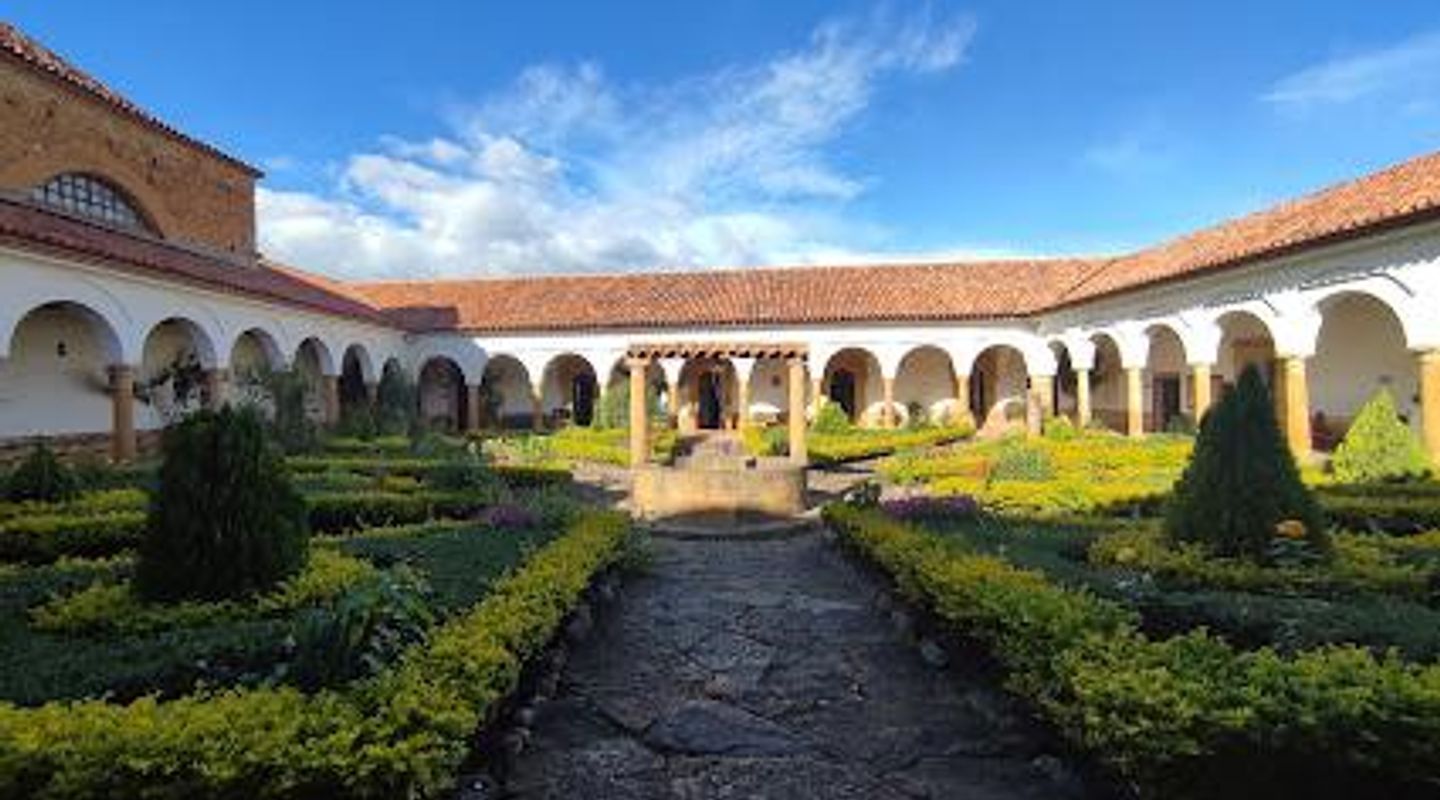
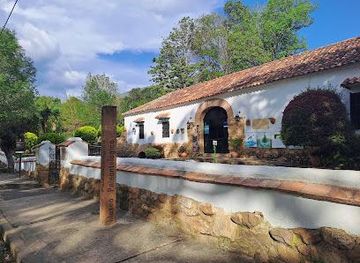
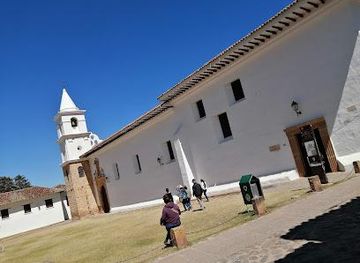
The Santo Ecce Homo Convent, founded in 1620, is a Dominican monastery near Villa de Leyva, Colombia, offering a serene escape into history and spirituality. Its architecture features a blend of colonial design and local materials, with a unique fossil-embedded floor, creating a captivating experience for visitors.
A brief summary to Santo Ecce Homo Convent
- cerca al convento al santo Ecce Homo, Santa Ecce Homo, Villa de Leyva, Boyaca, 153867, CO
- Click to display
- Monday 9 am-5 pm
- Tuesday 9 am-5 pm
- Wednesday 9 am-5 pm
- Thursday 9 am-5 pm
- Friday 9 am-5 pm
- Saturday 9 am-5 pm
- Sunday 9 am-5 pm

Know before you go
Hi, I'm Eve. Here are a few practical things to know before exploring Santo Ecce Homo Convent.
- Wear comfortable shoes for walking on the original stone floors, which can be uneven in places.
- Take time to examine the stones in the floors and walls for the many fossils embedded within.
- Visit the Capitulary Hall to see the collection of ecclesiastical art.
Do you manage this location?
Take control to get all the benefits, like improved information, better appearance, and stronger visibility across AI-powered discovery. Learn more about listing your business on Evendo
Activate your presenceOther nearby places you may find interesting
The closest places of the same kind, if this one is not quite what you had in mind.
Explore Santo Ecce Homo Convent on the Map
A handpicked selection of must-see spots near Santo Ecce Homo Convent, mapped for you.
Unlock the Best of Santo Ecce Homo Convent
Buy tickets
-
No tickets available
Book tours with entry


Book tours without entry
-
No tours available
Getting There
-
Public Transport
From Villa de Leyva, take a bus heading towards Santa Sofía. Ask the driver to drop you off at the road leading to the convent. From there, it's approximately a 15-minute walk to the entrance.
-
Taxi
A taxi from Villa de Leyva to the Santo Ecce Homo Convent is a direct option. Negotiate the fare before starting the trip. A short taxi ride in Villa de Leyva typically starts at COP 4,400.
Discover more about Santo Ecce Homo Convent
More to explore near Santo Ecce Homo Convent













Your all‑in‑one travel companion app
Explore expert travel guides, compare and book tours, experiences, hotels, and more—all from the palm of your hand. Download now for seamless trip planning wherever your wanderlust takes you.


Explore More of Cundiboyacense Highlands
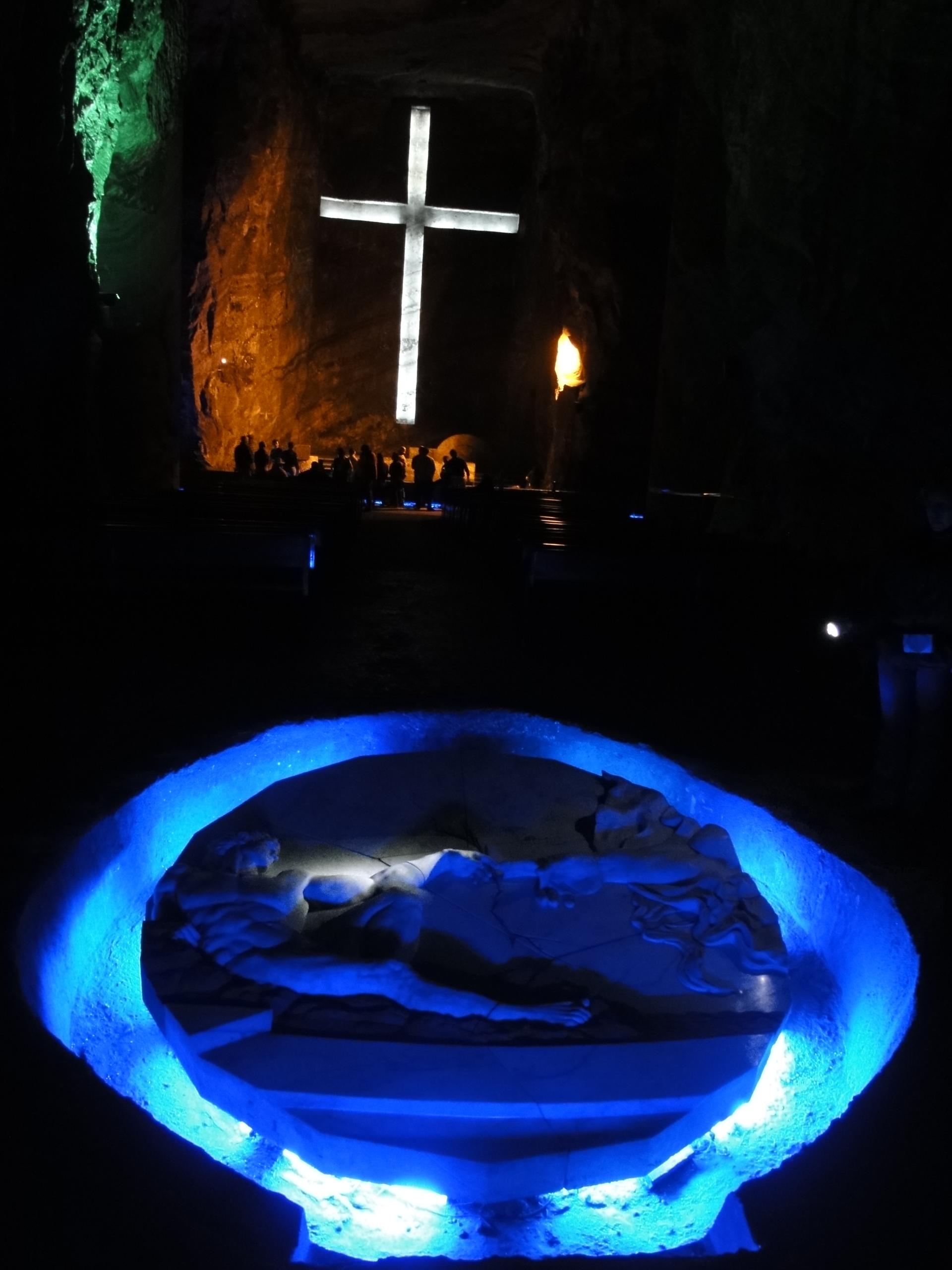
Looking beyond Santo Ecce Homo Convent? Discover Cundiboyacense Highlands for broader travel guides, local hot-spots, and regional highlights.
Explore Cundiboyacense Highlands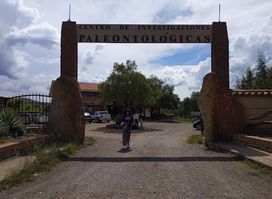
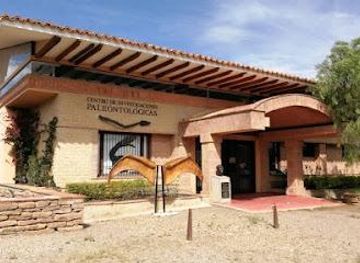
Explore Colombia's prehistoric past at the Paleontological Research Center in Villa de Leyva. Discover dinosaurs, marine reptiles, and ancient fossils.
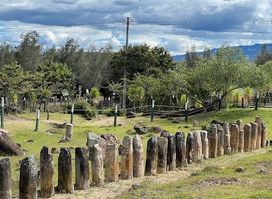
Discover El Infiernito: An ancient Muisca site near Villa de Leyva with phallic stone columns used for fertility rituals and astronomical observations.
