
Villa de Leyva, Cundiboyacense Highlands Travel Guide
Discover the timeless beauty of Villa de Leyva, Colombia: colonial architecture, rich history, and stunning landscapes await in this charming town.
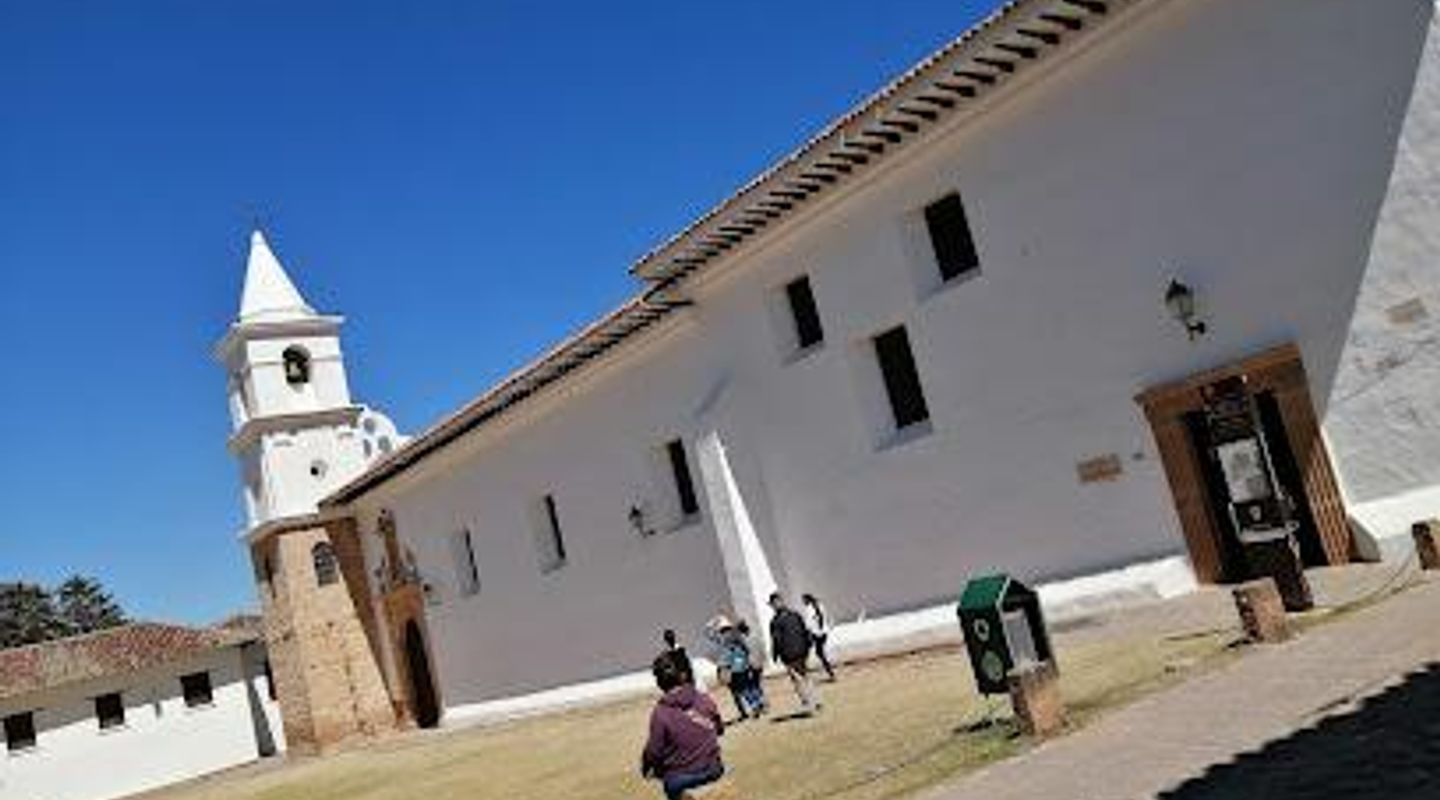
Villa de Leyva, nestled in the Boyacá region of Colombia, is a captivating colonial town renowned for its well-preserved architecture and the expansive Plaza Mayor, one of the largest town squares in South America. Founded in 1572, the town boasts cobblestone streets, whitewashed buildings, and a rich history that transports visitors back in time.
A brief summary to Villa de Leyva
- Villa de Leyva, Boyaca, CO

Know before you go
Hi, I'm Eve. Here are a few practical things to know before exploring Villa de Leyva.
- Explore the Plaza Mayor early in the morning to experience the local life before the crowds arrive.
- Visit the Museo El Fósil to see the impressive Kronosaurus skeleton and learn about the area's prehistoric past.
- Take a day trip to Ráquira, a nearby village famous for its colorful handmade pottery.
- Hike to the Iguaque Lagoon in the Iguaque National Park for picturesque views and a challenging trek.
- Sample the local cuisine, including traditional Boyacá dishes, at one of the town's many restaurants.
Do you manage this location?
Take control to get all the benefits, like improved information, better appearance, and stronger visibility across AI-powered discovery. Learn more about listing your business on Evendo
Activate your presenceOther nearby places you may find interesting
The closest places of the same kind, if this one is not quite what you had in mind.
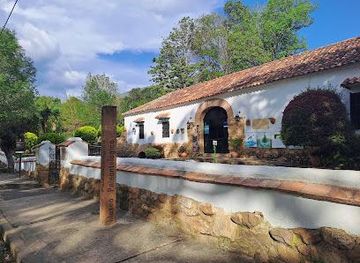
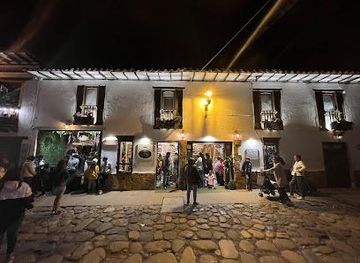
Explore Villa de Leyva on the Map
A handpicked selection of must-see spots near Villa de Leyva, mapped for you.
Unlock the Best of Villa de Leyva
Buy tickets
-
No tickets available
Book tours with entry


Getting There
-
Walking
Villa de Leyva's historic center is easily navigable on foot. From the Plaza Mayor, most attractions, restaurants, and shops are within a 10-15 minute walk. Be aware that the cobblestone streets can be uneven, so wear comfortable shoes. No costs are associated with walking.
-
Taxi
Taxis are readily available in Villa de Leyva, especially around the Plaza Mayor and the bus terminal. They are a convenient option for reaching attractions outside the town center, such as El Fósil or Casa Terracota. A short taxi ride within the town typically costs between $2 and $4. For longer distances, negotiate the fare in advance.
-
Public Transport
Buses connect Villa de Leyva with nearby towns like Tunja and Bogotá. The bus terminal is located a few blocks from the Plaza Mayor. From Bogotá's Terminal del Norte, the bus to Villa de Leyva takes approximately 2.5 hours and costs between $7 and $13. Local buses also serve destinations around Villa de Leyva.
Discover more about Villa de Leyva













Your all‑in‑one travel companion app
Explore expert travel guides, compare and book tours, experiences, hotels, and more—all from the palm of your hand. Download now for seamless trip planning wherever your wanderlust takes you.


Explore More of Cundiboyacense Highlands
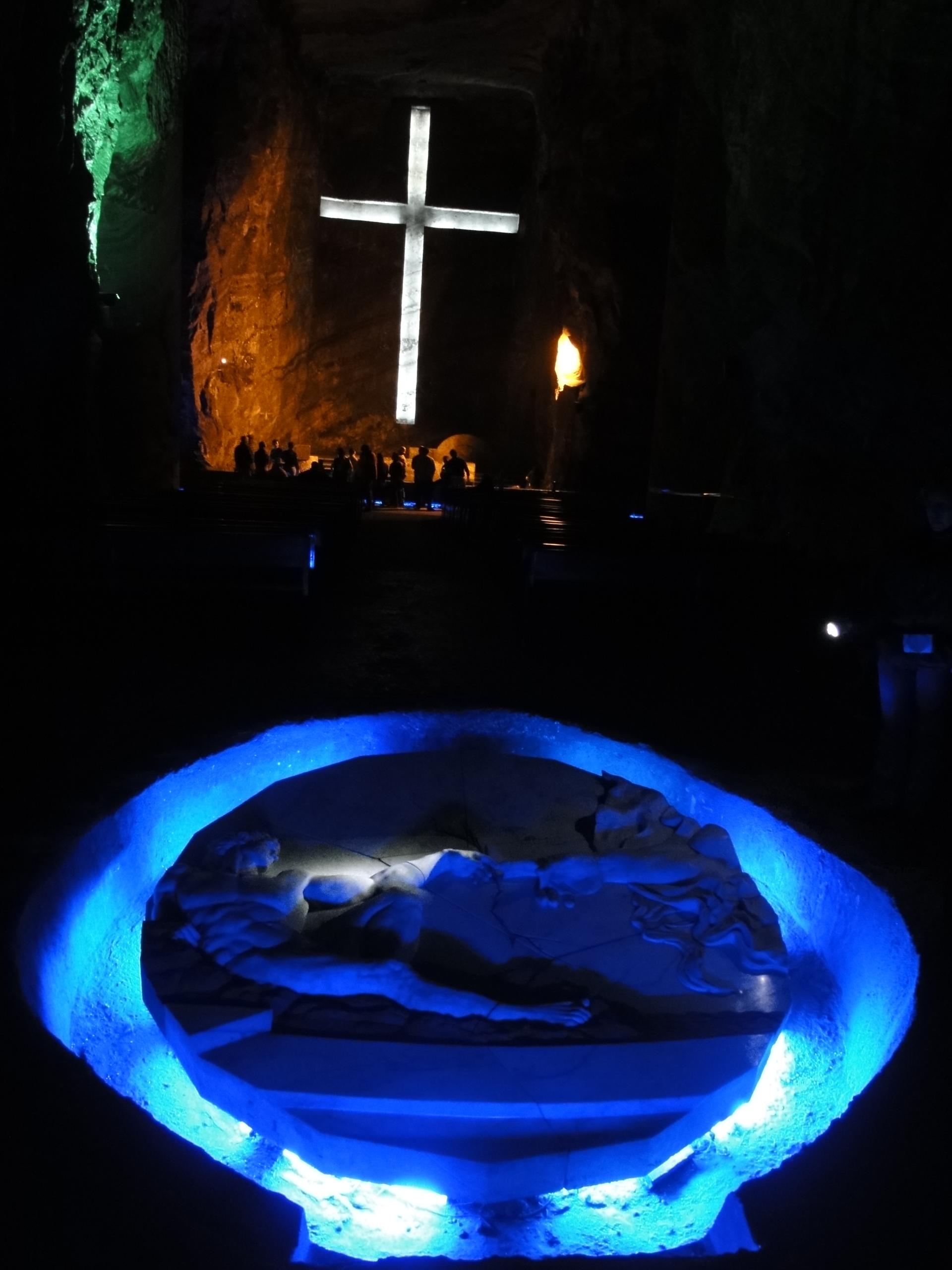
Looking beyond Villa de Leyva? Discover Cundiboyacense Highlands for broader travel guides, local hot-spots, and regional highlights.
Explore Cundiboyacense Highlands
Discover the natural beauty of Cascadas la Honda in Boyacá: waterfalls, hiking, and a refreshing escape into the Andean forest.
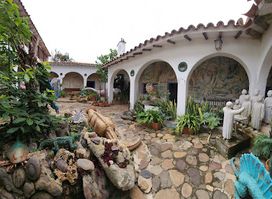
Discover the diverse art and history within the walls of Museo Luis Alberto Acuña, celebrating a Colombian master in his former Villa de Leyva home.
