
Salida, Colorado Travel Guide
Discover Salida, Colorado: A charming town in the heart of the Rockies, perfect for outdoor adventures, cultural experiences, and relaxation in natural hot springs.
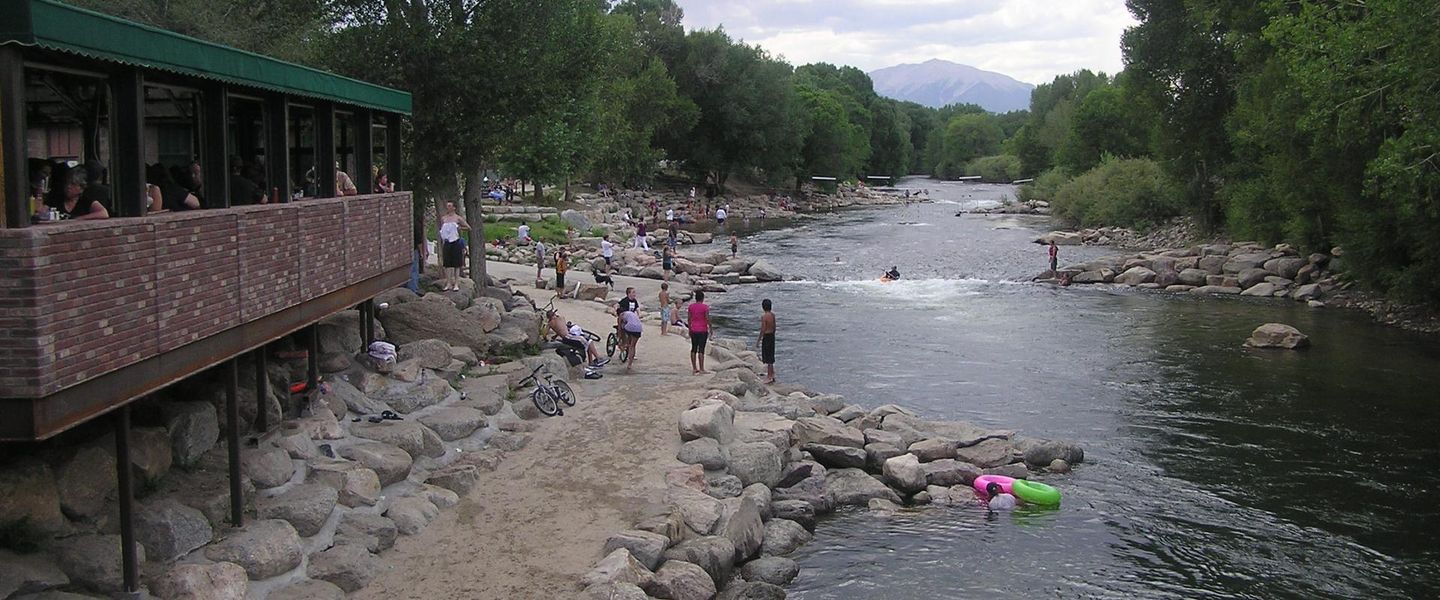
Nestled in the heart of the Rocky Mountains, Salida, Colorado, is a haven for nature lovers and adventure seekers alike. Known for its stunning landscapes and charming downtown, Salida offers a unique blend of outdoor activities and cultural experiences. The Arkansas River runs through the city, providing perfect conditions for white-water rafting, kayaking, and fishing. The nearby mountains are ideal for hiking, mountain biking, and skiing in the winter months. Salida's downtown area is a designated Creative District, brimming with art galleries, boutiques, and cozy cafes. The historic buildings add a touch of nostalgia, making it a delightful place to stroll and explore. Don't miss the chance to visit the Salida Hot Springs Aquatic Center, where you can relax in natural hot springs. The city also hosts numerous festivals and events throughout the year, celebrating everything from local art to bluegrass music. Whether you're looking to challenge yourself with outdoor activities or simply unwind in a beautiful setting, Salida has something to offer every visitor.

Know before you go
Hi, I'm Eve. Here are a few practical things to know before exploring Salida.
- Visit in the summer months for the best white-water rafting conditions on the Arkansas River.
- Explore the downtown Creative District for unique local art and boutique shopping.
- Don't miss the Salida Hot Springs Aquatic Center for a relaxing soak.
- Plan your visit around one of Salida's many festivals for a lively and authentic local experience.
- If visiting in winter, head to Monarch Mountain for excellent skiing and snowboarding.
Explore Salida: Things to Do, Places to Eat, Hotels & More
Handpicked recommendations for top attractions, local dining, accommodations, and more

Best attractions in Salida
Top-rated picks
Best Attractions

Riverside Park
Experience the heart of Salida at Riverside Park: recreation, community, and natural beauty along the Arkansas River.

Riverside Park
Experience the heart of Salida at Riverside Park: recreation, events, and natural beauty along the Arkansas River in a historic downtown setting.

Salida Hot Springs Aquatic Center
Experience the nation's largest indoor hot springs pool in historic Salida, Colorado. Relax, rejuvenate, and enjoy naturally heated mineral waters.

Wood's High Mountain Distillery
Handcrafted spirits in Salida, Colorado, inspired by the high mountains and outdoor adventures. Tasting room, tours, and cocktails available daily.

Best landmarks in Salida
Top-rated picks
Best Landmarks

Boathouse Cantina
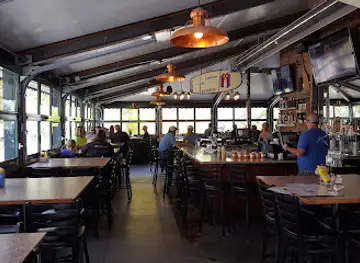
Discover the vibrant flavors of Boathouse Cantina in Salida, Colorado, where American and Mexican cuisines meet in a lively sports bar atmosphere.

Moonlight Pizza & Brewpub
Experience the best of Salida at Moonlight Pizza & Brewpub, where artisanal pizzas and craft beers come together in a vibrant setting.

Amicas Pizza Microbrew & More
Discover the taste of local craftsmanship at Amicas Pizza Microbrew & More, where every slice and sip is a celebration of Colorado's vibrant food scene.

50 Burger Shakes & Beer
Discover the ultimate burger experience at 50 Burger Shakes & Beer in Salida, where mouthwatering flavors meet a vibrant atmosphere.

Best restaurants in Salida
Top-rated picks
Best Restaurants
Boathouse Cantina
Experience delightful American and Mexican cuisine at Boathouse Cantina in Salida - where every meal is complemented by stunning views.

Moonlight Pizza & Brewpub
Discover the vibrant flavors at Moonlight Pizza & Brewpub in Salida—where gourmet pizzas meet local craft brews amidst stunning mountain views.

Amicas Pizza Microbrew & More
Experience exceptional pizzas and craft brews at Amicas Pizza Microbrew & More in Salida – where every bite tells a story.

50 Burger Shakes & Beer
Discover the ultimate burger experience at 50 Burger Shakes & Beer in Salida, where classic American flavors meet local craft brews.

Best bars in Salida
Top-rated picks
Best Bars

Boathouse Cantina
Discover Boathouse Cantina in Salida - where American and Mexican flavors meet in a vibrant, scenic setting perfect for every traveler.

Moonlight Pizza & Brewpub
Experience the best of Salida at Moonlight Pizza & Brewpub, where gourmet pizzas meet craft brews in a cozy setting.

Amicas Pizza Microbrew & More
Discover the flavorful experience at Amicas Pizza Microbrew & More, where gourmet pizzas and craft beers unite in the heart of Salida, Colorado.

50 Burger Shakes & Beer
Discover unique burgers, delicious shakes, and craft beers at 50 Burger Shakes & Beer in Salida, Colorado, the ultimate casual dining experience.

Best nightclubs in Salida
Top-rated picks
Best Nightclubs

Boathouse Cantina
Experience the best of American and Mexican cuisine at Boathouse Cantina in Salida, Colorado, with stunning views and a lively atmosphere.

Moonlight Pizza & Brewpub
Experience the perfect blend of handcrafted pizzas and craft brews at Moonlight Pizza & Brewpub in Salida, Colorado, a culinary delight for every traveler.

Soulcraft Brewing
Experience the best of craft beer and local cuisine at Soulcraft Brewing in Salida, Colorado, where every sip tells a story.

High Side! Bar & Grill
Experience delicious American cuisine and a vibrant atmosphere at High Side! Bar & Grill, a top dining destination in Salida, Colorado.

Best shops in Salida
Top-rated picks
Best Shops

Walmart Supercenter
Explore Walmart Supercenter in Salida, Colorado, your affordable destination for groceries, clothing, electronics, and more, all under one roof.

Bunny and Clyde's Corner Cafe and Market
Experience the charm of Downtown Salida at Bunny and Clyde's Corner Cafe and Market, where delicious coffee meets local flavors.

Howl Mercantile & Coffee
Discover Howl Mercantile & Coffee in Downtown Salida, where artisanal coffee meets a charming general store filled with unique treasures.

Salida Cutlery and Smoke Shop
Discover a unique shopping experience blending fine cutlery, premium cigars, and vaporizers in the heart of Salida, Colorado.

Explore Salida on the Map
A handpicked selection of must-see spots in Salida, mapped for you.
Salida Essentials
-
Salida, Colorado is accessible by several means. The closest major airport is Denver International Airport (DIA), located about 150 miles to the northeast. From Denver, you can rent a car and drive to Salida, which takes approximately 2.5 to 3 hours via US Highway 285. Alternatively, you can take a bus service like Bustang, which operates routes to Salida from Denver. For a more scenic route, consider driving from Colorado Springs, which is about 100 miles away and offers beautiful mountain views along US Highway 50.
-
Once in Salida, getting around is relatively straightforward. The town is compact and walkable, making it easy to explore on foot. For longer distances, you can rent a bicycle from local shops or use local taxi services, which are readily available. There is no public transportation system within Salida itself, but nearby areas can be accessed via regional bus services. If you plan to explore the surrounding mountains and national parks, renting a car is highly recommended.
-
The official currency in Salida, Colorado, as in the rest of the United States, is the US Dollar (USD). Credit and debit cards are widely accepted in most hotels, restaurants, and shops. ATMs are available throughout the town for cash withdrawals. It's advisable to carry a small amount of cash for use in smaller establishments or for tipping.
-
Salida is generally a safe destination for tourists. However, as with any travel location, it's essential to take standard precautions. Avoid isolated areas after dark, and always keep an eye on your belongings, especially in crowded places. There are no specific high-crime areas targeting tourists in Salida, but staying vigilant and aware of your surroundings is always advisable.
-
In case of emergency, dial 911 for immediate assistance. Salida has a local police department and a hospital, Heart of the Rockies Regional Medical Center, which offers emergency medical services. For minor health issues, several pharmacies are available in the town where you can purchase over-the-counter medications. Having travel insurance that covers medical emergencies is recommended.
-
Fashion: Do dress in layers, as weather can change rapidly. Outdoor and casual attire is generally acceptable. Avoid overly formal clothing unless attending a specific event. Religion: Do respect local customs, especially if visiting religious sites. Public Transport: Do plan for alternative transport, as there is limited public transportation. Taxis and rental cars are the best options. Greetings: Do greet people with a friendly 'hello' or a handshake. Salida locals are generally warm and welcoming. Eating & Drinking: Do try local specialties and craft beers. Don't be surprised if you are invited to join locals for a meal or a drink, as hospitality is common.
-
To experience Salida like a local, visit the Arkansas River for outdoor activities like rafting and fishing. Explore the historic downtown area, which features art galleries, boutique shops, and local eateries. Don't miss the Salida Art Walk, an annual event showcasing local artists. For a unique experience, take a dip in the Salida Hot Springs Aquatic Center, a favorite among locals. Engage with the community by attending local events and festivals, such as FIBArk, the nation's oldest whitewater festival.
When is the best time to visit Salida?
Useful Local Phrases for Salida
You don't need to speak the language perfectly. Even learning a few simple words can make conversations warmer—and locals usually appreciate the effort.
— Eve

Here are the phrases I use most often in Salida. Try a few—you'll be surprised how far they go! 😊
❤️
-
- HelloHowdy
[haʊ-di] - GoodbyeSee ya
[siː jə] - YesYep
[jɛp] - NoNope
[noʊp] - Please/You're welcomePlease/You're welcome
[pliːz/jʊr ˈwɛlkəm] - Thank youThanks
[θæŋks] - Excuse me/SorryExcuse me/Sorry
[ɪkˈskjuz mi/ˈsɔri] - How are you?Howdy, how are ya?
[haʊ-di, haʊ ɑr jə] - Fine. And you?Doing good. How 'bout you?
[ˈduɪŋ ɡʊd. haʊ ˈbaʊt jə] - Do you speak English?Y'all speak English?
[jɔl spiːk ˈɪŋɡlɪʃ] - I don't understandI don't get it
[aɪ doʊnt ˌəndərˈstænd]
- HelloHowdy
-
- I'd like to see the menu, pleaseCan I check the menu?
[kæn aɪ ˈtʃɛk ðə ˈmɛnju] - I don't eat meatI'm vegetarian
[aɪm vɛdʒɪˈtɛriən] - Cheers!Cheers!
[ʧɪrz] - I would like to pay, pleaseI'll pay now, please
[aɪl peɪ naʊ, pliːz]
- I'd like to see the menu, pleaseCan I check the menu?
-
- Help!Help!
[hɛlp] - Go away!Get lost!
[ɡɛt lɒst] - Call the Police!Call the cops!
[kɔl ðə kɒps] - Call a doctor!Get a doc!
[ɡɛt ə dɒk] - I'm lostI'm lost
[aɪm lɒst] - I'm illI'm sick
[aɪm sɪk]
- Help!Help!
-
- I'd like to buy...I wanna buy...
[aɪ ˈwɑnə baɪ] - I'm just lookingJust browsing
[ʤʌst ˈbraʊzɪŋ] - How much is it?How much does it cost?
[haʊ mʌʧ dʌz ɪt kɒst] - That's too expensiveThat's pricey
[ðæts ˈpraɪsi] - Can you lower the price?Can you give me a deal?
[kæn jʊ ɡɪv miː ə dil]
- I'd like to buy...I wanna buy...
-
- What time is it?What's the time?
[wɒts ðə taɪm] - It's one o'clockIt's one
[ɪts wʌn] - Half past (10)Half past ten
[hæf pæst tɛn] - MorningMorning
[ˈmɔrnɪŋ] - AfternoonAfternoon
[ˌæftərˈnun] - EveningEvening
[ˈivnɪŋ] - YesterdayYesterday
[ˈjɛstərˌdeɪ] - TodayToday
[təˈdeɪ] - TomorrowTomorrow
[təˈmɑroʊ] - 1One
[wʌn] - 2Two
[tu] - 3Three
[θri] - 4Four
[fɔr] - 5Five
[faɪv] - 6Six
[sɪks] - 7Seven
[ˈsɛvən] - 8Eight
[eɪt] - 9Nine
[naɪn] - 10Ten
[tɛn]
- What time is it?What's the time?
-
- Where's a/the...?Where's the...?
[wɛrz ðə] - What's the address?What's the address?
[wɒts ðə əˈdrɛs] - Can you show me (on the map)?Can you point it out (on the map)?
[kæn jʊ pɔɪnt ɪt aʊt (ɒn ðə mæp)] - When's the next (bus)?When's the next (bus)?
[wɛnz ðə nɛkst (bʌs)] - A ticket (to ....)A ticket (to ....)
[ə ˈtɪkɪt (tu)]
- Where's a/the...?Where's the...?
History of Salida
-
Salida, Colorado, was founded in 1880 as a railroad town by the Denver & Rio Grande Railroad. The name 'Salida' means 'exit' in Spanish, which reflects its role as a crucial point of transit in the Arkansas River Valley. The town rapidly grew as a hub for transportation, mining, and agriculture.
-
The arrival of the Denver & Rio Grande Railroad was a pivotal moment in Salida's history. The railroad not only facilitated the movement of people and goods but also spurred economic growth. By the late 19th century, Salida had become a bustling center for rail traffic, leading to the construction of hotels, shops, and other businesses catering to travelers and residents alike.
-
In the late 19th and early 20th centuries, Salida became a significant mining town. The discovery of precious minerals such as gold, silver, and lead in the surrounding mountains attracted prospectors and miners from all over the country. This mining boom brought wealth and development to the region, leading to the establishment of various mining camps and settlements.
-
Built in 1909, the Palace Hotel is one of Salida's most iconic landmarks. This historic hotel was constructed during the height of the town's prosperity and remains a testament to its vibrant past. The Palace Hotel has hosted numerous notable guests over the years and continues to operate as a boutique hotel, offering visitors a glimpse into Salida's rich history.
-
The Arkansas River has played a central role in Salida's history and culture. Originally a route for Native American tribes and later for fur trappers and traders, the river became a vital resource for irrigation and agriculture. Today, the Arkansas River is renowned for its exceptional white-water rafting and fishing, attracting outdoor enthusiasts from around the world.
-
Downtown Salida is a treasure trove of historical architecture and cultural heritage. Many of the buildings in the downtown area date back to the late 19th and early 20th centuries. These well-preserved structures house art galleries, boutiques, restaurants, and cafes, reflecting the town's vibrant arts scene and community spirit.
-
The F Street Bridge, built in 1907, is one of Salida's most photographed landmarks. This historic bridge spans the Arkansas River and connects downtown Salida with the residential areas on the opposite bank. The bridge is an excellent example of early 20th-century engineering and remains a vital part of the town's infrastructure.
-
The natural hot springs in and around Salida have been a source of relaxation and rejuvenation for centuries. Native American tribes initially used these thermal waters for their healing properties. Today, visitors can enjoy the hot springs at various resorts and public pools, offering a perfect way to unwind after a day of exploring the town and its surroundings.
-
Salida hosts a variety of cultural festivals throughout the year, celebrating its rich history and vibrant community. Events such as the Salida Art Walk, FIBArk (First in Boating on the Arkansas) Whitewater Festival, and the Salida Fiber Festival highlight the town's artistic and adventurous spirit, drawing participants and spectators from near and far.
-
Located just outside of Salida, Smeltertown is a historic site where a large smelting operation once processed ore from nearby mines. Established in the late 19th century, the smelter played a crucial role in the local economy until its closure in the early 20th century. Today, remnants of the smelter and the surrounding town provide a fascinating glimpse into Salida's industrial past.
Cities near Salida
The closest cities to Salida, if you have time for more than one stop.




Your all‑in‑one travel companion app
Explore expert travel guides, compare and book tours, experiences, hotels, and more—all from the palm of your hand. Download now for seamless trip planning wherever your wanderlust takes you.


Salida in Photos
Browse through our photo collection highlighting the charm and character of the destination.


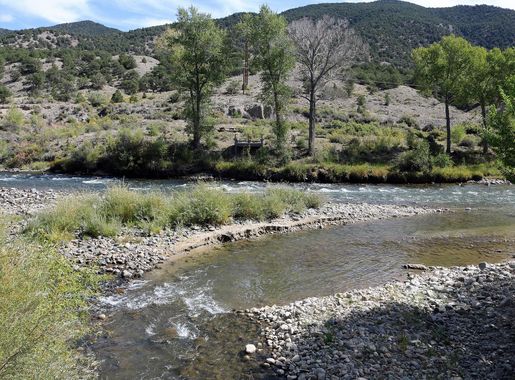




Salida: The Heart of the Rockies
Nestled in the heart of the Rocky Mountains, Salida, Colorado, is a haven for nature lovers and adventure seekers alike. Known for its stunning landscapes and charming downtown, Salida offers a unique blend of outdoor activities and cultural experiences. The Arkansas River runs through the city, providing perfect conditions for white-water rafting, kayaking, and fishing. The nearby mountains are ideal for hiking, mountain biking, and skiing in the winter months. Salida's downtown area is a designated Creative District, brimming with art galleries, boutiques, and cozy cafes. The historic buildings add a touch of nostalgia, making it a delightful place to stroll and explore. Don't miss the chance to visit the Salida Hot Springs Aquatic Center, where you can relax in natural hot springs. The city also hosts numerous festivals and events throughout the year, celebrating everything from local art to bluegrass music. Whether you're looking to challenge yourself with outdoor activities or simply unwind in a beautiful setting, Salida has something to offer every visitor.
Explore More of Colorado

Looking beyond Salida? Discover Colorado for broader travel guides, local hot-spots, and regional highlights.
Explore Colorado