
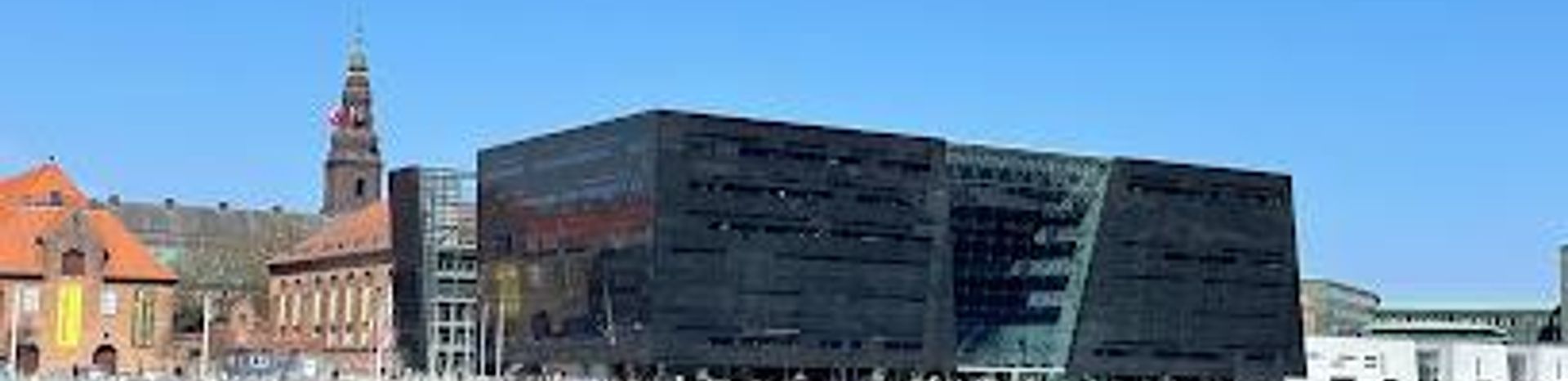
Det Kgl. Bibliotek – The Royal Danish Library (Black Diamond)
Copenhagen’s Black Diamond blends a centuries‑old national library with bold harbourfront architecture, quiet reading rooms, exhibitions, concerts and a hidden garden oasis.
Perched on Copenhagen’s harbourfront, Det Kgl. Bibliotek – the Royal Danish Library, known as the Black Diamond – fuses a 17th‑century national library with bold, glass‑clad modern architecture. Inside, you’ll find vast reading rooms, atmospheric exhibitions, the National Museum of Photography, a concert hall, café and bookshop, plus a tranquil rear garden, making it as much a cultural attraction as a place of study.
A brief summary to Det Kgl. Bibliotek, The Royal Library
- Søren Kierkegaards Pl. 1, Indre By, Indre By, 1221, DK
- +4533474747
- Visit website
- Duration: 1 to 3 hours
- Free
-
 Mixed
Mixed
- Mobile reception: 5 out of 5
- Monday 8 am-8 pm
- Tuesday 8 am-8 pm
- Wednesday 8 am-8 pm
- Thursday 8 am-8 pm
- Friday 8 am-8 pm
- Saturday 9 am-6 pm
- Sunday 10 am-4 pm
Local tips
- Head up to the upper floors of the Black Diamond atrium for some of the best indoor harbour views and a striking vantage over the walkways and reading rooms.
- Pair your visit with a stroll through the Royal Library Garden behind the historic wing for a quiet break between nearby attractions like Christiansborg Palace.
- Check upcoming exhibitions and events in advance if you are interested in photography, manuscripts or concerts; some special shows and performances require paid tickets.
- Arrive early on weekdays if you want to experience the building when it is calmest, before students and office workers fill the study spaces and café.

For the on-the-go comforts that matter to you
- Restrooms
- Drinking Water
- Seating Areas
- Sheltered Areas
- Picnic Areas
- Trash Bins
- Information Boards
- Visitor Center
Getting There
-
Metro and walking from central Copenhagen
From central Copenhagen, take metro line M1 or M2 to Christianshavn station, then walk around 10–15 minutes through the historic centre to the Royal Library on Slotsholmen. Metro trains run every few minutes throughout the day and a single adult ticket within the city zones typically costs around 20–30 DKK. The walk is flat and paved but can be busy in peak hours, and winter weather may make conditions colder and windier along the harbour.
-
Bus from inner city areas
Several city bus routes run to stops near Christiansborg Palace and the National Museum, from where it is about 10–15 minutes’ walk to the library complex. Typical bus journeys from inner neighbourhoods take 10–25 minutes depending on traffic, using the same ticket system as the metro with fares usually around 20–30 DKK for short city trips. Buses are frequent during the day but run less often late at night and on weekends.
-
Bicycle from across Copenhagen
Copenhagen’s extensive cycle lanes make it straightforward to reach the Royal Library by bike from most central districts in about 10–20 minutes. You can use city bikes or rentals, which usually cost from roughly 20–40 DKK per half hour depending on provider. Cycle parking is available around the library but can fill up at study rush hours, and strong harbour winds or wet weather may make the ride more challenging.
-
Taxi from the wider city
Taxis from central hotels or Copenhagen Central Station typically reach the Royal Library in 5–15 minutes, depending on traffic. Fares within the central area commonly range from about 80–200 DKK. Taxis can drop passengers close to the main entrance, which is useful for those with limited mobility, but costs are higher at busy times and during evenings or weekends.
Det Kgl. Bibliotek, The Royal Library location weather suitability
-
 Any Weather
-
 Rain / Wet Weather
-
 Cold Weather
-
 Mild Temperatures
Discover more about Det Kgl. Bibliotek, The Royal Library
Where Denmark’s memory meets the harbour
The Royal Danish Library on Slotsholmen is the country’s national library and one of Scandinavia’s most important cultural institutions. Founded in the 17th century as the king’s private collection, it has grown into the principal repository of Denmark’s printed heritage, maps, manuscripts, music and photographs. Today, more than a thousand people a day pass through its doors, from focused students and researchers to curious travelers seeking a glimpse behind the scenes of Danish culture. Set right on the edge of Copenhagen Harbour, the complex bridges city and water. The historic 1906 library building faces inward to the old town, while the waterfront side presents a dramatically different face: the jet‑black, faceted volume that has given the site its nickname, the Black Diamond. Between them, a soaring atrium stitches old and new together.The Black Diamond’s striking architecture
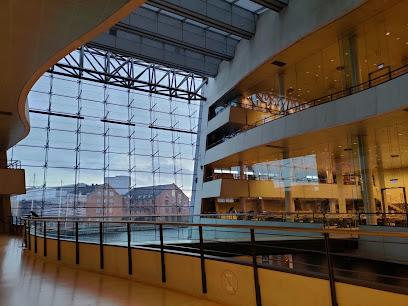
Completed in 1999, the Black Diamond is a landmark of contemporary Danish architecture. Its dark granite cladding and slightly tilted, angular form catch and mirror the sea and sky, constantly changing with the light and weather. Step inside and you emerge into a huge, light‑filled atrium carved through the building, where sweeping walkways, glass balustrades and curving balconies rise around you. From the upper levels, broad windows frame views across the harbour and into the city, while bridges lead back into the older library wings. Overhead, a monumental painting by Danish artist Per Kirkeby spans part of the ceiling, bringing bold colour and texture into the minimalist interior. The design feels both monumental and surprisingly calm, inviting you to linger rather than rush.Collections, treasures and quiet reading rooms
Beyond the public atrium, the Royal Danish Library shelters millions of books and an extraordinary range of special collections. As Denmark’s legal deposit library, it preserves every work published in the country, alongside important foreign works about Denmark. Manuscript collections include medieval codices, royal archives and papers from major Danish figures such as Søren Kierkegaard and Hans Christian Andersen, held in carefully controlled conditions. For visitors, glimpses of these riches appear in changing exhibitions that draw on the library’s treasures: illuminated manuscripts, rare early prints, historical maps, photographs and letters. Several reading rooms, from the more informal student spaces to the atmospheric Old Reading Room in the historic wing, give a sense of the library’s scholarly life, even if you are only here for a short pause.A cultural hub: exhibitions, concerts and photography
The Black Diamond functions as much as a cultural centre as a library. On the lower levels you find a café with harbour views, a small but well‑curated bookshop and flexible exhibition halls. The Dronningesalen, a 600‑seat concert and theatre hall, brings music, lectures and literary events into the building, turning the library into an evening venue as well as a daytime study space. Within the same complex sits the National Museum of Photography, whose collections trace the story of Danish and international photography from the 19th century onwards. Although much of the archive is tucked away, rotating displays highlight different themes and photographers, adding a visual counterpart to the written collections upstairs.Harbour views and the hidden library garden
Part of the appeal of the Royal Library lies outside its walls. On the harbour side, a promenade runs along the water, perfect for watching boats slide past the glass façade or for taking in the building’s reflections at different times of day. The mirrored exterior makes it a favourite spot for photographers, especially when the low northern light glances off the stone. Behind the complex, almost hidden from the surrounding streets, lies the Royal Library Garden. Enclosed by the old library and neighbouring historic buildings, this compact green space offers lawns, flowerbeds, trees and a central fountain. It is one of central Copenhagen’s quietest corners: a place to sit with a book, let children roam safely, or simply enjoy a pause between nearby sights such as Christiansborg Palace and the National Museum.Iconic landmarks you can’t miss

Circle Bridge
0.1 km
A five-masted circle of light and steel where art, everyday crossings and Copenhagen’s maritime history meet above the waters of Christianshavn Canal.
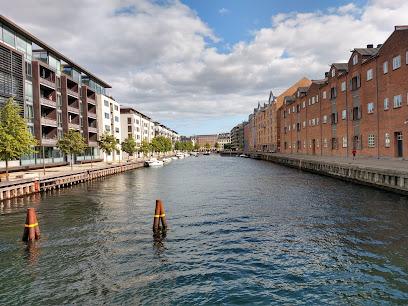
The Stable Boy's House
0.3 km
A modest former service house on Frederiksholms Kanal, quietly recalling the working lives behind Copenhagen’s royal stables and the grandeur of nearby Christiansborg.
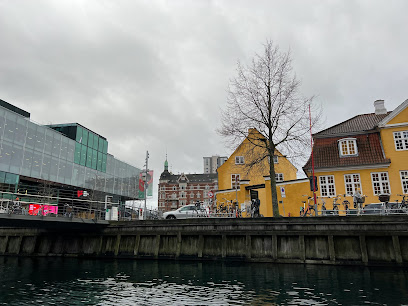
C.F. Tietgens Hus
0.3 km
A Neoclassical monument to Danish banking heritage and industrial vision, built for one of history's most influential entrepreneurs.
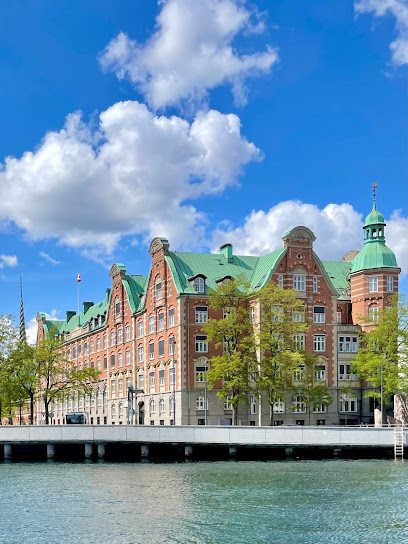
The Danish Parliament
0.3 km
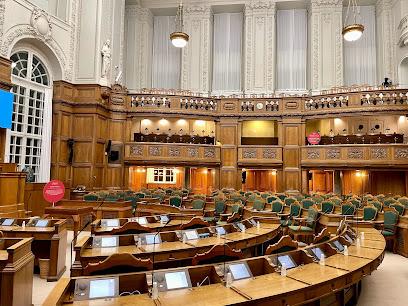
Where copper spires, royal salons and granite façades frame the working heart of Danish democracy on Copenhagen’s historic Island of Power.
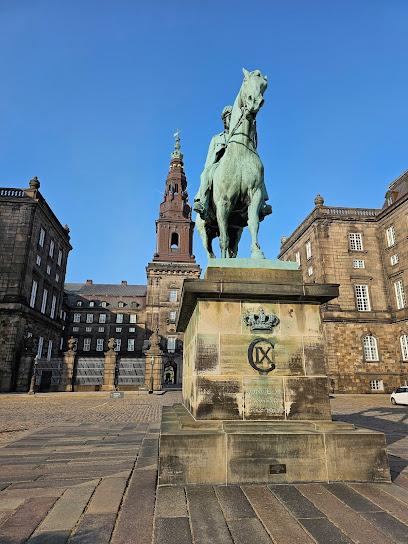
Equestrian statue of Christian IX
0.3 km
A quiet yet powerful royal monument in Christiansborg’s riding ground, uniting a pivotal Danish king with the groundbreaking sculptor who cast him in bronze.
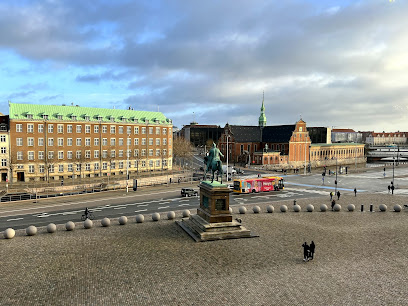
Holmens Bro
0.4 km
A modest granite arch in central Copenhagen that quietly connects Slotsholmen’s palaces with the city’s streets, offering classic harbour views and everyday urban life.

Frederik VII
0.4 km
Bronze monument in central Copenhagen commemorating King Frederik VII and Denmark’s 19th-century transition to constitutional monarchy, steps from political landmarks.
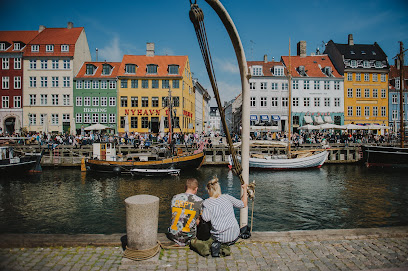
Copenhagen By Mie & Friends
0.4 km
Discover Copenhagen’s historic Botanical Garden, a serene oasis with Victorian glasshouses, winding paths, and thousands of rare plant species in the city’s heart.
Højbro
0.5 km
A historic iron arch bridging Copenhagen’s lively city centre and stately Slotsholmen, with hidden folklore sculptures stirring beneath its calm canal waters.
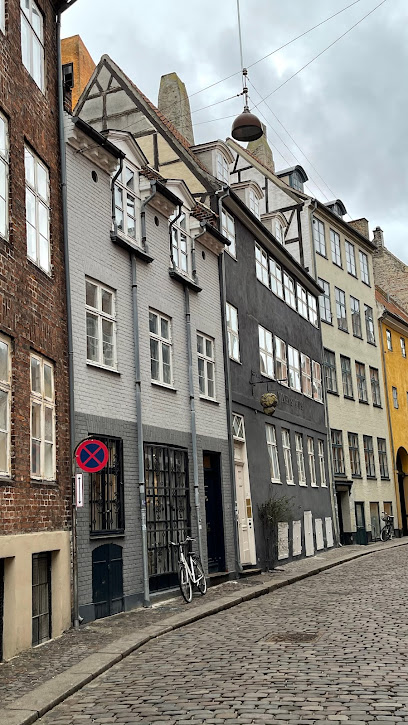
Magstræde
0.6 km
Discover the enchanting charm of Magstræde, one of Copenhagen's oldest streets, filled with historic architecture, cozy cafes, and vibrant local culture.
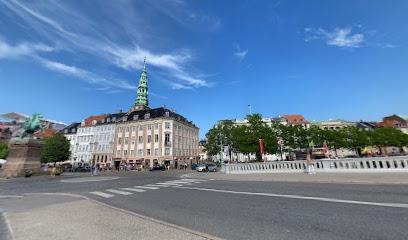
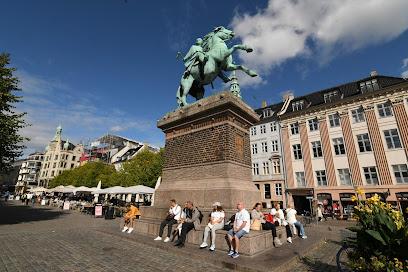
Højbro Plads
0.6 km
Explore Højbro Plads, a vibrant square in Copenhagen that beautifully blends history, culture, and lively atmosphere, perfect for tourists seeking adventure.
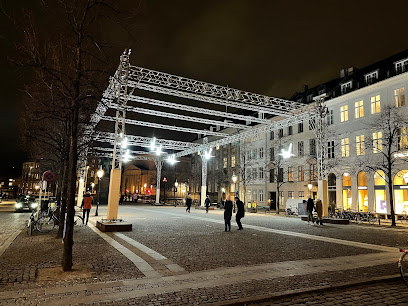
Højbro Pl.
0.6 km
Maskinrummet is Skagen’s maritime museum and café, featuring historic marine engines, hands-on exhibits, and harbor-side atmosphere in Denmark’s northernmost town.
Havnegade Promenaden
0.6 km
Copenhagen's revitalized waterfront promenade blending historic charm with playful modern recreation.
Vandkunsten Springvand
0.6 km
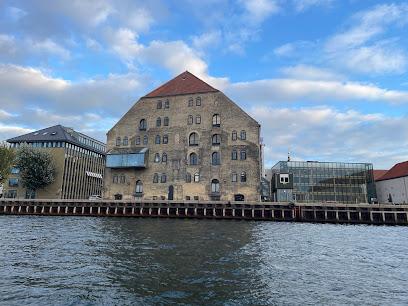
A hidden gem where medieval water engineering meets early 20th-century artistry in Copenhagen's charming Old Town.
Sankt Annæ Gade
0.6 km
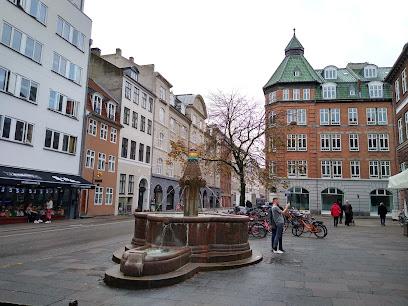
Explore Skagen’s Maskinrummet, where maritime history, restored engines, and nautical culture meet within a unique, authentic portside museum and café.
Unmissable attractions to see

Black Diamond
0.0 km
Fredensborg Palace is a magnificent 18th-century royal residence on Lake Esrum, famed for its baroque architecture, exquisite gardens, and regal Danish history.
Danish Jewish Museum
0.1 km
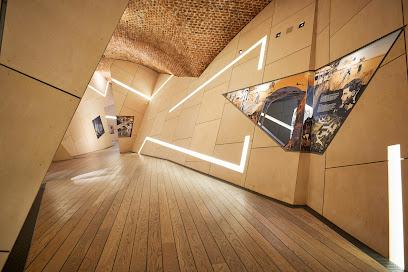
An intimate museum in a 17th‑century boathouse where Daniel Libeskind’s Mitzvah‑shaped architecture tells 400 years of Danish Jewish history and rescue.
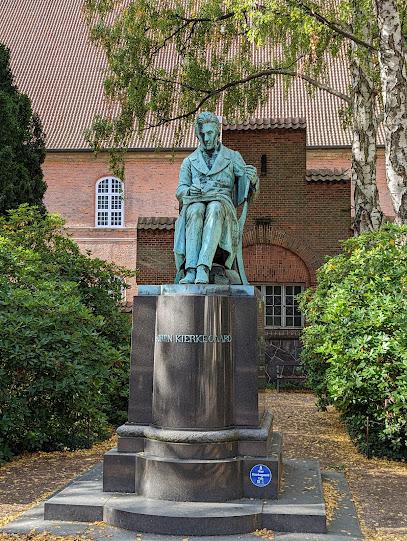
Søren Aabye Kierkegaard by Louis Hasselriis
0.2 km
A quiet bronze of Denmark’s great existential thinker, seated with manuscripts in a hidden garden behind the Royal Library in the heart of Copenhagen.
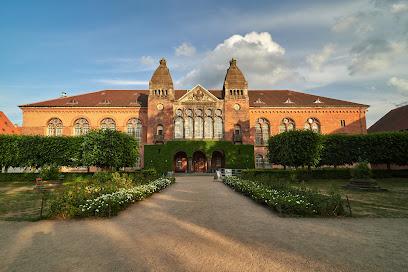
Garden of the Royal Library
0.2 km
A serene 1920s garden on a former naval harbor, where maritime heritage and artistic beauty create Copenhagen's most peaceful urban retreat.
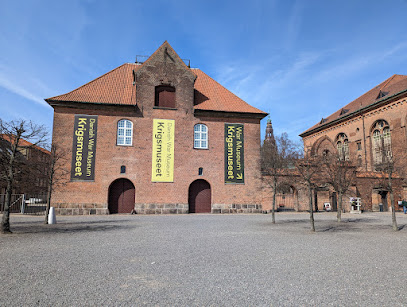
The War Museum
0.2 km
Five centuries of Danish warfare and resilience housed in King Christian IV's historic arsenal.
Christian IV's Brewhouse
0.2 km
A fortress-turned-brewery on Slotsholmen where royal stone giants gather beneath a vast timber roof, blending military history, sculpture and Copenhagen charm.
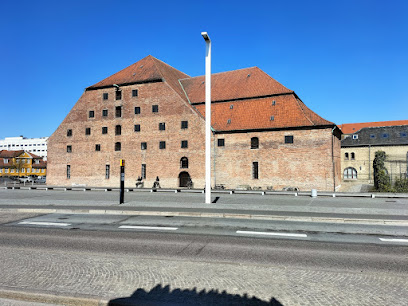
Slotsholmen
0.2 km
A compact canal island where medieval fortresses, royal palaces and modern democracy meet at the very heart of Copenhagen’s harbour.
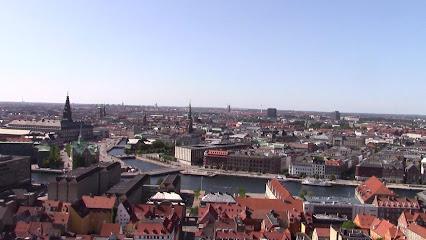
Børsen
0.2 km
Explore Copenhagen’s Ripley’s Believe It or Not!—an imaginative museum of fascinating oddities, curiosities, and interactive wonders at City Hall Square.
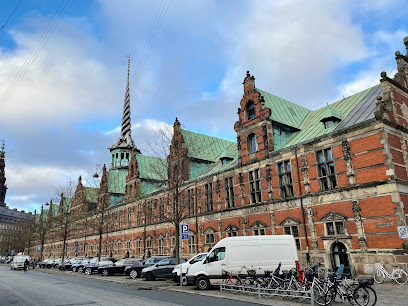
Danish Architecture Centre
0.3 km
Copenhagen’s harbourside hub for design and urban life, where immersive exhibitions, playful workshops and rooftop views reveal how architecture shapes the way we live.
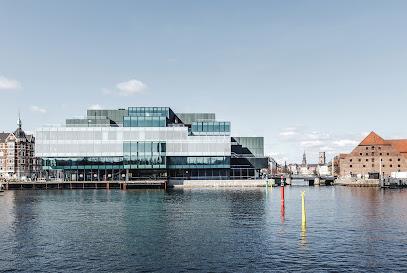
Kopenhagen
0.3 km
A bold "København" sculpture on the harborfront at Langebrogade, mixing graphic design, waterfront views, and everyday local life in Copenhagen’s inner city.
Lille Langebro
0.3 km
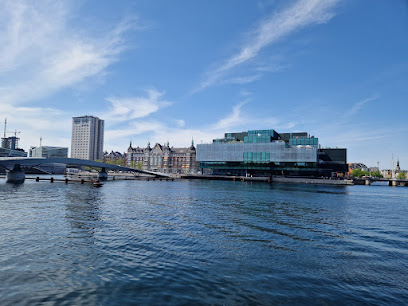
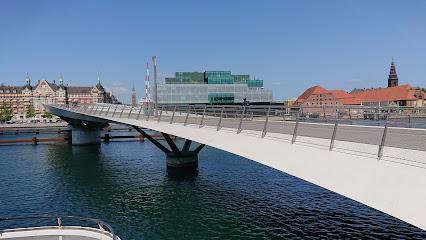
A luminous, cyclist-only arc over Copenhagen’s Inner Harbour, Lille Langebro blends cutting-edge engineering with tranquil harbour views and an easy city crossing.
Frederiksholms Kanal
0.3 km
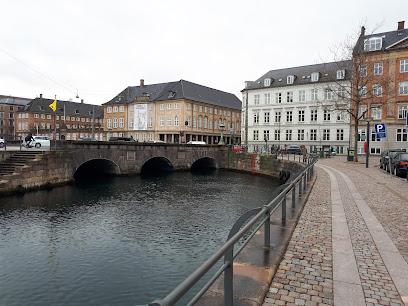
Historic canal skirting Slotsholmen where royal power, stately architecture and quiet waterside promenades meet in the very heart of Copenhagen.
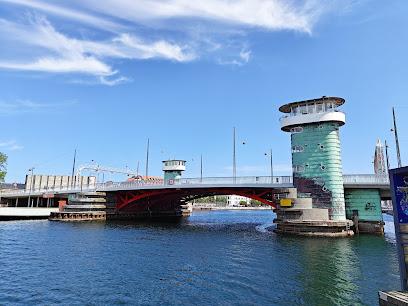
Culture Tower on Knippels Bridge
0.3 km
Innovative cocktails and cozy ambiance in a historic Copenhagen setting.
Knippelsbro
0.3 km
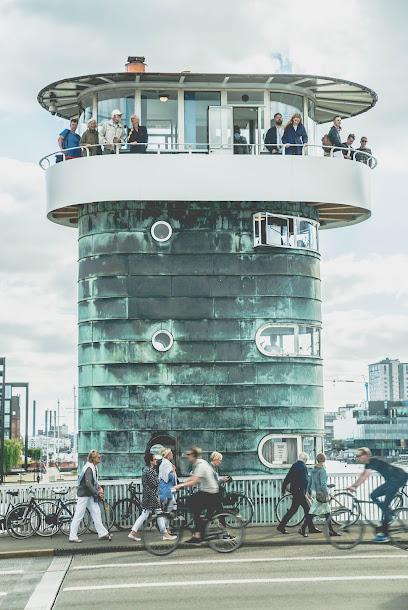
Copenhagen’s copper-towered bascule bridge, where four centuries of harbour crossings, functionalist design and everyday city life meet above the Inner Harbour.
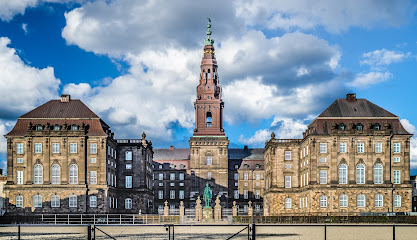
Christiansborg Palace
0.4 km
Stroll along Frederiksholms Kanal, the elegant Copenhagen waterway flanked by historic palaces and vibrant cultural landmarks at the heart of Indre By.
Essential places to dine

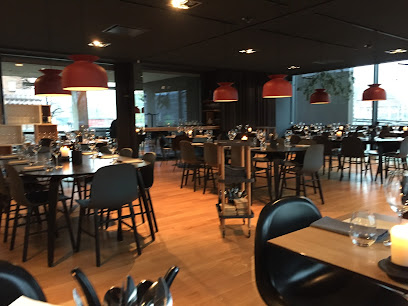
No. 2
0.1 km
Relaxed Nordic brasserie by the Copenhagen waterfront, pairing Michelin‑level know‑how with harbour views, seasonal Danish produce and polished yet informal service.
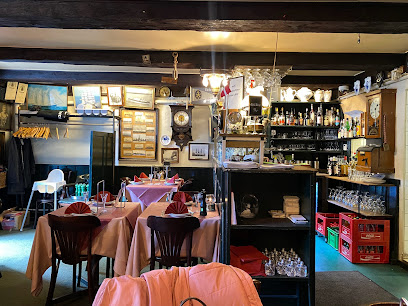
Kanal-Caféen
0.4 km
Historic canal-side lunch restaurant from 1852, serving classic Danish smørrebrød and platters in cosy wood-panelled rooms beside Frederiksholms Kanal.
Kadeau
0.4 km
Bornholm’s wild pantry, refined in a serene Christianshavn dining room, where a seasonal New Nordic tasting menu and two-star precision define an intimate evening.
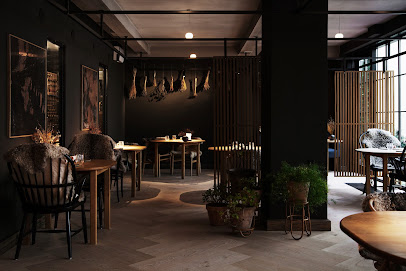
Restaurant 1733
0.5 km
Traditional Danish smørrebrød and hearty classics served in a cosy 18th‑century townhouse on Nybrogade, with canal views and warm, informal hospitality.
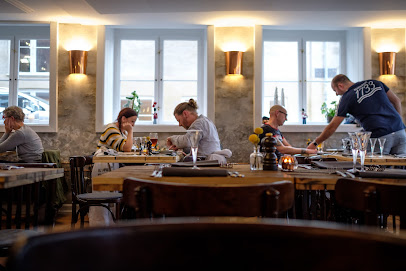
Restaurant Karla
0.5 km
Century-old Danish restaurant serving beloved classics and authentic smørrebrød in the heart of Copenhagen, steps from major museums and city attractions.
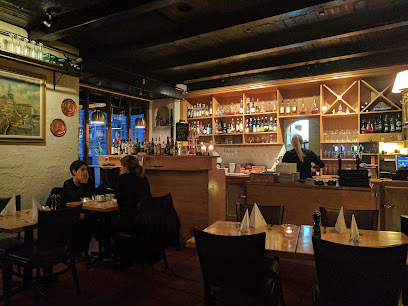
Restaurant Noi
0.6 km
Experience modern Nordic cuisine in a stylish, contemporary setting at Restaurant Noi, a favorite for seasonal dining in the heart of central Copenhagen.
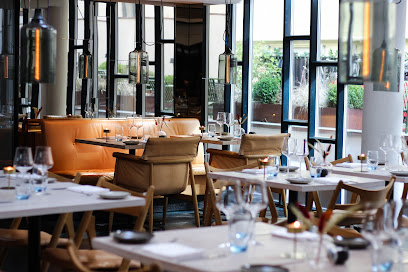
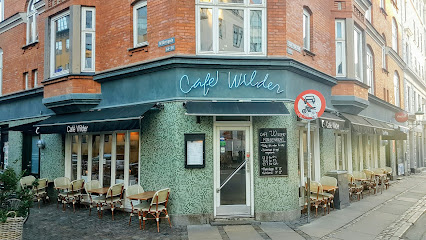
Cafe Wilder
0.6 km
A cherished French bistro where Parisian charm meets Copenhagen authenticity on the historic streets of Christianshavn.
Marv & Ben
0.6 km
Inventive New Nordic tasting menus and Danish culinary artistry await in an atmospheric 18th-century townhouse in Copenhagen’s historic Indre By.
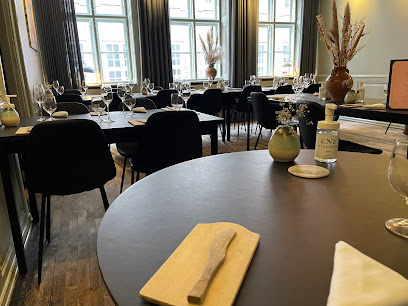
Restaurant Maven
0.6 km
Distinctive Scandinavian dining in the soaring nave of a former church, Restaurant Maven offers inventive cuisine and fine wine in Copenhagen's historic Indre By.
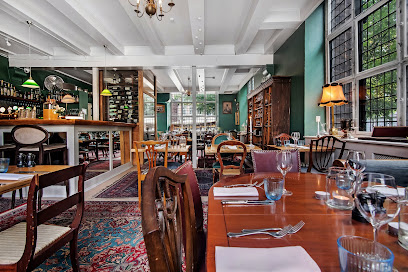
King Hans Cellar
0.6 km
Historic vaulted cellars, cutting-edge Nordic cuisine, and centuries-old royal ambiance converge at Copenhagen’s legendary King Hans Cellar fine dining restaurant.
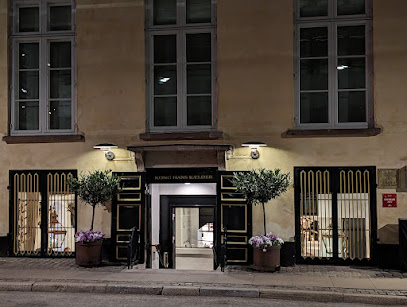
Rio Bravo
0.6 km
Western‑themed Copenhagen stalwart serving hearty Danish classics and steaks late into the night in a nostalgic saloon setting off City Hall Square.
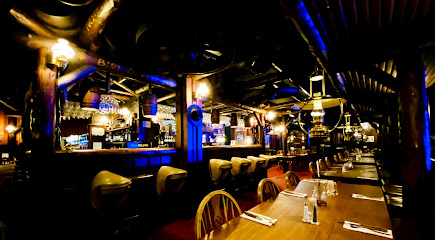
Restaurant Puk
0.6 km
Historic Danish restaurant in Indre By, Copenhagen, serving classic smørrebrød and comfort dishes in a centuries-old setting with authentic local atmosphere.
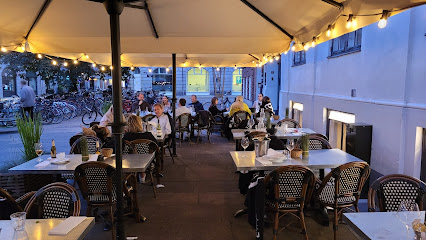
Restaurant Tight
0.7 km
Cozy multi-level townhouse restaurant in Copenhagen’s Old Town serving Nordic cuisine with a sunny southern twist, generous portions and a warm, brick-and-beam atmosphere.
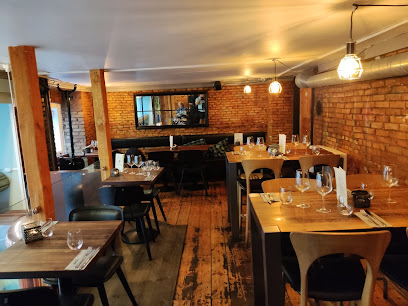
à terre
0.7 km
à terre brings French fine dining infused with Nordic creativity to central Copenhagen, offering an intimate, innovative tasting menu experience near Copenhagen’s key attractions.
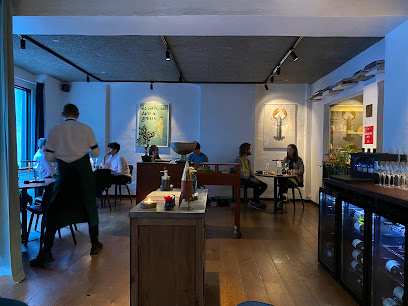
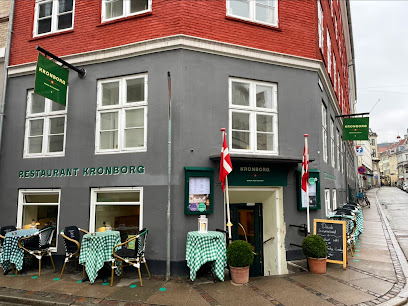
Restaurant Kronborg
0.7 km
Warm, candlelit hygge in Copenhagen’s old town, where classic Danish smørrebrød, hearty lunches and aquavit bring traditional flavors to a cosy side-street dining room.
Markets, malls and hidden boutiques

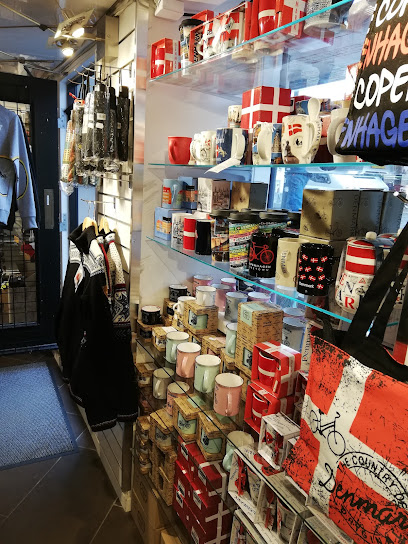
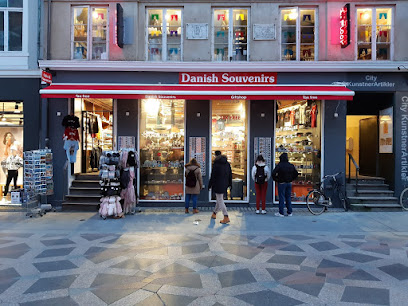
Danish Souvenirs
0.5 km
Central Copenhagen souvenir hub on Højbro Plads, packed with Danish icons, practical travel extras and long opening hours just steps from Strøget.
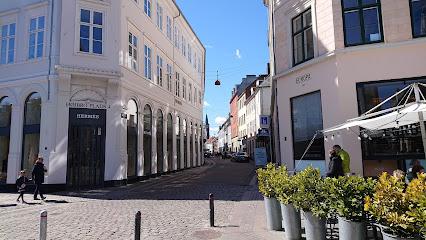
Læderstræde
0.6 km
Læderstræde is a historic pedestrian street in central Copenhagen, offering a blend of independent boutiques, cozy cafés, and authentic Danish ambiance year-round.
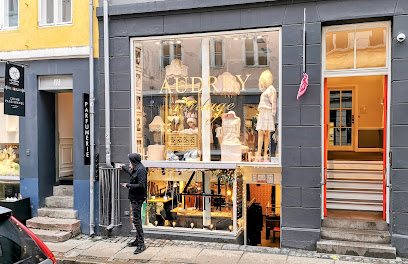
Audrey Vintage
0.6 km
Curated vintage fashion in Copenhagen's heart, where timeless style meets sustainable shopping.
Hygge Original
0.6 km
A cozy Danish design shop on Amagertorv, offering hygge-inspired clothing, textiles and gifts in a calm, Scandinavian setting amid Copenhagen’s busiest streets.
Danish Souvenirs & Luggages
0.6 km
Central Strøget gift shop combining classic Danish souvenirs with practical luggage and bags, perfectly placed for a quick browse between Old Town sights.
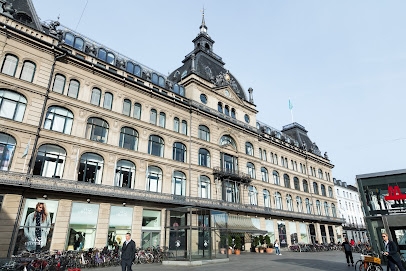
Magasin du Nord
0.6 km
Experience Danish elegance, international fashion, and gourmet food in Copenhagen’s historic Magasin du Nord—an iconic department store blending tradition and style since 1894.
Akimbo
0.7 km
A cosy basement gift shop in Copenhagen’s old town, packed with colourful design, quirky treasures and hygge-infused souvenirs on charming Hyskenstræde.
Royal Copenhagen Flagship Store
0.7 km
Historic Renaissance townhouse on Strøget where hand‑painted Royal Copenhagen porcelain, royal history and Danish design culture meet across three atmospheric floors.
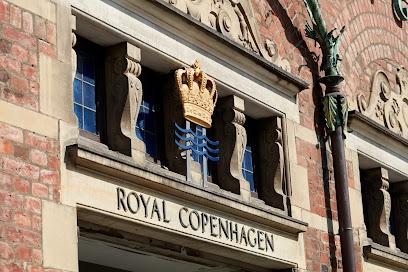
Strøget
0.7 km
Strøget is Copenhagen’s vibrant pedestrian heart—Europe’s original walking street, lined with shops, cafés, historic facades, and street performers.
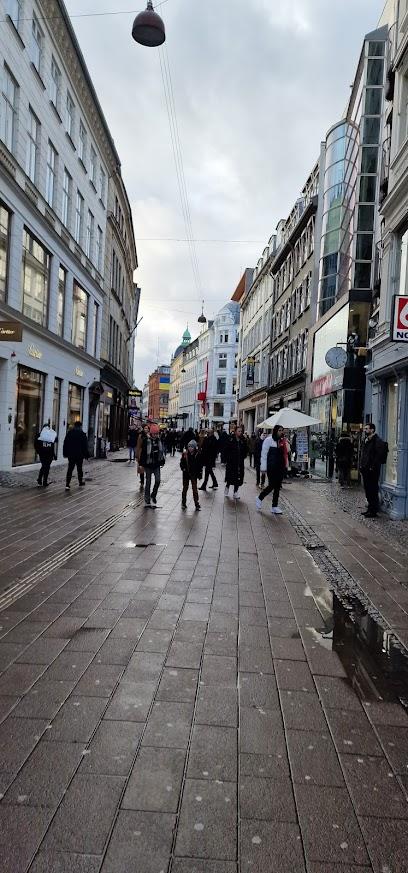
& Other Stories
0.7 km
Contemporary Scandinavian fashion, shoes, accessories and beauty in a bright, minimalist space on Copenhagen’s iconic Strøget shopping street.
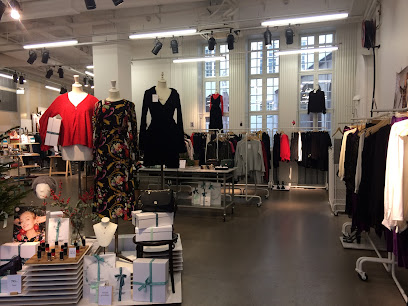
Urban Outfitters
0.7 km
Trendy multi-level fashion and lifestyle store bringing Urban Outfitters’ eclectic clothing, homeware and vinyl mix to the heart of Copenhagen’s Østergade.
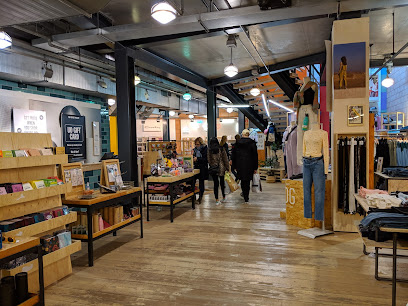
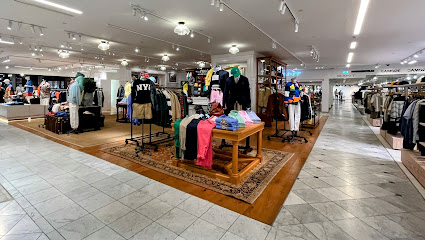
ILLUM
0.7 km
ILLUM is Copenhagen’s iconic department store, combining world-class fashion, Danish design, gourmet food, and rooftop views in historic Indre By.
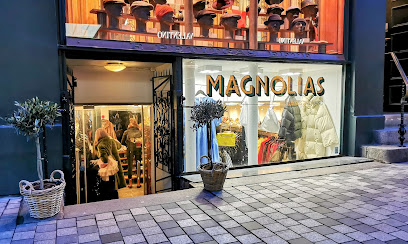
Magnolias
0.7 km
A compact, upscale secondhand boutique on Købmagergade, Magnolias blends Copenhagen chic with curated pre-loved designer fashion in the city’s historic shopping heart.
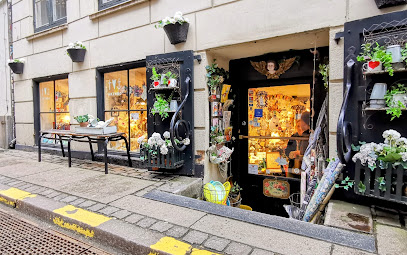
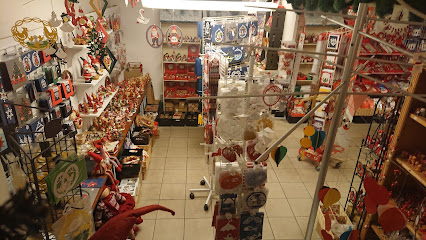
Danish Art & Christmas Shop
0.7 km
A cosy, year‑round Christmas haven in a historic Copenhagen townhouse, filled with Danish‑designed ornaments, paper art and festive hygge moments.
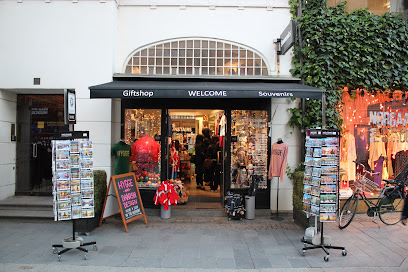
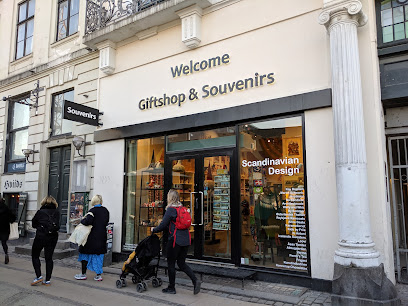
Welcome Giftshop & Souvenirs
0.7 km
Central Copenhagen’s cosy hygge boutique for Danish design, classic souvenirs, and easy last-minute gifts just off bustling Kongens Nytorv square.
Essential bars & hidden hideouts

K-Bar
0.5 km
Intimate harbourfront cocktail den in central Copenhagen, known for monochrome style, inventive infusions and quietly confident classics poured with real care.
Ruby
0.5 km
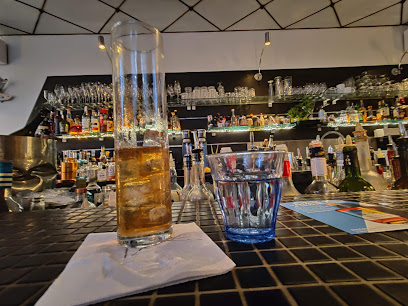
An unmarked 18th‑century townhouse on Nybrogade hides Ruby, a quietly glamorous cocktail institution where inventive drinks meet candlelit canal-side charm.
The Bird and The Churchkey
0.6 km
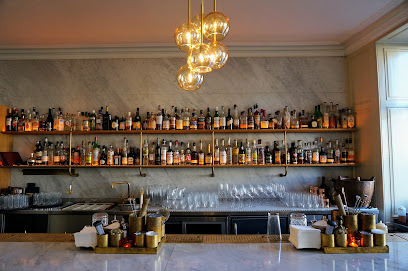
Discover the vibrant atmosphere of The Bird and The Churchkey, a must-visit bar in Copenhagen for craft beer and creative cocktails.
Zefside
0.6 km
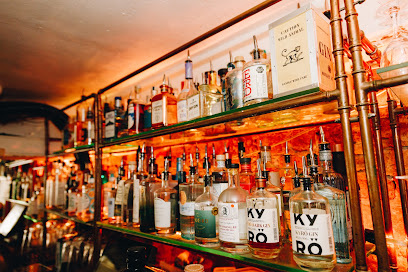
Underground cocktail bar by night, pulsing nightclub by dawn—Copenhagen's shape-shifting social hub.
Godt Øl
0.6 km
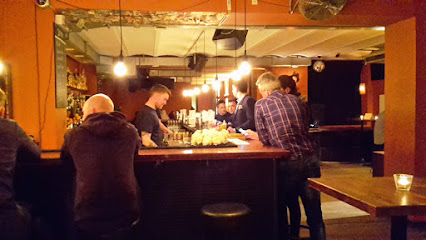
Cosy basement craft beer bar in Copenhagen’s old town, pouring 12 rotating taps in a low-key, conversation-friendly setting from mid-afternoon until late night.
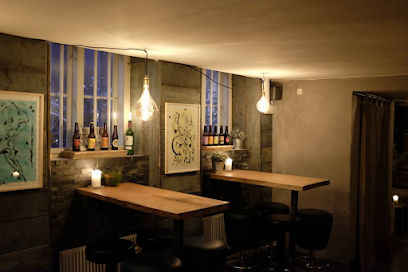
Eiffel bar
0.6 km
Experience the cozy atmosphere of Eiffel Bar in Copenhagen, where friendly service meets affordable drinks in a charming setting.
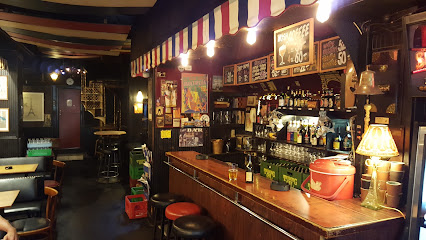
The Marble Bar
0.6 km
An intimate marble-clad cocktail hideaway inside Nobis Hotel Copenhagen, serving Scandinavian-inflected drinks and quiet luxury steps from Tivoli Gardens.
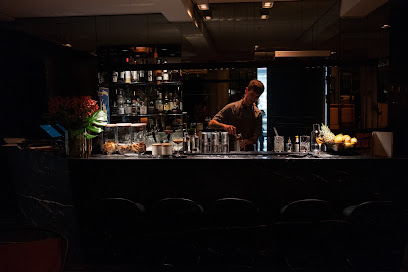
Lord Nelson Bar
0.6 km
Experience the vibrant nightlife and craft cocktails at Lord Nelson Bar, a historic gem in the heart of Copenhagen's bustling streets.
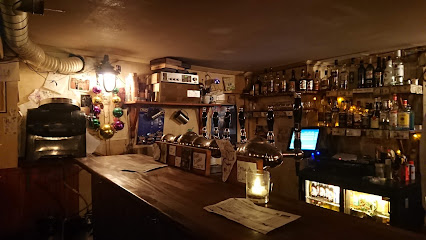
The Dubliner
0.6 km
Lively Irish pub energy on Copenhagen’s Amagertorv, serving hearty pub classics, well-poured pints, live music and big-screen sport in a cosy, wood-lined setting.
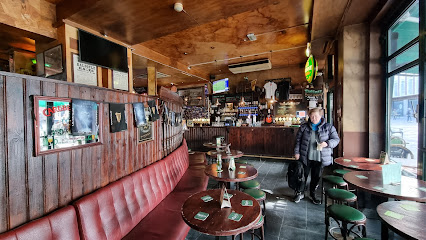
TATA Cocktail Bar
0.6 km
A velvet-draped, fireplace-warmed cocktail hideaway inside Hotel Sanders, where classic mixology, Danish design and theatre-inspired charm blend seamlessly.
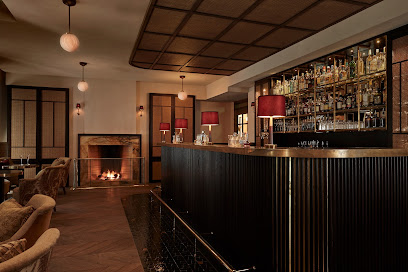
The Storm Inn Copenhagen
0.6 km
Experience the warmth of The Storm Inn in Copenhagen, a cozy pub offering a wide selection of drinks in a welcoming atmosphere.
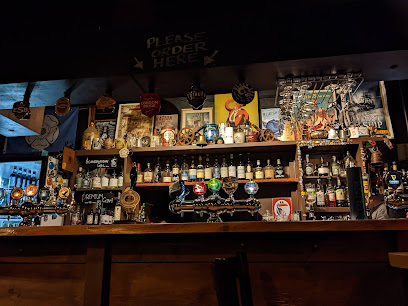
The Rooftop Bar
0.6 km
Compact rooftop oasis atop Hotel Danmark, pairing 360-degree Copenhagen views with cocktails, bubbles and golden-hour sunsets above the city’s historic heart.
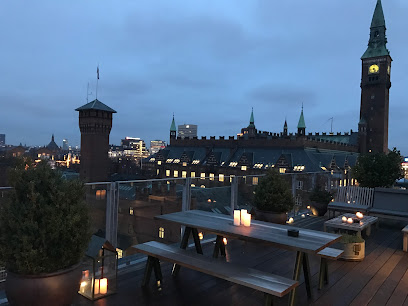
Southern Cross Pub
0.7 km
Two-floor Copenhagen sports pub pouring affordable pints, wall-to-wall live games, and late-night energy in the heart of the inner city.
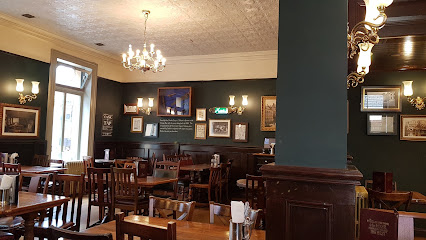
Aloë Cocktail Bar
0.7 km
Award-winning Cuban cocktails and street art vibes in Copenhagen's vibrant Inner City.
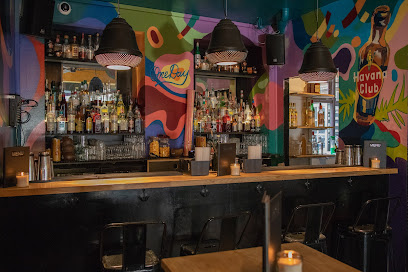
Brønnum
0.7 km
An opulent, multi‑room cocktail bar steps from Kongens Nytorv, where historic townhouse elegance meets contemporary mixology and candlelit late‑night conversation.
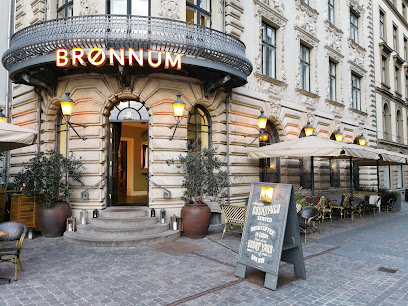
Nightclubs & after hour spots

Club Mambo
0.7 km
Experience the energetic nightlife of Copenhagen at Club Mambo, a vibrant night club offering salsa dancing, cocktails, and delicious dining.
Chateau Motel
0.7 km
Discover the lively nightlife of Copenhagen at Chateau Motel, a top destination for cocktails and dancing in a vibrant atmosphere.
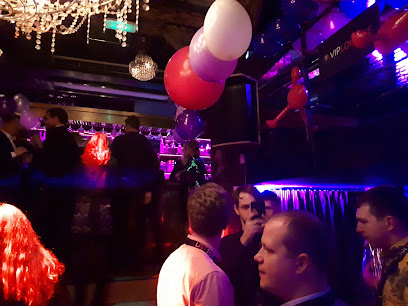
Lusso
0.8 km
A compact, high-end Copenhagen nightclub with champagne-forward table service, dim lighting and a stylish late-night crowd just steps from Kongens Nytorv.
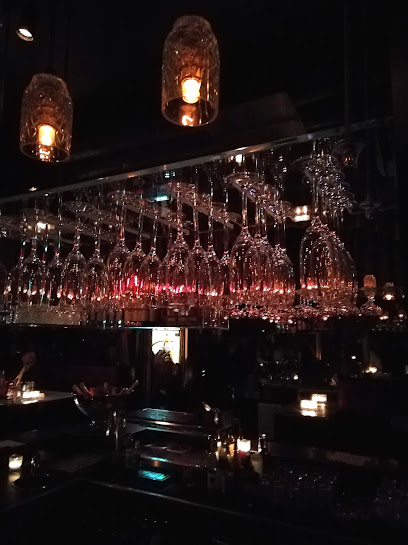
Hive
0.8 km
Copenhagen's premier high-end nightclub with cutting-edge design, VIP service, and immersive themed experiences.
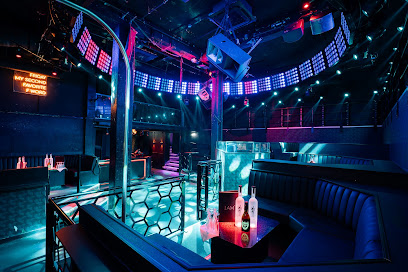
The Zoo
0.9 km
Intimate late-night nightclub on Sværtegade in Copenhagen’s historic center, blending a compact dance floor, DJ-driven beats and a casual, social bar atmosphere.
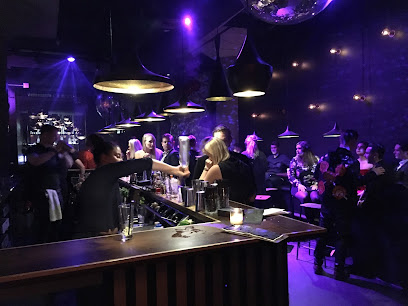
Miami Bar
0.9 km
Discover Copenhagen's nightlife at Miami Bar, where cocktails and dancing create unforgettable nights in a vibrant atmosphere.
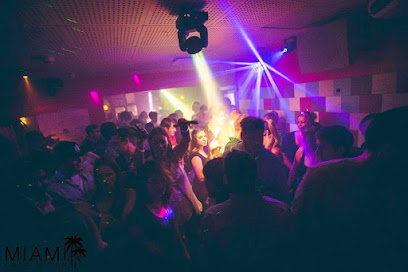
Dorsia
0.9 km
Central Copenhagen nightclub with late‑night DJs, cocktails and an image‑conscious crowd packed into a dark, modern interior off busy Kattesundet.
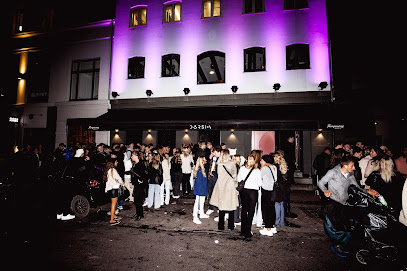
Mirror
0.9 km
Dive into the heart of Copenhagen's nightlife at Mirror, where the rhythm never stops and unforgettable memories are made.
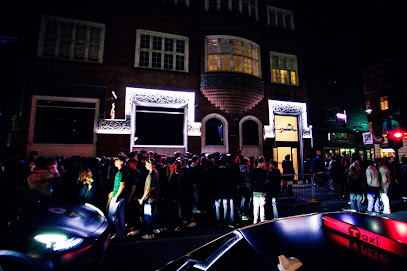
Rumors
0.9 km
Discover the heart of Copenhagen's nightlife at Rumors, where energetic vibes and unforgettable nights await you.
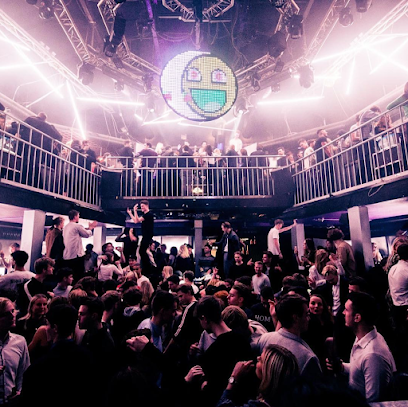
La Terraza
1.0 km
Compact nightclub on Studiestræde in Copenhagen’s old town, offering loud beats, straightforward drinks and an unpretentious late-night dance floor.
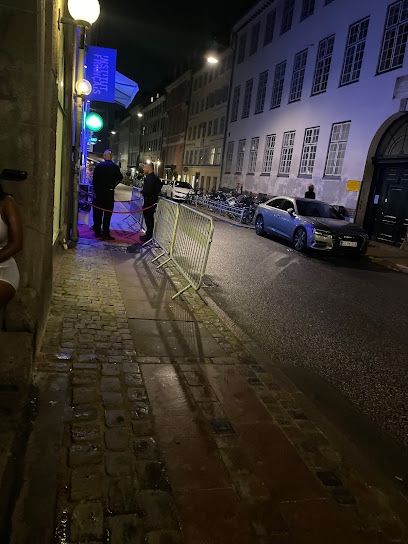
Mini Bar
1.0 km
Discover the vibrant nightlife of Copenhagen at Mini Bar, a premier night club offering eclectic tunes and a lively atmosphere for unforgettable nights.
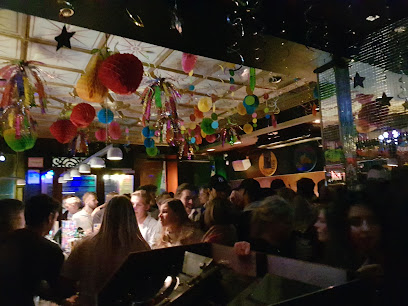
Module
1.0 km
Discover the ultimate nightlife experience at Module Night Club in Copenhagen, where world-class DJs and an electrifying atmosphere await.
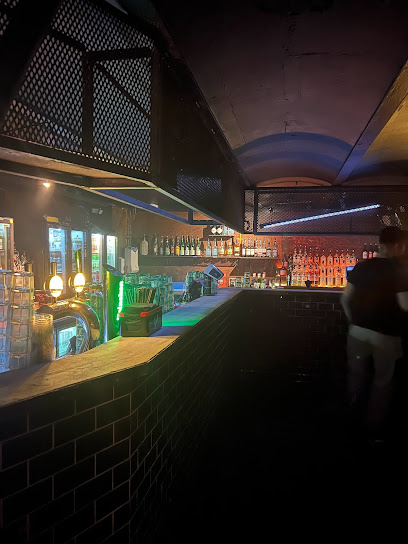
Cosy Bar
1.0 km
Discover the lively atmosphere of Cosy Bar, a top gay nightclub in Copenhagen offering fantastic music, vibrant crowds, and unforgettable nights.
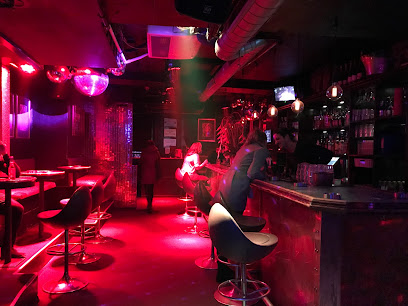
G*A*Y Copenhagen Nightclub
1.1 km
Experience the heart of LGBTQ+ nightlife at G*A*Y Copenhagen Nightclub, where vibrant energy and inclusive atmosphere await every visitor.
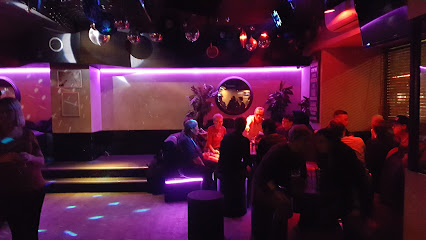
Operaen
1.1 km
Compact harbourfront nightclub near Copenhagen’s modern opera house, mixing DJ-driven beats, local crowds and late-night energy by the inner-city waterfront.
For the vibe & atmosphere seeker
- Relaxing
- Tranquil
- Scenic
- Unique
- Casual
- Boutique
For the design and aesthetic lover
- Minimalist Designs
- Modern Designs
For the architecture buff
- Modern
- Landmarks
- Art & Design
- Viewpoints
- Heritage Neighborhoods
For the view chaser and sunset hunter
- Iconic Views
- Waterfront
- Sunset Spots
For the social media creator & influencer
- Instagrammable
- Photo Spots
- Selfie Spots
- Aesthetic Corners
- Architectural Shots
For the eco-conscious traveler
- Public-Transport Accessible
- Low Impact
For the kind of experience you’re after
- Cultural Heritage
- Photowalk
- Adventure Photo Shoot
- Day Trip
- Mindfulness
For how adventurous you want the journey to be
- Easy Access
Location Audience
- Family Friendly
- LGBT Friendly
- Senior Friendly
- Child Friendly
- Teen Friendly
- Wheelchair Access
- Solo Friendly
- Couple Friendly
- Solo Female Friendly
- Business Friendly
- Vegetarian Friendly
- Vegan Friendly


