
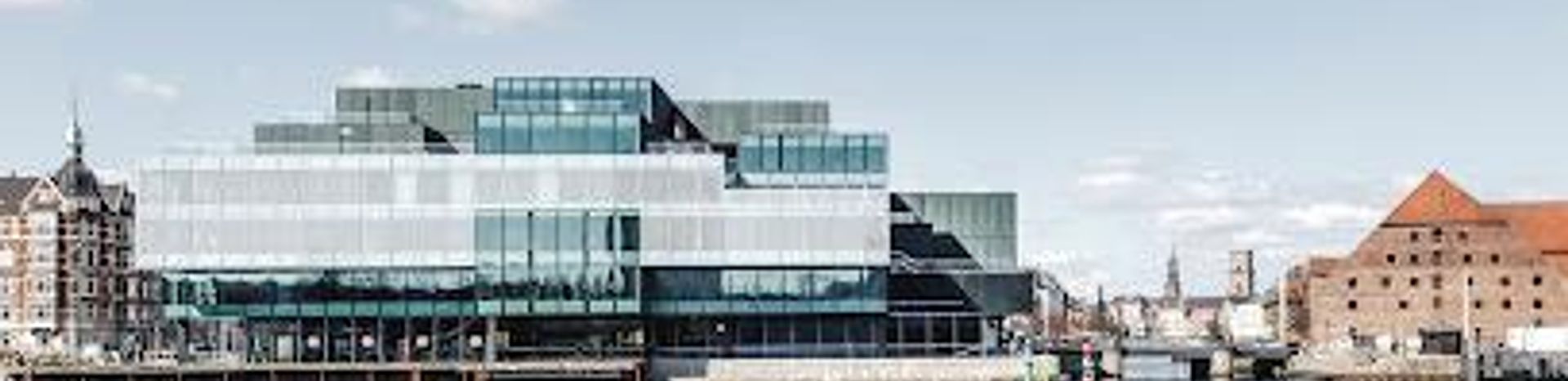
Danish Architecture Centre (DAC)
Copenhagen’s harbourside hub for design and urban life, where immersive exhibitions, playful workshops and rooftop views reveal how architecture shapes the way we live.
The Danish Architecture Centre (DAC) in Copenhagen’s harbourside BLOX building is Denmark’s hub for architecture, design and urban life. Inside, dynamic exhibitions like “So Danish!” and “Age of Nature” trace a thousand years of Danish architecture and explore sustainable cities of the future. Creative family workshops, interactive installations and a dramatic indoor slide make it engaging for all ages, while the DAC Café and roof terraces offer big-sky views over Copenhagen’s inner harbour.
A brief summary to Danish Architecture Centre
- Bryghusgade 10, Copenhagen, Indre By, 1473, DK
- Click to display
- Click to display
- Duration: 1.5 to 3 hours
- Mid ranged
-
 Indoor
- Mobile reception: 5 out of 5
- Monday 10 am-9 pm
- Tuesday 10 am-6 pm
- Wednesday 10 am-6 pm
- Thursday 10 am-9 pm
- Friday 10 am-6 pm
- Saturday 10 am-6 pm
- Sunday 10 am-6 pm

Know before you go
Hi, I'm Eve. Here are a few practical things to know before exploring Danish Architecture Centre.
- Plan at least 1.5–2 hours to explore both the permanent “So Danish!” gallery and the current main exhibition, plus time for the café or design shop.
- If you are visiting with children, head to the family workshop and kids’ zones earlier in the day, as some activities close before the general galleries.
- Come on a weekday morning or late on Monday or Thursday evenings for a quieter experience and more space around the models and installations.
- Check for English-language gallery tours; they are often included in the ticket price and give useful context to Denmark’s architectural history.
- Even if you are not hungry, take the lift up to the café level for some of the best inner-harbour views and access to the roof terraces.
Do you manage this location?
Take control to get all the benefits, like improved information, better appearance, and stronger visibility across AI-powered discovery. Learn more
Activate your presenceOther nearby places you may find interesting
Getting There
-
Metro
From central Copenhagen, take the M3 Cityringen metro to Gammel Strand or Rådhuspladsen and allow about 10–15 minutes’ total travel time including the walk along the harbourfront. A single adult ticket for the relevant zones typically costs around 20–25 DKK, and metros run every few minutes throughout the day. Elevators and level platforms make this a good option for visitors with reduced mobility.
-
Bus
Several city bus lines stop within a short walk of Bryghusgade and the waterfront near the Danish Architecture Centre, with journey times of roughly 10–20 minutes from most inner-city districts depending on traffic. A standard bus ticket for 2–3 zones usually costs in the range of 20–30 DKK and can be bought via ticket machines or travel apps. Buses run frequently during the day and early evening but may be less frequent late at night and on weekends.
-
Bicycle
Cycling is one of the most convenient ways to reach the Danish Architecture Centre from anywhere in central Copenhagen, typically taking 5–15 minutes from neighbourhoods such as Vesterbro, Nørrebro or Østerbro. Dedicated cycle lanes lead directly to the harbourfront near BLOX, and several city bike-share docks are located in the surrounding streets. Be prepared for windy conditions along the water and remember that bike lights are required after dark.
-
Walking
If you are staying in the historic centre, expect a pleasant 10–25 minute walk to the Danish Architecture Centre, depending on your starting point. Routes often follow the canals or harbour, with level pavements and occasional cobblestones. The approach is generally step-free, but some sections can be exposed in wet or windy weather, so pack a waterproof layer or warm clothing outside the summer months.
For the on-the-go comforts that matter to you
-
 Restrooms
-
 Drink Options
-
 Drinking Water
-
 Food Options
-
 Seating Areas
-
 Sheltered Areas
-
 Trash Bins
-
 Information Boards
-
 Visitor Center
Discover more about Danish Architecture Centre
Where Danish architecture meets the future
The Danish Architecture Centre is Denmark’s focal point for everything built, designed and planned. Set within the striking glass-and-steel BLOX complex on Copenhagen’s inner harbour, it acts as a bridge between professionals and curious visitors, inviting you into the stories behind the city’s facades, streets and skylines. Rather than looking only to the past, DAC constantly asks how we will live, work and share space in the future.Across several levels, exhibitions unpack how architecture shapes everyday life, from how light enters a living room to how entire districts adapt to rising sea levels. Models, films and large-scale installations encourage you to wander, pause and consider how cities can become more sustainable, inclusive and beautiful.So Danish! a thousand years of building a nation
A highlight is “So Danish!”, the centre’s first permanent exhibition, which traces Danish architecture from Viking longhouses to contemporary timber towers. Here, you move through a chronological journey that links churches, town halls and social housing to the evolution of democracy and welfare. Legendary architects such as Arne Jacobsen and Jan Gehl appear alongside today’s global studios, revealing how Danish design values of simplicity, functionality and human scale have endured.Detailed models, archive drawings and immersive projections show how architecture has responded to changing politics, technology and climate. By the time you exit, landmarks across Copenhagen start to feel like chapters in a single unfolding story.Age of Nature and the green city laboratory
In temporary exhibitions like “Age of Nature”, DAC becomes a testing ground for rethinking the relationship between buildings and the natural world. Here you might encounter facades designed as habitats for birds and insects, towers grown from mycelium, or speculative landscapes where cities and wilderness coexist.These shows are hands-on and sensorial, inviting you to touch materials, walk through atmospheric installations and imagine cities that store carbon, manage cloudbursts and boost biodiversity. The centre’s broader programming reinforces this focus: talks, screenings and guided city walks explore how Copenhagen is reinventing itself as a climate-conscious harbour city.Playful architecture for families and kids
Architecture can be abstract, but DAC makes it tangible for children. Weekends and school holidays bring family workshops where kids build future cities from LEGO bricks, recycled cardboard or matchsticks, guided by friendly hosts. Interactive trails at children’s eye-level turn the galleries into a playful learning environment.The museum’s most talked-about feature for young visitors is the bright red indoor slide that links upper levels to the lower floor in one exhilarating swoop. Combined with hands-on labs and generous space to move, it turns a cultural visit into an energetic outing that still sneaks in big ideas about space, form and sustainability.Café views and design-forward details
High above the water, the DAC Café and terraces might offer some of the best harbour views in Copenhagen. Here you can sit among Nordic design furniture, sampling light, seasonal dishes built around local and often organic ingredients, while watching cyclists and harbour buses glide past below. The shifting light over the water and city spires adds an ever-changing backdrop to lunch or an evening drink.On the ground and mezzanine levels, the DAC Design Shop presents a curated mix of architecture books, interiors objects and Danish design pieces. Even if you are not a dedicated architecture buff, the combination of cutting-edge exhibitions, harbour panoramas and thoughtful design details makes DAC an essential stop in the city’s cultural district.Gateway to exploring Copenhagen’s built landscape
For many, DAC is also a launchpad into the city itself. Guided walking and cycling tours start here and fan out through new harbourfront districts, historic quarters and innovative bridges. These outings reveal how ideas on the exhibition walls translate into real streets, squares and homes.Inside the building, the open atrium, layered staircases and glimpses between floors mirror the urban experience outside: constantly shifting perspectives, framed views and surprising connections. Whether you spend an hour or an afternoon, the centre encourages you to step back into Copenhagen seeing every doorway, bench and roofline with a more curious eye.Explore the best of what Danish Architecture Centre has to offer













More about North Zealand
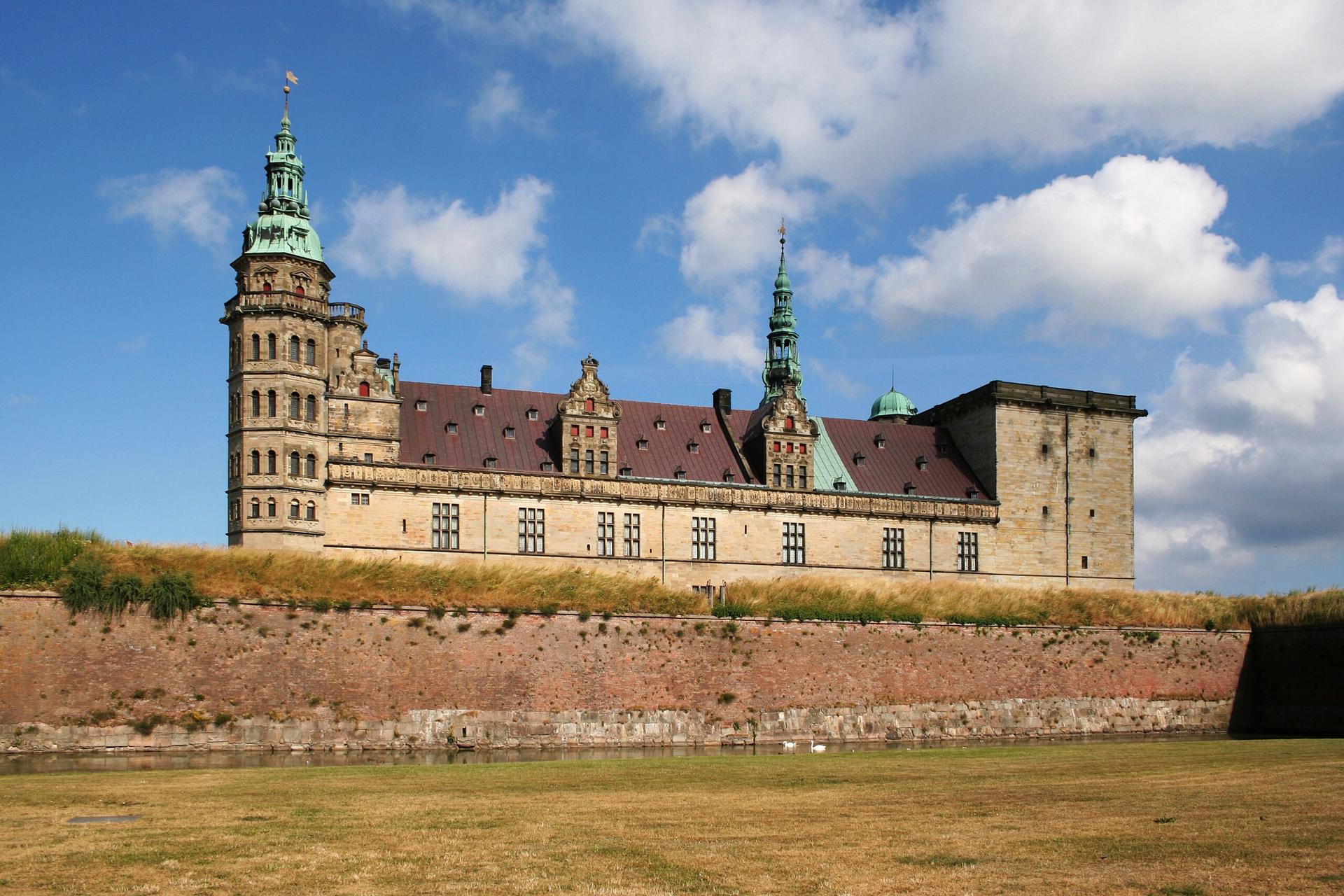
Explore North Zealand, Denmark's enchanting region of castles, beaches, and royal estates, perfect for history buffs, nature enthusiasts, and seaside lovers.
Tell me more about North Zealand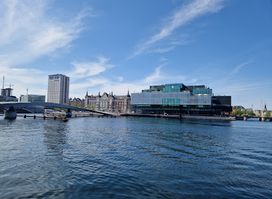
A bold "København" sculpture on the harborfront at Langebrogade, mixing graphic design, waterfront views, and everyday local life in Copenhagen’s inner city.
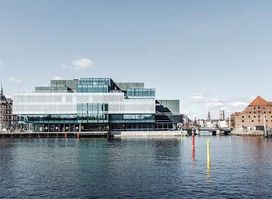
Copenhagen’s living laboratory for architecture and city life, blending bold exhibitions, playful design experiences and harbourfront views inside the BLOX building.
