

Holmen, Copenhagen Travel Guide
Former naval islands turned calm harbour district, where historic dockyards, modern architecture and wide‑open water views reshape Copenhagen’s maritime heart.
Holmen is a characterful waterside district in Copenhagen, spread across former naval islands between Christianshavn and Refshaleøen. Once the heart of Denmark’s naval dockyards, it now blends historic brick barracks, canals and industrial relics with the striking Copenhagen Opera House, creative schools, cafés and harbor swimming spots. Calm, spacious and quietly scenic, it offers big sky views back to the city’s spires and palaces without ever feeling far from the urban buzz.
A brief summary to Holmen
- Copenhagen, Indre By, DK
- Duration: 1.5 to 4 hours
- Free
-
 Outdoor
- Mobile reception: 5 out of 5

Know before you go
Hi, I'm Eve. Here are a few practical things to know before exploring Holmen.
- Plan time simply to wander the quays and side canals; Holmen is more about atmosphere, views and small discoveries than ticking off individual attractions.
- Bring a light jacket, even in summer—being surrounded by open water means breezes can make the district feel cooler than central Copenhagen.
- Combine a daytime stroll with an evening performance at the Copenhagen Opera House to experience Holmen’s architecture in both daylight and after dark.
- If you plan to swim in designated harbour areas near Holmen, pack a towel and water shoes and check local signage for current bathing conditions.
- Cycling is an easy way to explore the scattered islands; use marked paths and take care when crossing bridges shared with pedestrians.
Do you manage this location?
Take control to get all the benefits, like improved information, better appearance, and stronger visibility across AI-powered discovery. Learn more about listing your business on Evendo
Activate your presenceOther nearby places you may find interesting
The closest places of the same kind, if this one is not quite what you had in mind.
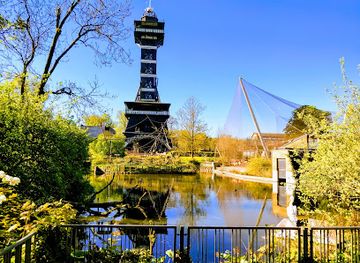

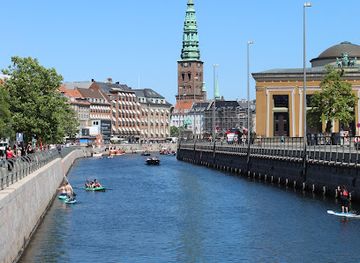
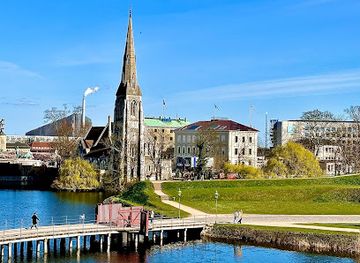
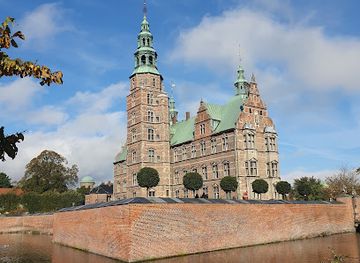
Explore Holmen on the Map
A handpicked selection of must-see spots near Holmen, mapped for you.
Unlock the Best of Holmen
Buy tickets
-
No tickets available
Book tours with entry


Getting There
-
Harbour bus
From central Copenhagen, use the yellow harbour buses that serve stops such as Nyhavn and the Royal Library, and ride to the Operaen or Holmen Nord piers on Holmen. The journey across the harbour typically takes 10–20 minutes depending on your starting point and connections. Standard city tickets and passes are valid, and a single adult fare is usually in the range of 20–30 DKK. Services run year‑round but can be less frequent in the evening, so check the timetable in advance.
-
City bus
Several city buses connect the inner districts with the Holmen and Refshaleøen area, typically via Christianshavn. From Copenhagen Central Station or Nørreport, expect 20–30 minutes of travel time, including a short walk across local bridges onto the islands. Regular bus fares are around 20–30 DKK for adults within the central zones, and services generally run every 10–20 minutes during the day, with reduced frequency late at night and on weekends.
-
Bicycle
Cycling to Holmen from the historic centre is straightforward and scenic, using dedicated bike lanes and harbour bridges such as the pedestrian‑cycle crossings near Nyhavn and Christianshavn. From Kongens Nytorv or City Hall Square, the ride usually takes about 10–20 minutes at an easy pace. You can use your own bike or rent one from numerous city bike schemes; expect rental prices from roughly 75–150 DKK for a day depending on the provider. The terrain is flat, but be prepared for wind along the open waterfront.
-
On foot
If you are staying in or near the historic centre, you can walk to Holmen via harbour bridges that link Nyhavn and Christianshavn to the docklands. A relaxed walk from Kongens Nytorv or Christianshavn Torv to the core of Holmen usually takes 20–35 minutes. Paths are paved and mostly flat, suitable for most visitors, though those with limited mobility should allow extra time and be aware that cobbled sections and exposed waterfront areas can be uneven or breezy.
For the on-the-go comforts that matter to you
-
 Restrooms
-
 Drink Options
-
 Drinking Water
-
 Food Options
-
 Seating Areas
-
 Sheltered Areas
-
 Trash Bins
-
 Information Boards
-
 Visitor Center
Discover more about Holmen
From Naval Stronghold to City within the Harbour
Holmen is a small archipelago of man‑made islands tucked into Copenhagen’s inner harbour, created over centuries to house the Royal Danish Navy. For more than 300 years, shipyards, powder magazines and mast cranes filled this stretch of water, and much of that maritime backbone is still legible in the sturdy brick warehouses, quays and cobbled lanes that line the canals. Though administratively part of central Copenhagen, Holmen has always felt slightly apart, a self‑contained world reached over bridges and by boat.As naval operations gradually moved away in the late 20th century, large areas of Holmen were released and reimagined. Today the northern islet of Nyholm still holds active military facilities and historic dockside structures, while the rest of the district has shifted towards culture, housing and education. The result is a layered place where history is never far beneath the surface, yet the atmosphere is contemporary and lived‑in.Architecture on the Water’s Edge
One of Holmen’s defining sights is the Copenhagen Opera House, a vast, sculptural building placed right at the water’s edge on Dokøen. Its broad cantilevered roof, glass foyer and pale stone cladding form a powerful modern counterpoint to the copper dome of the Marble Church and the classical facades of Amalienborg Palace across the harbour. Views align precisely along the water, creating a theatrical axis that makes the entire district feel like part of a grand urban stage set.Behind the opera house, former naval sheds and workshops have been converted into academies for architecture, theatre, music and film, as well as studios and small businesses. The mix of regimented 18th‑century brick buildings and bold contemporary interventions gives Holmen a distinctive architectural tension: orderly yet experimental, maritime yet metropolitan.Harbour Life, Calm Streets and Open Horizons
Walking through Holmen, the pace feels gentler than in the city centre. Residential pockets, often in repurposed barracks, are threaded with leafy courtyards and quiet quays where bicycles outnumber cars. Along the waterfront you encounter floating pontoons, small boat marinas and popular bathing spots, especially near the opera house, where locals slip into the clear harbour water on warm days.Across the channels, the silhouettes of Christianshavn’s church spires, the Royal Danish Playhouse and the low skyline of inner Copenhagen frame the horizon. The water amplifies the light and sky, making Holmen a rewarding place for photographers: reflections of red brick, deep‑blue basins and the sharp geometry of cranes and gantries create changing compositions as you move around the islands.Cultural Energy in Former Docklands
Culture is woven into everyday life here. Students from nearby academies spill out onto the quays, rehearsing, sketching or simply gathering along the water. Rehearsal rooms and studios animate otherwise austere naval buildings, and the opera house’s schedule of performances and tours brings a steady flow of theater‑goers into the district.Beyond the flagship venues, the broader Holmen and Refshaleøen area has evolved into a creative belt of galleries, experimental spaces and food destinations set in former industrial structures. Houseboats bob along the quays, and small cafés and bakeries occupy historic navy buildings, offering front‑row harbour views with a decidedly modern urban feel.Exploring Holmen at Your Own Pace
Holmen lends itself to unhurried wandering rather than a checklist of individual sights. You might trace the line of old bastions, pause at the hulking Masterkranen crane on Nyholm, or seek out the sleek outline of naval museum ships when they are open to the public nearby. Benches and informal seating spots dot the quays, inviting you to watch working boats, kayaks and harbour buses glide past.As daylight shifts, the character changes too: mornings can feel almost meditative, with mist on the water and the distant sound of ship horns, while evenings bring warm light on brick facades and the glow of the opera house foyer reflected in the harbour. Holmen offers a distinctive perspective on Copenhagen—less about urban bustle, more about space, sky and the enduring dialogue between city and sea.












Your all‑in‑one travel companion app
Explore expert travel guides, compare and book tours, experiences, hotels, and more—all from the palm of your hand. Download now for seamless trip planning wherever your wanderlust takes you.


Explore More of Copenhagen
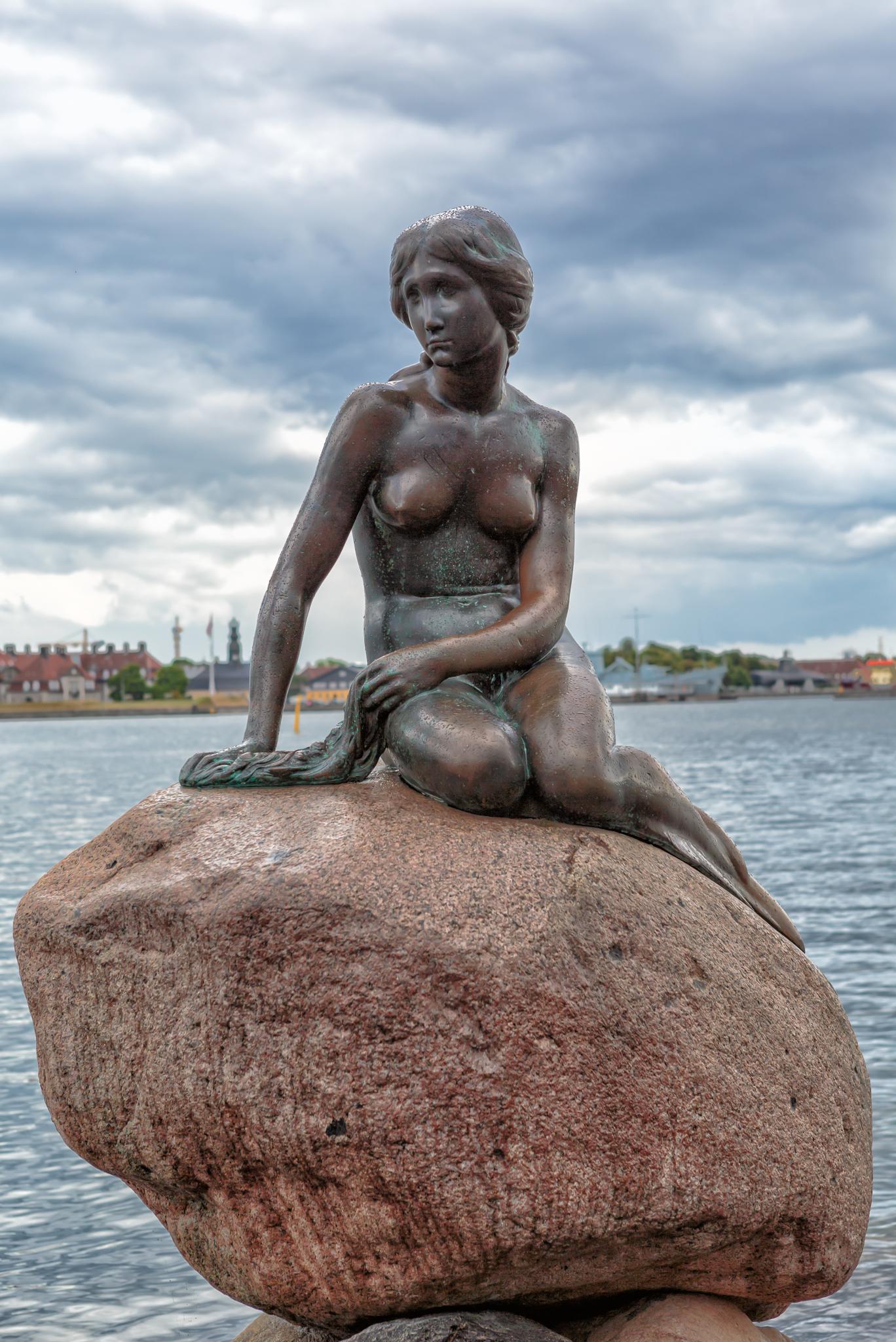
Looking beyond Holmen? Discover Copenhagen for broader travel guides, local hot-spots, and regional highlights.
Explore Copenhagen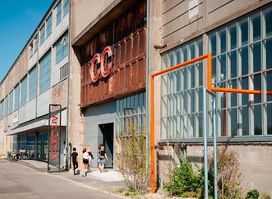
Immersive large-scale installation art in a vast former shipyard hall on Copenhagen’s Refshaleøen, where industrial history meets cutting-edge contemporary creativity.
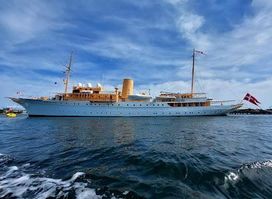
A graceful 1930s royal yacht moored in Copenhagen’s harbour, Kongeskibet Dannebrog is a floating palace and naval vessel that quietly showcases Denmark’s maritime monarchy.
