
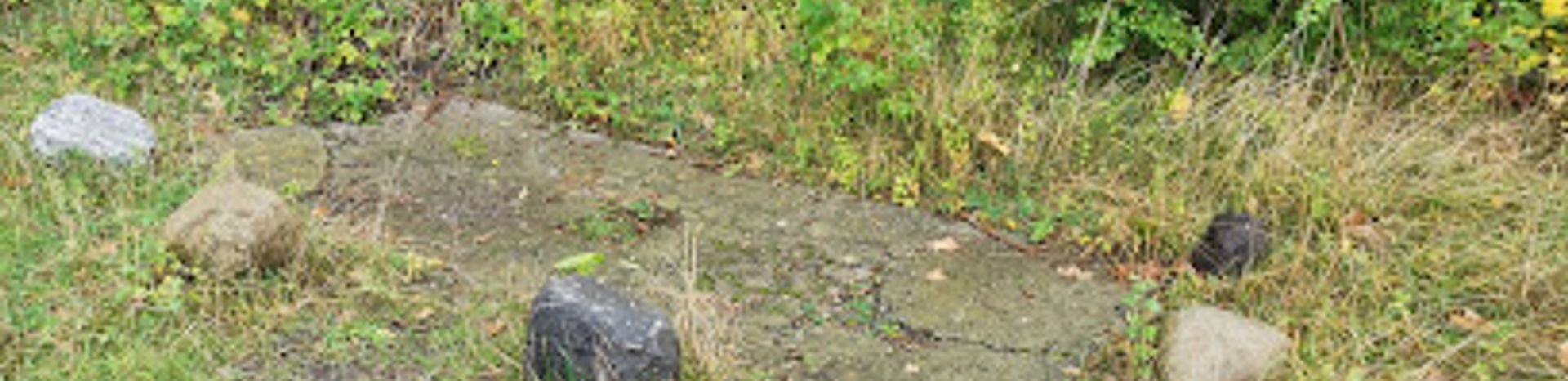
The Old Execution Site in Copenhagen
A hidden concrete foundation marks where post-war Denmark executed Nazi collaborators in secrecy.
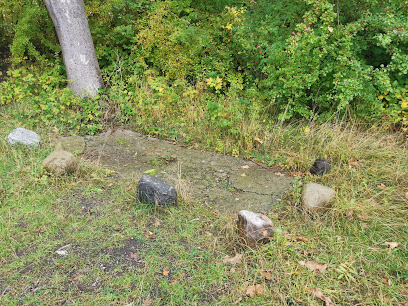
A stark concrete foundation and drain mark the location where 29 Nazi collaborators were executed by firing squad between 1947 and 1950. Situated on the outer ramparts of Christiania, this obscure historical site serves as a sobering reminder of Denmark's post-war purges and the controversial trials that followed the German occupation. The wooden execution shed has long since been dismantled, leaving only the concrete base visible among the grass and boulders.
A brief summary to The Old Execution site in Copenhagen 1946-1950
- -62 S, Norddyssen 60, Copenhagen Municipality, København S, 2300, DK
- Duration: 0.5 to 1.5 hours
- Free
-
 Outdoor
- Mobile reception: 4 out of 5
Local tips
- The site is extremely difficult to locate without prior knowledge. Look for a V-shaped red-brick building on the outer ramparts; the execution site lies at the tip of the V-shape in the grass. The concrete foundation is small and easily missed.
- Visit during daylight hours to safely navigate the rampart paths. The area is secluded and overgrown; wear appropriate footwear for uneven terrain.
- Combine your visit with exploration of Christiania's broader history. The Museum of Danish Resistance in Churchill Park provides essential context for understanding this site's significance.
- Bring a camera or notebook if you wish to document the site. There are no information boards or plaques, so independent research beforehand enhances understanding.
- Respect the solemnity of the location. This is a site of historical tragedy where real people were executed; approach with appropriate reverence.

For the on-the-go comforts that matter to you
- Trash Bins
Getting There
-
Metro and Walking
Take the Copenhagen Metro Line M1 or M2 towards Vestamager or Vanløse. Exit at Christianshavn Station. From the station, walk south towards Refshalevej, approximately 8–10 minutes. Cross the moat on Refshalevej heading east, then turn right onto Forlandet. Take the first right onto the path along the outer ramparts (marked by a no-cars sign). Continue south along the rampart path for approximately 5–7 minutes until you reach a V-shaped red-brick building. The execution site lies at the tip of the V-shape in the grass to your left. Total journey time: 20–25 minutes. No charge.
-
Bicycle
Rent a bicycle from one of Copenhagen's many bike-sharing stations. Head towards Christianshavn via the Norrebro or Vesterbro districts. Follow cycle routes to Refshalevej, then proceed as above. Cycling is the most popular local transport method. Journey time: 15–20 minutes depending on starting point. Bike rental typically costs 30–80 DKK for a single trip or 80 DKK per day with a subscription.
-
Bus
Take bus routes 2A, 9A, or 66 towards Christianshavn. Exit at a stop near Refshalevej or Forlandet. Walk to the rampart path entrance as described above. Bus tickets cost 24 DKK for a single journey within Copenhagen. Journey time: 20–30 minutes depending on traffic and starting location.
-
Taxi or Rideshare
Request a taxi or rideshare vehicle to Norddyssen 60, Copenhagen 2300. The driver can drop you near the rampart entrance. From there, walk to the V-shaped building and locate the site as described. Taxi fares typically range from 80–150 DKK depending on starting point. Journey time: 10–20 minutes depending on traffic.
The Old Execution site in Copenhagen 1946-1950 location weather suitability
-
 Any Weather
-
 Clear Skies
-
 Mild Temperatures
Discover more about The Old Execution site in Copenhagen 1946-1950
A Dark Chapter in Post-War Denmark
Between 1947 and 1950, this remote corner of Copenhagen's outer ramparts became the site of state executions—a grim consequence of Denmark's reckoning with Nazi collaboration. After liberation in May 1945, the Danish government faced intense public pressure to punish those who had aided the German occupation. The reinstated legal system swiftly amended the penal code to restore capital punishment, which had been abolished in 1930. Over 10,000 people stood trial as collaborators or traitors, but only just over a hundred received death sentences. Of these, 78 were upheld by the Supreme Court. Ultimately, 42 death sentences were carried out by firing squad at two locations: 29 here on the Dyssen in Christianshavn, and 13 in Viborg. The last execution in Denmark occurred on 20 July 1950, marking the end of this turbulent period.The Execution Apparatus
A wooden shed was constructed specifically for these executions, built on a concrete foundation with a drain running through its centre. The condemned were forced to stand inside the structure, facing the firing squad positioned on the open side. All executions took place at night, illuminated by artificial light to prevent public observation. After the shed was dismantled, only the concrete foundation and drainage system remained—stark evidence of what transpired here. Today, small boulders surround the foundation, placed there long after the executions ceased. The site sits in a secluded, leafy area beneath towering trees, nearly invisible to the casual observer and easily overlooked by those unfamiliar with Copenhagen's darker history.Location and Context Within Christiania
The execution site lies on the Second Redan of the outer rampart, within what is now the Freetown of Christiania, towards the northern end of the settlement. The area was originally part of Copenhagen's military fortifications, with the buildings around it constructed as ammunition depots between 1779 and 1791. When the German army occupied Denmark in 1940, they seized military facilities throughout the country, including this location. After the war, the military barracks were eventually abandoned, and in 1971 the site was occupied by squatters who established Christiania as an alternative community. The execution site remains embedded within this unique neighbourhood, a historical layer beneath the modern countercultural settlement.The Trials and Executions
Those executed at this location were convicted of serious wartime crimes: killing members of the Danish resistance, assisting the Gestapo, or carrying out acts of counter-sabotage. The trials themselves were controversial, conducted under retroactive laws that applied to crimes committed as far back as 9 April 1940. Some legal experts and politicians questioned the fairness and legality of these proceedings, but public sentiment demanded severe punishment. The executions were carried out in secrecy, at night, to prevent crowds from gathering. Among those executed were informants and officers of the HIPO (the Danish Nazi secret police) and Gestapo collaborators responsible for torture and murder. Only two women received death sentences, and both had their sentences later commuted to life imprisonment.Preservation and Memory
Unlike Ryvangen Memorial Park, which commemorates Danish resistance fighters executed by the Germans during the occupation, this site has no formal memorial or interpretive signage. It remains nearly invisible, known primarily to those interested in dark history or local residents familiar with Christiania's past. The concrete foundation and drain are the only physical evidence of what occurred here. The site's obscurity reflects the complicated nature of Denmark's post-war memory: while resistance fighters are honoured with monuments and annual commemorations, the execution of collaborators remains a more ambiguous and less celebrated chapter. Yet the site endures as a tangible reminder of the difficult choices and moral complexities that faced Denmark in the years following liberation.Iconic landmarks you can’t miss

The Old Execution site in Copenhagen 1946-1950
0.0 km
A hidden concrete foundation marks where post-war Denmark executed Nazi collaborators in secrecy.
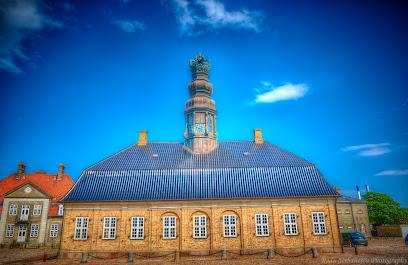
Nyholm Central Guardhouse
1.1 km
Discover Aarhus’s Latin Quarter, where historic charm meets a lively cultural scene, bustling cafés, artisan shops, and rich Danish heritage in the city’s oldest district.
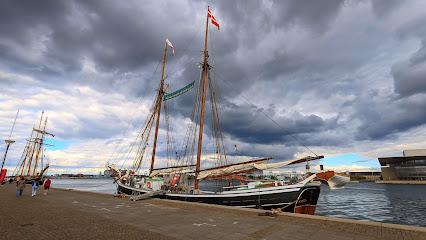
Larsens Pl.
1.2 km
Historic waterfront where Scandinavian dreams embarked for America, now a refined promenade of heritage and harbour views.
I am Queen Mary
1.2 km
A powerful harborfront monument honoring rebel leader Mary Thomas, confronting Copenhagen’s colonial past beside the historic West Indian Warehouse.
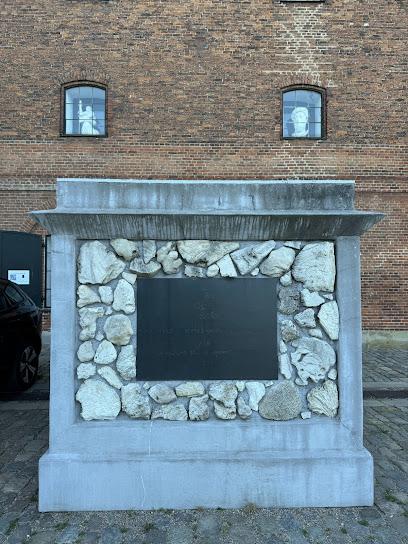
Krudhuset
1.3 km
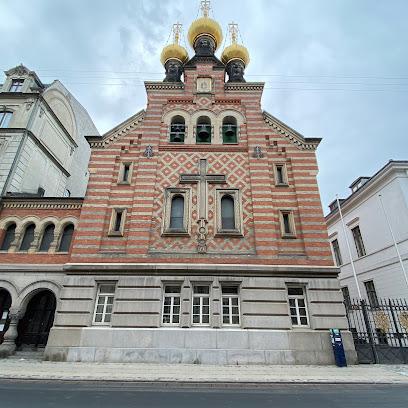
Marvel at St. Alexander Nevsky Church, Copenhagen’s ornate Russian Orthodox landmark crowned by golden onion domes, blending history, artistry, and spiritual serenity.
Sankt Annæ Pl.
1.4 km
Historic square blending royal heritage, climate innovation, and urban livability in central Copenhagen.
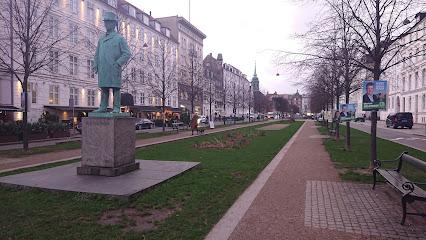
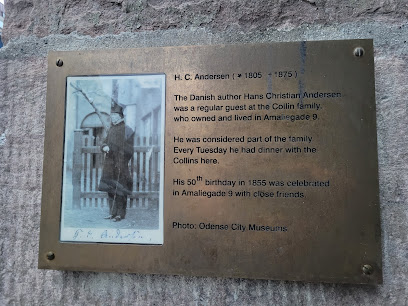
Hans Christian Andersen plaque
1.4 km
A modest plaque on elegant Amaliegade quietly marks Hans Christian Andersen’s presence amid the formal mansions and palace axis of Copenhagen’s Frederiksstaden.
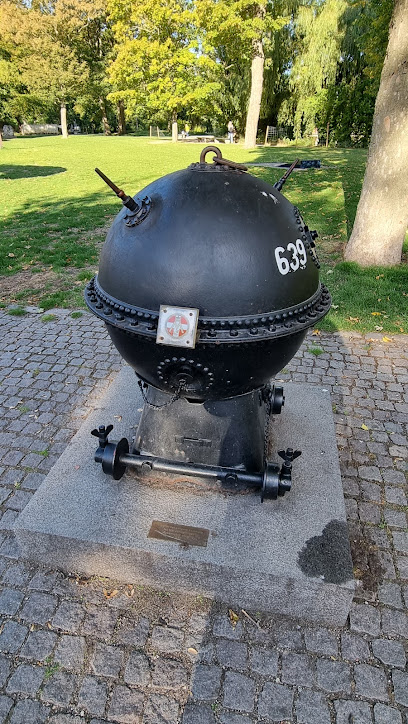
Horn mine
1.4 km
A disarmed World War II naval mine displayed in Churchill Park, turning a former weapon of the sea into a quiet reminder of conflict amid central Copenhagen’s greenery.
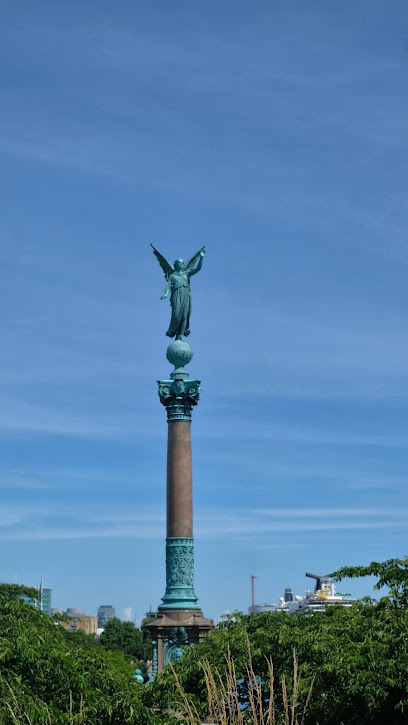
Iver Huitfeldt Memorial
1.5 km
A towering tribute to Admiral Huitfeldt's heroic last stand at sea, crowned with Victory.
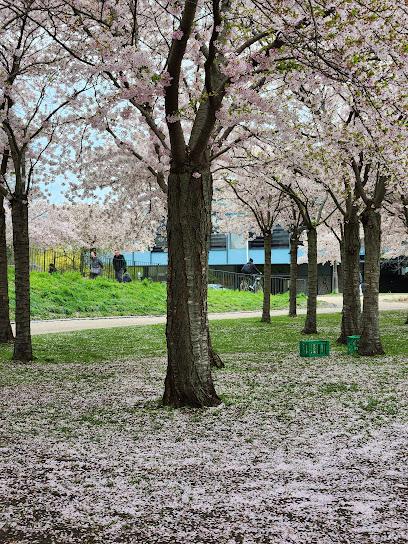
Langelinie Park
1.5 km
Copenhagen's iconic waterfront where history, art, and nature converge along the harbor.
Sankt Annæ Gade
1.5 km
Explore Skagen’s Maskinrummet, where maritime history, restored engines, and nautical culture meet within a unique, authentic portside museum and café.
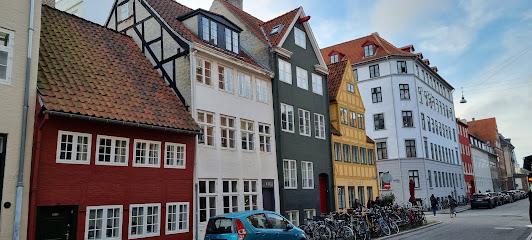
Havnegade Promenaden
1.5 km
Copenhagen's revitalized waterfront promenade blending historic charm with playful modern recreation.
St. Alexander Nevsky Church
1.5 km
Copenhagen's ornate Russian Orthodox gem with gilded domes and royal heritage near Amalienborg Palace.
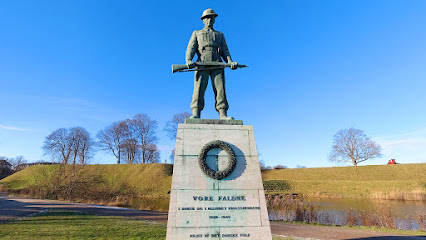
Our Fallen
1.6 km
A bronze tribute to World War II sacrifice, standing sentinel at Kastellet's gate since 1957.
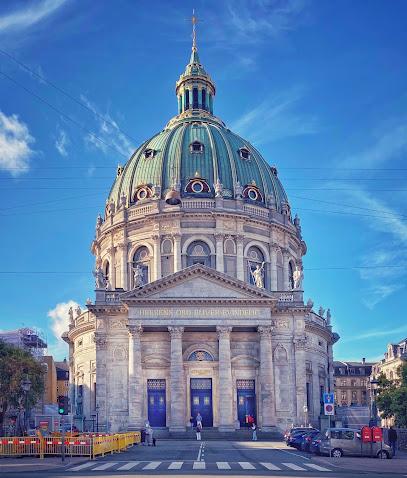
Frederik's Church
1.6 km
Copenhagen's iconic copper-domed masterpiece—a 145-year architectural triumph offering panoramic views and spiritual grandeur.
Unmissable attractions to see

Holmen
1.0 km
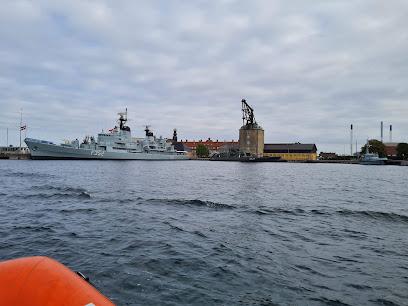
Historic naval islands turned calm harbour quarter, where dockyards, academies and the Copenhagen Opera House share wide quays and sweeping city views.
North Atlantic House
1.1 km
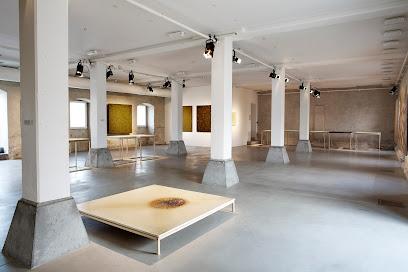
A 1767 waterfront warehouse transformed into Copenhagen’s vibrant gateway to the art, stories and flavors of Greenland, Iceland and the Faroe Islands.
Operaen
1.1 km
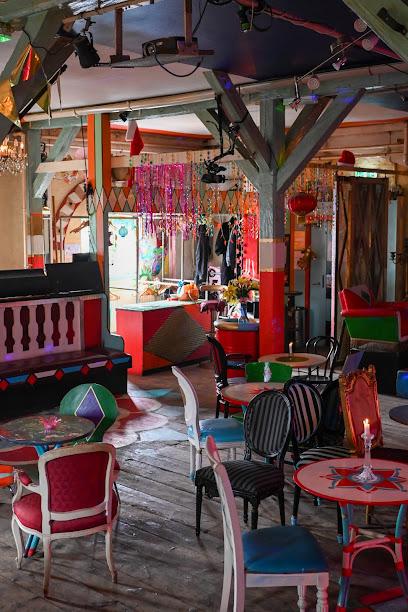
Innovative cocktails in a historic Copenhagen setting.
Ofelia Plads
1.2 km
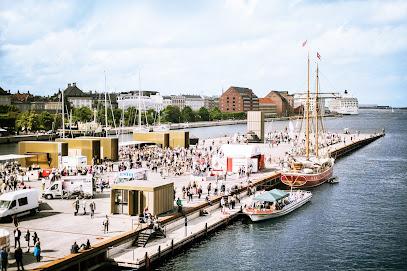
A UNESCO-listed Renaissance fortress where royal history, sea vistas, and Hamlet legends converge at the gateway between Denmark and Sweden.
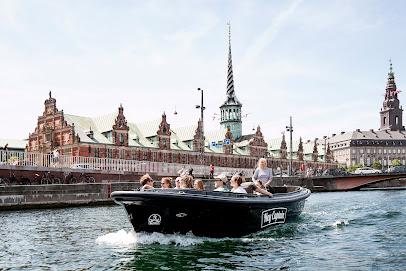
Hey Captain
1.2 km
Experience the heart of Hillerød at Fisketorvet, where shopping, dining, and culture converge in a historic market square.
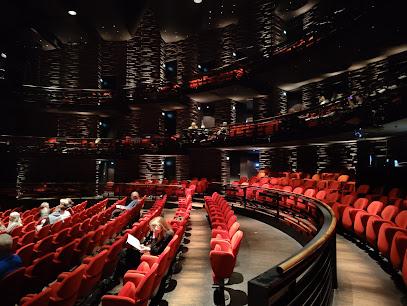
The Playhouse
1.2 km
A beautiful English gothic church in the heart of Copenhagen, St Alban’s blends British heritage and Danish history beside the city’s iconic fortifications.
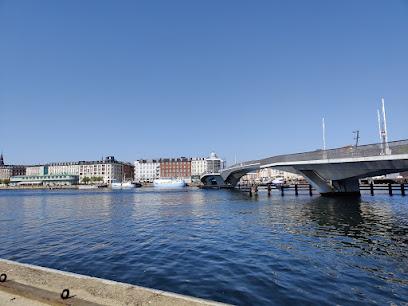
Inderhavnsbroen
1.2 km
Explore the evolution of Danish design at Copenhagen's historic Designmuseum Danmark.
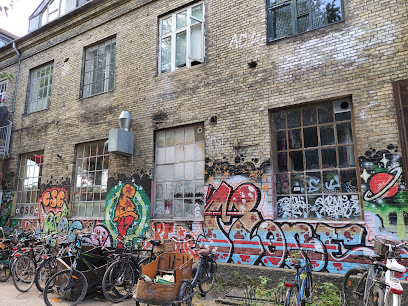
Green George af Thomas Dambo - Trold nr. 50
1.2 km
A towering recycled-wood troll at Christiania’s entrance, Green George blends street art, sustainability and playful storytelling in the heart of Copenhagen.
The Kissing Stairs
1.2 km
Stroll along Langelinie, Copenhagen’s bustling waterfront, where iconic statues, historic parkland, and sweeping harbor views create a quintessential maritime escape.
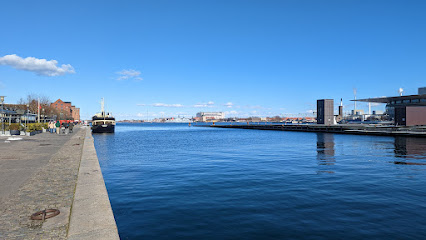
Amaliehaven
1.2 km
A small but beautifully composed waterfront garden weaving royal vistas, sculpture, and harbor views into a calm green oasis in central Copenhagen.
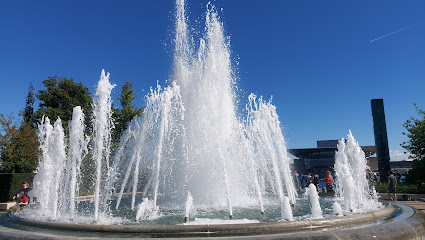
Springvandet i Amaliehaven af Arnaldo Pomodoro
1.2 km
A dramatic bronze fountain at the heart of Amaliehaven, where modern sculpture, royal views and harbor breezes meet in a tranquil geometric garden.
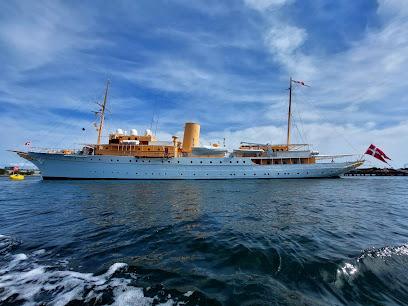
Kongeskibet Dannebrog
1.3 km
An elegant white royal yacht moored in Copenhagen’s harbour, Kongeskibet Dannebrog is a floating palace, naval vessel and living symbol of modern Danish monarchy.
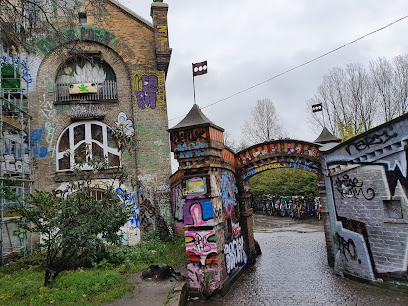
Christiania
1.3 km
A self-governing “freetown” of murals, lakeside paths and experimental living, tucked behind Copenhagen’s old ramparts in the heart of Christianshavn.
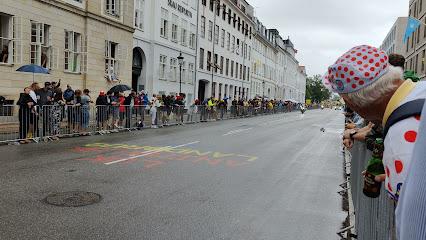
Amaliegade
1.3 km
A stately Copenhagen street where Rococo townhouses, royal colonnades and diplomatic mansions line a calm axis through the heart of Frederiksstaden.
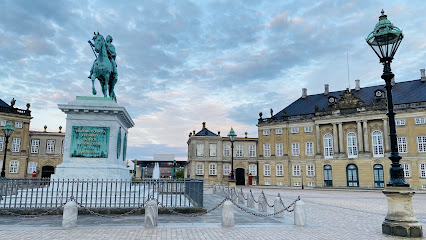
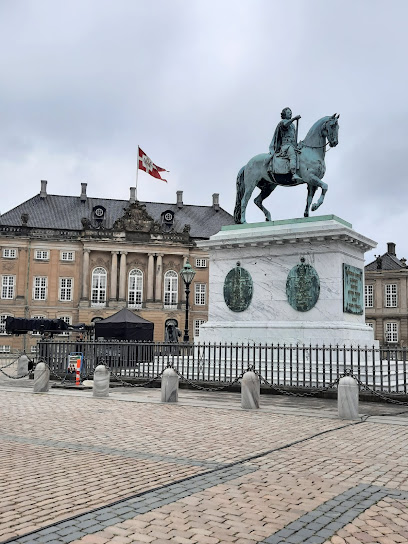
Rytterstatuen
1.4 km
A surreal subterranean art museum beneath Søndermarken Park, fusing Copenhagen’s 19th-century waterworks with modern installations and immersive experiences.
Essential places to dine

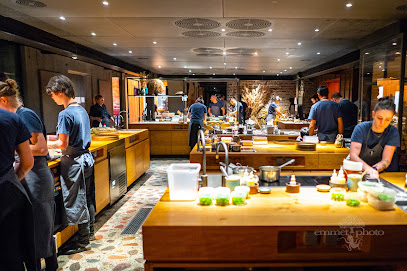
Noma
0.4 km
Boundary-pushing New Nordic tasting menus in an understated waterfront warehouse, where radical seasonality, fermentation and Danish warmth shape an immersive dining experience.
La Banchina
1.1 km
Tiny blue harbour house on Refshaleøen blending seasonal pescatarian cooking, natural wines, sauna culture and swims into one uniquely Copenhagen experience.
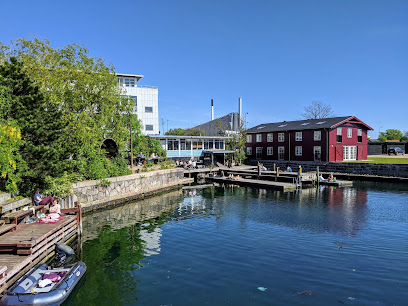
Restaurant Barr
1.1 km
Modern North Sea cuisine, serious beer and warm Nordic design meet in a historic harbor-front warehouse in the heart of Copenhagen’s Christianshavn.
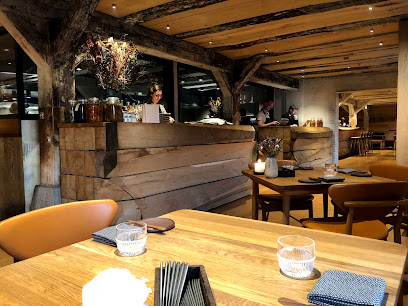
Khun Juk
1.3 km
Refined Thai dining tucked into Copenhagen’s iconic Nyhavn, where candlelit tables, fresh flowers and layered flavors turn dinner into an intimate evening event.
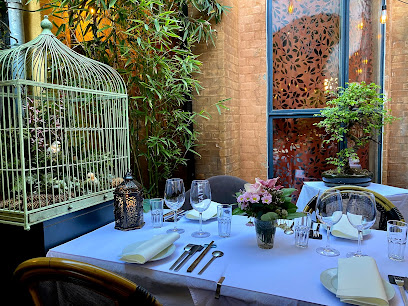
Restaurant Kanalen
1.4 km
Seasonal Danish cooking and relaxed Nordic elegance in a historic canalside house on Christianshavn, where boats glide past your table and the water sets the mood.
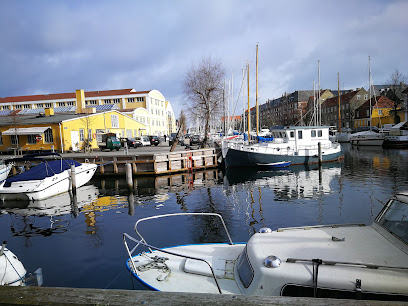
Restaurant Lola
1.4 km
Bold, travel-inspired cooking and inventive smørrebrød served in a sunny 17th‑century house with a leafy garden hideaway on Christianshavn’s historic ramparts.
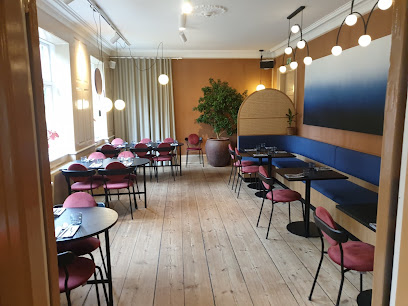
Skipperkroen
1.5 km
Harbourfront smørrebrød and seafood in an 18th‑century Nyhavn house, pairing classic Danish flavours with canal views from cosy rooms and a lively terrace.
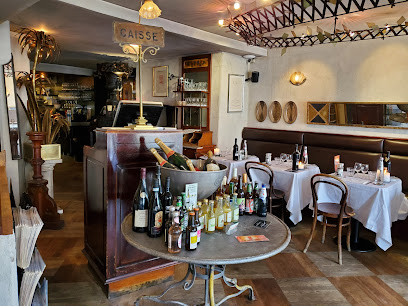
Cap Horn
1.5 km
Candlelit Nordic bistro in a historic Nyhavn townhouse, blending classic Danish seafood, canal views and cosy hygge from late morning to late evening.
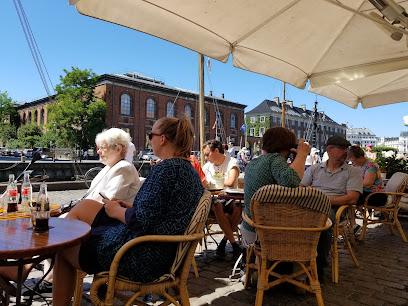
Cafe Wilder
1.5 km
A cherished French bistro where Parisian charm meets Copenhagen authenticity on the historic streets of Christianshavn.
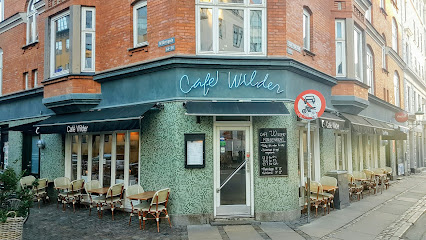
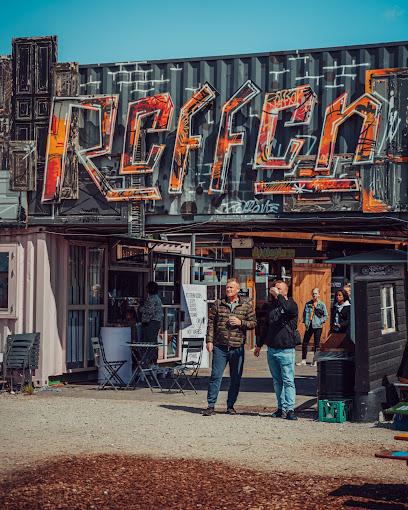
Reffen - Skøjteøen
1.6 km
Copenhagen’s dynamic hub for global street food, creative pop-ups, and urban harbor vibes in a repurposed shipyard setting with a seasonal ice skating rink.
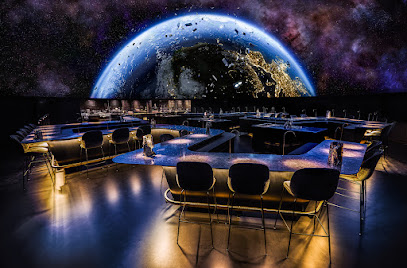
Alchemist
1.6 km
Six hours of theatrical culinary innovation where haute cuisine meets immersive art installation.
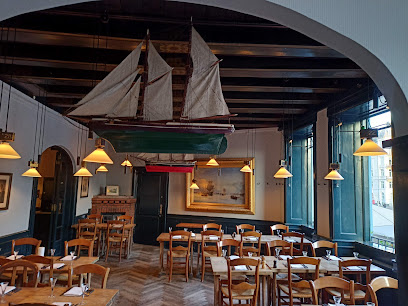
Nyhavns Færgekro
1.6 km
Classic Danish cooking and a famed herring buffet in a cozy canal-side tavern, set within one of Nyhavn’s colorful townhouses overlooking Copenhagen’s historic harbor.
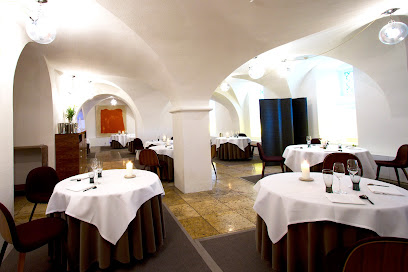
Aoc
1.6 km
Two Michelin stars of bold Nordic flavors in a historic 17th-century cellar.
à terre
1.7 km
à terre brings French fine dining infused with Nordic creativity to central Copenhagen, offering an intimate, innovative tasting menu experience near Copenhagen’s key attractions.
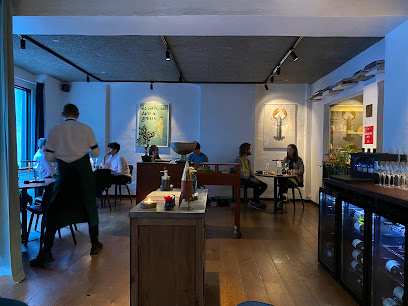
Restaurant Rebel
1.7 km
Seasonal Danish produce meets French technique at this relaxed, MICHELIN-recommended bistro on Store Kongensgade, where an open kitchen and inventive plates define the mood.
Markets, malls and hidden boutiques

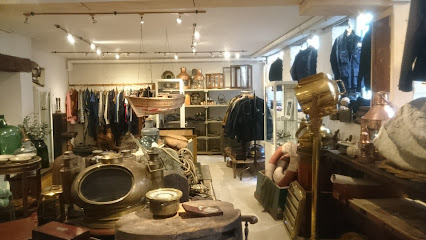
Maritime Antiques &
1.4 km
Atmospheric basement shop near Nyhavn where genuine maritime antiques share space with heritage-inspired clothing and rugged knitwear in a cosy, ship-like setting.
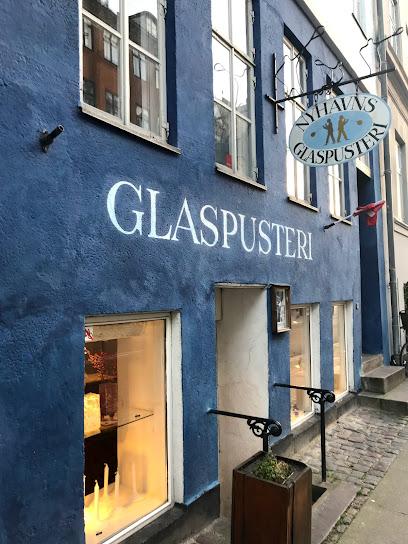
Copenhagenglass
1.4 km
Intimate glassblowing studio and shop near Nyhavn, where Danish maritime-inspired designs and hands-on sessions turn molten glass into memorable Copenhagen souvenirs.
The Crown souvenir
1.4 km
Compact, colorful souvenir stop on elegant Amaliegade, perfect for picking up Danish flags, Little Mermaid trinkets and royal-themed keepsakes near Amalienborg.
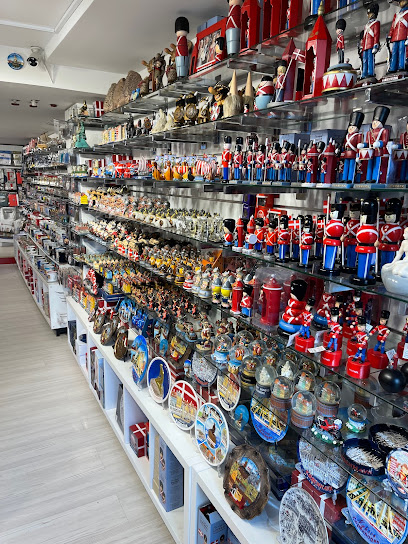
Royal Souvenir Shop
1.5 km
Compact and colourful, Royal Souvenir Shop on Bredgade distils Copenhagen into easy‑to‑pack gifts, from royal guards and Vikings to flags, mugs and playful keepsakes.
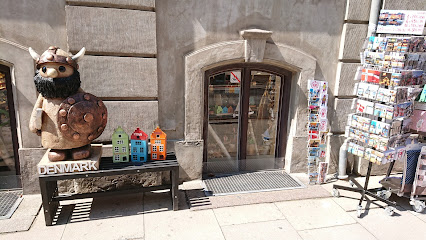
Zane
1.6 km
Intimate Copenhagen florist and design boutique on stylish Bredgade, blending seasonal blooms, Nordic homeware and thoughtful gifts in a cosy, lived-in space.
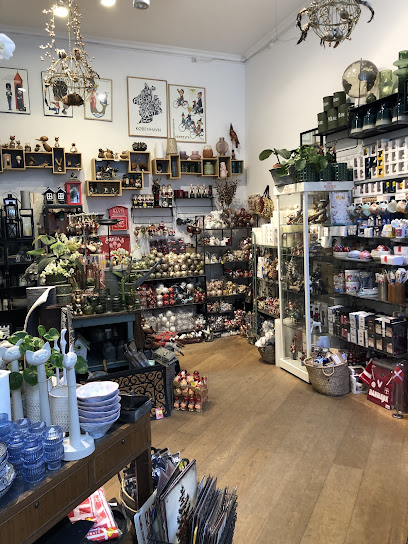
The Wilde Shop
1.7 km
A boutique vintage shop in Indre By, Copenhagen bringing together handpicked retro clothing, sustainable fashion, and curated Scandinavian style in a welcoming setting.
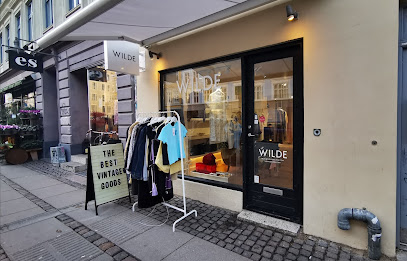
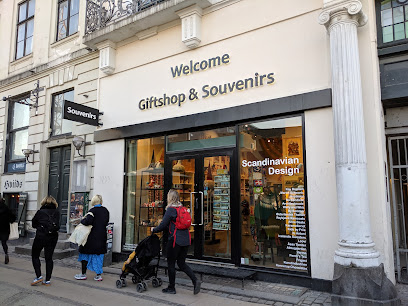
Welcome Giftshop & Souvenirs
1.8 km
Central Copenhagen’s cosy hygge boutique for Danish design, classic souvenirs, and easy last-minute gifts just off bustling Kongens Nytorv square.
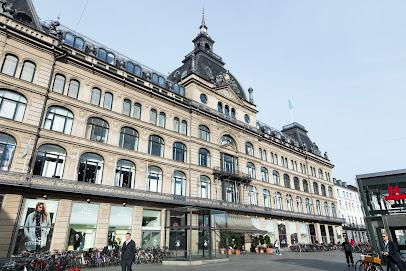
Magasin du Nord
1.8 km
Copenhagen’s classic department store: historic architecture, Nordic style, gourmet treats and relaxed cafés gathered under one elegant roof on Kongens Nytorv.
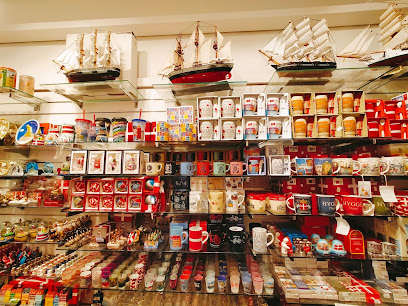
Viking Souvenirs
1.8 km
Authentic Danish and Viking-themed souvenirs in Copenhagen's historic city center.
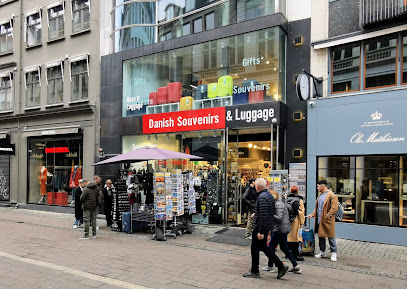
Danish Souvenirs & luggages
1.8 km
Central Strøget souvenir and luggage shop combining classic Danish mementos with practical travel gear, open long hours for convenient, last‑minute Copenhagen gifts.
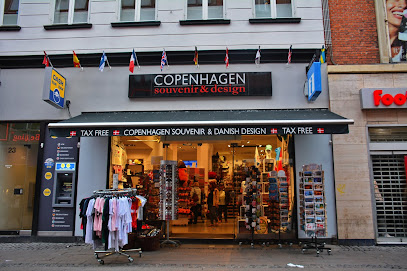
Copenhagen Souvenir & Design
1.9 km
Denmark's premier souvenir destination offering authentic Danish heritage, contemporary design, and quality gifts across seven city-center locations.
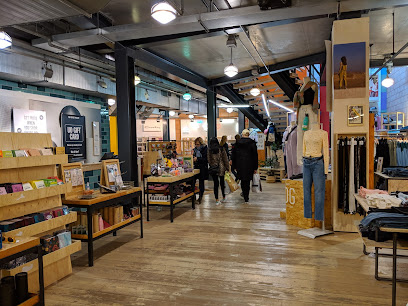
Urban Outfitters
2.0 km
Trendy multi-level fashion and lifestyle store bringing Urban Outfitters’ eclectic clothing, homeware and vinyl mix to the heart of Copenhagen’s Østergade.
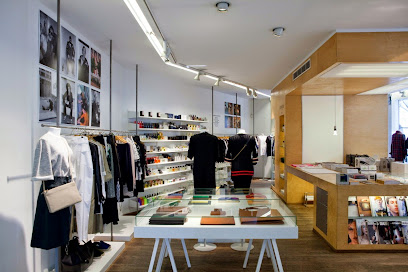
Storm - design art fashion
2.0 km
A pioneering Copenhagen concept store where avant-garde fashion, art, design objects and niche fragrances meet in a minimalist, gallery-like space on Store Regnegade.
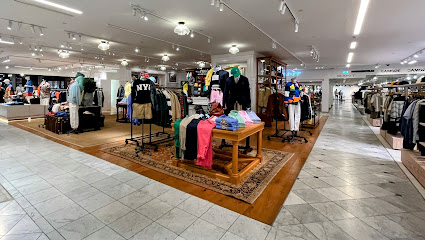
ILLUM
2.1 km
ILLUM is Copenhagen’s iconic department store, combining world-class fashion, Danish design, gourmet food, and rooftop views in historic Indre By.
Copenhagen Souvenir & Design World of Memories
2.1 km
Denmark's largest souvenir chain with 14 locations offering over 2,000 authentic Danish keepsakes and contemporary design pieces.
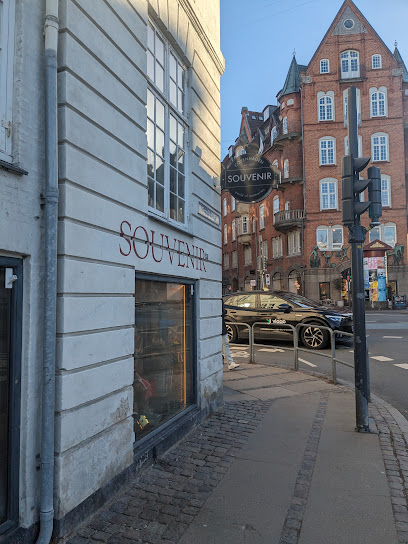
Essential bars & hidden hideouts

Eiffel bar
1.5 km
Experience the cozy atmosphere of Eiffel Bar in Copenhagen, where friendly service meets affordable drinks in a charming setting.
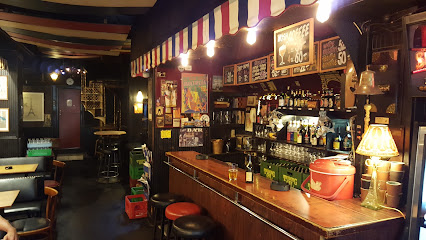
Whammy Bar
1.6 km
Colourful neighbourhood bar on Amager serving generous cocktails, draft beers and American‑style comfort food to a friendly crowd of locals and visitors.
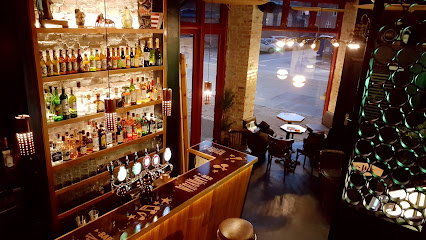
TATA Cocktail Bar
1.6 km
A velvet-draped, fireplace-warmed cocktail hideaway inside Hotel Sanders, where classic mixology, Danish design and theatre-inspired charm blend seamlessly.
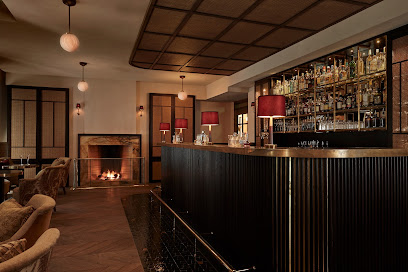
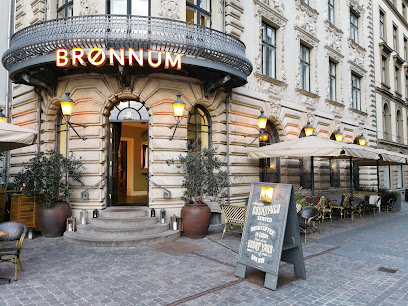
Brønnum
1.7 km
An opulent, multi‑room cocktail bar steps from Kongens Nytorv, where historic townhouse elegance meets contemporary mixology and candlelit late‑night conversation.
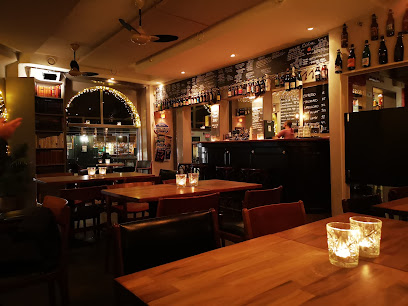
Black Swan
1.8 km
Craft-forward, cosy and unpretentious, Black Swan is Copenhagen’s inner-city local where rotating taps, serious cider and good conversation flow late into the night.
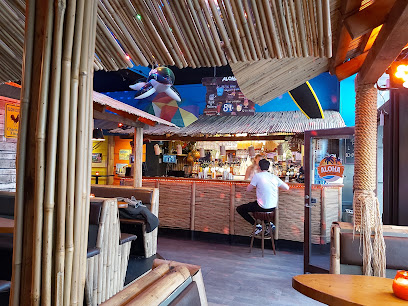
Aloha Beach Bar
1.8 km
Island-inspired cocktails, neon glow and late-night party vibes packed into a compact tropical bar just off Gothersgade in central Copenhagen.
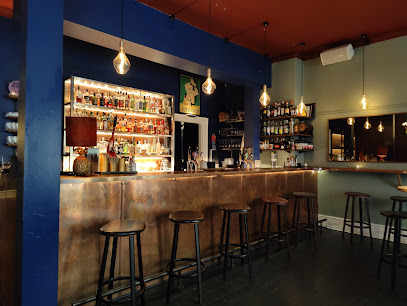
Bar Deco
1.9 km
Intimate Art Deco–inspired cocktail bar near Kongens Nytorv, pairing crafted drinks with moody lighting and a relaxed, grown‑up Copenhagen atmosphere.
Balthazar
1.9 km
A luxurious Champagne bar at Hotel d’Angleterre, pairing an extensive bubbles list and crafted cocktails with velvet-luxe interiors and a lively DJ-backed ambience.
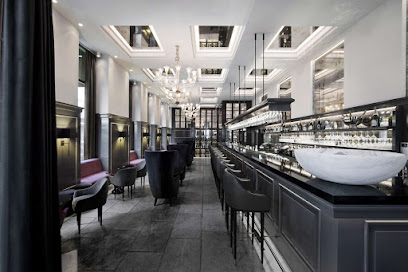
1105
2.0 km
Intimate, dimly lit cocktail bar in Copenhagen’s 1105 postcode, pairing dark, elegant interiors with carefully crafted Nordic-inspired drinks and classic mixes.
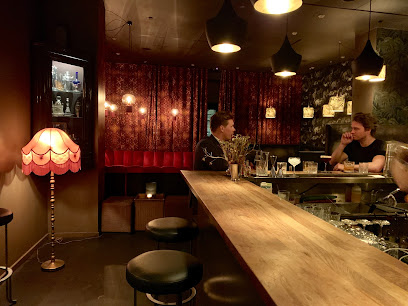
Lassie Bar
2.0 km
A classic Amager brown bar where bottled beer, schnapps and neighborhood chatter create a quietly authentic slice of everyday Copenhagen nightlife.
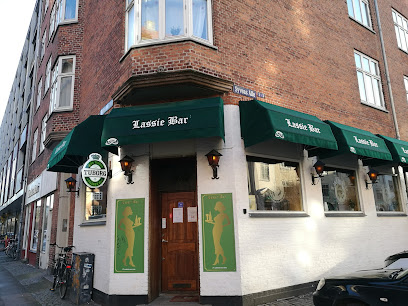
The Moose
2.1 km
Graffiti-plastered walls, infamous moose murals and cheap late-night beers make this smoky Indre By dive bar a gritty, unpolished slice of Copenhagen nightlife.
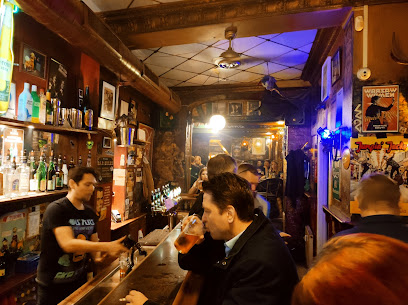
K-Bar
2.1 km
Intimate harbourfront cocktail den in central Copenhagen, known for monochrome style, inventive infusions and quietly confident classics poured with real care.
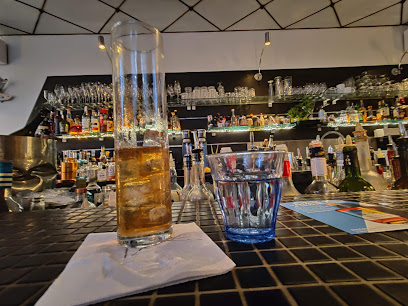
Ved Stranden
2.1 km
Canal-side natural wine bar and shop in a historic townhouse, blending Copenhagen charm, thoughtful bottles and relaxed, living-room warmth by Christiansborg Palace.
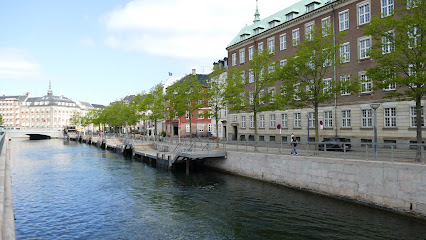
Charlie's Bar
2.1 km
Discover the enchanting atmosphere of Charlie's Bar, a cozy haven in Copenhagen offering a diverse drink selection and a vibrant local vibe.
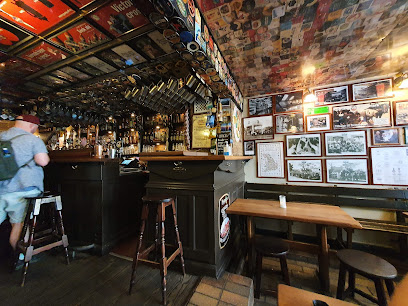
Trykbar
2.1 km
Cosy, central Copenhagen bar with a strong beer list, warm lighting and a laid-back, inclusive atmosphere that blends hygge with lively late-night energy.
Nightclubs & after hour spots

Lusso
1.9 km
A compact, high-end Copenhagen nightclub with champagne-forward table service, dim lighting and a stylish late-night crowd just steps from Kongens Nytorv.
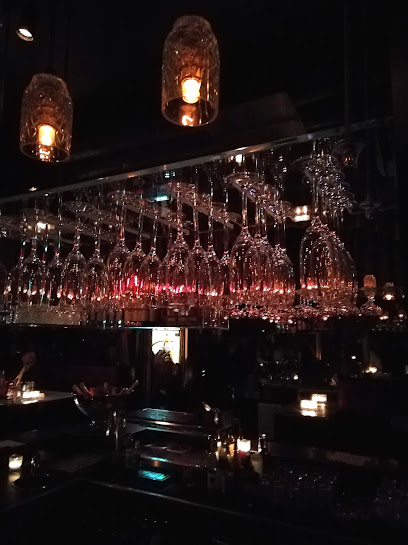
Mini Bar
2.0 km
Discover the vibrant nightlife of Copenhagen at Mini Bar, a premier night club offering eclectic tunes and a lively atmosphere for unforgettable nights.
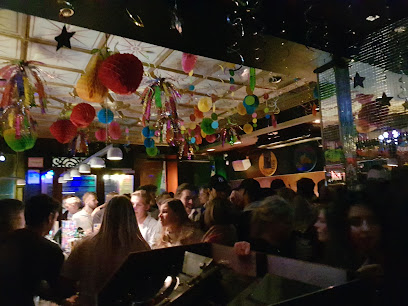
Culture Box
2.0 km
Discover the heartbeat of Copenhagen's nightlife at Culture Box, where music, art, and dance create an unforgettable experience.
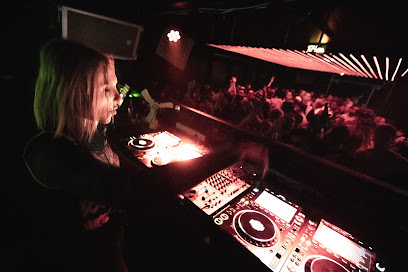
The Zoo
2.1 km
Intimate late-night nightclub on Sværtegade in Copenhagen’s historic center, blending a compact dance floor, DJ-driven beats and a casual, social bar atmosphere.
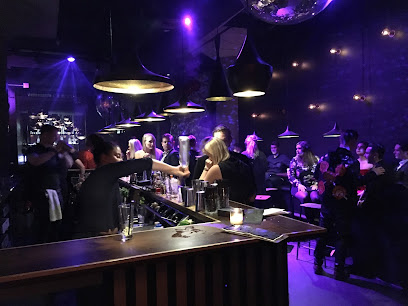
Chateau Motel
2.5 km
Discover the lively nightlife of Copenhagen at Chateau Motel, a top destination for cocktails and dancing in a vibrant atmosphere.
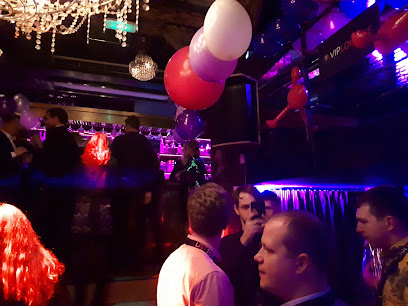
Hive
2.5 km
Copenhagen's premier high-end nightclub with cutting-edge design, VIP service, and immersive themed experiences.
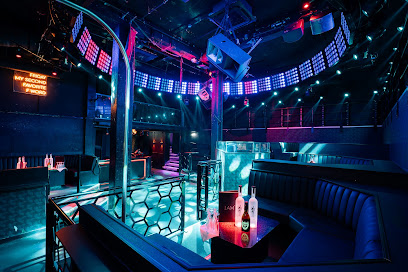
Rumors
2.6 km
Discover the heart of Copenhagen's nightlife at Rumors, where energetic vibes and unforgettable nights await you.
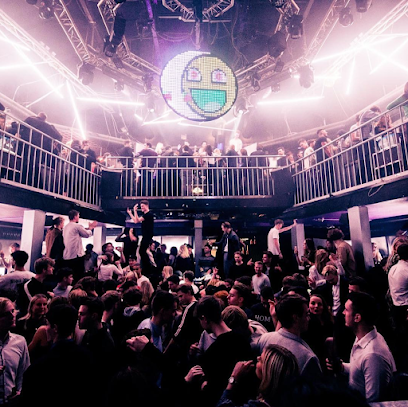
Mirror
2.6 km
Dive into the heart of Copenhagen's nightlife at Mirror, where the rhythm never stops and unforgettable memories are made.
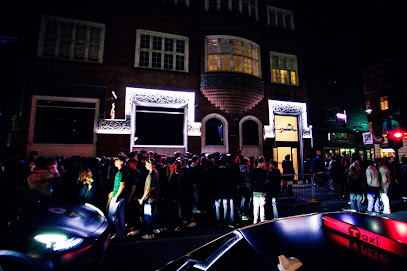
Miami Bar
2.6 km
Discover Copenhagen's nightlife at Miami Bar, where cocktails and dancing create unforgettable nights in a vibrant atmosphere.
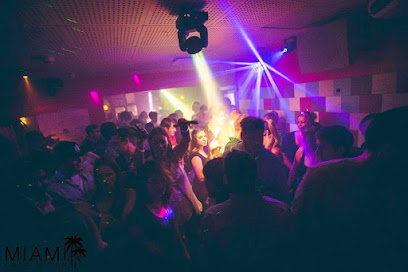
Club Mambo
2.6 km
Experience the energetic nightlife of Copenhagen at Club Mambo, a vibrant night club offering salsa dancing, cocktails, and delicious dining.
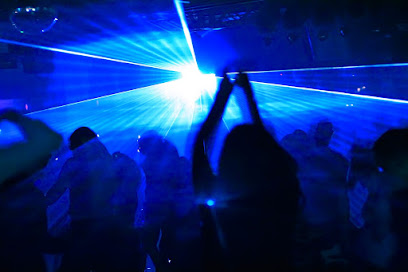
Arch
2.7 km
Discover the vibrant nightlife of Copenhagen at Arch, a premier night club offering electrifying music and an unforgettable atmosphere.
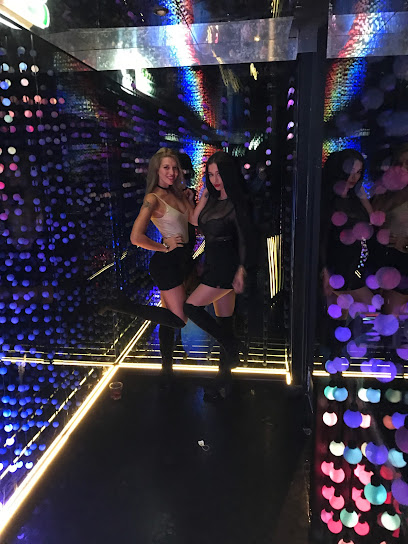
Mirage
2.7 km
Dive into the electrifying nightlife at Mirage, Copenhagen's premier night club for an unforgettable evening of music, dancing, and entertainment.

La Terraza
2.7 km
Compact nightclub on Studiestræde in Copenhagen’s old town, offering loud beats, straightforward drinks and an unpretentious late-night dance floor.
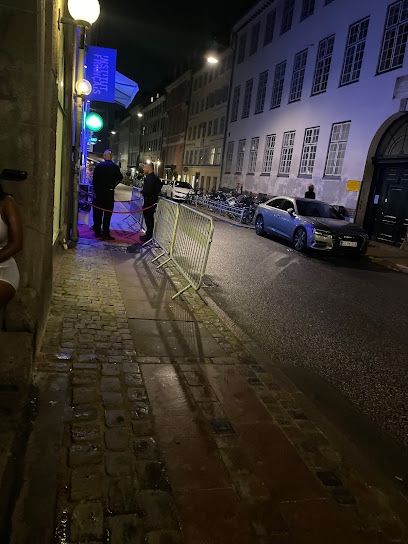
Dorsia
2.7 km
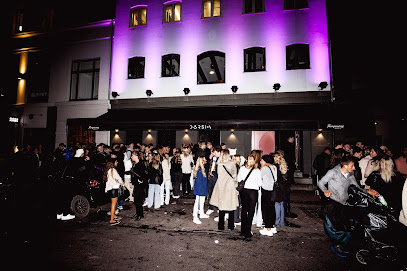
Central Copenhagen nightclub with late‑night DJs, cocktails and an image‑conscious crowd packed into a dark, modern interior off busy Kattesundet.
Cosy Bar
2.8 km
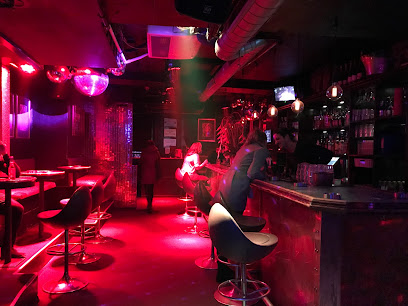
Discover the lively atmosphere of Cosy Bar, a top gay nightclub in Copenhagen offering fantastic music, vibrant crowds, and unforgettable nights.
For the vibe & atmosphere seeker
- Somber
- Tranquil
- Unique
- Adventurous
For the architecture buff
- Historic
- Industrial
For the view chaser and sunset hunter
- Panoramas
For the social media creator & influencer
- Photo Spots
- Architectural Shots
For the eco-conscious traveler
- Protected Area
- Leave-No-Trace Critical
For the kind of experience you’re after
- Myth & Legends
- Cultural Heritage
- Photowalk
For how adventurous you want the journey to be
- Easy Access
- Requires Hike
- Remote
Location Audience
- Solo Friendly
- Couple Friendly
- Solo Female Friendly
- Family Friendly
- Teen Friendly
- Senior Friendly


