Landbohøjskolens Have, Copenhagen Travel Guide
A nineteenth‑century university horticultural garden where living plant collections, quiet lawns and campus life blend into one of Frederiksberg’s most inviting green oases.
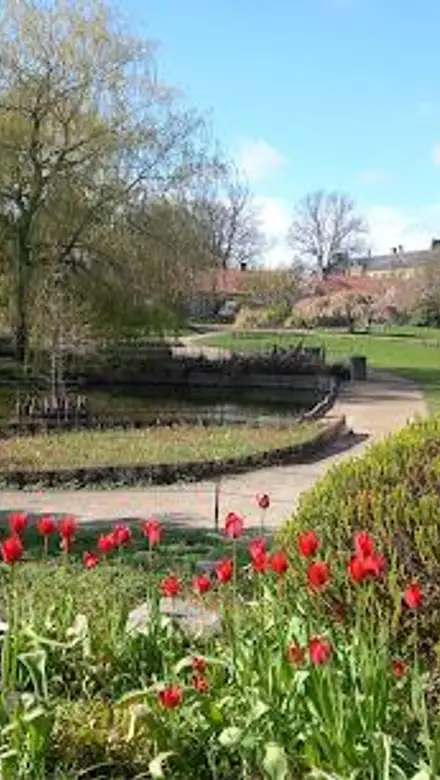
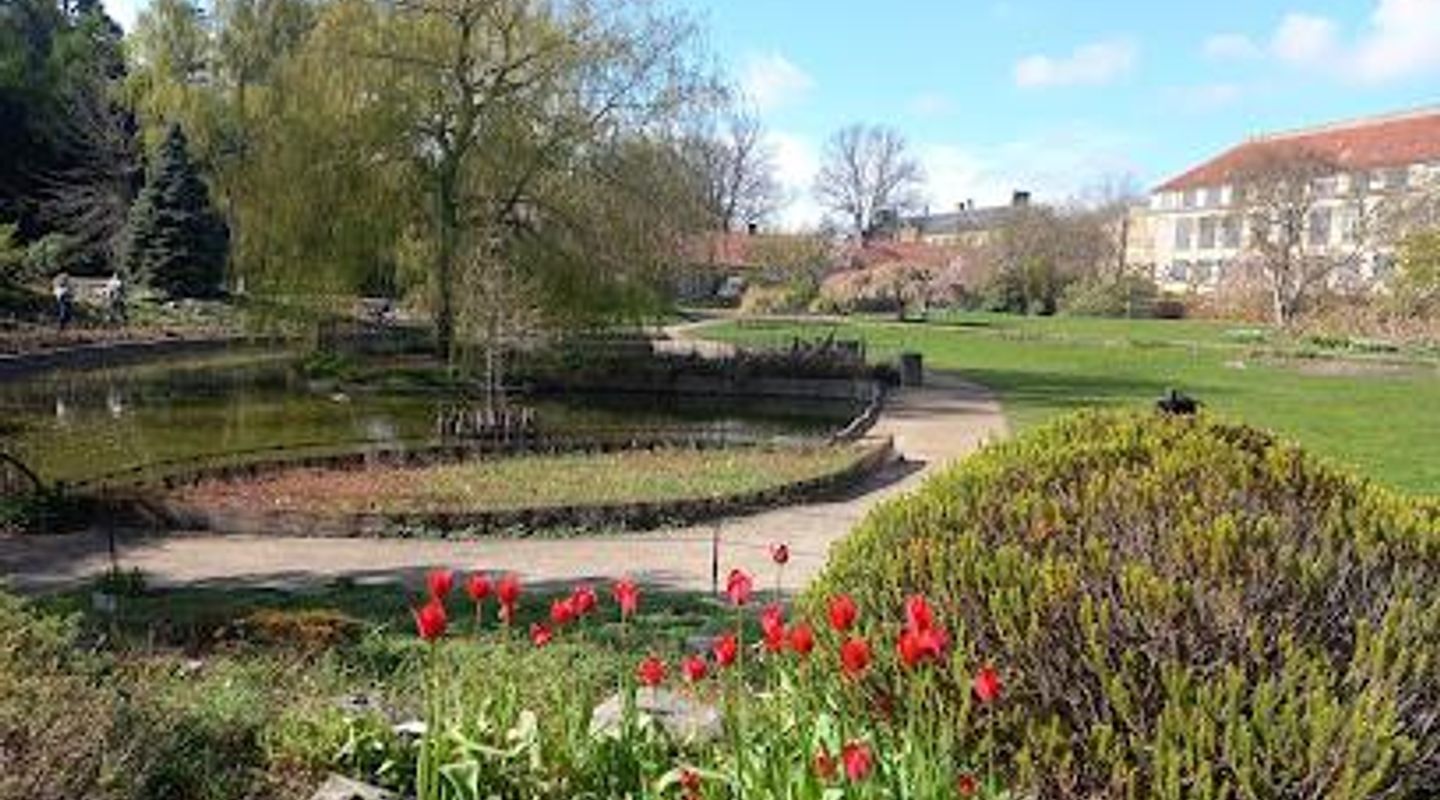
Tucked behind the university campus in Frederiksberg, Landbohøjskolens Have is a nineteenth‑century horticultural garden that feels like a secret green world in the city. Created as study gardens and now home to more than 6,000 different plants, it combines formal beds, sweeping lawns, old trees, ponds and small glasshouses. Open to the public and free to enter, it is ideal for slow walks, quiet reading on a bench or studying plant life up close in all seasons.
A brief summary to Landbohøjskolens Have
- Bülowsvej 17, Frederiksberg Municipality, Frederiksberg C, 1870, DK
- Click to display
- Click to display
- Duration: 1 to 3 hours
- Free
-
 Outdoor
- Mobile reception: 5 out of 5
- Monday 7 am-8 pm
- Tuesday 7 am-8 pm
- Wednesday 7 am-8 pm
- Thursday 7 am-8 pm
- Friday 7 am-8 pm
- Saturday 7 am-8 pm
- Sunday 7 am-8 pm

Know before you go
Hi, I'm Eve. Here are a few practical things to know before exploring Landbohøjskolens Have.
- Plan at least an hour to wander the full circuit of paths, including the themed beds with medicinal plants, roses and alpine species.
- Come in late spring or early summer to see roses, azaleas and rhododendrons at their most colourful, but remember the garden offers interest year‑round.
- Use the plentiful benches for a quiet break or picnic, and treat the garden respectfully as both a public park and a working study environment.
- If a small café is operating in one of the glasshouses, it is a pleasant spot for a simple drink or snack surrounded by greenery.
Do you manage this location?
Take control to get all the benefits, like improved information, better appearance, and stronger visibility across AI-powered discovery. Learn more about listing your business on Evendo
Activate your presenceOther nearby places you may find interesting
The closest places of the same kind, if this one is not quite what you had in mind.

Explore Landbohøjskolens Have on the Map
A handpicked selection of must-see spots near Landbohøjskolens Have, mapped for you.
Getting There
-
Metro
From central Copenhagen, take metro line M1 or M2 to Frederiksberg Station, a common hub for visitors to this part of the city. The ride from Kongens Nytorv or Nørreport typically takes 5–8 minutes. Standard single tickets in the city zones usually cost around 20–30 DKK. Trains run frequently throughout the day, and from Frederiksberg Station the walk to the garden is a straightforward 7–10 minutes on mainly level pavements, suitable for most mobility levels.
-
City bus
Several city bus routes serve the Frederiksberg area from the inner city and neighbouring districts, with typical journey times of 10–25 minutes depending on traffic and starting point. Single tickets generally cost in the region of 20–30 DKK and can be bought via travel apps or ticket machines. Buses stop on main roads near the campus; from these stops, expect a short urban walk on paved sidewalks to reach the garden entrances.
-
Bicycle
Copenhagen’s extensive bike lanes make cycling to Landbohøjskolens Have a practical option from most central neighbourhoods, usually taking 10–20 minutes. You can use a city bike scheme or a rented bicycle; daily rentals are commonly priced from about 80–120 DKK. The terrain is flat and bike lanes are well marked, but remember to observe local cycling rules and park only in designated racks around the campus.
-
Taxi
A taxi from central Copenhagen districts such as Indre By or Vesterbro to the garden typically takes 10–20 minutes depending on traffic. Fares generally fall in the range of 120–220 DKK for this distance. Taxis can drop passengers on the streets surrounding the campus; from there it is a short walk along even pavements into the garden area. This is a convenient option for travellers carrying luggage or those with limited mobility.
For the on-the-go comforts that matter to you
-
 Restrooms
-
 Drink Options
-
 Food Options
-
 Seating Areas
-
 Trash Bins
-
 Information Boards
Discover more about Landbohøjskolens Have
A historic horticultural garden in the heart of Frederiksberg
Laid out in the mid‑nineteenth century as part of the Royal Veterinary and Agricultural University, Landbohøjskolens Have is one of Copenhagen’s most characterful green spaces. Established around 1858, the gardens were conceived both as teaching grounds for horticulture and botany and as a generous park for the surrounding city. Today they form the leafy core of the University of Copenhagen’s Frederiksberg Campus, yet still retain a distinctly intimate atmosphere.Winding gravel paths lead you past lawns, herbaceous borders and mature trees that bear witness to more than a century of careful planting. The overall impression is of a cultivated landscape that still feels human in scale: handsome but never grandiose, designed to invite wandering rather than impress with pomp.Living collections and themed plant areas
The garden’s scientific roots are clearest in its extensive plant collections. More than 6,000 different species and varieties grow here, ranging from wild Danish herbs and native woody plants to exotic ornamentals and useful crops. Dedicated beds showcase alpine plants, special grasses and heathers, while other sections focus on roses, azaleas and rhododendrons that burst into colour in late spring and early summer.Several areas are devoted to medicinal and historically important plants, highlighting species that have been used in remedies for centuries and many that still form the basis of modern pharmaceuticals. Labels and orderly groupings make it easy to understand connections between species, so a stroll effectively becomes an informal botany lesson in the open air.A campus oasis for quiet moments
Although it belongs to an active university campus, Landbohøjskolens Have feels remarkably calm. The garden is framed by academic buildings, yet once inside you are surrounded by greenery, birdsong and the gentle sound of wind in the trees. Benches are scattered generously along the paths and around lawns, encouraging you to linger with a book, a sketchpad or simply your thoughts.A small pond adds to the sense of retreat, reflecting the surrounding trees and attracting ducks and other urban wildlife. Because the paths are generally level and wide, the garden suits unhurried ambles for all ages, from families with prams to older visitors who prefer flat terrain and frequent seating.Glasshouses, seasonal colour and subtle details
Beyond the open beds and lawns, you may notice modest glasshouses that recall the garden’s working, experimental character. These structures, together with more formal planting near them, hint at the ongoing teaching and research that still take place on campus. In warmer months, one of the glasshouses sometimes hosts a simple café, reinforcing the garden’s role as a social as well as educational space.Each season brings a different mood: spring bulbs and blossoms give way to lush summer foliage, then autumn sets the larger trees ablaze in gold and rust tones. Even in winter, the structure of bare branches, evergreens and carefully planned vistas provides visual interest. Close observation rewards you with details such as scented herbs, unusual seed heads and carefully chosen groundcover plants along the paths.Everyday park life with a botanical twist
For locals, Landbohøjskolens Have functions as a neighbourhood park, a place to cross between lectures, walk a dog at the edges or sit with a takeaway coffee. For visitors, it offers a more low‑key and local perspective than the city’s grander parks and formal botanical garden. Here, research plots and ornamental beds sit side by side, and the boundaries between campus and park softly blur.Informal lawns invite picnics and play, yet the underlying structure remains that of a living outdoor classroom. It is this blend—part scientific collection, part everyday refuge—that gives the garden its particular charm and makes it worth seeking out during a day in Frederiksberg or greater Copenhagen.












Your all‑in‑one travel companion app
Explore expert travel guides, compare and book tours, experiences, hotels, and more—all from the palm of your hand. Download now for seamless trip planning wherever your wanderlust takes you.


Explore More of Copenhagen

Looking beyond Landbohøjskolens Have? Discover Copenhagen for broader travel guides, local hot-spots, and regional highlights.
Explore Copenhagen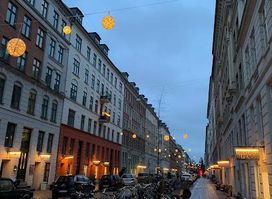
A short Nørrebro side street turned creative powerhouse, where independent makers, specialty food and relaxed urban life share the same cobbled stage.
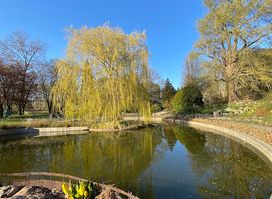
Compact 19th‑century university gardens where labelled plant collections, rose beds and shady lawns create a quietly cultivated green oasis in central Frederiksberg.