Gefion Fountain, Copenhagen Travel Guide
A powerful Norse creation myth cast in bronze and spray, the Gefion Fountain unites legend, sculpture and harbor light on the edge of Churchillparken.
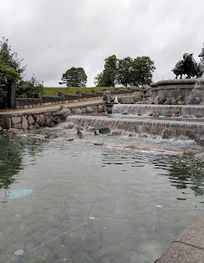
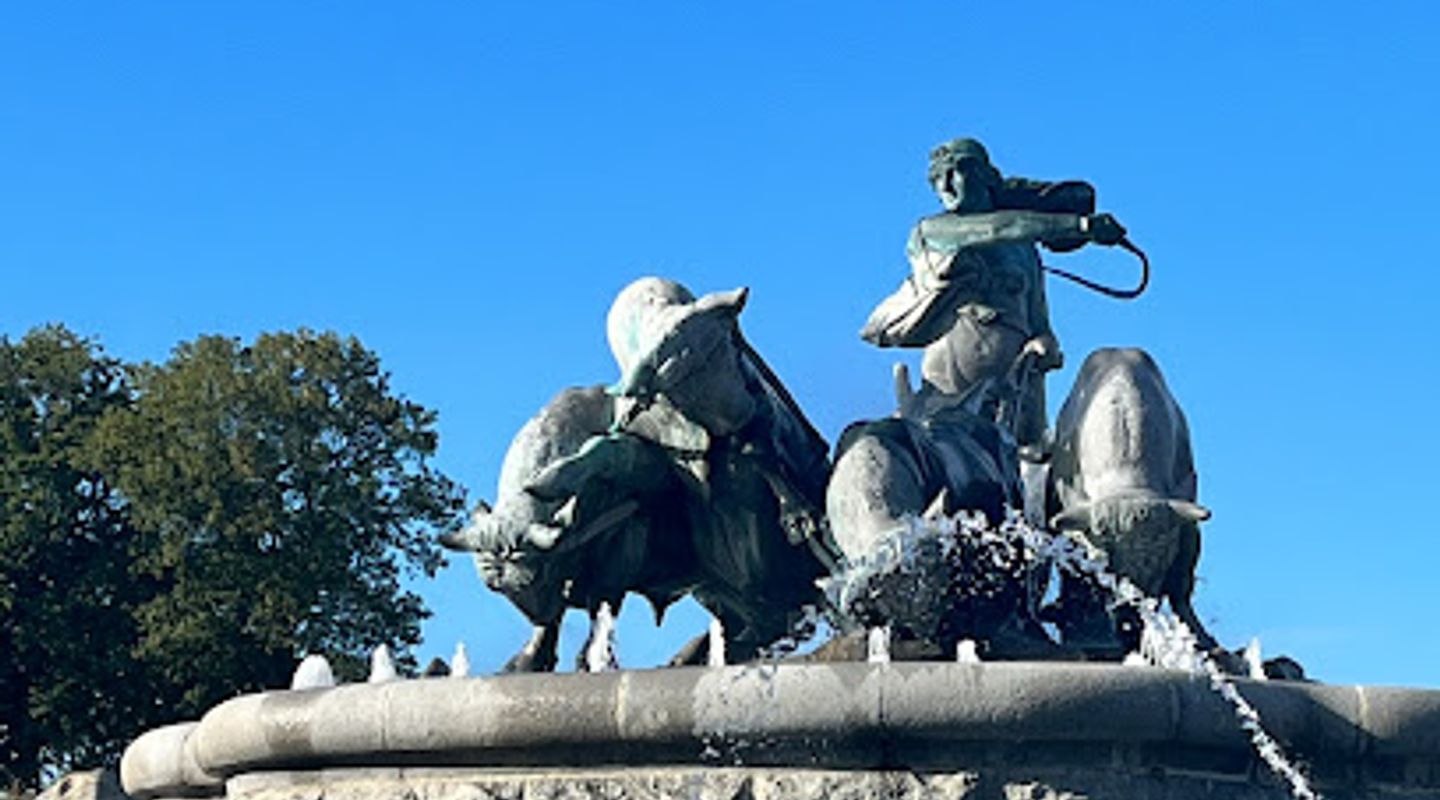
Set at the edge of Churchillparken overlooking Copenhagen’s harbor, the Gefion Fountain is a dramatic bronze and granite monument to Norse mythology. Designed by sculptor Anders Bundgaard and inaugurated in 1908, it shows the goddess Gefion urging four straining oxen through churning water, a visual retelling of the legend of Zealand’s creation. The fountain’s tumbling cascades, mythic symbolism and leafy park setting make it a compelling pause between Kastellet, St. Alban’s Church and the Langelinie waterfront.
A brief summary to Gefion Fountain
- Churchillparken, København K, København K, 1263, DK
- Click to display
- Click to display
- Duration: 0.5 to 1.5 hours
- Free
-
 Outdoor
- Mobile reception: 5 out of 5

Know before you go
Hi, I'm Eve. Here are a few practical things to know before exploring Gefion Fountain.
- Walk a full circle around the basin to see how the composition shifts—Gefion’s expression, the oxen’s straining muscles and the plumes of water all reveal new details from each angle.
- Bring a light waterproof layer or protect cameras on windy days; gusts from the harbor can blow the fountain’s spray farther than expected.
- Combine your stop with Kastellet and St. Alban’s Church just behind the fountain for a compact loop that blends military history, sacred architecture and mythology.
- Visit early morning or late afternoon for softer light and calmer surroundings if you want to focus on photography or sketching.
Do you manage this location?
Take control to get all the benefits, like improved information, better appearance, and stronger visibility across AI-powered discovery. Learn more about listing your business on Evendo
Activate your presenceOther nearby places you may find interesting
The closest places of the same kind, if this one is not quite what you had in mind.


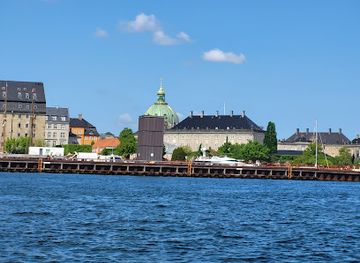
Explore Gefion Fountain on the Map
A handpicked selection of must-see spots near Gefion Fountain, mapped for you.
Unlock the Best of Gefion Fountain
Buy tickets
-
No tickets available
Book tours with entry


Getting There
-
Metro and bus from central Copenhagen
From central Copenhagen, take the M3 Cityringen metro to Østerport Station, which usually takes 3–5 minutes from Nørreport. From the station, regular city buses run toward the Langelinie and Churchillparken area, with a combined journey time of roughly 10–20 minutes depending on connections. A standard single-zone ticket costs in the region of 20–30 DKK and is valid across metro, bus and S-train services.
-
Metro and short walk from Kongens Nytorv area
Travel on the M1 or M2 metro lines to Kongens Nytorv, a journey of about 2–4 minutes from Nørreport, then continue by metro on the M3 line to Østerport or walk from Kongens Nytorv through the royal quarter and Amalienborg. The walk from either station to Churchillparken typically takes 15–25 minutes on mostly flat, paved paths that are suitable for wheelchairs and strollers. A metro ticket for the central zones is around 20–30 DKK.
-
Harbor bus along the waterfront
During operating hours, Copenhagen’s harbor buses connect central piers with stops near the Langelinie and Nordre Toldbod area in roughly 15–30 minutes, depending on your starting point and intermediate stops. These small ferries are part of the regular public transport network and use the same ticket system as buses and metro, with fares typically around 20–30 DKK. Services are subject to weather conditions and may run less frequently in winter.
-
Bicycle from inner-city districts
Cycling from central districts such as Indre By or Vesterbro to Churchillparken usually takes 10–25 minutes, following Copenhagen’s extensive network of segregated bike lanes. The route is generally flat and well-signed, making it accessible even for less experienced cyclists. City bikes and private rentals are widely available, with typical hourly prices starting around 30–50 DKK; be mindful of pedestrian zones and peak commuting times when traffic is heavier.
For the on-the-go comforts that matter to you
-
 Seating Areas
-
 Trash Bins
-
 Information Boards
Discover more about Gefion Fountain
Myth in Bronze at the Edge of the Harbor
The Gefion Fountain anchors the eastern end of Churchillparken, where the formal lawns of the park meet the open air of Copenhagen’s harbor. At first glance it is a powerful waterscape: a broad granite basin, terraced pools and a surge of water flung up around an animated bronze sculpture. Step closer and the details emerge—the wet gleam of metal, the carved rock underhoof, and the spray that catches the Nordic light.At the center stands the Norse goddess Gefion, body pitched forward, hair and drapery swept back as she drives a team of four massive oxen. Their hooves bite into stone, muscles flexing as if they could wrench the land itself from the seabed. The composition feels caught mid-stride, full of motion and tension, as if the whole group might burst out of the basin and charge toward the harbor.The Legend That Shaped an Island
The scene immortalizes one of Scandinavia’s most evocative creation stories. In the legend, the Swedish king Gylfi promises Gefion as much land as she can plow in a single night. The goddess transforms her four sons into oxen, harnesses them to a plow and tears a huge chunk of earth away from Sweden. That land becomes the island of Zealand, where Copenhagen stands today, while the void in Sweden fills with water to form an inland lake.Every element of the fountain underlines this narrative. The oxen lean into their collars, churning through swirling water that suggests the sea. Gefion’s raised arm and set jaw convey both command and sacrifice—the price of reshaping the world. Knowing the story adds a layer of drama to the sculpture; it turns an elegant city monument into a three-dimensional myth about identity, power and the origins of Denmark’s largest island.A Gift to a Modernising Capital
Although it feels timeless, the Gefion Fountain is very much a product of the early 20th century. Danish sculptor Anders Bundgaard began work on the figures in the late 1890s, and the finished fountain was inaugurated in 1908 as a gift from the Carlsberg Foundation to the city. It was originally planned for a central square, but the waterfront site near Kastellet was chosen instead, letting the theme of land and water play out against the real harbor.The materials reinforce its monumental character. The figures are cast in bronze, chosen for its durability and its ability to hold fine sculptural detail, from the oxen’s taut sinews to Gefion’s windswept robes. The multi-level granite basins create a series of cascades; when the fountain is running at full flow, water sheets over the stone in lively curtains and sends a cool mist into the surrounding park.A Crossroads Between Park, Fortress and Sea
The setting is as important as the sculpture itself. Directly behind, the grassy ramparts of the star-shaped Kastellet rise above the trees, a reminder of Copenhagen’s military past. To one side, the slender spire and pale stone of St. Alban’s Church offer a contrasting vertical accent. Ahead, beyond the last basin, the harbor opens out, with ships and ferries gliding across the water.Churchillparken wraps the fountain in a ring of paths, benches and clipped greenery. On calm days, the sound of water mingles with rustling leaves and distant ship horns; on breezier afternoons, gusts off the Øresund scatter the spray and sharpen the air. It is a place where people pause on their way along the Langelinie promenade, linger over photographs, or simply sit and watch the interplay of sculpture and sky.Experiencing the Fountain Through the Seasons
Time of day and season subtly change the character of the fountain. In the soft morning light, backdropped by a pale northern sky, the bronze takes on cooler tones and the scene can feel almost contemplative. Later in the day, when the sun is higher, highlights dance across the water and emphasize the vigor of the oxen and the energy of the spray.In summer, the surrounding lawns of Churchillparken are lush, and the fountain becomes a refreshing focus point on warm days. In the colder months, the water may be quieter and the air crisper, drawing attention to the sculptural forms rather than the movement of the cascades. Whether you stay for a brief look or circle slowly around the basin to take in every angle, Gefion’s struggle with the land is always at the center—a reminder that this elegant corner of Copenhagen is built on centuries of story as well as stone.












Your all‑in‑one travel companion app
Explore expert travel guides, compare and book tours, experiences, hotels, and more—all from the palm of your hand. Download now for seamless trip planning wherever your wanderlust takes you.


Explore More of Copenhagen
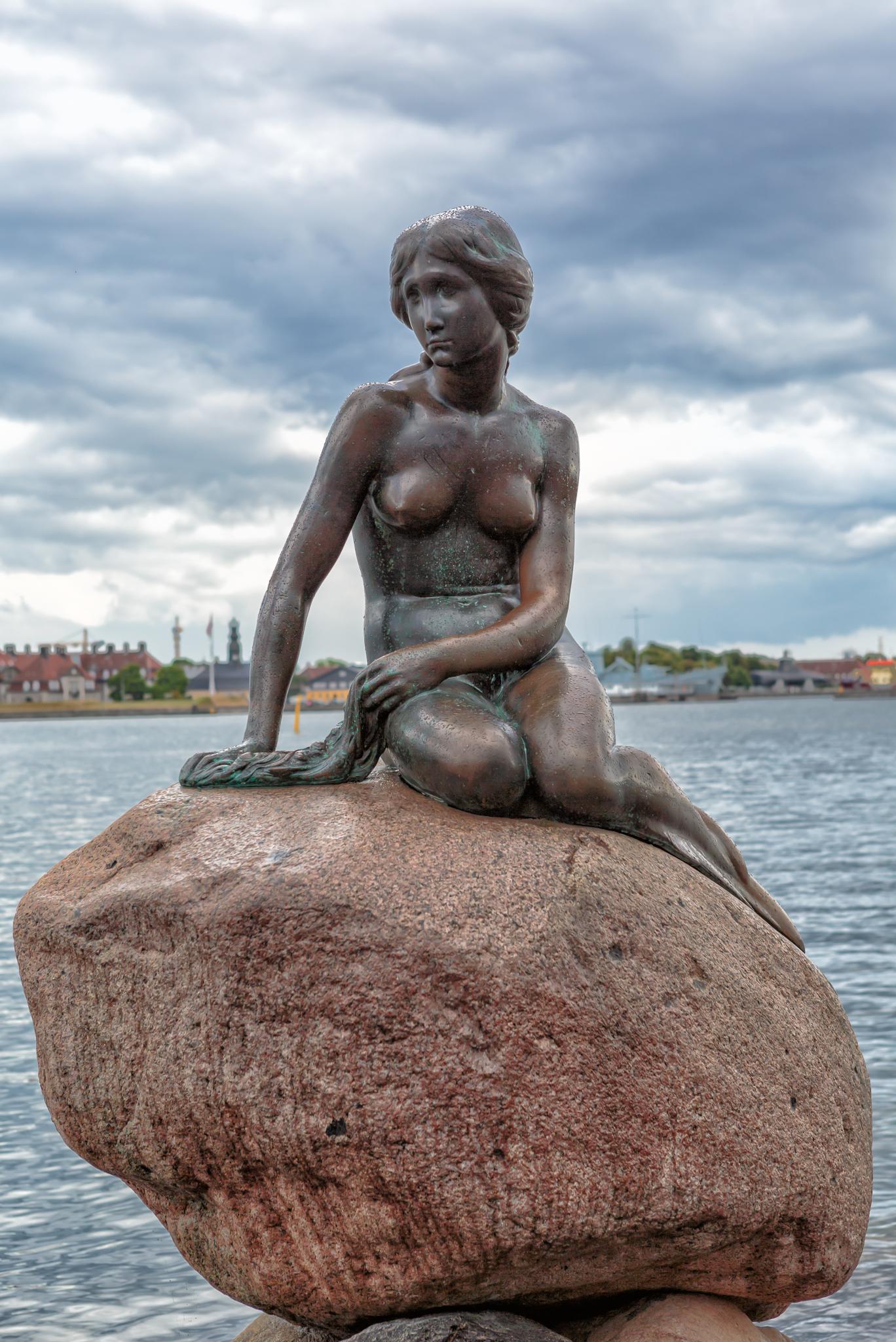
Looking beyond Gefion Fountain? Discover Copenhagen for broader travel guides, local hot-spots, and regional highlights.
Explore Copenhagen