CLAY Keramikmuseum Danmark, Funen Travel Guide
Denmark’s leading ceramics museum, uniting historic villa, underground galleries and waterfront sculpture park in a single celebration of clay, design and craftsmanship.
Perched above the shores of the Little Belt in Middelfart, CLAY Museum of Ceramic Art Denmark is the country’s leading showcase for ceramics, design and craft. Housed in the historic villa Grimmerhus with a striking modern underground extension, the museum holds one of Europe’s most important collections of Danish porcelain, stoneware and faience, including an extensive treasury from Royal Copenhagen, Bing & Grøndahl and Aluminia. Thoughtful temporary exhibitions, a sculpture park and a waterside setting make it an inspiring cultural stop between Jutland and Funen.
A brief summary to CLAY Keramikmuseum Danmark
- Kongebrovej 42, Middelfart, 5500, DK
- Click to display
- Click to display
- Duration: 1.5 to 3 hours
- Mid ranged
-
 Mixed
Mixed
- Mobile reception: 4 out of 5
- Tuesday 10 am-5 pm
- Wednesday 10 am-5 pm
- Thursday 10 am-5 pm
- Friday 10 am-5 pm
- Saturday 10 am-5 pm
- Sunday 10 am-5 pm

Know before you go
Hi, I'm Eve. Here are a few practical things to know before exploring CLAY Keramikmuseum Danmark.
- Plan at least two hours to explore both the underground Treasury and the temporary exhibitions, then leave extra time for the sculpture park and café overlooking the Little Belt.
- Check current exhibition information in advance if you have a special interest in contemporary ceramics or design, as the rotation of shows can significantly change the museum’s focus.
- Bring a light layer even in summer; the underground galleries are climate‑controlled and can feel noticeably cooler than the outdoor sculpture park.
- Combine your visit with a stroll along the ceramic route between the museum and Middelfart’s centre to discover additional outdoor works in the town and along the waterfront.
Do you manage this location?
Take control to get all the benefits, like improved information, better appearance, and stronger visibility across AI-powered discovery. Learn more about listing your business on Evendo
Activate your presenceOther nearby places you may find interesting
The closest places of the same kind, if this one is not quite what you had in mind.

Explore CLAY Keramikmuseum Danmark on the Map
A handpicked selection of must-see spots near CLAY Keramikmuseum Danmark, mapped for you.
Getting There
-
Train and walking from Middelfart Station
From Middelfart Station, CLAY is roughly 1.2–1.5 km away, which typically takes 15–20 minutes on foot along pavements and gently sloping streets. The walk is mostly straightforward but includes some mild gradients near the waterfront, so travellers using wheelchairs or with reduced mobility may prefer a taxi. Trains connect Middelfart with Odense and Fredericia several times an hour, and standard second‑class tickets on these regional routes usually cost about 40–110 DKK depending on distance and time of purchase.
-
Taxi within Middelfart
Taxis are readily available at Middelfart Station and in the town centre, and the ride to CLAY generally takes 5–10 minutes depending on traffic. For such a short urban journey within Middelfart you can expect to pay in the region of 70–140 DKK, including the initial meter start fee and a few kilometres of driving. Taxis are a convenient option in bad weather or for visitors who find the uphill sections toward the museum challenging on foot.
-
Car from Odense or Fredericia via E20
Drivers coming from Odense or Fredericia typically use the E20 motorway and cross the Old Little Belt Bridge before following local roads toward the waterfront district where CLAY is located. The journey usually takes around 35–50 minutes from Odense and 15–25 minutes from Fredericia, depending on traffic conditions. Fuel and toll‑free motorway use mean your main costs are petrol and any parking charges in Middelfart; a realistic budget is 40–120 DKK in fuel for a return trip from nearby cities in a standard car, plus local parking fees where applicable.
For the on-the-go comforts that matter to you
-
 Restrooms
-
 Drink Options
-
 Drinking Water
-
 Food Options
-
 Seating Areas
-
 Sheltered Areas
-
 Trash Bins
-
 Information Boards
-
 Visitor Center
Discover more about CLAY Keramikmuseum Danmark
A historic villa overlooking the Little Belt
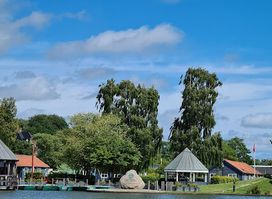
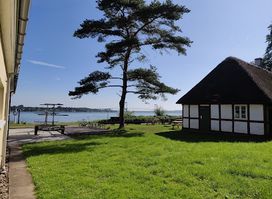
CLAY Museum of Ceramic Art Denmark sits in Grimmerhus, a 19th‑century dower house that surveys the Little Belt from a low bluff on the edge of Middelfart. The old brick villa, with its pitched roof and elegant proportions, gives the museum an intimate, almost domestic scale at the entrance. From here, views stretch across the strait to Funen, while the surrounding lawn flows into a landscaped sculpture park. The seaside setting means the experience begins outdoors, with sea breezes, shifting light on the water and the sound of rigging from nearby boats setting a calm tone for your visit.The building’s history is woven into the museum’s identity. Once a private residence, it now serves as reception, café and shop, while also framing smaller exhibition rooms. Inside, creaking floors, deep window niches and thick walls remind you that this is not a purpose‑built white cube but a heritage house repurposed for contemporary culture. The contrast between the old villa and the high‑craft ceramics on display underlines how strongly clay has always been part of Danish domestic life.From artisan dream to national ceramic treasure
CLAY’s story began in 1990, when a group of Danish ceramic artists imagined a museum dedicated solely to their material. Four years later, their vision opened as Keramikmuseet Grimmerhus. Over time the museum broadened its scope and ambitions, eventually becoming CLAY Museum of Ceramic Art Denmark, a national focal point for the country’s ceramic heritage and contemporary practice.A decisive moment came when the museum received an extraordinary transfer of around 55,000 works from the archives of Royal Copenhagen, Bing & Grøndahl and Aluminia. Suddenly CLAY held one of Europe’s foremost ceramic collections, spanning more than 235 years of Danish design. The deposit included everything from finished tableware and figurines to prototypes, test pieces and unique commissions. This wealth of material allowed the museum to tell an almost continuous story of how Danish porcelain and stoneware evolved alongside changing tastes, technologies and ways of living.The underground galleries and the porcelain treasury
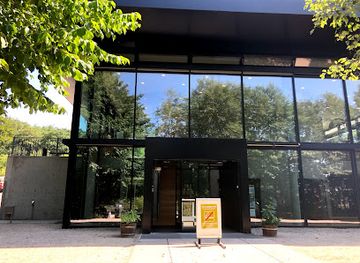
To house the expanded collection, the museum underwent a major architectural extension in the 2000s. From the garden side, a low glass pavilion and a facade clad with ceramic panels hint at the new addition, but most of the space is concealed beneath the lawn. A staircase draws you down into cool, quiet underground galleries where clay quite literally surrounds the art. This subterranean wing provides over a thousand square metres of flexible exhibition space while preserving the historic profile of Grimmerhus above.At the heart of the new wing lies the Treasury, a sequence of atmospheric rooms that present the Royal Copenhagen‑related deposit. Here, carefully lit vitrines reveal rows of hand‑painted dinner plates, cobalt‑blue fluted services, delicate figurines and bold modernist forms. Moving through the Treasury is like paging through a three‑dimensional design archive: motifs repeat and mutate, shapes are refined, and glazes become more confident as you progress from 18th‑century rococo to sleek 20th‑century pieces. Trial models and one‑offs, occasionally bearing pencilled notes or experimental colours, offer a glimpse into the workshop process behind familiar classics.Contemporary clay and shifting exhibitions
Beyond the permanent holdings, CLAY stages changing exhibitions that explore clay as an artistic medium today. Shows might pair established Danish ceramists with emerging voices, or set contemporary works in dialogue with historical porcelain from the collection. Themes often cut across art, design and craft, examining issues such as material sustainability, the role of the handmade in a digital age, or the sculptural possibilities of large‑scale stoneware.The exhibition architecture takes advantage of the museum’s dual character. Smaller rooms in the old villa suit intimate displays of studio ceramics or focused monographic shows. In the underground halls, taller ceilings and controlled lighting allow for bold installations, monumental vessels and immersive environments. For visitors, this means each visit can feel different, with new routes, atmospheres and juxtapositions of works keeping the experience fresh while the core collections provide continuity.Sculpture park, ceramic route and café culture
Outside, the museum’s sculpture park extends the experience into the open air. Nestled between the Little Belt and Kongebro Forest, the park features around a dozen and a half ceramic sculptures by artists from Denmark and abroad. Placed among lawns, trees and paths, the works range from abstract forms that echo rocks or shells to figurative pieces that play with myth and folklore. Walking here, you are often directly above the underground galleries, with only discreet skylights revealing the world beneath your feet.The park also forms part of a signed ceramic route that links CLAY with Middelfart’s town centre along the waterfront and pedestrian streets. Along this trail, additional ceramic works appear in urban settings, underlining how the museum connects to the wider townscape. Back at CLAY, a bright café with large windows offers views of the strait, making it an inviting place to pause over coffee or lunch surrounded by subtle ceramic details. A well‑curated shop completes the visit, presenting contemporary Danish ceramics, design objects and books that let you take a small fragment of the museum’s focus on clay home with you.More to explore near CLAY Keramikmuseum Danmark













Your all‑in‑one travel companion app
Explore expert travel guides, compare and book tours, experiences, hotels, and more—all from the palm of your hand. Download now for seamless trip planning wherever your wanderlust takes you.


Explore More of Funen
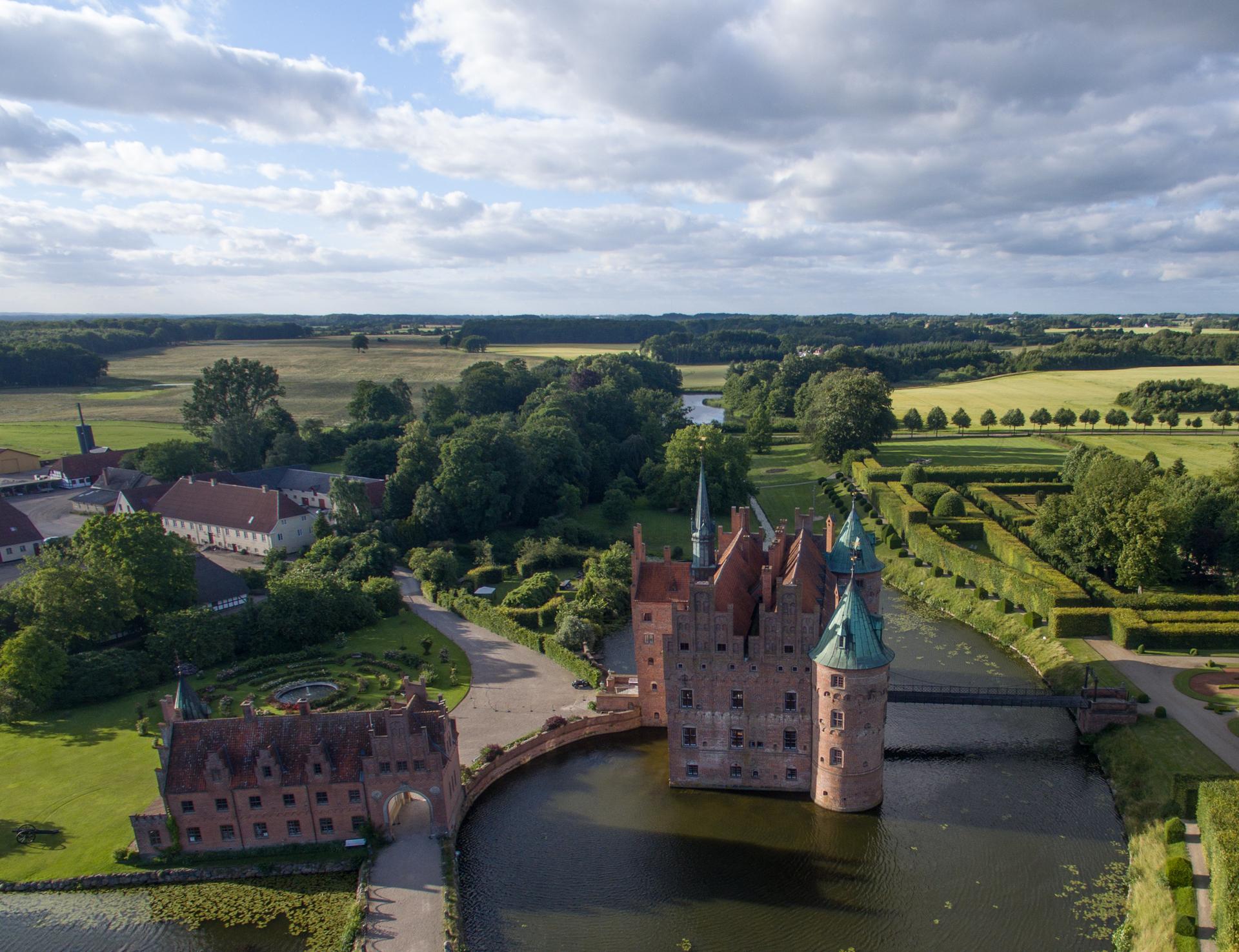
Looking beyond CLAY Keramikmuseum Danmark? Discover Funen for broader travel guides, local hot-spots, and regional highlights.
Explore Funen