
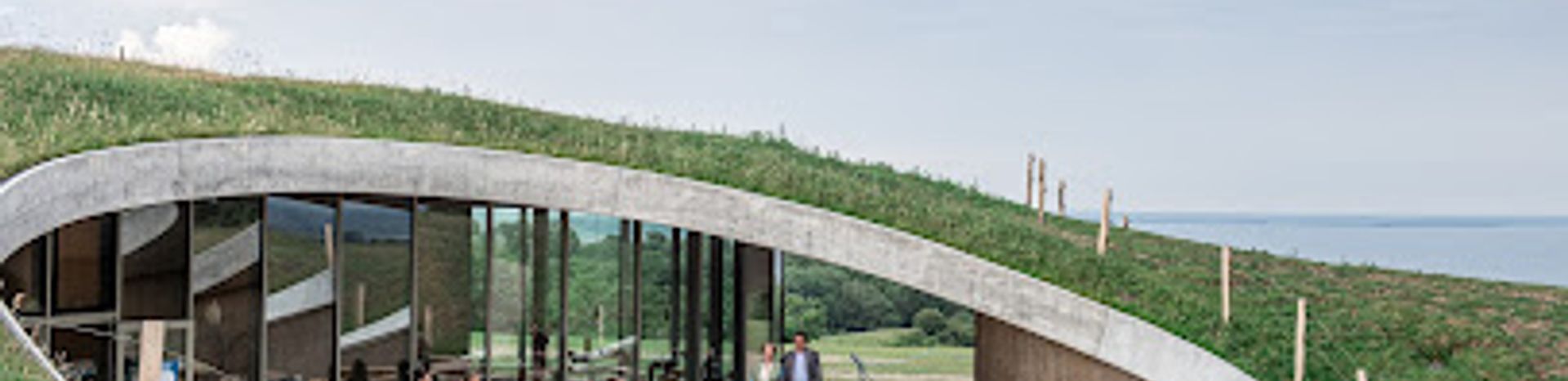
Skamlingsbanken Visitor Center, Museum Kolding
A hillside museum woven into South Jutland’s highest point, where glacial landscapes, powerful speeches and panoramic views over the Little Belt meet.
Set into the grassy slope of South Jutland’s highest point, the Skamlingsbanken Visitor Center blends striking landscape architecture with a powerful story about nature, democracy and the art of public speech. Interactive digital exhibits guide you from the forces of ice that shaped the rolling hills to the orators who gathered here to defend language, voting rights and civic freedoms. Panoramic views over the Little Belt, a café framed by wide glass fronts and direct access to marked walking trails make this a place to both learn and linger, whether you are drawn by Danish history, dramatic scenery or a quiet break in nature.
A brief summary to Skamlingsbanken | Museum Kolding
- Skamlingvejen 125, Sjølund, 6093, DK
- +4576338100
- Visit website
- Duration: 1 to 3 hours
- Mid ranged
-
 Mixed
Mixed
- Mobile reception: 4 out of 5
- Monday 10 am-5 pm
- Tuesday 10 am-5 pm
- Wednesday 10 am-5 pm
- Thursday 10 am-5 pm
- Friday 10 am-5 pm
- Saturday 10 am-5 pm
- Sunday 10 am-5 pm
Local tips
- Combine the indoor exhibition with at least one marked hiking loop from the visitor center to fully connect the digital storytelling with the surrounding landscape.
- Wear sturdy shoes and windproof layers; even in mild weather the ridge is exposed and trails can be slippery or muddy after rain.
- Plan your visit around lunchtime to enjoy the café’s view across the Little Belt, but consider bringing water and snacks if you intend to walk longer routes.
- Allow extra time to explore the outdoor monuments and speaker’s mound; they are central to understanding Skamlingsbanken’s role in Danish democratic history.

For the on-the-go comforts that matter to you
- Restrooms
- Drink Options
- Food Options
- Seating Areas
- Sheltered Areas
- Picnic Areas
- Trash Bins
- Information Boards
- Visitor Center
Getting There
-
Car from Kolding
From central Kolding, driving to Skamlingsbanken typically takes 20–25 minutes, using regional roads through villages and rolling countryside. The approach includes some narrow rural stretches and gentle climbs but no special vehicle is required. Parking is available close to the visitor center and is usually free or low cost; arrive earlier on sunny weekends and holidays, when spaces fill fastest.
-
Regional bus plus short walk
Regional buses connect Kolding with stops in the Sjølund and Skamling area, with journeys usually taking 30–45 minutes depending on the route and time of day. Services run less frequently in the evening and on weekends, so it is important to check current timetables before travelling. From the nearest stop you should expect a walk of at least 1–2 km on country roads and farm tracks, which may be challenging in poor weather or for travellers with limited mobility.
-
Bicycle from nearby coastal areas
Cyclists staying along the nearby Little Belt coast can reach Skamlingsbanken in roughly 30–60 minutes, depending on starting point and fitness. The route involves steep sections as you climb towards South Jutland’s highest point, mixed with quieter rural lanes and scenic farmland views. Surfaces vary from smooth asphalt to rougher stretches, so a well-maintained hybrid or touring bike and good lights in low visibility are recommended.
Skamlingsbanken | Museum Kolding location weather suitability
-
 Mild Temperatures
-
 Clear Skies
-
 Rain / Wet Weather
-
 Any Weather
-
 Cold Weather
-
 Windy Conditions
Discover more about Skamlingsbanken | Museum Kolding
On the Crest of South Jutland’s Highest Point
Skamlingsbanken rises to 113 metres above sea level, crowning a ridge landscape of soft hills, deep ravines and beech forest that rolls down towards the Little Belt. Up here, wind and sky feel close, and on clear days you can pick out coastlines and islands far across the water. The visitor center sits just below the crest, acting as a discreet gateway between cultivated fields and open heath. The surrounding terrain was sculpted during the last ice age, when a glacier pushed stones, gravel and clay into a long curved bank before melting away. Today, marked paths fan out from the center, letting you wander along the ridge, dip into shaded gullies or follow routes that eventually draw you towards the shoreline. Even a short stroll offers shifting perspectives on the same landscape, from wide panoramas to intimate forest clearings.Architecture Hidden in the Hillside
From a distance, the visitor center is almost invisible, its curved roof covered in turf so the bank’s silhouette remains unbroken. Only when you come closer do glass facades appear, cut into the slope like a gentle incision that reveals what lies within. The building is designed to leave the protected area as undisturbed as possible, so the architecture feels embedded rather than imposed. Inside, exhibition spaces spiral along the contour of the hill, with daylight filtering in from one side and long views opening out on the other. The experience alternates between looking into digital installations and looking out at the real land they describe. Café seating is oriented towards the Little Belt, turning coffee breaks into quiet moments of landscape watching, while a compact museum shop offers regionally themed books, gifts and local products.Stories of Ice, Speech and Collective Power
The exhibition is structured around four forces: nature’s beauty, the singular importance of this place, the power of spoken words and the strength that arises when people gather. Multimedia installations explain how glaciers shaped Skamlingsbanken’s contours, using sound, light and models to bring geological time into focus. Other sections trace how the ridge became a symbolic stage for political struggles and national identity. For generations, orators have stood on the bank’s speaker’s mound to defend language rights, advocate women’s suffrage and debate democracy. In the center you can listen to historic speeches, experiment with your own rhetorical delivery and explore how arguments spread and intensify—including through modern digital storms. The aim is not just to present facts, but to make you feel how fragile and powerful public debate can be when concentrated in a single place.Outdoors Monuments and Quiet Corners
Step back outside and the story continues in stone and metal. Around the ridge you find memorials to key figures and events, from obelisks and tablets to more abstract monuments. They are spaced out along the landscape, encouraging you to wander between them and discover viewpoints where commemorative art and open sky share the same frame. Despite its historical weight, the area still feels spacious and calm. Grassy slopes invite informal picnics, while forest paths provide shelter from wind. You can choose between short loops around the main monuments or longer walks through ravines and hedged fields. In all directions, the contrast between cultivated farmland and rougher nature highlights how closely history, politics and everyday rural life are intertwined here.Planning Your Visit at Skamlingsbanken
The visitor center’s exhibitions, café and shop generally follow daytime opening hours, while the surrounding protected landscapes are accessible year-round. Indoors, most areas are level and suitable for wheelchairs, and large-format graphics and soundscapes make the content approachable across ages. Outside, surfaces vary from smooth paths to steeper, uneven tracks that can be muddy in wet weather. A typical visit combines an hour or so in the digital exhibition with another hour exploring viewpoints and trails. Some travellers return for seasonal light, whether low winter sun, fresh spring greens or long summer evenings above the fields. The center can also be hired outside normal hours for meetings and events, using the hillside setting and panoramic windows as a dramatic backdrop to contemporary gatherings.Iconic landmarks you can’t miss

Villa Gertrud - Bed & Breakfast
9.5 km
St Alban’s Church is Copenhagen’s only Anglican church—an elegant Neo-Gothic landmark in Churchill Park, celebrated for its English architectural charm and tranquil location.
Kolding St.
9.7 km
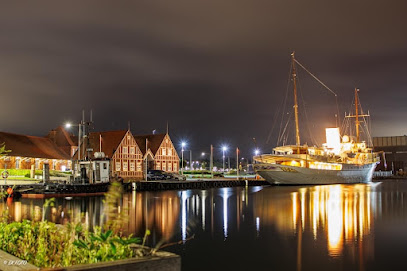
The compact rail and bus hub that delivers you straight into Kolding’s mix of castle-topped history, cobbled streets and fjord-side modern design.
Milling Hotel Saxildhus
9.8 km
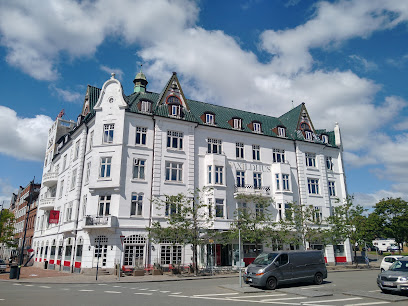
Neo-Gothic English church set by Copenhagen’s Churchill Park and Kastellet, famed for its stained-glass windows, flint architecture, and tranquil atmosphere.
Saint Michaels Church
9.9 km
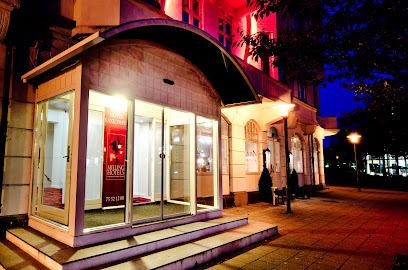
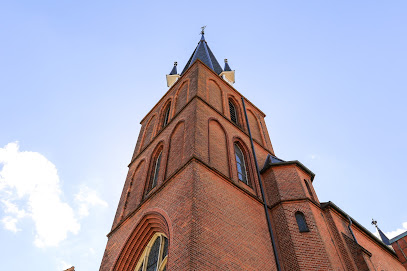
A modest 19th-century Catholic red-brick church in central Kolding, offering quiet reflection, intimate architecture and a glimpse of Denmark’s Catholic life.
Borchs Gård
9.9 km
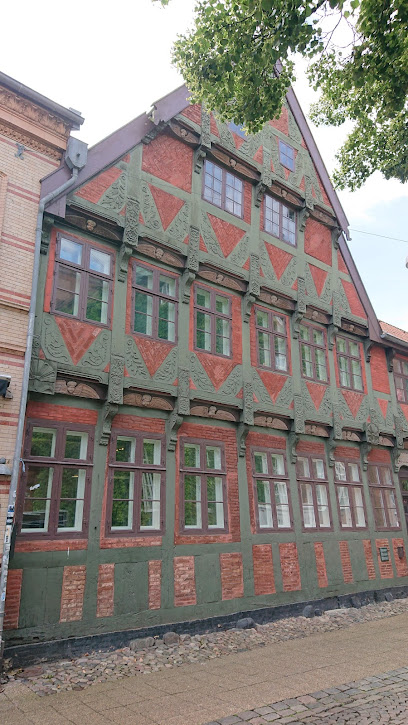
A vividly painted Renaissance townhouse from 1595, Borchs Gård brings Kolding’s mercantile past to life on the edge of lively Akseltorv square.
Saint Nicolas Church
10.0 km
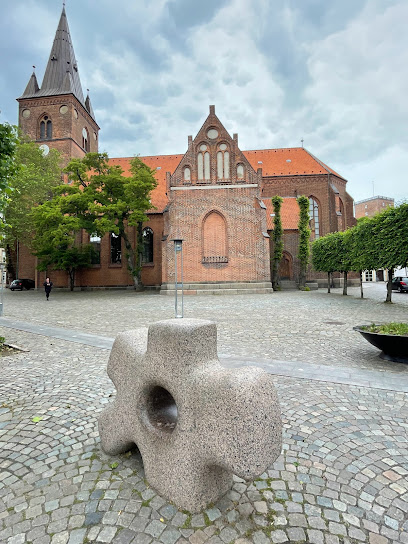
Kolding’s oldest church, where medieval roots, Renaissance artistry, and daily parish life meet under a red-brick neo‑Gothic tower.
Fredericia Vold
20.6 km
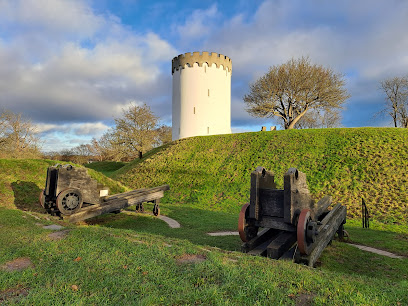
Northern Europe's best-preserved fortress ramparts, where 370 years of Danish military history meets urban parkland.
Vejle Vindmølle
31.4 km
Historic windmill turned art gallery with panoramic city views and rotating contemporary exhibitions.
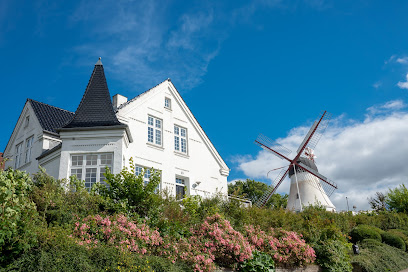
VisitVejle
32.1 km
Explore Andelstrappen and Fortællegyngestolen in Odense: A fusion of nature's beauty and rich literary heritage.
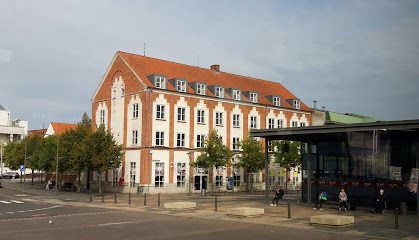
Troldborg Ring
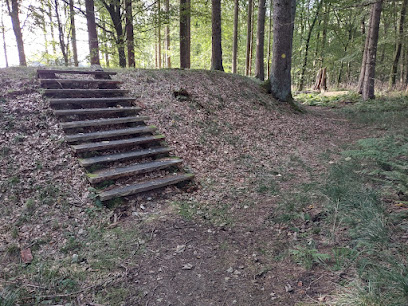
32.3 km
Iron Age refuge fortress on a wooded hilltop, where grassy ramparts, “Devil’s Valley” slopes and wide views over Vejle Ådal bring deep Danish history to life.
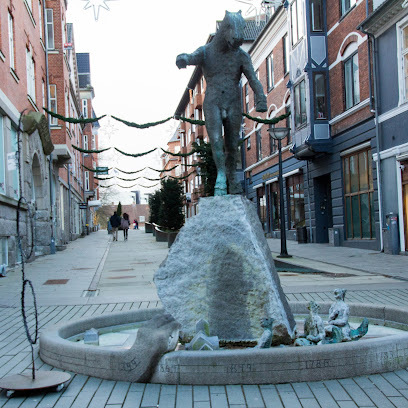
The Midgård Well
32.5 km
A coiled Norse serpent, a quiet city fountain and a whole mythic world wrapped into one small corner of central Vejle.
Kulturmuseet
33.0 km
Discover the tranquil beauty of Sneglehøjen, Odense's serene natural retreat perfect for relaxation and nature walks.
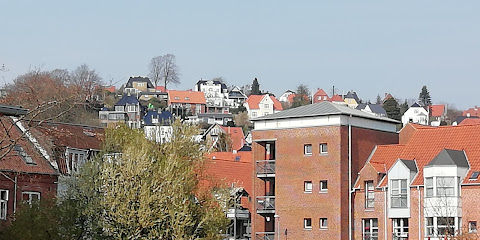
Tirsbæk Gods
33.1 km
Experience Tirsbæk Gods, an enchanting Renaissance estate on Vejle Fjord offering historic architecture, idyllic gardens, and immersive events in Denmark’s scenic countryside.
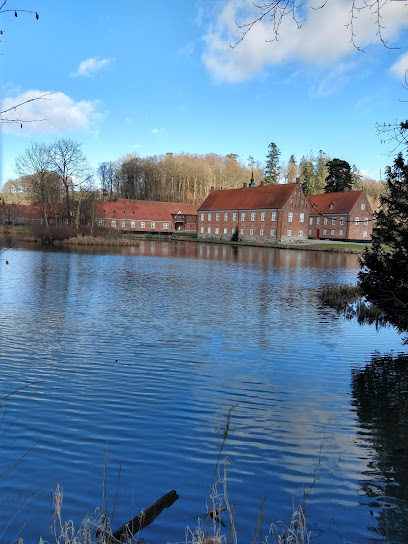
Gram Clay Pit
34.2 km
Discover Denmark’s ancient marine history by fossil hunting in the Gram Clay Pit—an interactive family attraction and one of Sønderjylland’s top geological sites.
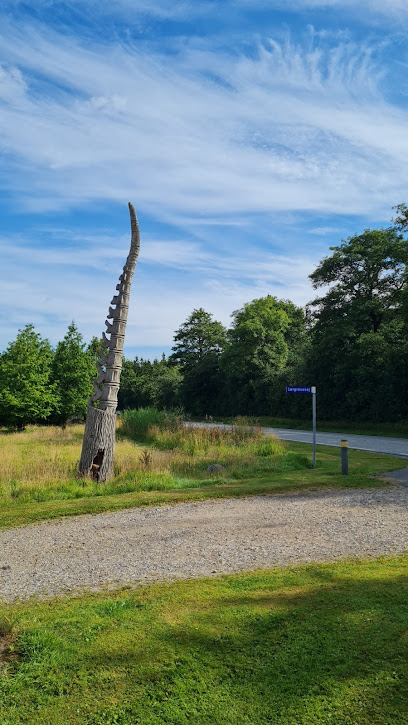
Jelling Mounds, Runic Stones and Church
38.8 km
Experience contemporary art in Vejle's historic 1950s vending machine gallery.
Unmissable attractions to see

Rieskunstgalleri v/Rie Brødsgaard
6.4 km
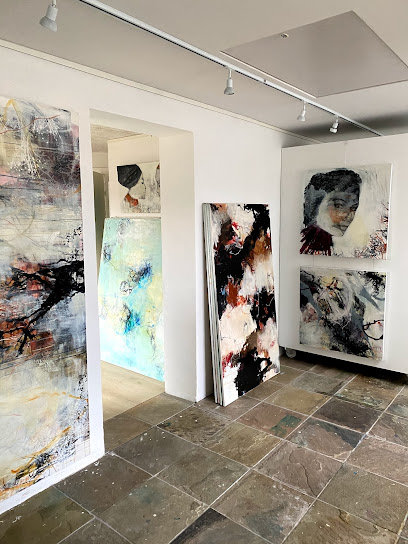
Step into a Kolding artist’s home-studio, where large tree-filled canvases and textured collages turn a quiet Danish house into an intimate private gallery.
Geografisk Have
7.9 km
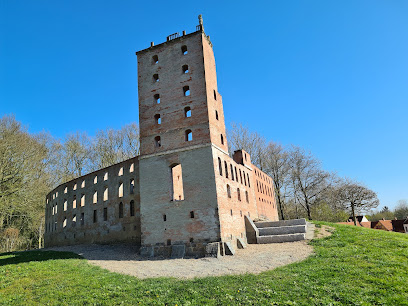
Botanical world map, miniature historic Kolding and gentle animal encounters combine in this spacious garden-park, Kolding’s signature green escape for all ages.
Kolding Valgmenighed
8.2 km
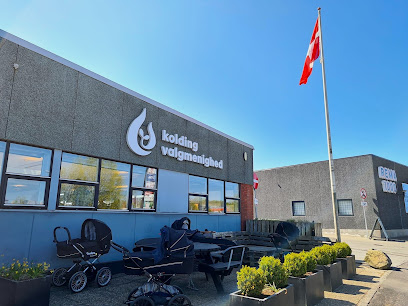
A modern free congregation in a converted industrial building, blending relaxed worship, family-focused activities and flexible spaces in everyday Kolding surroundings.
Kolding Besættelsestidssamling
8.8 km
Intimate World War II bunker museum in Kolding, revealing local stories of occupation, resistance and policing inside an authentic underground command post.
Hotel Koldingfjord
9.0 km
Historic fjordside hotel in a former sanatorium, blending Danish design, woodland trails and water views with refined dining and standout conference facilities.
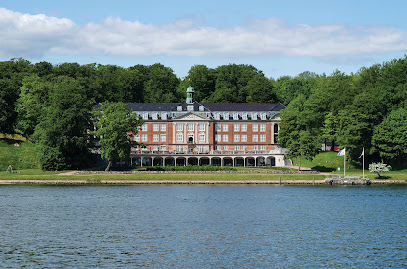
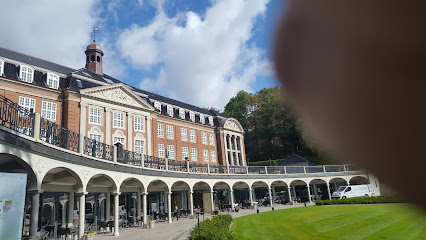
Danish Museum of Nursing History
9.0 km
A poignant journey through Danish nursing history, set in a former children’s tuberculosis sanatorium with tranquil views over Kolding Fjord.
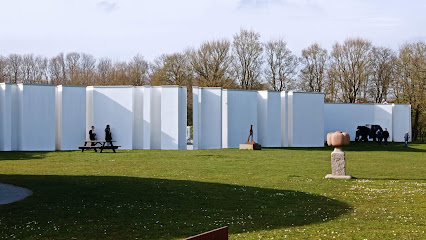
Trapholt Museum for Modern Art and Design
9.4 km
Architect‑designed hillside museum above Kolding Fjord, where modern art, experimental craft and iconic Danish design meet sculpture park strolls and a unique Arne Jacobsen house.
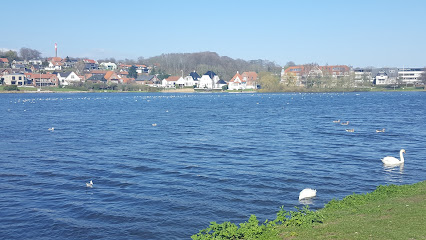
Kolding Fjord
9.5 km
A gentle Danish fjord where wooded hillsides, quiet beaches and a working waterway meet, offering soft light, calm waters and unhurried coastal exploration.
Guldtunnel
9.5 km
A once-ordinary underpass turned into a glowing golden light tunnel, Guldtunnelen adds a surprising touch of playful design to everyday Kolding strolls.
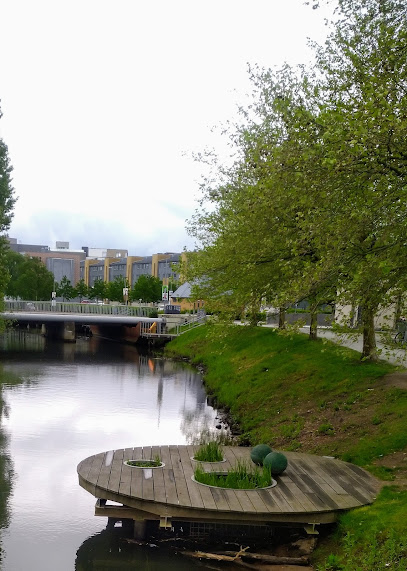
Little Kolding Å Park
9.6 km
A small, quiet green pocket along Kolding Å where river, trees and town meet, perfect for a brief pause, a dog walk or a gentle riverside stroll.
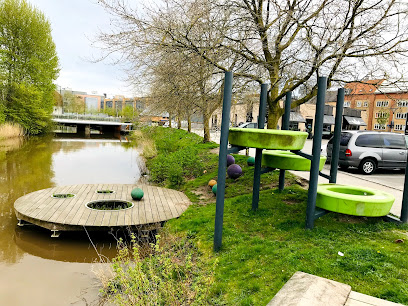
Mindesten for Kolding Havns 100 Års Jubilæum
9.6 km
Discover 'Uffe hin Spage,' Anne Marie Carl-Nielsen's iconic bronze statue in Kolding's Byparken, celebrating Danish folklore and artistic heritage.
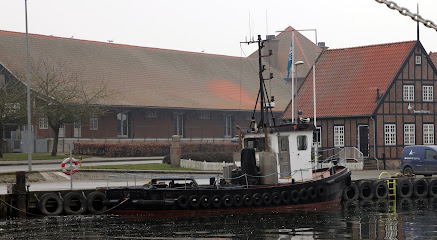
Old Cemetery
9.7 km
Historic 1806 cemetery turned tranquil green refuge, where copper beeches, cast‑iron fences and war memorials quietly tell two centuries of Kolding’s story.
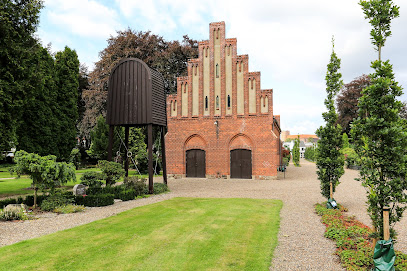
Borgerhaven
9.8 km
A small 1930s garden tucked behind historic walls, where flowers, old brickwork and a cannonball in the gable tell Kolding’s story in a single quiet courtyard.
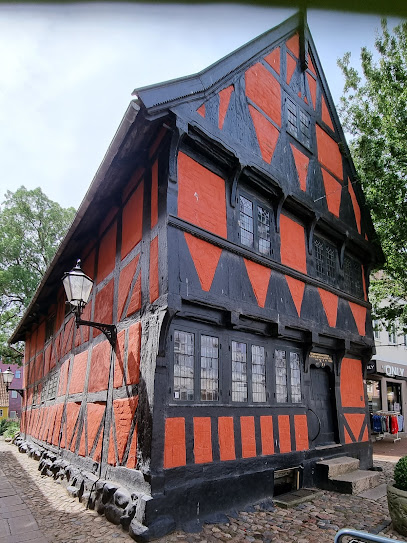
The Passage
9.8 km
Encounter the legacy of pioneering sculptor Anne Marie Carl Nielsen through this evocative public artwork in the vibrant central square of Kolding.
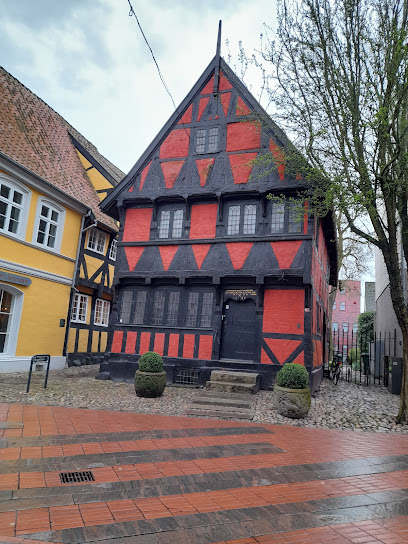
Helligkorsgade 18
9.8 km
A beloved, free-entry family park in central Kolding featuring creative playgrounds, lakeside pedal boats, mini-golf, picnic spots, and open-air relaxation for all ages.
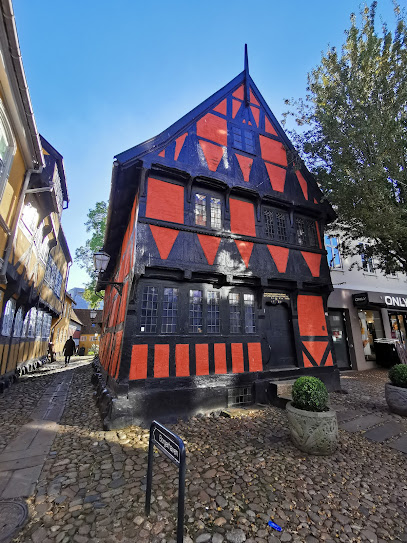
Essential places to dine

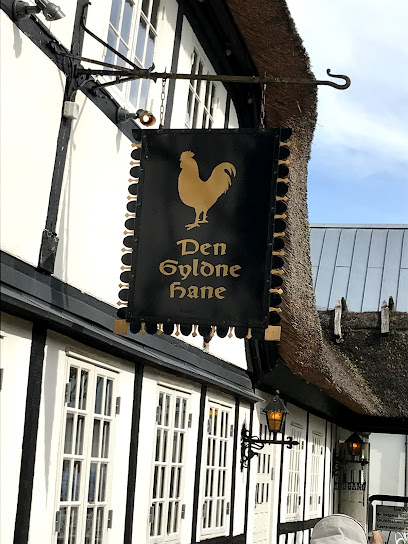
Den Gyldne Hane
7.9 km
Half-timbered country charm and hearty Danish–French cooking beside Kolding’s leafy Geographical Gardens, ideal for cosy lunches, gatherings and relaxed celebrations.
Restaurant Flammen
8.8 km
All-you-can-eat grill, generous buffets and a relaxed, family-friendly atmosphere on Kolding’s Haderslevvej, perfect for long, social dinners and celebrations.
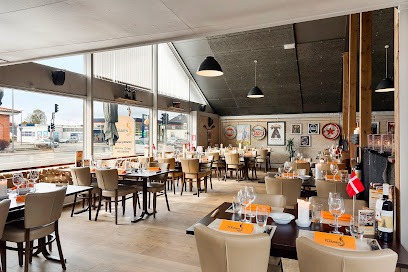
Marinaen
8.9 km
Relaxed Danish waterfront restaurant at Kolding’s yacht harbour, pairing fjord views with well‑cooked fish, steaks and cosy maritime interiors for long, lingering meals.
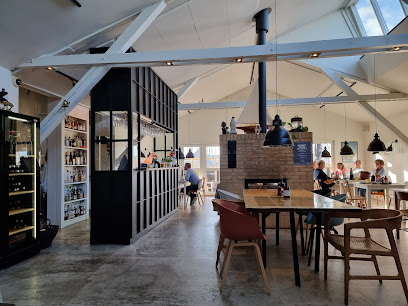
La Ghitarra Pizza
9.0 km
Neighbourhood pizzeria in Kolding serving generous, budget-friendly Italian-style pizzas, durum and homemade pita in a relaxed, takeaway-focused setting.
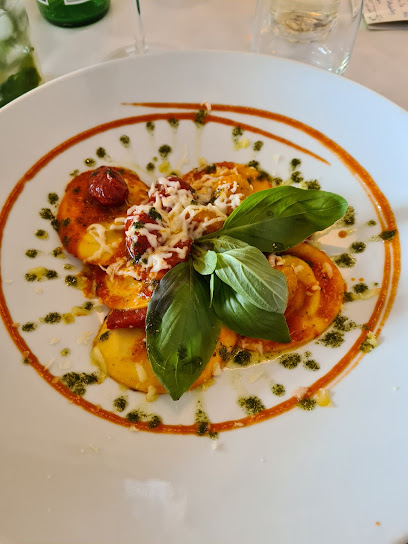
Restaurant Koldingfjord
9.0 km
Refined, seasonal Nordic dining in a serene hotel restaurant, where wide windows and a fjordside terrace frame every course with sweeping views of Kolding Fjord.
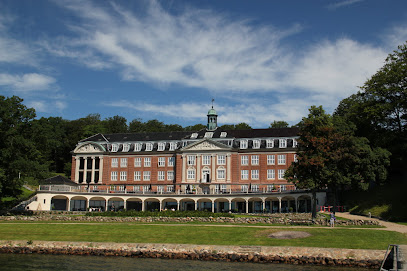
Gustav Lind Trapholt
9.3 km
Seasonal, green Danish comfort food in a light-filled museum café with sweeping views over Kolding Fjord and the sculpture-dotted grounds of Trapholt.
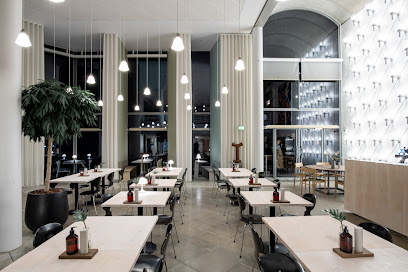
Salinaz
9.5 km
Cosy South American–inspired steakhouse in central Kolding, serving flame-grilled meats and hearty sides in an intimate, evening-only setting.
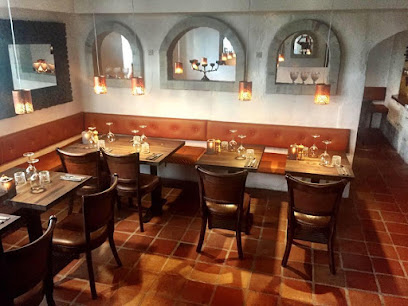
Admiralen
9.6 km
Historic harbor restaurant in Kolding serving refined Danish seafood and classic dishes in an elegant, maritime-inspired dining room from 1903.
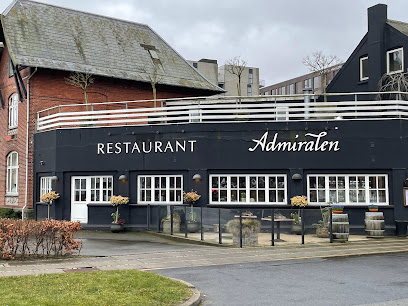
Trattoria-Pizzeria Piccola Italia
9.6 km
Neighbourhood-style Italian trattoria in Kolding serving crisp stone-baked pizzas, rustic pasta and warm hospitality in an intimate, candlelit setting.
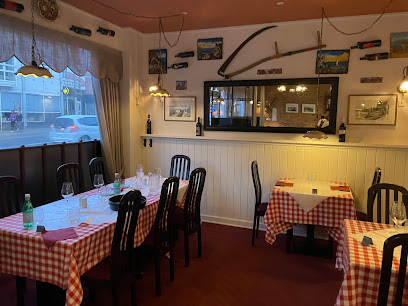
Sawadee Thai
9.6 km
Cosy Thai takeaway and eat-in spot in central Kolding, serving generous curries, woks and noodle favourites in a friendly, no-fuss neighbourhood setting.
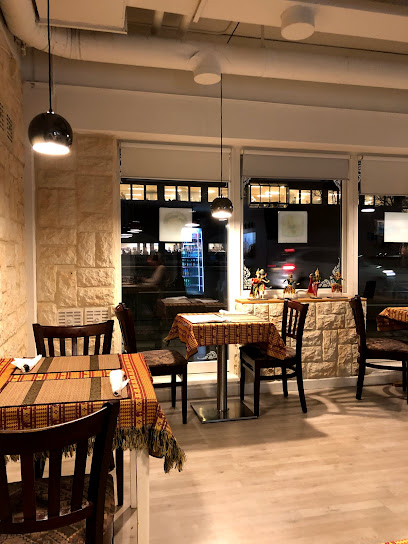
Den Hvide Hest
9.7 km
Refined Danish gastronomy where local ingredients and creative technique create unforgettable culinary moments.
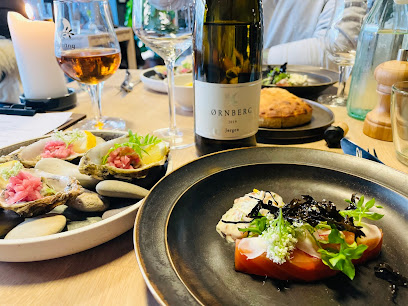
Taco Og tarteletter Take Away
9.7 km
Unpretentious Kolding takeaway blending Danish tarteletter with Mexican-style tacos, perfect for relaxed evenings, hotel picnics and easy comfort-food cravings.
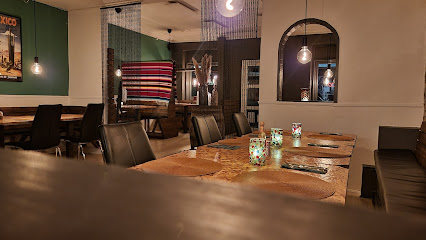
Ristorante Fratelli
9.7 km
Bustling Italian trattoria by Kolding Station, serving wood‑fired pizzas, hearty pasta and Italian wines in a warm, contemporary dining room ideal for evenings out.
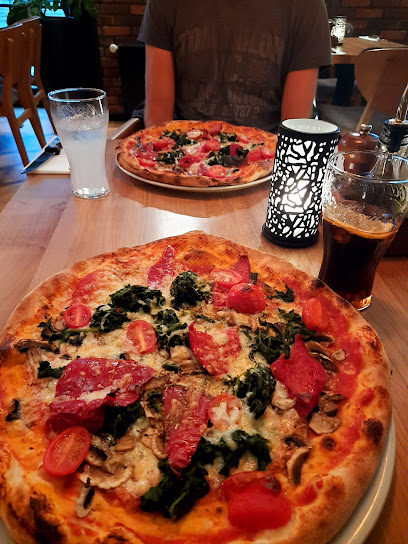
PREGO Kolding
9.7 km
Italian-Danish fusion takeout with heart, community focus, and quality ingredients in central Kolding.
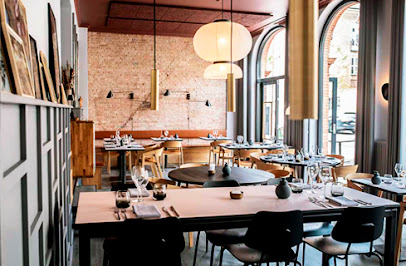
Bella Italia
9.8 km
Long‑running Italian trattoria in central Kolding, serving generous pizzas and classic pastas in a cozy, lived‑in atmosphere close to the city’s main streets.
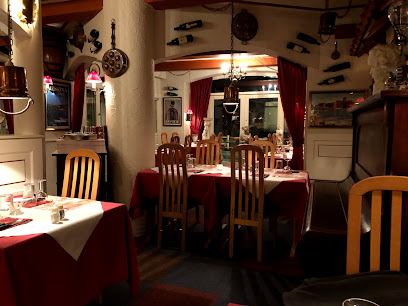
Markets, malls and hidden boutiques

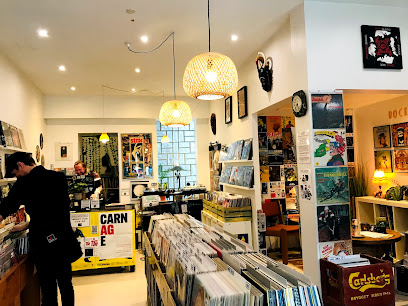
Jungle Records
9.7 km
A cosy, crate-stacked vinyl den in central Kolding, Jungle Records is where analogue sound, local character and slow, satisfying browsing come together.
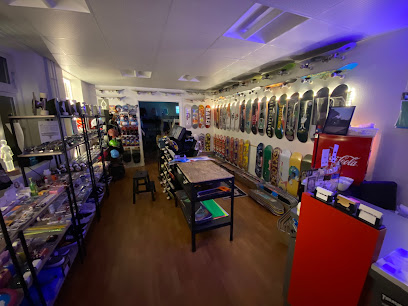
Kims Kiosk Skateshop - Koldings skatebutik
9.8 km
Core skate shop and community hub in central Kolding, blending boards, shoes and streetwear with the laid-back energy of a classic Danish kiosk.
Sailor's Ink tattoo Kolding | Din tatovør i Kolding
9.8 km
Modern, art‑driven tattoo studio in central Kolding, blending award‑winning craftsmanship, strict hygiene and a relaxed living‑room vibe for first‑timers and collectors alike.
Sinnerup Kolding
9.8 km
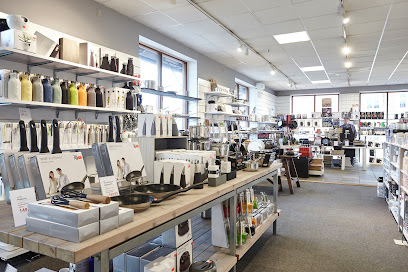
Scandinavian design, contemporary living, and lifestyle inspiration under one expansive roof.
Red Barnet genbrugsbutik
9.8 km
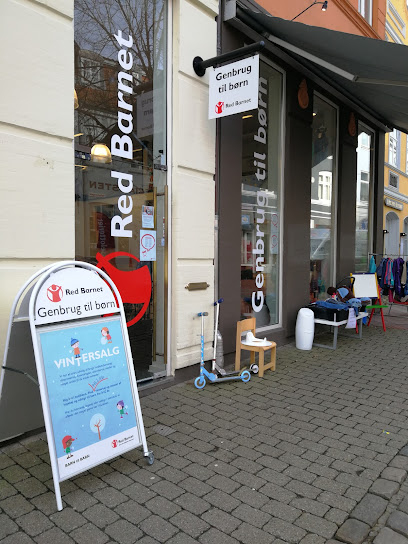
Compact, community-driven second-hand shop in central Kolding where bargain hunting, sustainability and support for Save the Children come together under one roof.
Fru Hansen
9.8 km
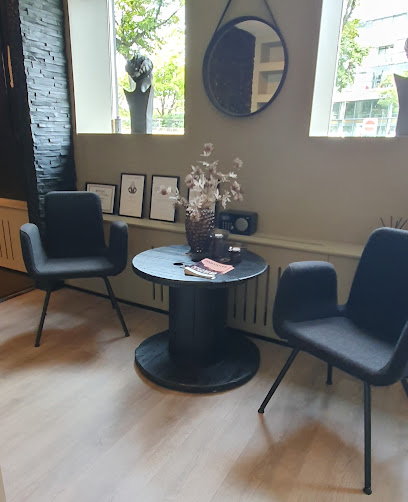
Private, specialist wig and extension studio in central Kolding, offering discreet consultations, natural‑looking hair solutions and professional spray tan treatments.
Lykke's Guld & Sølv
9.8 km
Longstanding Kolding jeweler on Jernbanegade, blending classic Danish craftsmanship, in-house repairs and a wide range of jewelry and watches for everyday and special occasions.
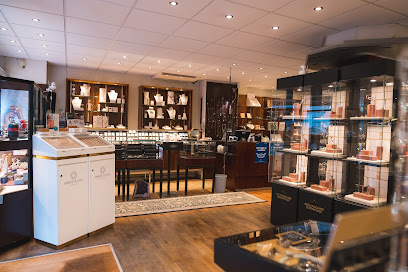
HARRESØ
9.8 km
An intimate Kolding concept store where Scandinavian minimalism meets international menswear, blending gallery-like interiors with a sharply curated selection of designer brands.
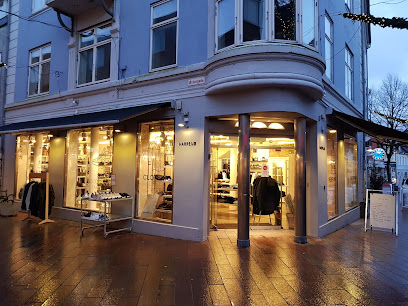
Kul og Koks
9.8 km
Intimate Kolding menswear boutique pairing Scandinavian simplicity with curated, ready-to-wear outfits for everyday life and special occasions.
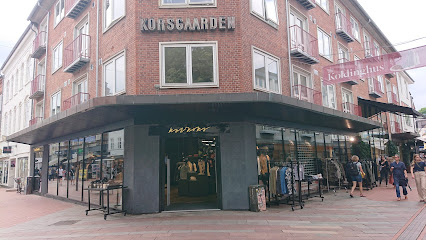
Rituals
9.9 km
A softly lit Rituals boutique on Østergade in Kolding, where serene design, layered scents and thoughtful gift sets turn everyday routines into small indulgent rituals.
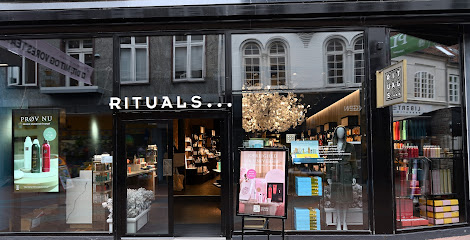
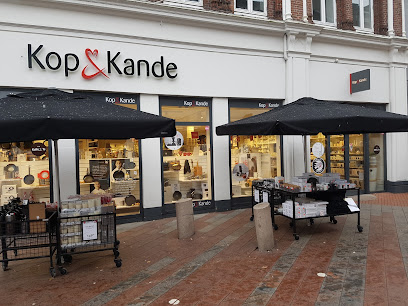
Kop & Kande Kolding C
9.9 km
Central Kolding’s cosy homeware and gift shop, where practical Danish kitchen design, glassware and tableware meet easy browsing on lively Helligkorsgade.
Gundtoft KOLDING CITY
9.9 km
Elegant women's fashion in Kolding's design-forward city centre, featuring curated Danish and international brands.
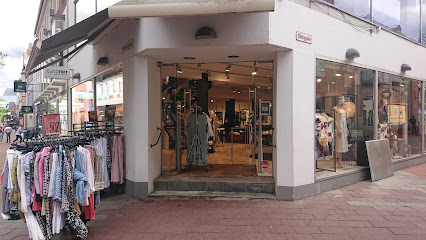
Janne K Kolding
9.9 km
Contemporary fashion boutique offering seasonal clothing and accessories in central Kolding.
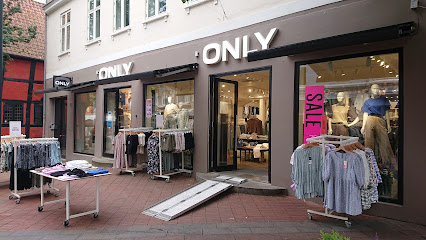
Only
9.9 km
Compact, trend-focused ONLY store in central Kolding, offering accessible Scandinavian women’s fashion, strong on denim and everyday outfits for quick wardrobe updates.
DNA Kolding
9.9 km
Stylish menswear and footwear in the heart of Kolding's downtown shopping district.
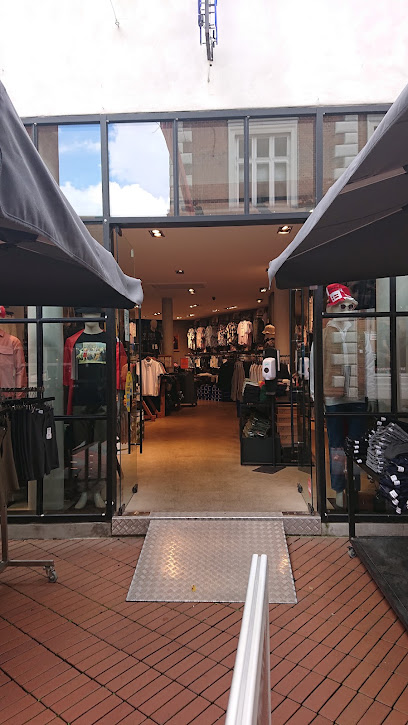
Essential bars & hidden hideouts

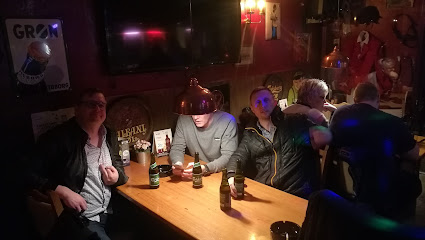
Daddys's Pub
8.7 km
Cosy neighborhood pub on Tvedvej in Kolding, serving cold beers, bar‑side conversation and a generous dose of everyday Danish hygge from late morning into the evening.
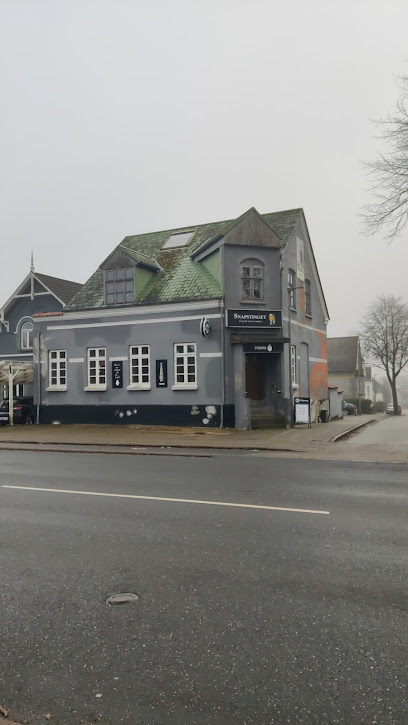
Snapstinget
9.2 km
One of Kolding’s oldest pubs, Snapstinget pairs ice-cold beer with billiards, darts and a warmly local atmosphere on a quiet street off the city’s sports grounds.
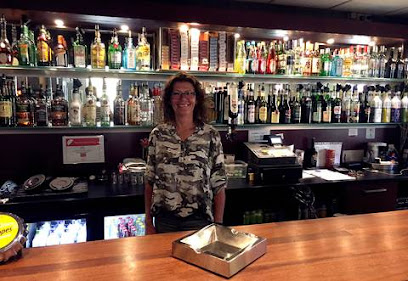
Papegøjen
9.5 km
A no-frills corner bodega in central Kolding where cold beer, card games and easy conversation keep the classic Danish pub culture very much alive.
Drop-inn ( 75 50 34 92 )
9.6 km
Unpretentious Kolding bodega in a former girls’ school, serving cold beer, nostalgic “mormor” music and everyday hygge in a cosy red-brick corner bar.
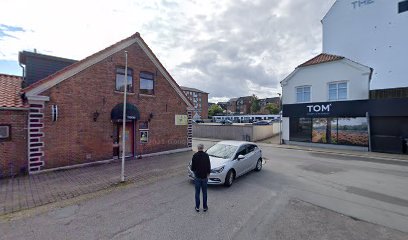
Jazz 6000
9.7 km
Intimate jazz stronghold in Kolding, presenting adventurous live concerts and collaborations that bring Danish jazz up close in a relaxed club atmosphere.
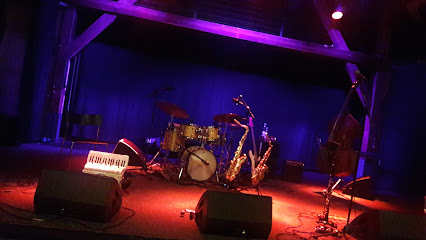
Knuds Garage
9.8 km
Garage‑themed neighborhood bar in central Kolding with affordable drinks, board games, foosball and a cozy courtyard that turns evenings into easygoing social nights.
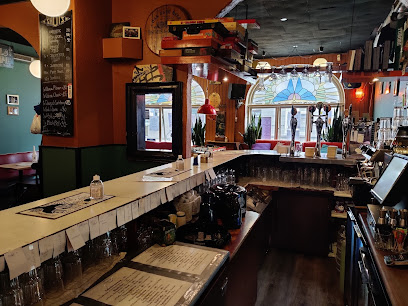
Vegas Bet & Beer
9.8 km
Straightforward beers, sports on screen and easygoing local banter in a compact bar at the heart of Kolding’s historic centre.
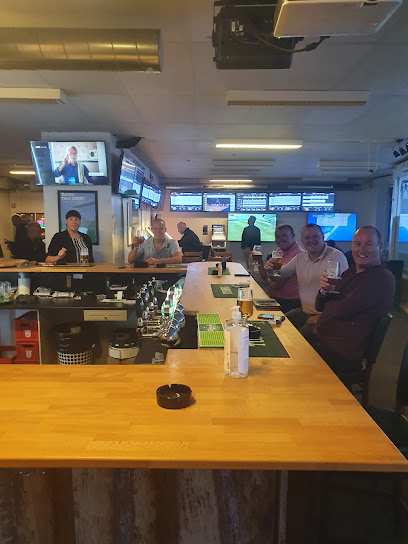
Jernbanecaféen
9.8 km
Straightforward, central Kolding bar by the station, serving inexpensive drinks in a relaxed, lived‑in setting from midday until the early hours.
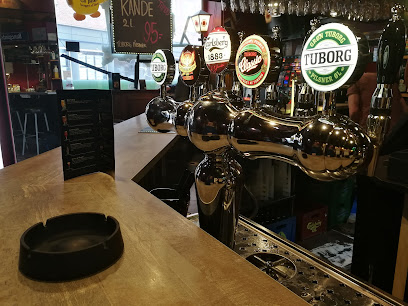
8eren
9.8 km
Kolding's premier cocktail bar and pool hall—where drinks, games, and good company meet.
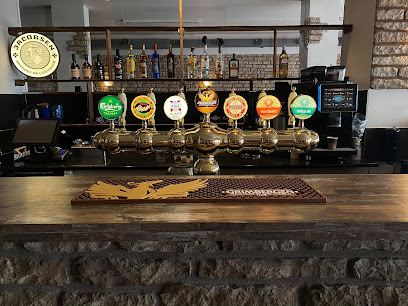
Den Engelske Pub - You'll Never Walk Alone
9.8 km
British pub tradition meets Danish warmth in Kolding's heart—craft beer, whisky, and football culture.
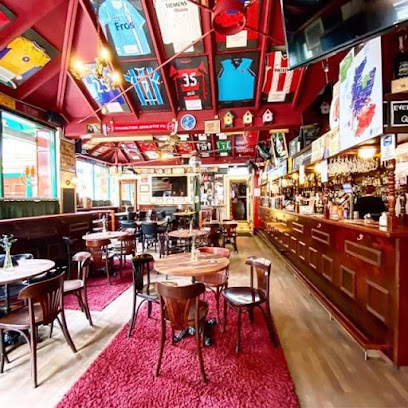
The Cavern
9.8 km
A cozy, low-lit lounge tucked inside Den Engelske Pub, offering intimate drinks, warm conversation and a calm escape from Kolding’s lively weekend nightlife.
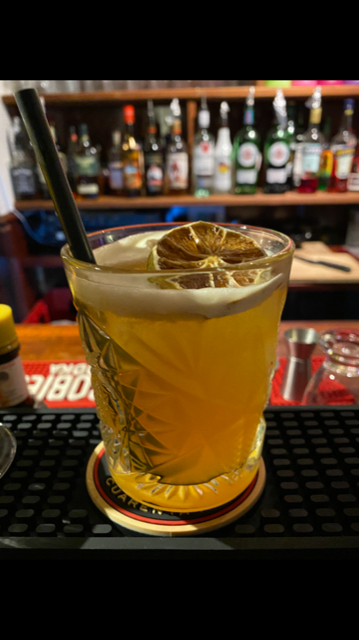
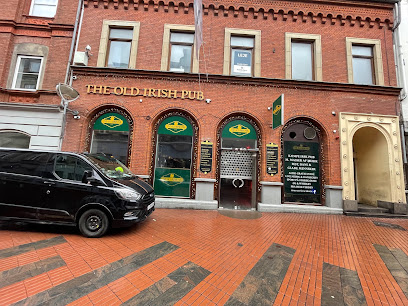
The Old Irish pub
9.8 km
Kolding's premier Irish pub with live music, 300-person capacity, and weekend dancing until dawn.
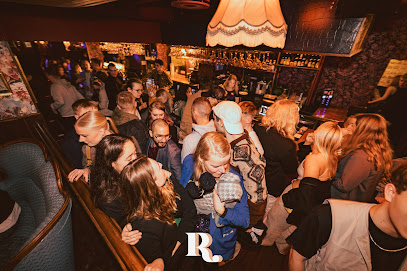
Rabalder Bar Kolding
9.9 km
Small, loud and laid-back, Rabalder Bar Kolding delivers sing-along hits, cheeky drink deals and late-night energy in a compact, central Kolding setting.
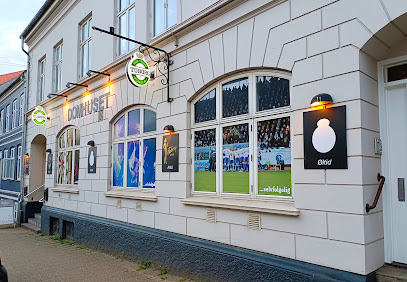
Domhuset Sportsbar
10.4 km
Straightforward Kolding sports bar with darts, big screens and cold beers in a relaxed pub setting on central Låsbygade.
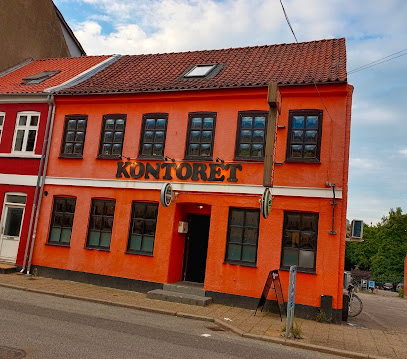
Kontoret Øl og Vinstue
10.5 km
Atmospheric Kolding bar in a historic townhouse, pouring beer and wine in warmly lit, wood‑paneled rooms that feel like the city’s convivial living room.
Nightclubs & after hour spots

Pitstop
9.7 km
Small, central and loud, Pitstop is Kolding’s alternative live music stronghold, blending intimate gigs, late-night dancing and laid-back bar vibes in a historic building.
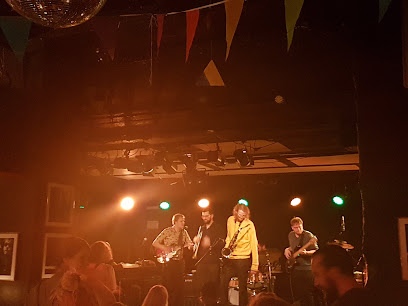
Mørks Kælder
9.9 km
Modern basement nightclub in central Kolding, pouring drinks and classic dance tunes for a grown-up crowd late into the weekend night.
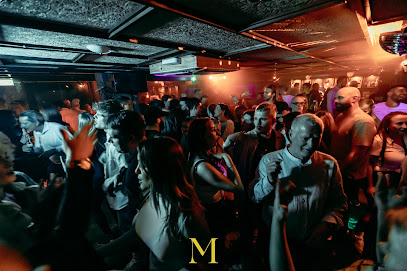
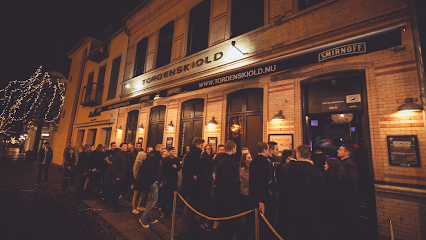
Discoteque Tordenskiold
9.9 km
Kolding's legendary two-floor discotheque and cultural institution since 1973.
Koldingtivet Engen
10.3 km
Compact Kolding disco where locals pack the dance floor, mainstream hits fill the speakers and late-night energy turns a modest venue into a full-bodied club night.
Tucan Swinger & wellness Club
16.6 km
Adults-only swinger and wellness retreat in rural Jutland, blending erotic exploration, spa comforts and themed rooms in a discreet, rules-based environment.
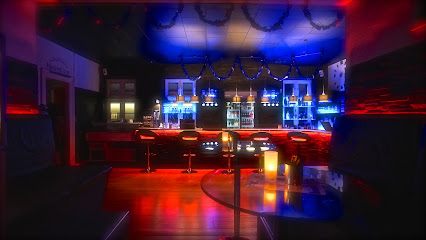
AHA Livestage
20.4 km
Intimate live music and cocktail-driven nightlife in the heart of Fredericia, where high-quality sound and curated events turn selected evenings into standout parties.
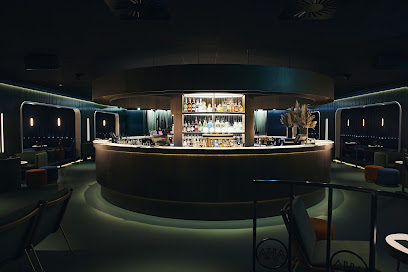
Fishi
21.7 km
Compact, no-frills nightclub in Vejen with loud beats, simple drinks and a friendly small-town crowd that keeps the dance floor moving late into the night.

Crazy Daisy Vejen
27.8 km
High-energy disco club in central Vejen, bringing late-night music, dancing and big-city nightclub vibes to a compact South Jutland town.
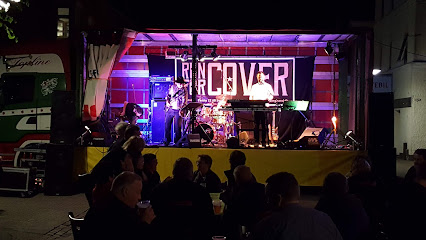
NOX Network Ltd.
28.8 km
Small-city Danish nightclub in Vejle with a central dance floor, upbeat chart music, and a straightforward, late-night party atmosphere.
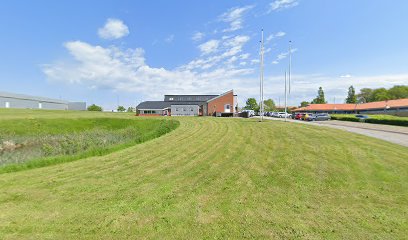
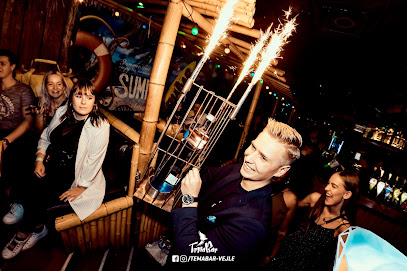
temabar APS 23-05
32.3 km
Tropical vibes and late-night dancing in Vejle's energetic weekend hotspot.
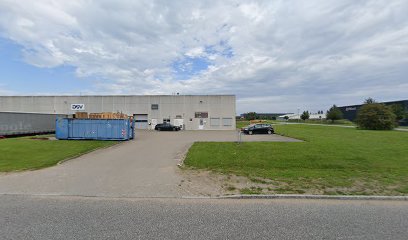
Horsens New Style Dance Club
47.5 km
Horsens' premier line dancing venue where beginners and advanced dancers unite in movement and community.
The slaughterhouse Nightclub & Eventhus
51.2 km
Experience industrial-cool nights, live music, and eclectic parties at The Slaughterhouse Nightclub & Eventhus, Odense’s dynamic hub for nightlife and contemporary culture.
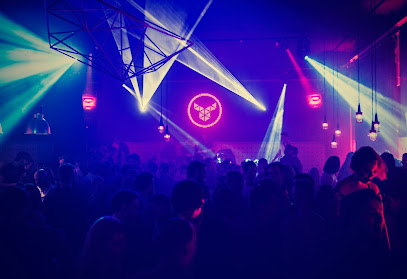
PDD
51.7 km
Compact, no-frills nightclub on Lindvigsvej in Horsens, offering late-night dancing, simple drinks and an intimate, local-party atmosphere on weekends.
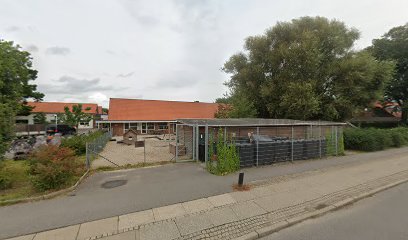
Dansebar Odense
51.8 km
Lively central Odense nightclub with mainstream hits, colorful lights and a sociable dance floor vibe from late evening into the early hours.
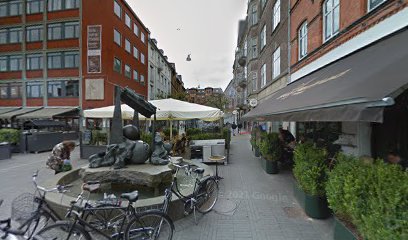
Den Brølende And
51.9 km
Experience the heart of Odense's nightlife at Den Brølende And, where music, dance, and camaraderie come alive.
For the vibe & atmosphere seeker
- Tranquil
- Scenic
- Unique
- Relaxing
For the design and aesthetic lover
- Modern Designs
- Minimalist Designs
- Rustic Designs
For the architecture buff
- Modern
- Parks & Gardens
- Viewpoints
- Landmarks
- Heritage Neighborhoods
For the view chaser and sunset hunter
- Iconic Views
- Panoramas
- Sunset Spots
For the social media creator & influencer
- Photo Spots
- Architectural Shots
- Instagrammable
- Reel-Friendly
For the eco-conscious traveler
- Protected Area
- Low Impact
- Public-Transport Accessible
- Locally Managed
For the kind of experience you’re after
- Cultural Heritage
- Photowalk
- Nature Escape
- Day Trip
- Roadtrip Stop
- Mindfulness
For how adventurous you want the journey to be
- Easy Access
Location Audience
- Family Friendly
- Senior Friendly
- Child Friendly
- Teen Friendly
- Solo Friendly
- Couple Friendly
- Solo Female Friendly
- Vegetarian Friendly
- Vegan Friendly


