Assistens Cemetery (Assistens Kirkegård)
Historic Copenhagen cemetery turned leafy city park, where iconic Danes rest beneath trees and locals picnic, stroll and reflect amid centuries of stories.
Assistens Cemetery in Copenhagen’s Nørrebro district is a rare hybrid: a historic burial ground and a leafy city park in one. Laid out in the mid‑18th century to relieve overcrowded inner-city graveyards, it is the final resting place of iconic Danes including Hans Christian Andersen, Søren Kierkegaard and Niels Bohr. Today its tree‑lined paths, lawns and birdlife make it a beloved green oasis where locals stroll, read and picnic respectfully among centuries of history.
A brief summary to Assistens Cemetery
- Kapelvej 2, Nørrebro, Nørrebro, 2200, DK
- Click to display
- Click to display
- Duration: 1 to 3 hours
- Free
-
 Outdoor
- Mobile reception: 4 out of 5
- Monday 7 am-7 pm
- Tuesday 7 am-7 pm
- Wednesday 7 am-7 pm
- Thursday 7 am-7 pm
- Friday 7 am-7 pm
- Saturday 7 am-7 pm
- Sunday 7 am-7 pm

Know before you go
Hi, I'm Eve. Here are a few practical things to know before exploring Assistens Cemetery.
- Pick up a simple printed or digital map highlighting the graves of figures like Hans Christian Andersen, Søren Kierkegaard and Niels Bohr to structure your walk without rushing.
- Visit on a weekday morning or outside school holidays for a quieter, more contemplative atmosphere along the main paths and around the historic sections.
- Treat the space as both park and burial ground: picnics and lounging on the grass are common, but keep voices low and avoid sitting directly on graves or monuments.
- Come in spring or early autumn to enjoy colourful foliage and softer light for photography, when the contrast between greenery and weathered stones is most striking.
- Wear comfortable shoes; the cemetery is larger than it first appears, and many of the most atmospheric corners lie along unpaved side paths and quiet back lanes.
Do you manage this location?
Take control to get all the benefits, like improved information, better appearance, and stronger visibility across AI-powered discovery. Learn more
Activate your presenceOther nearby places you may find interesting

Getting There
-
Metro
From central Copenhagen, take the M3 Cityringen metro to Nørrebros Runddel Station, which usually takes 5–8 minutes. Trains run every few minutes throughout the day and tickets for the short journey within the central fare zones typically cost around 20–30 DKK one way. From the station, expect a brief, level walk along main roads to reach the cemetery’s entrances; the route is well lit and suitable for most mobility levels.
-
Bus
Several city bus routes run along Nørrebrogade between the inner city and Nørrebro, with journey times of roughly 10–20 minutes depending on traffic. Standard city bus tickets generally cost about 20–30 DKK and can be bought via ticket machines or travel apps. Buses are frequent during the day and early evening, but late‑night services may be less regular, so check the timetable if you plan to leave after dusk.
-
Bicycle
Cycling from the historic centre to Nørrebro typically takes 10–20 minutes along established bike lanes that follow main corridors such as Nørrebrogade. You can use a city bike scheme or a rental shop; expect to pay roughly 100–150 DKK for a half‑day rental, with helmets usually available at extra cost. The route is mostly flat, but it can be busy at peak commuting times, so less confident cyclists may prefer to travel outside rush hour.
-
Walking
If you prefer to arrive on foot from central Copenhagen, plan on a 25–35 minute urban walk through neighbourhoods that gradually shift from historic core to lively Nørrebro. The route is mostly flat and paved, suitable for most visitors with good mobility. Allow extra time in winter months when surfaces can be wet or icy, and be prepared for typical Copenhagen weather, which can change quickly between sunshine, wind and light rain.
For the on-the-go comforts that matter to you
-
 Restrooms
-
 Seating Areas
-
 Sheltered Areas
-
 Trash Bins
-
 Information Boards
-
 Visitor Center
-
 Drinking Water
-
 Food Options
Discover more about Assistens Cemetery
Where Copenhagen Remembers Its Greats
Assistens Cemetery stretches across the heart of Nørrebro as Denmark’s best‑known churchyard and an open‑air archive of national history. Created in the 18th century to relieve overflowing inner‑city burial grounds after devastating epidemics, it soon evolved from a paupers’ field into a prestigious resting place. The name “Assistens” reflects this early role as an assisting cemetery, easing pressure on older churchyards.Wandering its avenues, you step into the stories of some of Denmark’s most influential figures. Simple yet powerful gravestones commemorate fairy‑tale author Hans Christian Andersen, philosopher Søren Kierkegaard, Nobel‑winning physicist Niels Bohr, scientist H.C. Ørsted, writers, painters and musicians. Many plots are family graves, tracing lineages across generations and illustrating how closely art, science and civic life are intertwined in Danish history.A Green Refuge in Vibrant Nørrebro
Despite its origins, Assistens feels as much like a park as a cemetery. Mature trees form high canopies that filter the light, and curved gravel paths lead past ivy‑clad stones, rose bushes and pockets of long grass left deliberately a little wild. Birds flit between headstones, red squirrels dart across the undergrowth and in summer the air smells of cut grass and linden blossom.For people living in densely built‑up Nørrebro, this is a primary green space and a daily escape from traffic and concrete. Joggers pass quietly along the main paths, cyclists cut through on their way across the district, and blankets appear on the grass on warm days. The mood remains gently hushed: conversations are low, music is rare, and even playful moments unfold with an awareness that this is, first and foremost, a burial ground.From Paupers’ Ground to Fashionable Address
When the cemetery opened in the 1760s on what was then the edge of Copenhagen, wealthier citizens hesitated to be interred so far from the city. Over time, as officials and cultural figures chose plots here, it became fashionable to secure a grave at Assistens. Monumental stones, sculpted angels and elaborate ironwork from the 18th and 19th centuries mark this shift, turning parts of the cemetery into an open‑air gallery of funerary art.Different sections reflect the diversity of the city. Some areas group notable cultural figures together; others were laid out for specific congregations and religious minorities. The mixture of modest markers and grand tombs illustrates changing ideas about status, remembrance and equality in Danish society. Preservation efforts in the 21st century have formally protected much of the site, recognising its importance as both heritage landscape and living urban space.Everyday Life Between the Gravestones
One of the most striking aspects of Assistens is how comfortably everyday life coexists with memorials. On a weekday afternoon you might see a parent pushing a pram along a shady lane, friends meeting with takeaway coffee, or students revising on a bench beside a 19th‑century crypt. Local schools use the cemetery as an outdoor classroom to introduce children to the writers and thinkers who shaped the nation.This relaxed use of a burial ground reflects a distinctly Danish approach to death and remembrance. Rather than isolating the dead in remote, solemn spaces, Assistens keeps them within the rhythm of daily urban life. The result is an atmosphere that is contemplative rather than morbid: a place where visitors are reminded of mortality but also of continuity and community.Art, Stories and Quiet Curiosities
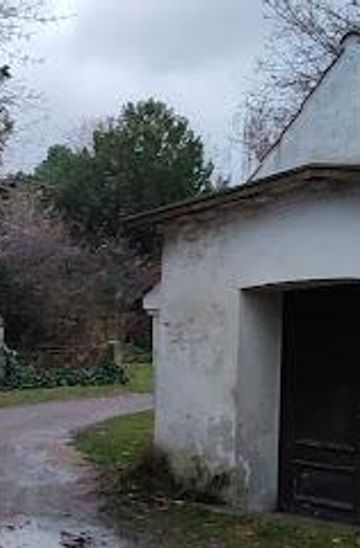
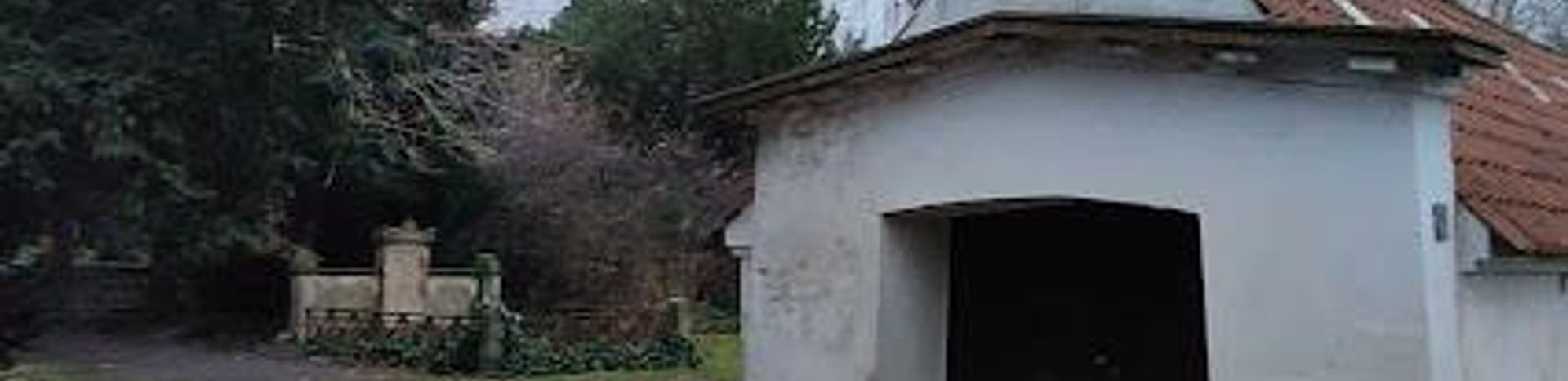
Look closely and you will notice layers of creativity among the older stones. Carved motifs, weathered inscriptions and occasional contemporary interventions reveal how artists and writers have engaged with the space. A converted stable on the edge of the grounds houses a small cultural venue associated with a local artist, and from time to time temporary art projects and low‑key events are hosted with respect for the setting.The cemetery paths invite slow exploration. Wayfinding signs point towards the graves of famous Danes, but the real pleasure lies in detours: a forgotten corner where moss softens 18th‑century lettering, a sunlit bench beneath chestnut trees, a wall of small plaques that read like fragments of untold biographies. Assistens is less about ticking off sights and more about allowing history, nature and quiet city life to mingle as you wander.Explore the best of what Assistens Cemetery has to offer













More about North Zealand
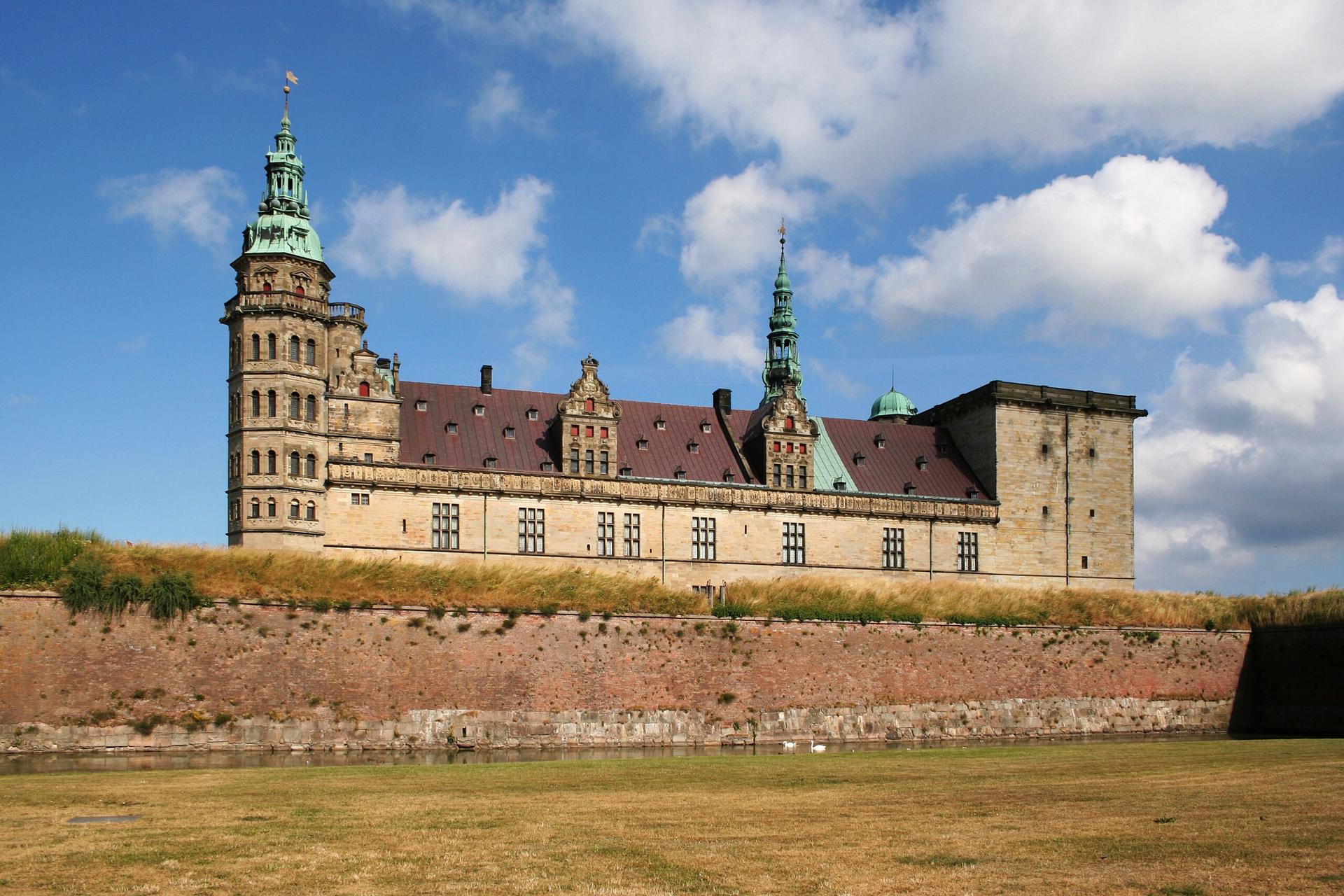
Explore North Zealand, Denmark's enchanting region of castles, beaches, and royal estates, perfect for history buffs, nature enthusiasts, and seaside lovers.
Tell me more about North Zealand