Det Kgl. Bibliotek, The Royal Library, North Zealand Travel Guide
Copenhagen’s Black Diamond: a harbourside fusion of bold modern architecture, historic reading rooms and Denmark’s most important cultural collections.
Sitting dramatically on Copenhagen’s harbourfront, Det Kgl. Bibliotek – The Royal Danish Library, known as the Black Diamond, fuses a 17th‑century national library with a bold 1999 modern extension. Inside, you find soaring glass atriums, quiet reading rooms, major research collections, changing exhibitions, a concert hall, café and bookshop. It is both Denmark’s national library and a cultural hub, equally appealing to architecture lovers, history enthusiasts and anyone seeking a contemplative waterside escape in the heart of Indre By.
A brief summary to Det Kgl. Bibliotek, The Royal Library
- Søren Kierkegaards Pl. 1, Indre By, Indre By, 1221, DK
- Click to display
- Click to display
- Duration: 1.5 to 4 hours
- Free
-
 Indoor
- Mobile reception: 5 out of 5
- Monday 8 am-8 pm
- Tuesday 8 am-8 pm
- Wednesday 8 am-8 pm
- Thursday 8 am-8 pm
- Friday 8 am-8 pm
- Saturday 9 am-6 pm
- Sunday 10 am-4 pm

Know before you go
Hi, I'm Eve. Here are a few practical things to know before exploring Det Kgl. Bibliotek, The Royal Library.
- Head straight to the upper levels of the Black Diamond for some of the best indoor views: you can look down into the atrium, out across the harbour and into study spaces without disturbing readers.
- Allow time to cross into the older 1906 building to see the traditional reading rooms; the contrast with the glass and granite of the modern extension is one of the site’s highlights.
- Check the current exhibition and concert programmes in advance if you are interested in specific themes such as photography, literature or classical music; some events require paid tickets.
- Combine your visit with a short stroll in the Royal Library Garden behind the historic wing for a quiet green break from the city streets.
Do you manage this location?
Take control to get all the benefits, like improved information, better appearance, and stronger visibility across AI-powered discovery. Learn more about listing your business on Evendo
Activate your presenceOther nearby places you may find interesting
The closest places of the same kind, if this one is not quite what you had in mind.
Explore Det Kgl. Bibliotek, The Royal Library on the Map
A handpicked selection of must-see spots near Det Kgl. Bibliotek, The Royal Library, mapped for you.
Unlock the Best of Det Kgl. Bibliotek, The Royal Library
Buy tickets
-
No tickets available
Book tours with entry


Getting There
-
Metro and walking from central Copenhagen
From central areas such as Rådhuspladsen, take the M1 or M2 metro line to Christianshavn Station, a short ride of around 3–5 minutes. From there, walk for about 10 minutes on mostly flat pavements to reach the library on Slotsholmen. A standard single metro ticket within the city centre zones typically costs around 20–25 DKK and metros run every few minutes throughout the day.
-
Bus connection to Slotsholmen
Several city bus routes serve the government and museum district around Christiansborg Palace on Slotsholmen, placing you within roughly 5–8 minutes’ walk of the Royal Library. Travel time from inner neighbourhoods such as Nørrebro or Vesterbro is usually 15–25 minutes, depending on traffic. Expect a bus ticket within the central zones to cost in the range of 20–25 DKK, with frequent daytime departures and reduced frequency late in the evening.
-
Cycling from the inner city
Copenhagen’s extensive cycle lanes make reaching the Royal Library by bike straightforward from most inner districts, including Nyhavn, Nørreport and Vesterbro, generally within 10–20 minutes. The terrain is flat and cycle infrastructure is well marked, but be prepared for busy commuter traffic at peak times. City bike rentals and app‑based shared bikes are widely available, with typical costs starting around 20–30 DKK for a short ride.
-
Taxi from central locations
A taxi ride from central hubs such as Copenhagen Central Station to the Royal Library usually takes 5–10 minutes outside heavy rush hours. Fares for such a short city journey commonly fall between 80 and 140 DKK, depending on time of day and traffic. Taxis can drop passengers close to the main entrance, which suits travellers with limited mobility or heavy bags.
For the on-the-go comforts that matter to you
-
 Restrooms
-
 Drink Options
-
 Drinking Water
-
 Food Options
-
 Lockers
-
 Seating Areas
-
 Sheltered Areas
-
 Trash Bins
-
 Information Boards
-
 Visitor Center
Discover more about Det Kgl. Bibliotek, The Royal Library
Where Denmark’s memory meets the harbour
The Royal Danish Library on Slotsholmen is where centuries of Danish written heritage meet the bustle of central Copenhagen. Founded as the king’s private collection in the 17th century, it has grown into the national library of Denmark and the main academic library for the University of Copenhagen’s humanities, social sciences and theology. Behind its shelves lie legal deposit collections, rare manuscripts, maps, photographs and musical scores that collectively trace the country’s cultural and intellectual life.From its position on Søren Kierkegaards Plads, the library opens directly onto the harbour, so the first impression is of water, light and an unexpectedly calm rhythm of ferries and bikes gliding past. Step closer and you sense that this is not only a place to store books, but a cultural institution designed to be lived in: an address for exhibitions, concerts, research and quiet everyday study.The Black Diamond’s striking architecture
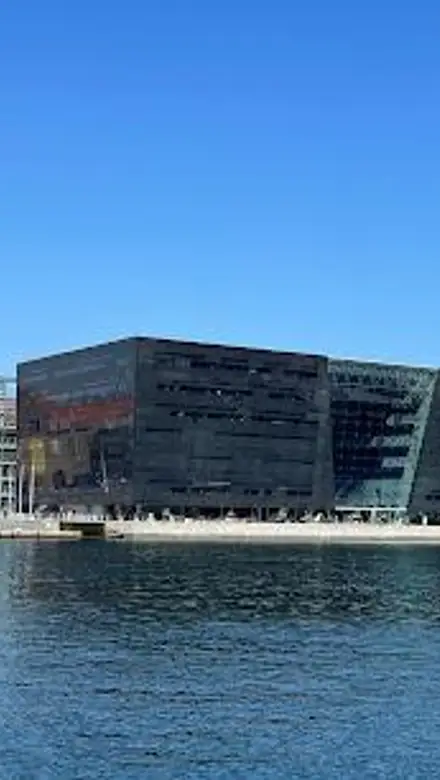
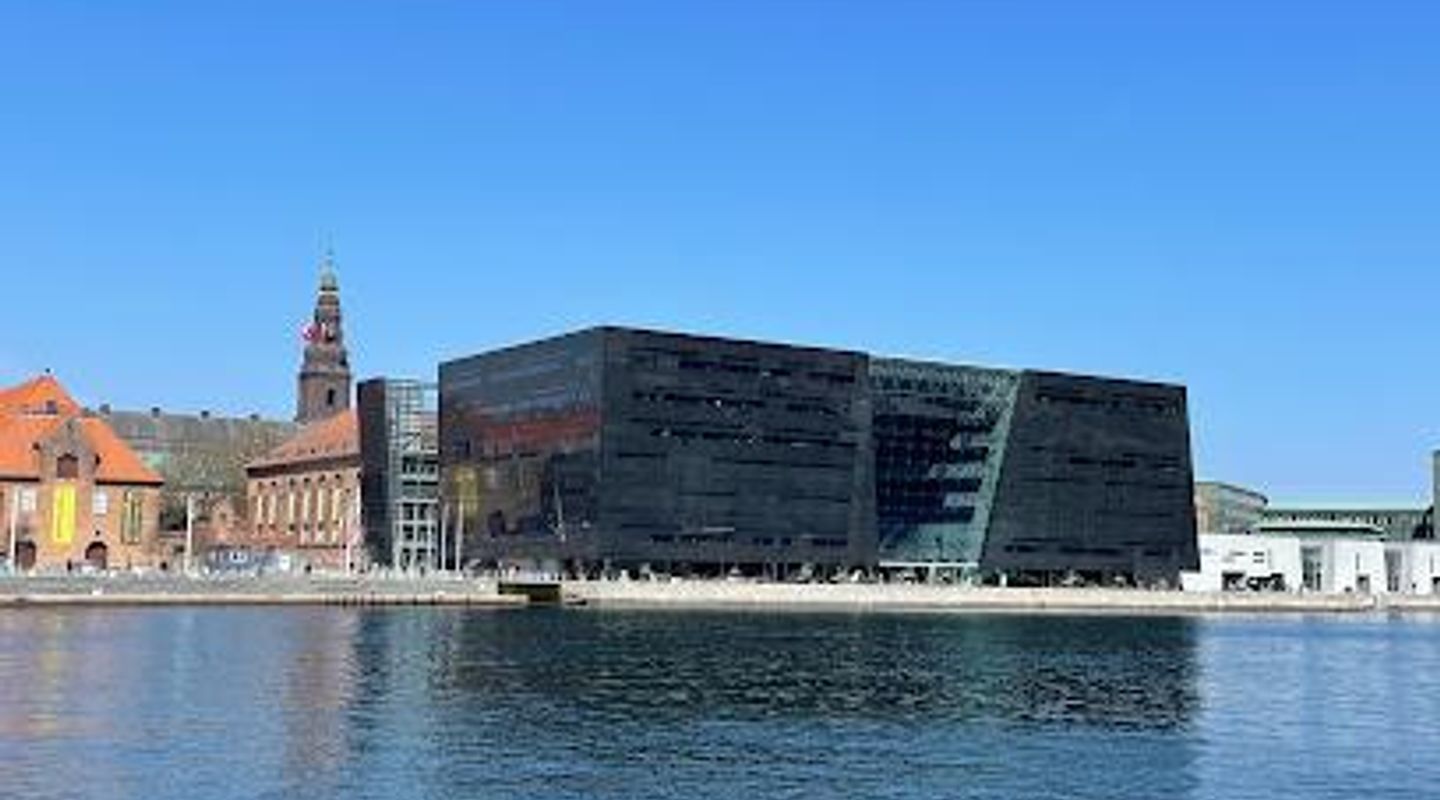
Most visitors encounter the modern extension first, a faceted block of dark granite and glass nicknamed the Black Diamond. Completed in 1999, this addition leans out over the water, its polished surface mirroring the changeable northern sky and the ripples of Copenhagen Harbour. The slightly tilted cubes and sharp angles make the building feel sculptural from every side, especially when you view it from the quayside or from a harbour boat.Inside, a vast atrium slices through the building, connecting city and sea with a flood of daylight. Curving balconies, crossing walkways and sweeping escalators draw your eye upwards to study floors that seem to float in space. Glass walls reveal reading rooms and corridors while preserving a sense of quiet. Overhead, contemporary artworks such as a monumental painting on the ceiling add colour to the otherwise monochrome palette of stone, steel and glass.Historic halls and treasured collections
Behind the Diamond, bridges link to the older 1906 library building, where you step into a more classical world. Here, high windows, wood panelling and long rows of desks define the historic reading rooms, including the Old Reading Room once reserved for scholars. The change in atmosphere is immediate: the echo of the atrium is replaced by soft page turns and the muted scratch of pens.Within the wider complex, the Royal Danish Library safeguards some of the country’s most important manuscripts and archives. These include the manuscript collection that grew from King Frederik III’s original library and later absorbed treasures like Tycho Brahe’s observation protocols and Icelandic sagas. The Søren Kierkegaard Archive preserves the philosopher’s original manuscripts, while the National Museum of Photography, housed in the same institution, holds tens of thousands of images spanning Danish and international photography since the 19th century.A cultural stage of exhibitions, music and ideas
The library functions as a cultural centre as much as a research institution. Within the Black Diamond you find a dedicated exhibition area that regularly presents curated displays of rare books, documents, photography or themed cultural stories drawn from the collections. Temporary installations often use multimedia and design to bring archival material into the present, making the building feel more like a gallery than a traditional reading library.At the heart of this public role is Dronningesalen, the Queen’s Hall, an intimate concert and theatre space seating several hundred guests. Here, the calendar ranges from classical performances and literary talks to debates and festivals, often framed by the dramatic interior design. A small bookshop and a harbour‑facing café complete the cultural experience, inviting you to linger over publications, design objects and a view of boats sliding past the tall glass façade.Everyday rhythms and quiet corners
On a typical day, the building hosts a mix of students, researchers, office workers and visitors drawn in from the waterfront promenade. Many come to use the open study areas and reading rooms, which range from silent spaces devoted to fragile materials to more relaxed zones where low conversation is acceptable. Free Wi‑Fi, computer stations and long opening hours make it an easy place to spend a full working day.Step outside on the harbour side and you can stroll along the quays, watching the sunlight move across the polished façade and the historic skyline opposite. Behind the older building lies the Royal Library Garden, a sheltered courtyard oasis shared with Christiansborg Palace. Here, flowerbeds, trees and a central fountain create one of the city centre’s calmest green spaces, ideal for a short pause between exhibitions, reading sessions or nearby sights.Why the Royal Library belongs on your Copenhagen list
For visitors, the attraction lies in this layering of functions and moods. The Royal Danish Library is simultaneously a national institution, an architectural landmark, a waterside viewpoint and a place to sit quietly with a book. Admission to the public areas is free, and you can experience much simply by wandering: riding the escalators for changing views of the atrium, peeking into reading rooms through glass, exploring small exhibitions, then pausing over coffee with a harbour panorama.Whether you are fascinated by Nordic architecture, interested in Denmark’s literary heritage or simply looking for a serene indoor space in the city centre, Det Kgl. Bibliotek offers a dense concentration of experiences within a single, dramatic building complex on the edge of the water.More to explore near Det Kgl. Bibliotek, The Royal Library
-

Best experiences near Det Kgl. Bibliotek, The Royal Library
-

Best hotels near Det Kgl. Bibliotek, The Royal Library
-

Best landmarks near Det Kgl. Bibliotek, The Royal Library
-

Best shops near Det Kgl. Bibliotek, The Royal Library
-

Best restaurants near Det Kgl. Bibliotek, The Royal Library
-

Best bars near Det Kgl. Bibliotek, The Royal Library







Your all‑in‑one travel companion app
Explore expert travel guides, compare and book tours, experiences, hotels, and more—all from the palm of your hand. Download now for seamless trip planning wherever your wanderlust takes you.


Explore More of North Zealand
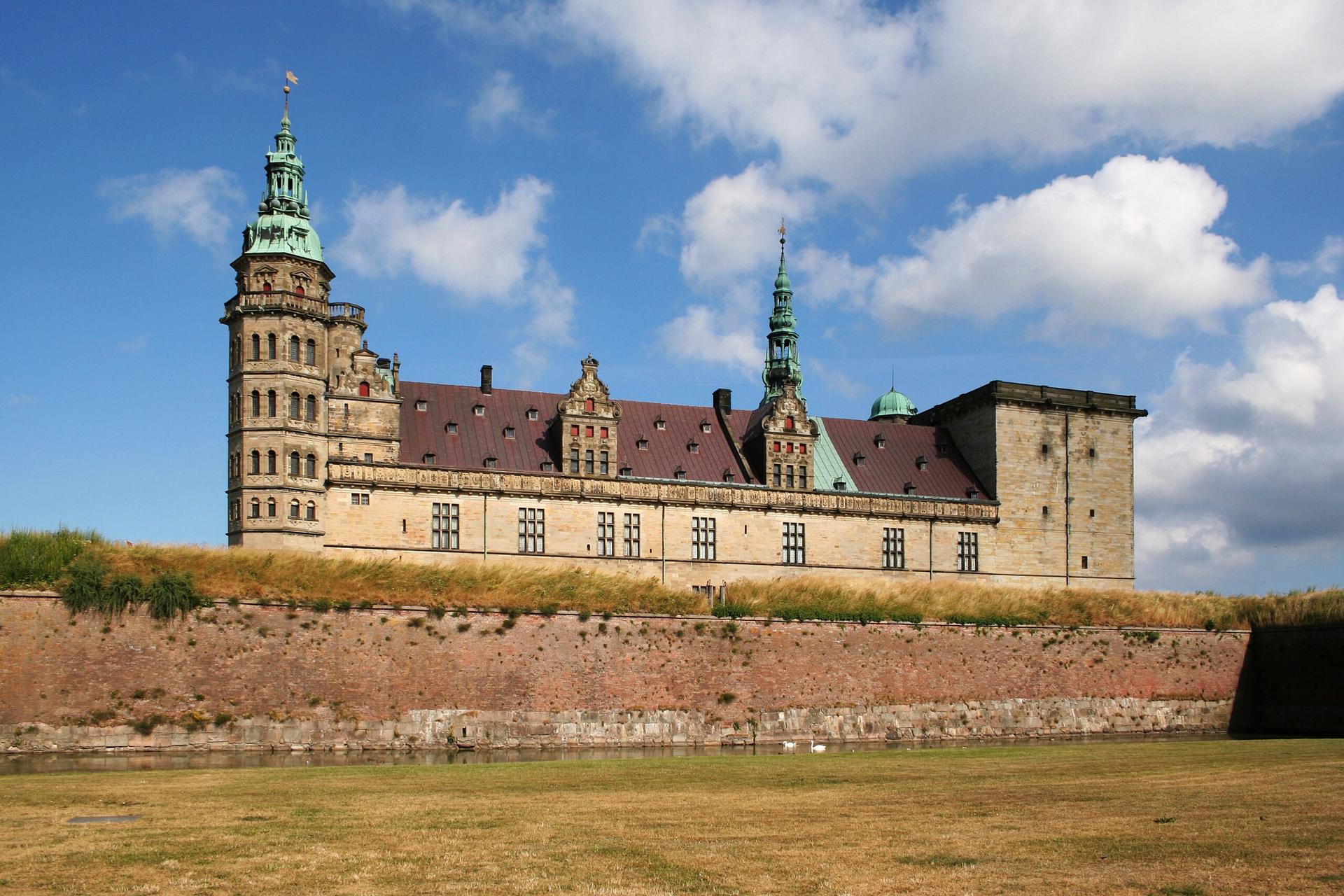
Looking beyond Det Kgl. Bibliotek, The Royal Library? Discover North Zealand for broader travel guides, local hot-spots, and regional highlights.
Explore North Zealand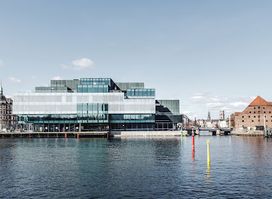
National hub for architecture and city life inside the bold BLOX building, with exhibitions, skyline views, creative family spaces and a design-forward Nordic café.

An intimate museum in a 17th‑century boathouse where Daniel Libeskind’s Mitzvah‑shaped architecture tells 400 years of Danish Jewish history and rescue.