
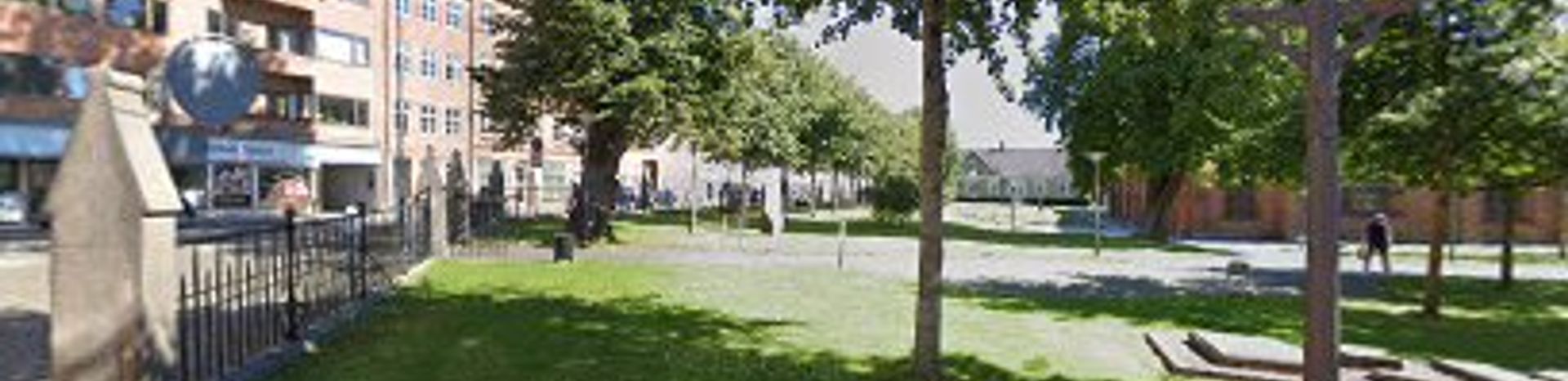
Mindesmærke over faldne frihedskæmpere, Horsens
A modest corner memorial on Borgergade where Horsens quietly honours its fallen World War II resistance fighters and the hard-won freedoms they defended.
Tucked beside Borgergade in central Horsens, the Mindesmærke over faldne frihedskæmpere is a quiet memorial dedicated to local members of the Danish resistance who lost their lives during World War II. This modest, tree-framed corner of stone, names and flowers offers a powerful contrast to the nearby shops and residential streets. It is a place for a short reflective pause, to read the inscriptions, sense Horsens’ wartime history and appreciate the human cost behind Denmark’s modern freedoms.
A brief summary to Mindesmærke over faldne frihedskæmpere
- Borgergade 15, Horsens, 8700, DK
- Duration: 0.5 to 1 hours
- Free
-
 Outdoor
- Mobile reception: 5 out of 5
Local tips
- Plan a short, quiet stop; this is a small memorial best appreciated in 10–20 minutes of unhurried reflection rather than as a long visit.
- Visit in the early morning or late afternoon for softer light that makes the inscriptions easier to read and the atmosphere more contemplative.
- Keep voices low and avoid phone calls or loud music, as the space functions as a site of remembrance for locals and relatives of those commemorated.

For the on-the-go comforts that matter to you
- Seating Areas
- Trash Bins
- Information Boards
Getting There
-
Train and walk from Horsens Station
From Horsens Station, it takes about 10–15 minutes on foot to reach Borgergade in the city centre, following level urban streets suitable for most visitors. Regional trains connect Horsens with Aarhus and other Jutland towns roughly every 30–60 minutes, with standard second-class fares from about 80–120 DKK one way from Aarhus and higher from longer distances. Services run throughout the day, but late-evening frequencies are reduced.
-
City bus within Horsens
Several local city bus routes serve stops in and around Horsens’ central districts, typically running every 15–30 minutes during the day and less frequently in the evening. A single adult ticket within the Horsens urban zone usually costs around 22–30 DKK, paid via ticket machines or mobile apps. Most buses are low-floor and accessible, but stops may be a short, level walk from Borgergade, so allow 5–10 minutes from the nearest stop.
-
Car or taxi in Horsens
Driving from elsewhere in Horsens to Borgergade generally takes 5–15 minutes, depending on your starting point and traffic. Short-stay street or nearby public parking is available in the centre but can be limited at busy weekday times. Expect taxi rides within the city to cost roughly 80–160 DKK for typical distances. The streets around the memorial are standard urban roads, and while drop-off nearby is usually straightforward, always check local parking regulations before leaving your vehicle.
Mindesmærke over faldne frihedskæmpere location weather suitability
-
 Any Weather
-
 Mild Temperatures
-
 Cold Weather
-
 Hot Weather
Discover more about Mindesmærke over faldne frihedskæmpere
A small corner of Horsens with a heavy story
In the middle of everyday Horsens, near Borgergade’s apartments and small businesses, this memorial gently interrupts the streetscape. At first glance it is unassuming: a sculpted stone or stele, sometimes flanked by low hedges or trees, a paved forecourt and a few benches. Step closer and the setting sharpens into focus – names, dates and inscriptions recalling the local resistance fighters who never returned from the Second World War. The site is not a large park but rather an intimate urban pocket, where the sounds of passing bicycles and distant traffic form a muted backdrop. It feels like a space claimed from the city for memory, a deliberate pause in the rhythm of daily life where Horsens’ modern calm is measured against a far more turbulent past.Honouring Horsens’ resistance during World War II
The Mindesmærke over faldne frihedskæmpere commemorates citizens from Horsens and the surrounding area who took part in the Danish resistance against the occupying forces between 1940 and 1945. Many were young workers, students or fathers who joined clandestine groups, distributed illegal newspapers or engaged in sabotage against infrastructure and industry. Their names, carved into stone here, bring that history down to a human scale. Each line hints at a personal story: an arrest, a failed escape, a transport to a camp, a final act of defiance. The memorial stands as part of a wider network of Danish monuments that quietly map the geography of resistance across the country, but this one belongs specifically to Horsens – a reminder that even mid-sized provincial cities played their part.Symbolism in stone and setting
Although the design is modest, it carries familiar Scandinavian memorial symbolism. The central stone may be rough-hewn to suggest resilience, with polished faces where the inscriptions stand out clearly. Simple motifs such as a cross, a flame or a national emblem, if present, reinforce the idea of sacrifice fused with hope. Equally important is the setting. Low greenery softens the hard lines of stone, and the open forecourt allows space for wreath-laying ceremonies on national remembrance days. In the softer light of morning or late afternoon, the textures of granite and brick seem to deepen, and small details – a weathered edge, an old bouquet, a candle stub – remind you that this monument is actively used, not just a relic.A reflective pause in a walkable city
Horsens is a compact, walkable city where cultural sights, churches, sculpture and everyday neighbourhoods blend together. This memorial fits that pattern: it is easy to incorporate into a short stroll through the centre, perhaps between the shopping streets and the town’s museums or harbourfront. Time spent here is usually brief, but the mood is distinct. Rather than a destination with exhibits and facilities, the memorial offers a change of emotional register. Visitors stand, read, and fall into a quiet made of rustling leaves and footsteps on pavement. It invites you to think about what the word “frihed” – freedom – has meant at different moments in Danish history.Moments of ceremony and everyday remembrance
On certain dates, particularly around national remembrance days, this small space takes on a more formal role. Wreaths and flags appear, and local organisations may gather to mark the sacrifices of the resistance fighters named here, alongside others who suffered under occupation. For the rest of the year, the memorial simply coexists with the residential life around it. Children walk past on their way to school, neighbours meet for a chat, and someone might stop briefly to straighten a bouquet. That everyday presence underscores the monument’s purpose: not to freeze history, but to weave memory into the living fabric of Horsens, so that the stories behind these names are never entirely distant.Iconic landmarks you can’t miss

Bilka Horsens
0.5 km
Experience the rich theatrical heritage of Odense at the historic Comediehuus, a cultural landmark since its inception.
Horsens Tourist Information Centre
1.8 km
Experience the heart of Danish comedy at Odense Comediehuus, where culture and laughter unite in the vibrant city center.
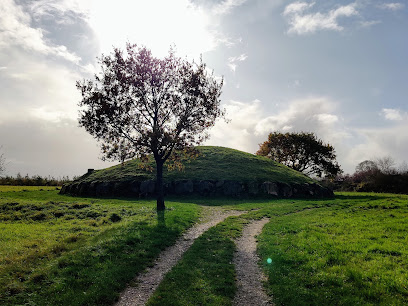
Jættestuen grønhøj
4.4 km
5.000 år gammel jættestue midt i det østjyske kulturlandskab – et stille møde mellem bondestenalderens stenkonstruktioner, skov, marker og Bygholm Sø.
Årtusindeskifte Eg
6.1 km
An ancient oak rooted in Horsens' heart, where nature and urban life converge in timeless harmony.
Genforeningssten på Ejer Bavnehøj
12.9 km
Denmark's third-highest point crowned with a monumental 1920 reunification memorial and iconic tower.
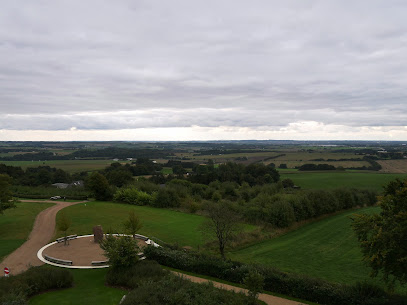
Ejerbavnehøj MØDESTED
12.9 km
Denmark's third-highest peak crowned by a 1924 monument to national reunification, offering panoramic views and historic significance.
Ejer Bavnehøj
13.0 km
A modest Danish hill with a mighty horizon, Ejer Bavnehøj blends reunification history, beacon legends and big-sky views into an easy, rewarding countryside stop.
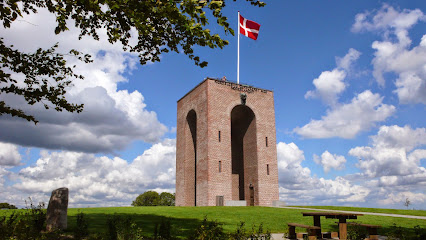
Det gamle vandtårn
23.8 km
Skanderborg's 41.5-meter castle-style water tower from 1908—a striking symbol of industrial heritage and urban progress.
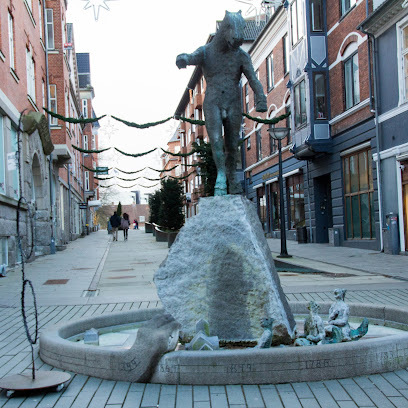
The Midgård Well
26.2 km
A coiled Norse serpent, a quiet city fountain and a whole mythic world wrapped into one small corner of central Vejle.
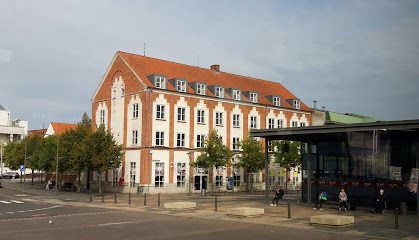
VisitVejle
26.3 km
Explore Andelstrappen and Fortællegyngestolen in Odense: A fusion of nature's beauty and rich literary heritage.
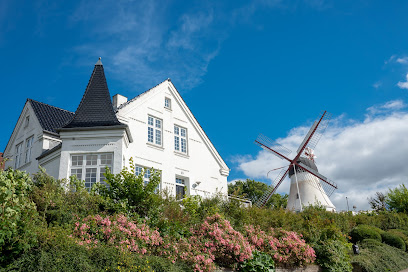
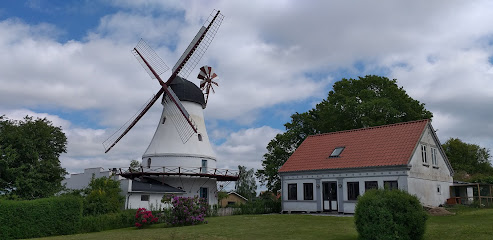
Vejle Vindmølle
27.1 km
Historic windmill turned art gallery with panoramic city views and rotating contemporary exhibitions.
Vejle Kunstforening
27.1 km
Discover the serene beauty of Sneglehøjen, Odense's tranquil natural retreat.
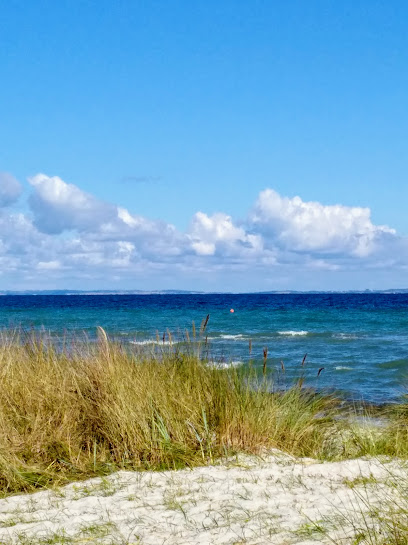
Saksild Beach
28.0 km
Discover Denmark's best-kept secret: Saksild Beach, a family-friendly paradise with soft sands, shallow waters, and endless coastal charm on the Odder coast.
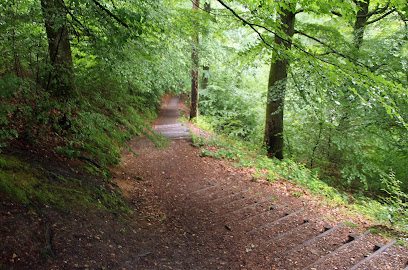
H.C. Andersen bench
28.8 km
A literary memorial where Denmark's beloved fairy tale author found inspiration amid rolling hills and sparkling lakes.
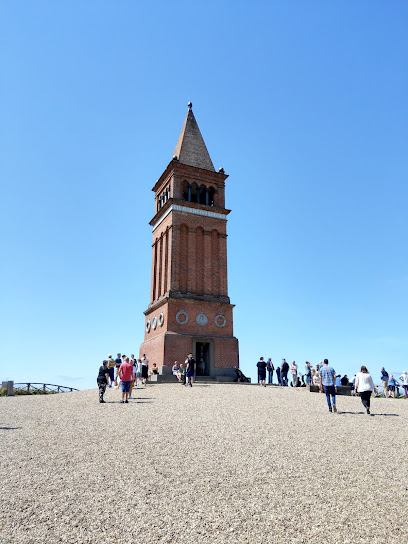
Bestig Himmelbjerget
28.8 km
Discover breathtaking views and rich history at Himmelbjerget, Denmark's iconic Sky Mountain in the heart of the Lake District, offering hiking, boat trips, and cultural experiences.
Unmissable attractions to see

Horsens Holder
0.2 km
A lively street festival that turns Horsens’ central Søndergade into a relaxed urban playground of music, food, stalls and community life for all ages.
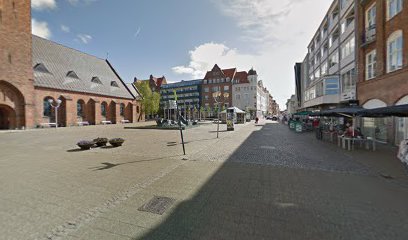
Church of Our Saviour
0.2 km
Medieval brick, Baroque grace and a renewed interior meet at Horsens’ historic town-square church, the oldest building within the city and its spiritual centre.
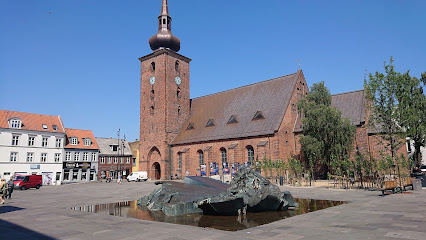
Industrimuseet
0.4 km
A living industrial museum in Horsens’ old gasworks, where roaring engines, workers’ homes and playful workshops bring Denmark’s modern story to life.
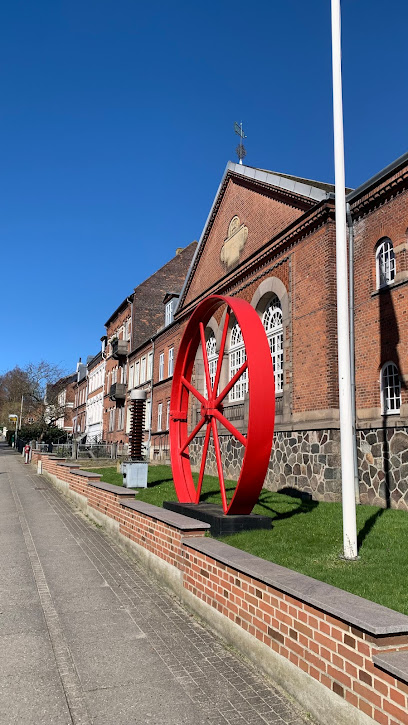
Horsens Art Museum
0.5 km
Hilltop hub of contemporary Danish art, pairing bold architecture, major national artists and parkland sculpture in leafy Caroline Amalie Lund.
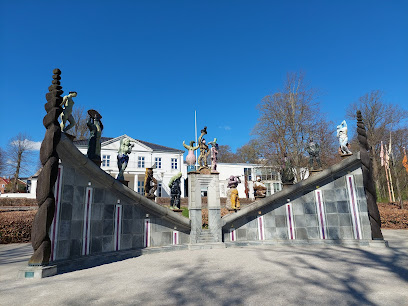
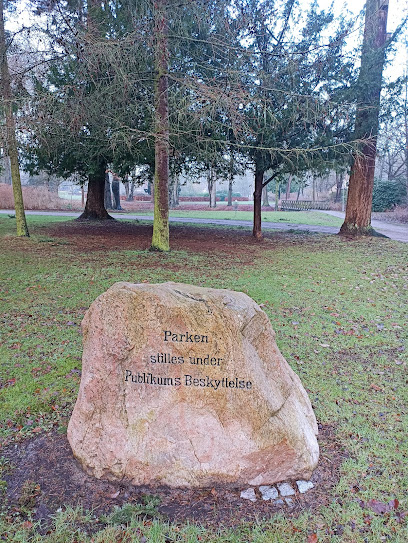
Rådhusparken
0.5 km
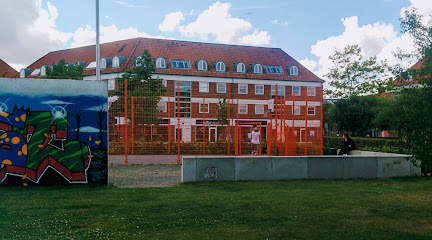
A modest green pause in the heart of Horsens, where everyday city life meets street art, dog walkers and quiet benches beneath mature trees.
Wanna Be Mermaid
0.5 km
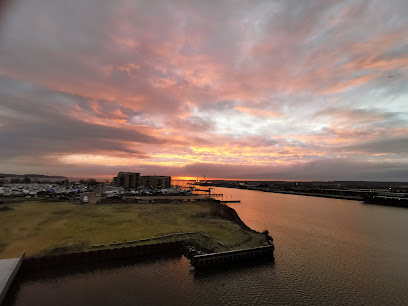
A bold, contemporary mermaid by Maria Rubinke on Horsens’ harbourfront, blending fairytale symbolism, waterfront scenery and modern public art in one quick stop.
Horsens Museum
0.6 km
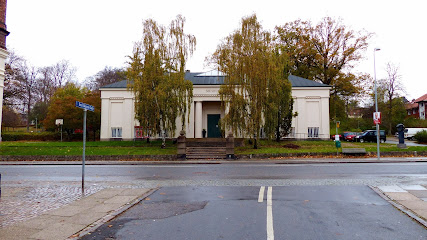
Intimate local-history museum in a 1915 park-side villa, tracing 10,000 years of Horsens life from prehistoric graves and merchants’ mansions to war, industry and exploration.
Lunden
0.6 km
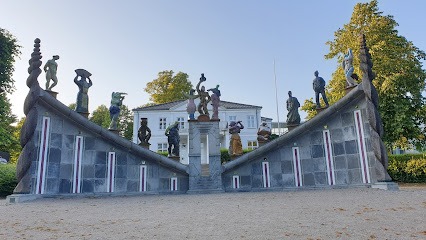
Leafy city park by day, open-air rock stage by night – Lunden is Horsens’ green gathering place and the home of the Rock i Lunden summer concerts.
Vitus Beringsparken
0.9 km
A compact 1950s city park in central Horsens, Vitus Beringsparken blends green lawns, rhododendrons and local history into a quiet pause between station and shops.
Horsens Banegård Park
1.1 km
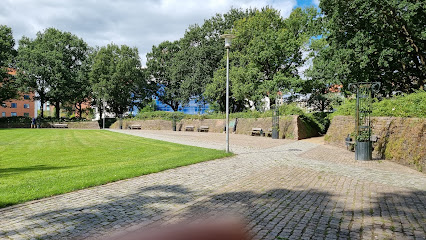
A compact green pause beside Horsens railway station, where commuters, locals and dog walkers share a simple slice of lawn, trees and benches in the city’s busy heart.
Horsens Marina
1.3 km
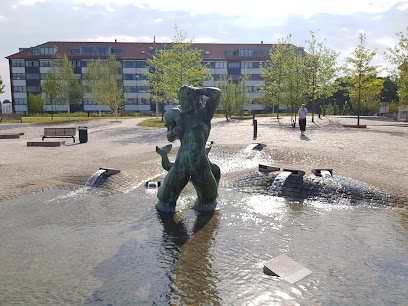
Atmospheric fjord‑end marina blending red fishing sheds, modern yacht facilities and easy city access on the waterfront edge of Horsens.
Horsens Garden
1.3 km
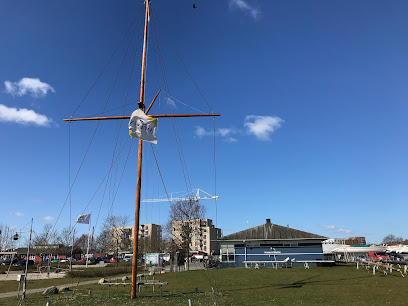
Step inside Horsens’ storied cotton factory to experience Denmark’s industrial transformation—hands-on workshops, authentic machinery, and immersive exhibitions await.
Planetstien
1.3 km
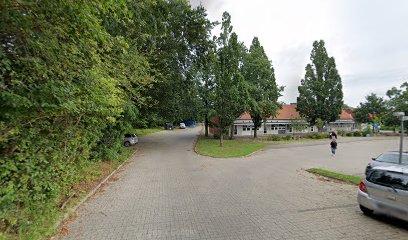
Walk or cycle through a scaled solar system along Horsens Fjord, where art, astronomy and easy nature trails meet on the scenic Planetstien path.
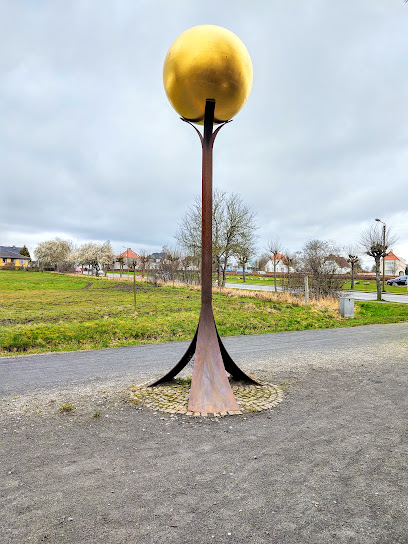
Langelinieanlægget
1.4 km
Horsens' beloved waterfront park where sandy beaches, summer culture, and fjord views create the perfect urban escape.
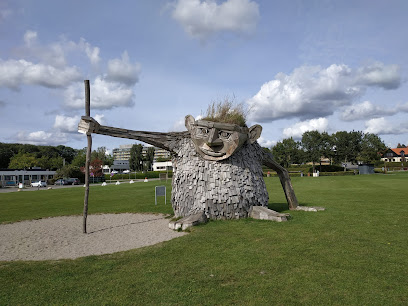
Lilian's tree
1.4 km
Ancient tree, riverside serenity, and family-friendly art in Horsens' most beloved waterfront escape.
Essential places to dine

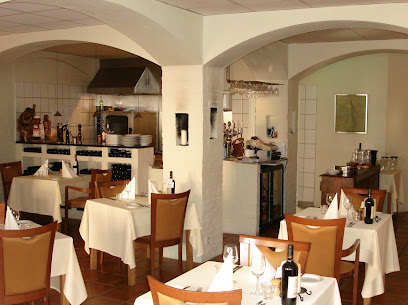
Restaurant Munken
0.0 km
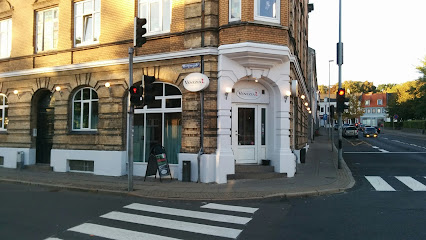
Candlelit Danish comfort and seasonal cooking in a cosy Horsens dining room, where classic flavours, warm service and unhurried evenings define the experience.
Restaurante Venezia
0.1 km
Authentic Italian cuisine in a warm, welcoming Horsens setting.
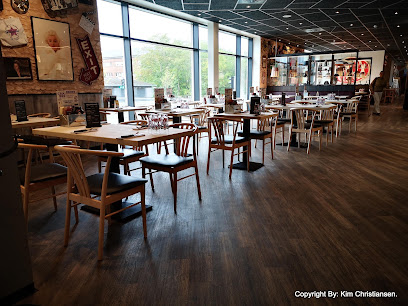
Bone's Horsens
0.3 km
Lively American-style family restaurant in central Horsens, serving BBQ ribs, steaks, burgers and all-you-can-eat sides in a cosy, memorabilia-filled saloon setting.
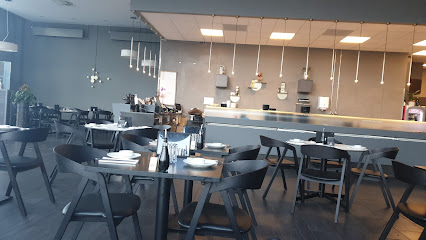
Great sushi
0.3 km
Premium all-you-can-eat sushi with theatrical presentation and authentic Japanese technique in central Horsens.
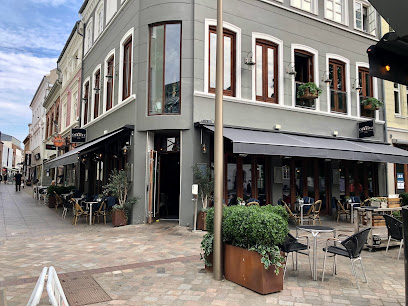
Corfitz restaurant - bar
0.4 km
Casual city‑centre café, restaurant and bar on Horsens’ main pedestrian street, serving hearty comfort food, drinks and all‑day people‑watching on Søndergade.
Dollys
0.4 km
Harbourfront, family-run Danish restaurant in Horsens serving hearty classics, generous portions and cosy marina views at a comfortable, mid-range price.
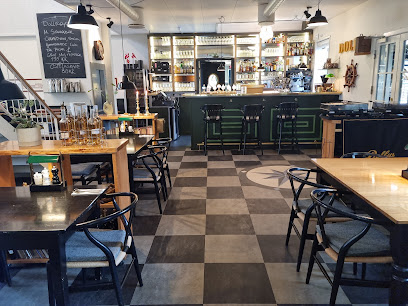
Restaurant Eydes
0.5 km
Historic cellar dining where Danish-French cuisine meets centuries of local tradition.
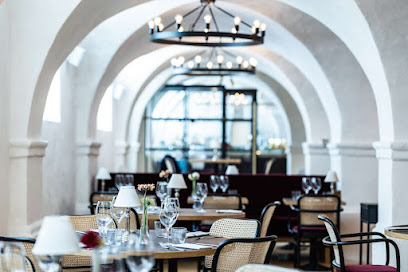
Cafe Vivaldi
0.5 km
Casual brasserie-style café on Horsens’ busy Søndergade, serving comfort food, coffee and drinks all day in a warm, modern setting with street-side seating.
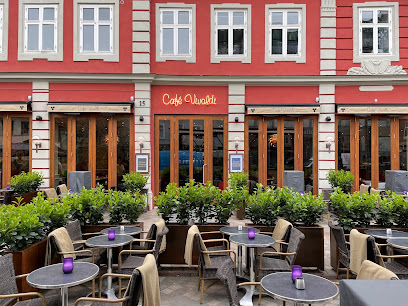
UNDA
0.5 km
Harbourfront restaurant and lounge in Horsens, where bold design, soft acoustics and harbour views create an all‑day setting from brunch to late‑night cocktails.
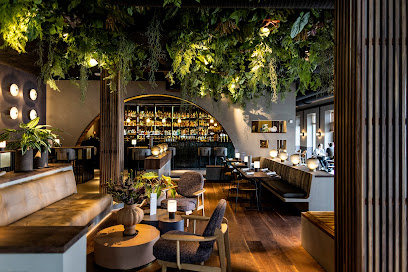
Café Ella
0.5 km
Light-filled museum café in Horsens pairing seasonal local lunches and an award-winning bøfsandwich with leafy views over Lunden park and contemporary art.
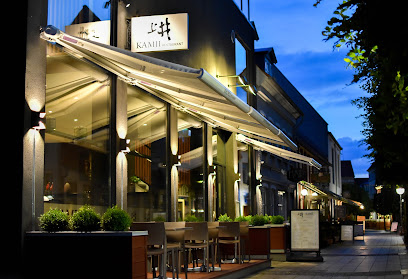
Kamii Horsens
0.5 km
Modern sushi bar and Asian steak restaurant in central Horsens, where fresh handcrafted rolls meet warm kitchen favourites and flexible menus for every occasion.
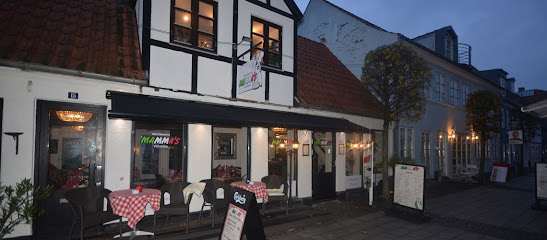
Restaurant Mamma's
0.5 km
Authentic Italian pizzas and pastas in a warm, unpretentious setting on Grønnegade.
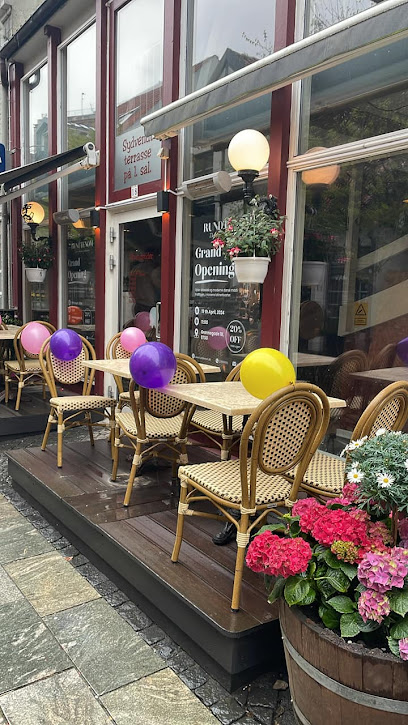
rundtenom
0.6 km
Closed but fondly remembered Danish eatery in central Horsens, once known for classic smørrebrød, generous stegt flæsk evenings and a warm, homely atmosphere.
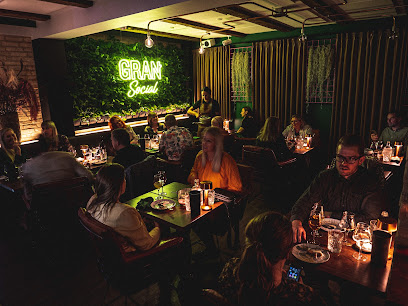
GRAN Social
0.6 km
Contemporary Danish comfort food, weekend DJs and crafted cocktails meet under one stylish roof at this all‑day restaurant and bar in central Horsens.
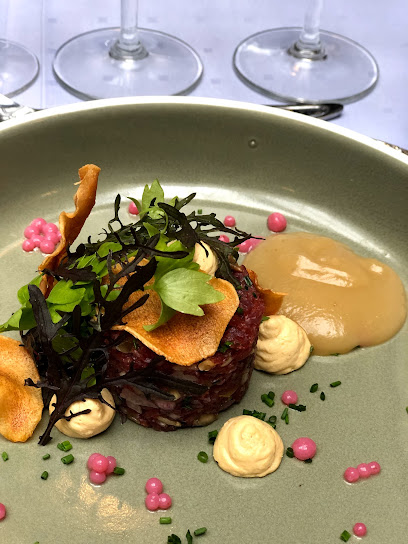
Det Ny Kronborg
0.6 km
Traditional Danish restaurant and banquet hall in a quiet Horsens street, combining white-tablecloth charm, hearty cooking and a relaxed, grown‑up atmosphere.
Markets, malls and hidden boutiques

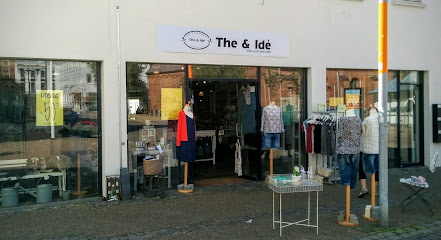
The & Idé ApS
0.2 km
Atmospheric concept store on Horsens’ main square, blending tea shop, gift boutique, deli treats and women’s fashion into one warmly hygge shopping stop.
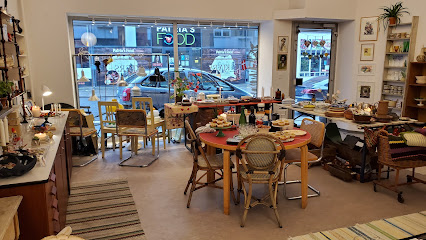
Kjærs Magasiner
0.2 km
Vintage treasures and contemporary art in the creative heart of Horsens
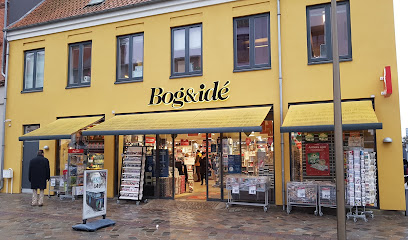
Bog & idé Horsens
0.2 km
Central Horsens bookstore and gift shop combining books, games and stationery in a relaxed, family-friendly setting on pedestrian Søndergade.
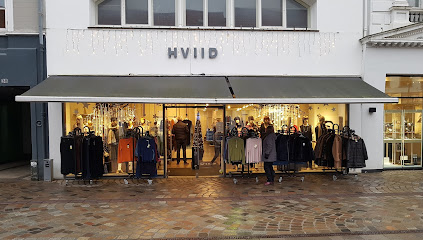
Hviid
0.3 km
Intimate womenswear boutique on Horsens’ main pedestrian street, offering quality-focused Scandinavian style, curated brands and personal, unhurried service.
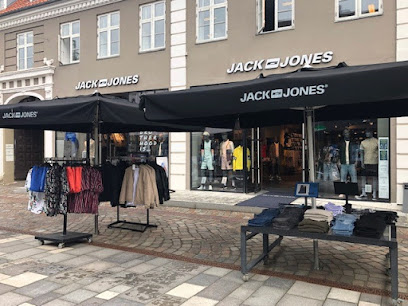
JACK & JONES
0.3 km
Central Horsens menswear hub for denim, casual staples and smart-casual outfits on lively Søndergade, ideal for a quick wardrobe update during a city stroll.
Tøjbutikker
0.3 km
Discover the vibrant shopping and cultural hub of Søndergade in Horsens, featuring over 150 diverse shops and lively events.
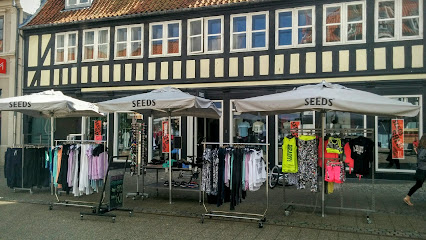
Seeds
0.3 km
Scandi-style children’s boutique in the heart of Horsens, offering cozy, practical fashion for babies, kids and teens along the pedestrian Søndergade shopping street.
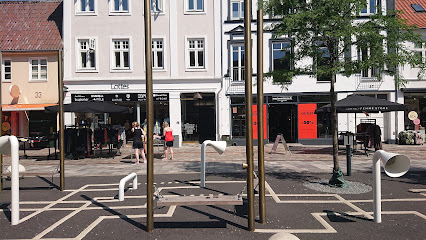
HOMME FEMME STORE
0.3 km
Contemporary menswear and womenswear with a clean, urban Scandinavian feel, set on Horsens’ lively Søndergade pedestrian street.
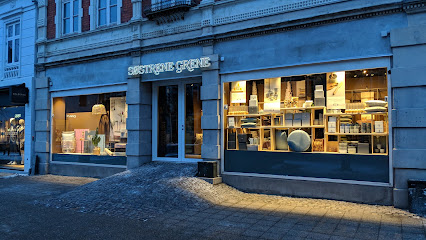
Søstrene Grene
0.4 km
Scandinavian design meets everyday creativity in Horsens' premier lifestyle and home décor destination.
SELECTED
0.4 km
Contemporary Scandinavian fashion for men and women on Horsens’ main pedestrian street, blending clean design, versatile pieces and a calm, minimalist store feel.
Tøjbutik
0.4 km
Straightforward, central clothing shop on Horsens’ main pedestrian street, ideal for quick wardrobe updates during a wider stroll through the compact city center.
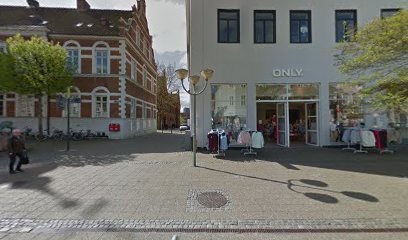
ONLY
0.4 km
Central Horsens womenswear store blending denim heritage, fast-changing trends and affordable Scandinavian style on lively pedestrian Søndergade.
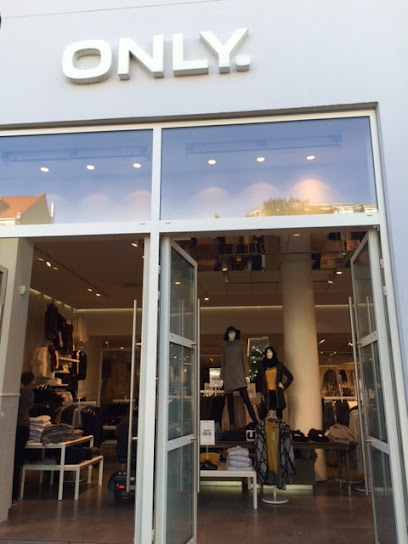
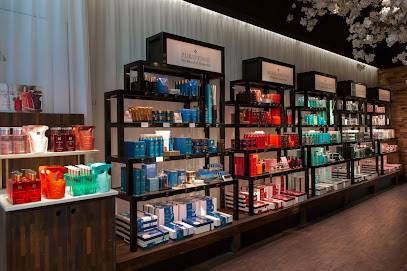
Rituals
0.4 km
A soothing cosmetics boutique on Horsens’ main shopping street, blending spa-like calm, scented rituals and beautifully packaged gifts for body and home.
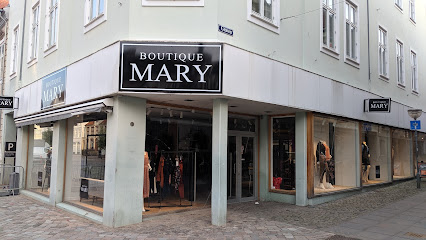
Boutique Mary
0.4 km
Intimate women’s fashion boutique on Horsens’ main pedestrian street, blending Scandinavian everyday style, personal advice and seasonal looks in a cosy setting.
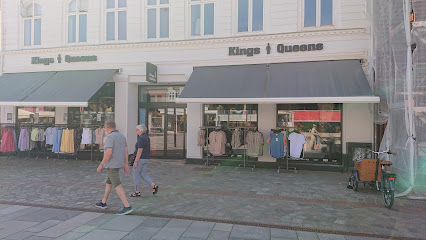
Kings & Queens Horsens
0.5 km
Youthful fashion hub in central Horsens, bringing together trend-led Scandinavian and international brands for men and women in one approachable, urban-style store.
Essential bars & hidden hideouts

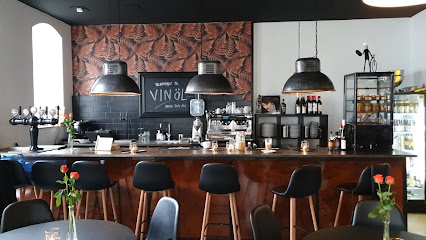
VINöL Gastro - Rock - Bar
0.1 km
Cosy Horsens hangout where specialty brews, hearty comfort food and a rock-driven soundtrack once turned a Borgergade corner into an intimate local institution.
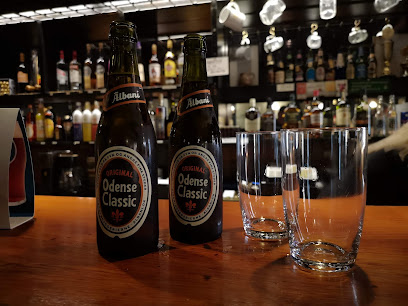
Vitus Berings Pub
0.3 km
Casual Danish pub on Horsens’ Søndergade, pouring affordable beers, showing sports and offering a cosy, no-frills slice of local nightlife in the town center.
Tænkeboxen
0.3 km
Traditional Danish bar in central Horsens with long opening hours, inexpensive drinks and a relaxed, regulars-first atmosphere on Gersdorffsgade.
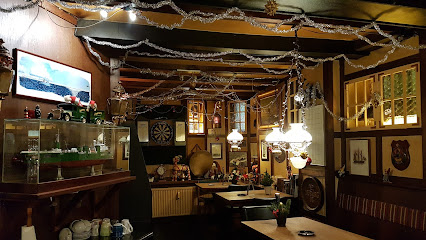
Jagtbar Horsens
0.4 km
Hunting-lodge charm meets downtown nightlife at this cosy Horsens bar–club, where early-evening hygge evolves into a high-energy dance floor.
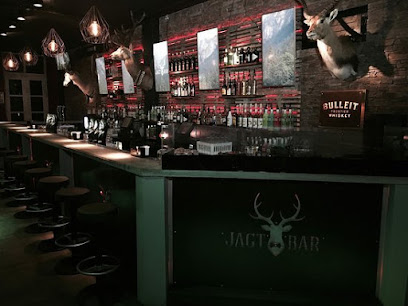
Bar' Rolig
0.4 km
Relaxed games bar in Horsens' historic center with pool, darts, and friendly vibes.
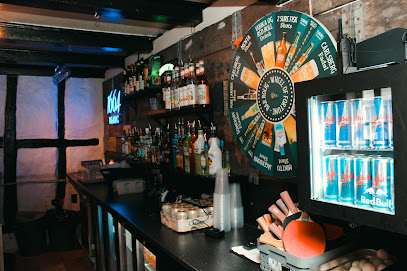
B-A-R 2 Aps
0.5 km
Casual, central and unpretentious, B-A-R 2 Aps is a friendly neighborhood bar in Horsens’ old town, ideal for relaxed drinks from daytime pit stop to late-night meet-up.
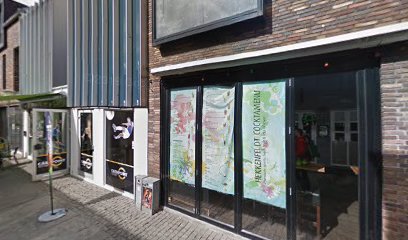
Kokomo Horsens
0.5 km
Three floors of tropical cocktails, DJs and late-night energy in the heart of Horsens’ old town nightlife district.
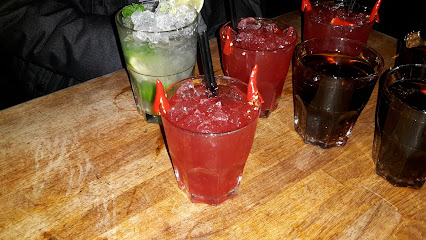
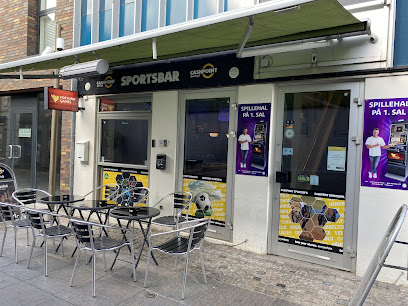
Cashpoint Sportsbar
0.5 km
Horsens's premier sports bar with multiple screens and live betting action.
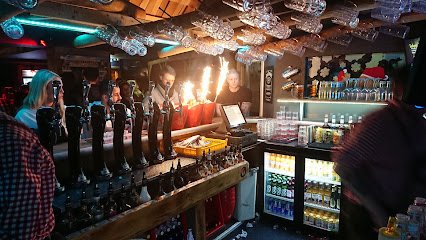
Zwei Grosse Bier Bar Horsens A/S
0.5 km
High-energy Alpine after-ski bar in central Horsens with big beer steins, Schlager singalongs and a late-night dance-floor party vibe.
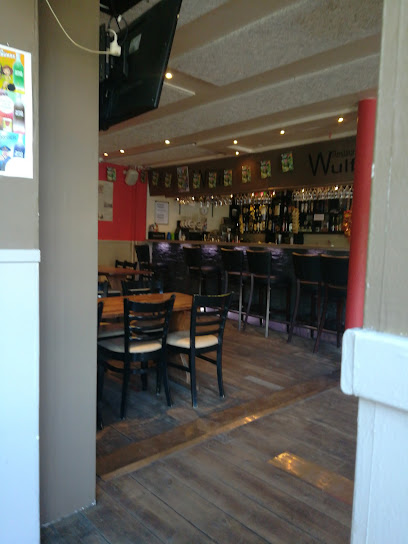
Restaurant Wulff ApS
0.5 km
Late-night bar and nightclub-style hangout in central Horsens, turning quiet Rædersgade into a lively social hub on Thursday, Friday and Saturday nights.
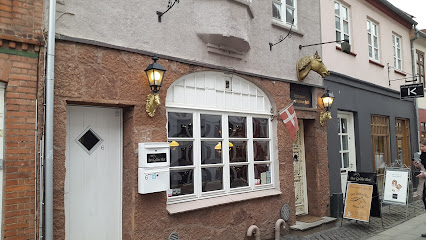
The Golden Horse
0.6 km
Unpretentious local bar in central Horsens, pouring affordable drinks from morning to late night amid slot machines, sports on TV and easygoing neighborhood chat.
Vores lille Vinbar
0.6 km
An intimate Horsens wine bar where candlelight, jazz and personal guidance meet a carefully curated selection of wines by the glass and bottle.
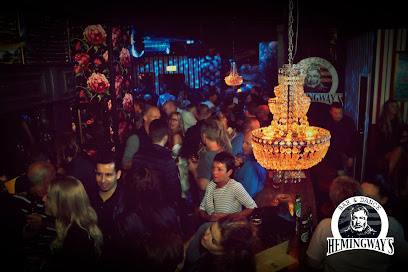
Hemingway's Horsens
0.6 km
Late-night bar and nightclub in central Horsens, delivering cocktail-fueled weekends, loud music, and a packed dance floor until the early morning hours.
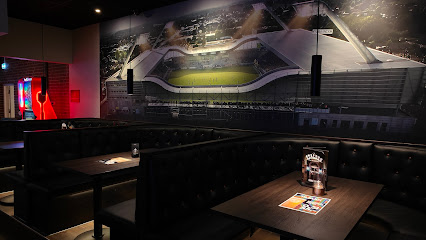
Stalden
0.6 km
Relaxed pool and sports bar in central Horsens, blending cue sports, big-screen matches, board games, casual bites and easygoing drinks in one social hangout.
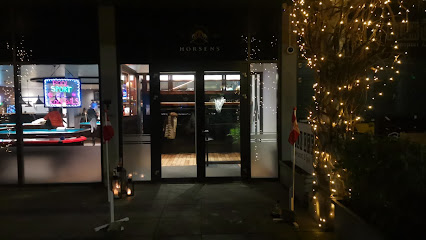
Horsens Sport og Pool Bar
0.6 km
Central Horsens sports bar with 23 screens, pool tables, and competitive games in a welcoming, energetic atmosphere.
Nightclubs & after hour spots

Oskar hossman
0.5 km
Compact, high-energy nightclub in central Horsens, where pulsing beats, colourful lights and a sociable crowd define the city’s after-hours heartbeat.
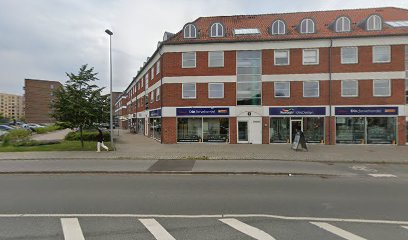
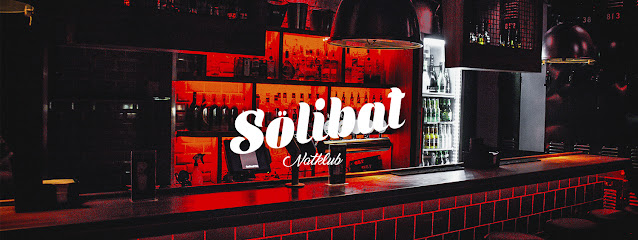
Sölibat Natklub
0.6 km
Late-night, no-frills clubbing in central Horsens, where loud music, simple drinks and a compact dance floor create an unapologetically local party vibe.
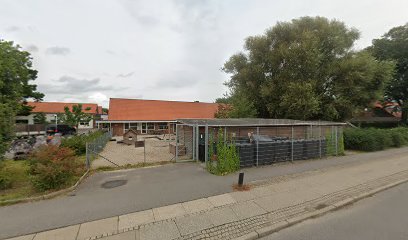
PDD
1.3 km
Compact, no-frills nightclub on Lindvigsvej in Horsens, offering late-night dancing, simple drinks and an intimate, local-party atmosphere on weekends.
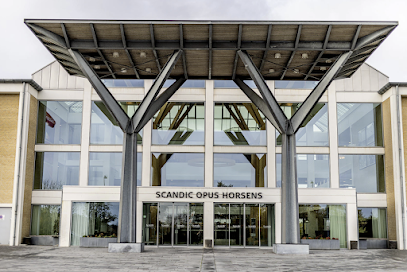
Scandic Opus Horsens
1.9 km
A contemporary Scandinavian hotel in Horsens with spa, dining, and panoramic city-to-nature views—an elegant gateway to both urban and outdoor experiences.
Horsens New Style Dance Club
5.7 km
Horsens' premier line dancing venue where beginners and advanced dancers unite in movement and community.
Team Paderborner
19.0 km
Nightclub entertainment in Denmark's scenic Dyrehaven forest and lakeside setting.
Bastian Bar & Nightclub, Odder - Nightclub
22.0 km
Odder's central nightlife destination for weekend entertainment and social gathering
temabar APS 23-05
26.2 km
Tropical vibes and late-night dancing in Vejle's energetic weekend hotspot.
NOX Network Ltd.
26.9 km
Small-city Danish nightclub in Vejle with a central dance floor, upbeat chart music, and a straightforward, late-night party atmosphere.
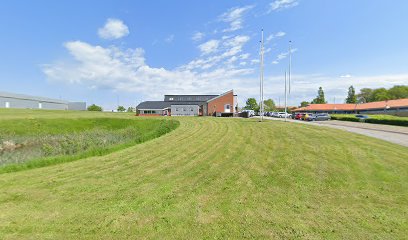
AHA Livestage
33.5 km
Intimate live music and cocktail-driven nightlife in the heart of Fredericia, where high-quality sound and curated events turn selected evenings into standout parties.
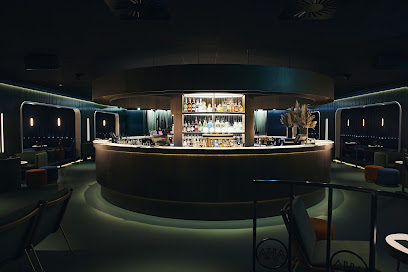
Luksusmassage Århus
37.2 km
Experience Aarhus's dynamic nightlife at Luksusmassage, where music and energy blend for an unforgettable evening.
Tucan Swinger & wellness Club
38.6 km
Adults-only swinger and wellness retreat in rural Jutland, blending erotic exploration, spa comforts and themed rooms in a discreet, rules-based environment.
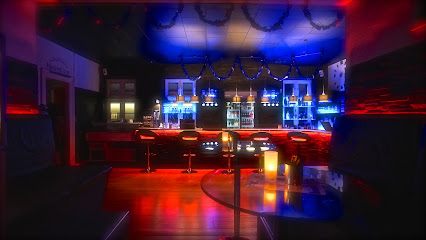
B'sharp - Silkeborg Rhythm Og Blues Association
38.9 km
Volunteer-run blues stronghold in central Silkeborg, where intimate weekend concerts, affordable drinks and close-up performances keep rhythm & roots music alive.
KLUB22
39.0 km
Discover the ultimate nightlife experience at KLUB22 in Aarhus, where electrifying music and vibrant atmosphere await.
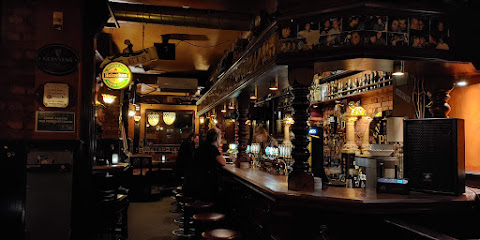
Flintstone Pub
39.0 km
Flintstone Pub in Aarhus blends retro décor, affordable drinks, and live music, offering a lively gathering place for locals and visitors in the city’s central quarter.
For the vibe & atmosphere seeker
- Tranquil
- Scenic
- Unique
- Casual
For the architecture buff
- Historic
- Landmarks
For the social media creator & influencer
- Photo Spots
- Selfie Spots
- Architectural Shots
For the eco-conscious traveler
- Low Impact
- Public-Transport Accessible
For the kind of experience you’re after
- Mindfulness
- Cultural Heritage
- Photowalk
- Day Trip
- Roadtrip Stop
For how adventurous you want the journey to be
- Easy Access
Location Audience
- Family Friendly
- Senior Friendly
- Child Friendly
- Teen Friendly
- Solo Friendly
- Couple Friendly
- Solo Female Friendly
- Business Friendly


