
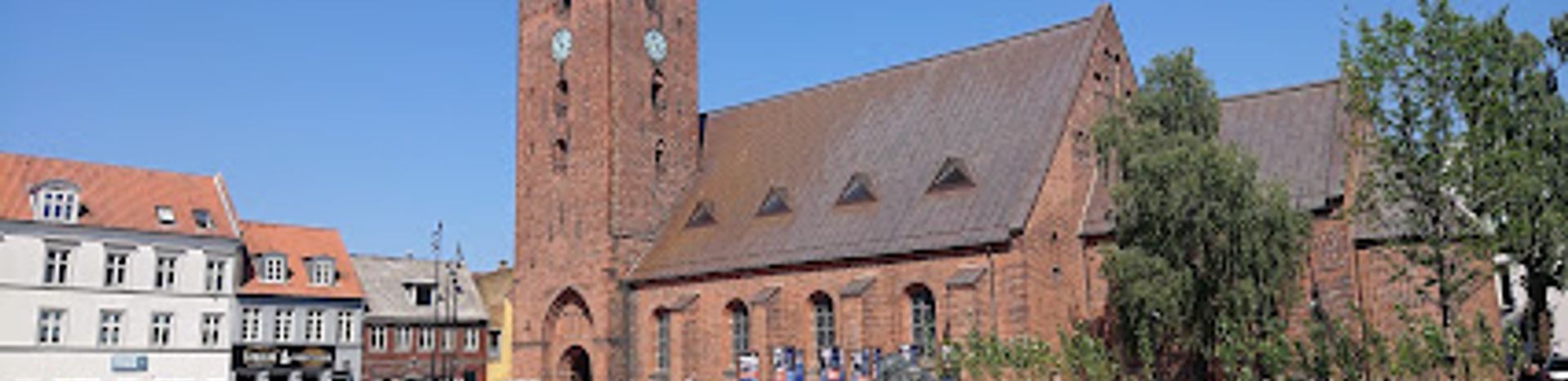
Church of Our Saviour (Vor Frelsers Kirke), Horsens
Medieval brick, Baroque grace and a renewed interior meet at Horsens’ historic town-square church, the oldest building within the city and its spiritual centre.
Rising over the main square of Horsens, the Church of Our Saviour is the city’s historic heart and one of Denmark’s most atmospheric town churches. Dating back to around 1225, this Lutheran parish church blends Romanesque roots with later Baroque touches and a thoroughly renewed interior after a devastating arson attack in 2018. Step inside between services to find elegant memorials, gravestones and a light-filled space that tells the story of Horsens’ development from medieval market town to modern city.
A brief summary to Church of Our Saviour
- Torvet 9, Horsens, 8700, DK
- +4575621393
- Visit website
- Duration: 0.5 to 1.5 hours
- Free
-
 Indoor
- Mobile reception: 4 out of 5
- Monday 9 am-1 pm
- Tuesday 9 am-1 pm
- Wednesday 9 am-1 pm
- Thursday 9 am-1 pm
- Friday 9 am-1 pm
Local tips
- Visit in the late morning on a weekday, when the church office is open and the square is lively, but check that no service, wedding or funeral is in progress before entering.
- Once inside, walk slowly along the walls and aisles to notice the memorial tablets and gravestones, which tell stories of Horsens’ influential merchants and officials.
- Pair your visit with a coffee or lunch at one of the nearby cafés on Torvet to enjoy views of the tower and see how the church shapes everyday life in the square.
- If your dates coincide with a concert, especially around the Horsens Medieval Festival or major church holidays, arrive early to secure a good seat and soak up the acoustics.

For the on-the-go comforts that matter to you
- Restrooms
- Seating Areas
- Trash Bins
- Information Boards
Getting There
-
Train and short walk from Aarhus
From Aarhus, take a regional train to Horsens Station; departures run at least twice per hour during the day and the journey takes around 30–35 minutes. Standard adult single fares are typically in the range of 70–110 DKK depending on time and ticket type. From Horsens Station it is an easy, mostly level 10–15 minute walk through the city centre to Torvet, where the church stands. Pavements are generally smooth and suitable for wheelchairs and strollers, though cobblestones near the square can be slightly uneven.
-
Intercity train from Copenhagen
From Copenhagen’s main station, direct intercity trains run to Horsens several times per day, with a travel time of about 2 hours 15 minutes to 2 hours 30 minutes. Advance purchase tickets typically range from about 200–400 DKK one way, depending on flexibility and time of day. On arrival at Horsens Station, follow the main streets towards the centre; the walk to the church on Torvet takes roughly 10–15 minutes on mostly flat terrain. This option is comfortable year‑round and avoids the need for a car.
-
Car from Vejle and other Jutland towns
If you are driving from Vejle or other towns in eastern Jutland, allow around 30–40 minutes from Vejle to Horsens via the main motorway under normal traffic. There is no parking directly on the square in front of the church, but several public car parks and street‑parking zones lie within about a 5–10 minute walk of Torvet. Expect typical Danish city‑centre parking fees in the region of 10–25 DKK per hour during the day, with time limits and enforcement varying by zone. Surfaces between parking areas and the church are a mix of asphalt and cobblestones.
-
Local bus from Horsens suburbs
City buses in Horsens connect residential areas and nearby villages with the centre. Most lines stop within a few minutes’ walk of Torvet, and journey times from outlying districts are usually 10–25 minutes depending on distance and traffic. A single city bus ticket commonly costs around 20–30 DKK for adults and can be bought on board or via local ticket apps, with discounts for children. Buses generally run more frequently on weekdays than evenings or Sundays, so check timetables if travelling late in the day.
Church of Our Saviour location weather suitability
-
 Any Weather
-
 Rain / Wet Weather
-
 Cold Weather
-
 Mild Temperatures
Discover more about Church of Our Saviour
A medieval church at the heart of Horsens
The Church of Our Saviour stands on Torvet, the main square of Horsens, and has shaped the city’s skyline for centuries. Believed to date from around 1225, it is considered the oldest building within the original town, raised when Horsens was emerging as an important royal and trading centre. Its position on the square underlines its role as both spiritual home and urban anchor: for generations, life in Horsens has unfolded in its shadow, from markets and proclamations outside to baptisms and funerals within. Originally built in brick at a time when this was an expensive and prestigious material, the church signalled royal ambition. Earlier churches nearby had been constructed in stone or wood, so using brick here aligned Horsens with major royal projects elsewhere in Denmark and marked the town out as a place of consequence.From royal foundation to hospitaler stronghold
The church’s origins are closely tied to the Danish crown. It was founded under King Valdemar the Victorious, who used ecclesiastical building to consolidate royal power. In 1351 ownership passed from the king to the Knights Hospitaller, the same order that ran the nearby monastery and monastery church just a short walk away. For nearly two centuries, the church formed part of a religious complex that combined worship, charity and landholding. The Reformation in the 16th century reshaped Horsens and its institutions. As Lutheranism became the state religion, the Catholic monks were expelled from town in the 1530s, and the Church of Our Saviour gradually took on its present role as a Lutheran parish church. Yet the layered history of royal, monastic and civic ownership still lingers in its walls and memorials.Architecture shaped by changing eras
Although its core is medieval, the church has been reworked many times, and today it is often described as one of Denmark’s most beautiful Baroque town churches. The basic structure stems from its early Romanesque and Gothic phases, but subsequent rebuilding and heightening, especially of the tower, brought in later styles. The red-brick exterior, tall tower with clock, and copper-clad details give the building a dignified profile against the square. Inside, the church once held a renowned 17th‑century pulpit, considered among the finest Renaissance woodcarvings in Denmark. Over the centuries, new furnishings, galleries and monuments were added as Horsens’ merchant and official classes sought to leave their mark. Elegant epitaphs and gravestones for prominent citizens still line the walls and floor, reminders that burial inside the church was once a privilege reserved for the town’s elite.Fire, loss and careful renewal
In 2018, the Church of Our Saviour suffered an arson attack that destroyed irreplaceable art, including the historic pulpit. The blaze was a cultural shock for Horsens, robbing the city of some of its finest woodcarving and sacred art. In the aftermath, the entire interior underwent a major renovation, completed in 2020. The restoration balanced respect for the building’s long story with the need to create a coherent, functioning space for contemporary worship. Today the interior feels fresh yet rooted in tradition, with a clear, bright layout that highlights surviving historic details and newer liturgical furnishings. The renewed space lends itself not only to services but also to concerts and special events, where music resonates beneath the high vaults and across centuries of history.Quiet reflection amid a busy square
During daytime opening hours, when no services, weddings or funerals are taking place, visitors are welcome to step inside. Crossing the threshold from the lively square, you enter a calmer world of filtered light, stone, and wood. Benches offer space to sit and take in the atmosphere, while plaques and memorial stones invite closer inspection. The church’s long connection to Horsens’ wealthiest families is still written in names and coats of arms at your feet and on the walls. Outside, the church remains a natural landmark for orienting yourself in the compact city centre and a focal point during festivals and civic events. Whether you slip in briefly between errands or linger during a concert, the Church of Our Saviour offers a powerful sense of continuity—an unbroken line linking medieval craftsmen, hospitaler monks, Lutheran pastors and today’s residents and travellers.Iconic landmarks you can’t miss

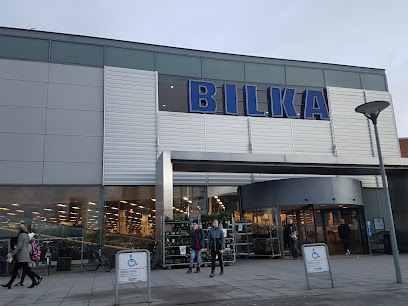
Bilka Horsens
0.5 km
Experience the rich theatrical heritage of Odense at the historic Comediehuus, a cultural landmark since its inception.
Horsens Tourist Information Centre
1.7 km
Experience the heart of Danish comedy at Odense Comediehuus, where culture and laughter unite in the vibrant city center.
Jættestuen grønhøj
4.2 km
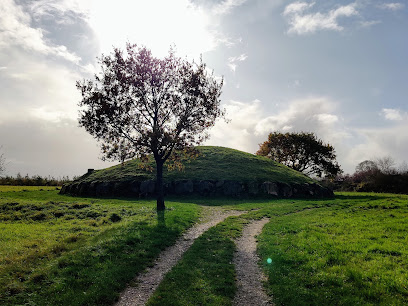
5.000 år gammel jættestue midt i det østjyske kulturlandskab – et stille møde mellem bondestenalderens stenkonstruktioner, skov, marker og Bygholm Sø.
Årtusindeskifte Eg
6.0 km
An ancient oak rooted in Horsens' heart, where nature and urban life converge in timeless harmony.
Genforeningssten på Ejer Bavnehøj
12.8 km
Denmark's third-highest point crowned with a monumental 1920 reunification memorial and iconic tower.
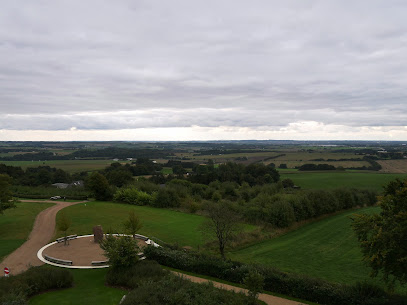
Ejer Bavnehøj
12.9 km
A modest Danish hill with a mighty horizon, Ejer Bavnehøj blends reunification history, beacon legends and big-sky views into an easy, rewarding countryside stop.
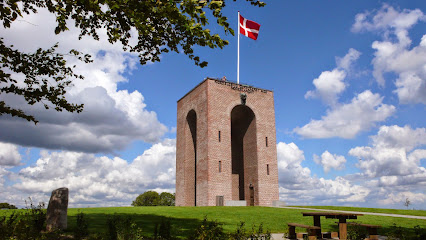
Ejerbavnehøj MØDESTED
12.9 km
Denmark's third-highest peak crowned by a 1924 monument to national reunification, offering panoramic views and historic significance.
Det gamle vandtårn
23.8 km
Skanderborg's 41.5-meter castle-style water tower from 1908—a striking symbol of industrial heritage and urban progress.
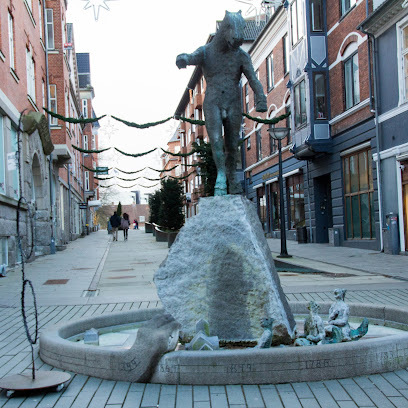
The Midgård Well
26.1 km
A coiled Norse serpent, a quiet city fountain and a whole mythic world wrapped into one small corner of central Vejle.
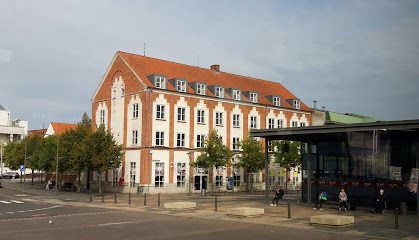
VisitVejle
26.3 km
Explore Andelstrappen and Fortællegyngestolen in Odense: A fusion of nature's beauty and rich literary heritage.
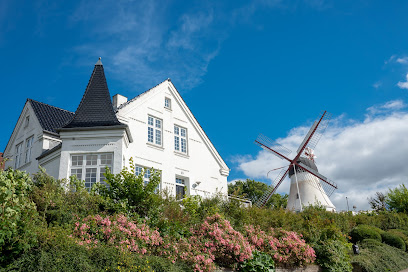
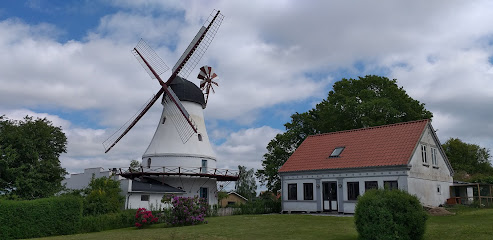
Vejle Vindmølle
27.0 km
Historic windmill turned art gallery with panoramic city views and rotating contemporary exhibitions.
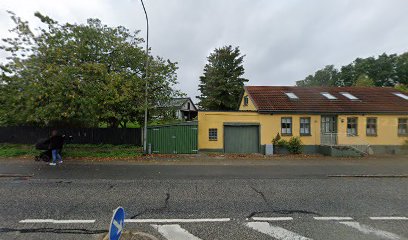
Vejle Kunstforening
27.0 km
Discover the serene beauty of Sneglehøjen, Odense's tranquil natural retreat.
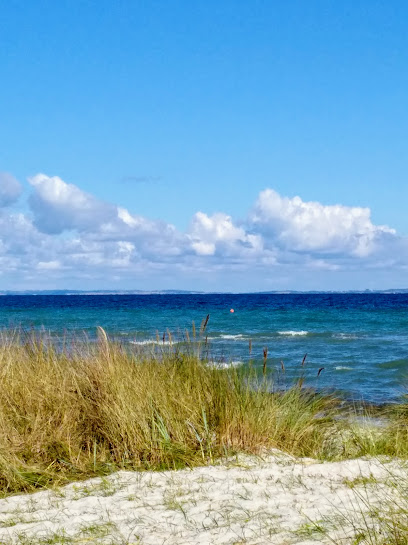
Saksild Beach
28.2 km
Discover Denmark's best-kept secret: Saksild Beach, a family-friendly paradise with soft sands, shallow waters, and endless coastal charm on the Odder coast.
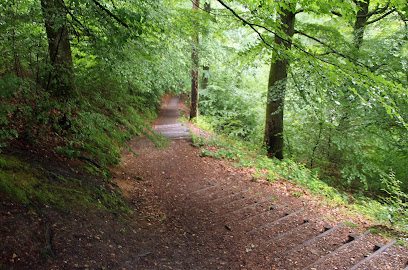
H.C. Andersen bench
28.7 km
A literary memorial where Denmark's beloved fairy tale author found inspiration amid rolling hills and sparkling lakes.
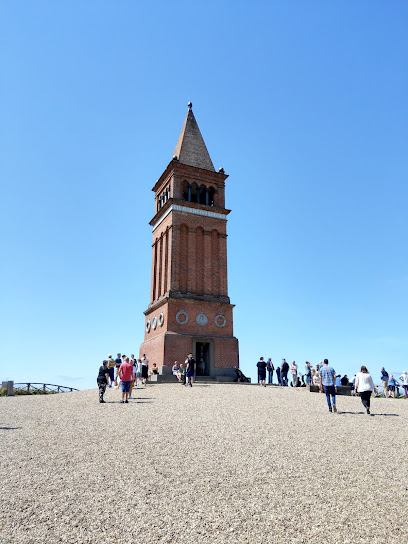
Bestig Himmelbjerget
28.7 km
Discover breathtaking views and rich history at Himmelbjerget, Denmark's iconic Sky Mountain in the heart of the Lake District, offering hiking, boat trips, and cultural experiences.
Unmissable attractions to see

Horsens Holder
0.0 km
A lively street festival that turns Horsens’ central Søndergade into a relaxed urban playground of music, food, stalls and community life for all ages.
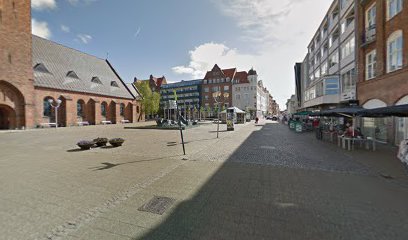
Mindesmærke over faldne frihedskæmpere
0.2 km
A modest corner memorial on Borgergade where Horsens quietly honours its fallen World War II resistance fighters and the hard-won freedoms they defended.
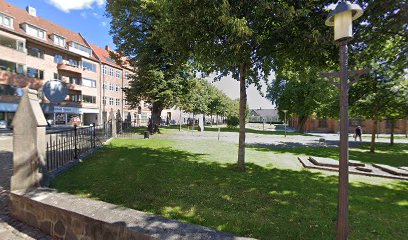
Rådhusparken
0.4 km
A modest green pause in the heart of Horsens, where everyday city life meets street art, dog walkers and quiet benches beneath mature trees.
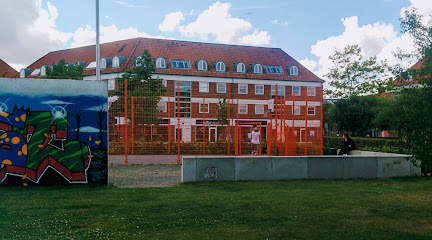
Industrimuseet
0.6 km
A living industrial museum in Horsens’ old gasworks, where roaring engines, workers’ homes and playful workshops bring Denmark’s modern story to life.
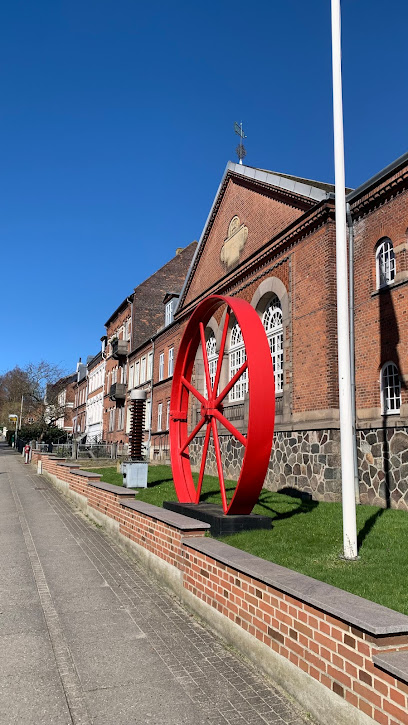
Horsens Art Museum
0.6 km
Hilltop hub of contemporary Danish art, pairing bold architecture, major national artists and parkland sculpture in leafy Caroline Amalie Lund.
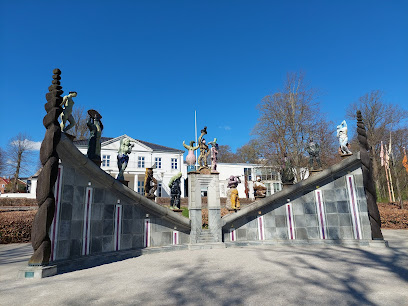
Horsens Museum
0.7 km
Intimate local-history museum in a 1915 park-side villa, tracing 10,000 years of Horsens life from prehistoric graves and merchants’ mansions to war, industry and exploration.
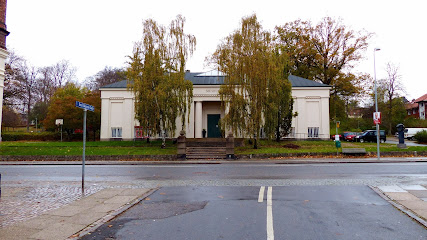
Wanna Be Mermaid
0.7 km
A bold, contemporary mermaid by Maria Rubinke on Horsens’ harbourfront, blending fairytale symbolism, waterfront scenery and modern public art in one quick stop.
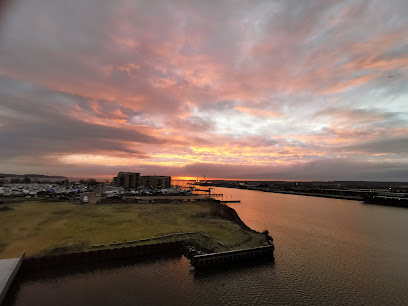
Lunden
0.7 km
Leafy city park by day, open-air rock stage by night – Lunden is Horsens’ green gathering place and the home of the Rock i Lunden summer concerts.
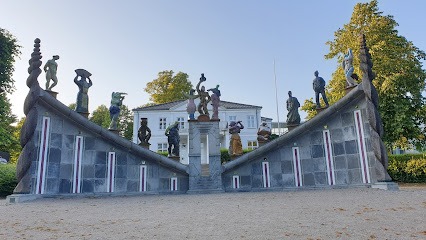
Vitus Beringsparken
0.8 km
A compact 1950s city park in central Horsens, Vitus Beringsparken blends green lawns, rhododendrons and local history into a quiet pause between station and shops.
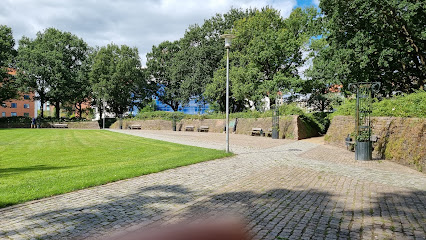
Horsens Banegård Park
0.9 km
A compact green pause beside Horsens railway station, where commuters, locals and dog walkers share a simple slice of lawn, trees and benches in the city’s busy heart.
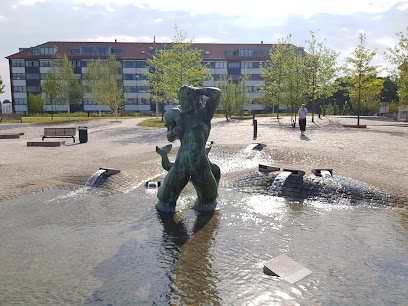
Horsens Garden
1.1 km
Step inside Horsens’ storied cotton factory to experience Denmark’s industrial transformation—hands-on workshops, authentic machinery, and immersive exhibitions await.
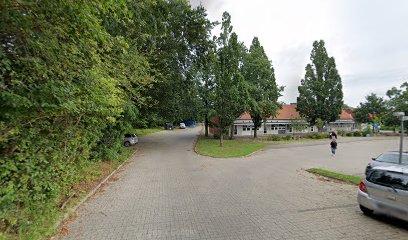
Lilian's tree
1.2 km
Ancient tree, riverside serenity, and family-friendly art in Horsens' most beloved waterfront escape.
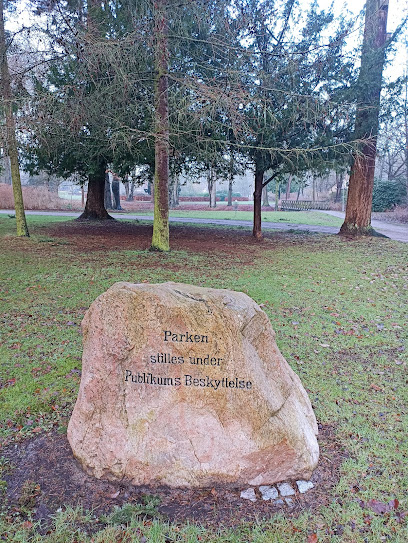
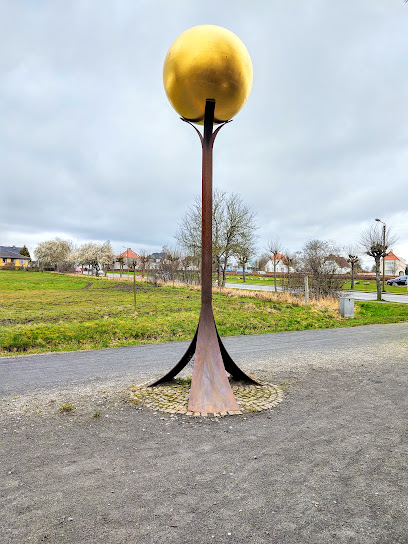
Planetstien
1.3 km
Walk or cycle through a scaled solar system along Horsens Fjord, where art, astronomy and easy nature trails meet on the scenic Planetstien path.
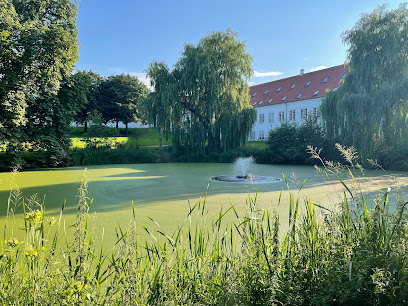
Bygholm Park
1.4 km
Leafy manor grounds that blend playgrounds, picnics and lakeside trails into Horsens’ most effortless everyday escape.
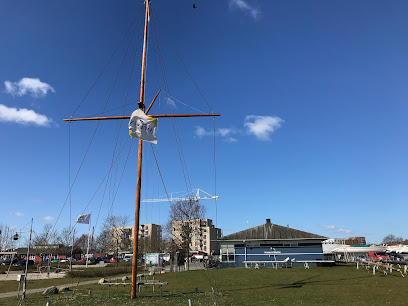
Horsens Marina
1.5 km
Atmospheric fjord‑end marina blending red fishing sheds, modern yacht facilities and easy city access on the waterfront edge of Horsens.
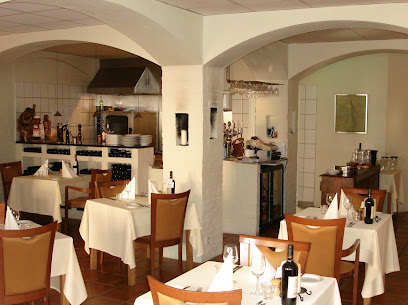
Essential places to dine

Restaurant Munken
0.1 km
Candlelit Danish comfort and seasonal cooking in a cosy Horsens dining room, where classic flavours, warm service and unhurried evenings define the experience.
Corfitz restaurant - bar
0.2 km
Casual city‑centre café, restaurant and bar on Horsens’ main pedestrian street, serving hearty comfort food, drinks and all‑day people‑watching on Søndergade.
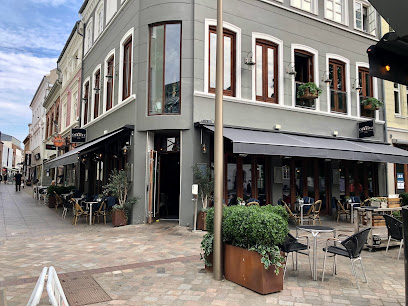
Restaurante Venezia
0.3 km
Authentic Italian cuisine in a warm, welcoming Horsens setting.
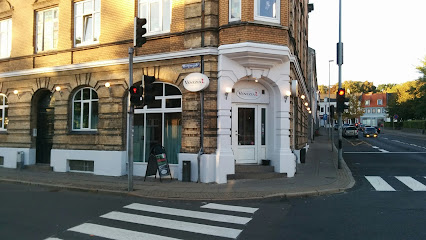
Restaurant Eydes
0.3 km
Historic cellar dining where Danish-French cuisine meets centuries of local tradition.
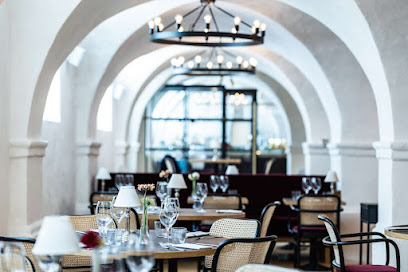
Bone's Horsens
0.3 km
Lively American-style family restaurant in central Horsens, serving BBQ ribs, steaks, burgers and all-you-can-eat sides in a cosy, memorabilia-filled saloon setting.
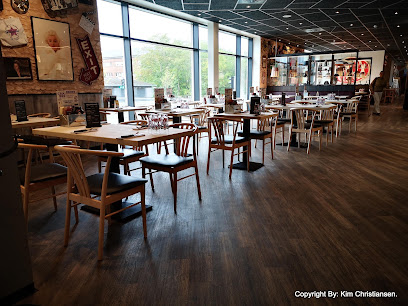
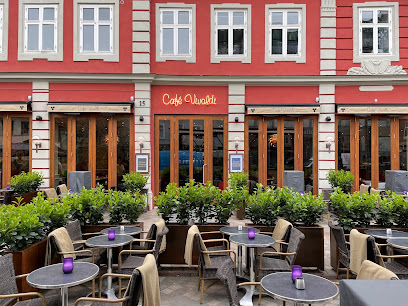
Cafe Vivaldi
0.3 km
Casual brasserie-style café on Horsens’ busy Søndergade, serving comfort food, coffee and drinks all day in a warm, modern setting with street-side seating.
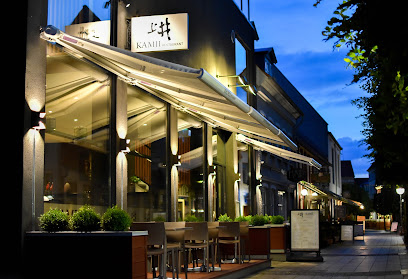
Kamii Horsens
0.3 km
Modern sushi bar and Asian steak restaurant in central Horsens, where fresh handcrafted rolls meet warm kitchen favourites and flexible menus for every occasion.
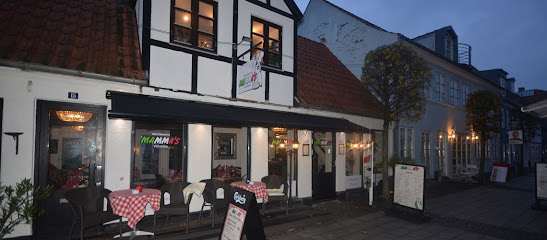
Restaurant Mamma's
0.4 km
Authentic Italian pizzas and pastas in a warm, unpretentious setting on Grønnegade.
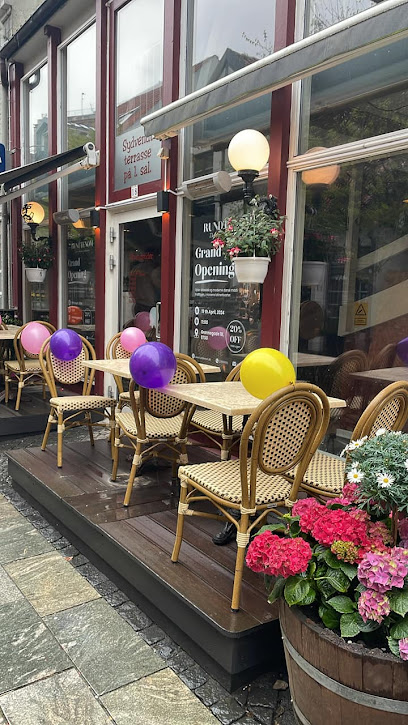
rundtenom
0.4 km
Closed but fondly remembered Danish eatery in central Horsens, once known for classic smørrebrød, generous stegt flæsk evenings and a warm, homely atmosphere.
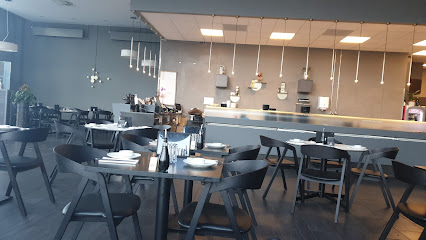
Great sushi
0.4 km
Premium all-you-can-eat sushi with theatrical presentation and authentic Japanese technique in central Horsens.
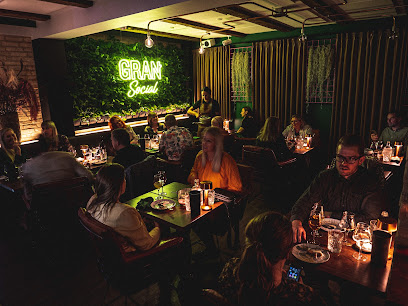
GRAN Social
0.4 km
Contemporary Danish comfort food, weekend DJs and crafted cocktails meet under one stylish roof at this all‑day restaurant and bar in central Horsens.
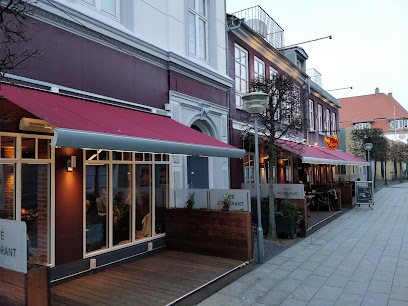
Restaurant Oksen
0.4 km
Horsens's premier steakhouse since 1986, serving expertly prepared beef and Danish hospitality.
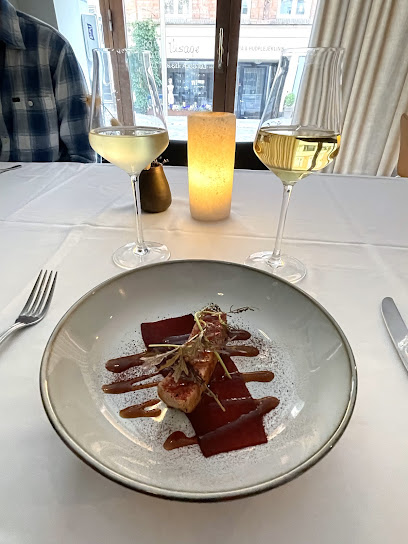
Ji-Mi's
0.4 km
Intimate tasting-menu restaurant in Horsens’ Latin Quarter, showcasing local Danish produce and thoughtful wine pairings in a cosy, chef-led dining room.
Det Ny Kronborg
0.4 km
Traditional Danish restaurant and banquet hall in a quiet Horsens street, combining white-tablecloth charm, hearty cooking and a relaxed, grown‑up atmosphere.
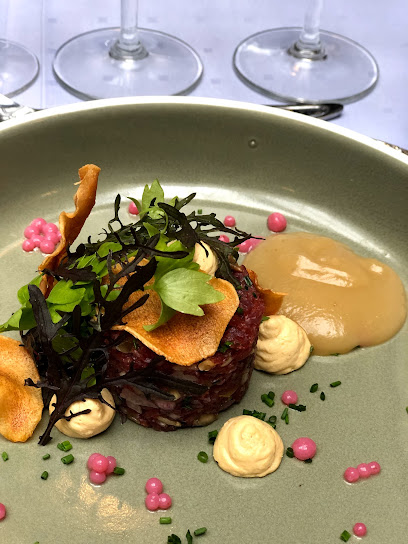
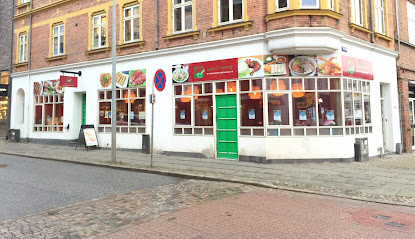
Hien's Vietnamesisk Køkken
0.4 km
Cozy Vietnamese kitchen in central Horsens, serving fresh rolls, bánh mì, noodles and signature house specialties in a relaxed, everyday-friendly setting.
Markets, malls and hidden boutiques

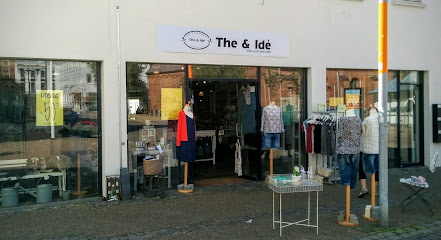
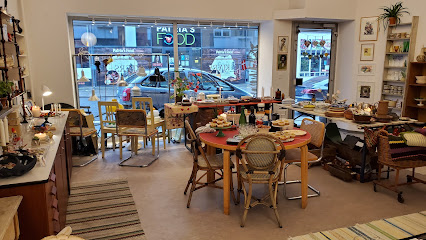
The & Idé ApS
0.1 km
Atmospheric concept store on Horsens’ main square, blending tea shop, gift boutique, deli treats and women’s fashion into one warmly hygge shopping stop.
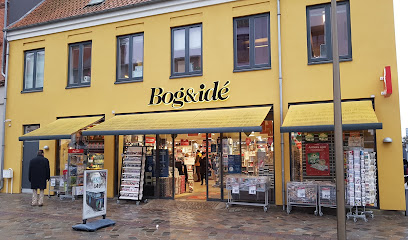
Bog & idé Horsens
0.1 km
Central Horsens bookstore and gift shop combining books, games and stationery in a relaxed, family-friendly setting on pedestrian Søndergade.
Kjærs Magasiner
0.1 km
Vintage treasures and contemporary art in the creative heart of Horsens
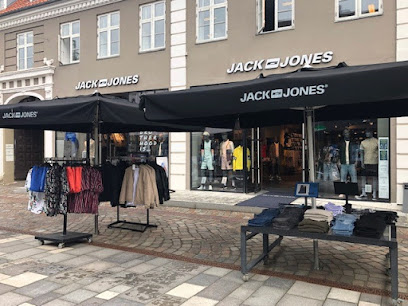
JACK & JONES
0.1 km
Central Horsens menswear hub for denim, casual staples and smart-casual outfits on lively Søndergade, ideal for a quick wardrobe update during a city stroll.
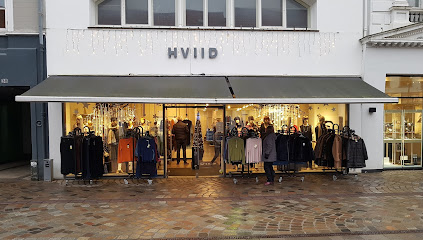
Hviid
0.1 km
Intimate womenswear boutique on Horsens’ main pedestrian street, offering quality-focused Scandinavian style, curated brands and personal, unhurried service.
Tøjbutikker
0.1 km
Discover the vibrant shopping and cultural hub of Søndergade in Horsens, featuring over 150 diverse shops and lively events.
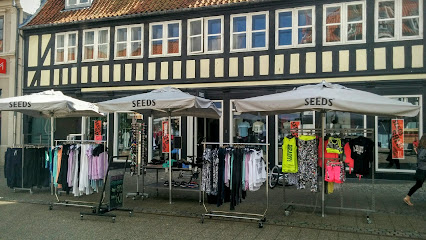
Seeds
0.1 km
Scandi-style children’s boutique in the heart of Horsens, offering cozy, practical fashion for babies, kids and teens along the pedestrian Søndergade shopping street.
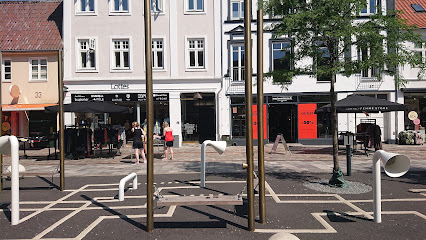
HOMME FEMME STORE
0.2 km
Contemporary menswear and womenswear with a clean, urban Scandinavian feel, set on Horsens’ lively Søndergade pedestrian street.
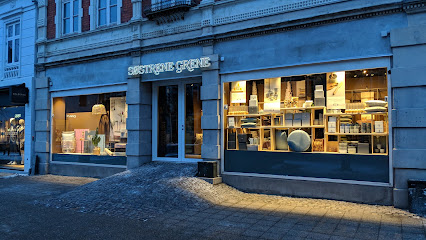
Søstrene Grene
0.2 km
Scandinavian design meets everyday creativity in Horsens' premier lifestyle and home décor destination.
SELECTED
0.2 km
Contemporary Scandinavian fashion for men and women on Horsens’ main pedestrian street, blending clean design, versatile pieces and a calm, minimalist store feel.
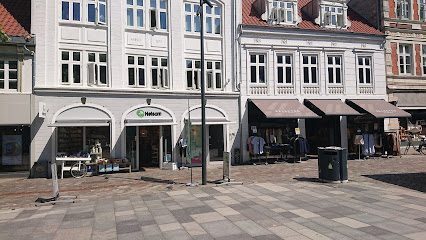
Tøjbutik
0.2 km
Straightforward, central clothing shop on Horsens’ main pedestrian street, ideal for quick wardrobe updates during a wider stroll through the compact city center.
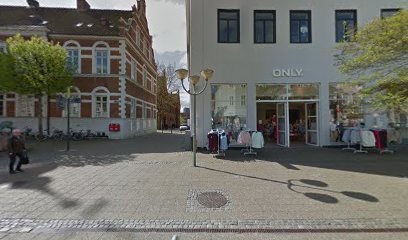
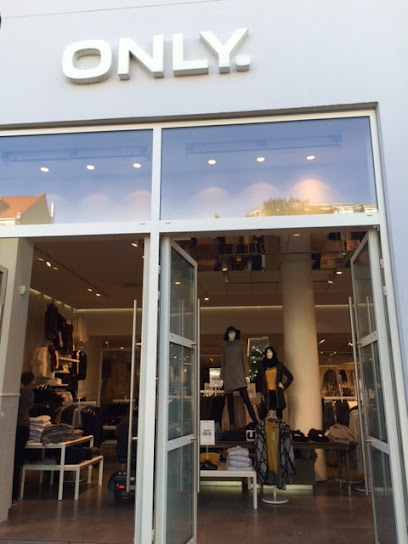
ONLY
0.3 km
Central Horsens womenswear store blending denim heritage, fast-changing trends and affordable Scandinavian style on lively pedestrian Søndergade.
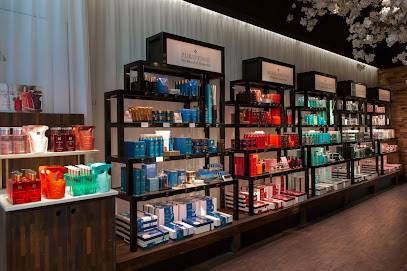
Rituals
0.3 km
A soothing cosmetics boutique on Horsens’ main shopping street, blending spa-like calm, scented rituals and beautifully packaged gifts for body and home.
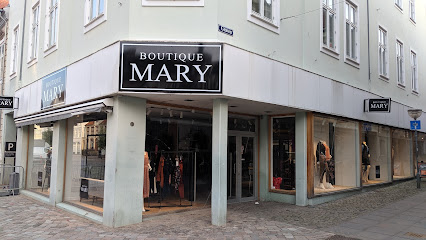
Boutique Mary
0.3 km
Intimate women’s fashion boutique on Horsens’ main pedestrian street, blending Scandinavian everyday style, personal advice and seasonal looks in a cosy setting.
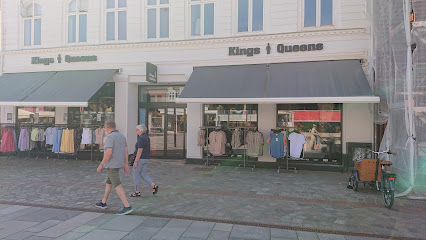
Kings & Queens Horsens
0.3 km
Youthful fashion hub in central Horsens, bringing together trend-led Scandinavian and international brands for men and women in one approachable, urban-style store.
Essential bars & hidden hideouts

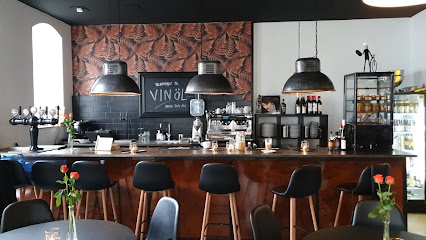
VINöL Gastro - Rock - Bar
0.1 km
Cosy Horsens hangout where specialty brews, hearty comfort food and a rock-driven soundtrack once turned a Borgergade corner into an intimate local institution.
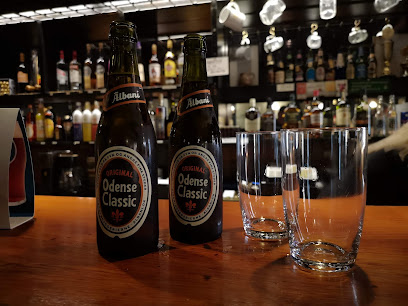
Vitus Berings Pub
0.1 km
Casual Danish pub on Horsens’ Søndergade, pouring affordable beers, showing sports and offering a cosy, no-frills slice of local nightlife in the town center.
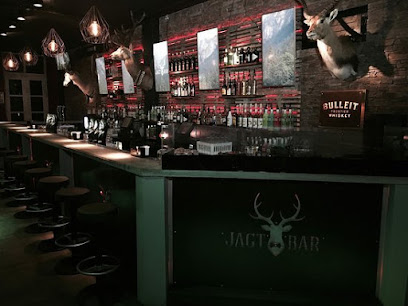
Jagtbar Horsens
0.2 km
Hunting-lodge charm meets downtown nightlife at this cosy Horsens bar–club, where early-evening hygge evolves into a high-energy dance floor.
Bar' Rolig
0.2 km
Relaxed games bar in Horsens' historic center with pool, darts, and friendly vibes.
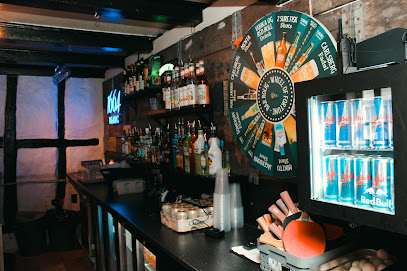
B-A-R 2 Aps
0.3 km
Casual, central and unpretentious, B-A-R 2 Aps is a friendly neighborhood bar in Horsens’ old town, ideal for relaxed drinks from daytime pit stop to late-night meet-up.
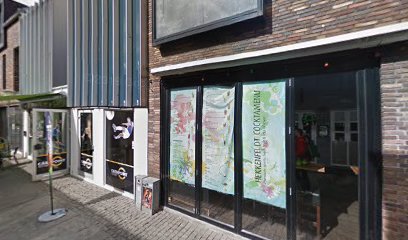
Kokomo Horsens
0.3 km
Three floors of tropical cocktails, DJs and late-night energy in the heart of Horsens’ old town nightlife district.
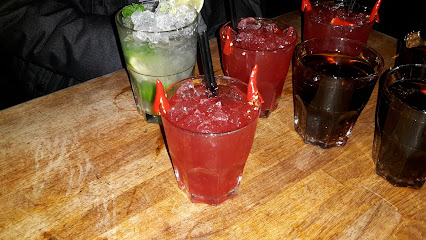
Cashpoint Sportsbar
0.3 km
Horsens's premier sports bar with multiple screens and live betting action.
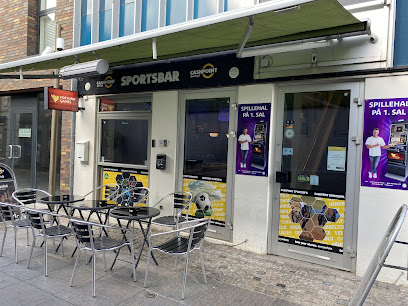
Zwei Grosse Bier Bar Horsens A/S
0.3 km
High-energy Alpine after-ski bar in central Horsens with big beer steins, Schlager singalongs and a late-night dance-floor party vibe.
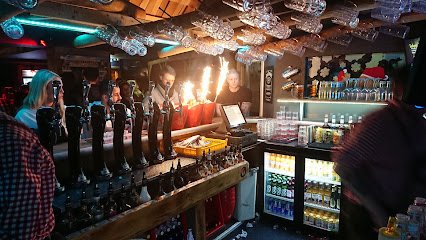
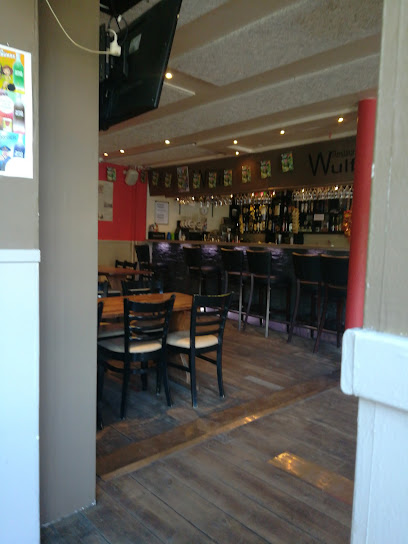
Restaurant Wulff ApS
0.3 km
Late-night bar and nightclub-style hangout in central Horsens, turning quiet Rædersgade into a lively social hub on Thursday, Friday and Saturday nights.
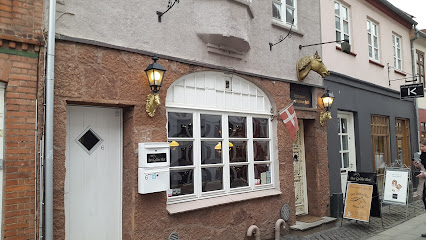
The Golden Horse
0.4 km
Unpretentious local bar in central Horsens, pouring affordable drinks from morning to late night amid slot machines, sports on TV and easygoing neighborhood chat.
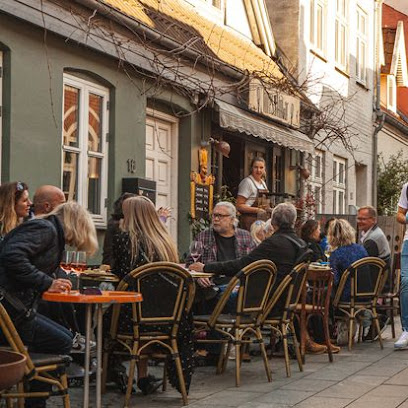
Vores lille Vinbar
0.4 km
An intimate Horsens wine bar where candlelight, jazz and personal guidance meet a carefully curated selection of wines by the glass and bottle.
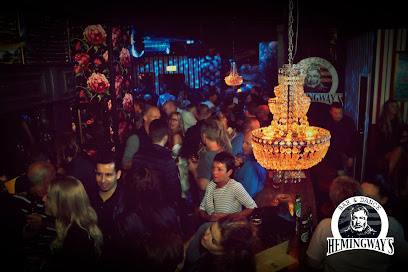
Hemingway's Horsens
0.4 km
Late-night bar and nightclub in central Horsens, delivering cocktail-fueled weekends, loud music, and a packed dance floor until the early morning hours.
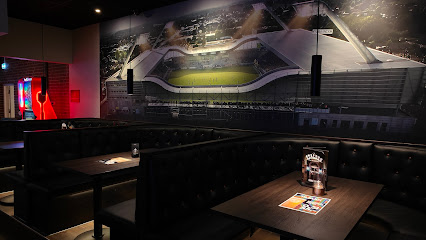
Stalden
0.4 km
Relaxed pool and sports bar in central Horsens, blending cue sports, big-screen matches, board games, casual bites and easygoing drinks in one social hangout.
Horsens Sport og Pool Bar
0.4 km
Central Horsens sports bar with 23 screens, pool tables, and competitive games in a welcoming, energetic atmosphere.
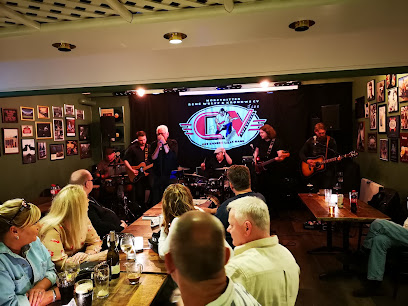
Morzybitten
0.5 km
Cozy Danish pub‑brasserie in central Horsens, pairing classic smørrebrød and hearty dishes with a remarkably broad beer list and occasional intimate live music.
Nightclubs & after hour spots

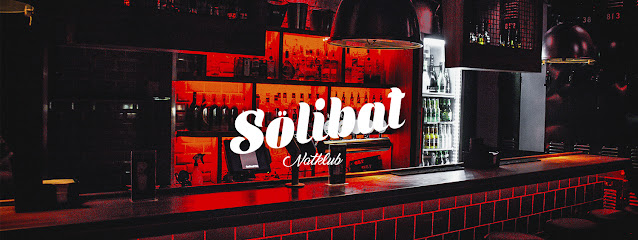
Sölibat Natklub
0.4 km
Late-night, no-frills clubbing in central Horsens, where loud music, simple drinks and a compact dance floor create an unapologetically local party vibe.
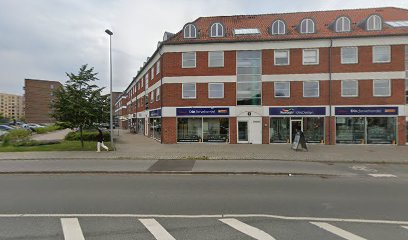
Oskar hossman
0.4 km
Compact, high-energy nightclub in central Horsens, where pulsing beats, colourful lights and a sociable crowd define the city’s after-hours heartbeat.
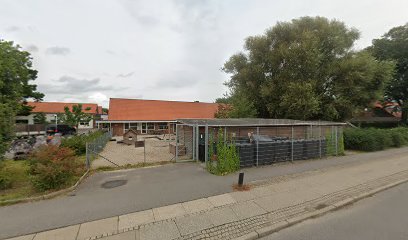
PDD
1.1 km
Compact, no-frills nightclub on Lindvigsvej in Horsens, offering late-night dancing, simple drinks and an intimate, local-party atmosphere on weekends.
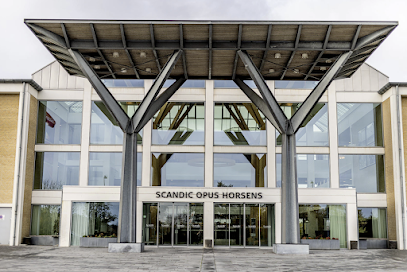
Scandic Opus Horsens
1.8 km
A contemporary Scandinavian hotel in Horsens with spa, dining, and panoramic city-to-nature views—an elegant gateway to both urban and outdoor experiences.
Horsens New Style Dance Club
5.6 km
Horsens' premier line dancing venue where beginners and advanced dancers unite in movement and community.
Team Paderborner
19.0 km
Nightclub entertainment in Denmark's scenic Dyrehaven forest and lakeside setting.
Bastian Bar & Nightclub, Odder - Nightclub
22.1 km
Odder's central nightlife destination for weekend entertainment and social gathering
temabar APS 23-05
26.1 km
Tropical vibes and late-night dancing in Vejle's energetic weekend hotspot.
NOX Network Ltd.
26.9 km
Small-city Danish nightclub in Vejle with a central dance floor, upbeat chart music, and a straightforward, late-night party atmosphere.
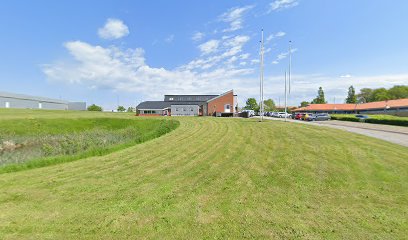
AHA Livestage
33.5 km
Intimate live music and cocktail-driven nightlife in the heart of Fredericia, where high-quality sound and curated events turn selected evenings into standout parties.
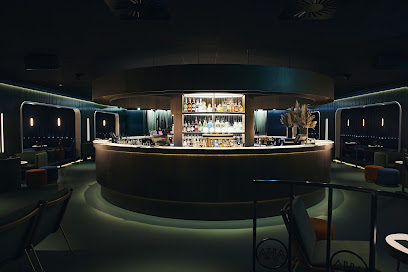
Luksusmassage Århus
37.2 km
Experience Aarhus's dynamic nightlife at Luksusmassage, where music and energy blend for an unforgettable evening.
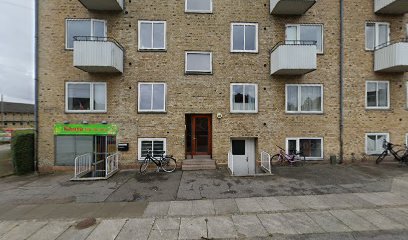
Tucan Swinger & wellness Club
38.6 km
Adults-only swinger and wellness retreat in rural Jutland, blending erotic exploration, spa comforts and themed rooms in a discreet, rules-based environment.
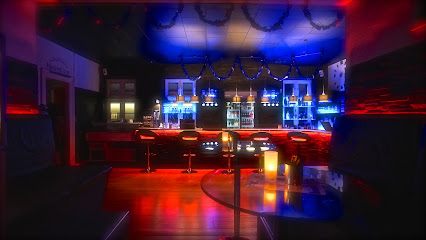
B'sharp - Silkeborg Rhythm Og Blues Association
38.8 km
Volunteer-run blues stronghold in central Silkeborg, where intimate weekend concerts, affordable drinks and close-up performances keep rhythm & roots music alive.
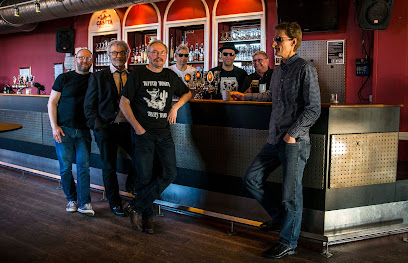
Rabalder Bar
38.9 km
Lively late-night bar in central Silkeborg, known for energetic weekends, diverse drinks, fun music, and a welcoming, unpretentious atmosphere for locals and travelers.
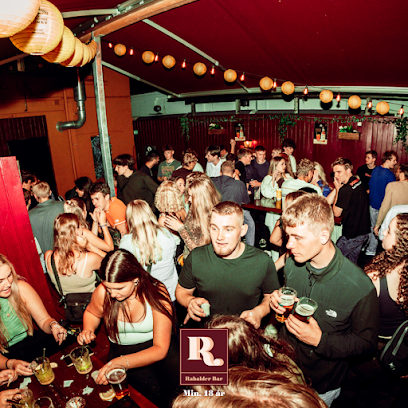
Butchers Silkeborg
38.9 km
Late-night meat-focused nightclub and bar in central Silkeborg, open Friday and Saturday until 5 AM.
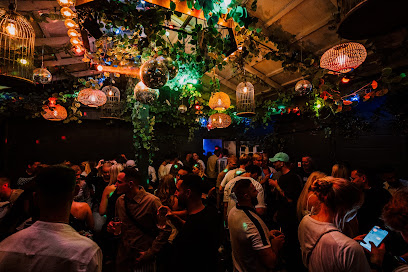
For the vibe & atmosphere seeker
- Tranquil
- Scenic
- Unique
- Casual
For the architecture buff
- Historic
- Sacred Sites
- Heritage Neighborhoods
- Landmarks
For the social media creator & influencer
- Photo Spots
- Architectural Shots
For the eco-conscious traveler
- Public-Transport Accessible
- Low Impact
- Locally Managed
For the kind of experience you’re after
- Cultural Heritage
- Photowalk
- Day Trip
- Festival / Event Nearby
- Mindfulness
- Meditation Spot
For how adventurous you want the journey to be
- Easy Access
Location Audience
- Family Friendly
- Senior Friendly
- Child Friendly
- Teen Friendly
- Solo Friendly
- Couple Friendly
- Solo Female Friendly
- LGBT Friendly


