Vitus Beringsparken, Horsens Travel Guide
A compact 1950s city park in central Horsens, Vitus Beringsparken blends green lawns, rhododendrons and local history into a quiet pause between station and shops.
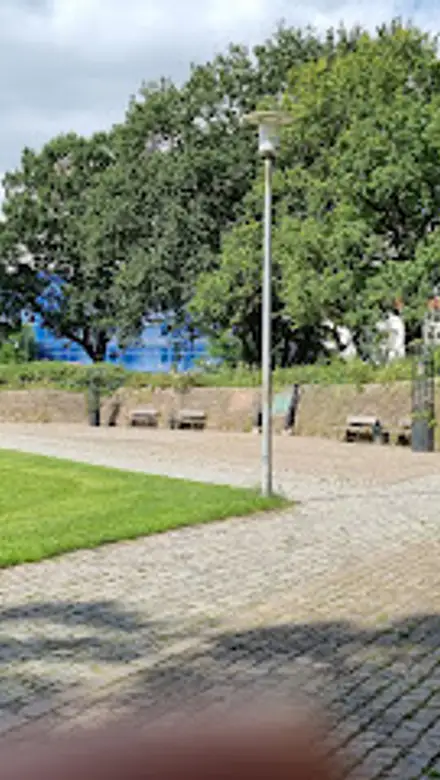
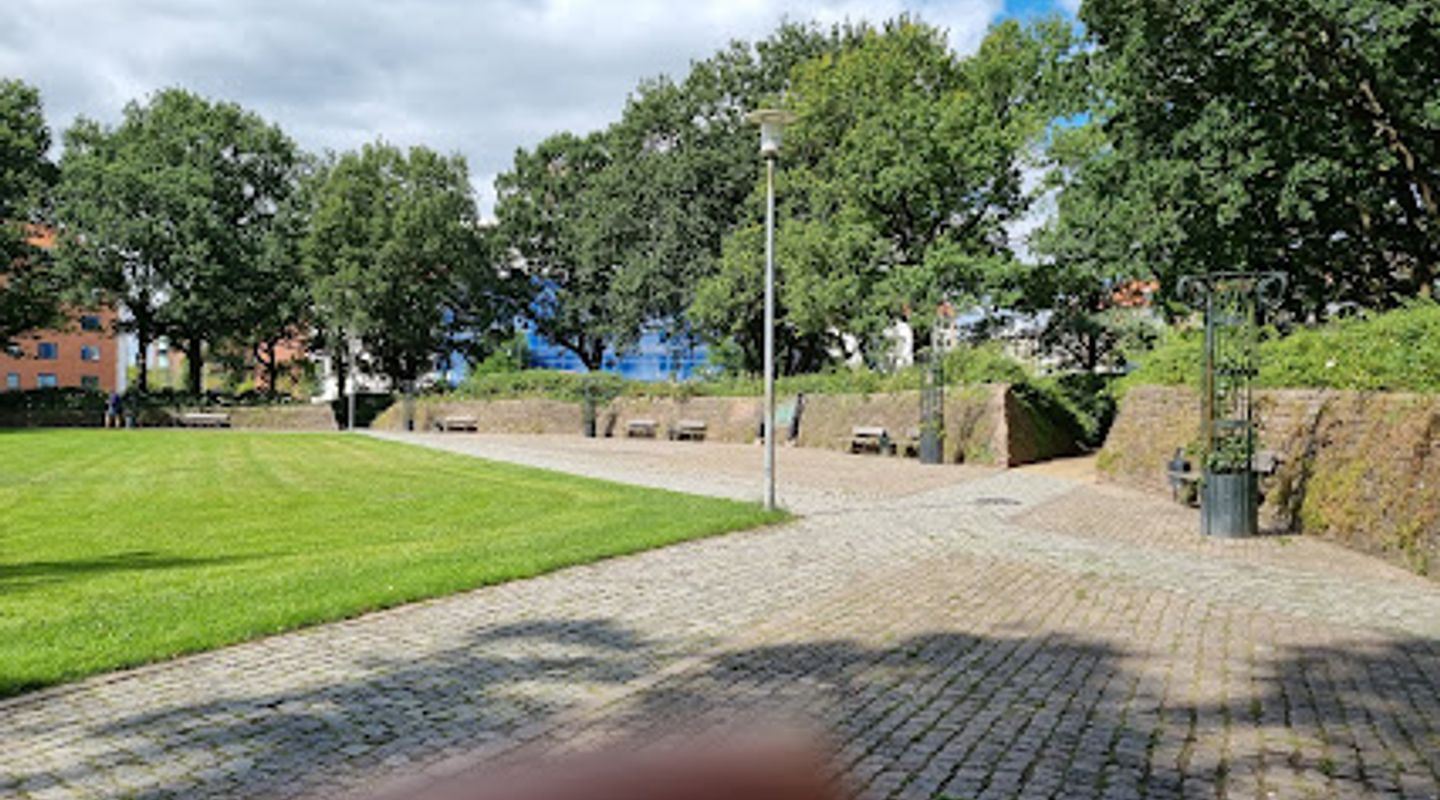
Vitus Beringsparken is a small, leafy city park in central Horsens, tucked between the train station and the main shopping streets. Named after the explorer Vitus Bering, this 1950s planned park offers lawns, mature trees and rhododendron beds, with paths, benches and open grass perfect for a quiet pause. Its central position makes it an easy green escape for picnics, a short stroll or a breather between trains and errands in Horsens.
A brief summary to Vitus Beringsparken
- Horsens, 8700, DK
- Duration: 0.5 to 2 hours
- Free
-
 Outdoor
- Mobile reception: 5 out of 5

Know before you go
Hi, I'm Eve. Here are a few practical things to know before exploring Vitus Beringsparken.
- Plan a short stop here between trains or errands; the park sits conveniently between Horsens Station and the main pedestrian streets.
- Visit in late spring or early summer to see rhododendrons and other shrubs in bloom, when the park feels particularly colourful.
- Look out for the historic cannons installed in the park, which connect this quiet green space with Horsens’ maritime and military heritage.
- Bring a takeaway coffee or simple picnic; there are benches and lawns, but no dedicated café inside the park itself.
- The paths are relatively flat and short, making the park suitable for wheelchairs, strollers and those who prefer gentle walking.
Do you manage this location?
Take control to get all the benefits, like improved information, better appearance, and stronger visibility across AI-powered discovery. Learn more about listing your business on Evendo
Activate your presenceOther nearby places you may find interesting
The closest places of the same kind, if this one is not quite what you had in mind.

Explore Vitus Beringsparken on the Map
A handpicked selection of must-see spots near Vitus Beringsparken, mapped for you.
Getting There
-
Train and walking
From Horsens Station, reach Vitus Beringsparken on foot in about 5–10 minutes, following city pavements and gently sloping streets suitable for wheelchairs and strollers. Trains to Horsens run frequently from cities like Aarhus and Vejle, with journey times typically 30–45 minutes and standard adult fares usually in the range of 60–120 DKK one way depending on time and ticket type.
-
Local bus and walking
Several local bus routes in Horsens stop within a 5–10 minute walk of Vitus Beringsparken, with flat, urban pavements for the final stretch. City buses generally operate every 15–30 minutes during the day, with reduced service evenings and weekends. A single adult ticket for local buses typically costs about 20–30 DKK, and tickets can usually be bought from machines, apps or on board where accepted.
-
Car or taxi
Driving from elsewhere in Horsens to the streets around Vitus Beringsparken usually takes 5–15 minutes, depending on traffic. Public parking in central Horsens includes a mix of free time‑limited spaces and paid zones; expect typical central parking fees of roughly 10–20 DKK per hour where charges apply, and be sure to check local signs. A short taxi ride from most central hotels to the park generally costs in the region of 80–150 DKK including starting fare.
For the on-the-go comforts that matter to you
-
 Seating Areas
-
 Trash Bins
-
 Information Boards
Discover more about Vitus Beringsparken
A green pause in the middle of Horsens
Vitus Beringsparken is one of Horsens’ most central pockets of greenery, a compact urban park that softens the transition between the busy railway station and the pedestrian shopping streets. Step through one of its simple entrances and the city noise fades, replaced by the rustle of leaves, birdsong and the low murmur of people using the lawns and benches.The layout is intentionally open and legible: a network of curving paths crosses tidy lawns and clusters of shrubs, inviting you to take a gentle circuit or cut straight through on your way into town. It feels like a classic town garden rather than a grand landscape, designed to be part of everyday life rather than a destination in itself.A planned post‑war park with a story
Vitus Beringsparken is considered a textbook example of a planned city park from the 1950s, created at a time when green breathing spaces were being woven deliberately into growing Danish towns. The design emphasises clear sightlines, open grass, and controlled plantings over wild nature, giving the park a calm and orderly character.The park has attracted heritage interest because it captures this era’s approach to urban planning almost unchanged. Details such as the layout of the main paths, the position of lawns, and the framing trees still follow the original plan, offering a quiet glimpse of mid‑20th‑century design ideals.Honouring Horsens’ famous explorer
The park is named after Vitus Bering, the Horsens‑born naval officer and explorer who led expeditions through the Arctic and gave his name to the Bering Strait. His connection to the city is a point of local pride, and the park functions as an open‑air tribute to his legacy.Around the lawns and at selected points you may spot references and information that tie the green space to Bering’s voyages and the city’s maritime links. The choice of a central park as his namesake feels fitting: it is a place where locals and visitors pass daily, keeping his story quietly present in the fabric of Horsens.Everyday recreation and quiet leisure
Vitus Beringsparken lends itself to unhurried, simple activities. People use the park to eat takeaway lunches on the grass, to let children stretch their legs after a train ride, or to enjoy a book on one of the benches shaded by tall trees. Open areas allow for casual ball games and small gatherings without feeling cramped.The planting, including rhododendrons and other flowering shrubs, brings seasonal colour, especially in late spring and early summer. At other times of the year the structure of the trees and lawns takes over, giving the park a different but still soothing atmosphere on bright winter days or during soft autumn light.Details, landmarks and a sense of place
Within the modest area of the park, a few features stand out. Historic artillery pieces known as Berings Kanoner are installed here, linking horticulture with local military and maritime history and adding a slightly unexpected sculptural element against the greenery. Their presence underlines the park’s role as a small outdoor gallery of Horsens heritage.Light posts, simple seating and paved paths contribute to a sense of safety and usability even in the shoulder seasons and darker months. The surrounding streets, with their mix of housing and city services, frame the park but do not overwhelm it, so you retain a feeling of being in a defined, peaceful space.A convenient stop on a wider city stroll
Because Vitus Beringsparken sits between major routes through central Horsens, it easily becomes part of a longer walk linking the station, shopping streets and nearby cultural attractions. You can cross it in a few minutes, or linger for an hour watching the city flow around you.Its scale makes it approachable: you are never far from an exit, and there is no fixed route you must follow. Whether you are starting or finishing a day in Horsens, the park offers a low‑key, welcoming setting to reorient yourself, enjoy a snack or simply sit under the trees and let time slow for a while.












Your all‑in‑one travel companion app
Explore expert travel guides, compare and book tours, experiences, hotels, and more—all from the palm of your hand. Download now for seamless trip planning wherever your wanderlust takes you.


Explore More of Horsens
Looking beyond Vitus Beringsparken? Discover Horsens for broader travel guides, local hot-spots, and regional highlights.
Explore Horsens
A small, quiet forest at the edge of Horsens, Løkkeskoven offers easy walks, local birdsong and soft woodland light just steps from the houses of Stensballe.

A compact green pause beside Horsens railway station, where commuters, locals and dog walkers share a simple slice of lawn, trees and benches in the city’s busy heart.