Industrimuseet, Horsens Travel Guide
Free Guide: A living industrial museum in Horsens’ old gasworks, where roaring engines, workers’ homes and playful workshops bring Denmark’s modern story to life.


A brief summary of Industrimuseet
A living industrial museum in Horsens’ old gasworks, where roaring engines, workers’ homes and playful workshops bring Denmark’s modern story to life.
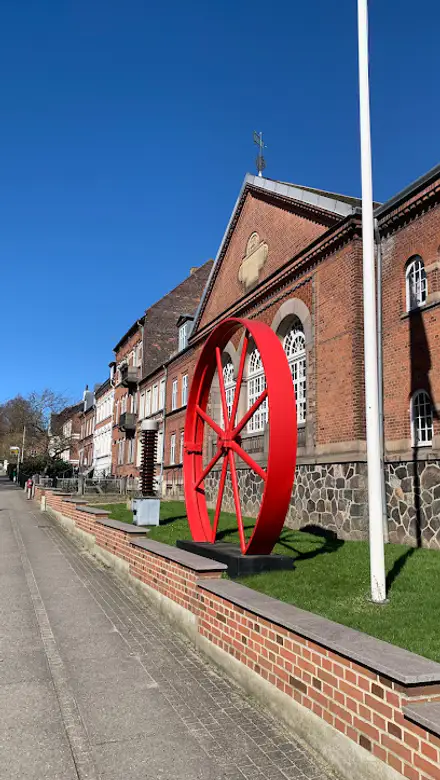
Set in Horsens’ former gasworks and power station, Industrimuseet is a vivid journey through Denmark’s transformation from craft to heavy industry and the modern welfare state. Across several historic buildings, you wander factory halls, a recreated shopping street, workers’ homes from different decades, an old schoolroom and hands‑on workshops. Engines roar to life, kids tinker in playful repair shops, and the smell of oil, metal and fresh coffee from the retro café ties the whole time‑travel experience together.
On-site amenities
 Restrooms
 Drink options
 Drinking water
 Food options
 Seating areas
 Sheltered areas
 Trash bins
 Information boards
 Visitor centre
Opening hours
- Every day10 am–4 pm
Opening hours as listed on the venue’s Google Business Profile. Hours can change for services and special events, so check with the venue before you go.
- Address
- Gasvej 17, 8700 Horsens
- Phone
- Website
Getting there
Train and short walk from Horsens Station
Local bus within Horsens
Car or rental car in Horsens
Bicycle from central Horsens
Discover more about Industrimuseet
From Gasworks Yard to Time Machine
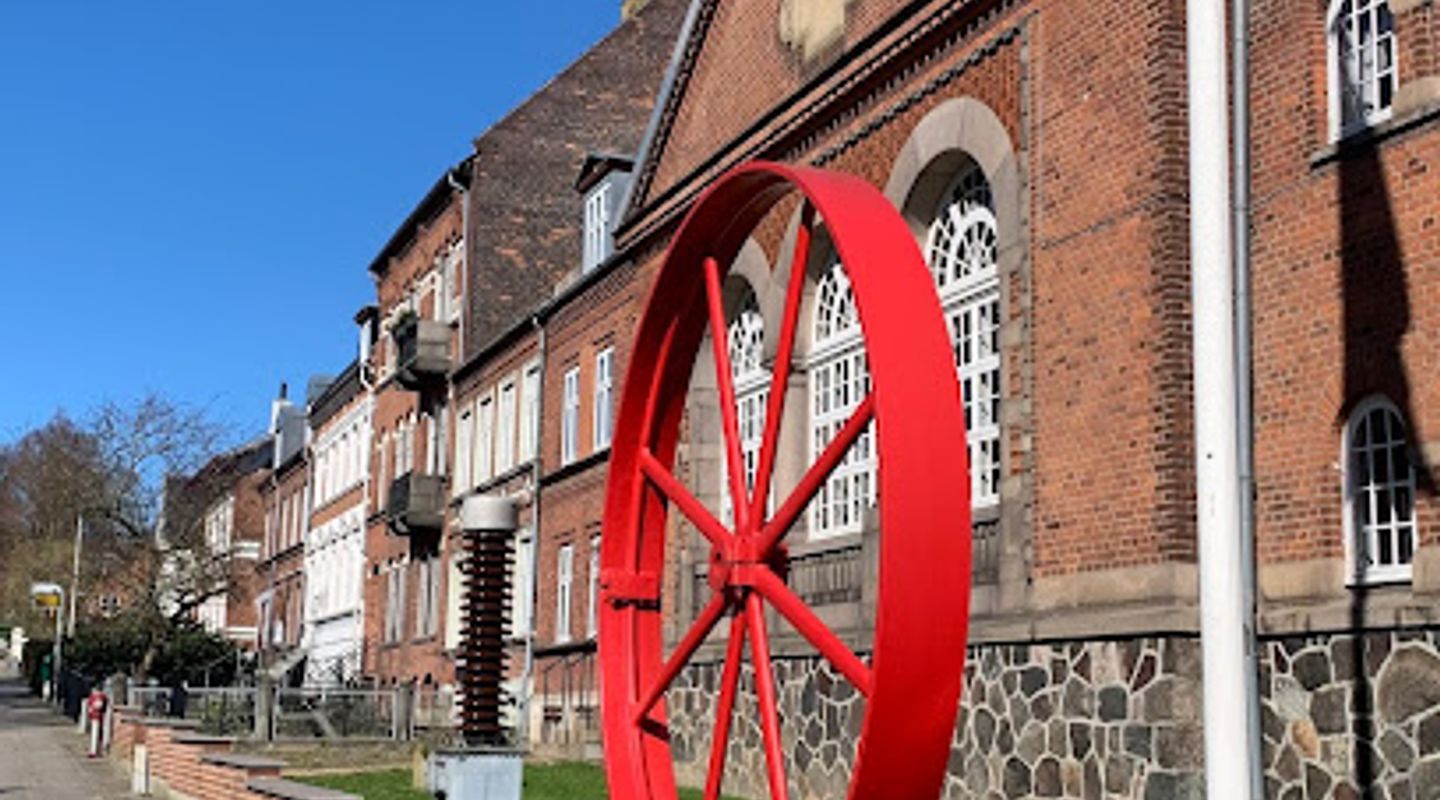
Industrimuseet occupies the atmospheric grounds of Horsens’ former gasworks and power plant, where brick facades, tall chimneys and industrial courtyards frame your visit. Inside these preserved utility buildings, Denmark’s leap from agrarian society to industrial nation is told as a concrete, physical story. The old power station halls, pipework and iron structures are not just a backdrop but an integral exhibit, reminding you that this was once the beating heart supplying the town with energy.Rather than abstract timelines, the museum anchors history in specific machines, workshops and offices. You move between engineering spaces and domestic interiors, sensing how new technologies reshaped both factory floors and everyday life at home. The setting keeps everything firmly rooted in Horsens, yet the narrative reaches out to the broader Danish welfare model that emerged from this period of rapid change.
Engines, Workshops and the Noise of Progress
One of the most memorable spaces is the large machine hall, lined with imposing engines, turbines and production equipment from the 19th and 20th centuries. When the heavy machinery is demonstrated, you feel the floor vibrate slightly and hear the deep chug and hiss that once defined industrial workdays. Interpretation focuses on how these innovations multiplied output, but also on the skills needed to operate and maintain them.Around the site you find traditional workshops: a smithy, carpentry shop, typography and packaging printing facilities, and textile production. Tools are laid out on benches as if workers have just stepped away for a break. Assembly lines invite you to try repetitive tasks such as putting together ball bearings, turning the abstract idea of mass production into a physical challenge. The technical detail is balanced with clear explanations, making it approachable whether you are mechanically minded or simply curious.
Everyday Lives in Workers’ Homes and Streets
Across the yard, a row of workers’ apartments shows how living conditions changed across the 20th century. You walk from small, sparse early rooms with shared facilities to brighter interiors with modern appliances, televisions and more personal belongings. The shift in furniture, fabrics and household gadgets tells a quiet story about rising wages, new consumer goods and evolving social expectations.Nearby, a recreated shopping street presents small shops with original fittings and signage: tobacconists, bakeries, shoe and clothing stores stocked with period products. These environments show how retail followed industrialization, from rationing and basic necessities to a broader range of choices. School desks and blackboards in the old classroom highlight changes in education, discipline and children’s daily routines in an industrial town.
Hands-On History for Curious Kids
Industrimuseet places strong emphasis on playful learning, making it particularly engaging for younger visitors. Interactive exhibits let children push buttons, turn wheels and experiment with simple mechanisms. A dedicated children’s moped workshop is set up at child height with tools and overalls, inviting them to explore how engines and components fit together in a safe, supervised environment.Outside, a large themed playground pays tribute to Horsens’ industrial heritage. A towering gas-tank-shaped climbing structure, steam-engine play tower and seesaws styled like classic Danish motorbikes turn the museum yard into an active extension of the exhibitions. This combination of movement, role play and tactile exploration helps children connect with stories that might otherwise feel remote.
Café Nostalgia and Themed Museum Pass
In a retro-inspired café, simple traditional dishes and cakes echo the food many Danes associate with grandparents’ kitchens. Café interiors with formica tables, patterned curtains and vintage posters align with the mid‑century rooms seen in the exhibitions. It is a natural pause point between buildings, and a chance to reflect on how quickly daily life has changed in just a few generations.Industrimuseet is also one of four Horsens institutions included in a common museum pass, alongside the former state prison, the city museum and the art museum. The shared ticket encourages you to place industrial history within a broader cultural framework of punishment, civic identity and creativity. Taken together, these sites reveal how an industrial city on Jutland’s east coast has continually reinvented itself while preserving key chapters of its past.
Evendo Review Centre
 Google
Guest reviews
Best time to go
Quietest: Jan, Feb & Mar · before 10am or from 5pm
Busy times are Evendo estimates for a typical year, to help you plan. Actual crowds vary with events, school holidays and the weather.
Explore Industrimuseet on the map
A handpicked selection of must-see spots near Industrimuseet, mapped for you.
Get your free copy of our complete guide to Industrimuseet, delivered straight to you.
Everything on this page, from opening hours and how to get there to Eve’s tips and the best time to go, in one PDF you can read offline, print or share.
Already have an account? Sign in
Your Industrimuseet guide is ready.
We'll send it to · Not you? Sign out

Getting your guide ready…
We are putting together a fresh copy of the Industrimuseet guide. This can take up to a minute.
This can take a few moments. If your browser asks, choose Allow so the download can start. You'll find the guide in your Downloads folder.
Nothing happened? Download it again
Sorry, the guide is taking longer than usual. Please try again in a minute, or get it by email instead.
Other nearby places you may find interesting
The closest places of the same kind, if this one is not quite what you had in mind.
-
-
-
-
-


Swipe for more places
More to explore near Industrimuseet

 Best experiences near Industrimuseet
 Best hotels near Industrimuseet
 Best landmarks near Industrimuseet
 Best attractions near Industrimuseet
 Best shops near Industrimuseet
 Best restaurants near Industrimuseet
 Best bars near Industrimuseet
Do you manage this location?
Take control to get all the benefits, like improved information, better appearance, and stronger visibility across AI-powered discovery.
Explore more

Explore more of Horsens
Discover Horsens: A perfect blend of history, culture, and natural beauty in the heart of Denmark.
Explore Horsens
Explore more of Denmark
Discover Denmark: A perfect blend of history, modern design, and the cozy concept of hygge. Explore vibrant cities, serene landscapes, and world-class cuisine.
Explore Denmark