Gisseløre gamle fyr, Kalundborg Travel Guide
A red-and-white striped beacon from 1868 guiding ships through Denmark's maritime heritage.
Gisseløre gamle fyr is a historic lighthouse located on the southern tip of the Gisseløre peninsula in Kalundborg, Denmark. Built in 1868, this red-and-white striped beacon once guided ships through the waters of the Great Belt. The original lighthouse featured a petroleum lamp that required the lighthouse keeper to row across from Kalundborg to maintain it. Though no longer operational as a primary aid to navigation, the structure remains an iconic landmark representing Denmark's maritime heritage and the region's seafaring traditions.
A brief summary to Gisseløre gamle fyr
- Kalundborg, 4400, DK
- Duration: 0.5 to 2 hours
- Free
-
 Outdoor
- Mobile reception: 4 out of 5

Know before you go
Hi, I'm Eve. Here are a few practical things to know before exploring Gisseløre gamle fyr.
- Visit during clear weather for the best views across the Great Belt toward Sejerø and neighboring islands. The lighthouse's distinctive red-and-white stripes are most striking in good light.
- Combine your visit with the summer restaurant on Gisseløre, which offers refreshments and a pleasant setting to absorb the maritime atmosphere of the peninsula.
- Explore the broader Kalundborg area to understand the regional maritime context, including visits to nearby lighthouses such as Røsnæs Fyr and the town's historic harbor district.
- Bring binoculars to observe maritime traffic and bird life in the Great Belt, enhancing your understanding of why this location was strategically important for navigation.
Do you manage this location?
Take control to get all the benefits, like improved information, better appearance, and stronger visibility across AI-powered discovery. Learn more about listing your business on Evendo
Activate your presenceOther nearby places you may find interesting
The closest places of the same kind, if this one is not quite what you had in mind.
Explore Gisseløre gamle fyr on the Map
A handpicked selection of must-see spots near Gisseløre gamle fyr, mapped for you.
Getting There
-
Car from Kalundborg town center
Drive south from Kalundborg town center toward the coast, following signs for Gisseløre. The journey takes approximately 10–15 minutes by car. Parking is available near the lighthouse and summer restaurant. The road is well-maintained and accessible year-round, though winter conditions may occasionally affect access.
-
Bicycle from Kalundborg
Rent a bicycle in Kalundborg and cycle south toward the coast via local routes to Gisseløre. The journey takes approximately 20–30 minutes depending on your starting point and route. The area is relatively flat and suitable for casual cycling. Bicycle parking is available at the site.
-
Walking from nearby residential areas
If staying in southern Kalundborg, walking to Gisseløre is feasible, taking approximately 45–60 minutes depending on your starting point. The route follows local roads and paths with varying terrain. Wear appropriate footwear and be aware that some sections may lack dedicated pedestrian paths.
-
Local bus service
Public bus services operate from Kalundborg town center to areas near Gisseløre. Journey times typically range from 15–25 minutes depending on the route and number of stops. Service frequency varies seasonally, with reduced schedules in winter months. Check local transit schedules for current timetables and fares.
For the on-the-go comforts that matter to you
-
 Food Options
-
 Drink Options
-
 Seating Areas
-
 Trash Bins
Discover more about Gisseløre gamle fyr
A Beacon from Denmark's Maritime Past
Gisseløre gamle fyr stands as a testament to Denmark's rich seafaring heritage, perched on the southern promontory of the Gisseløre peninsula in Kalundborg. Constructed in 1868, this distinctive red-and-white striped lighthouse once served as a vital navigational aid for vessels traversing the Great Belt, one of Denmark's most important maritime passages. The lighthouse represents an era when coastal navigation relied entirely on visual signals and the dedication of lighthouse keepers who maintained these beacons through all weather conditions.The original design of Gisseløre gamle fyr reflected the practical demands of 19th-century maritime life. The lighthouse keeper faced the unique challenge of rowing across the water from Kalundborg to reach the beacon, where he would climb the tower to tend the petroleum lamp housed in the lantern room. This daily ritual, weather permitting, was essential for ensuring that ships could safely navigate the treacherous waters surrounding the peninsula. The lamp's warm glow would pierce through fog and darkness, providing reassurance to captains and crews dependent on such markers for safe passage.Evolution and Modernization
As technology advanced, so too did Gisseløre gamle fyr. By the late 1940s, the lighthouse underwent significant modernization with the installation of an electric light system and fog sirens, bringing it into the modern era of automated navigation aids. These upgrades reduced the burden on lighthouse keepers and improved the reliability of the beacon. A smaller, functional lighthouse was subsequently established on the southern point of Gisseløre, which continues to operate under the jurisdiction of maritime authorities.The transition from petroleum lamps to electric systems marked a turning point in the lighthouse's operational history. While the old structure retained its iconic appearance with its distinctive red-and-white paint scheme, the interior mechanisms evolved to meet contemporary maritime standards. The fog sirens added an auditory dimension to the beacon's warning system, particularly valuable during the dense fog conditions that frequently blanket the Great Belt.Historical Significance and Local Heritage
Gisseløre's history extends far beyond the lighthouse itself. The peninsula has been inhabited since medieval times, with evidence suggesting a small fishing settlement existed here long before Esbern Snare founded Kalundborg around the 1170s. The area was originally known as Hærvig, reflecting its importance as a fishing community. During the First World War, a significant maritime artifact—an anchor—was recovered from the waters between Røsnæs Fyr and Sejerø Fyr, a discovery that underscores the strategic importance of these waters during Denmark's neutral period.In 1933, the local town council decided to construct a summer restaurant on Gisseløre, initially without a license to serve strong spirits. This establishment later received a license for full beverage service and became a gathering place for locals and visitors alike. The restaurant reflects the peninsula's evolution from purely functional maritime infrastructure to a destination that blends historical significance with recreational appeal.Landscape and Setting
The Gisseløre peninsula juts into the Great Belt, creating a dramatic promontory that has shaped both maritime history and local geography. The surrounding landscape offers expansive views across the water toward Sejerø and other islands, with the lighthouse serving as a focal point in the seascape. The area's natural environment, characterized by rocky shores and open water vistas, creates an atmospheric setting that evokes Denmark's maritime traditions. Visitors to the site experience the raw beauty of the Danish coastline and gain perspective on the challenges faced by sailors navigating these waters in earlier centuries.












Your all‑in‑one travel companion app
Explore expert travel guides, compare and book tours, experiences, hotels, and more—all from the palm of your hand. Download now for seamless trip planning wherever your wanderlust takes you.


Explore More of Kalundborg
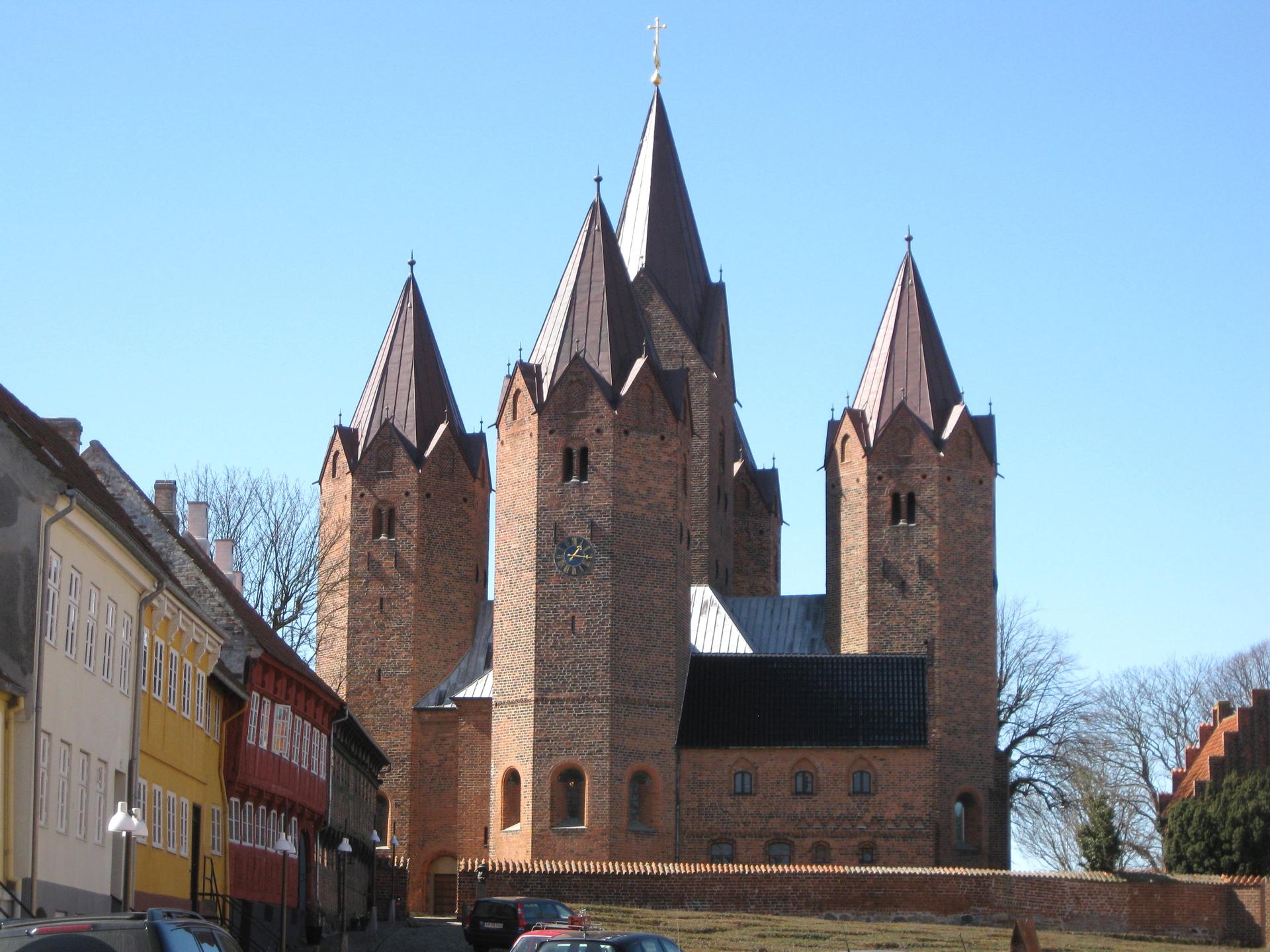
Looking beyond Gisseløre gamle fyr? Discover Kalundborg for broader travel guides, local hot-spots, and regional highlights.
Explore Kalundborg