

Røsnæs Fyr, Kalundborg Travel Guide
Free Guide: Denmark's westernmost lighthouse, where maritime tradition meets military history on a windswept peninsula.


A brief summary of Røsnæs Fyr
Denmark's westernmost lighthouse, where maritime tradition meets military history on a windswept peninsula.
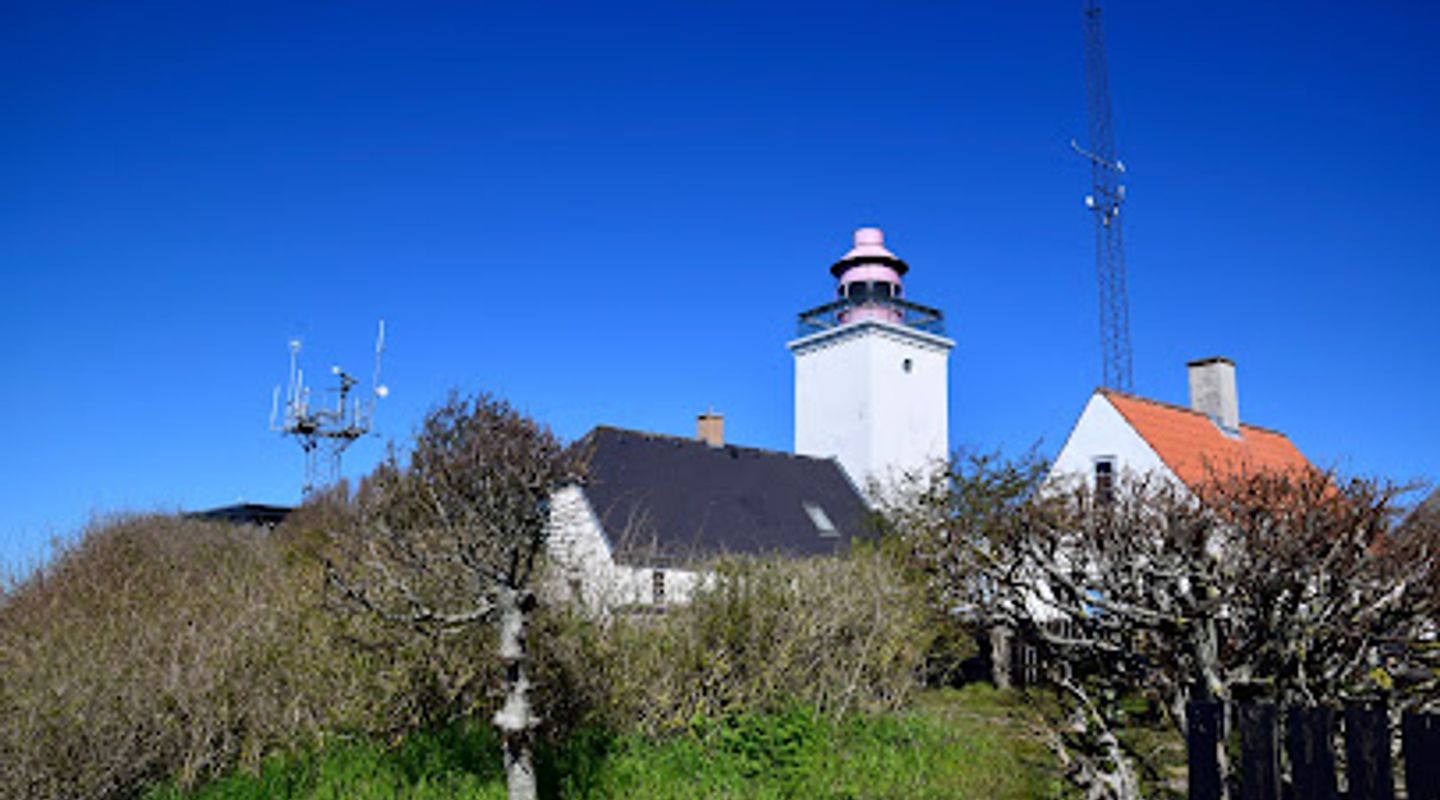
Røsnæs Fyr is a historic lighthouse standing on Denmark's westernmost point on the Røsnæs Peninsula in Kalundborg. Built in 1844–1846 by architect N.S. Nebelong, this 15-meter red-brick tower has guided maritime traffic through the Great Belt strait for nearly two centuries. The lighthouse features an exhibition along its internal staircase and offers panoramic views from the lantern room. The site encompasses rich military history spanning the Napoleonic Wars, World War II German occupation, and Cold War defenses, making it a significant cultural landmark.
On-site amenities
 Restrooms
 Drink options
 Food options
 Seating areas
 Information boards
 Visitor centre
Opening hours
- Mon11 am–3 pm
- Tue11 am–3 pm
- Wed11 am–3 pm
- Thu11 am–3 pm
- Fri11 am–3 pm
- Sat11 am–4 pm
- Sun11 am–4 pm
Opening hours as listed on the venue’s Google Business Profile. Hours can change for services and special events, so check with the venue before you go.
- Address
- Røsnæsvej 477, 4400 Kalundborg
- Phone
- Website
Getting there
Car from Kalundborg
Bus from Kalundborg Station
Bicycle from Kalundborg
Guided Tour from Kalundborg
Discover more about Røsnæs Fyr
A Beacon on Denmark's Western Edge
Røsnæs Fyr stands sentinel at the westernmost tip of Zealand, a 15-meter red-brick lighthouse designed by architect N.S. Nebelong and completed in 1844. The tower was first lit on November 1, 1844, replacing an earlier defensive battery that had occupied the site. Its distinctive red lantern room has become an iconic symbol of this strategic coastal promontory, guiding countless vessels through the treacherous waters of the Great Belt strait. The lighthouse remains one of Denmark's most photographed maritime structures, its bold silhouette framed against the open water and dramatic sky.
Centuries of Strategic Importance
The Røsnæs Peninsula has served as a crucial vantage point for centuries. During the Viking Age, the headland functioned as a haven and lookout post for those crossing the Great Belt toward Samso, Jutland, or Funen. Watchfires were lit from nearby Bavnebjerg to summon the royal fleet when summer campaigns to Southern Europe were planned. This tradition of vigilance continued through the ages, transforming Røsnæs into a place where Denmark's defensive needs shaped the landscape itself.
The Cannon Boat Wars and Naval Conflict
Between 1807 and 1814, during the Napoleonic Wars known as the Cannon Boat Wars, a series of fierce naval engagements erupted off Røsnæs between Danish and English warships and gunboats. These battles were part of the broader Englandskrigene (Wars Against England), and the waters surrounding the peninsula became a contested zone of maritime warfare. Interpretive signs near Røsnæs Fyr mark the locations of individual battles, allowing visitors to trace the naval history written across these waters. The lighthouse itself would later become a witness to even greater conflict.
World War II and Military Occupation
During the German occupation of Denmark from 1940 to 1945, Røsnæs became a fortified military position. German forces commandeered the lighthouse and constructed a forward observation post in front of the tower, along with a radar station on nearby Vågehøj to monitor shipping traffic through the Great Belt. Over 30 smaller bunker installations and a powerful gun emplacement were built along what is now known as Fæstningsvejen (Fortification Road), transforming the entire peninsula into a defensive stronghold. After liberation, Danish forces took over the radar bunker in 1952, maintaining coastal surveillance throughout the Cold War. The military infrastructure that once served occupation forces became part of Denmark's independent defense strategy.
The Exhibition and Visitor Experience
Today, Røsnæs Fyr welcomes visitors with an exhibition that winds along the internal staircase, telling the story of the lighthouse and the peninsula's layered history. The climb to the lantern room rewards visitors with sweeping views across the Great Belt, the Kalundborg Fjord, and the surrounding landscape. The exhibition provides context for understanding both the maritime heritage and the military history that defines this remarkable location. The site operates seasonally, with extended hours on weekends during the warmer months.
The Broader Røsnæs Landscape
The Røsnæs Peninsula itself is a geological marvel—a rolling moraine of clay, sand, gravel, and stone deposited by glaciers 15,000 to 20,000 years ago during the last ice age. The landscape is managed as a nature reserve, protecting both the dramatic coastal terrain and the cultural heritage embedded within it. In 1964, the state purchased Røsnæsgård (the historic farm at the peninsula's heart) to ensure public access to this unique natural and cultural area. The surrounding nature reserve offers walking trails, viewpoints, and opportunities to experience the raw beauty of Denmark's western coast.
Evendo Review Centre
 Google
Guest reviews
Best time to go
Quietest: Jan, Feb & Nov · before 7am
Busy times are Evendo estimates for a typical year, to help you plan. Actual crowds vary with events, school holidays and the weather.
Explore Røsnæs Fyr on the map
A handpicked selection of must-see spots near Røsnæs Fyr, mapped for you.
Get your free copy of our complete guide to Røsnæs Fyr, delivered straight to you.
Everything on this page, from opening hours and how to get there to Eve’s tips and the best time to go, in one PDF you can read offline, print or share.
Already have an account? Sign in
Your Røsnæs Fyr guide is ready.
We'll send it to · Not you? Sign out

Getting your guide ready…
We are putting together a fresh copy of the Røsnæs Fyr guide. This can take up to a minute.
This can take a few moments. If your browser asks, choose Allow so the download can start. You'll find the guide in your Downloads folder.
Nothing happened? Download it again
Sorry, the guide is taking longer than usual. Please try again in a minute, or get it by email instead.
Other nearby places you may find interesting
The closest places of the same kind, if this one is not quite what you had in mind.
-
-
-
-
-


Swipe for more places
More to explore near Røsnæs Fyr

 Best experiences near Røsnæs Fyr
 Best hotels near Røsnæs Fyr
 Best landmarks near Røsnæs Fyr
 Best attractions near Røsnæs Fyr
 Best shops near Røsnæs Fyr
 Best restaurants near Røsnæs Fyr
 Best bars near Røsnæs Fyr
Do you manage this location?
Take control to get all the benefits, like improved information, better appearance, and stronger visibility across AI-powered discovery.
Explore more

Explore more of Kalundborg
Discover Kalundborg, a picturesque Danish town with rich history, stunning landscapes, and a vibrant cultural scene. Perfect for nature lovers and history enthusiasts alike.
Explore Kalundborg
Explore more of Denmark
Discover Denmark: A perfect blend of history, modern design, and the cozy concept of hygge. Explore vibrant cities, serene landscapes, and world-class cuisine.
Explore Denmark
