Vestborgen, Kalundborg Travel Guide
Free Guide: Low ruins, high stories: the grassy foundations of Vestborgen reveal Kalundborg’s medieval might and the legacy of Esbern Snare’s west castle above the fjord.


A brief summary of Vestborgen
Low ruins, high stories: the grassy foundations of Vestborgen reveal Kalundborg’s medieval might and the legacy of Esbern Snare’s west castle above the fjord.
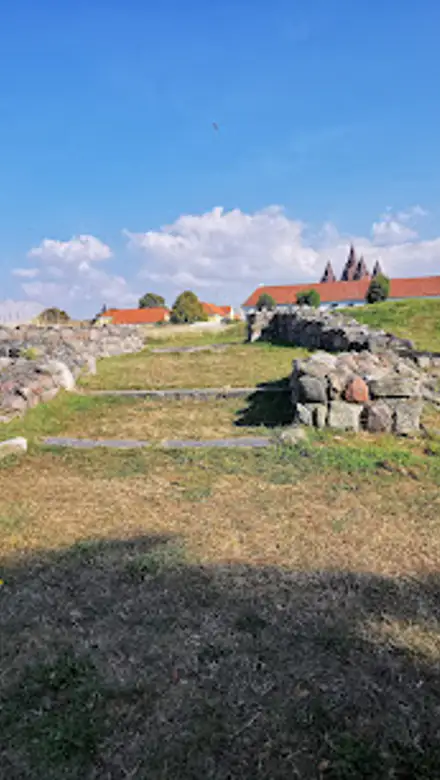
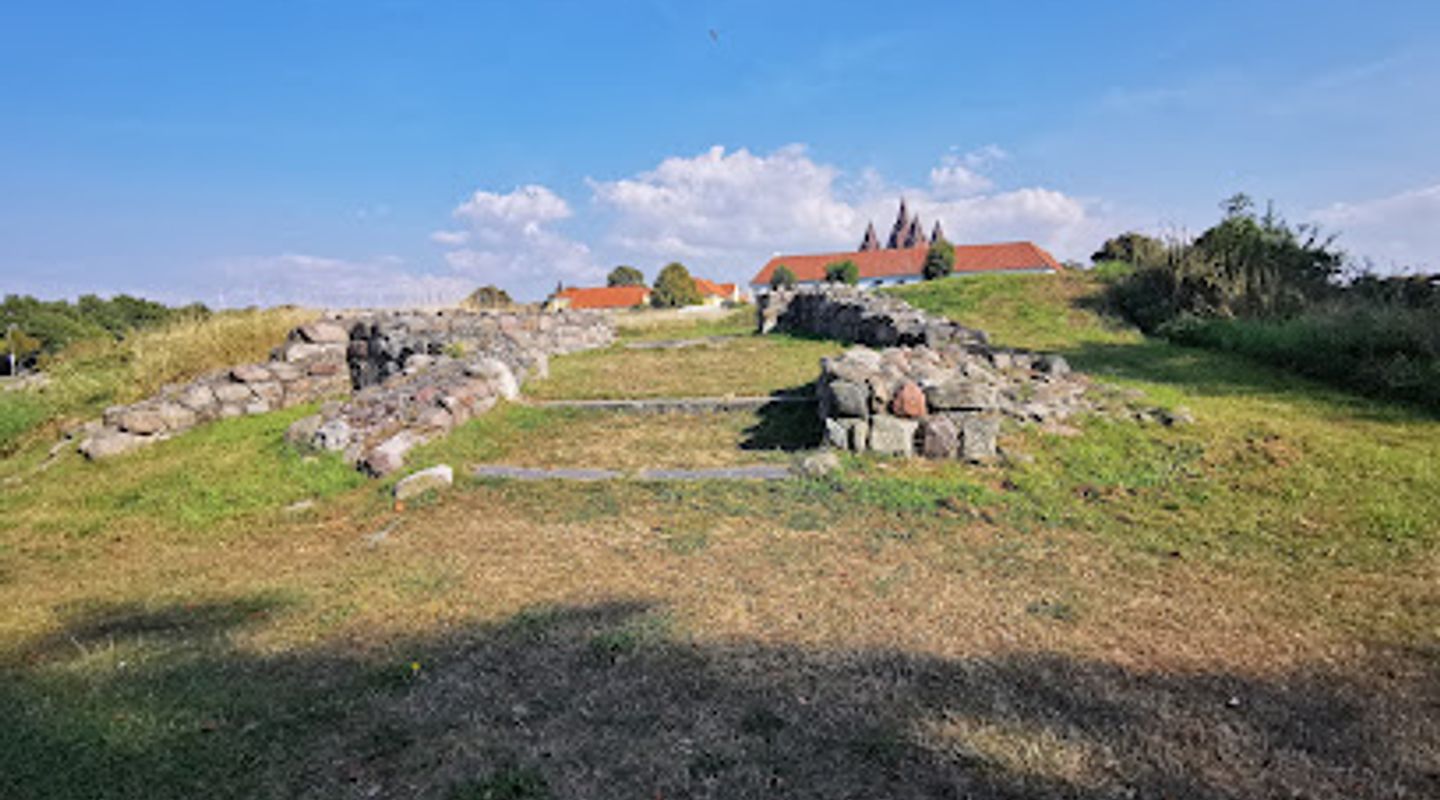
Tucked behind Kalundborg Museum, Vestborgen is the atmospheric ruin of Esbern Snare’s 12th‑century west castle, once part of a powerful medieval stronghold guarding Kalundborg’s harbour and the Hvide family’s estates. Today only low foundation walls and earthworks remain, but the outlines of towers, halls and courtyards are still traceable in the grass. Simple information boards and the setting within Kalundborg’s historic high town make this a rewarding, low‑key stop for history‑minded visitors and anyone piecing together the story of Denmark’s medieval frontier.
On-site amenities
 Restrooms
 Seating areas
 Picnic areas
 Trash bins
 Information boards
 Visitor centre
Opening hours
- Every dayOpen 24 hours
Opening hours as listed on the venue’s Google Business Profile. Hours can change for services and special events, so check with the venue before you go.
- Address
- J Hagemann-Petersens Alle 22, 4400 Kalundborg
Getting there
Train and short walk from Copenhagen
Local bus within Kalundborg
Car or taxi from the surrounding region
Discover more about Vestborgen
A Medieval Fortress Above the Fjord
Vestborgen, or the West Castle, once formed the western anchor of Kalundborg’s fortified medieval town, raised in the late 12th century by the great nobleman and crusader Esbern Snare of the powerful Hvide family. From this height above the fjord, the castle helped secure shipping routes and oversee the emerging town clustering around church and harbour. Though the stone towers and lofty walls are long gone, the site still conveys the sense of a guarded ridge watching over western Zealand.The ruin stands just behind the museum farmyard, where the castle’s outer works once merged with urban buildings and defensive structures. Archaeological investigations have traced foundations and ditches that show how the fortress tied into a broader system of ramparts encircling Kalundborg’s high town. Standing here, it is easy to imagine banners snapping in the sea breeze and supply carts rattling through the gateways.
Reading the Ruins in the Grass
At first glance, Vestborgen can seem modest: low lines of stone, grassy mounds and a few exposed wall bases. Take a moment, though, and the ground plan begins to reveal itself. You can pick out the footprint of a central building, traces of corner towers and the ghost of enclosing walls defining an inner courtyard. Subtle changes in ground level show where moats and ditches once provided extra security.Information boards help you piece together how the castle may have looked, explaining phases of construction and later demolition as Kalundborg’s defences evolved. The rough fieldstones, bricks and reused materials tell a story of pragmatic medieval building, where fortification was constantly adapted to new needs and shifting power structures.
Kalundborg’s Web of Power and Faith
Vestborgen did not stand alone. A short walk away rises the remarkable five‑towered Church of Our Lady, whose powerful silhouette mirrors the assertive architecture of the age. Together, castle and church symbolised worldly and spiritual authority, reinforcing Kalundborg’s role as a regional hub. Documents and chronicles link Esbern Snare’s building projects here with broader royal and aristocratic ambitions across Denmark.Over the centuries, as military technology changed and the town’s focus shifted, the castle was gradually dismantled. Stones were quarried for newer houses and farm buildings, leaving only the buried skeleton you see today. Yet the ruin retains an air of concentrated history, compressed into a compact, walkable space in the middle of the old town fabric.
A Quiet Corner for Imagination
Unlike grand reconstructed castles, Vestborgen invites a quieter, more reflective encounter. There are no gates or ticket booths; the ruin blends into lawns, trees and nearby historic buildings. Children often enjoy hopping between stones and tracing imaginary ramparts, while adults linger over the interpretive signs and views toward the surrounding streets and distant water.Because the site is small and open, it slots easily into a stroll through Kalundborg’s medieval quarter, linking the museum, church and cobbled lanes. In soft evening light or under a grey North Sea sky, the low masonry and sodden earth seem to absorb the colours of the day, offering a brief, evocative pause in the flow of modern life.
Preserving Layers Beneath Your Feet
Much of Vestborgen’s story still lies underground, preserved as archaeological deposits that researchers continue to interpret. The decision to leave the ruin largely as foundations protects these layers while keeping the area accessible as a green, informal space. Visitors are encouraged to tread lightly, stay on paths where possible and respect both the visible stones and the hidden record beneath them.As you leave, it is worth glancing back across the shallow mounds and squared‑off corners. With a bit of imagination, the outlines sharpen into a formidable stronghold, reminding you that this peaceful patch of grass once stood at the cutting edge of power, conflict and commerce on Denmark’s western Zealand coast.
Evendo Review Centre
 Google
Guest reviews
Best time to go
Quietest: Jan, Feb & Mar · before 8am or at 9pm
Busy times are Evendo estimates for a typical year, to help you plan. Actual crowds vary with events, school holidays and the weather.
Explore Vestborgen on the map
A handpicked selection of must-see spots near Vestborgen, mapped for you.
Get your free copy of our complete guide to Vestborgen, delivered straight to you.
Everything on this page, from opening hours and how to get there to Eve’s tips and the best time to go, in one PDF you can read offline, print or share.
Already have an account? Sign in
Your Vestborgen guide is ready.
We'll send it to · Not you? Sign out

Getting your guide ready…
We are putting together a fresh copy of the Vestborgen guide. This can take up to a minute.
This can take a few moments. If your browser asks, choose Allow so the download can start. You'll find the guide in your Downloads folder.
Nothing happened? Download it again
Sorry, the guide is taking longer than usual. Please try again in a minute, or get it by email instead.
Other nearby places you may find interesting
The closest places of the same kind, if this one is not quite what you had in mind.
-
-
-
-
-


Swipe for more places
More to explore near Vestborgen

 Best experiences near Vestborgen
 Best hotels near Vestborgen
 Best landmarks near Vestborgen
 Best attractions near Vestborgen
 Best shops near Vestborgen
 Best restaurants near Vestborgen
 Best bars near Vestborgen
Do you manage this location?
Take control to get all the benefits, like improved information, better appearance, and stronger visibility across AI-powered discovery.
Explore more

Explore more of Kalundborg
Discover Kalundborg, a picturesque Danish town with rich history, stunning landscapes, and a vibrant cultural scene. Perfect for nature lovers and history enthusiasts alike.
Explore Kalundborg
Explore more of Denmark
Discover Denmark: A perfect blend of history, modern design, and the cozy concept of hygge. Explore vibrant cities, serene landscapes, and world-class cuisine.
Explore Denmark