Pangea Park Travel Guide
Free Guide: Compact countryside wildlife park on Zealand where close animal encounters, keeper shows and thoughtful habitats create an intimate, family‑friendly day out.


A brief summary of Pangea Park
Compact countryside wildlife park on Zealand where close animal encounters, keeper shows and thoughtful habitats create an intimate, family‑friendly day out.
Pangea Park in Bjæverskov is an intimate, hands‑on wildlife park on Zealand where you can get remarkably close to animals in thoughtfully designed habitats. Spread across a compact rural site between Køge and Ringsted, the park focuses on welfare, education and endangered species, with spacious enclosures, keeper talks and small‑scale shows featuring reptiles, birds and other creatures. Play areas, picnic spots and informal encounters make it especially appealing for families with children who like to learn by touching, watching and asking questions.
On-site amenities
 Restrooms
 Drink options
 Drinking water
 Food options
 Seating areas
 Sheltered areas
 Picnic areas
 Trash bins
 Information boards
 Visitor centre
Opening hours
- MonClosed
- TueClosed
- WedClosed
- ThuClosed
- Fri10 am–4 pm
- Sat10 am–4 pm
- Sun10 am–4 pm
Opening hours as listed on the venue’s Google Business Profile. Hours can change for services and special events, so check with the venue before you go.
- Address
- Ringstedvej 531, 4632 Bjæverskov
- Phone
- Website
Getting there
Car from Køge
Car from central Copenhagen
Train and taxi combination
Cycling from Bjæverskov area
Discover more about Pangea Park
A small wildlife world in rural Zealand
Pangea Park sits in the countryside near Bjæverskov, surrounded by fields yet easy to combine with a wider tour of Zealand. Instead of being a huge zoo, it is a compact animal park where you can wander at a relaxed pace and still feel you have seen a surprising variety of creatures. Paths loop past outdoor enclosures, a reptile house and dedicated areas for birds, primates and small mammals, with the focus on letting you get closer than you might expect.The layout encourages you to stop often: low fences, viewing platforms and open walk‑through sections bring you right up to the animals, while the modest size keeps walking distances manageable for younger visitors or grandparents. Benches and shaded corners punctuate the grounds so you can take breaks and simply watch the animals go about their day.
Animals up close and engaging keeper shows
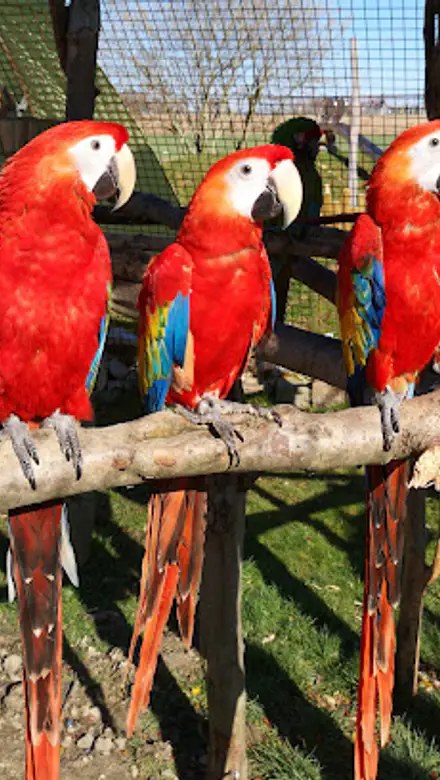
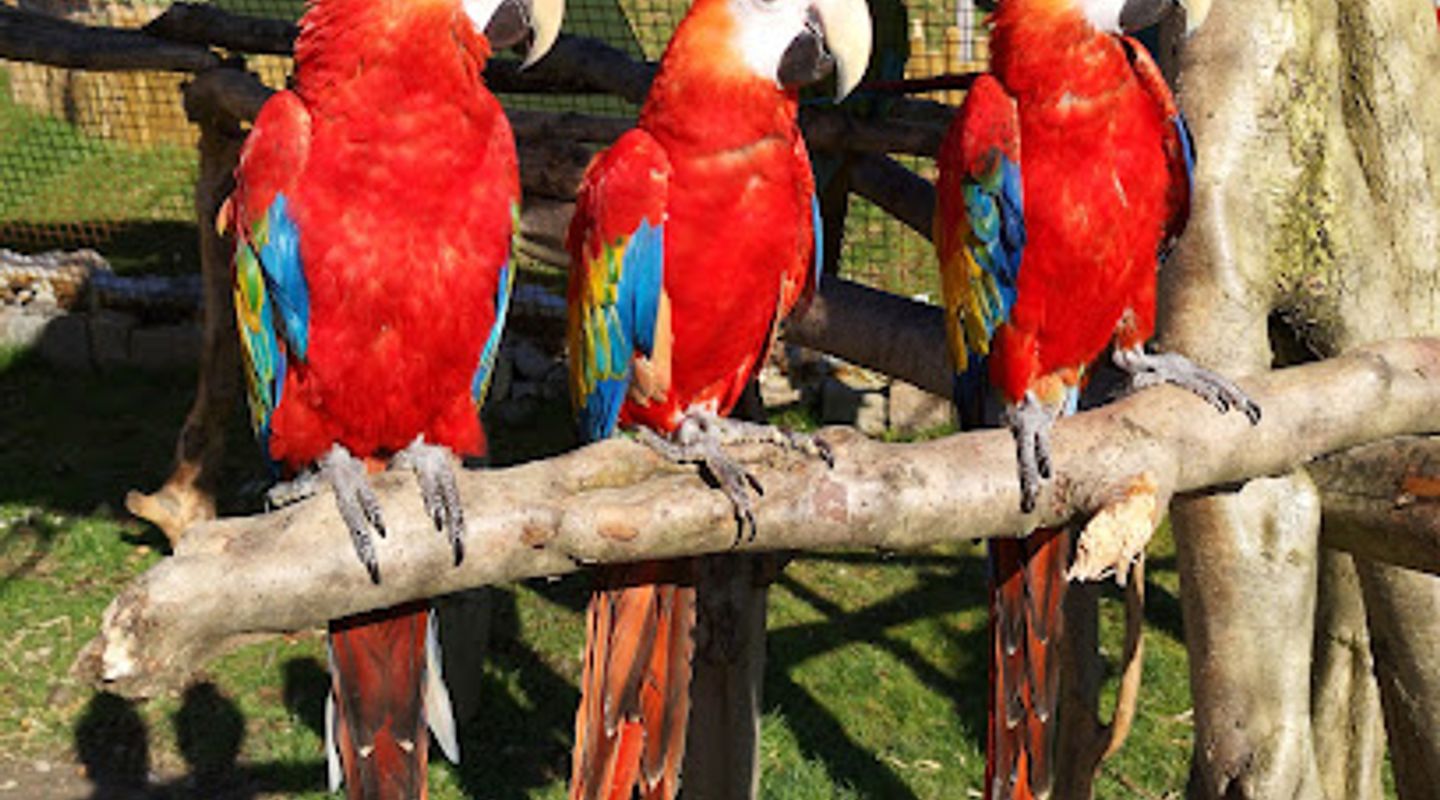
The park is known for giving guests a more immediate experience of wildlife, always with an emphasis on whether the animals are comfortable approaching. You may find yourself inches from colorful parrots, watching lorikeets swirl overhead, or observing monkeys leap between branches with no imposing barriers of glass or concrete. Tortoises, kangaroos and a range of reptiles add to the sense of a small “world tour” of global fauna.Keeper‑led presentations are a central part of a visit. At set times, staff introduce snakes, owls, caimans or other residents, explaining how they live, hunt and adapt to their habitats. These short shows are designed to be both entertaining and educational, often weaving in messages about conservation and endangered species while demystifying animals that some people may find intimidating.
Habitats designed with welfare in mind
Behind the scenes, Pangea Park’s philosophy is to recreate environments that feel as close as possible to natural habitats within the limits of captivity. Enclosures tend to be generously sized for the park’s footprint, with planting, structures and hiding spots that encourage natural behavior. The goal is not only to display animals but to support breeding programs and contribute to the long‑term survival of vulnerable species.Information boards near many habitats explain where each species comes from, what threats it faces in the wild and how careful management can help protect it. This blend of interpretation and design turns a simple walk between pens into an informal lesson in global biodiversity, suitable for school‑age children as well as curious adults.
Family‑friendly spaces and practical comforts
As much thought has gone into the visitor experience as the animal areas. Children’s playgrounds give younger guests room to burn off energy between animal encounters, with climbing frames and play structures placed so adults can still keep an eye on nearby enclosures. Open grassy patches and picnic tables invite you to bring your own food, while simple on‑site options typically cover drinks and snacks.Paths are mostly flat and stroller‑friendly, and the overall circuit can comfortably be explored in half a day without rushing. Restrooms, seating and sheltered spots make it feasible to visit even with very young children or older relatives, and the modest scale helps ensure no one feels overwhelmed.
Seasonal rhythm and a relaxed atmosphere
The park usually opens on selected days, with more regular hours in the warmer seasons when animals are more active outdoors and families have holidays. Cooler months bring a different character, with quieter paths and more time spent in indoor areas such as the reptile cave. Whatever the season, the rural setting keeps the soundscape to birds, animal calls and excited chatter rather than city traffic.This combination of close‑up encounters, low‑key rural charm and a strong welfare focus makes Pangea Park feel more like spending time in a thoughtfully tended animal sanctuary than ticking off exhibits in a traditional big‑city zoo.
Evendo Review Centre
 Google
Guest reviews
Best time to go
Quietest: Jan, Feb & Nov · before 8am or from 7pm
Busy times are Evendo estimates for a typical year, to help you plan. Actual crowds vary with events, school holidays and the weather.
Explore Pangea Park on the map
A handpicked selection of must-see spots near Pangea Park, mapped for you.
Get your free copy of our complete guide to Pangea Park, delivered straight to you.
Everything on this page, from opening hours and how to get there to Eve’s tips and the best time to go, in one PDF you can read offline, print or share.
Already have an account? Sign in
Your Pangea Park guide is ready.
We'll send it to · Not you? Sign out

Getting your guide ready…
We are putting together a fresh copy of the Pangea Park guide. This can take up to a minute.
This can take a few moments. If your browser asks, choose Allow so the download can start. You'll find the guide in your Downloads folder.
Nothing happened? Download it again
Sorry, the guide is taking longer than usual. Please try again in a minute, or get it by email instead.
Other nearby places you may find interesting
The closest places of the same kind, if this one is not quite what you had in mind.
-
-
-
-
-


Swipe for more places
More to explore near Pangea Park

 Best experiences near Pangea Park
 Best hotels near Pangea Park
 Best landmarks near Pangea Park
 Best attractions near Pangea Park
 Best shops near Pangea Park
 Best restaurants near Pangea Park
 Best bars near Pangea Park
Do you manage this location?
Take control to get all the benefits, like improved information, better appearance, and stronger visibility across AI-powered discovery.
Explore more
Explore more of Zealand
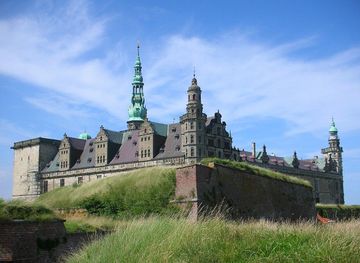
Discover the charm of Zealand, Denmark's largest island, blending vibrant city life in Copenhagen with serene coastal beauty and rich cultural heritage.
Explore Zealand
Explore more of Denmark
Discover Denmark: A perfect blend of history, modern design, and the cozy concept of hygge. Explore vibrant cities, serene landscapes, and world-class cuisine.
Explore Denmark