

Copenhagen City Hall, Køge Travel Guide
Free Guide: National Romantic red brick, a soaring clock tower and an astonishing world clock make Copenhagen City Hall the civic soul and architectural showpiece of Rådhuspladsen.


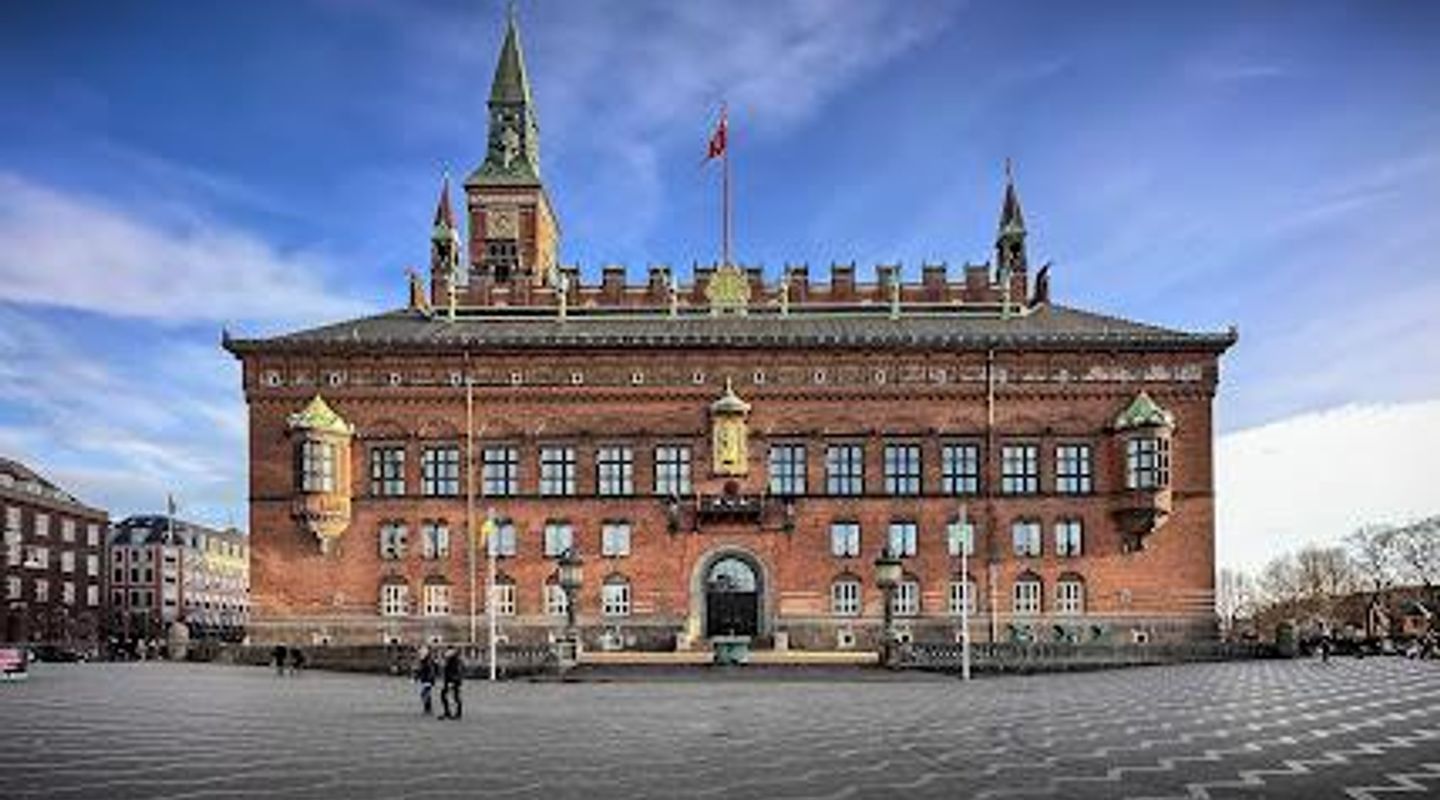
A brief summary of Copenhagen City Hall
National Romantic red brick, a soaring clock tower and an astonishing world clock make Copenhagen City Hall the civic soul and architectural showpiece of Rådhuspladsen.
Copenhagen City Hall rises over Rådhuspladsen with a 105.6‑meter clock tower, red‑brick façades and ornate details that embody Denmark’s National Romantic style. Built between 1892 and 1905, it is both the city’s political heart and a richly decorated public building, with a grand central hall, peaceful inner garden, and the extraordinary Jens Olsen’s World Clock tucked just inside. Free to enter, it anchors one of Copenhagen’s liveliest squares, moments from Tivoli Gardens and Strøget.
On-site amenities
 Restrooms
 Drinking water
 Seating areas
 Sheltered areas
 Trash bins
 Information boards
 Visitor centre
Opening hours
- Mon9 am–4 pm
- Tue9 am–4 pm
- Wed9 am–4 pm
- Thu9 am–4 pm
- Fri9 am–4 pm
- Sat9:30 am–1 pm
- SunClosed
Opening hours as listed on the venue’s Google Business Profile. Hours can change for services and special events, so check with the venue before you go.
- Address
- Rådhuspladsen 1, 1553 København
- Phone
- Website
Getting there
Metro
Train and short walk
City bus
Bicycle
Discover more about Copenhagen City Hall
Where Copenhagen’s Civic Heart Meets Everyday Life
Copenhagen City Hall stands at the center of Rådhuspladsen, its tall clock tower and warm red brick anchoring one of the busiest spaces in the city. Designed by architect Martin Nyrop and completed in 1905, the building was inspired by grand Italian town halls yet translated into a distinctly Nordic, National Romantic expression. Here, city politics, major celebrations and everyday errands unfold under the same ornate roof.The building still houses the city council and the lord mayor’s offices, but large parts remain accessible, so you can step directly into the civic stage where Copenhagen marks everything from royal jubilees to championship victories. Just outside, the wide square is framed by statues, fountains and the constant movement of buses, bicycles and pedestrians heading toward Tivoli Gardens or the start of the Strøget shopping street.
Architecture Rich in Symbolism and Craftsmanship
Up close, the City Hall’s façade reveals layers of detail: decorative brickwork, gilded figures, coats of arms and intricate carvings that tell stories of Denmark’s past. National Romantic architecture favored natural materials, hand‑crafted ornament and references to folklore and medieval forms, and all of these threads come together here in one monumental composition.Inside, broad staircases, arches and galleries wrap around a soaring central hall paved with patterned stone. Light pours in through high windows, picking out sculpted reliefs and murals. Almost every element, from wrought‑iron railings to door handles, was custom designed, showcasing the skills of turn‑of‑the‑century Danish artisans. It feels at once ceremonial and surprisingly open, a place where citizens are meant to feel ownership of their city.
Hidden Corners: Garden Cloister and Quiet Reading Room
Beyond the formal halls, Copenhagen City Hall shelters quieter spaces that contrast with the buzz outside. In the middle of the building, a small courtyard garden offers a pocket of greenery with lawns, flowerbeds and arcades. It functions as a cloister‑like retreat, where you can pause with a coffee or simply enjoy the muffled sounds of the city beyond the walls.Another atmospheric corner is the former City Hall Library, now used as a tranquil reading room. High ceilings, tall windows and book‑lined walls create an almost academic calm, making it a popular place for quiet work or study. Both spaces underscore how the building is designed not only for ceremony, but also for reflection and everyday use.
Jens Olsen’s World Clock and the Call of the Tower
Just inside the entrance, Jens Olsen’s World Clock adds a fascinating mechanical layer to the visit. This complex astronomical clock, completed in the mid‑20th century after decades of work, tracks everything from standard time to planetary motions with astonishing precision. Dials, cogs and tiny inscriptions invite patient inspection, turning a simple hallway into a miniature observatory.From ground level, your eye is continually drawn upward to the City Hall Tower, one of Copenhagen’s tallest structures. Guided visits lead up more than 300 steps to a viewing balcony, rewarding the climb with sweeping views over rooftops, Tivoli’s rides, church spires and the harbor beyond. The ascent itself, through brick stairwells and narrow landings, reinforces the tower’s role as both landmark and lookout.
Life on the Square: Statues, Stories and Celebrations
Outside the main doors, Rådhuspladsen functions as Copenhagen’s front yard. To one side, the Dragon Fountain twists a bull and a dragon into a dramatic struggle; nearby, Hans Christian Andersen sits on his bench, facing Tivoli and the street that bears his name. A stone pillar marks where the city’s old western gate once stood, quietly recalling the days when walls enclosed the historic center.Throughout the year, the square hosts concerts, rallies, seasonal markets and New Year festivities. Street performers, food stalls and temporary stages transform it regularly, yet the City Hall remains the constant backdrop. Whether you are passing through on the way to Strøget or lingering on the steps to watch the flow of bicycles at rush hour, this is where the rhythms of modern Copenhagen and its long civic story meet most vividly.
Evendo Review Centre
 Google
Guest reviews
Best time to go
Quietest: Jan, Feb & Mar · before 7am or from 10pm
Busy times are Evendo estimates for a typical year, to help you plan. Actual crowds vary with events, school holidays and the weather.
Explore Copenhagen City Hall on the map
A handpicked selection of must-see spots near Copenhagen City Hall, mapped for you.
Get your free copy of our complete guide to Copenhagen City Hall, delivered straight to you.
Everything on this page, from opening hours and how to get there to Eve’s tips and the best time to go, in one PDF you can read offline, print or share.
Already have an account? Sign in
Your Copenhagen City Hall guide is ready.
We'll send it to · Not you? Sign out

Getting your guide ready…
We are putting together a fresh copy of the Copenhagen City Hall guide. This can take up to a minute.
This can take a few moments. If your browser asks, choose Allow so the download can start. You'll find the guide in your Downloads folder.
Nothing happened? Download it again
Sorry, the guide is taking longer than usual. Please try again in a minute, or get it by email instead.
Unlock the best of Copenhagen City Hall
Skip-the-line tickets, guided tours with entry, and walking tours of the area, booked in a few clicks.
 Tour with entry
Self-Guided Tour In Copenhagen with 100 Captivating Audio Stories
from $3.19 Tour with entry
Copenhagen Self Guided Audio Experience
from $5.70 Tour with entry
Life of H.C. Andersen - Half Day Self-Guided Audio Walking Tour
from $14.10 Tour with entry
Escape Tour self-guided, interactive city challenge in Copenhagen
from $32.21


Other nearby places you may find interesting
The closest places of the same kind, if this one is not quite what you had in mind.
-
-
-
-
-


Swipe for more places
More to explore near Copenhagen City Hall

 Best experiences near Copenhagen City Hall
 Best hotels near Copenhagen City Hall
 Best landmarks near Copenhagen City Hall
 Best attractions near Copenhagen City Hall
 Best shops near Copenhagen City Hall
 Best restaurants near Copenhagen City Hall
 Best bars near Copenhagen City Hall
Do you manage this location?
Take control to get all the benefits, like improved information, better appearance, and stronger visibility across AI-powered discovery.
Explore more
Explore more of Køge
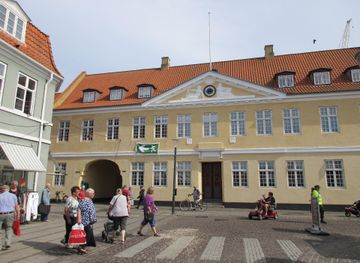
Explore Køge, Denmark's coastal gem, with its medieval charm, beautiful marina, and close proximity to the stunning Stevns Klint UNESCO World Heritage site.
Explore Køge
Explore more of Denmark
Discover Denmark: A perfect blend of history, modern design, and the cozy concept of hygge. Explore vibrant cities, serene landscapes, and world-class cuisine.
Explore Denmark
