H. C. Andersens Blvd., Køge Travel Guide
Free Guide: A bustling central boulevard where Copenhagen’s traffic, Tivoli’s towers and Hans Christian Andersen’s bronze likeness meet in the shadow of City Hall.


A brief summary of H. C. Andersens Blvd.
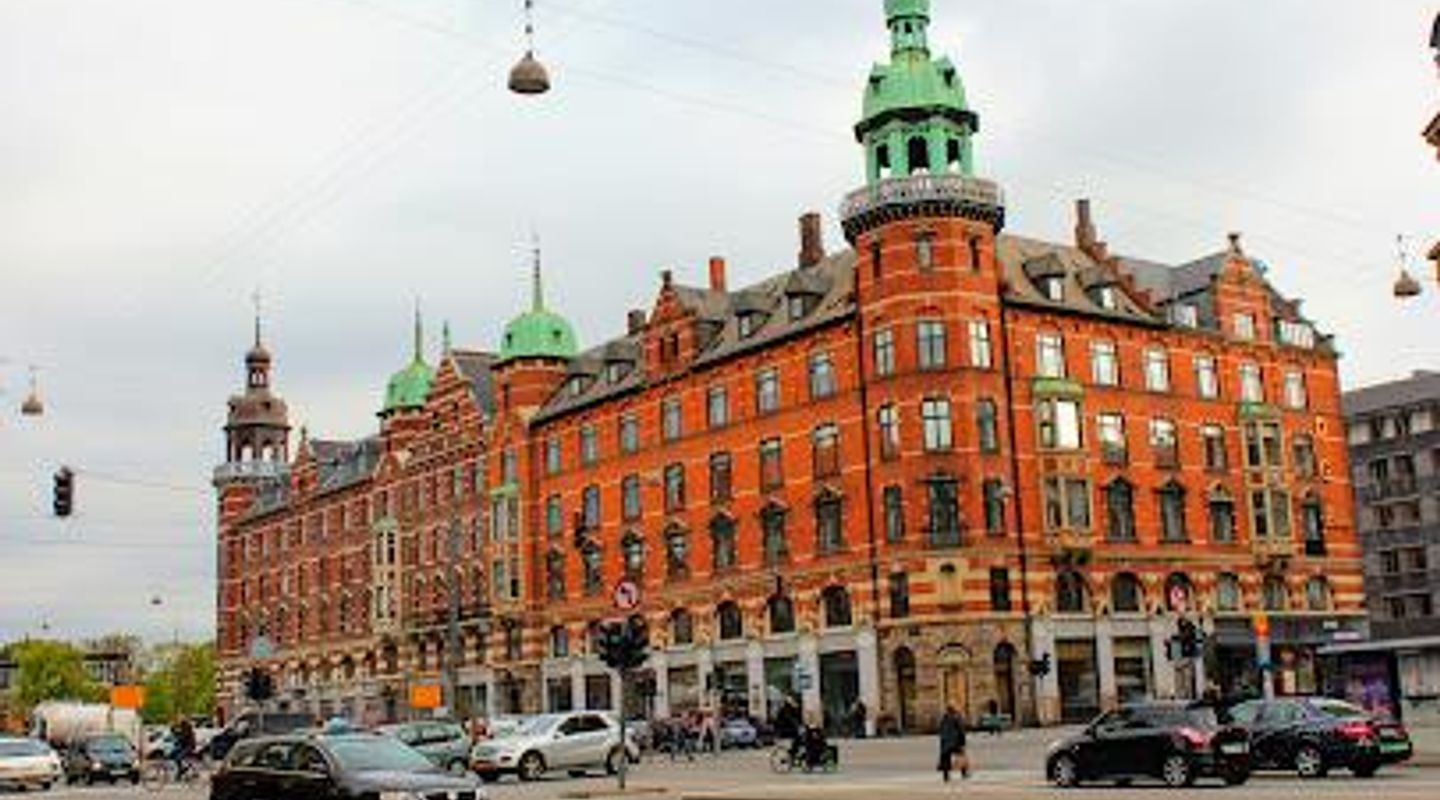
A bustling central boulevard where Copenhagen’s traffic, Tivoli’s towers and Hans Christian Andersen’s bronze likeness meet in the shadow of City Hall.
H. C. Andersens Boulevard is one of Copenhagen’s main arteries, cutting through the historic Indre By and skirting the lively City Hall Square and Tivoli Gardens. Named for Denmark’s beloved fairy-tale writer, the broad boulevard blends heavy city traffic with classic architecture, statues and monuments, including the famous seated bronze figure of Hans Christian Andersen gazing toward Tivoli. It is less a single sight than an urban corridor: a place you pass, cross and pause along while exploring central Copenhagen’s theatres, museums and squares.
On-site amenities
 Restrooms
 Drink options
 Drinking water
 Food options
 Seating areas
 Trash bins
 Information boards
 Visitor centre
- Address
- Copenhagen
Getting there
Metro
City Bus
Bicycle
On Foot from Central Copenhagen
Discover more about H. C. Andersens Blvd.
A Grand Boulevard in the Heart of Copenhagen
H. C. Andersens Boulevard slices through central Copenhagen, forming a wide ribbon of asphalt between the old town streets and the brick bulk of City Hall. This is one of the city’s busiest thoroughfares, carrying streams of buses, bikes and cars past landmark buildings and open squares. Yet despite the traffic, it is also a handy reference line for orienting yourself in Indre By: follow it and you brush past Tivoli Gardens, Copenhagen City Hall and the edge of the lakes that frame the inner city.The boulevard’s generous width, central tram- and bus-friendly design, and flanking pavements create an urban stage where everyday life plays out. Cyclists glide in dedicated lanes, office workers hurry to meetings, and visitors pause at crossings with guidebooks in hand. The constant motion is part of its character, making it feel more like a living spine than a static monument.
Hans Christian Andersen in Bronze and Stone
The boulevard’s namesake is never far from view. Near City Hall Square, a larger-than-life bronze statue of Hans Christian Andersen sits on a low plinth, book in hand and cane by his side, looking across toward Tivoli’s fanciful towers. The pose captures the writer at rest yet alert, as if he has paused mid-tale to observe the city that shaped him.This corner acts as an informal meeting point and photo stop. Visitors often perch on the statue’s knee or cluster at its base for group shots, while school groups gather around to hear stories of The Little Mermaid or The Ugly Duckling. The juxtaposition of the calm, seated figure and the roaring boulevard behind him underlines how thoroughly Andersen has been woven into Copenhagen’s modern identity.
City Hall, Squares and Urban Landmarks
Running alongside the boulevard is Rådhuspladsen, City Hall Square, a broad plaza framed by the red-brick City Hall on one side and commercial buildings on the other. From the pavement you can admire the City Hall’s tall clock tower, ornate façade and sculpted details, all typical of Denmark’s turn-of-the-20th-century civic architecture.Around this hub cluster a handful of other civic and cultural markers: fountains, clocks, advertising signs and flagpoles that change with the season. The wide open space of the square contrasts sharply with the channeled movement of the boulevard. Step a few metres away from the traffic and you can watch buskers, demonstrations, or simply crowds flowing between shops, attractions and side streets.
Gateway to Tivoli and the City’s Attractions
For many visitors, H. C. Andersens Boulevard is their first encounter with central Copenhagen as they emerge from nearby stations or city buses. Tivoli Gardens sits just across from the boulevard’s western edge, its gates, domes and rides peeking above fences and façades. Follow the line of the road and you are only a short walk from museums, theatres, shopping streets and the waterfront.Rather than being a destination in its own right, the boulevard functions as a gateway and connector. Its crossings shepherd you between neighbourhoods, its sidewalks deliver you to attractions, and its constant traffic reminds you that this is a working capital as well as a historic centre. From here, it is easy to branch off toward the lakes, the Latin Quarter, or further down to the harbour.
Experiencing the Atmosphere at Street Level
What makes time on H. C. Andersens Boulevard memorable is the sensory mix: the low rumble of buses, the soft hiss of bike tyres, the chiming of the City Hall clock and, on breezy days, the rustle of flags overhead. On clear evenings the façades glow in warm light, while the neon and arches of Tivoli flicker to life just across the way.In daylight, you can pick out architectural details on the surrounding buildings or watch locals navigating the cycle lanes with casual confidence. After dark, the boulevard feels more dramatic, with headlights, streetlamps and illuminated towers giving the scene a cinematic quality. It is rarely tranquil, but it offers an authentic slice of Copenhagen’s urban rhythm.
Practical Pause Point on a City Walk
Despite the traffic, the pavements and corners along H. C. Andersens Boulevard serve as convenient pause points when exploring the inner city on foot. Benches and low walls on or near City Hall Square offer somewhere to sit and plan your next move, while clear sightlines make it easy to reorient yourself.From here, you can thread into quieter side streets, dive into Tivoli, or head toward other Hans Christian Andersen-related sites scattered across the city. Even if you treat the boulevard mainly as something to cross, its scale, name and landmarks ensure it remains one of the most recognisable axes on the map of Copenhagen.
Evendo Review Centre
 Google
Guest reviews
Best time to go
Quietest: Jan, Feb & Mar · before 6am or at 10pm
Busy times are Evendo estimates for a typical year, to help you plan. Actual crowds vary with events, school holidays and the weather.
Explore H. C. Andersens Blvd. on the map
A handpicked selection of must-see spots near H. C. Andersens Blvd., mapped for you.
Get your free copy of our complete guide to H. C. Andersens Blvd., delivered straight to you.
Everything on this page, from opening hours and how to get there to Eve’s tips and the best time to go, in one PDF you can read offline, print or share.
Already have an account? Sign in
Your H. C. Andersens Blvd. guide is ready.
We'll send it to · Not you? Sign out

Getting your guide ready…
We are putting together a fresh copy of the H. C. Andersens Blvd. guide. This can take up to a minute.
This can take a few moments. If your browser asks, choose Allow so the download can start. You'll find the guide in your Downloads folder.
Nothing happened? Download it again
Sorry, the guide is taking longer than usual. Please try again in a minute, or get it by email instead.
Other nearby places you may find interesting
The closest places of the same kind, if this one is not quite what you had in mind.
-
-
-
-
-


Swipe for more places
More to explore near H. C. Andersens Blvd.

 Best experiences near H. C. Andersens Blvd.
 Best hotels near H. C. Andersens Blvd.
 Best landmarks near H. C. Andersens Blvd.
 Best attractions near H. C. Andersens Blvd.
 Best shops near H. C. Andersens Blvd.
 Best restaurants near H. C. Andersens Blvd.
 Best bars near H. C. Andersens Blvd.
Do you manage this location?
Take control to get all the benefits, like improved information, better appearance, and stronger visibility across AI-powered discovery.
Explore more
Explore more of Køge
Explore Køge, Denmark's coastal gem, with its medieval charm, beautiful marina, and close proximity to the stunning Stevns Klint UNESCO World Heritage site.
Explore Køge
Explore more of Denmark
Discover Denmark: A perfect blend of history, modern design, and the cozy concept of hygge. Explore vibrant cities, serene landscapes, and world-class cuisine.
Explore Denmark