From Eve
Know before you go
Hi, I'm Eve. Here are a few practical things to know before exploring Christianshavns Kanal.
Local know-how to help you travel smarter and make the most of every moment.

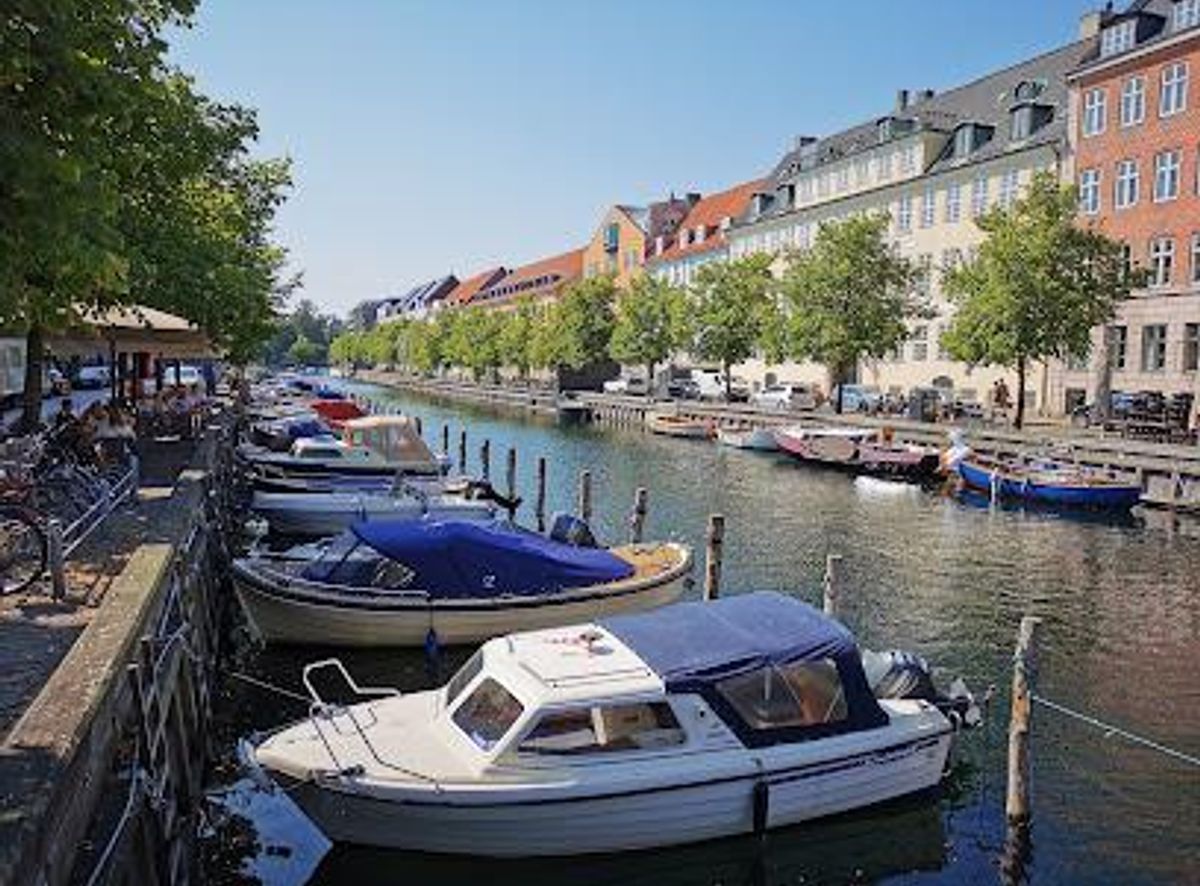
A 17th‑century canal of cobbles, gables and sailboats, Christianshavns Kanal is Copenhagen’s quietly cinematic waterway at the heart of island life.
Christianshavns Kanal is the elegant spine of Copenhagen’s island district of Christianshavn, a 17th‑century canal flanked by cobbled quays, gabled warehouses and bobbing sailboats. Laid out under King Christian IV in a Dutch-inspired grid, it remains a working waterway and one of the city’s most atmospheric places for slow strolls, café stops and boat trips, with houseboats, small bridges and nearby sights like Church of Our Saviour and Freetown Christiania adding character.
Opening times, essentials, and a few local tips gathered into one calmer, easier-to-scan planning section.
Hi, I'm Eve. Here are a few practical things to know before exploring Christianshavns Kanal.
Local know-how to help you travel smarter and make the most of every moment.
Metro
From central Copenhagen, take the M1 or M2 metro line to Christianshavn Station, which typically takes 3–5 minutes from Kongens Nytorv and 8–10 minutes from Nørreport. Standard single tickets within the city centre cost roughly 20–30 DKK depending on zones. Trains run every few minutes throughout the day. From the station, it is a short, level urban walk to reach different points along Christianshavns Kanal, suitable for most mobility levels.
Bus
Several city bus routes serve the Christianshavn area from central districts, with typical journey times of 10–20 minutes depending on traffic and starting point. A single bus ticket in the inner zones generally costs around 20–30 DKK and can be bought via ticket machines or travel apps. Buses run frequently during the day and evening, though late‑night services are less regular, so check schedules if returning late.
Bicycle
Cycling from central Copenhagen to Christianshavns Kanal usually takes 5–15 minutes via the city’s extensive bike‑lane network. Many hotels offer bikes, and city bike‑share schemes and rentals typically cost from about 75–150 DKK per day. The route is flat and straightforward, but quayside paths can be narrow and shared with pedestrians, so ride slowly and be cautious near the water, especially in wet or icy conditions.
Harbour or canal boat
Guided canal and harbour boat tours depart from central piers near Nyhavn and other inner‑harbour locations, often lasting 60–90 minutes and costing roughly 80–120 DKK per adult. Many of these routes include sections passing through or alongside Christianshavns Kanal, giving a water‑level view of the district. Services are more frequent in spring and summer; in colder months, reduced timetables and enclosed boats are common, so check seasonal availability.
 Restrooms
 Drink Options
 Drinking Water
 Food Options
 Seating Areas
 Sheltered Areas
 Trash Bins
 Information Boards
 Visitor Center
Catch the right light and the right mood, whether you want a bright city moment or a more cinematic evening visit.


Use Tower Bridge as your starting point for nearby food, family ideas, nightlife, and more local discoveries.
A quick look at seasonal patterns and peak visiting hours.

Explore expert travel guides, compare and book tours, experiences, hotels, and more—all from the palm of your hand. Download now for seamless trip planning wherever your wanderlust takes you.
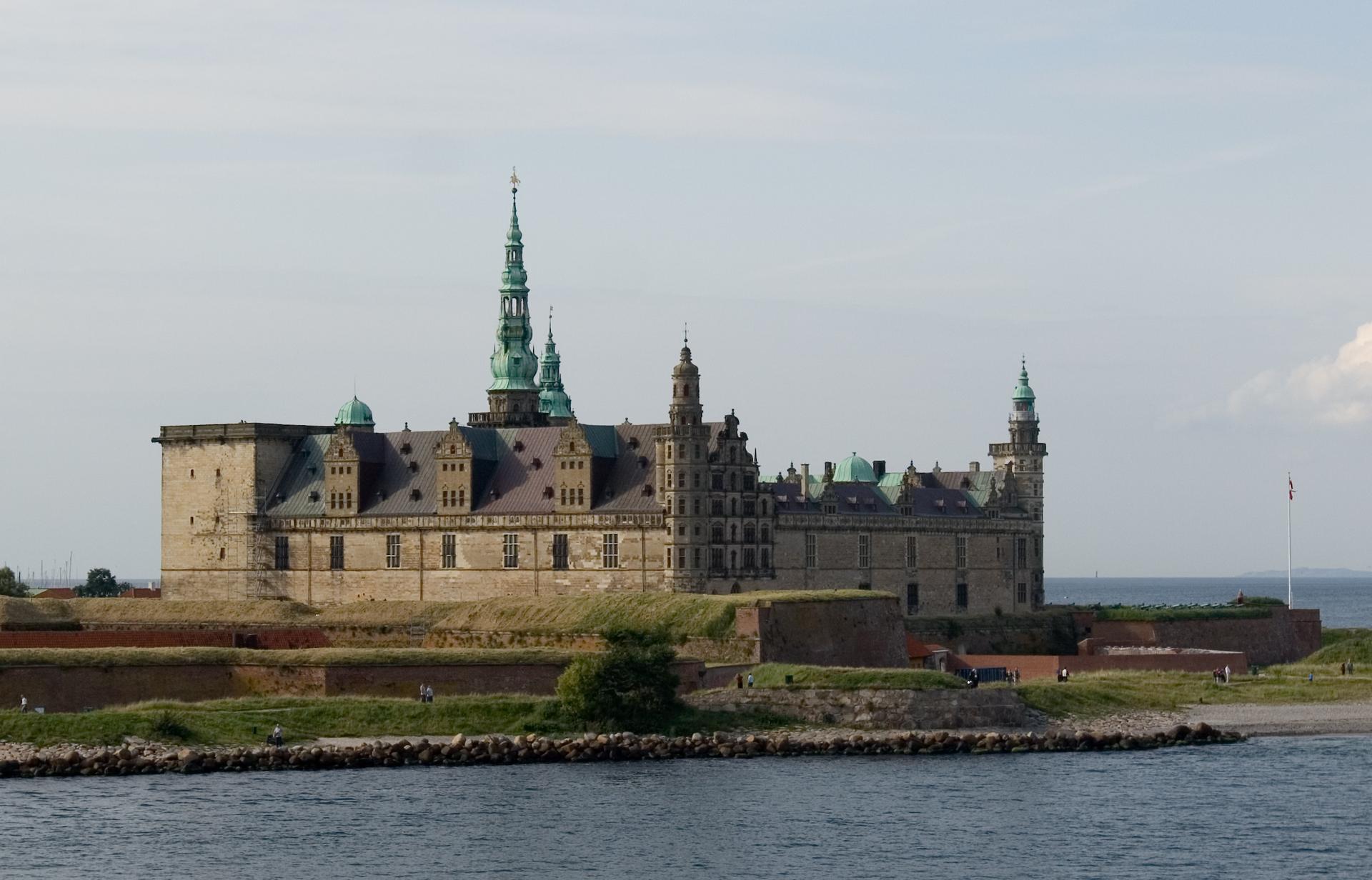
Discover Helsingør, Denmark's historic coastal city, home to Kronborg Castle and a vibrant cultural scene, offering a blend of history, scenic beauty, and local charm.
Tell me more about Helsingor