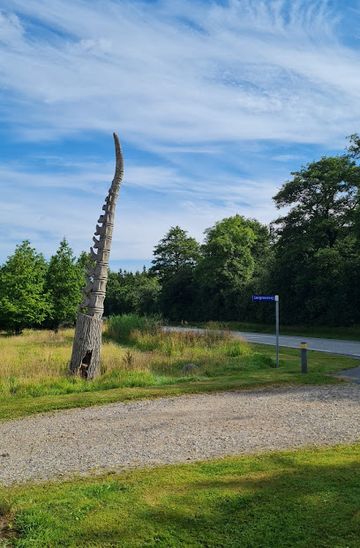
Gram Clay Pit: Denmark’s Fossil Treasure Trove
Discover Denmark’s ancient marine history by fossil hunting in the Gram Clay Pit—an interactive family attraction and one of Sønderjylland’s top geological sites.
The Gram Clay Pit in Sønderjylland is a unique paleontological site where visitors can dig for ancient fossils from the Miocene era. Set in a rural landscape near Gram, the site offers hands-on experiences alongside museum exhibits, letting guests uncover Denmark’s prehistoric past and take home real fossil finds.
A brief summary to Gram Clay Pit
- Lergravsvej 2, Gram, 6510, DK
- Click to display
- Click to display
- Monday 10 am-5 pm
- Tuesday 10 am-5 pm
- Wednesday 10 am-5 pm
- Thursday 10 am-5 pm
- Friday 10 am-5 pm
- Saturday 10 am-5 pm
- Sunday 10 am-5 pm
Local tips
- Pack old clothes and sturdy footwear—the clay is sticky, and fossil hunting can get messy.
- Most found fossils can be kept, but check with museum staff for identification and rare finds.
- During busy weekends or school holidays, arrive early to secure digging tools and a good spot.
- Combine your visit with the natural history museum on-site to see some of Denmark’s best fossil finds.

Do you manage this location?
Take control to get all the benefits, like improved information, better appearance, and stronger visibility across AI-powered discovery. Learn more
Activate your presence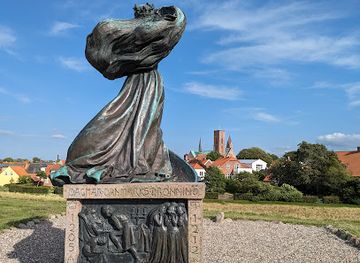
Getting There
-
Car
Approaching from central Sønderjylland, travelers pass through gentle agricultural landscapes to reach Gram, with the clay pit situated on the outskirts near open meadows. Parking is available on-site and typically free; in peak seasons, arrive earlier for the best spots.
-
Public Transport
Buses from the main towns in Sønderjylland head towards Gram’s modest town center, where taxis or local municipal shuttles offer a quick transfer to the clay pit. Expect a short onward ride costing around 50–80 DKK by taxi or less if using community shuttle services.
-
Bicycle
Cyclists find the route to Gram Clay Pit pleasant, traversing village lanes and countryside paths. Once in Gram, follow signs to the museum area—the final approach is straightforward, and secure bicycle parking is available by the entrance.
Discover more about Gram Clay Pit
Explore the best of what Gram Clay Pit has to offer















More about Sonderjylland
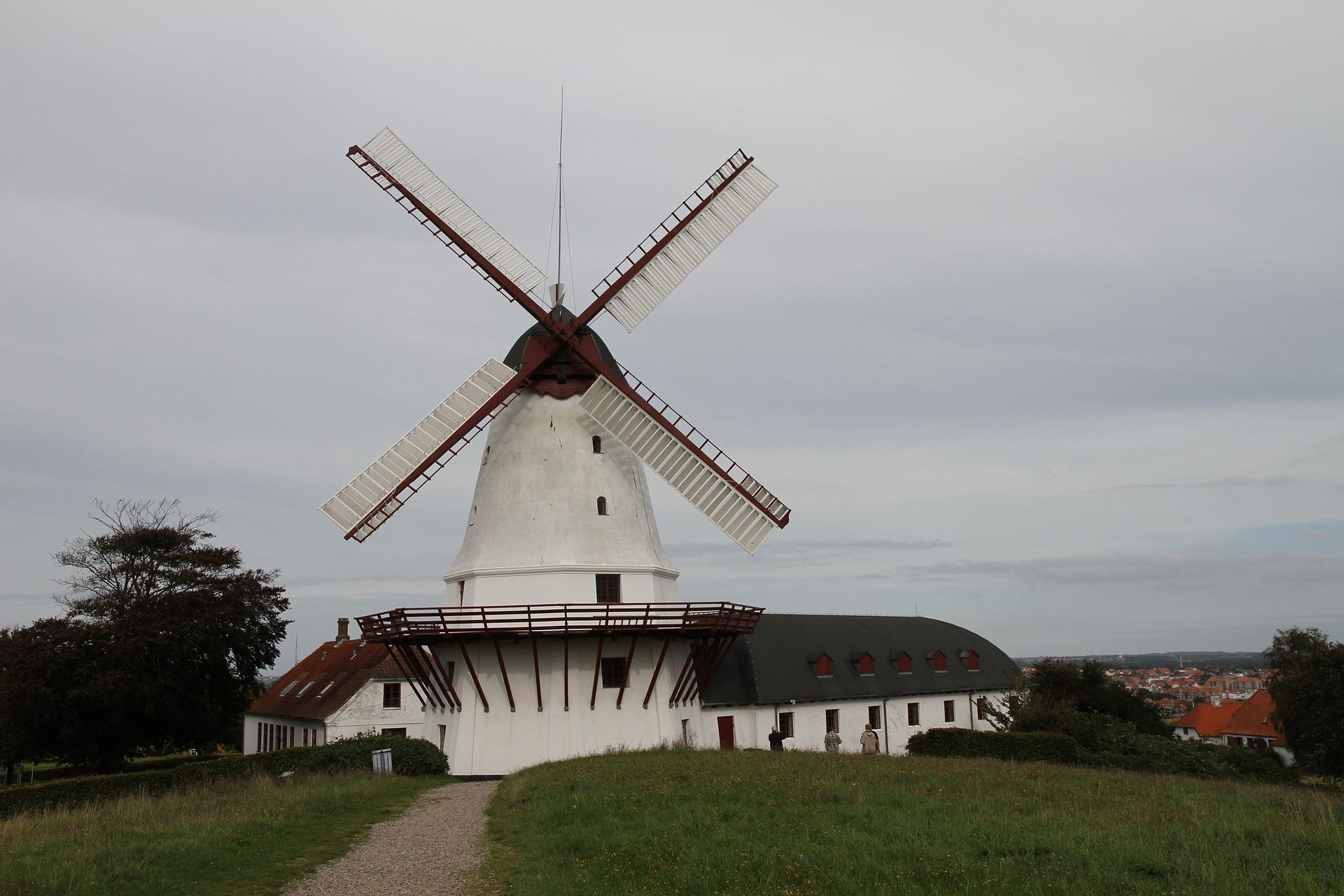
Sønderjylland: A Journey Through Denmark's Scenic Landscapes, Rich History, and Vibrant Traditions.
Tell me more about Sonderjylland
Discover a world of family fun at Rømø Lege- & Labyrintpark: mazes, games, and outdoor adventures await on the beautiful island of Rømø, creating unforgettable memories for all ages.
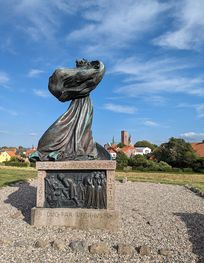
A contemplative statue on Ribe’s former castle hill, honouring the gentle 13th‑century Queen Dagmar where her life and legend became entwined with Denmark’s history.