Badehusene i Marstal, Langeland Travel Guide
A narrow sandspit of sea, sky and color, where Marstal’s historic bathing huts keep more than a century of simple Danish island summer life alive.
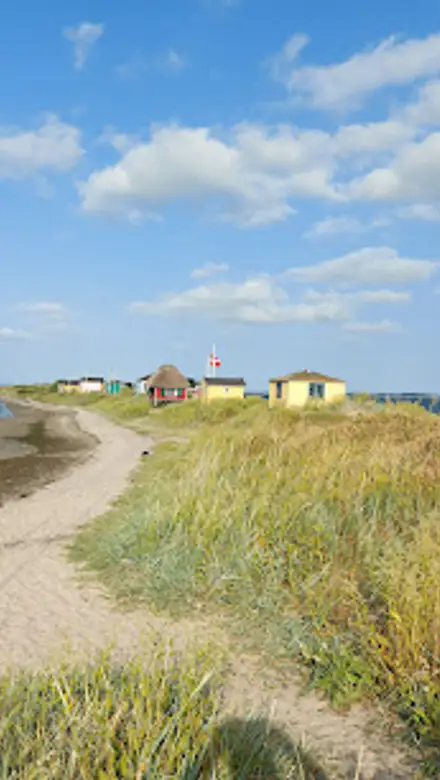
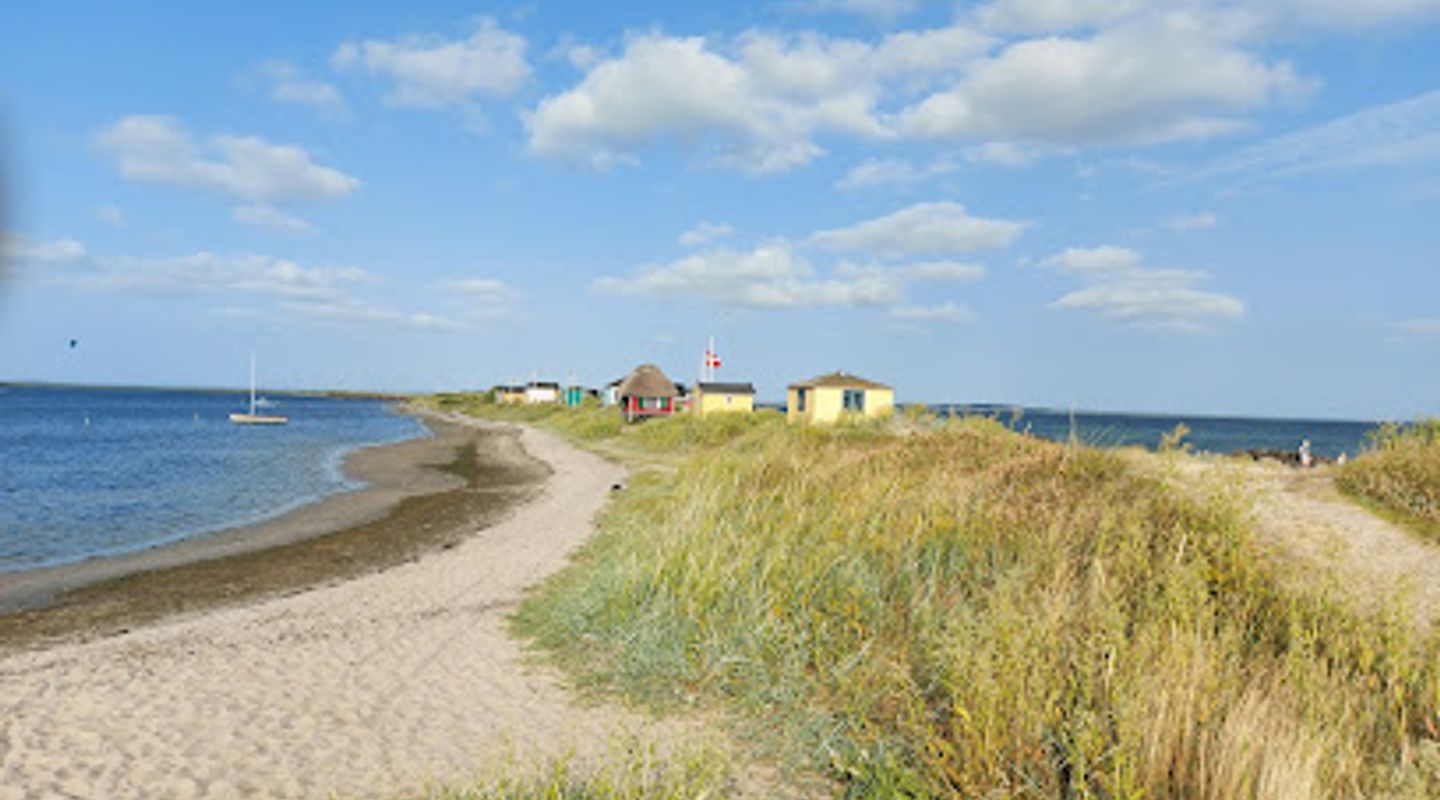
Strung out like a painter’s palette along the narrow sandspit of Eriks Hale just outside Marstal, the colorful Badehusene i Marstal are among Ærø’s most iconic sights. Nineteen small wooden bathing huts, including the famous little red hut with a thatched roof, line a curving beach with shallow, child‑friendly water on one side and deeper sea on the other. More than a century of summer traditions live on here in this protected piece of Danish island culture.
A brief summary to Badehusene i Marstal
- Kalkovns stien, Marstal, 5960, DK
- Duration: 1 to 3 hours
- Free
-
 Outdoor
- Mobile reception: 4 out of 5

Know before you go
Hi, I'm Eve. Here are a few practical things to know before exploring Badehusene i Marstal.
- Aim for early morning or late afternoon for softer light and fewer people in your photos of the colorful huts and the red thatched bathhouse.
- Pack water shoes for the stony sections of beach and a towel or mat to sit on, especially if you plan to linger with children on the shallow side.
- Respect that the bathing huts are privately owned; admire and photograph them from the outside and avoid using terraces or steps without permission.
- Bring layers, as the exposed sandspit can feel noticeably cooler and windier than the streets of Marstal, even on bright summer days.
- In stormy or very high‑water conditions, check local advisories before planning a swim, as the sandspit and access paths can be affected by storm surges.
Do you manage this location?
Take control to get all the benefits, like improved information, better appearance, and stronger visibility across AI-powered discovery. Learn more about listing your business on Evendo
Activate your presenceOther nearby places you may find interesting
The closest places of the same kind, if this one is not quite what you had in mind.
Explore Badehusene i Marstal on the Map
A handpicked selection of must-see spots near Badehusene i Marstal, mapped for you.
Getting There
-
Walking from central Marstal
From Marstal’s central streets and harbour area, walking to Eriks Hale and the bathing huts typically takes 15–25 minutes at a relaxed pace. The route is flat and follows local roads and paths towards the coast, with a short exposed section on the sandspit itself. It is suitable for most visitors, including families with strollers, but be prepared for wind on the final stretch. No payment is required for access.
-
Bicycle from Marstal town
Cycling from the centre of Marstal to the bathhouses usually takes 5–10 minutes on mostly quiet, paved streets. Standard city bikes are sufficient and can be rented in town for roughly 80–150 DKK per day, depending on season and provider. Bicycle parking is informal and free near the beach entrance, though in peak summer you may need to walk the last short section along sandy ground.
-
Car or taxi within Ærø
Reaching Eriks Hale by car from within Marstal takes about 5 minutes, and 20–35 minutes from other island towns such as Ærøskøbing or Søby, depending on route and traffic. Public parking near the beach is generally free but limited, especially on warm summer days and public holidays. Taxis on Ærø can bring you from Marstal’s centre in a few minutes, with fares typically around 60–120 DKK one way, varying by time of day and distance.
-
Bus and walk from elsewhere on Ærø
If you are staying in another part of Ærø, regional buses connect Ærøskøbing and Søby with Marstal in about 30–60 minutes, depending on the starting point and timetable. From the bus stop in Marstal, allow 15–25 minutes on foot to reach the sandspit and bathing huts along level streets and paths. Bus services are less frequent in the evening and outside the main season, so checking current departure times in advance is essential.
For the on-the-go comforts that matter to you
-
 Restrooms
-
 Drink Options
-
 Food Options
-
 Seating Areas
-
 Picnic Areas
-
 Trash Bins
-
 Information Boards
Discover more about Badehusene i Marstal
Island bathhouses on a narrow strip of sand
Eriks Hale is a curved sandspit just beyond Marstal, where the town’s shoreline stretches out into the blue waters of the South Funen Archipelago. Here, a line of small wooden huts sits just above the pebbly beach, facing the sea on both sides of the narrow tongue of land. On one side, the water is shallow and calm, particularly welcoming for families with children. On the other, the seabed drops away more quickly, offering a brisker swim and a sense of open sea.The huts themselves are modest in size but rich in character. Each one is painted in its own bright color, standing shoulder to shoulder in a gentle curve that follows the line of the beach. Seen from a distance, they form a band of reds, yellows, greens and blues against the muted tones of sand, sea and sky.A century of seaside summer life
The bathing huts of Marstal are part of a wider Ærø tradition that dates back more than 100 years. For generations, families have used these simple wooden shelters as a base for long summer days by the water. Many huts have been passed down through the same families, making them an intimate piece of local heritage as well as a distinctive feature of the landscape.Strict rules preserve their original look and feel: no extensions, no major alterations, and no installation of electricity or running water. The idea is that life here should remain uncomplicated and close to nature, much as it was when the huts first appeared along the shoreline.The famous red hut and its neighbours
Among the nineteen huts at Marstal, one in particular has become a symbol of Ærø: a small red hut topped with a thatched roof and trimmed in contrasting woodwork. It is often described as the island’s most photographed bathing house, and its traditional appearance has made it something of an emblem for the area.Yet part of the charm of Eriks Hale lies in the differences between the huts. Some are freshly painted, others weathered by salt and wind. Together they tell quiet stories of careful maintenance, storms endured and summers spent in the same sheltered spot on the shore.Beach atmosphere and simple pleasures
The beach at Eriks Hale feels intimate yet open, with clear views across the water and back towards Marstal’s harbour. The shallow side is especially suited to small children, paddlers and those who prefer to wade rather than plunge, while the deeper side invites stronger swimmers, kayaks and paddleboards. On warmer days, swimmers share the water with small boats and the occasional board gliding past the point.Basic facilities, including seasonal refreshments and toilets close to the beach, keep the focus on uncomplicated seaside enjoyment. The lack of built‑up development around the huts means the soundscape is dominated by waves, wind and conversation rather than traffic.Living heritage shaped by sea and weather
Storms occasionally remind the island how exposed this sandspit is. In recent years, severe storm surges have damaged many of the huts, prompting local efforts to repair and rebuild them while retaining their historic appearance. This ongoing work underlines their status as living heritage rather than static museum pieces.Today, the huts remain an active part of island life. Local traditions such as midsummer gatherings and seasonal dips in the cold or sun‑warmed water continue around them. For visitors, walking the length of Eriks Hale offers a close look at this blend of natural landscape and carefully protected cultural history, framed by wide skies and ever‑changing light over the Baltic Sea.












Your all‑in‑one travel companion app
Explore expert travel guides, compare and book tours, experiences, hotels, and more—all from the palm of your hand. Download now for seamless trip planning wherever your wanderlust takes you.


Explore More of Langeland
Looking beyond Badehusene i Marstal? Discover Langeland for broader travel guides, local hot-spots, and regional highlights.
Explore Langeland