
Frederik VII’s Kanal – Vest End, Løgstør
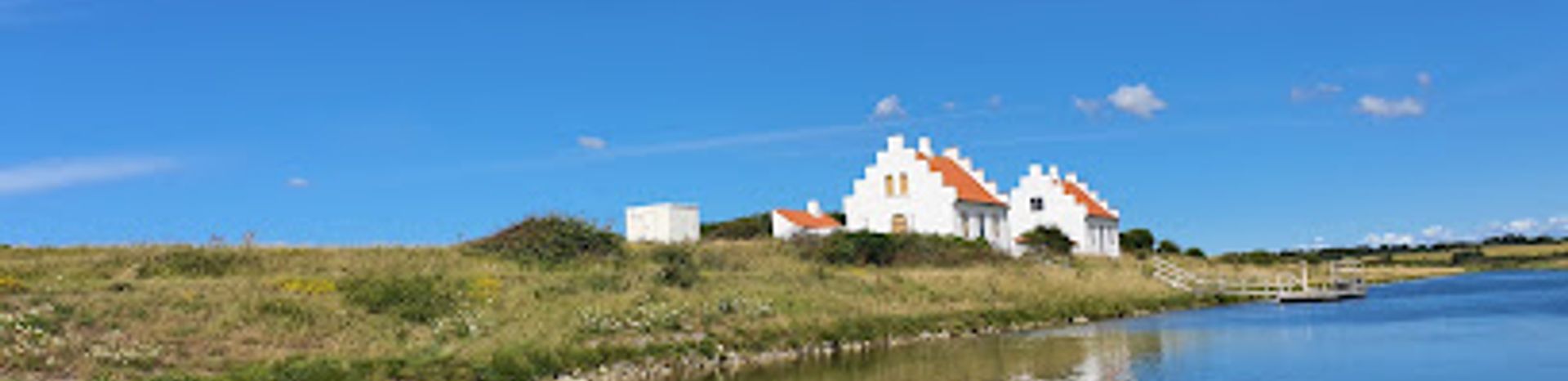
Stand at the quiet western end of Frederik VII’s Canal, where 19th‑century engineering, Limfjord seafaring history and rare coastal nature meet in one straight green waterway.
At the western end of Frederik VII’s Canal in Løgstør, you stand where one of 19th‑century Denmark’s largest engineering projects once met the open Limfjord. Dug by hand between 1856 and 1861 to bypass the treacherous Løgstør sandbanks, the 4.4 km canal turned this quiet shore into a bustling maritime gateway. Today, its grassy banks, calm waterway, old towing paths and views toward the fjord form a tranquil cultural landscape that blends industrial heritage with rare limestone meadows and birdlife.
A brief summary to Frederik den 7' Kanal, vestende.
- Klostervej 12, Logstor, 9670, DK
- Visit website
- Duration: 0.5 to 2 hours
- Free
-
 Outdoor
- Mobile reception: 4 out of 5
- Monday 12 am-12 am
- Tuesday 12 am-12 am
- Wednesday 12 am-12 am
- Thursday 12 am-12 am
- Friday 12 am-12 am
- Saturday 12 am-12 am
- Sunday 12 am-12 am
Local tips
- Wear sturdy shoes: the former towpaths along the canal are generally easy but can be uneven, grassy and muddy after rain, especially near the western end.
- Bring binoculars in spring and summer to spot waders, ducks and other birdlife using the canal’s shallow edges and nearby coastal meadows.
- Combine a quiet walk at the west end with a visit to Limfjordsmuseet and, in season, a guided canal boat trip to hear more of the canal’s history.
- Dress for changeable coastal weather; even on warm days the wind from Limfjorden can feel cool and exposed along the open canal banks.

For the on-the-go comforts that matter to you
- Seating Areas
- Trash Bins
- Information Boards
Getting There
-
Car from central Løgstør
From central Løgstør, driving to the western end of Frederik VII’s Canal typically takes 10–15 minutes. The route follows local roads through low‑density residential areas and open fields, and surface conditions are good year‑round. There is usually free roadside or small informal parking near the west end, but spaces are limited in summer weekends, so avoid peak midday if possible. No tolls apply, and fuel is the only cost.
-
Bicycle from Løgstør harbor area
Cycling from the Løgstør harbor and Limfjordsmuseet area to the west end of the canal takes around 25–35 minutes. The ride uses quiet local roads and sometimes gravel paths, mostly flat but exposed to wind from the fjord. Standard city or touring bikes are suitable. There is no dedicated bike parking at the canal itself, so bring a lock and be prepared to leave the bike along the verge. This option is free and works best in the snow‑free months.
-
Walking along the canal towpath
For those already in Løgstør near the canal’s eastern section, walking to the western end along the towpath is a scenic choice. Expect 1.5–2 hours each way at a moderate pace. The path is mostly flat, following grass and compacted earth, but can be muddy and uneven after rain, and is not ideal for wheelchairs or strollers. There is no lighting along the rural stretches, so plan to return before dusk in winter. The walk is free and suitable in dry conditions from spring through autumn.
-
Regional bus and short walk
Regional buses run between towns in the Himmerland area, with stops in or near Løgstør. From a nearby bus stop west or south of town, reaching the canal’s west end usually involves a 15–25 minute walk on country lanes. Travel times by bus from other local towns are typically 20–45 minutes, with standard Danish regional fares in the range of 20–60 DKK one way depending on distance. Services are less frequent in evenings and on weekends, so check schedules in advance and allow extra time for the final walk.
Frederik den 7' Kanal, vestende. location weather suitability
-
 Clear Skies
-
 Mild Temperatures
-
 Any Weather
-
 Windy Conditions
-
 Cold Weather
-
 Hot Weather
Discover more about Frederik den 7' Kanal, vestende.
A canal carved by hand into the Limfjord coast
Frederik VII’s Canal, also known as Løgstør Canal, was dug between 1856 and 1861 as an audacious answer to the shallow Løgstør sandbanks that had blocked larger ships for centuries. Instead of deepening the fickle seabed out in the fjord, engineers chose to cut an entirely new waterway just inland. The result was a 4.4 km long, roughly 25–28 m wide and 3 m deep canal that effectively created a man‑made shipping lane running parallel to the shoreline. At its western end near Lendrup and the open Limfjord, you can still sense the scale of the undertaking. Hundreds of workers, many of them German, moved earth with nothing more than shovels and wheelbarrows. In its time, the project ranked among Denmark’s largest construction feats, transforming a quiet stretch of coast into a strategic link in the Limfjord’s shipping network.From busy maritime shortcut to protected monument
Once opened in 1861, the canal quickly became a vital shortcut. Sailing ships that previously had to offload cargo onto flat‑bottomed barges to creep over the sandbanks could now slip into the sheltered channel instead. In the late 1800s, almost 3,000 vessels a year navigated this narrow passage, waiting in small basins at each end when traffic backed up. The success was not to last forever. Around 1900 a deeper fairway was finally dredged through the sandbanks out in the fjord itself. For a short period, both routes coexisted, but the direct fairway gradually took over. By 1913 the canal closed to through‑traffic, and in 1958 it was protected as a cultural monument. Here at the western end, the waterway now reads more as a quiet historic trace than a busy transport artery.A landscape of limestone meadows and strand meadows
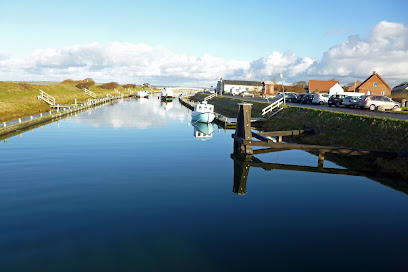
Although entirely artificial, the canal created its own distinctive habitats. Along the banks, limestone‑rich soil and fluctuating water levels encouraged species that thrive on dry, calcareous ground and salt‑touched grassland. The result is a patchwork of kalkoverdrev – limestone meadows – and strandenge, coastal meadows that glow with wildflowers in late spring and summer. Birdlife benefits from this mosaic of shallow water, reeds and open grazing land. From the towpaths you may spot waders probing the mud, swans cruising the mirror‑still surface and small songbirds flitting between low shrubs. Standing at the west end, you look along a green corridor where industrial history and nature have quietly grown together over more than a century.Traces of canal life at the western basin
The western end of the canal was more than just a water gate; it was a small working community. Here lay a turning basin where ships could wait their turn, and canal employees supervised traffic and maintenance. The canal houses at Lendrup, now associated with Limfjordsmuseet, hold exhibitions that delve into stories of skippers, towing horses and daily routines along the banks. Nearby, you can still sense how the canal met the wider Limfjord. Today, coastal protection limits direct passage from the basin out into open water, but the relationship between canal and fjord is still legible in the landscape. Look for old mooring structures and embankments that hint at the years when masts lined the horizon and the clank of rigging carried across the water.Towpaths, walks and a sense of calm
On both sides of the canal, narrow towpaths were originally laid out for horses and people hauling sailing ships through the narrow channel. Those tracks now serve as popular walking and running routes, extending from Løgstør to this quieter western end. The further you move from town, the more the canal feels like a green ribbon of calm between farmland and fjord. At the west end, the atmosphere is unhurried. Grassy banks invite you to sit and watch the slow drift of water under the sky. The straight line of the canal creates long perspectives that photographers love, especially in low evening light when the water mirrors clouds and reeds. Even without boats moving through, it is easy to imagine the creak of hulls and the call of sailors echoing along the cutting.Living heritage connected to Limfjordsmuseet
Although the canal’s commercial role has ended, it remains closely tied to the maritime storytelling of Limfjordsmuseet in Løgstør. In summer, guided boat trips operate along parts of the canal, sometimes accompanied by the turning of Denmark’s oldest functioning swing bridge near the eastern end. The western end offers a quieter complement: here you simply stand in the landscape and take in the work that made those stories possible. Taken together, the canal’s west end, its protected status, and its combination of engineering, nature and lingering maritime traces make this a rewarding stop in northern Jutland. It is a place where you can slow down, walk the old towpaths and let the straight, man‑made water line lead your thoughts back through 160 years of Limfjord history.Iconic landmarks you can’t miss

Eshøj gravhøj
27.2 km
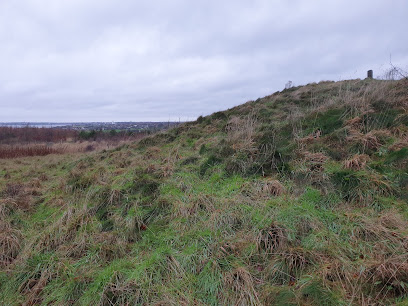
A Bronze Age burial mound preserving 3,000 years of Danish prehistoric heritage on a windswept Jutland plateau.
SOLTEGNET af billedhugger og professor Bjørn Nørgaard
28.7 km
A radiant sculpture of oyster shells celebrating art, sustainability, and fjord culture.
Thisted Vandtårn
32.6 km
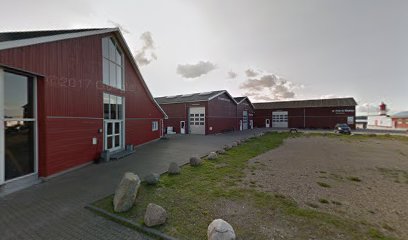
A glowing beacon of Thisted's industrial heritage, this iconic 1939 water tower illuminates the night sky.
Bålhytten i Rebild Bakker
40.2 km
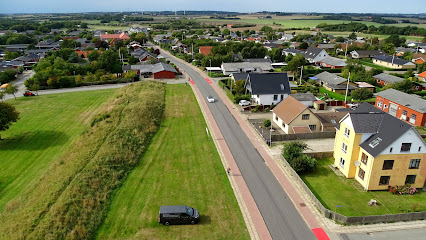
Discover Bålhytten i Rebild Bakker: A cozy octagonal shelter in Rebild National Park, perfect for hikers and nature lovers seeking a tranquil retreat and a taste of Danish history.
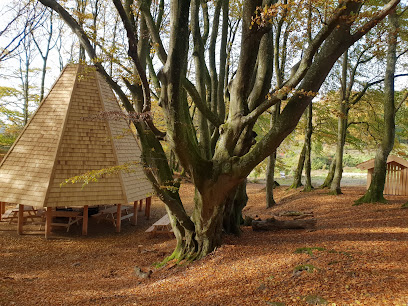
Rebild National Park
40.2 km
Discover Denmark's Rebild National Park: Rolling hills, lush forests, and a vibrant Danish-American history await in this scenic and culturally rich natural escape.

Kimbrerstenen i Rebild Bakker
40.2 km
A carved tribute to the ancient Cimbri, Kimbrerstenen stands amid Rebild’s heather‑clad hills, uniting Iron Age legend, sculpted granite and wide North Jutland skies.
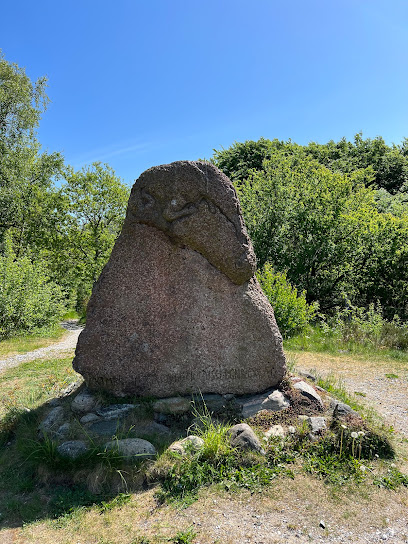
Comwell Rebild Bakker
40.3 km
Experience tranquility and natural beauty at Comwell Rebild Bakker, nestled in the heart of Rebild National Park and Rold Forest, offering modern comfort and sustainable practices.
RebildPorten
40.3 km
Discover RebildPorten, your essential guide to exploring Denmark’s Rebild National Park and the cultural gems of Skørping.
Danhostel Rebild
40.3 km
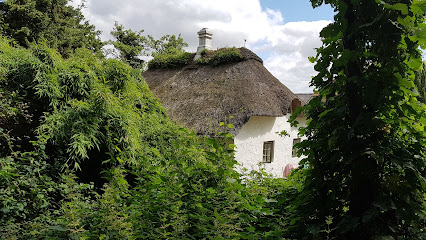
Experience Danish nature and hospitality at Danhostel Rebild, your budget-friendly gateway to Rebild Bakker National Park and the enchanting Rold Skov forest, perfect for outdoor adventures.
Rebild Bakker Information
40.3 km
Discover the rolling hills and heathlands of Rebild Bakker, where Danish-American history meets stunning natural beauty in the heart of Northern Jutland.
Museum Rebild
40.3 km
Explore Danish-American history and local traditions at Museum Rebild in Skørping, a cultural gateway to Northern Jutland's heritage and the enduring bond between Denmark and the USA.
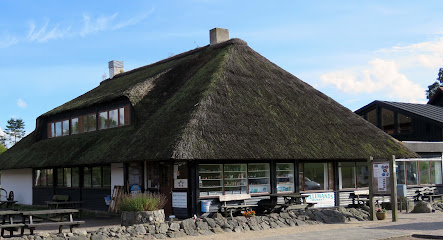
Midt inde i Rold Skov
40.5 km
Discover Denmark's largest forest: Hike through ancient woodlands, explore hidden springs, and experience the tranquility of Rold Skov, a natural treasure trove in Himmerland.
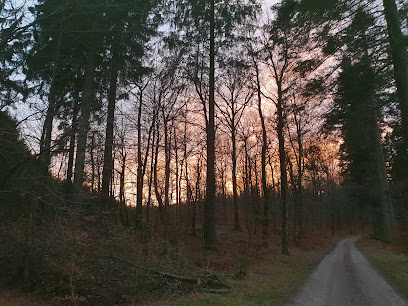
Røverknolden
40.9 km
Discover the beauty of Røverknolden, a captivating playground and serene tourist attraction in Skørping, Denmark, perfect for families and nature lovers.
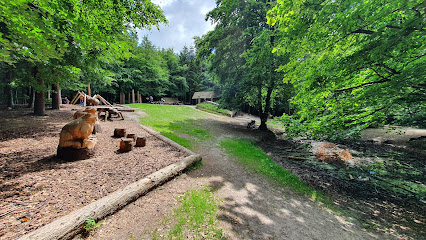
Hanstholm fortress
41.2 km
Explore Northern Europe's largest WWII coastal fortress in Denmark's Thy National Park, a powerful testament to history, engineering, and resilience on the windswept coast.
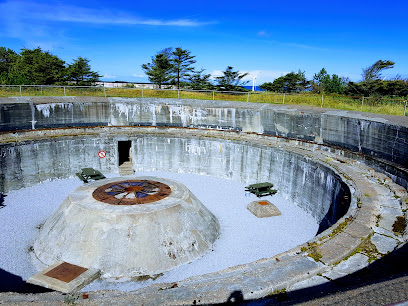
Rold Skov
41.7 km
Discover Denmark's largest forest: Hike through ancient woodlands, explore rolling hills, and uncover the captivating history and folklore of Rold Skov.
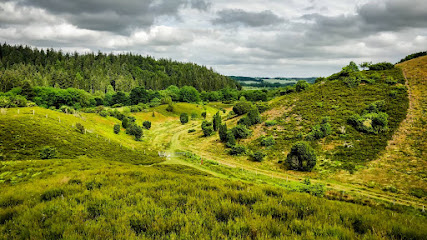
Unmissable attractions to see

Limfjordsmuseet Løgstør
3.4 km
Hands-on maritime history on the banks of Frederik VII’s Canal, where boats, aquariums and fjord stories bring the Limfjord’s working past vividly to life.
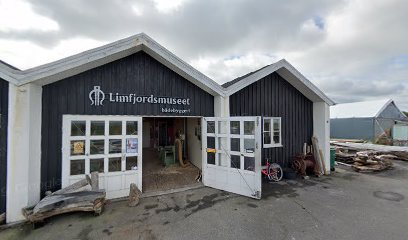
Limfjordsmuseets bådebyggeri
3.6 km
Step into a working red boat shed on Frederik VII’s Canal, where traditional wooden Limfjord vessels are restored and maritime craftsmanship is kept alive in Løgstør.
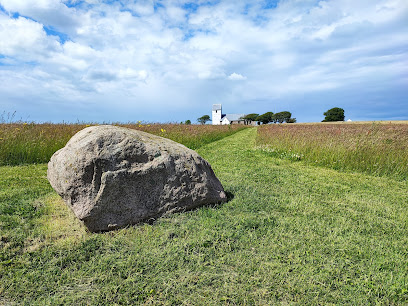
Aggersborg
6.9 km
Denmark’s largest Viking ring fortress, a vast earth circle above the Limfjord, where Harald Bluetooth’s geometric stronghold still shapes a windswept landscape of power.
Udsigtstårn - Nord
8.8 km
A simple wooden tower on Livø’s wild northern tip, offering big‑sky Limfjord panoramas, seabirds, and distant seal banks in a tranquil, wind‑washed setting.
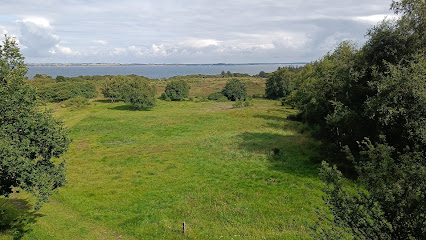
Hultræet
9.1 km
Et gammelt egetræ med hul i stammen, hvor folketro, trolde og helbredende ritualer møder Livøs vilde, fredede skovlandskab i hjertet af Limfjorden.
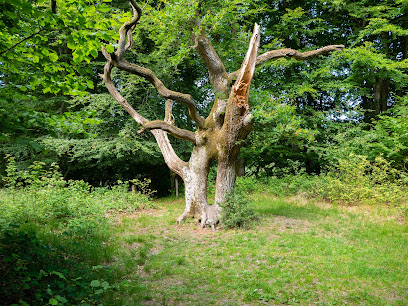
Udsigtstårn - Vest
9.9 km
Simple wooden lookout on Livø’s wild west coast, offering wide Limfjord views, dramatic eroding cliffs, seabirds and seals in a quiet, wind-swept setting.
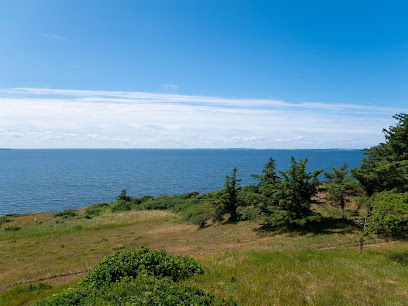
Ertebølle Lille badebro
13.4 km
A simple wooden bathing jetty on the Limfjord, Ertebølle Lille Badebro offers calm waters, big skies and quiet moments framed by Stone Age history and fjord views.
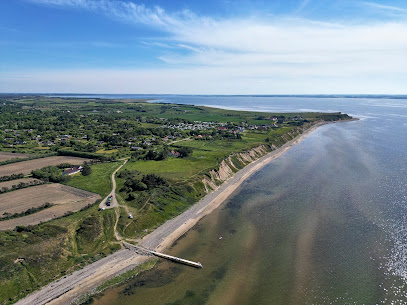
Bispehuen
16.7 km
A solitary “Bishop’s Hat” of folded diatomite rising from Fur’s largest quarry, where volcanic ash layers, fossils and sculpture meet in an open-air lesson in deep time.
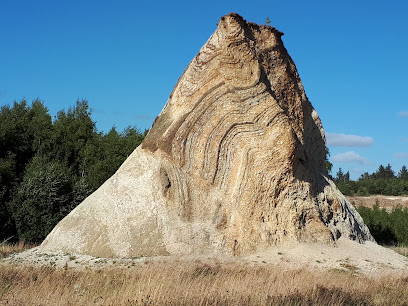
Molermanden
16.8 km
Bronze tribute to Fur’s moler workers, standing above the quarries with sweeping views across the Limfjord, where industrial heritage meets ancient geology and open skies.
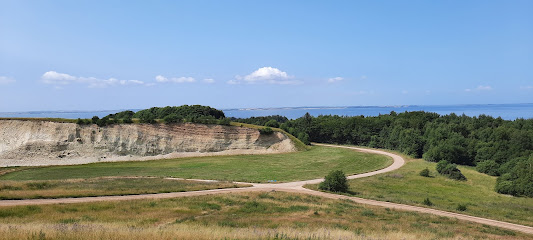
Fur
17.0 km
A compact Danish island where ancient moler cliffs, fossil-rich clay pits and soft Limfjord horizons create a quietly dramatic landscape for slow exploration.
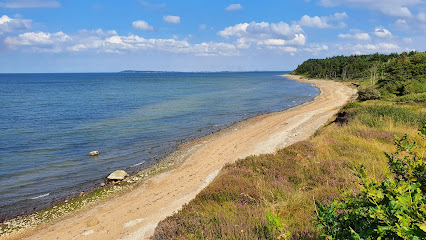
Feggeklit
17.6 km
Wind-swept moler cliffs, Viking legend and wide Limfjord views combine at Feggeklit, a small but atmospheric headland on the northern tip of Mors.
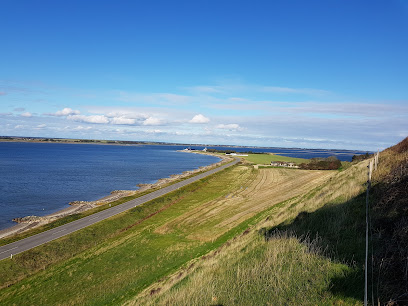
Ejerslev Lagune
17.7 km
A former moler quarry turned blue lagoon, framed by steep clay cliffs and a small working harbour on Mors, perfect for slow walks, geology and sky-wide views.
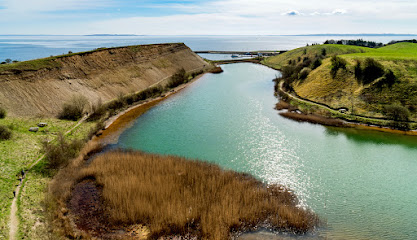
Fur Museum
17.7 km
Dive into deep time and island life at Fur Museum, where world‑class fossils and intimate local history meet in a charming Limfjord village setting.
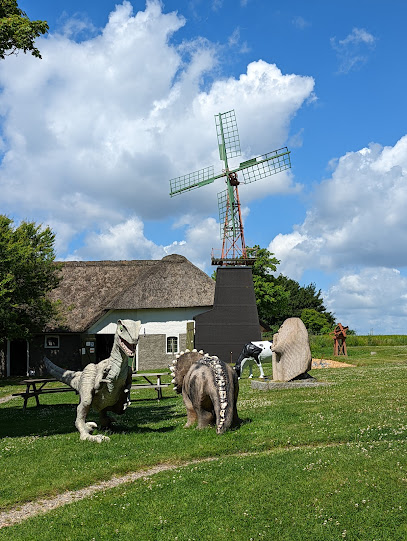
Kong Fegges grave
17.9 km
Ancient burial mound on Mors where legend, Hamlet-era myth and wide Limfjord views meet in a quiet corner of fields, stones and wind off the fjord.
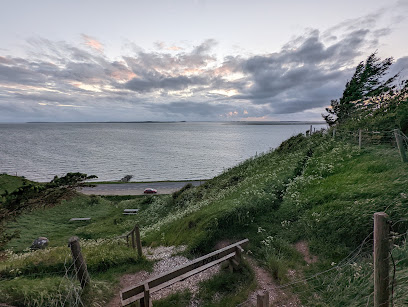
Udsigt over Feggesund
18.5 km
Simple, windswept viewpoint above the Limfjord where Mors looks across to Thy and the Feggesund ferry glides through a wide panorama of water, fields and sky.
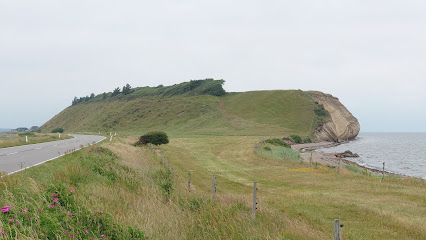
Essential places to dine

Restaurant Toftebjerg på Løgstør Parkhotel
3.1 km
Comforting Danish and international dishes, event-ready dining rooms and a relaxed hotel setting on the quiet edge of Løgstør, close to the Limfjord landscape.
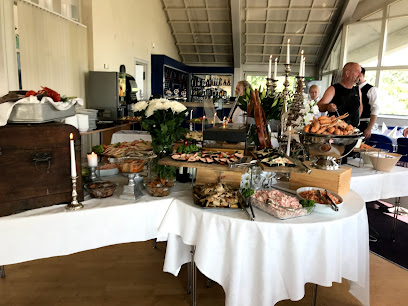
Næsbydale Badehotel
3.4 km
Historic Limfjord badehotel in a secluded valley, blending nostalgic charm, fjord views and ambitious Nordic dining in Baronens Hus above the shoreline.
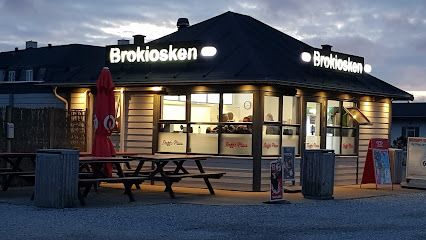
Brokiosken
8.4 km
Unpretentious roadside grillbar in Løgstør serving hearty Danish fast food, fried chicken, burgers and soft ice to hungry travelers and locals all week.
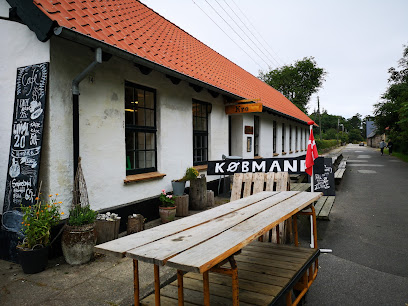
Livø Kro & Købmandscafe
8.9 km
Cozy island inn and café at the heart of car-free Livø, serving comforting Danish fare, simple treats and fjord views to walkers, sailors and overnighters.
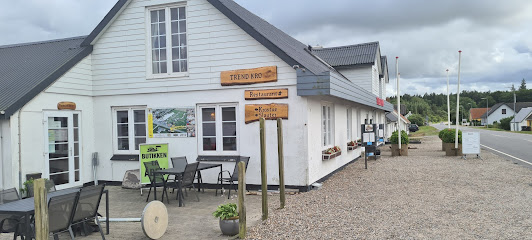
Trend Kro
11.0 km
Traditional Danish roadside inn near the Limfjord, famed for hearty stegt flæsk, a cosy converted-stable krostue and simple motel rooms for easy overnight stays.
HimmerRiget
13.4 km
Modern Nordic fine dining in the heart of HimmerLand’s golf and spa resort, where seasonal tasting menus meet intimate Scandinavian design.
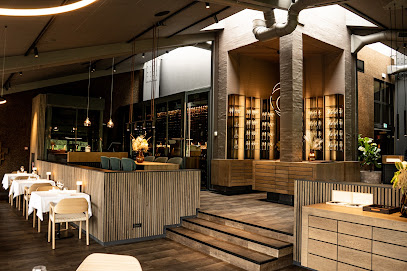
Den Blå Lagune
17.7 km
Waterfront dining where Kurdish spices meet Nordic ingredients, framed by a stunning blue lagoon and ancient moler cliffs.
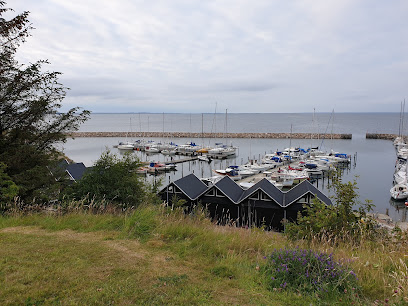
Attrup Havnecafe
18.6 km
Relaxed harbour café on the Limfjord serving classic Danish comfort food with wide fjord views, marina life at your doorstep and a friendly, family feel.
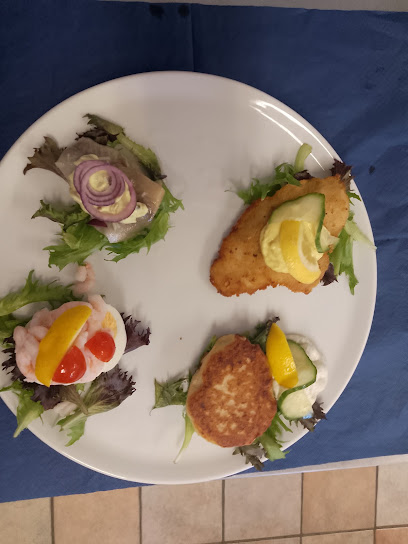
Fur Bryghus
19.1 km
Craft beer, local Nordic cuisine and Limfjord views come together in a historic red brewery on the tiny island of Fur.
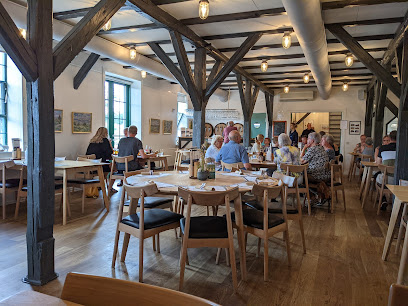
Restaurant Alanya Brovst
26.0 km
Casual Turkish-inspired pizza and kebab house in central Brovst, serving hearty portions, everyday prices, and easygoing meals for families, locals, and hungry travellers.
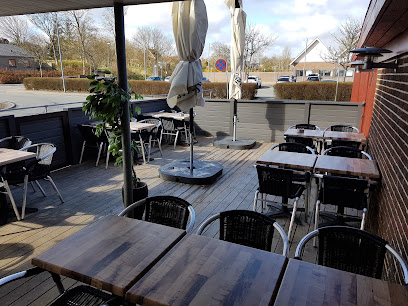
Limfjorden
26.2 km
Casual fjordside dining on the island of Mors, where local seafood, simple Nordic comfort and wide Limfjorden views meet at the edge of the water.
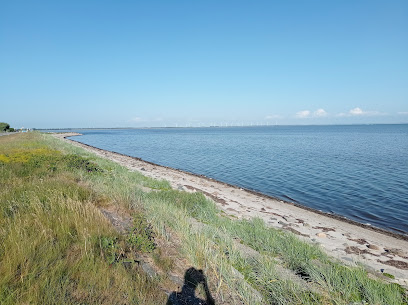
Restaurant Limfjorden - Byens Bøfhus
26.4 km
Grilled perfection and fresh seafood by the harbor in charming Nykøbing Mors.
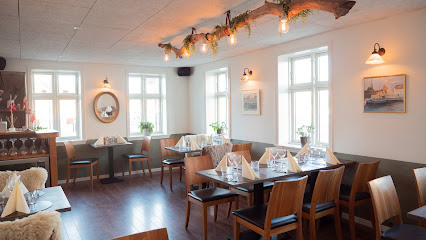
Cafe Sult
26.5 km
Harbourside brasserie in the heart of Nykøbing Mors, serving modern comfort food, vegetarian options and seasonal dishes in a relaxed Nordic-style setting.
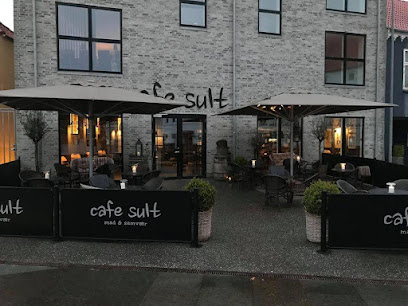
Cafe Holmen
26.5 km
Historic waterfront café in a charming old station building with Mediterranean summer terrace and homemade Danish cuisine.
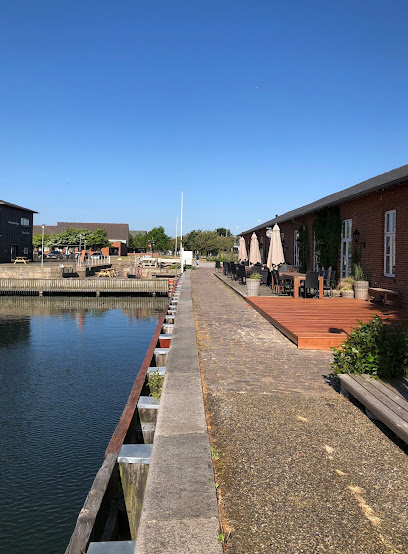
No.1 cafe og bistro
26.7 km
Cosy French-inspired bistro on Lilletorv in Nykøbing Mors, pairing Limfjord seafood and classic dishes with candlelit charm and a carefully chosen wine list.
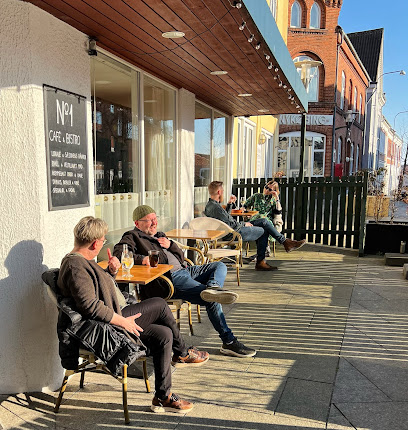
Markets, malls and hidden boutiques

Muslingebyens Lopper og Luxus
4.6 km
Characterful thrift and vintage shop in maritime Løgstør, where Limfjord charm meets second-hand treasures and quirky, affordable finds with real local stories.
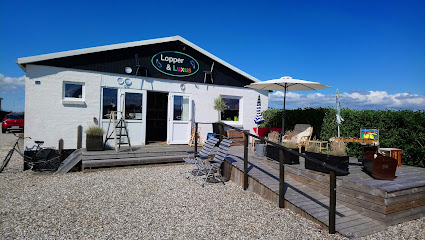
MIN KØBMAND
20.9 km
A small but essential village supermarket on Mors, Min Købmand Sejerslev keeps locals and visitors supplied with everyday groceries and a glimpse of rural Danish life.
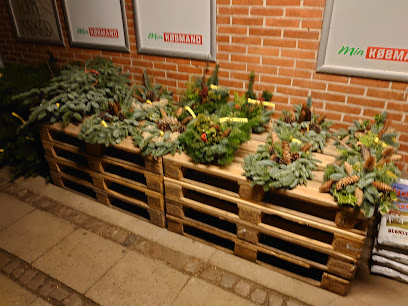
HomeHearts
23.1 km
Thoughtfully curated furniture and home décor for contemporary living spaces in Aars.
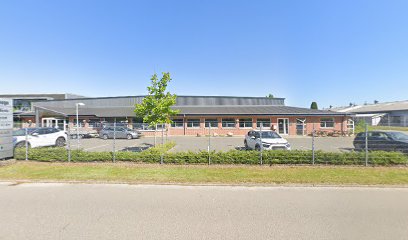
Rum by Kri-stense
23.1 km
Cosy mother–daughter interior and lifestyle boutique in Aars, blending Scandinavian design, hygge-inspired styling and welcoming advice for your home.
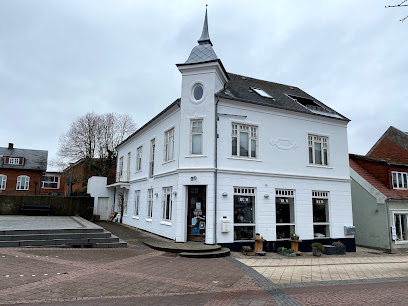
Køkkencenter Mors-Thy ApS
23.8 km
Compact Danish kitchen showroom in rural Mors, offering quiet inspiration, personal design advice and a glimpse of everyday Scandinavian home life.
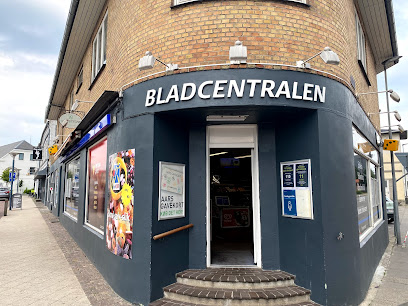
Bladcentralen
23.8 km
Your neighborhood convenience stop in central Aars, open early to late with newspapers, snacks, and everyday essentials.
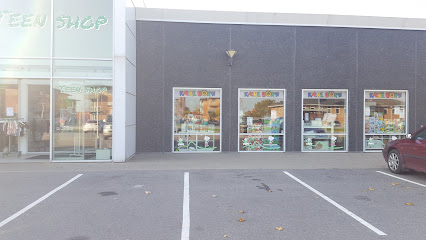
Teen Shop
23.8 km
Trendy teenage fashion in the heart of Aars—where style meets community.
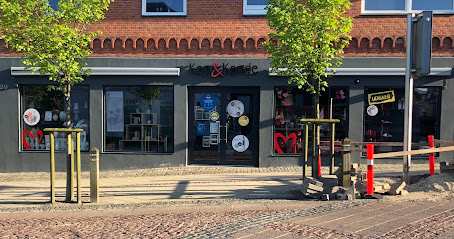
Kop & Kande Aars
23.9 km
Homeware and gifts for creating warmth and comfort in your Danish home.
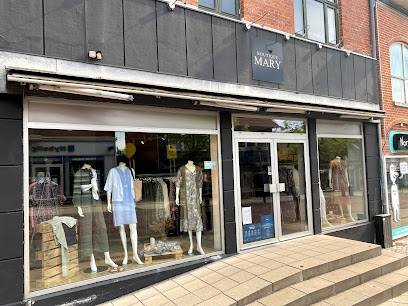
Boutique Mary Aars
23.9 km
A cosy women’s fashion boutique in central Aars, offering Scandinavian-inspired everyday style and plus-size options in a friendly, personal setting.
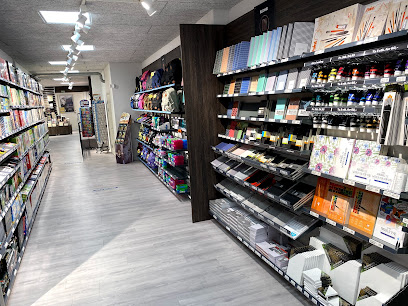
Bog & idé
23.9 km
Bookshop, gift store and stationery hub on Aars’ main street, offering books, games and everyday essentials in a calm, local-friendly atmosphere.
Aktiv Hobby
23.9 km
Cosy local hobby and gift shop on Aars’ main street, offering Danish-style décor, seasonal ornaments and personal service in a compact, welcoming space.
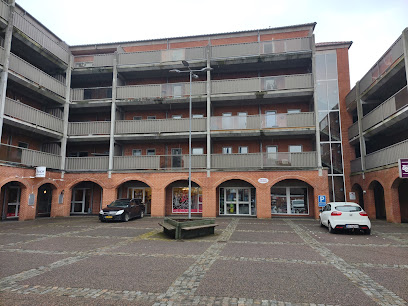
Imerco
24.0 km
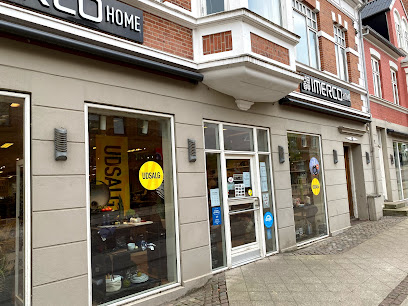
Compact Danish homeware store in central Aars, blending practical kitchen tools, stylish tableware and gift‑ready design pieces in a relaxed, small‑town setting.
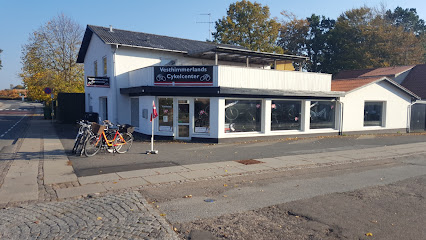
Vesthimmerlands Cykelcenter
24.2 km
Premier cycling shop and workshop serving Vesthimmerland with expert service and quality bikes.
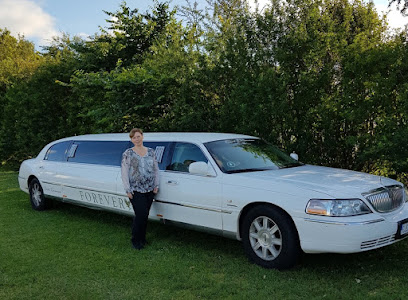
Forever Aars
24.4 km
A cozy countryside herb shop on the edge of Aars, where Nordic wellness traditions, dried plants and quiet conversation create a gentle pause in your Himmerland journey.
Von Broich Mohair ApS | Mohair.dk
28.0 km
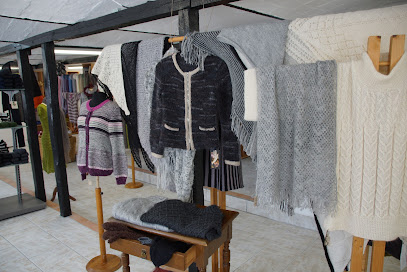
Luxury mohair products from ethical South African sources, crafted by Danish fiber experts since 1992.
Essential bars & hidden hideouts

Kanal Jazz
3.9 km
Intimate Limfjord jazz hub in Løgstør, blending cozy club nights with a waterfront summer festival atmosphere and close-up performances by Danish and international artists.
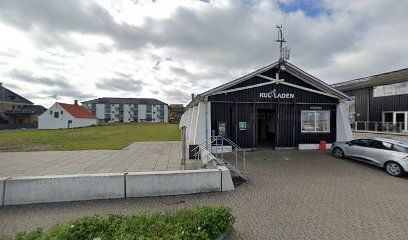
Nr 2c
4.1 km
Community-owned coffee, bar, and wine room bringing hygge, live events, and local flavour to the very heart of Løgstør.
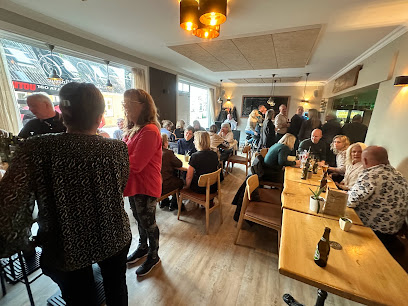
Tinget
4.2 km
Cosy local pub and wine bar in central Løgstør, pouring classic beers and wines with games, music and small‑town warmth from morning until late night.
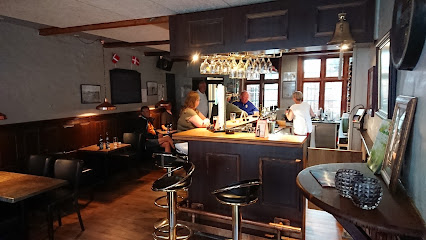
si
4.5 km
Low-key neighborhood bar in the small North Jutland town of Ranum, offering simple drinks, local character, and an unhurried village atmosphere on Vestergade.
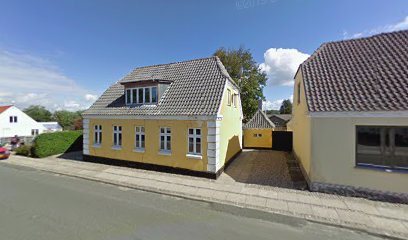
Hjørnet
4.7 km
Casual Italian beer hall in Ranum's town center—affordable, welcoming, and open late on weekends.
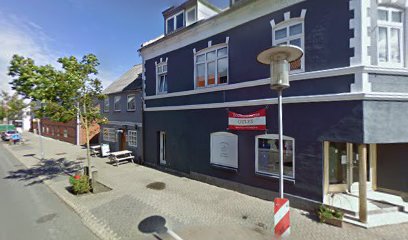
Tordenkalven
20.2 km
Cozy, no-frills bar in central Farsø, serving cold beer, simple drinks and plenty of small-town atmosphere in the heart of Himmerland.
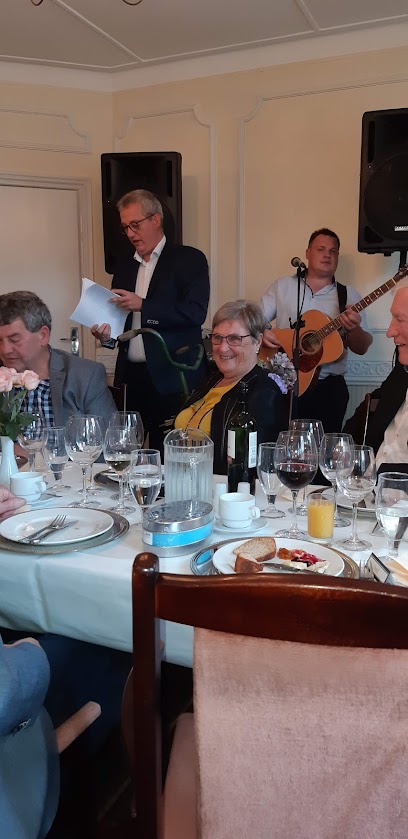
SwagHouse
25.8 km
Casual nightlife hub in the heart of Nykøbing Mors, where locals and travelers gather for drinks and social connection.
Jernkroen
26.2 km
Cozy harbor-side kro-bar in the heart of Nibe, where inexpensive drinks, a friendly courtyard and true small-town atmosphere invite you to linger.
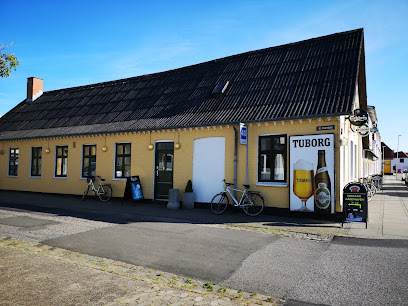
FJORD Bryggeri og Destilleri
26.4 km
Harbourfront microbrewery and distillery in Nykøbing Mors, serving small-batch beer and gin that capture the flavour of Mors in a cosy historic setting.
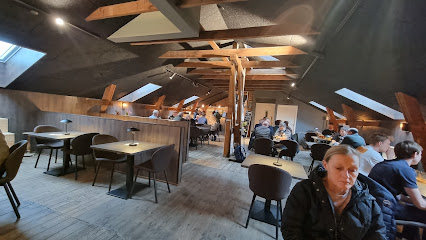
Don Muss
26.5 km
Cozy harborfront bar in Nykøbing Mors, blending everyday beers, late-night live music and local Limfjord charm in one unpretentious hangout.
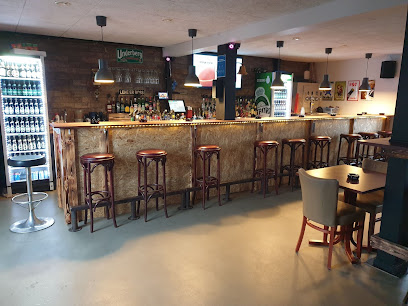
Farmors Bodega
26.5 km
Authentic Danish bodega where locals gather for beers, aquavit, and genuine Limfjord hospitality.
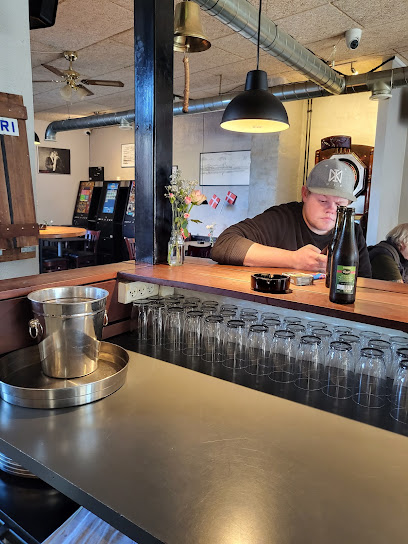
Nabo
26.7 km
Cozy neighbourhood wine bar on Nykøbing Mors’ Lilletorv, pouring characterful wines, easygoing drinks and relaxed hygge in an intimate, candlelit setting.
Club 85@Nibe Festival
27.8 km
Small-town bar turned festival hotspot, Club 85 is where Nibe’s intimate music nights spill over into easygoing drinks, local charm and late-night singalongs.
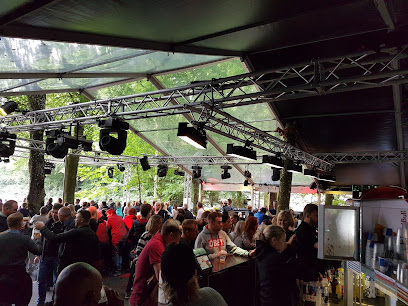
Kapias bodega
28.7 km
Cosy Gedsted neighborhood bodega offering cold beers, local company and unpretentious Danish hygge from quiet afternoons to lively weekend nights.
Heidi's Bier Bar
31.1 km
Loud, lively and drenched in Tyrolean après‑ski flair, Heidi’s Bier Bar Thisted turns coastal North Jutland nights into all‑season Oktoberfest parties.
Nightclubs & after hour spots

Mjølner
22.0 km
Small-town Nibe’s late-night heartbeat, where a compact dance floor, loud party tunes and local crowds turn a quiet fjord town into a lively night out.
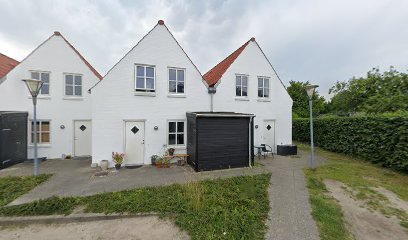
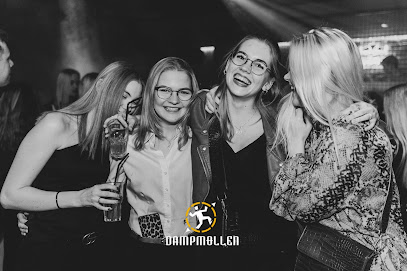
Dampmøllen Thisted
31.1 km
Late-night Thisted institution in a former steam mill, with multiple dance floors, bars and a distinctly Danish small-town party atmosphere.
HQ-CSI
31.9 km
Intimate late-night club in coastal Thisted, where locals bring small-town North Jutland energy to a compact dance floor and an easygoing bar scene.
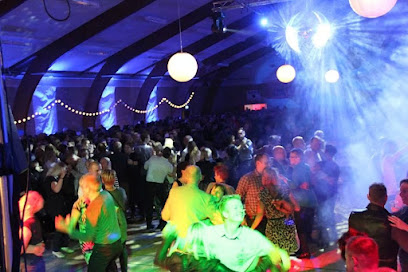
Diskotek Showoff
32.1 km
Thisted’s late-night disco club, where colorful lights, loud beats, and a compact dancefloor bring big-city party energy to this small coastal town.
Rold Skov Orienteringsklub
42.4 km
Embark on an orienteering adventure with Rold Skov Orienteringsklub in Denmark's captivating Rold Skov forest.
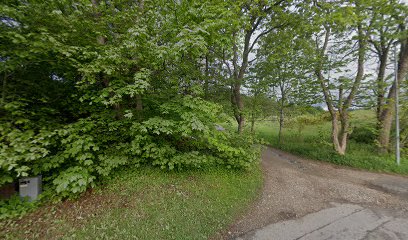
Club Stygge
44.6 km
Compact, late-night Aalborg nightclub with loud party hits, simple cocktails and a tightly packed dance floor on bustling Vesterå.
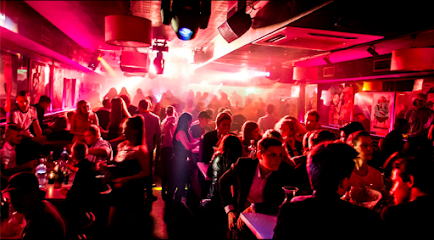
LouLou Aalborg
44.7 km
Polished cocktails and high-energy club vibes collide at this compact, late-night hotspot on Aalborg’s legendary Jomfru Ane Gade.
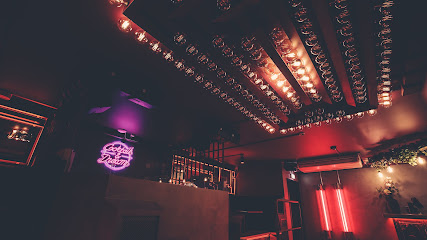
Club Wolf
44.7 km
Compact, late-night nightclub on Aalborg’s Jomfru Ane Gade, blending chart hits, strong weekend energy and a tightly packed dance floor in the city’s bar street hub.

ESCAPE CLUB & Shisha Lounge
44.7 km
Intimate nightclub and shisha lounge in the heart of Aalborg’s Jomfru Ane Gade, mixing DJ-driven dancing, drinks and hookah corners late into the night.
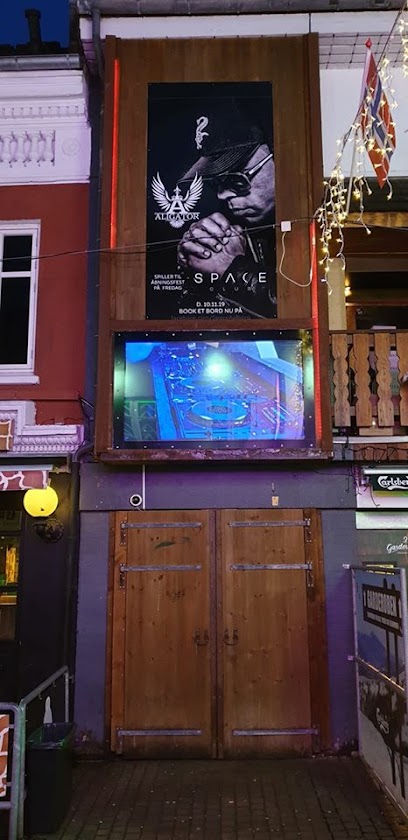
C Night Club
44.7 km
Craft cocktails meet dance floor energy on Aalborg's premier nightlife street.
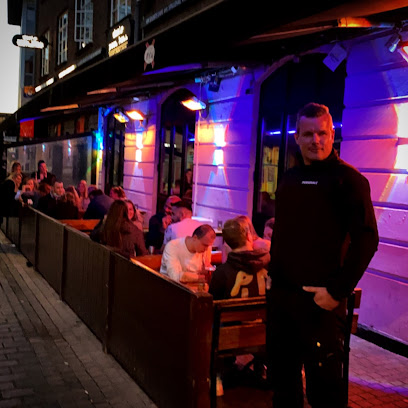
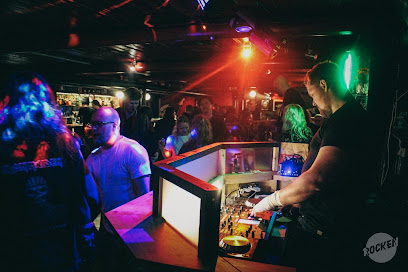
Rocken
44.8 km
Basement rock and metal stronghold on Aalborg’s waterfront, where late-night riffs, live bands and cold beers power the city’s hardest-hitting nightlife.
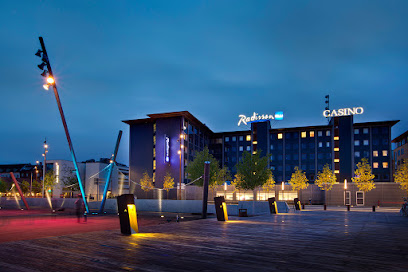
Casino Aalborg
44.8 km
Compact, adult-only casino in the heart of Aalborg, pairing classic table games and slots with a relaxed Nordic nightlife atmosphere inside a city-center hotel.
CLUB MOONLIGHT Aalborgs dansested for voksne
44.8 km
Adult‑only dance bar in central Aalborg, mixing 80s, 90s, 00s and current hits with cocktails and late‑night energy in an intimate courtyard setting.
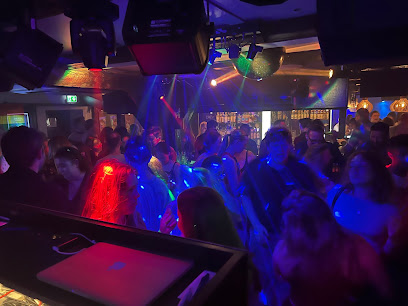
Night Cirque
45.0 km
Compact, high-energy nightclub in central Aalborg, where pulsing beats, bold lighting and a stylish crowd keep the dance floor alive late into the night.
Buddy Holly
48.7 km
Late-night disco hub in central Hobro, where locals and visitors pack the dance floor to chart hits, lights and drinks until the early hours.

For the vibe & atmosphere seeker
- Tranquil
- Scenic
- Relaxing
- Unique
- Casual
For the architecture buff
- Historic
- Parks & Gardens
- Landmarks
- Viewpoints
- Heritage Neighborhoods
For the view chaser and sunset hunter
- Iconic Views
- Panoramas
- Sunset Spots
- Waterfront
For the social media creator & influencer
- Photo Spots
- Selfie Spots
- Architectural Shots
- Reel-Friendly
For the eco-conscious traveler
- Low Impact
- Protected Area
- Public-Transport Accessible
- Leave-No-Trace Critical
- Wildlife Habitat
For the kind of experience you’re after
- Cultural Heritage
- Photowalk
- Nature Escape
- Day Trip
- Roadtrip Stop
- Mindfulness
For how adventurous you want the journey to be
- Easy Access
Location Audience
- Family Friendly
- Senior Friendly
- Child Friendly
- Teen Friendly
- Solo Friendly
- Couple Friendly
- Solo Female Friendly
- Vegetarian Friendly
- Vegan Friendly


