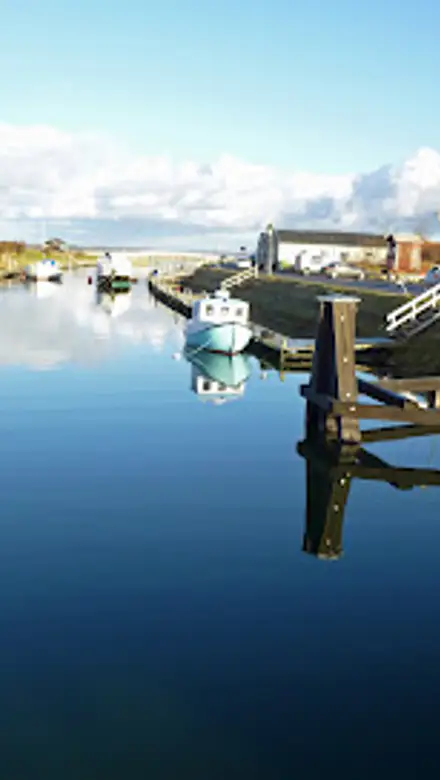
Limfjordsmuseet Løgstør Travel Guide
Free Guide: Hands-on maritime history on the banks of Frederik VII’s Canal, where boats, aquariums and fjord stories bring the Limfjord’s working past vividly to life.


A brief summary of Limfjordsmuseet Løgstør
Hands-on maritime history on the banks of Frederik VII’s Canal, where boats, aquariums and fjord stories bring the Limfjord’s working past vividly to life.
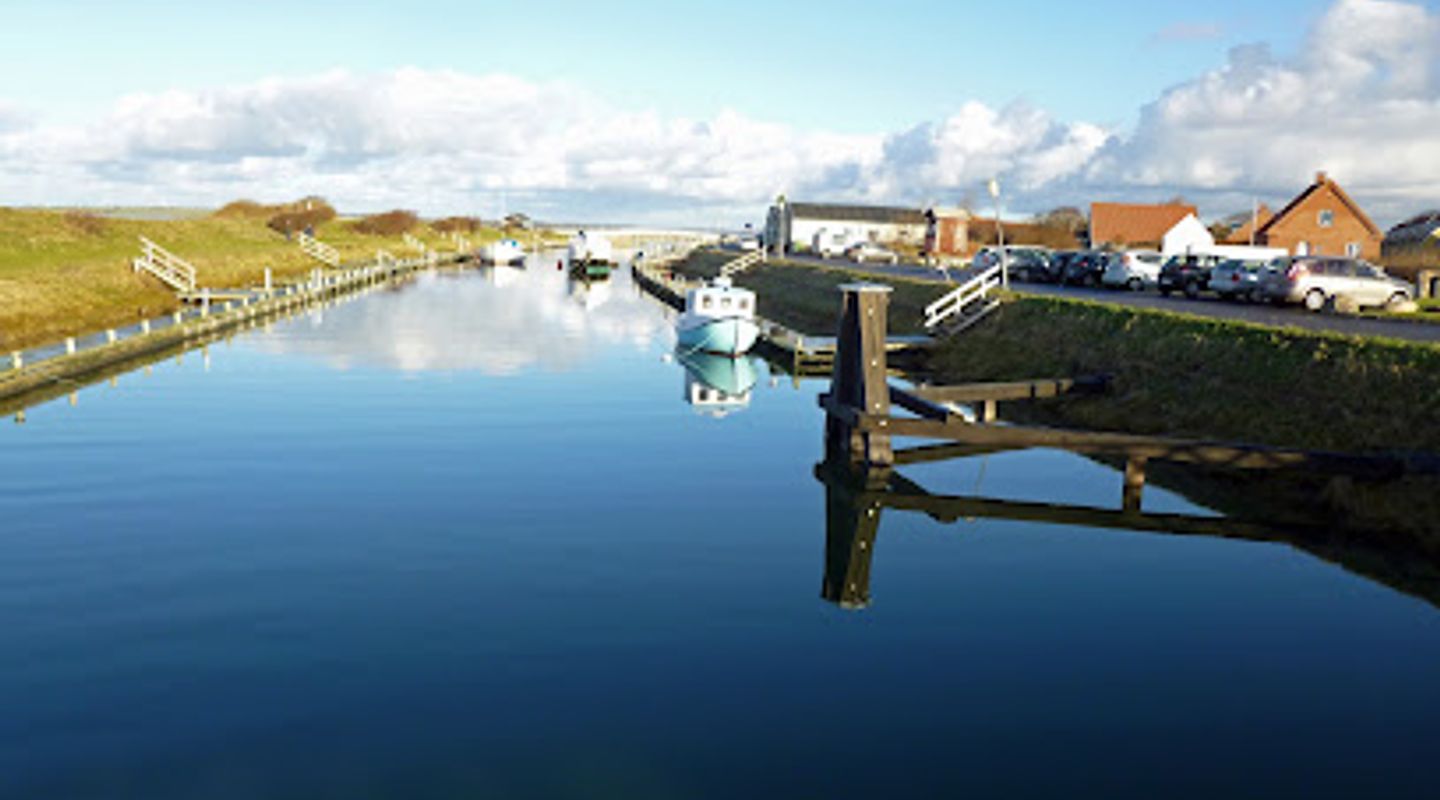
Set along the tranquil Frederik VII’s Canal in Løgstør, Limfjordsmuseet is a hands-on maritime museum dedicated to the life, work and wild weather of the Limfjord. Exhibitions combine traditional boats, fishing gear and storm stories with touch-friendly displays and aquariums where you can meet the fjord’s creatures up close. Outside, historic vessels, a boatshed and the canal landscape turn a museum visit into a broader exploration of Denmark’s maritime heritage.
On-site amenities
 Restrooms
 Drink options
 Drinking water
 Food options
 Seating areas
 Sheltered areas
 Picnic areas
 Trash bins
 Information boards
 Visitor centre
Opening hours
- Mon10 am–5 pm
- TueClosed
- WedClosed
- ThuClosed
- FriClosed
- Sat10 am–5 pm
- Sun10 am–5 pm
Opening hours as listed on the venue’s Google Business Profile. Hours can change for services and special events, so check with the venue before you go.
- Address
- Kanalvejen 40, 9670 Løgstør
- Phone
- Website
Getting there
Regional bus from Aalborg
Car from Aalborg and North Jutland
Cycling along local routes
Discover more about Limfjordsmuseet Løgstør
Life Shaped by the Limfjord
Limfjordsmuseet sits right on the banks of Frederik VII’s Canal, in a low, maritime landscape where water, wind and human ingenuity have always been closely entwined. The museum explores how generations of fishers, sailors and boatbuilders carved out a living in this brackish stretch between North Jutland and the rest of Denmark, long before bridges and motorways took over. Nets, buoys, lanterns and weathered planks set the tone the moment you step inside.The fjord here was once both larder and highway, and the displays make that story tangible. Fishing techniques, small-scale shipping and everyday work on the water are presented not just as nostalgia, but as an evolving culture that responded to changing currents, markets and storms. It is a compact, atmospheric introduction to a region defined by its shifting coastline.
Maritime Experience Center and Aquariums
At the heart of the museum is a maritime experience center focused on the Limfjord’s fisheries, coastal hunting, storm surges and seafaring. Much of the exhibition is deliberately hands-on: children can hoist small sails, handle gear and experiment with simple navigation tasks, while adults get context through models, maps and carefully written panels.A series of aquariums pulls you below the surface. Here you can compare the fjord’s life before and after the North Sea broke through at Agger in 1825, changing salinity, species and livelihoods. In a large touch tank, curious hands are invited to gently feel crabs and flatfish, turning the fjord’s ecology into an immediate, sensory experience. It is a rare chance to link the landscape outside the windows with the living world beneath its waves.
Historic Vessels and the Boatshed
Limfjordsmuseet maintains a small fleet of historic and replica fjord vessels, ranging from modest working dinghies to larger sailing craft. Many of these boats once worked these exact waters, carrying cargo, hauling nets or ferrying people between scattered communities. Several are still in working order, and in season you may see rigging being checked, wood being tarred or sails being set for short trips.A recently acquired boatshed area adds another layer, focusing on clinker-built boats and traditional craftsmanship. Here, the smell of fresh timber and tar contrasts with the polished displays inside the main building. Tools hang ready on walls, half-finished hulls rest on blocks, and quietly you begin to understand how much skill it took to build vessels strong enough for the fjord yet light enough for shallow waters.
Frederik VII’s Canal: Engineering the Waterway
Just outside the museum stretches Frederik VII’s Canal, often described as the crown jewel of the site. This 4.4 km waterway from the 1800s was a grand infrastructure project of its day, a strategic shipping route that bypassed the treacherous shallows of the Limfjord. Its straight banks, lock structures and stonework still bear witness to the engineering ambition that once made this the region’s answer to a modern fixed link.Walking along the canal, you move through a protected cultural landscape where towpaths, old buildings and the quiet waterway frame the museum. Boat tours operated through the museum in season add another perspective, translating technical history into stories of canal diggers, captains and the communities that grew up around this man-made shortcut.
Family-Friendly Curiosity and Seasonal Activities
Limfjordsmuseet is designed with families and mixed-age groups in mind. Children can crawl, touch and explore without feeling out of place, while adults dive deeper into maritime history, climate events and regional identity. Seasonal programs often include guided boat trips, bus excursions into the surrounding landscape, snorkel safaris and simple campfire evenings, extending the experience beyond the exhibition halls.Indoors, there are places to pause, read and watch short films; outdoors, the canal bank and harbor-like setting invite slow wandering. Whether you stay an hour or half a day, the museum balances solid interpretation with a relaxed, seaside atmosphere that encourages unhurried exploration.
Evendo Review Centre
 Google
Guest reviews
Best time to go
Quietest: Jan, Feb & Mar · before 8am or from 7pm
Busy times are Evendo estimates for a typical year, to help you plan. Actual crowds vary with events, school holidays and the weather.
Explore Limfjordsmuseet Løgstør on the map
A handpicked selection of must-see spots near Limfjordsmuseet Løgstør, mapped for you.
Get your free copy of our complete guide to Limfjordsmuseet Løgstør, delivered straight to you.
Everything on this page, from opening hours and how to get there to Eve’s tips and the best time to go, in one PDF you can read offline, print or share.
Already have an account? Sign in
Your Limfjordsmuseet Løgstør guide is ready.
We'll send it to · Not you? Sign out

Getting your guide ready…
We are putting together a fresh copy of the Limfjordsmuseet Løgstør guide. This can take up to a minute.
This can take a few moments. If your browser asks, choose Allow so the download can start. You'll find the guide in your Downloads folder.
Nothing happened? Download it again
Sorry, the guide is taking longer than usual. Please try again in a minute, or get it by email instead.
Other nearby places you may find interesting
The closest places of the same kind, if this one is not quite what you had in mind.
-
-
-
-
-


Swipe for more places
More to explore near Limfjordsmuseet Løgstør
-
 Best experiences near Limfjordsmuseet Løgstør
-
 Best hotels near Limfjordsmuseet Løgstør
-
 Best landmarks near Limfjordsmuseet Løgstør
-
 Best attractions near Limfjordsmuseet Løgstør
-
 Best shops near Limfjordsmuseet Løgstør
-
 Best restaurants near Limfjordsmuseet Løgstør
-
 Best bars near Limfjordsmuseet Løgstør


Do you manage this location?
Take control to get all the benefits, like improved information, better appearance, and stronger visibility across AI-powered discovery.
Explore more
Explore more of Limfjord
Discover Limfjord in Denmark: A serene waterway offering a blend of nature, culture, and history with charming villages, Viking sites, and vibrant arts scenes.
Explore Limfjord
Explore more of Denmark
Discover Denmark: A perfect blend of history, modern design, and the cozy concept of hygge. Explore vibrant cities, serene landscapes, and world-class cuisine.
Explore Denmark