Nøddedalen Travel Guide
Free Guide: A steep, shaded ravine tucked into Denmark’s longest inland coastal cliff, where lush forest, erosion-sculpted slopes and demanding trails create a wild green pocket.


A brief summary of Nøddedalen
A steep, shaded ravine tucked into Denmark’s longest inland coastal cliff, where lush forest, erosion-sculpted slopes and demanding trails create a wild green pocket.
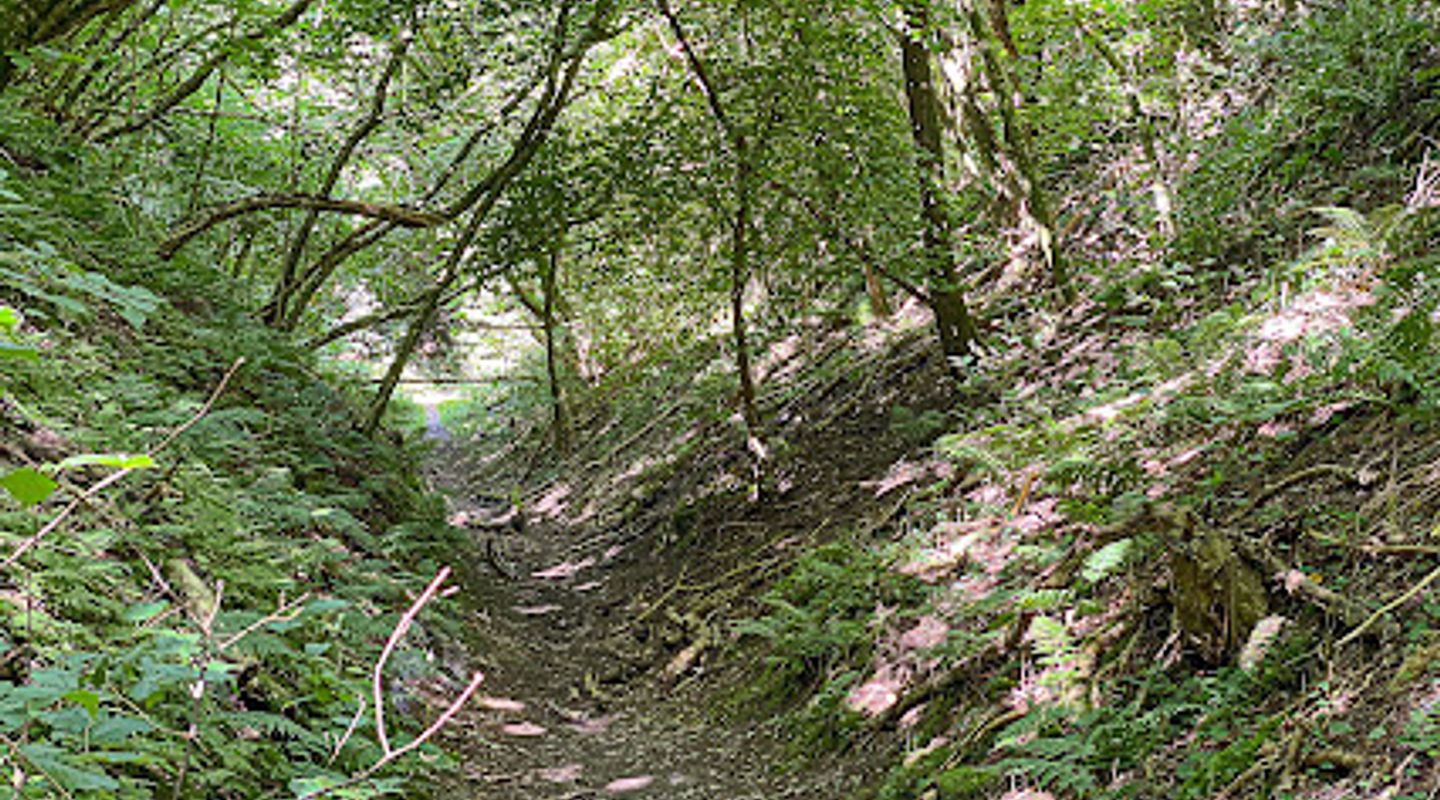
Nøddedalen is a lush, steep-sided ravine carved into the Lienskrænten inland coastal cliff near Brovst in North Jutland. Nicknamed Denmark’s “deep rain forest”, it shelters damp, mossy slopes, tall mixed woodland and a surprisingly wild feel just inland from the Limfjord. Hiking trails link Nøddedalen with neighbouring Fosdalen and other gorges, offering moderately demanding walks, sweeping views from the cliff edge and intimate, silence-filled corners on the valley floor.
On-site amenities
 Restrooms
 Seating areas
 Picnic areas
 Trash bins
 Information boards
Opening hours
- Every dayOpen 24 hours
Opening hours as listed on the venue’s Google Business Profile. Hours can change for services and special events, so check with the venue before you go.
- Address
- Liengårde, 9460 Brovst
- Website
Getting there
Car from Brovst
Regional bus and walking
Cycling from nearby villages
Discover more about Nøddedalen
A green chasm in the Lienskrænten cliff
Nøddedalen lies hidden within Lienskrænten, Denmark’s longest inland coastal cliff, which runs along the edge of the landscape between Brovst and the North Jutland coast. Here, meltwater and rain have eaten into the steep slope over thousands of years, cutting a deep, narrow ravine that feels shut off from the surrounding farmland and heath.The valley is one of several dramatic gorges that pierce the cliff, together with Fosdalen, Langdalen and others. Walking along the rim you sense how abruptly the terrain drops away, with sudden openings where the forested sides of Nøddedalen fall towards the shaded bottom. It is a landscape shaped entirely by erosion and water, yet now dominated by dense greenery.
Denmark’s so-called deep rain forest
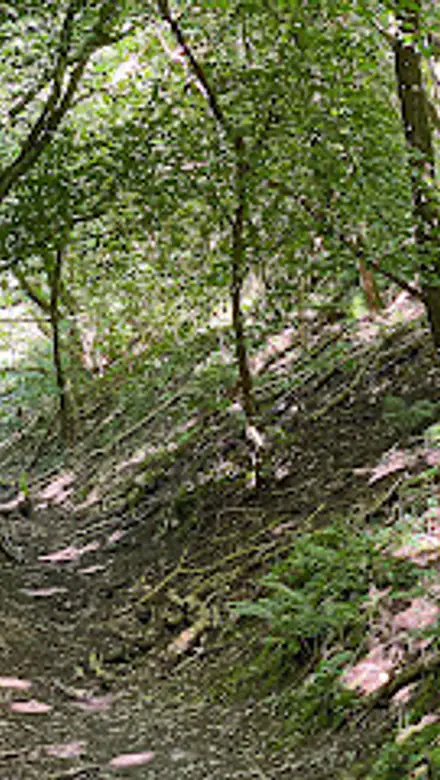
Locals sometimes call Nøddedalen a deep rain forest, and as you descend, the name begins to make sense. The slopes are cool and humid, with ferns, mosses and undergrowth thriving under a canopy of mixed trees. After rain, water trickles down the sides and the air fills with the smell of wet earth and leaves.Sunlight filters in only where the ravine widens, so parts of the valley can feel twilight-like even on clear days. Birdsong echoes between the steep flanks and fallen trunks lie slowly decaying on the forest floor. Despite being relatively close to villages and roads, the ravine has an unexpectedly wild, enclosed character.
Trails, viewpoints and demanding hillsides
Waymarked paths connect Nøddedalen with neighbouring Fosdalen and other side valleys, forming loops of around five to six kilometres through varied terrain. The route across both ravines is considered moderate to difficult, with repeated climbs and descents on sometimes muddy, uneven paths.On the upper edge of the cliff you find open stretches with far-reaching views over the countryside towards the Limfjord and the distant sea. Down in the valley, the path squeezes between roots, streambeds and steep banks. Good footwear is essential, and the gradients can be challenging if you are not used to hilly walking.
Part of a wider protected landscape
Nøddedalen forms part of the wider Lien and Fosdalen protected area, a mosaic of forest, grazing land, old trackways and spring-fed valleys. Sections of the hillside have been left largely to natural processes, creating valuable habitats for woodland plants, insects and birds.Traces of historical use remain in the surroundings, from ancient burial mounds on nearby high ground to old paths that once linked farms and parishes. Today the focus is on preserving the special geology and biodiversity of the ravines while allowing visitors to experience them via marked trails and simple facilities such as information boards and waymarkers.
Atmosphere across the seasons
Each season lends Nøddedalen a different mood. In spring, fresh leaves and birdsong dominate, while in high summer the ravine feels especially lush and shaded, a natural refuge on hot days. Autumn brings intense colours and slippery leaves on the steep paths, and in winter the bare slopes reveal more of the ravine’s underlying shape.Whatever the time of year, the steep gradient between the plateau and the valley floor means conditions can change quickly. Windy days on the cliff top may feel still and sheltered down below, while rain can turn sections of the trail into slick clay. The constantly shifting interplay of light, water and vegetation is a large part of Nøddedalen’s appeal.
Evendo Review Centre
 Google
Guest reviews
Best time to go
Quietest: Jan, Feb & Dec · before 7am or at 7pm or at 8pm
Busy times are Evendo estimates for a typical year, to help you plan. Actual crowds vary with events, school holidays and the weather.
Explore Nøddedalen on the map
A handpicked selection of must-see spots near Nøddedalen, mapped for you.
Get your free copy of our complete guide to Nøddedalen, delivered straight to you.
Everything on this page, from opening hours and how to get there to Eve’s tips and the best time to go, in one PDF you can read offline, print or share.
Already have an account? Sign in
Your Nøddedalen guide is ready.
We'll send it to · Not you? Sign out

Getting your guide ready…
We are putting together a fresh copy of the Nøddedalen guide. This can take up to a minute.
This can take a few moments. If your browser asks, choose Allow so the download can start. You'll find the guide in your Downloads folder.
Nothing happened? Download it again
Sorry, the guide is taking longer than usual. Please try again in a minute, or get it by email instead.
Other nearby places you may find interesting
The closest places of the same kind, if this one is not quite what you had in mind.
-
-
-
-
-


Swipe for more places
More to explore near Nøddedalen

 Best experiences near Nøddedalen
 Best hotels near Nøddedalen
 Best landmarks near Nøddedalen
 Best attractions near Nøddedalen
 Best shops near Nøddedalen
 Best restaurants near Nøddedalen
 Best bars near Nøddedalen
Do you manage this location?
Take control to get all the benefits, like improved information, better appearance, and stronger visibility across AI-powered discovery.
Explore more
Explore more of Limfjord
Discover Limfjord in Denmark: A serene waterway offering a blend of nature, culture, and history with charming villages, Viking sites, and vibrant arts scenes.
Explore Limfjord
Explore more of Denmark
Discover Denmark: A perfect blend of history, modern design, and the cozy concept of hygge. Explore vibrant cities, serene landscapes, and world-class cuisine.
Explore Denmark