
Limfjordsmuseet Løgstør
Hands-on maritime history on the banks of Frederik VII’s Canal, where boats, aquariums and fjord stories bring the Limfjord’s working past vividly to life.
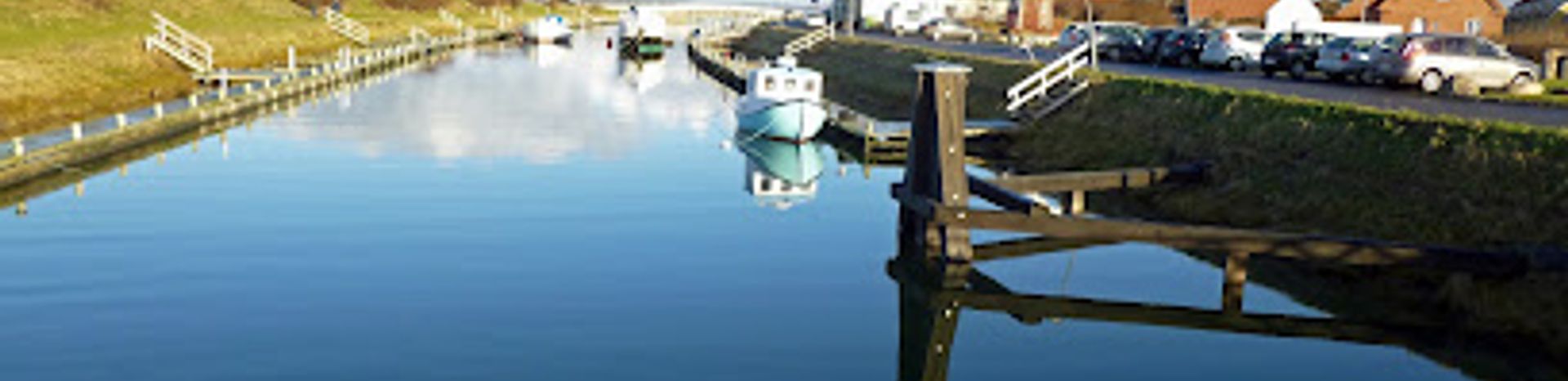
Set along the tranquil Frederik VII’s Canal in Løgstør, Limfjordsmuseet is a hands-on maritime museum dedicated to the life, work and wild weather of the Limfjord. Exhibitions combine traditional boats, fishing gear and storm stories with touch-friendly displays and aquariums where you can meet the fjord’s creatures up close. Outside, historic vessels, a boatshed and the canal landscape turn a museum visit into a broader exploration of Denmark’s maritime heritage.
A brief summary to Limfjordsmuseet Løgstør
- Kanalvejen 40, Logstor, 9670, DK
- +4598671805
- Visit website
- Duration: 1.5 to 4 hours
- Budget
-
 Mixed
Mixed
- Mobile reception: 4 out of 5
- Monday 10 am-5 pm
- Saturday 10 am-5 pm
- Sunday 10 am-5 pm
Local tips
- Plan your visit between Easter and the autumn school holiday, when the full opening hours apply and more guided activities and boat trips are typically available.
- Allow extra time to walk a stretch of Frederik VII’s Canal after the museum; the engineering works and calm waterway are integral to understanding the story here.
- If you are travelling with children, head straight for the aquariums and touch tank first, then circle back to the more detailed historical exhibits.
- Check in advance for seasonal boat tours, snorkel safaris or guided bus excursions, which offer additional ways to experience the fjord landscape.
- Bring a light jacket even in summer; the waterfront location and boat activities can feel noticeably cooler and breezier than in town.

For the on-the-go comforts that matter to you
- Restrooms
- Drink Options
- Drinking Water
- Food Options
- Seating Areas
- Sheltered Areas
- Picnic Areas
- Trash Bins
- Information Boards
- Visitor Center
Getting There
-
Regional bus from Aalborg
From Aalborg, use the regional bus service toward Løgstør, which typically runs several times a day and takes about 1 to 1.5 hours depending on route and stops. A single adult ticket usually costs around 60–90 DKK, with discounts for children and certain concession cards. Buses stop in central Løgstør; from there, expect a pleasant walk of around 15–25 minutes through town to reach the museum, mainly on level pavements suitable for most visitors.
-
Car from Aalborg and North Jutland
Driving from Aalborg or other parts of North Jutland is straightforward, with typical travel times of 50–75 minutes from Aalborg depending on traffic. Roads are paved and generally uncongested, and standard cars are sufficient. Limfjordsmuseet has its own free parking area near the buildings, including charging stations for electric vehicles, but spaces can fill up on busy summer days and during special events, so arrive earlier in peak season.
-
Cycling along local routes
For a slower, scenic approach, arrive in Løgstør by regional bus or car and continue by bicycle using local cycle paths and calm roads that follow the Limfjord shoreline. Distances from nearby villages range from about 5 to 20 km, typically taking 20–75 minutes of gentle riding. The terrain is mostly flat with occasional small rises, suitable for reasonably fit cyclists and older children. Strong winds along the fjord can make the ride feel more demanding, so dress accordingly and plan extra time.
Limfjordsmuseet Løgstør location weather suitability
-
 Any Weather
-
 Clear Skies
-
 Mild Temperatures
-
 Cold Weather
Discover more about Limfjordsmuseet Løgstør
Life Shaped by the Limfjord
Limfjordsmuseet sits right on the banks of Frederik VII’s Canal, in a low, maritime landscape where water, wind and human ingenuity have always been closely entwined. The museum explores how generations of fishers, sailors and boatbuilders carved out a living in this brackish stretch between North Jutland and the rest of Denmark, long before bridges and motorways took over. Nets, buoys, lanterns and weathered planks set the tone the moment you step inside. The fjord here was once both larder and highway, and the displays make that story tangible. Fishing techniques, small-scale shipping and everyday work on the water are presented not just as nostalgia, but as an evolving culture that responded to changing currents, markets and storms. It is a compact, atmospheric introduction to a region defined by its shifting coastline.Maritime Experience Center and Aquariums
At the heart of the museum is a maritime experience center focused on the Limfjord’s fisheries, coastal hunting, storm surges and seafaring. Much of the exhibition is deliberately hands-on: children can hoist small sails, handle gear and experiment with simple navigation tasks, while adults get context through models, maps and carefully written panels. A series of aquariums pulls you below the surface. Here you can compare the fjord’s life before and after the North Sea broke through at Agger in 1825, changing salinity, species and livelihoods. In a large touch tank, curious hands are invited to gently feel crabs and flatfish, turning the fjord’s ecology into an immediate, sensory experience. It is a rare chance to link the landscape outside the windows with the living world beneath its waves.Historic Vessels and the Boatshed
Limfjordsmuseet maintains a small fleet of historic and replica fjord vessels, ranging from modest working dinghies to larger sailing craft. Many of these boats once worked these exact waters, carrying cargo, hauling nets or ferrying people between scattered communities. Several are still in working order, and in season you may see rigging being checked, wood being tarred or sails being set for short trips. A recently acquired boatshed area adds another layer, focusing on clinker-built boats and traditional craftsmanship. Here, the smell of fresh timber and tar contrasts with the polished displays inside the main building. Tools hang ready on walls, half-finished hulls rest on blocks, and quietly you begin to understand how much skill it took to build vessels strong enough for the fjord yet light enough for shallow waters.Frederik VII’s Canal: Engineering the Waterway
Just outside the museum stretches Frederik VII’s Canal, often described as the crown jewel of the site. This 4.4 km waterway from the 1800s was a grand infrastructure project of its day, a strategic shipping route that bypassed the treacherous shallows of the Limfjord. Its straight banks, lock structures and stonework still bear witness to the engineering ambition that once made this the region’s answer to a modern fixed link. Walking along the canal, you move through a protected cultural landscape where towpaths, old buildings and the quiet waterway frame the museum. Boat tours operated through the museum in season add another perspective, translating technical history into stories of canal diggers, captains and the communities that grew up around this man-made shortcut.Family-Friendly Curiosity and Seasonal Activities
Limfjordsmuseet is designed with families and mixed-age groups in mind. Children can crawl, touch and explore without feeling out of place, while adults dive deeper into maritime history, climate events and regional identity. Seasonal programs often include guided boat trips, bus excursions into the surrounding landscape, snorkel safaris and simple campfire evenings, extending the experience beyond the exhibition halls. Indoors, there are places to pause, read and watch short films; outdoors, the canal bank and harbor-like setting invite slow wandering. Whether you stay an hour or half a day, the museum balances solid interpretation with a relaxed, seaside atmosphere that encourages unhurried exploration.Iconic landmarks you can’t miss

Eshøj gravhøj
29.0 km
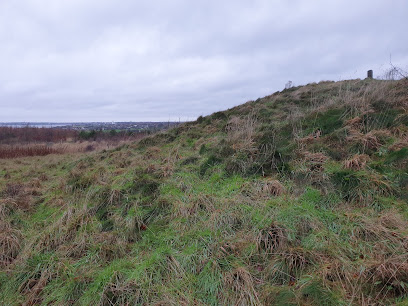
A Bronze Age burial mound preserving 3,000 years of Danish prehistoric heritage on a windswept Jutland plateau.
SOLTEGNET af billedhugger og professor Bjørn Nørgaard
32.0 km
A radiant sculpture of oyster shells celebrating art, sustainability, and fjord culture.
Thisted Vandtårn
34.4 km
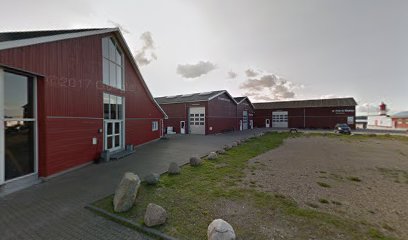
A glowing beacon of Thisted's industrial heritage, this iconic 1939 water tower illuminates the night sky.
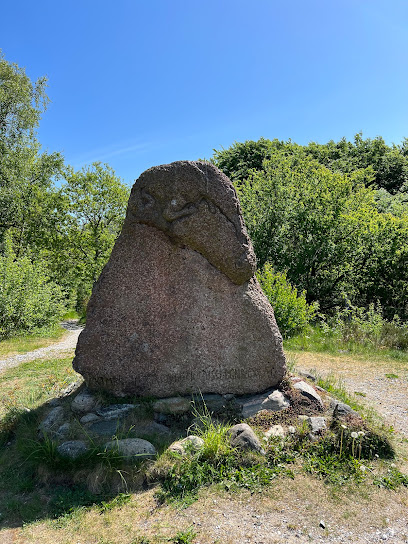
Kimbrerstenen i Rebild Bakker
39.4 km
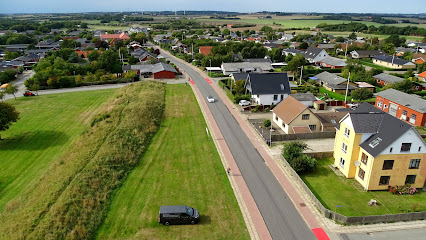
A carved tribute to the ancient Cimbri, Kimbrerstenen stands amid Rebild’s heather‑clad hills, uniting Iron Age legend, sculpted granite and wide North Jutland skies.
Comwell Rebild Bakker
39.4 km
Experience tranquility and natural beauty at Comwell Rebild Bakker, nestled in the heart of Rebild National Park and Rold Forest, offering modern comfort and sustainable practices.

RebildPorten
39.5 km
Discover RebildPorten, your essential guide to exploring Denmark’s Rebild National Park and the cultural gems of Skørping.
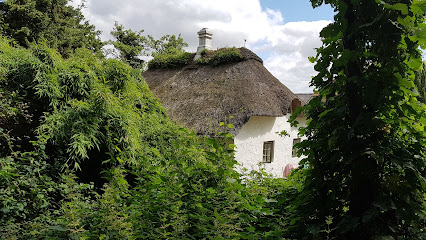
Danhostel Rebild
39.5 km
Experience Danish nature and hospitality at Danhostel Rebild, your budget-friendly gateway to Rebild Bakker National Park and the enchanting Rold Skov forest, perfect for outdoor adventures.
Rebild Bakker Information
39.5 km
Discover the rolling hills and heathlands of Rebild Bakker, where Danish-American history meets stunning natural beauty in the heart of Northern Jutland.
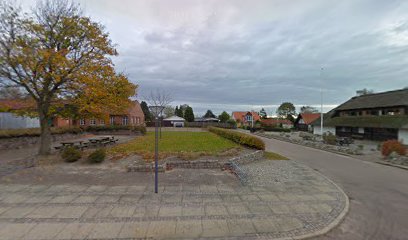
Museum Rebild
39.5 km
Explore Danish-American history and local traditions at Museum Rebild in Skørping, a cultural gateway to Northern Jutland's heritage and the enduring bond between Denmark and the USA.
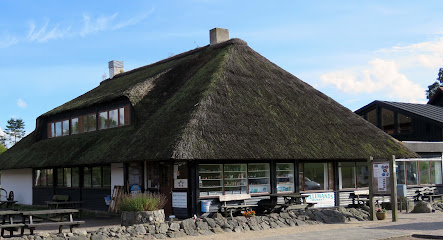
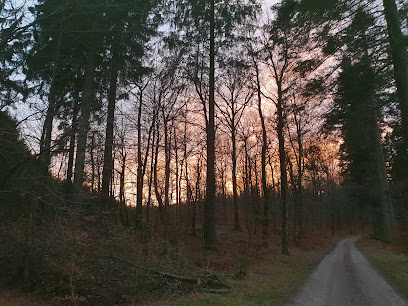
Midt inde i Rold Skov
39.8 km
Discover Denmark's largest forest: Hike through ancient woodlands, explore hidden springs, and experience the tranquility of Rold Skov, a natural treasure trove in Himmerland.
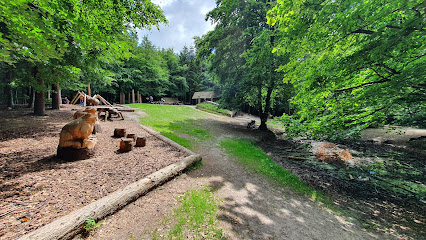
Røverknolden
40.1 km
Discover the beauty of Røverknolden, a captivating playground and serene tourist attraction in Skørping, Denmark, perfect for families and nature lovers.
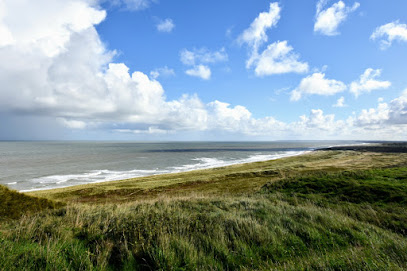
Jammerbugt
40.5 km
Denmark's wild North Sea bay where dramatic dunes, ancient woodlands, and untamed beaches reveal nature's raw power.
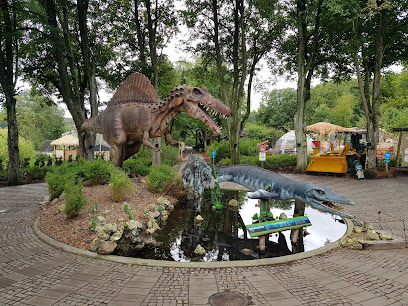
Aalborg Zoo
40.6 km
Explore Malmö’s premier museum for technology, science, and seafaring, featuring interactive exhibitions, classic vehicles, and Sweden’s only public submarine display.
Rold Skov
41.1 km
Discover Denmark's largest forest: Hike through ancient woodlands, explore rolling hills, and uncover the captivating history and folklore of Rold Skov.
Aalborgtårnet
41.1 km
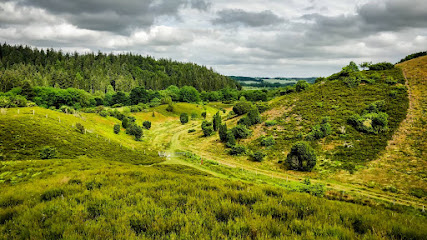
A classic 1930s steel tower lifted above a wooded hill, Aalborgtårnet combines a thrilling outdoor elevator ride with 360° views and a cosy sky-high bistro.
Unmissable attractions to see

Limfjordsmuseets bådebyggeri
0.1 km
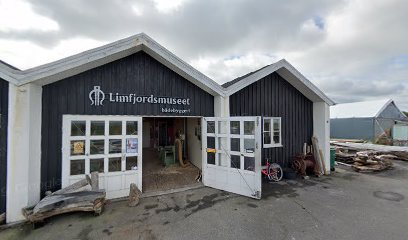
Step into a working red boat shed on Frederik VII’s Canal, where traditional wooden Limfjord vessels are restored and maritime craftsmanship is kept alive in Løgstør.
Frederik den 7' Kanal, vestende.
3.4 km
Stand at the quiet western end of Frederik VII’s Canal, where 19th‑century engineering, Limfjord seafaring history and rare coastal nature meet in one straight green waterway.
Aggersborg
3.6 km
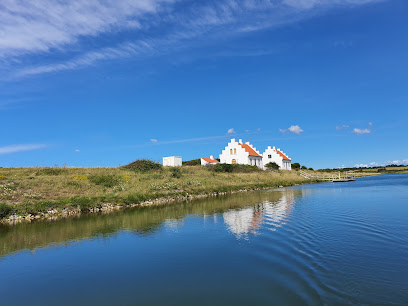
Denmark’s largest Viking ring fortress, a vast earth circle above the Limfjord, where Harald Bluetooth’s geometric stronghold still shapes a windswept landscape of power.
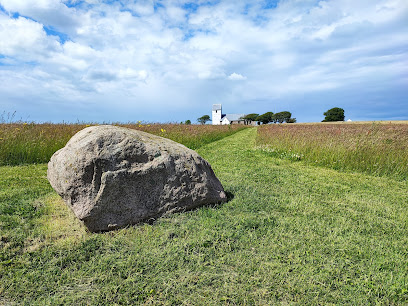
Udsigtstårn - Nord
11.9 km
A simple wooden tower on Livø’s wild northern tip, offering big‑sky Limfjord panoramas, seabirds, and distant seal banks in a tranquil, wind‑washed setting.
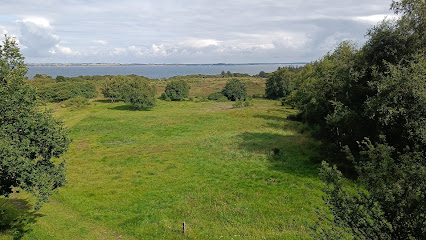
Hultræet
12.3 km
Et gammelt egetræ med hul i stammen, hvor folketro, trolde og helbredende ritualer møder Livøs vilde, fredede skovlandskab i hjertet af Limfjorden.
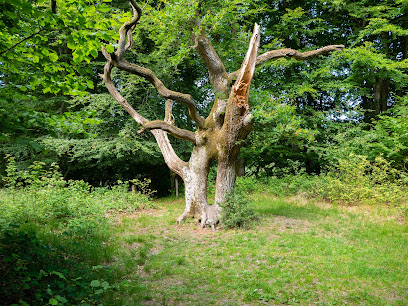
Udsigtstårn - Vest
13.1 km
Simple wooden lookout on Livø’s wild west coast, offering wide Limfjord views, dramatic eroding cliffs, seabirds and seals in a quiet, wind-swept setting.
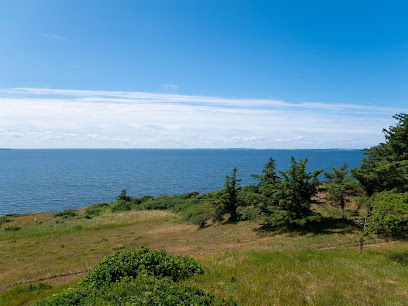
Ertebølle Lille badebro
16.6 km
A simple wooden bathing jetty on the Limfjord, Ertebølle Lille Badebro offers calm waters, big skies and quiet moments framed by Stone Age history and fjord views.
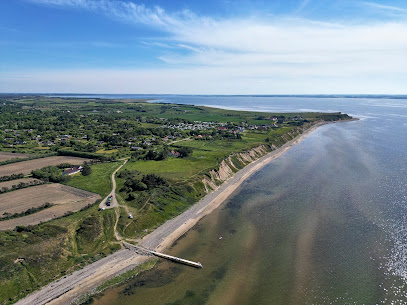
Feggeklit
19.2 km
Wind-swept moler cliffs, Viking legend and wide Limfjord views combine at Feggeklit, a small but atmospheric headland on the northern tip of Mors.
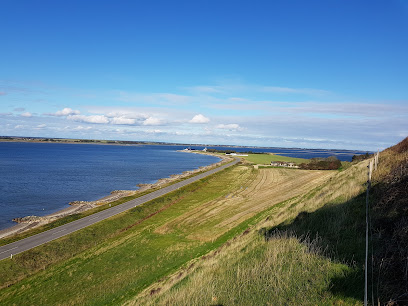
Kong Fegges grave
19.5 km
Ancient burial mound on Mors where legend, Hamlet-era myth and wide Limfjord views meet in a quiet corner of fields, stones and wind off the fjord.
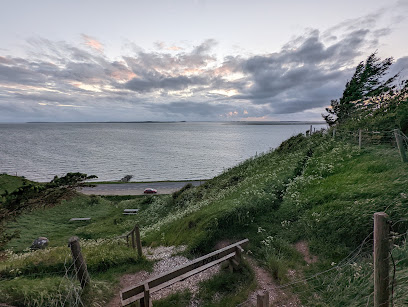
Ejerslev Lagune
20.0 km
A former moler quarry turned blue lagoon, framed by steep clay cliffs and a small working harbour on Mors, perfect for slow walks, geology and sky-wide views.
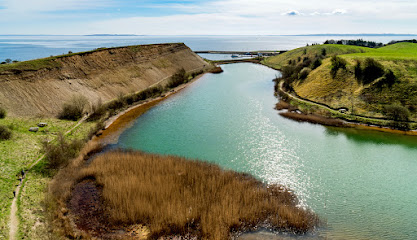
Bispehuen
20.1 km
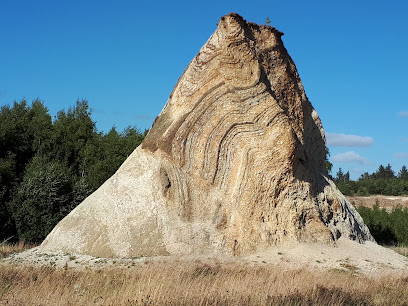
A solitary “Bishop’s Hat” of folded diatomite rising from Fur’s largest quarry, where volcanic ash layers, fossils and sculpture meet in an open-air lesson in deep time.
Molermanden
20.2 km
Bronze tribute to Fur’s moler workers, standing above the quarries with sweeping views across the Limfjord, where industrial heritage meets ancient geology and open skies.
Fur
20.4 km
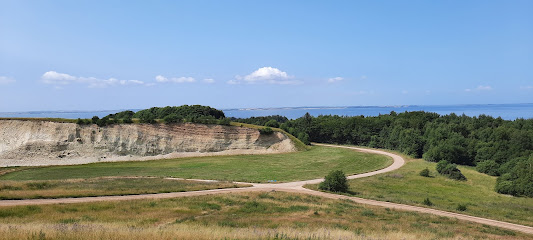
A compact Danish island where ancient moler cliffs, fossil-rich clay pits and soft Limfjord horizons create a quietly dramatic landscape for slow exploration.
Udsigt over Feggesund
20.6 km
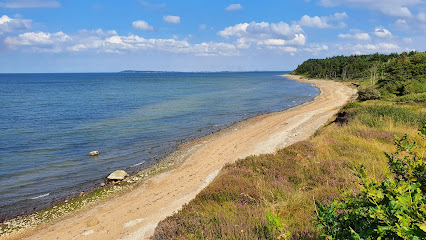
Simple, windswept viewpoint above the Limfjord where Mors looks across to Thy and the Feggesund ferry glides through a wide panorama of water, fields and sky.
Nøddedalen
21.0 km
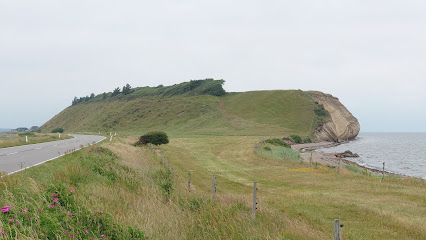
A steep, shaded ravine tucked into Denmark’s longest inland coastal cliff, where lush forest, erosion-sculpted slopes and demanding trails create a wild green pocket.
Essential places to dine

Restaurant Toftebjerg på Løgstør Parkhotel
1.4 km
Comforting Danish and international dishes, event-ready dining rooms and a relaxed hotel setting on the quiet edge of Løgstør, close to the Limfjord landscape.
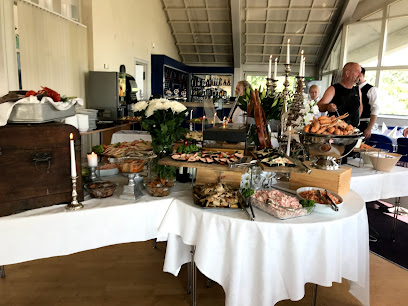
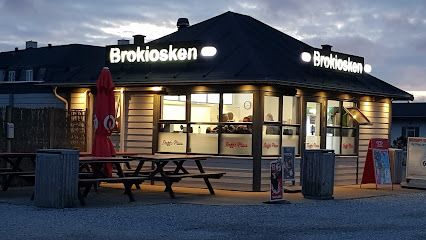
Brokiosken
5.0 km
Unpretentious roadside grillbar in Løgstør serving hearty Danish fast food, fried chicken, burgers and soft ice to hungry travelers and locals all week.
Næsbydale Badehotel
6.8 km
Historic Limfjord badehotel in a secluded valley, blending nostalgic charm, fjord views and ambitious Nordic dining in Baronens Hus above the shoreline.
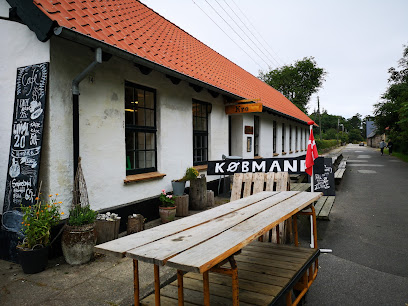
Livø Kro & Købmandscafe
12.1 km
Cozy island inn and café at the heart of car-free Livø, serving comforting Danish fare, simple treats and fjord views to walkers, sailors and overnighters.
HimmerRiget
13.9 km
Modern Nordic fine dining in the heart of HimmerLand’s golf and spa resort, where seasonal tasting menus meet intimate Scandinavian design.
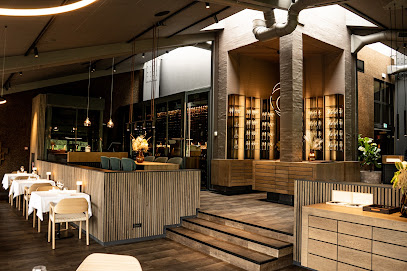
Trend Kro
14.0 km
Traditional Danish roadside inn near the Limfjord, famed for hearty stegt flæsk, a cosy converted-stable krostue and simple motel rooms for easy overnight stays.
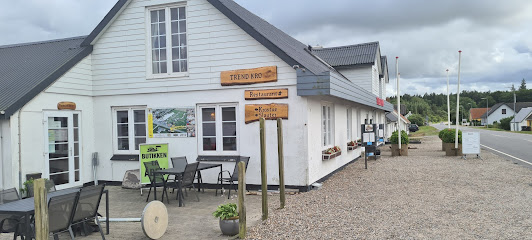
Attrup Havnecafe
15.4 km
Relaxed harbour café on the Limfjord serving classic Danish comfort food with wide fjord views, marina life at your doorstep and a friendly, family feel.
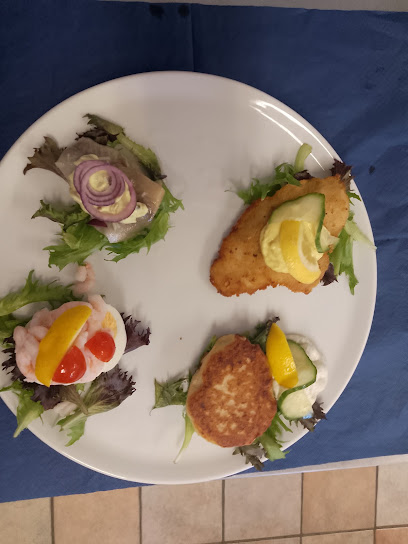
Den Blå Lagune
20.1 km
Waterfront dining where Kurdish spices meet Nordic ingredients, framed by a stunning blue lagoon and ancient moler cliffs.
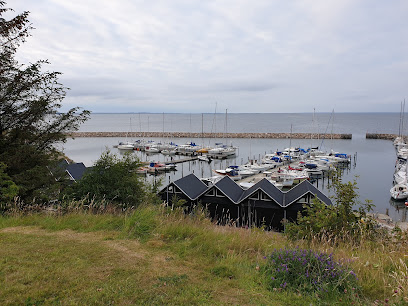
Fur Bryghus
22.4 km
Craft beer, local Nordic cuisine and Limfjord views come together in a historic red brewery on the tiny island of Fur.
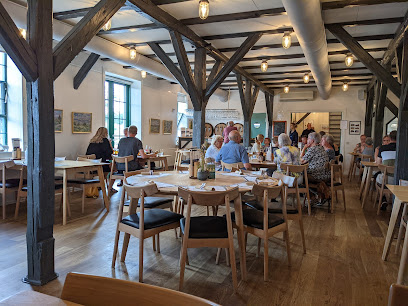
Restaurant Alanya Brovst
22.7 km
Casual Turkish-inspired pizza and kebab house in central Brovst, serving hearty portions, everyday prices, and easygoing meals for families, locals, and hungry travellers.
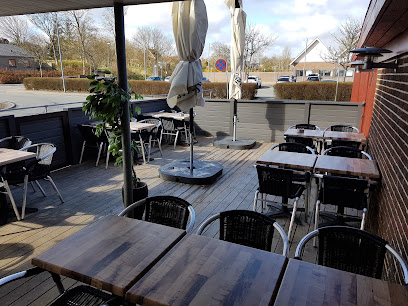
Limfjorden
29.5 km
Casual fjordside dining on the island of Mors, where local seafood, simple Nordic comfort and wide Limfjorden views meet at the edge of the water.
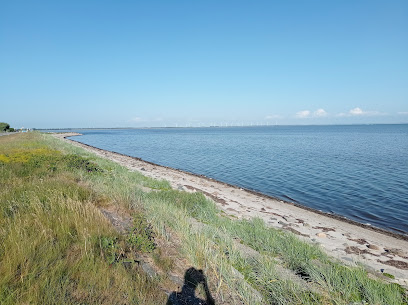
Restaurant Limfjorden - Byens Bøfhus
29.7 km
Grilled perfection and fresh seafood by the harbor in charming Nykøbing Mors.
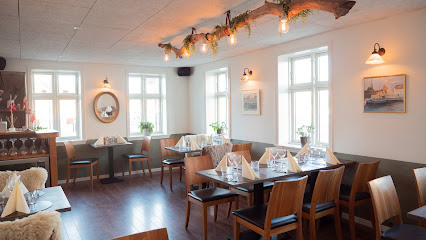
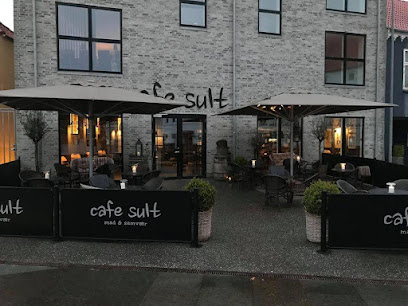
Cafe Sult
29.7 km
Harbourside brasserie in the heart of Nykøbing Mors, serving modern comfort food, vegetarian options and seasonal dishes in a relaxed Nordic-style setting.
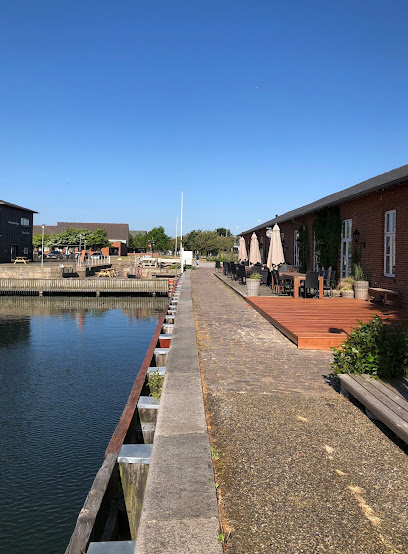
Cafe Holmen
29.8 km
Historic waterfront café in a charming old station building with Mediterranean summer terrace and homemade Danish cuisine.
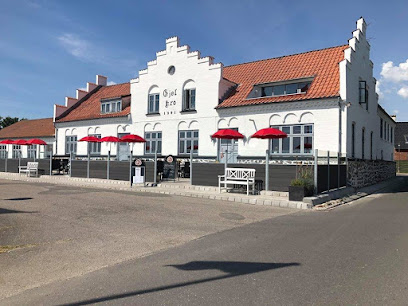
Gjøl Kro - Kroen ved fjorden
29.9 km
Atmospheric 1901 village inn on the Gjøl harbourfront, serving classic Danish dishes and Limfjord specialities with sweeping views over the water.
Markets, malls and hidden boutiques

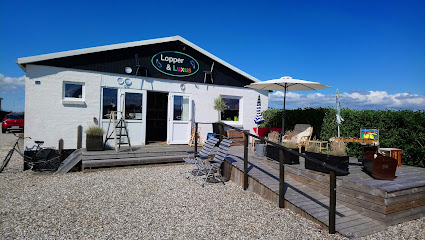
Muslingebyens Lopper og Luxus
1.3 km
Characterful thrift and vintage shop in maritime Løgstør, where Limfjord charm meets second-hand treasures and quirky, affordable finds with real local stories.
MIN KØBMAND
23.2 km
A small but essential village supermarket on Mors, Min Købmand Sejerslev keeps locals and visitors supplied with everyday groceries and a glimpse of rural Danish life.
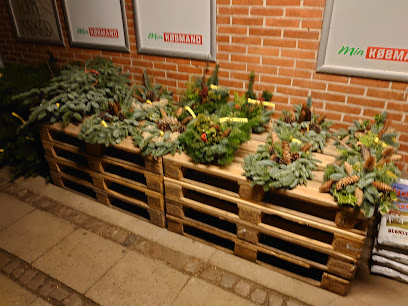
HomeHearts
23.8 km
Thoughtfully curated furniture and home décor for contemporary living spaces in Aars.
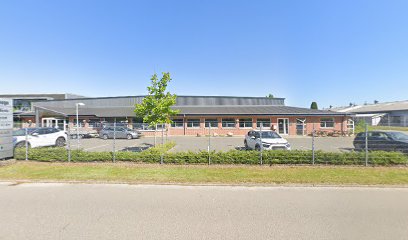
Rum by Kri-stense
23.8 km
Cosy mother–daughter interior and lifestyle boutique in Aars, blending Scandinavian design, hygge-inspired styling and welcoming advice for your home.
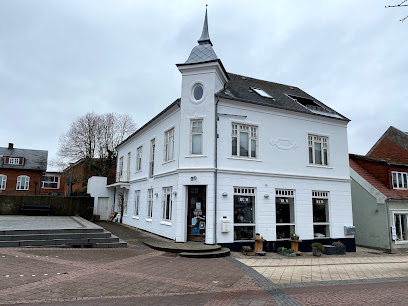
Bladcentralen
24.4 km
Your neighborhood convenience stop in central Aars, open early to late with newspapers, snacks, and everyday essentials.
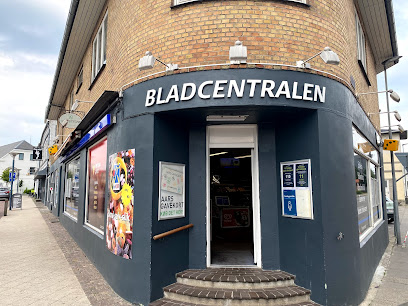
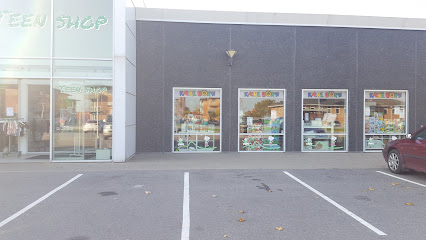
Teen Shop
24.5 km
Trendy teenage fashion in the heart of Aars—where style meets community.
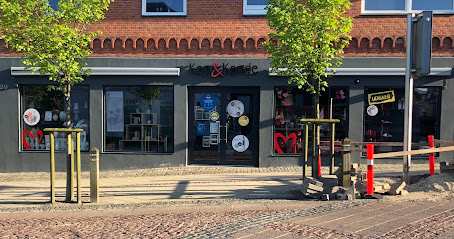
Kop & Kande Aars
24.5 km
Homeware and gifts for creating warmth and comfort in your Danish home.
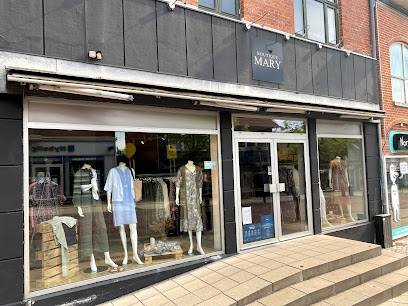
Boutique Mary Aars
24.5 km
A cosy women’s fashion boutique in central Aars, offering Scandinavian-inspired everyday style and plus-size options in a friendly, personal setting.
Aktiv Hobby
24.5 km
Cosy local hobby and gift shop on Aars’ main street, offering Danish-style décor, seasonal ornaments and personal service in a compact, welcoming space.
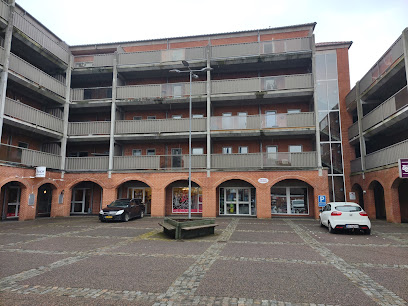
Bog & idé
24.5 km
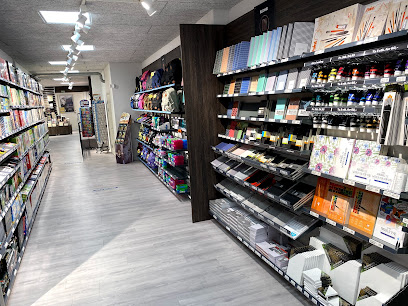
Bookshop, gift store and stationery hub on Aars’ main street, offering books, games and everyday essentials in a calm, local-friendly atmosphere.
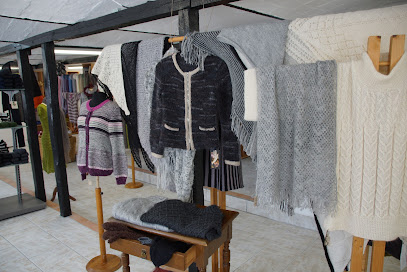
Von Broich Mohair ApS | Mohair.dk
24.6 km
Luxury mohair products from ethical South African sources, crafted by Danish fiber experts since 1992.
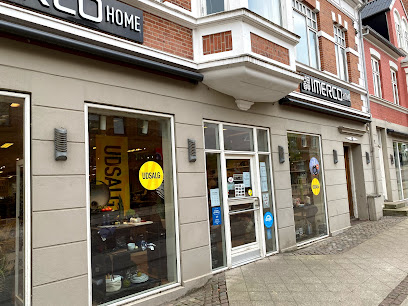
Imerco
24.6 km
Compact Danish homeware store in central Aars, blending practical kitchen tools, stylish tableware and gift‑ready design pieces in a relaxed, small‑town setting.
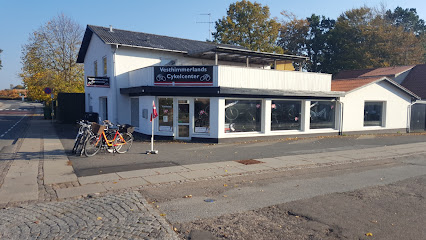
Vesthimmerlands Cykelcenter
24.8 km
Premier cycling shop and workshop serving Vesthimmerland with expert service and quality bikes.
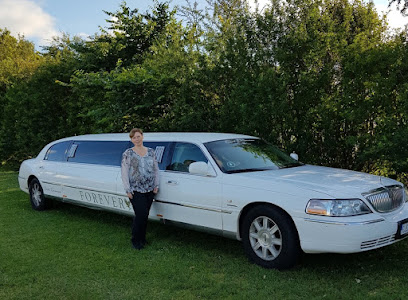
Forever Aars
25.0 km
A cozy countryside herb shop on the edge of Aars, where Nordic wellness traditions, dried plants and quiet conversation create a gentle pause in your Himmerland journey.
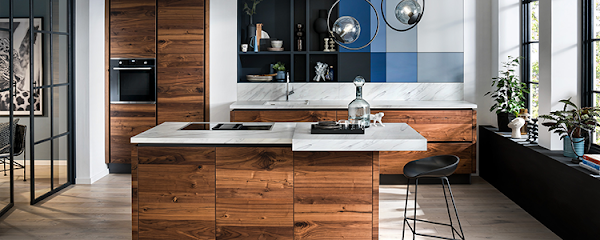
Køkkencenter Mors-Thy ApS
26.4 km
Compact Danish kitchen showroom in rural Mors, offering quiet inspiration, personal design advice and a glimpse of everyday Scandinavian home life.
Essential bars & hidden hideouts

Kanal Jazz
0.5 km
Intimate Limfjord jazz hub in Løgstør, blending cozy club nights with a waterfront summer festival atmosphere and close-up performances by Danish and international artists.
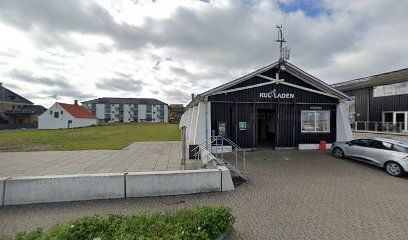
Nr 2c
0.8 km
Community-owned coffee, bar, and wine room bringing hygge, live events, and local flavour to the very heart of Løgstør.
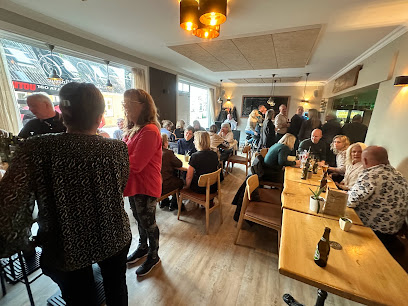
Tinget
0.9 km
Cosy local pub and wine bar in central Løgstør, pouring classic beers and wines with games, music and small‑town warmth from morning until late night.
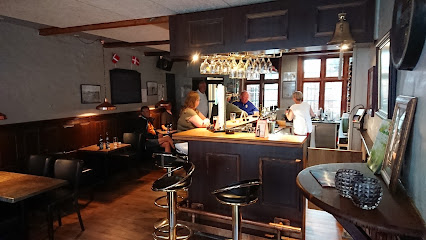
si
7.2 km
Low-key neighborhood bar in the small North Jutland town of Ranum, offering simple drinks, local character, and an unhurried village atmosphere on Vestergade.
Hjørnet
7.5 km
Casual Italian beer hall in Ranum's town center—affordable, welcoming, and open late on weekends.
Tordenkalven
22.3 km
Cozy, no-frills bar in central Farsø, serving cold beer, simple drinks and plenty of small-town atmosphere in the heart of Himmerland.
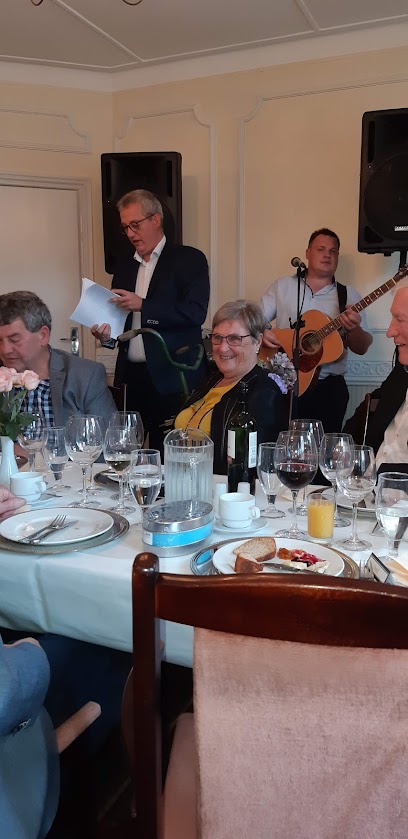
Jernkroen
23.9 km
Cozy harbor-side kro-bar in the heart of Nibe, where inexpensive drinks, a friendly courtyard and true small-town atmosphere invite you to linger.
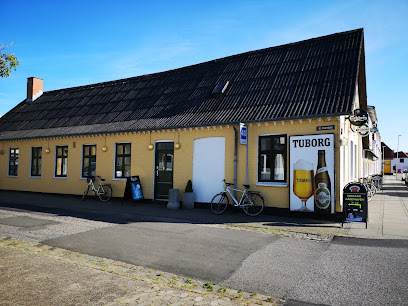
Club 85@Nibe Festival
25.5 km
Small-town bar turned festival hotspot, Club 85 is where Nibe’s intimate music nights spill over into easygoing drinks, local charm and late-night singalongs.
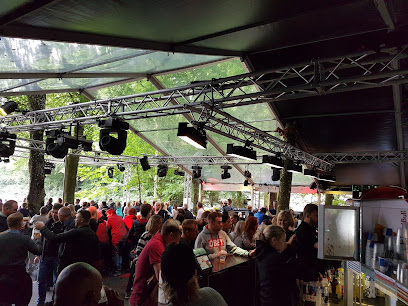
SwagHouse
28.3 km
Casual nightlife hub in the heart of Nykøbing Mors, where locals and travelers gather for drinks and social connection.
FJORD Bryggeri og Destilleri
29.7 km
Harbourfront microbrewery and distillery in Nykøbing Mors, serving small-batch beer and gin that capture the flavour of Mors in a cosy historic setting.
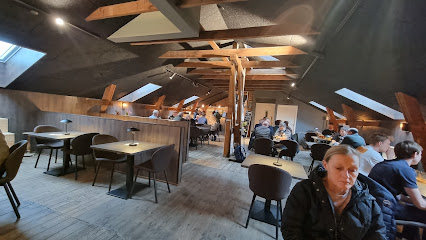
Don Muss
29.7 km
Cozy harborfront bar in Nykøbing Mors, blending everyday beers, late-night live music and local Limfjord charm in one unpretentious hangout.
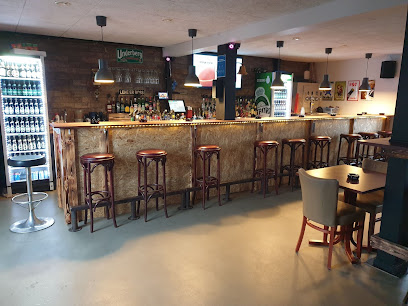
Farmors Bodega
29.7 km
Authentic Danish bodega where locals gather for beers, aquavit, and genuine Limfjord hospitality.
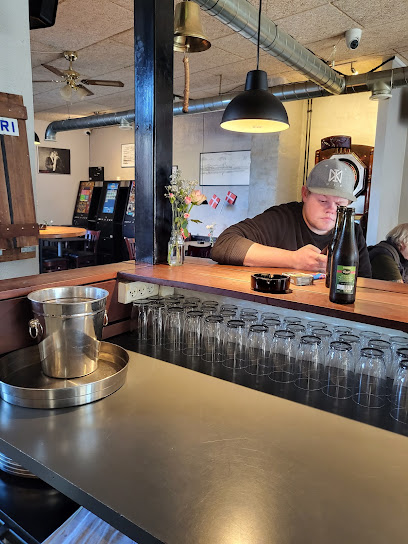
Nabo
30.0 km
Cozy neighbourhood wine bar on Nykøbing Mors’ Lilletorv, pouring characterful wines, easygoing drinks and relaxed hygge in an intimate, candlelit setting.
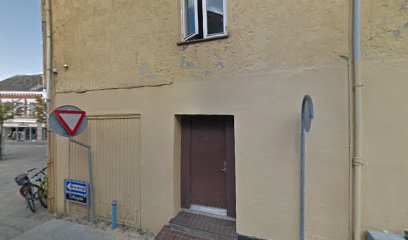
Loke's Ølstue
30.8 km
Suldrup’s no-frills bodega bar, where cold beer, local stories and small-town Danish pub culture come together in a cozy, lived-in corner on Aarestrupvej.
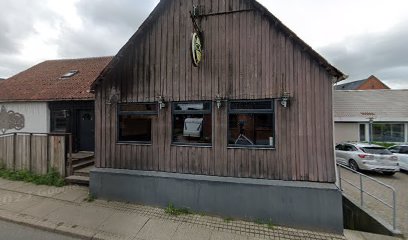
Kapias bodega
31.1 km
Cosy Gedsted neighborhood bodega offering cold beers, local company and unpretentious Danish hygge from quiet afternoons to lively weekend nights.
Nightclubs & after hour spots

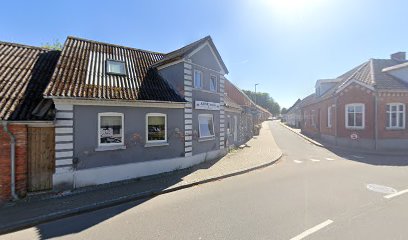
Mjølner
20.0 km
Small-town Nibe’s late-night heartbeat, where a compact dance floor, loud party tunes and local crowds turn a quiet fjord town into a lively night out.
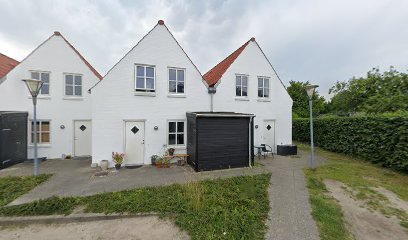
Dampmøllen Thisted
32.9 km
Late-night Thisted institution in a former steam mill, with multiple dance floors, bars and a distinctly Danish small-town party atmosphere.
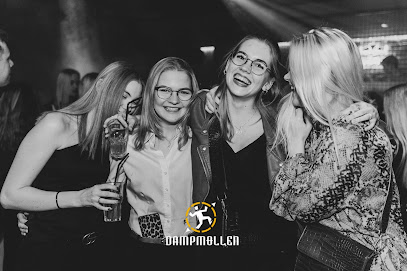
HQ-CSI
33.7 km
Intimate late-night club in coastal Thisted, where locals bring small-town North Jutland energy to a compact dance floor and an easygoing bar scene.
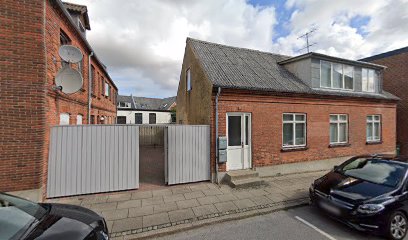
Diskotek Showoff
33.9 km
Thisted’s late-night disco club, where colorful lights, loud beats, and a compact dancefloor bring big-city party energy to this small coastal town.
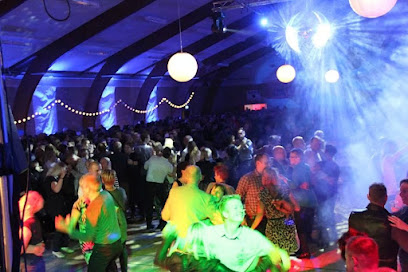
Rold Skov Orienteringsklub
41.5 km
Embark on an orienteering adventure with Rold Skov Orienteringsklub in Denmark's captivating Rold Skov forest.
Club Stygge
42.1 km
Compact, late-night Aalborg nightclub with loud party hits, simple cocktails and a tightly packed dance floor on bustling Vesterå.
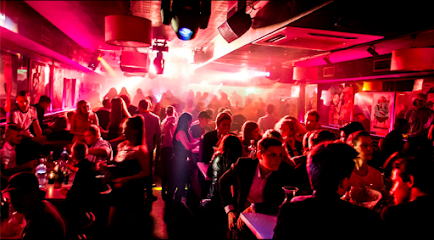
LouLou Aalborg
42.1 km
Polished cocktails and high-energy club vibes collide at this compact, late-night hotspot on Aalborg’s legendary Jomfru Ane Gade.
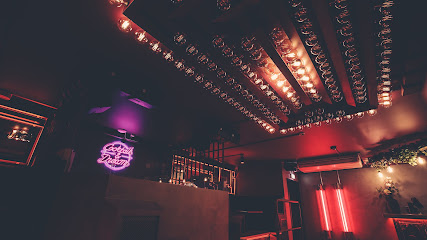
Club Wolf
42.2 km
Compact, late-night nightclub on Aalborg’s Jomfru Ane Gade, blending chart hits, strong weekend energy and a tightly packed dance floor in the city’s bar street hub.

ESCAPE CLUB & Shisha Lounge
42.2 km
Intimate nightclub and shisha lounge in the heart of Aalborg’s Jomfru Ane Gade, mixing DJ-driven dancing, drinks and hookah corners late into the night.
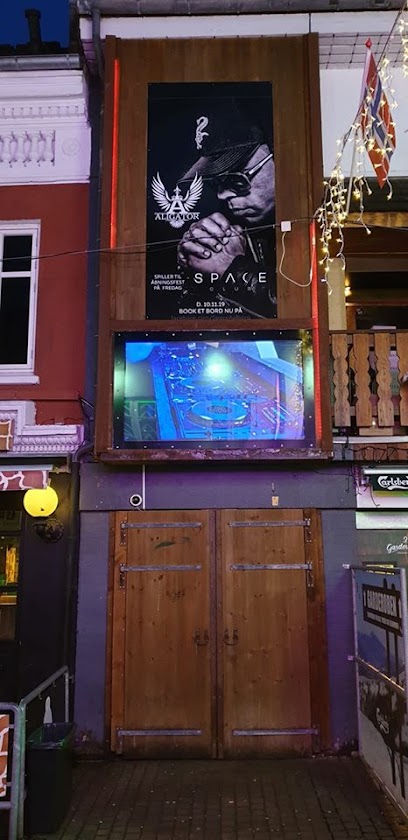
C Night Club
42.2 km
Craft cocktails meet dance floor energy on Aalborg's premier nightlife street.
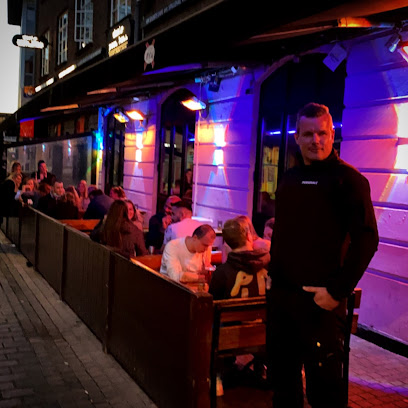
Rocken
42.2 km
Basement rock and metal stronghold on Aalborg’s waterfront, where late-night riffs, live bands and cold beers power the city’s hardest-hitting nightlife.
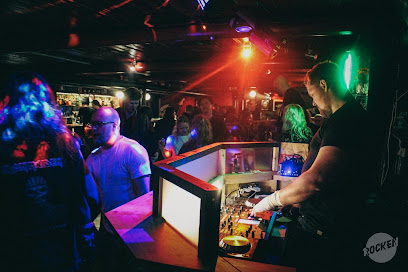
Casino Aalborg
42.2 km
Compact, adult-only casino in the heart of Aalborg, pairing classic table games and slots with a relaxed Nordic nightlife atmosphere inside a city-center hotel.
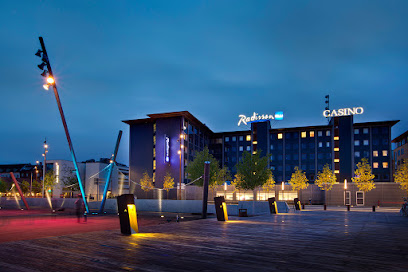
CLUB MOONLIGHT Aalborgs dansested for voksne
42.3 km
Adult‑only dance bar in central Aalborg, mixing 80s, 90s, 00s and current hits with cocktails and late‑night energy in an intimate courtyard setting.
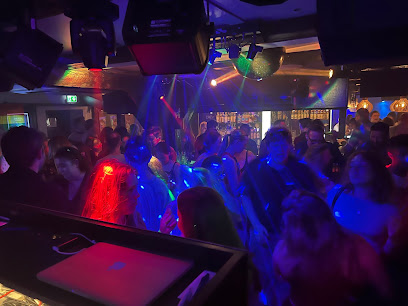
Night Cirque
42.5 km
Compact, high-energy nightclub in central Aalborg, where pulsing beats, bold lighting and a stylish crowd keep the dance floor alive late into the night.
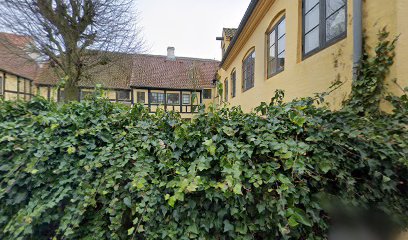
Buddy Holly
49.5 km
Late-night disco hub in central Hobro, where locals and visitors pack the dance floor to chart hits, lights and drinks until the early hours.

For the vibe & atmosphere seeker
- Scenic
- Fun-filled
- Lively
- Unique
- Casual
For the design and aesthetic lover
- Modern Designs
- Rustic Designs
For the architecture buff
- Historic
- Landmarks
- Parks & Gardens
- Heritage Neighborhoods
For the view chaser and sunset hunter
- Iconic Views
- Waterfront
- Sunset Spots
For the social media creator & influencer
- Instagrammable
- Photo Spots
- Aesthetic Corners
- Architectural Shots
For the eco-conscious traveler
- Protected Area
- Public-Transport Accessible
- Locally Managed
For the kind of experience you’re after
- Cultural Heritage
- Photowalk
- Day Trip
- Roadtrip Stop
- Festival / Event Nearby
For how adventurous you want the journey to be
- Easy Access
Location Audience
- Family Friendly
- Senior Friendly
- Child Friendly
- Teen Friendly
- Wheelchair Access
- Solo Friendly
- Couple Friendly
- Solo Female Friendly


