
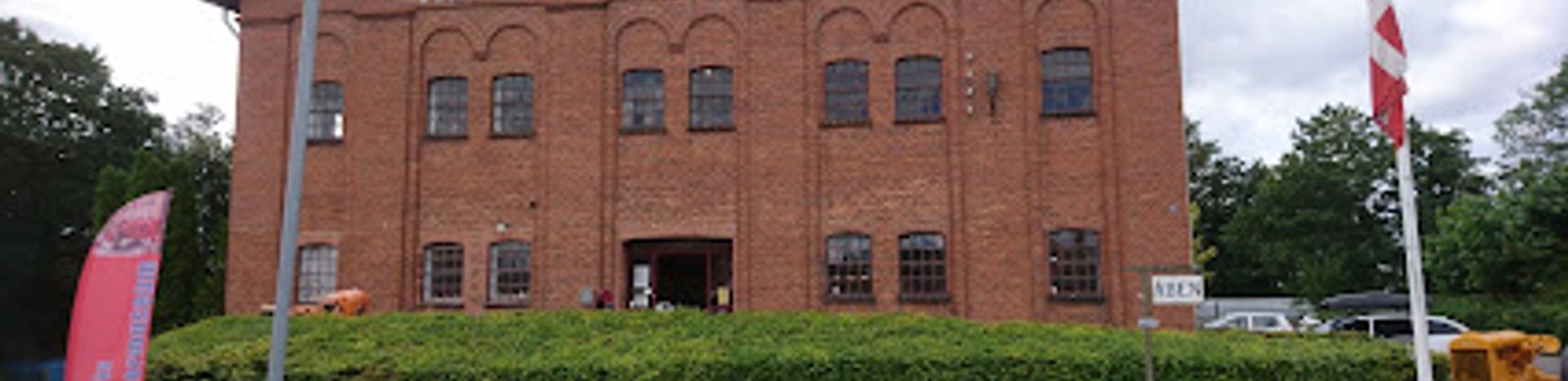
Danmarks Traktormuseum
A historic Falster warehouse packed with tractors and engines that tell the story of how machines transformed Danish farming across the 20th century.
Housed in a sturdy 1918 brick warehouse in the small town of Eskilstrup on Falster, Danmarks Traktormuseum celebrates the age when horsepower meant pistons and diesel rather than bytes and batteries. Inside, row upon row of tractors and stationary engines trace the transformation of Danish agriculture from the early 20th century to the post‑war boom years, with beautifully maintained machines, rare prototypes and evocative industrial details. It is a niche but richly atmospheric stop for anyone curious about rural history, engineering and the stories of the Danish countryside.
A brief summary to Danmarks Traktormuseum
- Nørregade 17B, Eskilstrup, 4863, DK
- +4554437007
- Visit website
- Duration: 1 to 3 hours
- Mid ranged
-
 Indoor
- Mobile reception: 4 out of 5
- Monday 10 am-4 pm
- Tuesday 10 am-4 pm
- Wednesday 10 am-4 pm
- Thursday 10 am-4 pm
- Friday 10 am-4 pm
- Saturday 10 am-4 pm
- Sunday 10 am-4 pm
Local tips
- Plan at least 1.5–2 hours if you want to explore all three floors in detail and take time to read the information panels.
- Wear comfortable shoes and an extra layer; the historic warehouse can feel cool and the floors are hard concrete.
- Check current opening dates in advance, as the museum operates seasonally and may only open from spring to autumn.
- Have some cash or a widely accepted bank card available, as small regional museums sometimes have limited payment options.

For the on-the-go comforts that matter to you
- Restrooms
- Seating Areas
- Trash Bins
- Information Boards
Getting There
-
Regional train and short walk from Nykøbing Falster
From Nykøbing Falster, take a regional train towards Copenhagen and get off at Eskilstrup Station; the ride usually takes about 10–12 minutes and standard tickets cost roughly 25–40 DKK one way in second class. Trains typically run at least once an hour during the day. From the station, expect an easy walk of around 10–15 minutes on flat pavements through the small town environment, suitable for most visitors including families with strollers.
-
Car from Nykøbing Falster and southern Falster
Driving from Nykøbing Falster to Eskilstrup generally takes around 15–20 minutes, depending on traffic and route. There is usually free or low‑cost parking available in the town near the museum, but spaces can be limited on busy summer days and during special events, so allow a little extra time to find a spot. Roads are paved and straightforward, making this an easy option for families or small groups exploring Falster by car.
-
Train from Copenhagen via Nykøbing Falster
From Copenhagen, take an intercity or regional train towards Nykøbing Falster; typical journey times range from about 1 hour 45 minutes to 2 hours 10 minutes, with advance fares often starting around 180–260 DKK one way depending on time and flexibility. In Nykøbing Falster, change to the local train for Eskilstrup, then walk the final stretch from the station. Services are generally frequent during the day, but evening and weekend departures can be less regular, so checking timetables before travelling is advisable.
-
Cycling from nearby Falster villages
For those already staying on northern Falster, cycling to Eskilstrup is a pleasant option in good weather, with quiet country and local roads linking nearby villages. Travel times vary with starting point, but many local rides will take around 20–40 minutes at a moderate pace. Surfaces are mainly paved; expect gentle rises rather than steep hills. Remember that strong coastal winds can make the journey more demanding, and secure cycle parking may be limited immediately outside the museum.
Danmarks Traktormuseum location weather suitability
-
 Any Weather
-
 Rain / Wet Weather
-
 Cold Weather
-
 Mild Temperatures
Discover more about Danmarks Traktormuseum
Engines of change in a brick warehouse
Danmarks Traktormuseum occupies an imposing, red‑brick warehouse built in 1918–1919 as a seed cleaning centre, its thick concrete floors originally designed to carry heavy agricultural loads. Today those same floors support an impressive army of tractors and engines, turning the building into a time capsule of Danish mechanisation. The tall ceilings, iron beams and industrial windows create a rugged, authentic backdrop that feels perfectly matched to the subject matter. As you move through the three storeys, the atmosphere shifts from workshop‑like ground floors filled with steel and oil to quieter upper levels where the patina of paint and metal stands out. The arrangement is dense but ordered, evoking a busy farmyard frozen in time. You are constantly aware that these machines once worked the same surrounding fields that now slip past outside the museum walls.Danish brands and rare Bukh tractors
The core of the collection is a remarkably complete line‑up of Danish‑made Bukh tractors, including prototypes and special editions that rarely appear in one place. For visitors with an eye for industrial design, the differences between early utilitarian models and later, more streamlined post‑war machines are fascinating. Labels and panels explain production years, technical innovations and what the tractors were designed to do on the farm. Alongside Bukh, larger collections of Bolinder‑Munktell, Volvo, International and Ferguson tractors chart the growing international reach of agricultural technology. Machines range from small orchard tractors to hefty field workhorses, each with its own story of ploughing, sowing or hauling. Taken together, they form a visual timeline of how farms across Denmark shifted from muscle power to mechanical efficiency.From steam power to stationary engines
Beyond tractors, the museum showcases an assortment of engines that once powered everything from threshers to sawmills. A group of stationary Bukh engines from the 1920s and 1930s reveals how flexible power units transformed rural workshops and barns, allowing farmers to mechanise tasks that had previously been done by hand. Their flywheels, pulleys and exposed moving parts make them especially engaging to examine up close. One of the most striking exhibits is a large steam engine dating from 1901, a reminder of the era when steam still drove heavy farm equipment and processing plants. The sheer scale of the boiler and pistons contrasts sharply with the compact diesel engines that followed, underlining how quickly technology advanced in the early 20th century. The juxtaposition of steam, early combustion engines and later tractors gives a broad, tangible sense of mechanical evolution.Post‑war agriculture and Marshall Aid stories
The museum also touches on the social and political backdrop to these machines. Exhibits explain how post‑war reconstruction and Marshall Aid accelerated the import of American tractors into Denmark, reshaping both productivity and the look of the countryside. Colourful foreign models stand beside Danish designs, reflecting a time when farmers weighed national loyalty against performance and price. Panels and artefacts hint at new working rhythms brought by mechanisation: longer days in the field, larger cultivated areas and the gradual decline of horse‑drawn equipment. The tractors here are presented not just as curiosities, but as tools that reshaped rural lives, influenced migration from countryside to town and helped define modern Danish food production.A niche museum with broad appeal
Although the subject is specialised, the museum’s straightforward layout and clear storytelling make it approachable for visitors with no technical background. Children tend to be drawn to the sheer size of the tractors, while enthusiasts can linger over model numbers, gearboxes and engine configurations. The robust industrial setting softens into a surprisingly nostalgic experience as you recognise familiar brand names and imagine the machines rattling over muddy fields. Throughout the building, the combination of well‑maintained exhibits and the historic warehouse setting gives the museum a distinctive personality. It works equally well as a focused stop on a Falster exploration or as a half‑day deep dive into agricultural history for those with a passion for machinery and rural heritage.Iconic landmarks you can’t miss

Hotel Falster
8.9 km
Experience Danish hospitality at Hotel Falster in Nykøbing Falster, offering comfortable accommodations, on-site dining, and easy access to local attractions and the South Sea Islands.
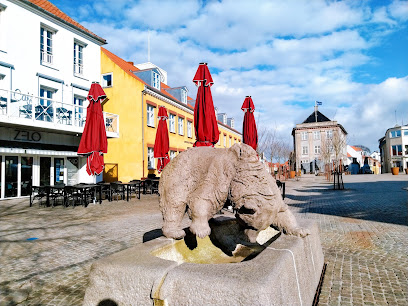
Bjørnebrønden
10.1 km
Granite bear, flowing water and royal history converge in this compact fountain that anchors Nykøbing Falster’s main square and its stories.
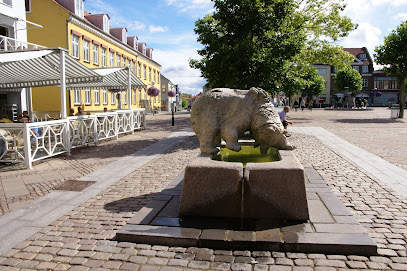
Touristinformation
10.2 km
Explore the charm and rich culture of Nykøbing Falster, a delightful coastal town perfect for your next Danish adventure.
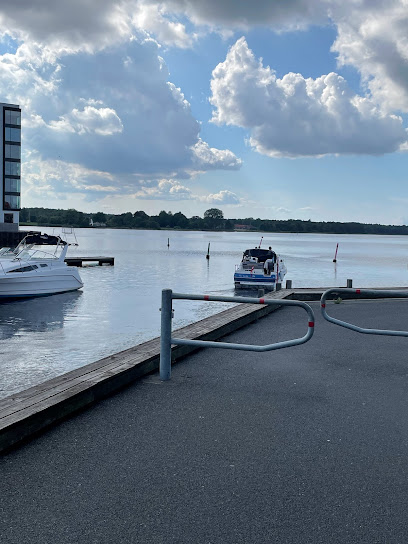
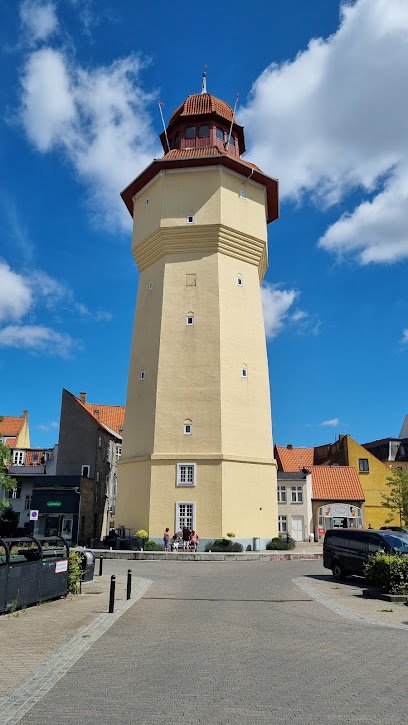
Vandtårnet I Nykøbing F
10.3 km
Historic concrete water tower turned art space and viewpoint, offering 147 steps to sweeping panoramas over Nykøbing Falster, Guldborgsund and the flat fields of Falster.
Mindbjergs
10.3 km
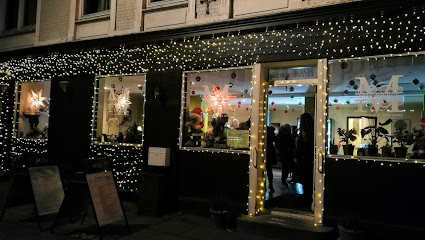
Explore a fusion of Danish and Asian flavors at Mindbjergs, a culinary gem in Nykøbing Falster offering unique dishes in a warm atmosphere.
Falster Provsti
10.4 km
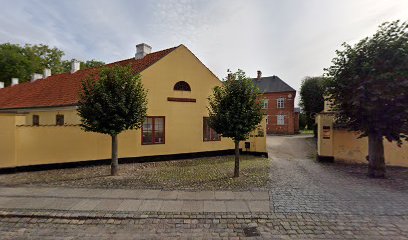
Explore the tranquil beauty and historical significance of Falster Provsti, a stunning church in Nykøbing Falster, Denmark.
Diocese of Lolland–Falster
10.7 km
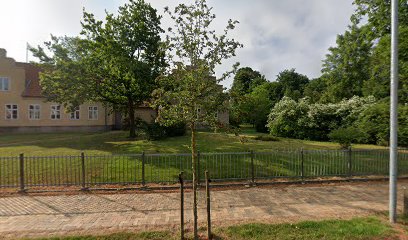
Experience the serene beauty and rich history of the Diocese of Lolland–Falster in Nykøbing Falster, a captivating church and cultural landmark.
Bellinge House- Bed & Breakfast. Wellness.
11.0 km
Discover tranquility and wellness at Bellinge House, a charming bed & breakfast in Nykøbing Falster, Denmark, offering holistic treatments and serene accommodations.
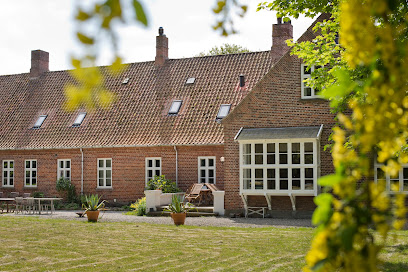
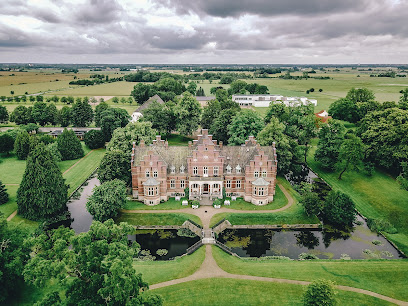
Fuglsang Herregaard - Hotel + Events + Conference
16.2 km
Experience Danish history and culture at Fuglsang Herregaard, a beautifully restored manor offering tranquil stays, gourmet dining, and access to art and nature in Lolland-Falster.
Pomle Nakke Traktørsted
16.3 km
Experience Danish coastal charm at Pomle Nakke Traktørsted, where stunning Baltic Sea views meet locally sourced cuisine for an unforgettable dining experience on Falster.
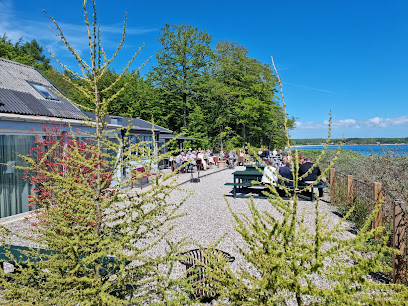
Larsens Plads
19.3 km
Experience the enchanting flavors of Væggerløse at Larsens Plads, where fresh ingredients meet breathtaking coastal views.
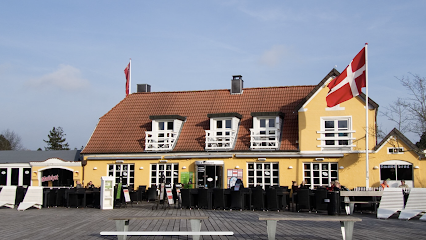
Café Delias
19.3 km
Experience authentic Italian cuisine in the heart of Marielyst at Café Delias, where traditional stone-oven pizzas and a vibrant atmosphere create a memorable dining experience.
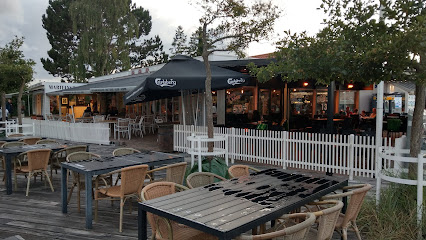
Kong Asgers Høj
19.6 km
Denmark's largest passage grave—a 5,000-year-old Neolithic monument of monumental stone and timeless mystery.
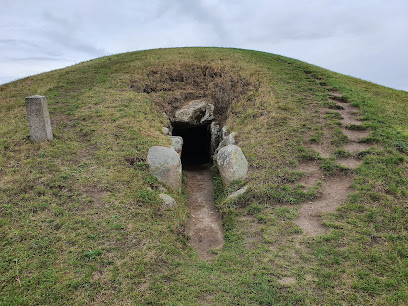
Kalvehave Labyrintpark
22.6 km
Discover a world of puzzles, illusions, and outdoor fun at Kalvehave Labyrintpark, where getting lost is just the beginning of an unforgettable adventure for the whole family.
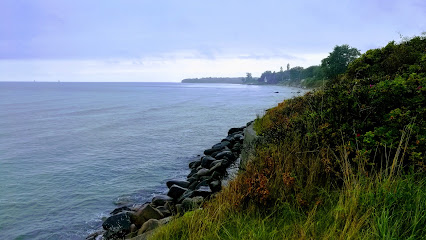
Nysted Havn
24.0 km
Discover the idyllic charm of Nysted Havn, a historic harbor town on Lolland's south coast, offering scenic beauty, maritime history, and authentic Danish experiences.
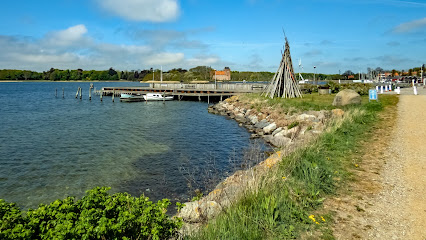
Unmissable attractions to see

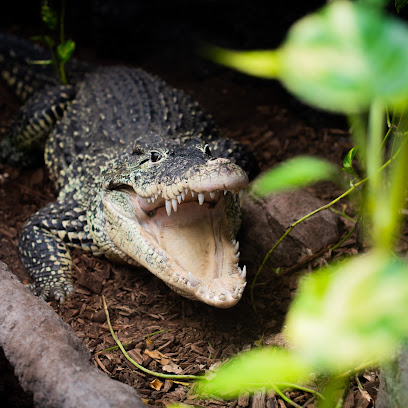
Crocodile Zoo, Falster
1.6 km
Danmarks eneste rene krokodille-zoo, hvor du i tropisk varme kommer helt tæt på verdens krokodiller, kæmpeslanger og andre eksotiske dyr på landlige Falster.
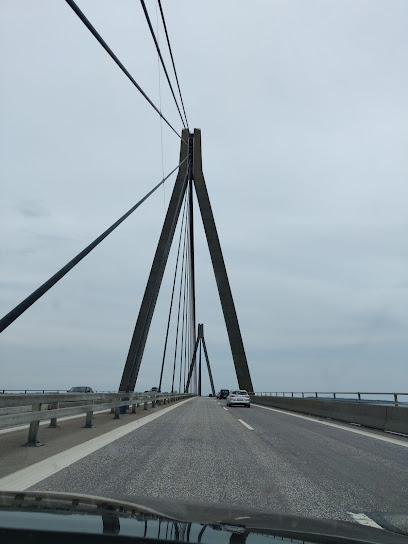
Falster
1.7 km
A gentle Danish Baltic island of long beaches, quiet farmland, small harbor towns and big skies, where laid-back coastal holidays meet everyday rural life.
Brombaergaarden B&B
4.9 km
Charming Danish countryside retreat with exceptional hospitality and homemade breakfasts in a picturesque stone house.

Vennerslund
5.3 km
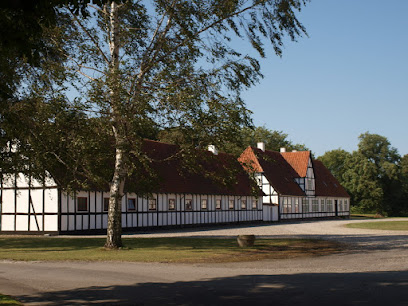
Historic Falster manor estate where centuries of Danish rural life, traditional architecture and gentle gardens meet the waterside landscape of Guldborgsund.
Fuglsang Musikforening
8.4 km
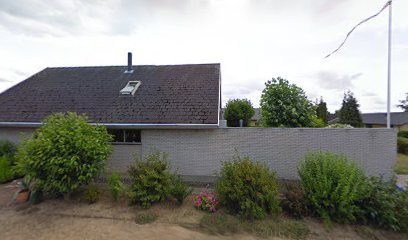
Intimate classical concerts in a modern hall beside historic Fuglsang Herregård, where carefully curated programs meet open landscapes on the Lolland–Falster coast.
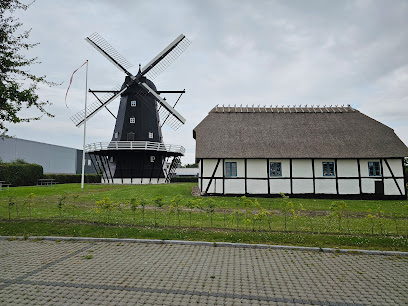
Ejegod Windmill
8.8 km
A beautifully preserved 1816 smock mill on a low hill in Nykøbing Falster, where sails, barn and miller’s house keep Denmark’s rural milling heritage alive.
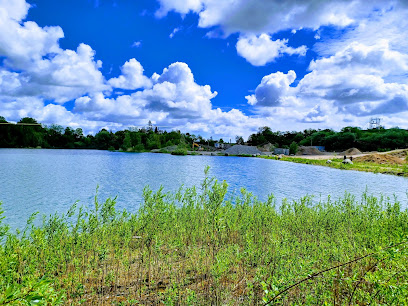
Zipline Systofte
9.2 km
Seasonal lakeside adventure park near Nykøbing Falster with a 400 m twin zipline, floating aquapark and high-jump airbag for families and thrill-seekers.
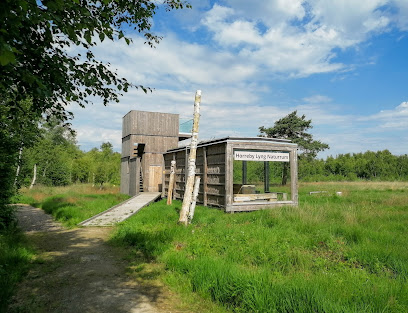
Horreby Lyng
9.3 km
Denmark's enchanting raised bog—a protected wetland of rare plants, ancient history, and boardwalk trails.
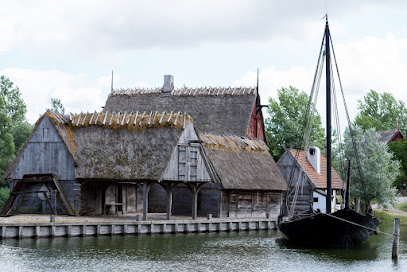
The Medieval Center
9.7 km
Experience 15th-century Denmark through living history, trebuchets, tournaments, and authentic medieval crafts.
Stubbekøbing Camping & Cottages
9.7 km
Serene waterfront camping with views of Grønsund Strait, peaceful Danish hospitality, and easy access to island exploration.
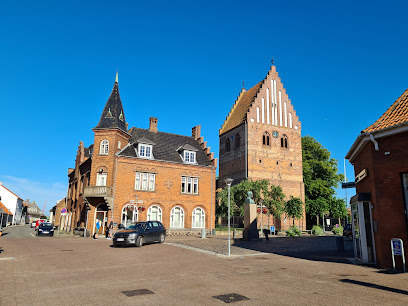
Nykøbing Castle
9.7 km
Bandholm Strand on Lolland’s north coast offers inviting sandy beaches, tranquil parkland, and a harbour steeped in Danish maritime history, perfect for relaxed coastal escapes.
Falsters Minder
10.2 km
A creaking 17th‑century house where Falster’s local history, a nostalgic grocer’s shop and the fantastical Museum Obscurum blur the line between memory, myth and curiosity.
Museum Obscurum
10.2 km
A shadowy cabinet of curiosities in an old Falster townhouse, where Cornelius Rödder’s cryptozoological collection blurs the line between folklore, superstition and science.
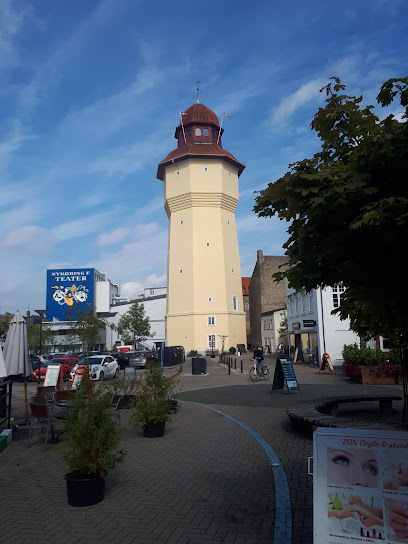
Guldborgsund Zoo & Botanisk Have
10.2 km
Formerly a compact zoo and botanical garden in Nykøbing Falster, Guldborgsund Zoo & Botanisk Have blended animals, greenery and play in one relaxed urban green pocket.
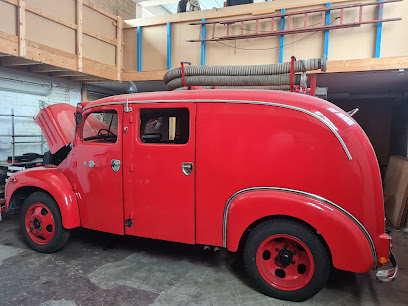
Nykøbing F. Firemuseum
10.6 km
A compact former fire station packed with classic red engines, rescue gear and three quirky sister museums, offering a vivid glimpse of everyday history in Nykøbing Falster.
Essential places to dine

Motel Højmølle Kro
2.1 km
Classic Danish roadside kro on rural Falster, pairing honest comfort and hearty local food with easy parking and quick access to the main north–south route.
Restaurant Hotel Falster
8.9 km
Relaxed hotel restaurant on Falster blending classic Danish comfort food, seasonal buffets and a generous Nordic breakfast in bright, welcoming surroundings.
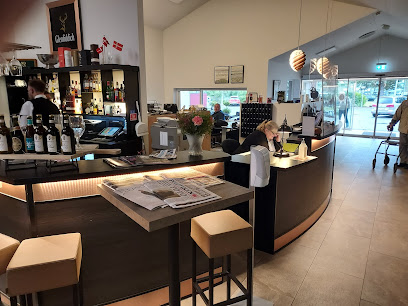
3kanten
9.6 km
Waterfront dining with modern European cuisine and sunset views over Guldborgsund.
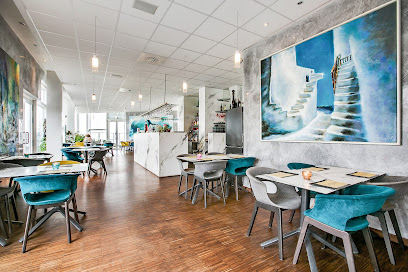
Rosmarino
9.6 km
Waterfront Italian dining where Mediterranean tradition meets Nordic ingredients and Danish coastal charm.
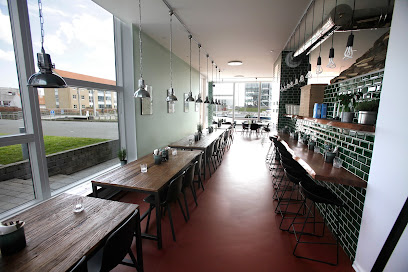
Cocomarie, Bistro & Café
9.7 km
Historic farmhouse bistro serving locally sourced cuisine and craft coffee in Guldborg.
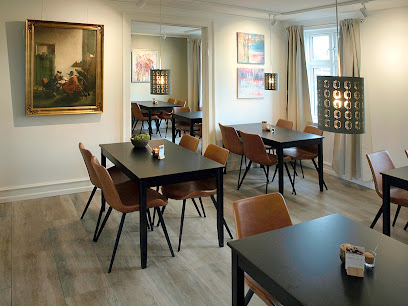
Restaurant Gonzalez Feilberg MARE
9.7 km
Contemporary Nordic seafood and an impressive wine bar meet marina views at this intimate, evening-only restaurant on Nykøbing Falster’s Slotsbryggen waterfront.
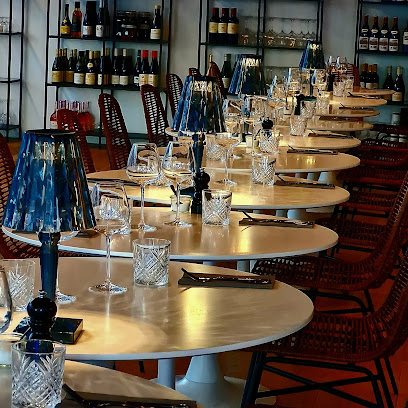
Restaurant Vinkælderen
10.0 km
Seasonal Danish-French fusion in an intimate wine cellar, temporarily closed but returning spring 2025.
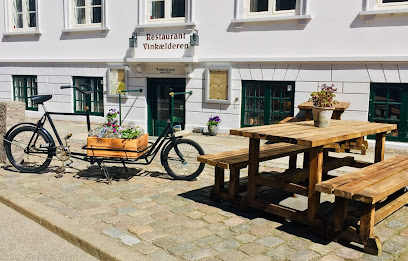
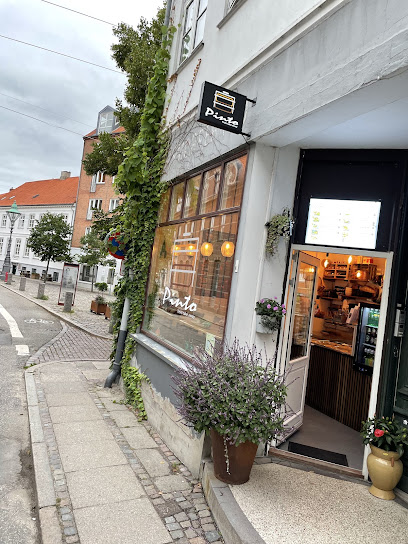
Pinto thai take away
10.0 km
Compact Thai kitchen in central Nykøbing Falster serving fragrant curries, noodles and stir-fries for easy, flavourful takeaway evenings.
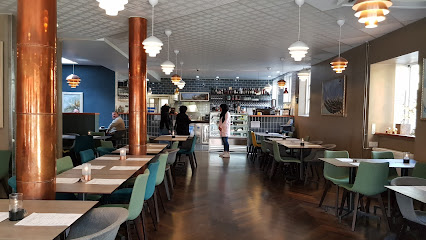
Dhaba Nykøbing
10.1 km
Colourful Indian street food, warm spices and shared plates bring a lively slice of modern India to the heart of Nykøbing Falster’s main square.
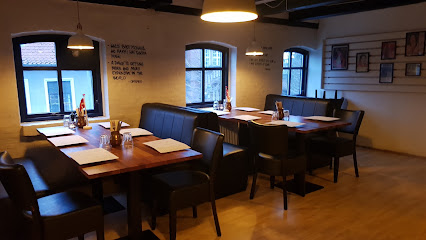
Cafe Zelo
10.1 km
Laid-back café dining on Nykøbing Falster’s main square, serving generous brunches, burgers and salads with local ingredients, indoor cosiness and outdoor square-side seating.
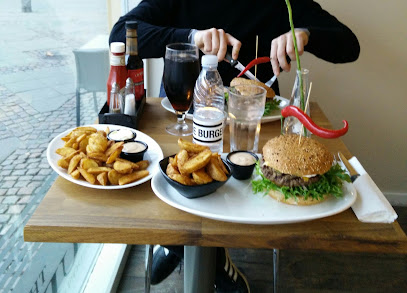
The Burger
10.1 km
Central Nykøbing Falster burger joint serving hefty grill‑seared stacks, wedges and sauces in a relaxed, family‑friendly setting with veggie and gluten‑free options.
Ritz Cafe & Cocktail Bar
10.1 km
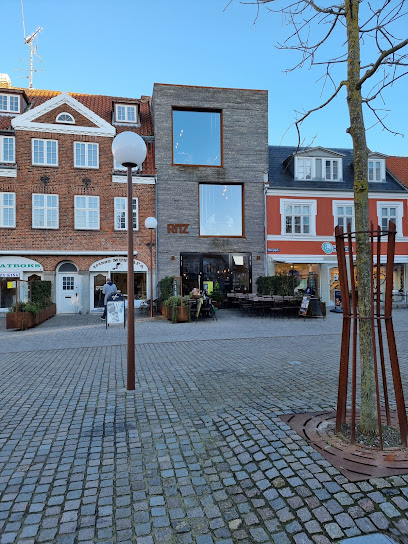
Nykøbing Falster's vibrant social hub serving Danish brasserie fare and craft cocktails on the main square.
Brovejens Grill
10.2 km
Budget-friendly Danish grill serving hearty burgers, grilled chicken, and pizzas in central Nykøbing Falster.
Restaurant Asia
10.2 km
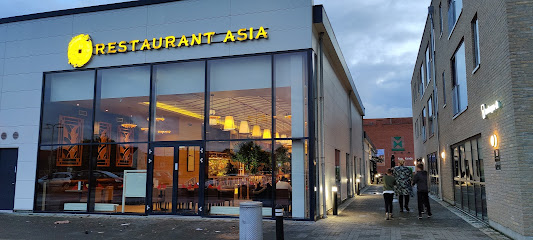
Large, family-oriented Asian buffet in central Nykøbing Falster, serving sushi, wok and classic Chinese dishes with a playful dessert bar and casual atmosphere.
Konya Pizza & Cafe
10.3 km
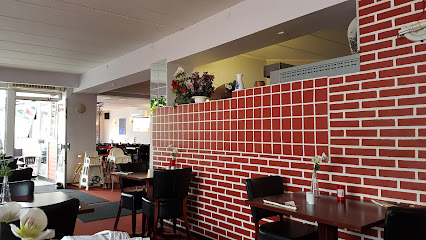
Hearty pizzas and Turkish‑inspired grill plates in a laid‑back, central Nykøbing Falster café that doubles as both local hangout and reliable takeaway stop.
Markets, malls and hidden boutiques

"Ejendommens" lille vejbod
4.9 km
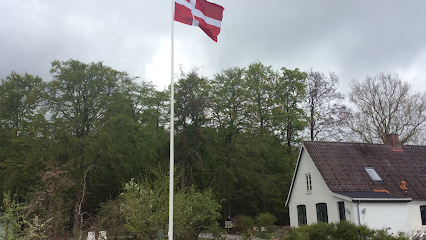
A tiny countryside honesty stall on Hannenovvej where homemade preserves and seasonal produce offer a delicious, everyday taste of rural Falster.
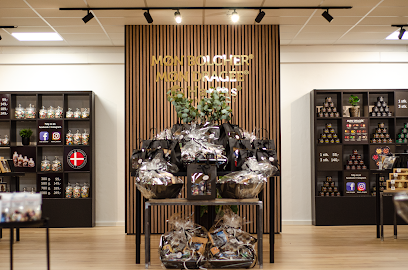
Møn Bolcher, Møn Dragée & Harms Chocolat
5.7 km
Danish dragées and artisanal chocolates crafted at the source in Nykøbing Falster.
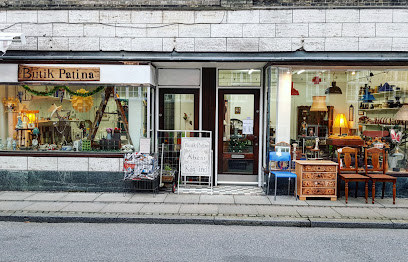
Butik Patina
7.6 km
Characterful antiques and vintage Scandinavian finds in a homely, timeworn setting on the quiet outskirts of Nykøbing Falster.
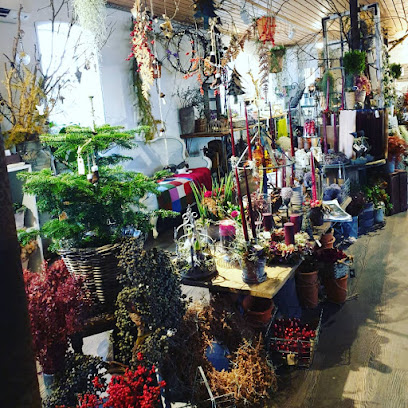
Nannas Blomster & Kreationer
7.9 km
Homely florist in a historic villa on Tingstedvej, crafting seasonal bouquets, plants and personalised floral designs for everyday gifts and life’s special occasions.
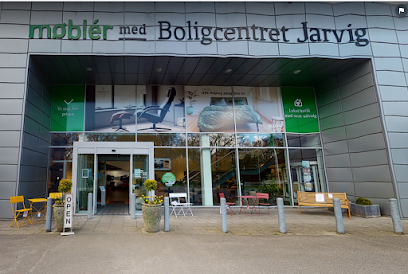
Furnish
8.1 km
Spacious Scandinavian furniture and bed showroom in Nykøbing Falster, blending modern Danish design, styled room inspiration and relaxed, practical home shopping.
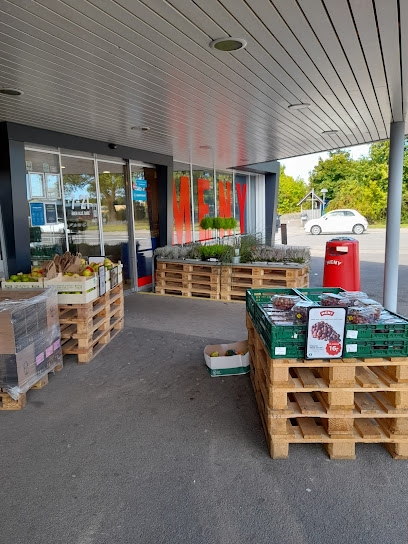
Meny
8.5 km
Full-service Danish supermarket in Nykøbing Falster with fresh produce, in-house butcher and deli, strong wine selection and long daily opening hours.
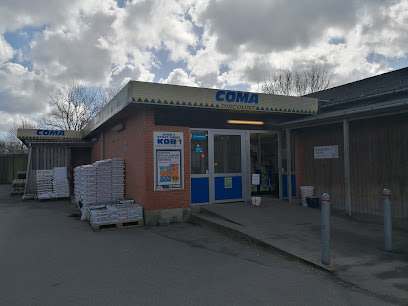
Coma Horreby v/Henrik Jensen
9.2 km
Local discount supermarket on Nykøbingvej, keeping Horreby and passing Falster travelers stocked up with everyday essentials at budget-friendly prices.
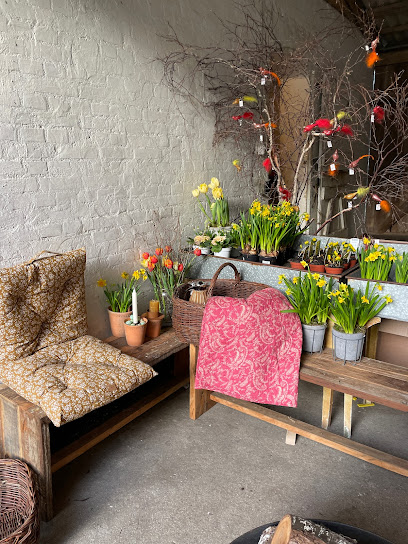
Frisenlund Living
9.4 km
Contemporary Danish farm shop where local produce, Scandinavian design, and rural charm converge in a welcoming modern barn.
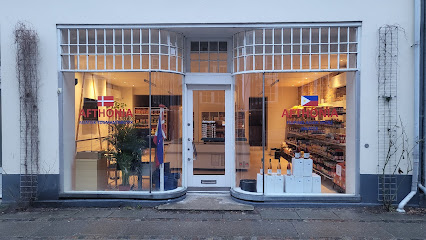
Afthonia Store
10.1 km
Compact Asian grocery on Nykøbing Falster’s Slotsgade, stocking noodles, rice, sauces, snacks and frozen specialties for curious home cooks and everyday shopping.
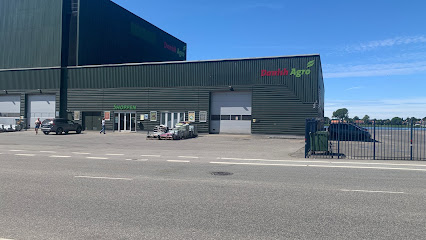
Danish Agro Shop - Nykøbing
10.2 km
A harborside country store where pet lovers, gardeners and smallholders stock up side by side, offering a grounded glimpse of everyday rural life in Nykøbing Falster.
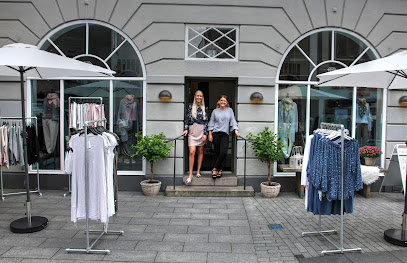
Blog and Shop
10.2 km
A cozy women’s fashion boutique on Østergågade in Nykøbing Falster, offering curated everyday style, warm atmosphere and down‑to‑earth Danish prices.
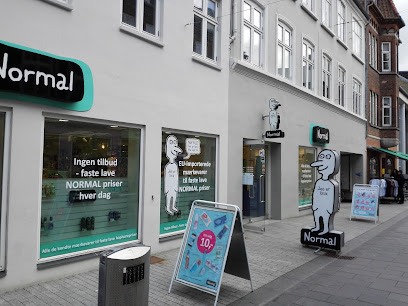
Normal
10.2 km
Compact, budget-friendly variety store on Nykøbing Falster’s main pedestrian street, ideal for everyday essentials, beauty bargains and spontaneous small finds.
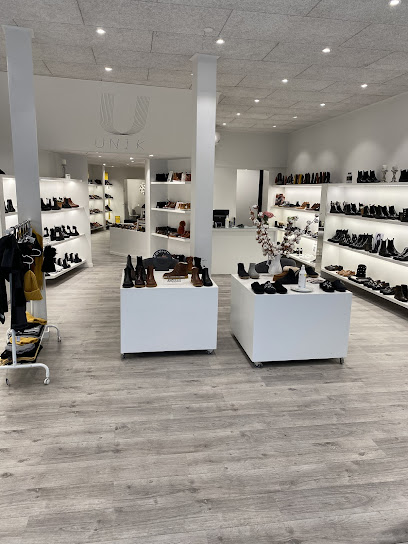
Unik
10.2 km
Curated footwear boutique in the heart of Nykøbing Falster's vibrant shopping district
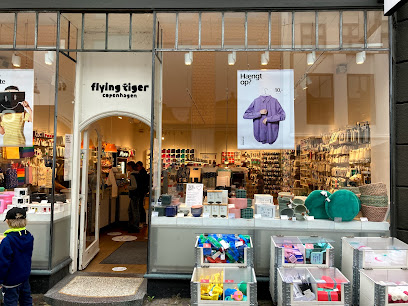
Flying Tiger Copenhagen
10.3 km
Colorful Scandinavian variety store in Nykøbing Falster’s main pedestrian street, filled with playful gifts, creative essentials and affordable everyday surprises.
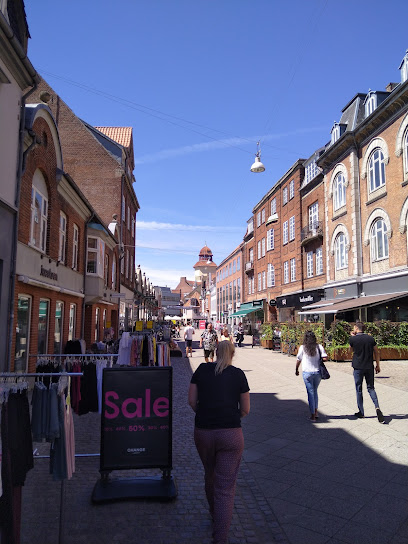
H&M
10.3 km
Central Nykøbing Falster fashion stop offering affordable clothing and accessories for all ages in a bright, modern high-street store on Jernbanegade.
Essential bars & hidden hideouts

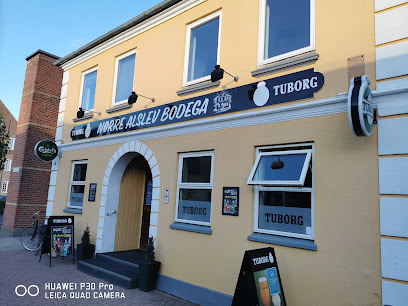
Nr. Alslev Bodega ApS
4.4 km
Laid-back neighborhood bodega in Nørre Alslev, pouring inexpensive beers and small-town Danish charm from late morning until midnight on weekends.
Kaspers landsted
8.5 km
A cosy 19th‑century villa turned intimate rock and party venue, where Sakskøbing’s locals gather for house‑party vibes, live music and laid‑back nights.
Slap A'
9.4 km
Unpretentious local bar in Nykøbing Falster with pool tables, inexpensive drinks and a relaxed neighborhood vibe from daytime quiet to late-night chatter.
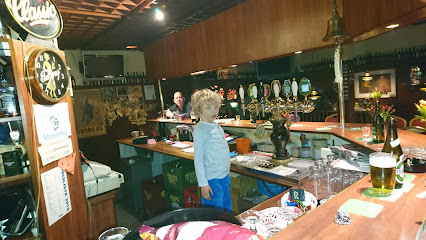
Cafe Nutiden V/ Brian Ipsen
9.6 km
A classic Danish bodega-style bar in central Nykøbing Falster, serving simple drinks and plenty of local atmosphere from midday through the late evening.
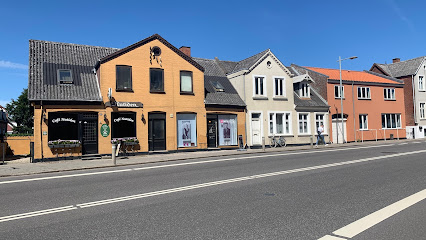
FUND BAR
9.6 km
Waterfront cocktails, Nordic design and a smoke-free, sociable atmosphere on Nykøbing Falster’s marina-facing Slotsbryggen promenade.
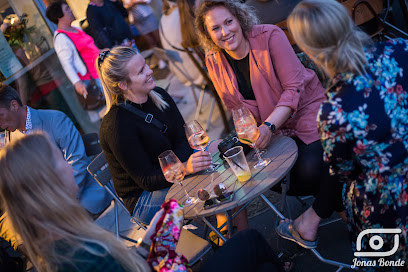
Vinoteque Marittima
9.9 km
Floating wine and coffee bar on Nykøbing Falster’s harbor, blending intimate maritime charm with carefully chosen drinks, small plates and sunset-ready deck seating.
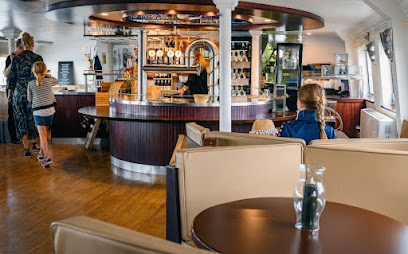
Fortuna
9.9 km
Cosy, no-frills Danish bodega in central Nykøbing Falster, where cold beer, warm conversation and unhurried evenings capture the spirit of local nightlife.
Cafe Slotsgården V/Brian Fog Ipsen
10.0 km
Experience Danish hospitality at Cafe Slotsgården, Nykøbing Falster's cozy beer hall with a rustic charm and diverse beer selection.
Slottet Værtshus
10.0 km
Unpretentious Danish bodega on Slotsgade where locals, regulars and curious visitors share cold beers, billiards games and late‑night jukebox tunes.
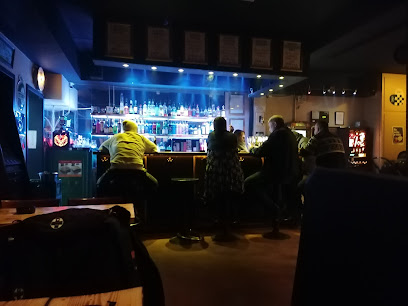
falster falster
10.0 km
Small, social neighborhood bar on Skolegade in Nykøbing Falster, serving cold beers and simple drinks in an unpretentious, intimate Danish pub atmosphere.
Jernbanecafeen Nykoebing Falster - Denmark
10.1 km
Unpretentious railway-side bar-café in Nykøbing Falster, where locals gather for relaxed evening drinks, conversations and classic, no-fuss Danish hospitality.
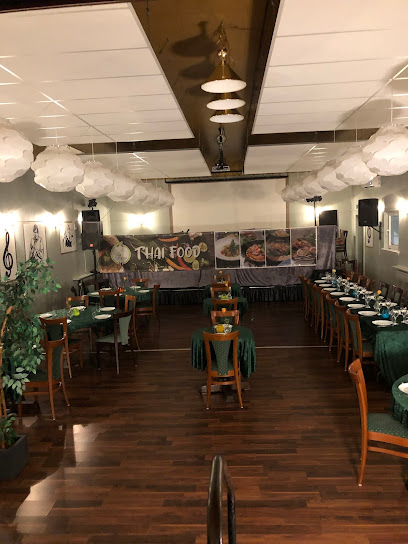
Den Sorte Engel
10.2 km
Moody brick walls, close-up live music and unpretentious Danish pub vibes make Den Sorte Engel the beating heart of Nykøbing Falster’s nightlife.
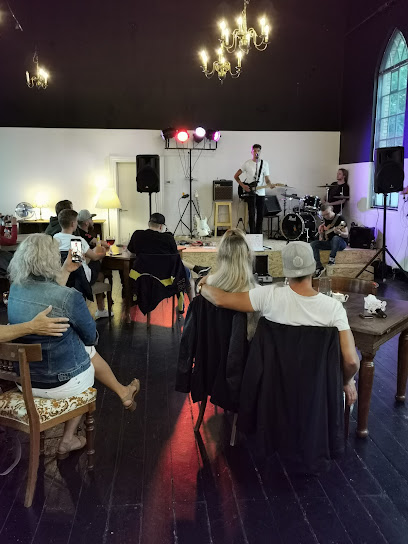
Billie Jean Bar
10.2 km
Authentic Danish smørrebrød and cocktails in the heart of Nykøbing Falster
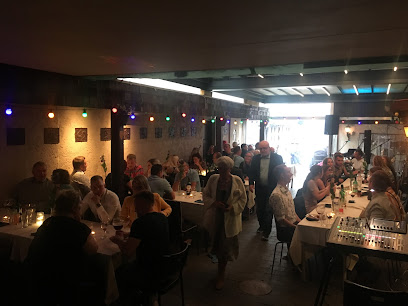
Kontoret V/sonja Madsen
10.3 km
Intimate wine bar in central Nykøbing Falster, blending cozy Danish hygge with relaxed drinks and conversation-friendly ambience on charming Langgade.
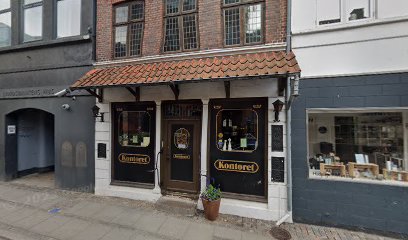
Marinestuen
10.3 km
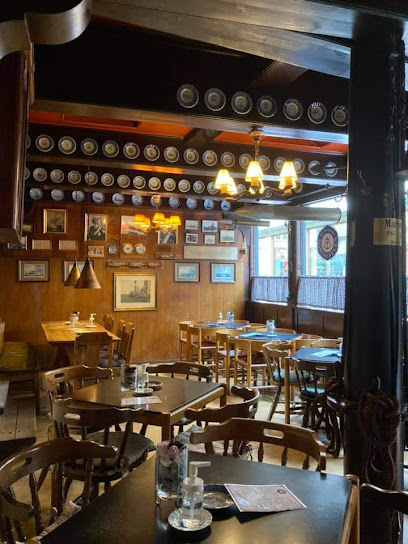
Characterful sailor-style bar in central Nykøbing Falster, serving inexpensive drinks in a cozy, maritime setting filled with ships, memorabilia and local charm.
Nightclubs & after hour spots

Loke MC - Helheim
7.0 km
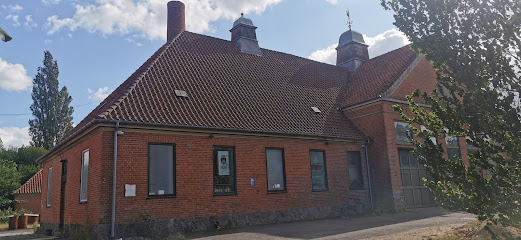
Rural Danish biker clubhouse with Norse-mythology flair, offering intimate late-night gatherings, loud rock playlists and a no-frills bar far from mainstream nightlife.
Første sted
10.1 km
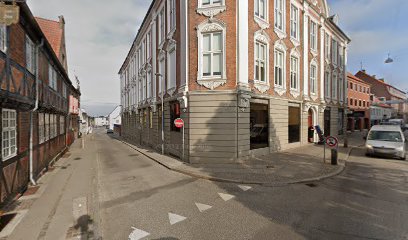
Compact, music-driven nightclub on central Slotsgade, offering an intimate, local slice of Nykøbing Falster’s late-night dancing and drinks scene.
N.Y.K. Event
10.3 km
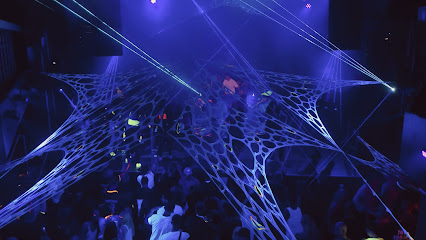
Compact late-night bar and nightclub in central Nykøbing Falster, mixing strong drinks, loud beats and a sociable dance floor that runs into the early morning.
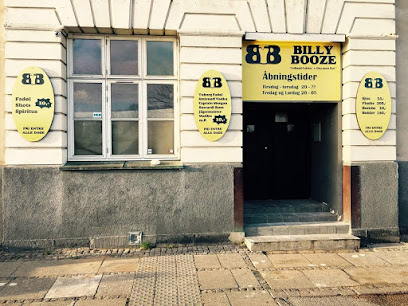
Billy Booze
10.3 km
Compact late-night disco in Nykøbing Falster with inexpensive drinks, loud hits and a casual dance floor vibe from Thursday to Saturday.
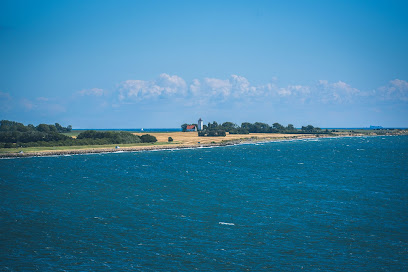
Gedser Lighthouse
33.1 km
Explore Denmark's southernmost lighthouse, offering panoramic Baltic Sea views and rich maritime history.
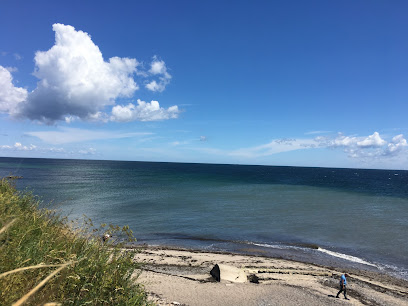
Gedser Odde
33.5 km
Discover the windswept beauty and migratory birdlife of Gedser Odde, Denmark's dramatic southernmost point where land and Baltic Sea converge.
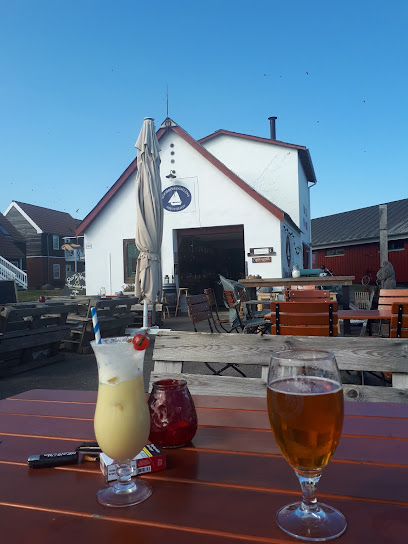
Pier To Heaven
38.5 km
Experience maritime charm and exquisite drinks at Pier To Heaven in Klintholm Havn.
Step Inn I / S
42.2 km
Step Inn I / S is a centrally located Næstved bar offering a relaxed setting for drinks, socializing, and local nightlife with a distinctly Danish twist.
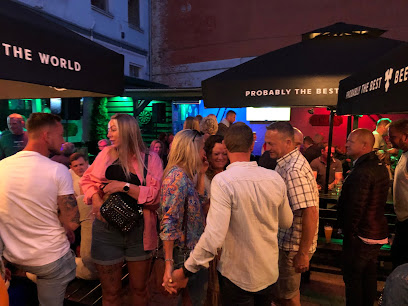
Avenue Næstved
42.2 km
Lively nightspot and flexible event hall in central Næstved, mixing dancefloor energy, festive dinners, stand-up comedy and themed parties under one roof.
Crazy Daisy Næstved
42.2 km
High‑energy weekend nightclub in central Næstved, packing loud beats, flashing lights and a late‑night local crowd into a compact, classic Danish town‑club setting.
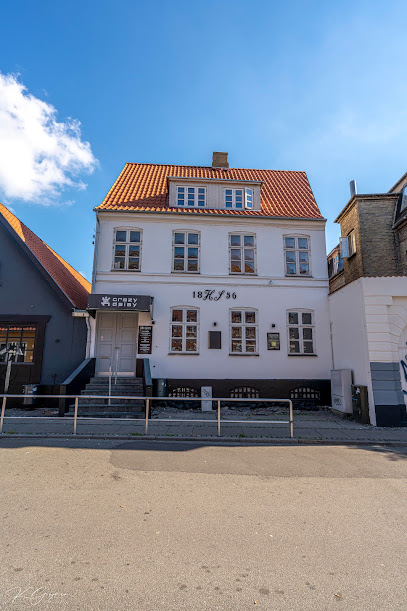
Bar z
42.2 km
Næstved's welcoming nightclub for Thursday-to-Saturday evening gatherings and social entertainment.
The Old Irish Pub
42.2 km
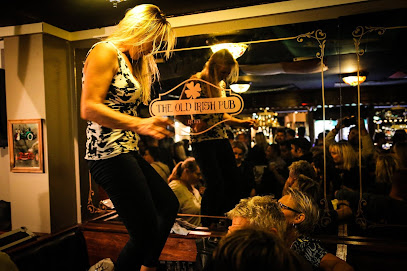
A vibrant Irish-themed pub in the heart of Næstved, offering live music, sports, draught beer, and a lively atmosphere for both locals and visitors.
The Beach
42.3 km
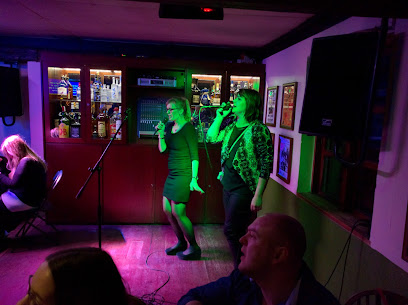
The Beach is Næstved’s top karaoke bar, renowned for its vibrant ambiance, creative drinks, and a lineup of crowd-pleasing singalong nights in the city center.
Sct. Jørgens Jazzklub
42.3 km
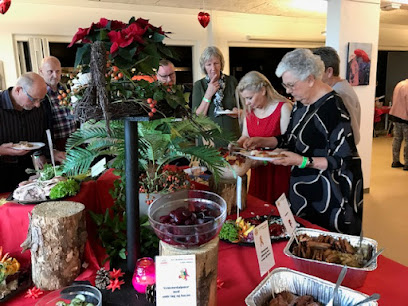
Experience live jazz in the heart of Næstved at Sct. Jørgens Jazzklub, where music and history harmonize.
CLUB ZANZI
48.4 km
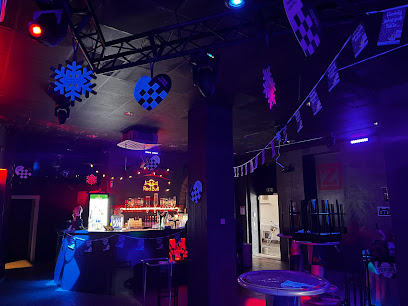
High‑energy waterfront nightclub bringing big‑city beats, flashing lights and late‑night dancing to the heart of coastal Nakskov.
For the vibe & atmosphere seeker
- Scenic
- Unique
- Casual
- Fun-filled
For the design and aesthetic lover
- Vintage Styles
- Industrial Designs
- Rustic Designs
For the architecture buff
- Historic
- Landmarks
- Industrial
For the social media creator & influencer
- Photo Spots
- Architectural Shots
For the eco-conscious traveler
- Low Impact
- Public-Transport Accessible
- Locally Managed
For the kind of experience you’re after
- Cultural Heritage
- Photowalk
- Day Trip
- Roadtrip Stop
For how adventurous you want the journey to be
- Easy Access
Location Audience
- Family Friendly
- Senior Friendly
- Child Friendly
- Teen Friendly
- Solo Friendly
- Couple Friendly
- Solo Female Friendly


