Hyllekrog Fyr, Lolland Travel Guide
A retired lighthouse on a remote spit of southern Lolland, where maritime history, wild coastal nature and vast Baltic horizons meet in wind and silence.
Hyllekrog Fyr stands alone on a long, narrow spit off southern Lolland, a retired lighthouse framed by wide skies, sea and one of Denmark’s most important bird reserves. Built in 1905 to warn ships of the treacherous Rødsand shoals, the yellow-brick tower now crowns the wild Saksfjed-Hyllekrog nature area, reached only on foot along windswept dykes and beaches. Climb the restored tower when open for sweeping views over lagoons, dunes, grazing wild horses and the shallow waters of the Baltic Sea, and feel the quiet isolation that once defined life at this remote beacon.
A brief summary to Hyllekrog Fyr
- Lyttesholmvej 1B, Rødby, 4970, DK
- Duration: 2.5 to 5 hours
- Free
-
 Outdoor
- Mobile reception: 3 out of 5

Know before you go
Hi, I'm Eve. Here are a few practical things to know before exploring Hyllekrog Fyr.
- Check seasonal access rules: the spit and lighthouse are closed during the main bird breeding period, typically from early March to mid-July.
- Wear sturdy, waterproof footwear and windproof layers; the exposed walk along the spit can feel much colder and wetter than inland.
- Bring binoculars or a zoom lens to watch sea eagles, migrating raptors and large flocks of waterbirds in the lagoons and offshore sandbars.
- Pack water and snacks, as there are no shops or cafés at the lighthouse and only limited facilities near the start of the walk.
- Allow enough time for the return hike so you are off the spit before dusk, when paths and waterlines can be harder to distinguish.
Do you manage this location?
Take control to get all the benefits, like improved information, better appearance, and stronger visibility across AI-powered discovery. Learn more about listing your business on Evendo
Activate your presenceOther nearby places you may find interesting
The closest places of the same kind, if this one is not quite what you had in mind.
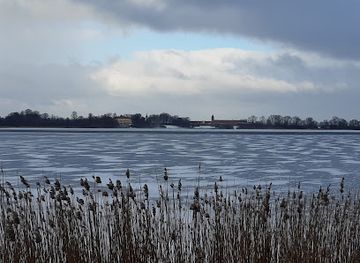
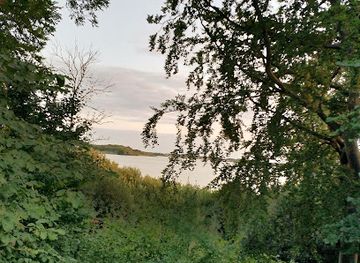
Explore Hyllekrog Fyr on the Map
A handpicked selection of must-see spots near Hyllekrog Fyr, mapped for you.
Getting There
-
Car from Rødbyhavn
From Rødbyhavn, driving to the Saksfjed-Hyllekrog area trailhead near Lyttesholm typically takes around 20–30 minutes via local roads. Expect modest traffic but narrow rural stretches and dykes with limited passing places. Parking is usually free or low-cost at designated areas near the start of the walk; in busy autumn weekends spaces can fill, so arrive early in the day. From the parking area, allow 2.5–4 hours on foot for the out‑and‑back hike to Hyllekrog Fyr, depending on pace and conditions.
-
Bicycle from Rødby
Cycling from Rødby town to the Lyttesholm area is a realistic option for confident riders, taking roughly 45–70 minutes along a mix of smaller roads and paved cycle-friendly stretches through flat farmland. There is no dedicated cycle infrastructure the entire way, so be prepared to share the road with local traffic. You can leave your bike near the start of the protected spit; from there it is on foot only, with the return walk to the lighthouse and back taking 2.5–4 hours. Bring lights and reflective gear if travelling in low light.
-
Regional bus and walking
Regional buses connect Rødby and other Lolland towns with stops within a few kilometres of the Saksfjed-Hyllekrog area, typically in travel times of 20–40 minutes depending on the route. Services run less frequently on weekends and public holidays, and onward access from the nearest stop involves an additional 30–60 minutes of walking along minor roads and dykes to reach the main trailhead. Standard regional fares are usually in the range of 20–40 DKK one way, payable by card or travel card. Always check current timetables, as seasonal adjustments and reduced evening services are common.
For the on-the-go comforts that matter to you
-
 Restrooms
-
 Seating Areas
-
 Picnic Areas
-
 Trash Bins
-
 Information Boards
-
 Visitor Center
Discover more about Hyllekrog Fyr
A Lone Lighthouse at the Edge of Lolland
Hyllekrog Fyr sits midway along the slim hook of land that reaches into the Baltic from Lolland’s south coast, surrounded by water, salt meadows and low dunes. The tower rises from a cluster of simple buildings that once housed keepers and equipment, the muted yellow walls contrasting with the ever-changing northern light. Standing here, you are acutely aware that this is the island’s outer frontier, shaped by wind, waves and centuries of coastal engineering.Although the lighthouse no longer guides ships, its presence still structures the landscape. Paths converge here from both sides of the spit, and the tower serves as a visual anchor when the horizon blurs into sea and sky on hazy days. The feeling is both exposed and intimate: there is nothing to hide behind, yet everything invites you to linger.From Maritime Warning Light to Nature Lookout
The lighthouse was first lit in 1905, built to guard sailors from the dangerous Rødsand shoals that lurk just offshore. For most of the twentieth century, its beam swept the Smålandsfarvandet and the shipping lanes toward Fehmarn Belt, an essential point of reference in a shallow, shifting seascape. Automation and changing navigation technology eventually made the light redundant, and by the early 1970s the station fell silent.For a time the tower slid toward decay, its demolition even discussed. Local engagement and growing appreciation of Denmark’s historic lights helped change its fate. The building was carefully restored in the early 21st century, and today visitors can, in season, step inside and climb the narrow stairs. From the balcony you gain a commanding view over Hyllekrog, Saksfjed and the Rødsand lagoon systems, turning a former working instrument into a remarkable lookout over land, sea and sky.Part of an International Bird and Wildlife Haven
The spit and lighthouse lie within the protected Saksfjed-Hyllekrog area, a mosaic of reedbeds, coastal meadows, tidal flats and shallow lagoons. This is one of Denmark’s key autumn migration bottlenecks for birds of prey, and an internationally important wetland for geese, ducks and waders. In late summer and autumn, streams of raptors funnel along the coastline, while thousands of waterbirds rest and feed in the sheltered waters.On the infields behind the dykes, semi-wild horses and cattle graze to keep the grassland open, creating varied habitats where rare plants and insects can thrive. Strict seasonal access rules protect breeding birds, meaning parts of the spit, including the approach to the lighthouse, are off-limits in spring and early summer. When the route reopens, the sense of entering a place that has been left largely to wildlife for months adds to the privilege of visiting.Walking the Narrow Spit to the Tower
Reaching Hyllekrog Fyr is an experience in itself. The walk out follows dykes and sandy tracks with views to both sheltered lagoon and open sea. The spit stretches for several kilometres, growing ever narrower as you approach the tower, with the wind usually a constant companion. Underfoot, the ground alternates between firm grass, patches of sand and sections of gravel, so sturdy footwear is essential.As you progress, human structures fall away and the sounds sharpen: the rasp of grass in the breeze, waders calling from the shallows, the distant splash of waves on sandbars. When the lighthouse finally appears at close range, it feels both unexpected and inevitable, the one solid vertical element in an otherwise horizontal world. Many walkers choose to rest in its lee, sheltered briefly from the wind before beginning the return trek along the spine of the spit.Views, Weather and the Ever-Changing Light
From the top of the tower, when access is permitted, the views are panoramic. To one side you see Lolland’s flat farmland and dykes receding into the distance; to the other, the low strip of sandbars and open water that has challenged sailors for generations. On clear days, the outline of distant islands and the shipping lanes stand out sharply; in mist or drizzle, the landscape compresses into soft layers of grey and blue.Weather is a defining part of any visit. Strong winds can make the walk demanding, while bright autumn or winter days transform the area into a vast, luminous space of long shadows and glittering water. Even in less than perfect conditions, the shifting skies, bird life and the solid reassurance of the tower combine into a memorable impression.A Quiet Place for Reflection and Observation
Despite its dramatic setting, Hyllekrog Fyr is a place of quiet contemplation rather than spectacle. There are no cafés or shops at the end of the spit, only basic facilities at best and a few information boards explaining the natural and cultural history of the area. This simplicity invites unhurried observation: watching hunting sea eagles, tracing the changing colours of the salt marsh, or imagining the routines of the lightkeepers who once lived here.The combination of maritime heritage and living nature reserve makes a visit deeply atmospheric. Hyllekrog Fyr embodies a meeting point: between land and sea, past and present, human need and ecological protection. Spending time here means tuning in to that balance, letting the wind, the cries of birds and the steady presence of the tower frame your own pause at the edge of Lolland.












Your all‑in‑one travel companion app
Explore expert travel guides, compare and book tours, experiences, hotels, and more—all from the palm of your hand. Download now for seamless trip planning wherever your wanderlust takes you.


Explore More of Lolland
Looking beyond Hyllekrog Fyr? Discover Lolland for broader travel guides, local hot-spots, and regional highlights.
Explore Lolland