Scandinavian owl center Travel Guide
Free Guide: A quiet, owl-focused wildlife center on Lolland, where close encounters and clear storytelling reveal the hidden lives of Scandinavia’s nocturnal hunters.


A brief summary of Scandinavian owl center
A quiet, owl-focused wildlife center on Lolland, where close encounters and clear storytelling reveal the hidden lives of Scandinavia’s nocturnal hunters.
Scandinavian Owl Center in Rødby is a niche wildlife attraction dedicated entirely to owls and their mysterious world. In an intimate setting on Lolland, you meet a variety of Scandinavian and other owl species up close while learning about their biology, senses, and role in Nordic ecosystems. Expect atmospheric indoor spaces, outdoor aviaries, and guided presentations that blend solid natural history with a touch of storytelling, making this a memorable stop for curious families and bird lovers.
On-site amenities
 Restrooms
 Seating areas
 Trash bins
 Information boards
 Drink options
 Food options
- Address
- Søndergade, 4970 Rødby
- Phone
Getting there
Regional bus from Rødbyhavn and Lolland towns
Car from Lolland-Falster and southern Zealand
Bicycle from nearby Lolland villages
Discover more about Scandinavian owl center
An intimate world devoted to owls
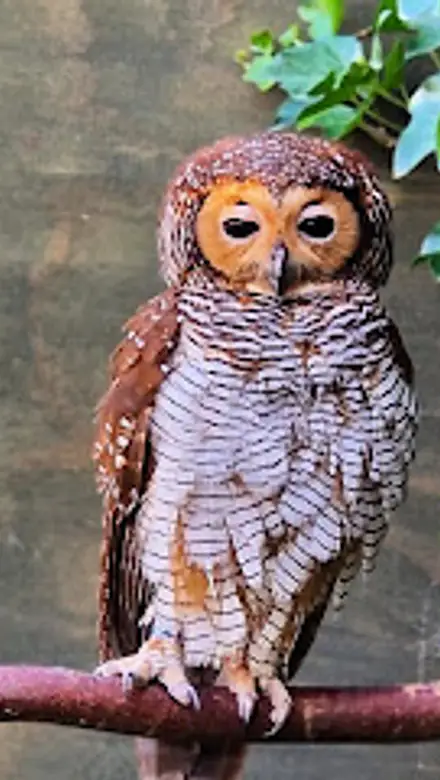
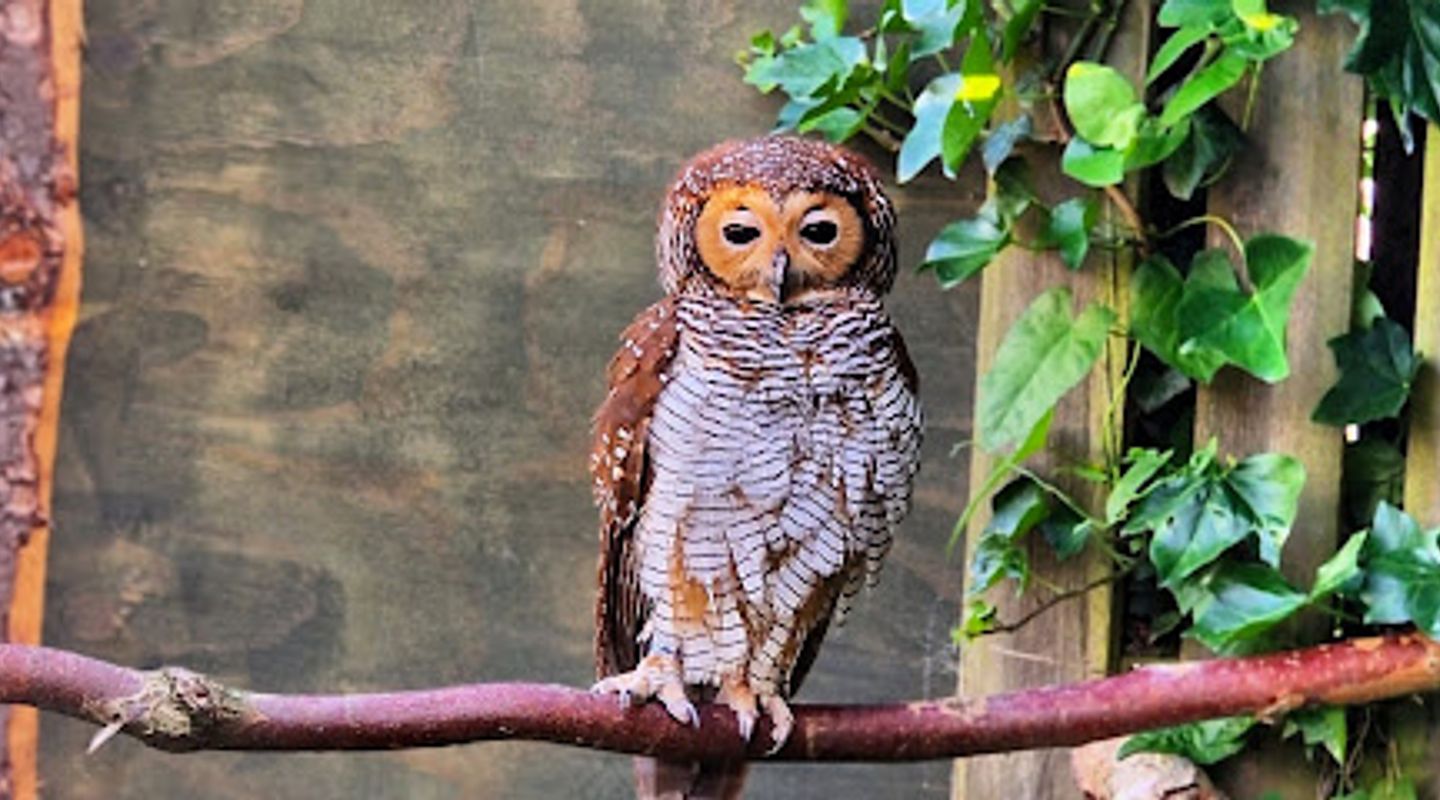
Scandinavian Owl Center in Rødby is a small, focused animal park built around one idea: giving visitors a deeper encounter with owls. Rather than being a broad zoo, the center concentrates its energy on a carefully curated collection of species, from familiar barn owls to shaggy great grey owls and compact little owls. Aviaries are arranged so you can observe the birds from different angles, watching how they perch, preen, and interact with their surroundings.The scale of the place works in its favour. Because the center is compact, you are never far from the birds or the people who care for them. This intimacy allows time to linger at each enclosure and notice details you might otherwise miss, like feather patterns that break up the birds’ outlines or the subtle swivelling of their heads as they track movement around them.
Stories, senses and silent flight
A visit here is as much about understanding as it is about looking. Interpretive displays explain how owls hunt by sound, why their feathers are adapted for silent flight, and how different species thrive in forests, fields, and coastal landscapes. Simple diagrams, skulls, and feathers illustrate how their huge eyes, facial discs, and hooked beaks work together when hunting in the dark.Staff presentations, often delivered in a relaxed, conversational style, add another layer. Keepers share anecdotes about individual birds, explain rehabilitation work, or talk about nesting and breeding. Hearing how a particular owl arrived at the center or how its personality differs from others helps turn abstract facts into memorable stories.
Lolland landscape and Nordic nature links
Although the focus is on owls, the setting on Lolland anchors the center firmly in Danish nature. Information boards connect the species you see with nearby habitats: farmland hedgerows, small woodlands, and coastal areas that support field voles, songbirds, and other prey. This context highlights how changes in land use and light pollution affect nocturnal predators.The grounds themselves are modest but thoughtfully laid out, with paths that encourage a gentle loop rather than a rushed circuit. Native planting, simple seating, and open sky give a sense of the wider countryside beyond the town streets, making it easier to imagine these birds out hunting over fields at dusk.
Family-friendly encounters and calm atmosphere
Despite its specialist focus, Scandinavian Owl Center works well for a broad audience. Children tend to be drawn to the birds’ expressive faces and dramatic silhouettes, while adults appreciate the clear explanations and the slower pace. The site’s scale makes it manageable for families, with short walking distances and opportunities to pause.The overall mood is calm rather than hectic. There are no loud rides or flashing screens, just the occasional call of an owl or rustle of feathers as a bird shifts position. This quieter environment invites you to lower your voice, listen more carefully, and pick up on the subtle sounds of the birds and the breeze.
Conservation, care and responsible visiting
Behind the scenes, the center’s work touches on conservation themes, from breeding programs to education about protecting owl habitats. Exhibits explain why leaving dead trees standing, reducing pesticide use, and limiting unnecessary lighting can make a difference for nocturnal wildlife.As a visitor, you are encouraged to respect the birds’ need for calm: moving slowly, avoiding tapping on glass, and following guidance around flash photography. The combination of close viewing and gentle reminders fosters a sense of shared responsibility, so you leave not only with photos and memories, but also with practical ideas for supporting owls and other nocturnal animals beyond the center’s boundaries.
Evendo Review Centre
 Google
Guest reviews
Best time to go
Quietest: Jan, Feb & Nov · before 7am or from 7pm
Busy times are Evendo estimates for a typical year, to help you plan. Actual crowds vary with events, school holidays and the weather.
Explore Scandinavian owl center on the map
A handpicked selection of must-see spots near Scandinavian owl center, mapped for you.
Get your free copy of our complete guide to Scandinavian owl center, delivered straight to you.
Everything on this page, from opening hours and how to get there to Eve’s tips and the best time to go, in one PDF you can read offline, print or share.
Already have an account? Sign in
Your Scandinavian owl center guide is ready.
We'll send it to · Not you? Sign out

Getting your guide ready…
We are putting together a fresh copy of the Scandinavian owl center guide. This can take up to a minute.
This can take a few moments. If your browser asks, choose Allow so the download can start. You'll find the guide in your Downloads folder.
Nothing happened? Download it again
Sorry, the guide is taking longer than usual. Please try again in a minute, or get it by email instead.
Other nearby places you may find interesting
The closest places of the same kind, if this one is not quite what you had in mind.
-
Labyrint Lolland-Falster Lose yourself in a leafy forest maze where quiz clues, gentle trails and fresh Lolland-Falster air turn getting lost into an easygoing family adventure.
-
Evolution Museet World-class real dinosaur fossils and a 300-million-year journey through evolution, set inside Denmark’s Knuthenborg Safaripark on the island of Lolland.
-
Lupinmark A seasonal sea of lupins turning the Lolland farmland into a vivid carpet of color, perfect for a peaceful countryside pause and striking photographs.
-
Skelsnæs-pavillionen A restored 1822 forest pavilion on a lakeside promontory in Naturpark Maribosøerne, offering peaceful picnic shelter amid historic woods and bird‑rich waters.
-
Relic of the Castle Revshale Subtle grassy earthworks on Borgø Island where a forgotten royal fortress, fierce 13th‑century battles and the serene Maribo Lakes Nature Park meet.
Swipe for more places
More to explore near Scandinavian owl center
-
 Best experiences near Scandinavian owl center
-
 Best hotels near Scandinavian owl center
-
 Best landmarks near Scandinavian owl center
-
 Best attractions near Scandinavian owl center
-
 Best shops near Scandinavian owl center
-
 Best restaurants near Scandinavian owl center
-
 Best bars near Scandinavian owl center







Do you manage this location?
Take control to get all the benefits, like improved information, better appearance, and stronger visibility across AI-powered discovery.
Explore more
Explore more of Lolland
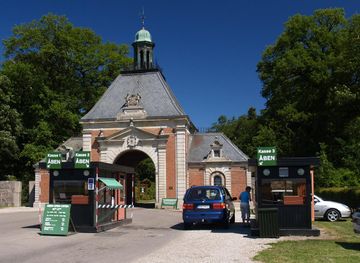
Discover Lolland, Denmark's tranquil island retreat, offering lush landscapes, historic sites, and delightful local cuisine for an unforgettable escape.
Explore Lolland
Explore more of Denmark
Discover Denmark: A perfect blend of history, modern design, and the cozy concept of hygge. Explore vibrant cities, serene landscapes, and world-class cuisine.
Explore Denmark