
Mindesten for Det Slesvigske Kyrasserregiment, Horsens
A modest forest memorial stone that quietly recalls Horsens’ century as a cavalry garrison town and the legacy of Det Slesvigske Kyrasserregiment.
Half-hidden among the trees on the western edge of Horsens, the Mindesten for Det Slesvigske Kyrasserregiment is a quiet memorial stone dedicated to the cavalry regiment once stationed in the town from 1724 to 1842. Raised in 1942, on the centenary of the regiment’s departure, this modest boulder with its carved inscription anchors a small clearing in the forest, inviting a short, reflective pause and a glimpse into Horsens’ long military history amid birdsong and rustling leaves.
A brief summary to Mindesten for Det Slesvigske Kyrasserregiment
- Horsens, DK
- Duration: 0.5 to 1.5 hours
- Free
-
 Outdoor
- Mobile reception: 3 out of 5
- Monday 12 am-12 am
- Tuesday 12 am-12 am
- Wednesday 12 am-12 am
- Thursday 12 am-12 am
- Friday 12 am-12 am
- Saturday 12 am-12 am
- Sunday 12 am-12 am
Local tips
- Combine the memorial with a longer walk or bike ride through the surrounding forest to make the short stop more rewarding.
- Bring a short note or screenshot about Det Slesvigske Kyrasserregiment’s history so the dates on the stone gain clearer context.
- Wear sturdy shoes; access typically involves unpaved forest paths that can be muddy or slippery after rain.

For the on-the-go comforts that matter to you
- Trash Bins
- Information Boards
Getting There
-
Local bus from Horsens city centre
From central Horsens, use a city bus heading toward the western residential districts near Bygholm and the surrounding forests; typical journey times from the centre are around 10–20 minutes depending on the exact route and stop. A single adult ticket on local buses in the Horsens area usually costs about 20–30 DKK and can be bought from the driver or via regional ticket apps. Services run regularly during the day, but evening and weekend frequencies are lower, so check the timetable in advance and be prepared for a short walk on forest paths from the nearest stop, which may not be suitable for wheelchairs or prams.
-
Taxi from Horsens city centre
Taxis from the centre of Horsens to the forest area around the memorial generally take about 10–15 minutes, depending on traffic and the closest point where the driver can safely drop you near the trailhead. Typical fares for this distance fall in the range of 120–180 DKK, with higher prices at night and on weekends. This option is convenient if you are short on time or travelling in a small group, but you will still need to walk the final stretch along unpaved paths, so dress for forest terrain.
-
Cycling from Horsens city centre
Horsens is a cycle-friendly town, and the forests west of the centre are reachable by bike in roughly 15–25 minutes at a relaxed pace, using a combination of urban cycle lanes and quieter local roads. There is no dedicated bike parking at the memorial itself, so plan to leave your bicycle at the edge of the forest and continue on foot. If you rent a bike in town, expect daily rental prices starting around 80–150 DKK depending on the type of bicycle and duration.
Mindesten for Det Slesvigske Kyrasserregiment location weather suitability
-
 Any Weather
-
 Mild Temperatures
-
 Cold Weather
-
 Hot Weather
Discover more about Mindesten for Det Slesvigske Kyrasserregiment
A forest clearing with a story to tell
Tucked into woodland outside central Horsens, the Mindesten for Det Slesvigske Kyrasserregiment is easy to overlook at first glance: a single granite boulder in a small clearing, framed by tall trees and undergrowth. Yet this quiet spot marks a chapter when Horsens was not just a provincial town, but a garrison city with cavalry troops, horses and marching bands woven into daily life. The stone stands a little away from busy streets, so the approach is through soft forest light, birdsong and the crunch of twigs underfoot. As the trees open, the boulder appears almost abruptly, simple and unadorned, with only a carefully cut inscription to hint at the weight of memory it carries.From cavalry town to commemorative stone
Det Slesvigske Kyrasserregiment, a heavy cavalry regiment, had its home in Horsens from 1724 until 1842. For more than a century, uniforms, horses and military routines were part of the town’s rhythm, and the regiment helped shape local identity as well as the economy. The regiment began arriving as early as 1722, gradually turning Horsens into a fully fledged garrison town over the following years. When the regiment left Horsens in 1842, it ended a long era. A hundred years later, in 1942, this memorial stone was raised to mark the centenary of that departure. The unveiling was accompanied by a ceremonial procession of former soldiers with banners, underlining how strongly the regiment still resonated in local memory.The inscription and its symbolism
Up close, the stone’s inscription is the main focal point. The words commemorate the regiment and the years it was based in Horsens, turning a rough boulder into a precise historical marker. There is no grand sculpture or dramatic relief here, just chiselled text and a carefully chosen stone, typical of Danish memorial traditions that favour simplicity and sincerity over spectacle. This restraint gives the site much of its character. Visitors can focus on the dates, the regiment’s name and the thought that generations of cavalrymen trained, lived and marched in and around this very area. The forest setting adds a sense of distance in time, as if the landscape has slowly reclaimed what was once a busy military environment.A short, reflective stop in the woods
Today the memorial functions as a small pause point for walkers and history-minded visitors exploring the Horsens area. The clearing is informal and un-fenced, with no elaborate infrastructure, so time spent here tends to be quiet and contemplative. It works well as a brief detour on a longer forest walk or cycling route, with just enough detail to anchor a conversation about the town’s role in Danish military history. There are no formal exhibits or indoor displays; instead, the experience relies on the stone, the setting and a bit of imagination. Knowing that a regimental band once played nearby on Sundays and Wednesdays adds a vivid layer to the scene, making it easy to picture music drifting through the trees where only wind and birds are heard today.Linking Horsens’ past to the surrounding landscape
As a small memorial in a larger green area, the stone also highlights how Horsens’ history is scattered across its landscape rather than confined to a single museum. It connects forest paths, former parade grounds and the town’s older streets into a broader story of changing defence priorities, urban life and local pride. For those interested in deeper research, local archives and historical societies in Horsens hold photographs and documents related to the regiment and the stone itself, including material created around the 1942 centenary. A visit to the memorial can therefore be the starting point for a wider exploration of how a modest cavalry garrison helped shape the character of this East Jutland town over more than a hundred years.Iconic landmarks you can’t miss

Horsens Tourist Information Centre
1.2 km
Experience the heart of Danish comedy at Odense Comediehuus, where culture and laughter unite in the vibrant city center.
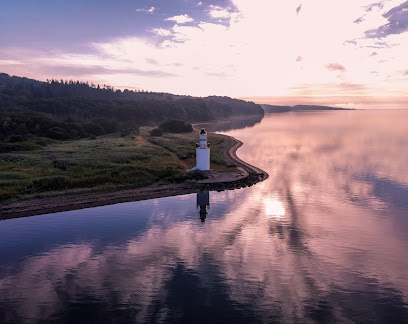
Jættestuen grønhøj
2.1 km
5.000 år gammel jættestue midt i det østjyske kulturlandskab – et stille møde mellem bondestenalderens stenkonstruktioner, skov, marker og Bygholm Sø.
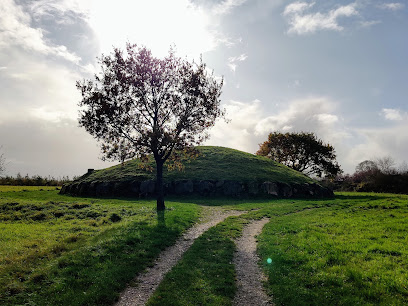
Bilka Horsens
2.2 km
Experience the rich theatrical heritage of Odense at the historic Comediehuus, a cultural landmark since its inception.
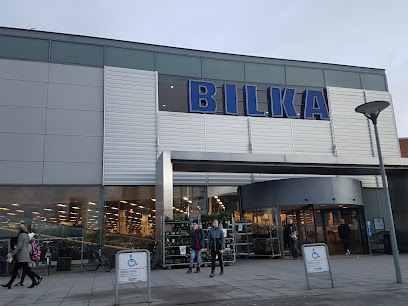
Årtusindeskifte Eg
4.2 km
An ancient oak rooted in Horsens' heart, where nature and urban life converge in timeless harmony.
Genforeningssten på Ejer Bavnehøj
12.1 km
Denmark's third-highest point crowned with a monumental 1920 reunification memorial and iconic tower.
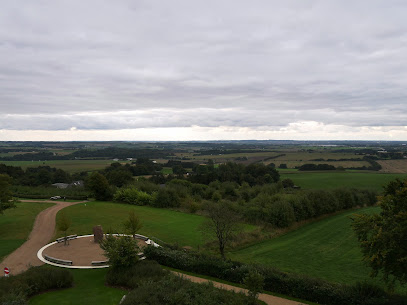
Ejer Bavnehøj
12.2 km
A modest Danish hill with a mighty horizon, Ejer Bavnehøj blends reunification history, beacon legends and big-sky views into an easy, rewarding countryside stop.
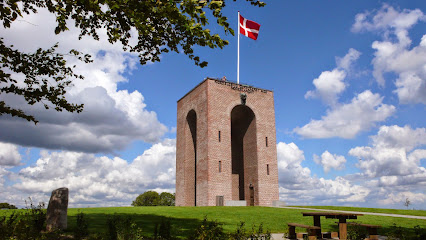
Ejerbavnehøj MØDESTED
12.6 km
Denmark's third-highest peak crowned by a 1924 monument to national reunification, offering panoramic views and historic significance.
Det gamle vandtårn
24.0 km
Skanderborg's 41.5-meter castle-style water tower from 1908—a striking symbol of industrial heritage and urban progress.
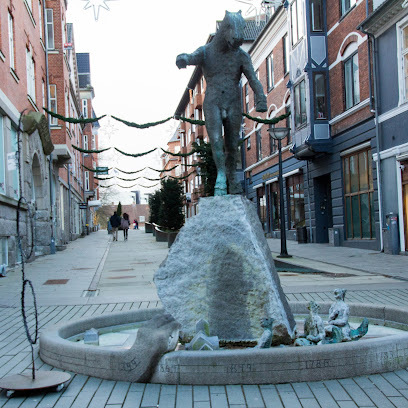
The Midgård Well
25.1 km
A coiled Norse serpent, a quiet city fountain and a whole mythic world wrapped into one small corner of central Vejle.
VisitVejle
25.3 km
Explore Andelstrappen and Fortællegyngestolen in Odense: A fusion of nature's beauty and rich literary heritage.
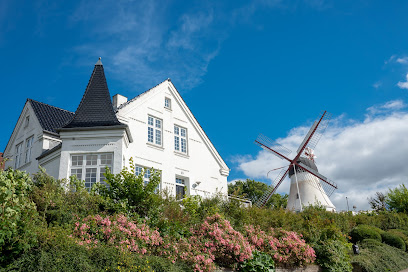
Vejle Vindmølle
26.0 km
Historic windmill turned art gallery with panoramic city views and rotating contemporary exhibitions.
Vejle Kunstforening
26.0 km
Discover the serene beauty of Sneglehøjen, Odense's tranquil natural retreat.
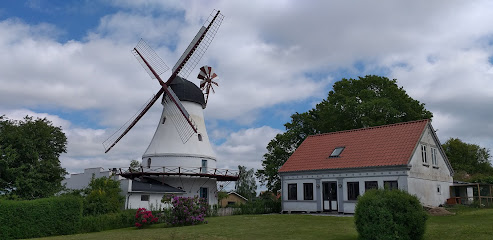
H.C. Andersen bench
27.5 km
A literary memorial where Denmark's beloved fairy tale author found inspiration amid rolling hills and sparkling lakes.
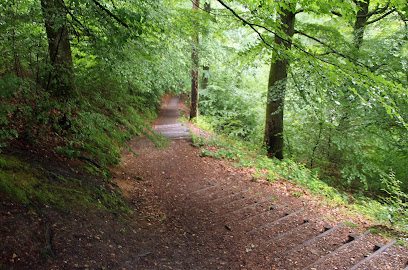
Bestig Himmelbjerget
27.5 km
Discover breathtaking views and rich history at Himmelbjerget, Denmark's iconic Sky Mountain in the heart of the Lake District, offering hiking, boat trips, and cultural experiences.
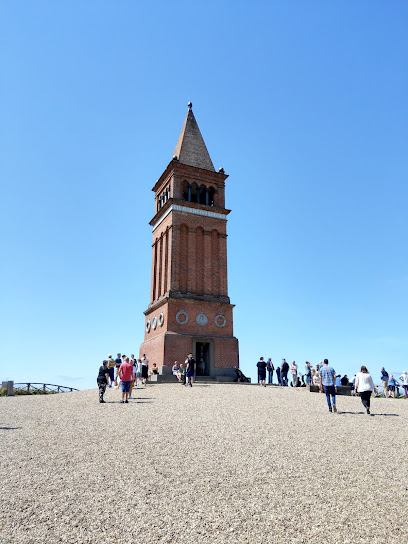
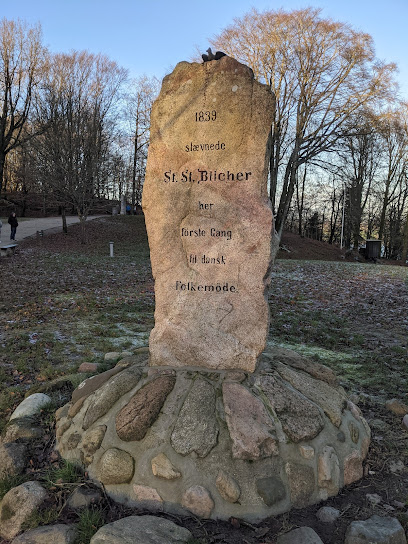
Folkemøde Mindesten anno 1839
27.6 km
Denmark's first democratic gathering, 1839—where ordinary citizens claimed their political voice.
Unmissable attractions to see

Comwell Bygholm Park
0.4 km
Historic manor‑house hotel in Horsens’ Bygholm Park, blending stately 18th‑century charm with modern comfort, leafy parkland, family‑friendly space and easy city access.

Ulvedalen
0.5 km
A small, forested ravine on Horsens’ edge where woodland paths, gentle hills and playful “Naturetales” walks turn an ordinary outing into a quiet, story-filled escape.
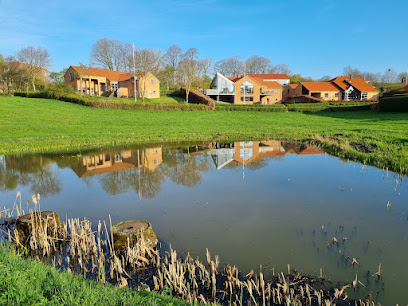
Dyrskuepladsen
0.6 km
Expansive fairground on Horsens’ edge, transforming from quiet open fields into a lively world of markets, livestock shows, funfair rides and local rural life.

Bygholm Park Legeplads
0.6 km
Leafy, relaxed playground in Horsens’ Bygholm Park, where classic swings and nature play meet lawns, lakes and easygoing family time in the manor’s green oasis.
Bygholm Park
0.7 km
Leafy manor grounds that blend playgrounds, picnics and lakeside trails into Horsens’ most effortless everyday escape.
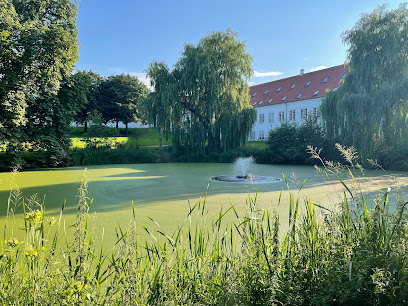
Lilian's tree
0.9 km
Ancient tree, riverside serenity, and family-friendly art in Horsens' most beloved waterfront escape.
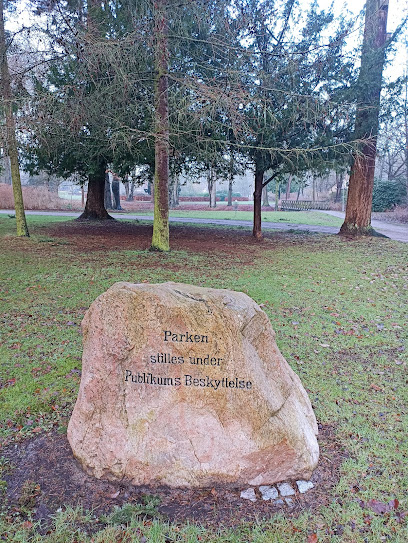
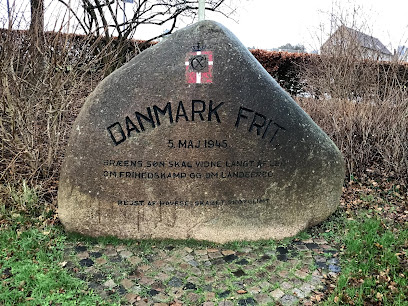
Befrielsessten i Horsens
0.9 km
Experience Denmark’s industrial revolution first-hand at Industrimuseet Horsens—explore living workshops, period homes, and hands-on exhibits in historic factory buildings.
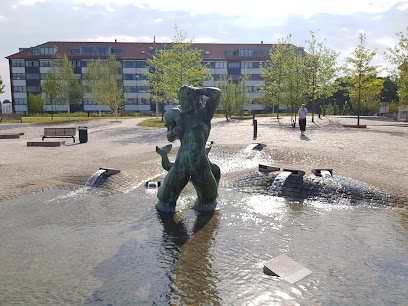
Horsens Banegård Park
1.2 km
A compact green pause beside Horsens railway station, where commuters, locals and dog walkers share a simple slice of lawn, trees and benches in the city’s busy heart.
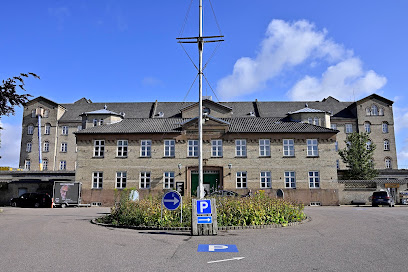
FÆNGSLET
1.2 km
A vast former state prison in Horsens, transformed into an immersive museum, hostel and cultural venue where life behind bars is explored within intact cell blocks.
Horsens Garden
1.3 km
Step inside Horsens’ storied cotton factory to experience Denmark’s industrial transformation—hands-on workshops, authentic machinery, and immersive exhibitions await.
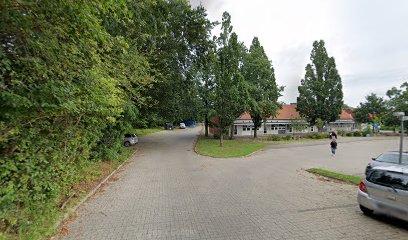
Vitus Beringsparken
1.3 km
A compact 1950s city park in central Horsens, Vitus Beringsparken blends green lawns, rhododendrons and local history into a quiet pause between station and shops.
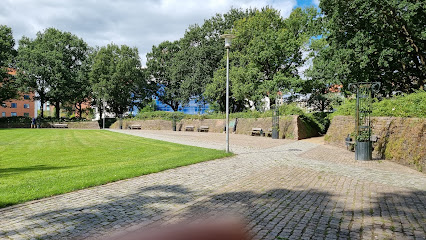
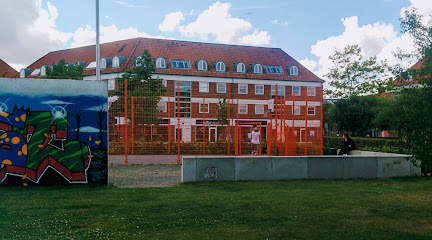
Rådhusparken
1.9 km
A modest green pause in the heart of Horsens, where everyday city life meets street art, dog walkers and quiet benches beneath mature trees.
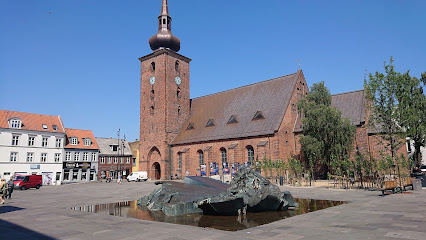
Church of Our Saviour
2.0 km
Medieval brick, Baroque grace and a renewed interior meet at Horsens’ historic town-square church, the oldest building within the city and its spiritual centre.
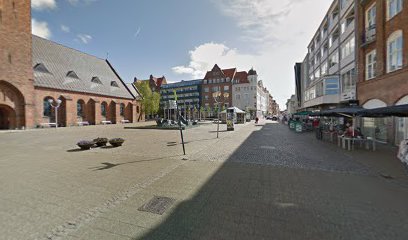
Horsens Holder
2.0 km
A lively street festival that turns Horsens’ central Søndergade into a relaxed urban playground of music, food, stalls and community life for all ages.
Mindesmærke over faldne frihedskæmpere
2.2 km
A modest corner memorial on Borgergade where Horsens quietly honours its fallen World War II resistance fighters and the hard-won freedoms they defended.
Essential places to dine

Restaurant Kystens Perle
0.4 km
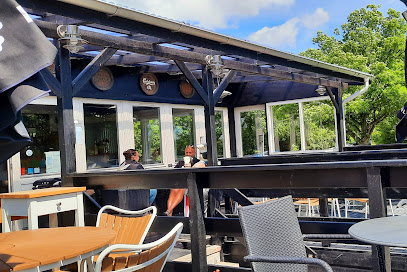
Lakeside skovrestaurant by Bygholm Sø serving hearty, traditional Danish comfort food in relaxed, old‑school surroundings with wide views of water and forest.
Amalielund Mad - Horsens
1.3 km
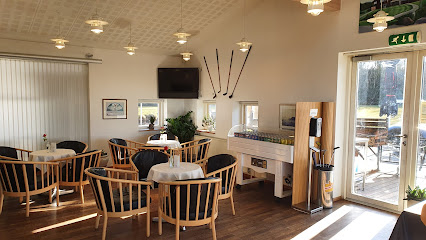
Relaxed Danish dining and flexible catering in green surroundings by Horsens Golf Club, combining classic smørrebrød, hearty comfort food and seasonal menus.
Jacobs Vin & Tapas
1.6 km
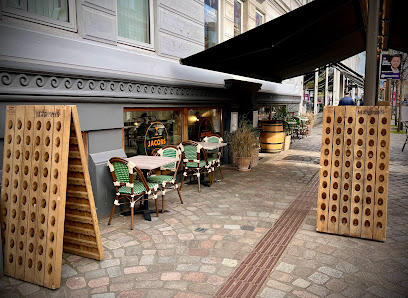
Intimate basement wine bar in central Horsens serving Spanish-inspired tapas and a carefully curated wine list in a cosy, candlelit setting.
Ji-Mi's
1.6 km
Intimate tasting-menu restaurant in Horsens’ Latin Quarter, showcasing local Danish produce and thoughtful wine pairings in a cosy, chef-led dining room.
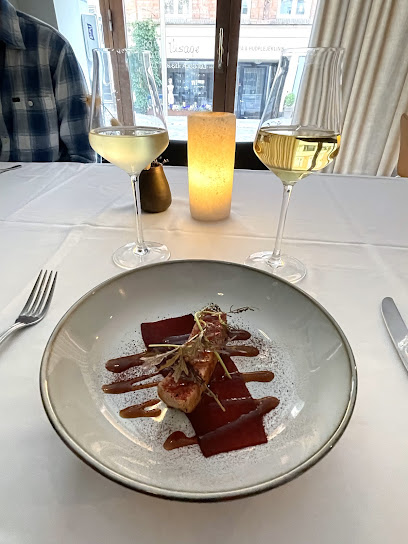
Restaurant Oksen
1.6 km
Horsens's premier steakhouse since 1986, serving expertly prepared beef and Danish hospitality.
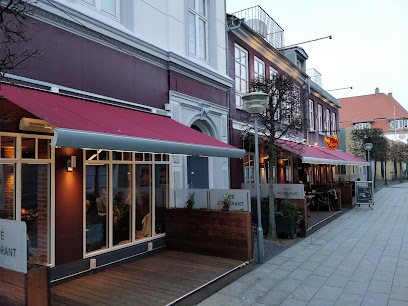
GRAN Social
1.7 km
Contemporary Danish comfort food, weekend DJs and crafted cocktails meet under one stylish roof at this all‑day restaurant and bar in central Horsens.
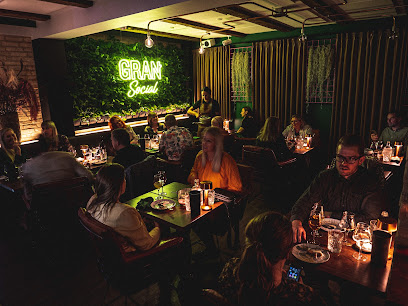
rundtenom
1.7 km
Closed but fondly remembered Danish eatery in central Horsens, once known for classic smørrebrød, generous stegt flæsk evenings and a warm, homely atmosphere.
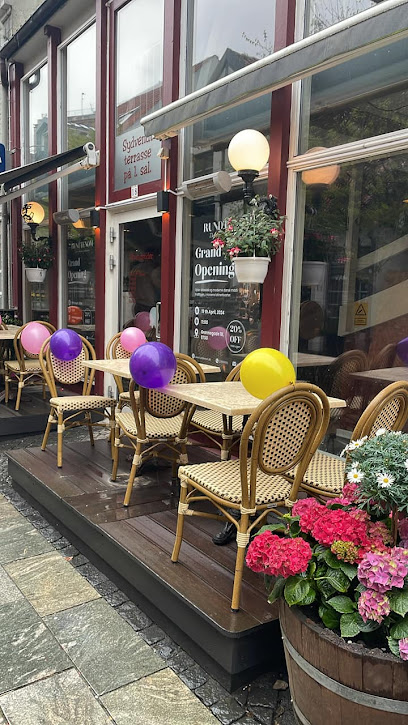
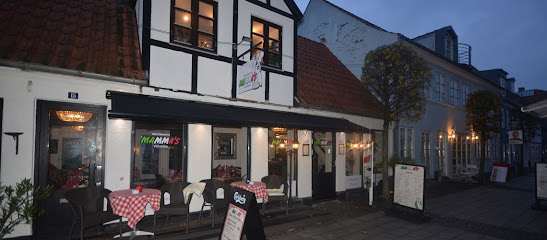
Restaurant Mamma's
1.7 km
Authentic Italian pizzas and pastas in a warm, unpretentious setting on Grønnegade.
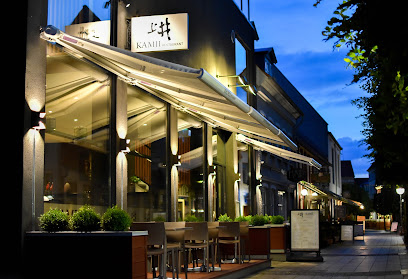
Kamii Horsens
1.7 km
Modern sushi bar and Asian steak restaurant in central Horsens, where fresh handcrafted rolls meet warm kitchen favourites and flexible menus for every occasion.
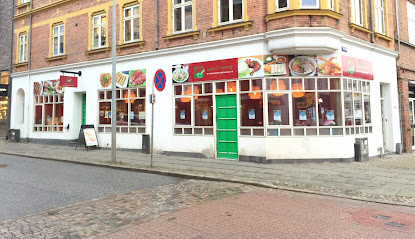
Hien's Vietnamesisk Køkken
1.7 km
Cozy Vietnamese kitchen in central Horsens, serving fresh rolls, bánh mì, noodles and signature house specialties in a relaxed, everyday-friendly setting.
Det Ny Kronborg
1.7 km
Traditional Danish restaurant and banquet hall in a quiet Horsens street, combining white-tablecloth charm, hearty cooking and a relaxed, grown‑up atmosphere.

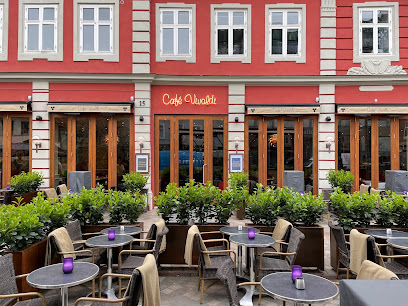
Cafe Vivaldi
1.8 km
Casual brasserie-style café on Horsens’ busy Søndergade, serving comfort food, coffee and drinks all day in a warm, modern setting with street-side seating.
Restaurant Eydes
1.8 km
Historic cellar dining where Danish-French cuisine meets centuries of local tradition.
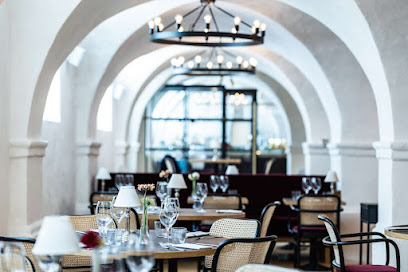
Corfitz restaurant - bar
1.8 km
Casual city‑centre café, restaurant and bar on Horsens’ main pedestrian street, serving hearty comfort food, drinks and all‑day people‑watching on Søndergade.
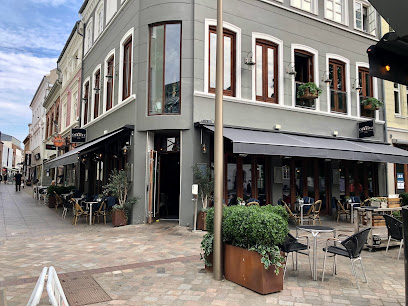
Bone's Horsens
2.1 km
Lively American-style family restaurant in central Horsens, serving BBQ ribs, steaks, burgers and all-you-can-eat sides in a cosy, memorabilia-filled saloon setting.
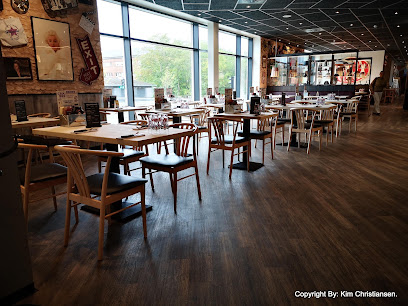
Markets, malls and hidden boutiques

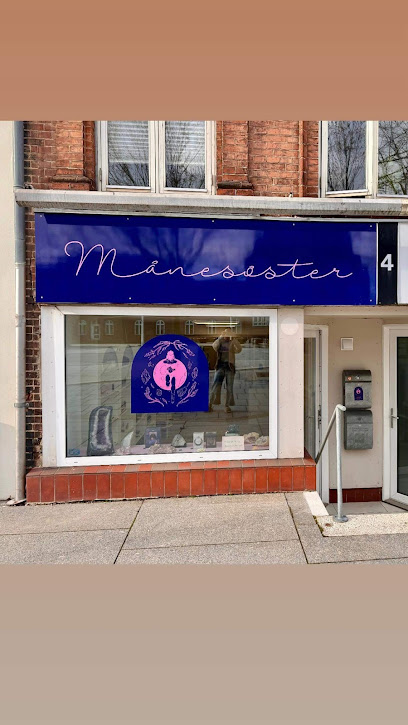
MÅNESØSTER.DK
1.5 km
Intimate crystal and ritual boutique in central Horsens, blending a cosy basement setting with a carefully curated universe of stones, oils and spiritual tools.
Hugo
1.6 km
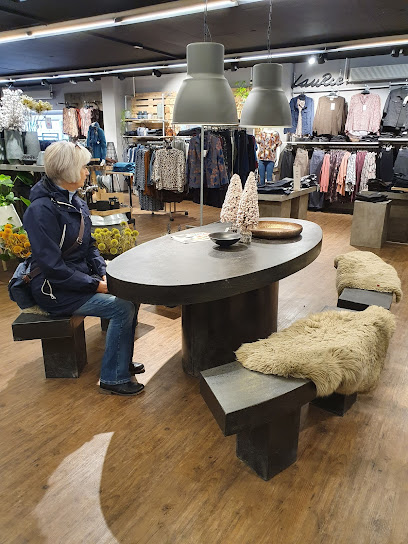
A spacious Horsens lifestyle store where florist craft, women’s fashion, home décor and gourmet treats come together in one inspiring, cozy space.
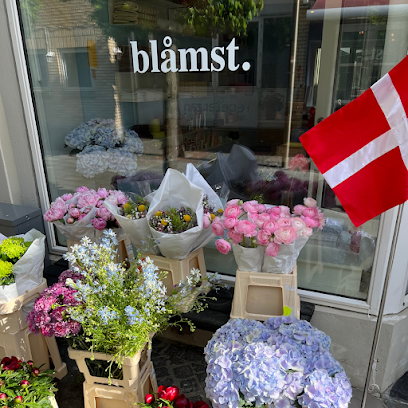
Blåmst
1.6 km
Danish design boutique featuring hand-embroidered textiles and timeless home décor in central Horsens.
Dark World
1.6 km
A compact, alternative home-goods shop in Horsens, specializing in glass bongs, smoking accessories and counterculture curios in an intimate, underground-style setting.
Kronhjort Galleri
1.6 km
Intimate Horsens gallery and gift shop where curated Scandinavian design, local craft and a calm, personal atmosphere turn browsing into a gentle art.
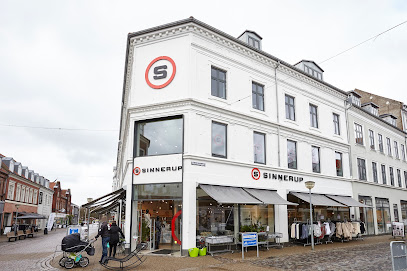
Sinnerup
1.7 km
A bright Danish lifestyle store in central Horsens, blending Nordic-inspired interiors, furniture, kitchenware, gifts and women’s fashion in one relaxed space.
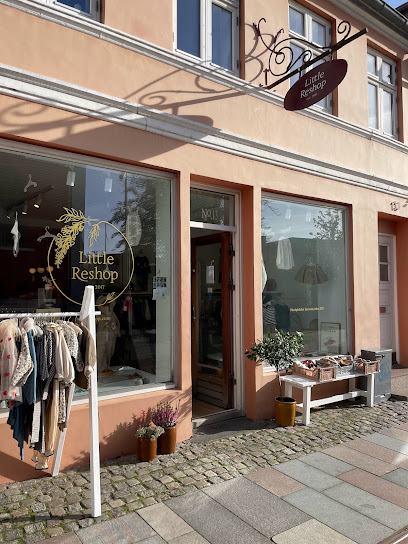
Little Reshop
1.7 km
A cosy Horsens boutique for curated baby and kidswear, blending preloved finds, new pieces and hand‑knitted slow fashion for little ones up to six years.
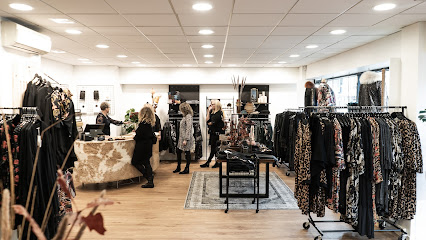
H&M
1.7 km
Central Horsens fashion stop blending affordable style, everyday convenience and modern retail energy inside the Bytorv Horsens shopping complex.

By Mie
1.7 km
Intimate plus-size fashion boutique in central Horsens, offering curated styles, honest styling advice and a relaxed, body-positive shopping experience.
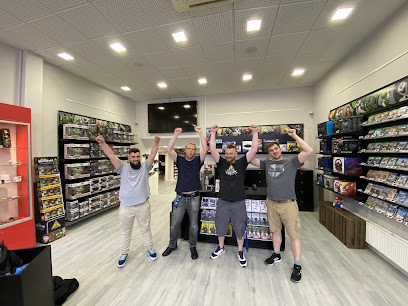
Games N Gadgets
1.7 km
Independent gaming universe in central Horsens, blending consoles, PC gear, trading cards and gadgets with a friendly, community-focused atmosphere.
Normal
1.7 km
Ordinary goods at extraordinary prices—discover 100 new surprises every week.
Bryghus Horsens A/S
1.7 km
Explore Horsens' rich brewing heritage through its vibrant beer culture and historical landmarks.
qUINT
1.7 km
Urban streetwear and sneakers for men in the heart of Horsens’ pedestrian street, blending global brands with a laid‑back, music‑filled shopping vibe.

Triumph Lingerie - Horsens
1.7 km
Fit-focused lingerie boutique inside bytorvHORSENS, offering personal bra fittings, everyday essentials and seasonal Triumph collections on Søndergade in central Horsens.

Kings & Queens Horsens
1.8 km
Youthful fashion hub in central Horsens, bringing together trend-led Scandinavian and international brands for men and women in one approachable, urban-style store.
Essential bars & hidden hideouts

Værtshuse
1.5 km
A compact, traditional Danish bar on Allegade in Horsens, serving simple drinks and everyday atmosphere for those who enjoy classic brown‑pub charm.
Kom Tit
1.5 km
Smoky, old-school Horsens pub in a yellow 19th-century building, with cheap beers, billiards, darts and a laid-back local crowd from midday to late night.
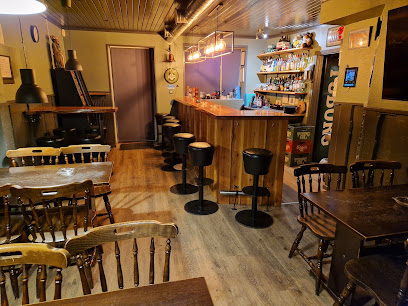
Morzybitten
1.6 km
Cozy Danish pub‑brasserie in central Horsens, pairing classic smørrebrød and hearty dishes with a remarkably broad beer list and occasional intimate live music.
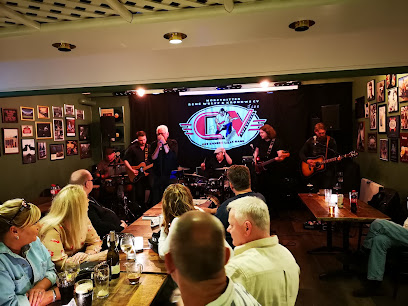
Horsens Sport og Pool Bar
1.6 km
Central Horsens sports bar with 23 screens, pool tables, and competitive games in a welcoming, energetic atmosphere.
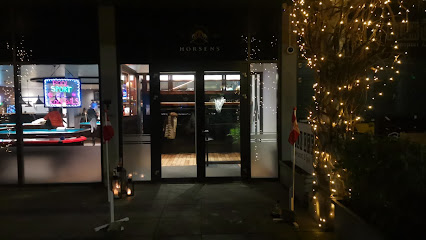
Stalden
1.6 km
Relaxed pool and sports bar in central Horsens, blending cue sports, big-screen matches, board games, casual bites and easygoing drinks in one social hangout.
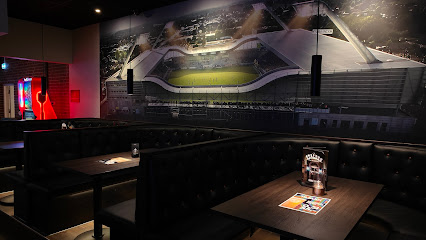
Hemingway's Horsens
1.7 km
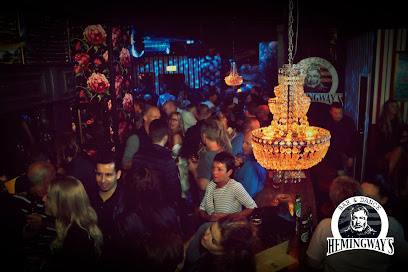
Late-night bar and nightclub in central Horsens, delivering cocktail-fueled weekends, loud music, and a packed dance floor until the early morning hours.
Klodshans Horsens ApS
1.7 km
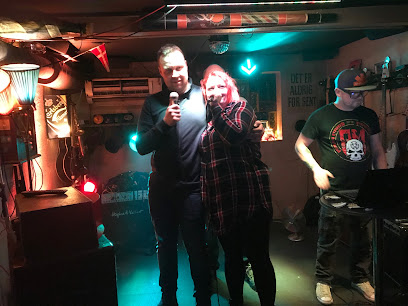
Harbor-side live music bar where Danish hygge meets authentic cultural celebration.
Vores lille Vinbar
1.7 km
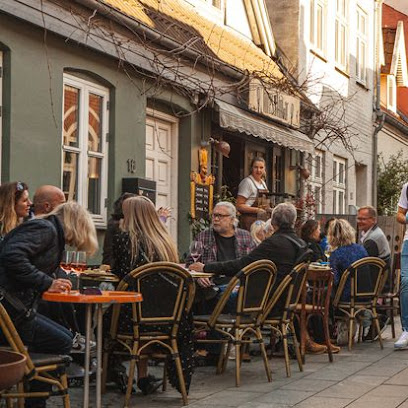
An intimate Horsens wine bar where candlelight, jazz and personal guidance meet a carefully curated selection of wines by the glass and bottle.
The Golden Horse
1.7 km
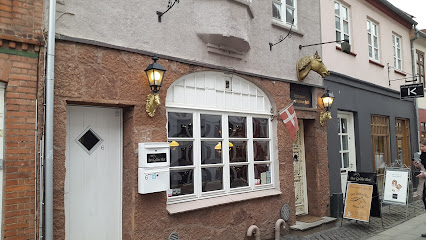
Unpretentious local bar in central Horsens, pouring affordable drinks from morning to late night amid slot machines, sports on TV and easygoing neighborhood chat.
Restaurant Wulff ApS
1.7 km
Late-night bar and nightclub-style hangout in central Horsens, turning quiet Rædersgade into a lively social hub on Thursday, Friday and Saturday nights.
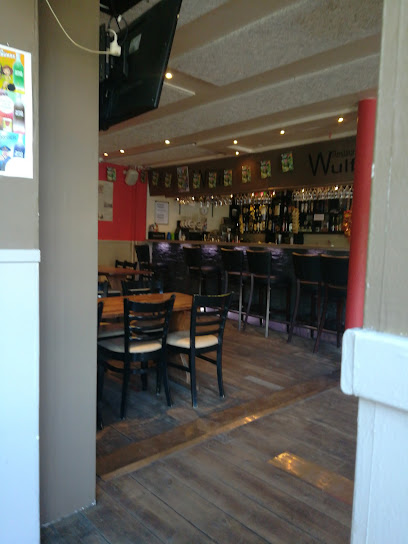
Cashpoint Sportsbar
1.8 km
Horsens's premier sports bar with multiple screens and live betting action.
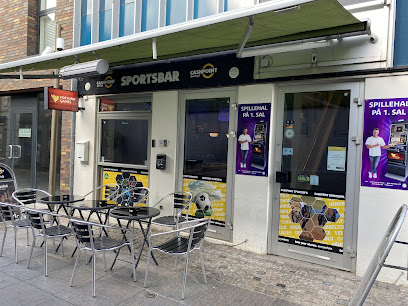
Zwei Grosse Bier Bar Horsens A/S
1.8 km
High-energy Alpine after-ski bar in central Horsens with big beer steins, Schlager singalongs and a late-night dance-floor party vibe.
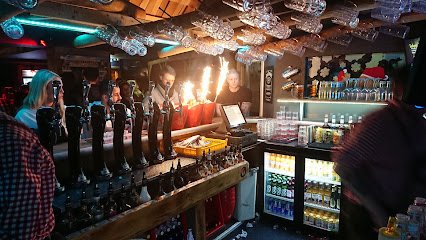
Kokomo Horsens
1.8 km
Three floors of tropical cocktails, DJs and late-night energy in the heart of Horsens’ old town nightlife district.

B-A-R 2 Aps
1.8 km
Casual, central and unpretentious, B-A-R 2 Aps is a friendly neighborhood bar in Horsens’ old town, ideal for relaxed drinks from daytime pit stop to late-night meet-up.
Bar' Rolig
1.8 km
Relaxed games bar in Horsens' historic center with pool, darts, and friendly vibes.
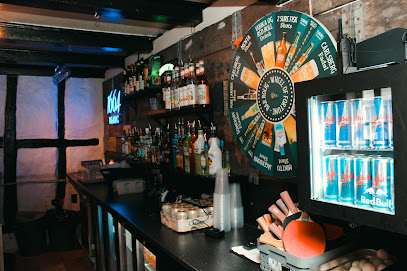
Nightclubs & after hour spots

PDD
1.5 km
Compact, no-frills nightclub on Lindvigsvej in Horsens, offering late-night dancing, simple drinks and an intimate, local-party atmosphere on weekends.
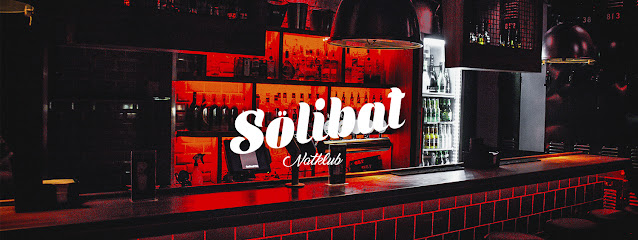
Sölibat Natklub
1.6 km
Late-night, no-frills clubbing in central Horsens, where loud music, simple drinks and a compact dance floor create an unapologetically local party vibe.
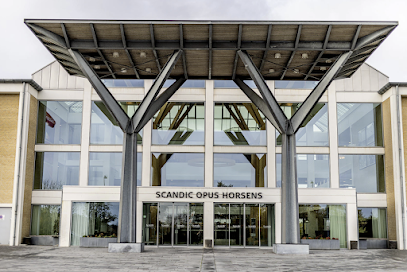
Scandic Opus Horsens
1.7 km
A contemporary Scandinavian hotel in Horsens with spa, dining, and panoramic city-to-nature views—an elegant gateway to both urban and outdoor experiences.
Oskar hossman
1.8 km
Compact, high-energy nightclub in central Horsens, where pulsing beats, colourful lights and a sociable crowd define the city’s after-hours heartbeat.
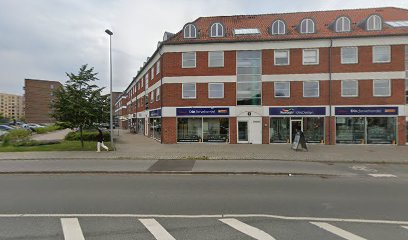
Horsens New Style Dance Club
5.0 km
Horsens' premier line dancing venue where beginners and advanced dancers unite in movement and community.
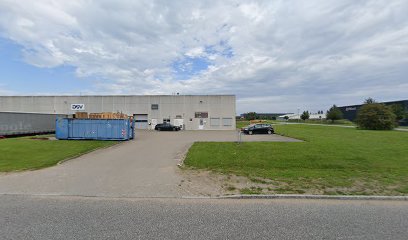
Team Paderborner
18.9 km
Nightclub entertainment in Denmark's scenic Dyrehaven forest and lakeside setting.
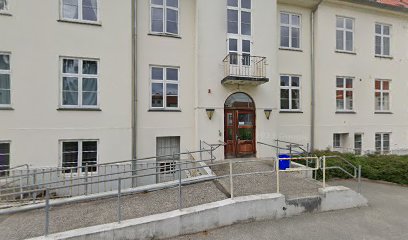
Bastian Bar & Nightclub, Odder - Nightclub
23.4 km
Odder's central nightlife destination for weekend entertainment and social gathering
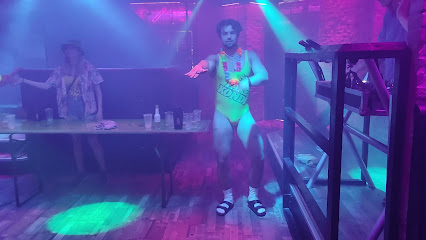
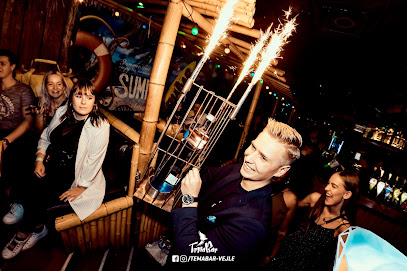
temabar APS 23-05
25.1 km
Tropical vibes and late-night dancing in Vejle's energetic weekend hotspot.
NOX Network Ltd.
26.2 km
Small-city Danish nightclub in Vejle with a central dance floor, upbeat chart music, and a straightforward, late-night party atmosphere.
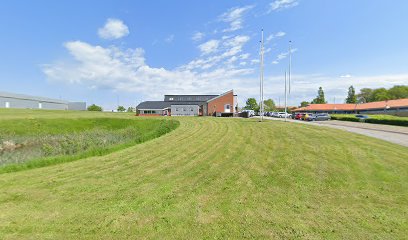
AHA Livestage
33.9 km
Intimate live music and cocktail-driven nightlife in the heart of Fredericia, where high-quality sound and curated events turn selected evenings into standout parties.
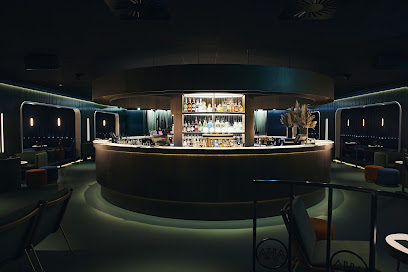
B'sharp - Silkeborg Rhythm Og Blues Association
37.3 km
Volunteer-run blues stronghold in central Silkeborg, where intimate weekend concerts, affordable drinks and close-up performances keep rhythm & roots music alive.
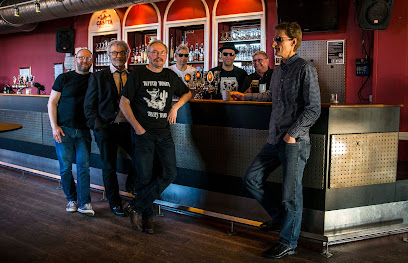
Riverboat Jazz Festival
37.5 km
Scandinavia’s celebrated Riverboat Jazz Festival: riverside concerts, boat gigs, and open-air revelry set against Silkeborg’s scenic lakes and vibrant summer spirit.
Kedelhuset
37.5 km
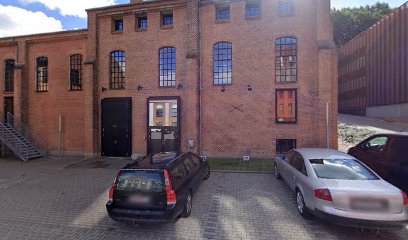
Kedelhuset: Silkeborg’s buzzing live music and culture venue, blending industrial heritage with creative energy in the lively riverside Papirfabrikken district.
Luksusmassage Århus
37.8 km
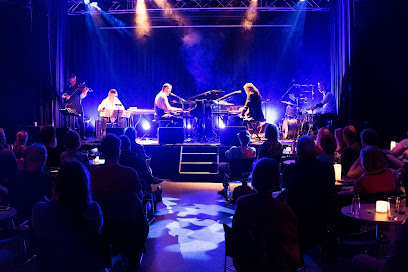
Experience Aarhus's dynamic nightlife at Luksusmassage, where music and energy blend for an unforgettable evening.
Tucan Swinger & wellness Club
38.2 km
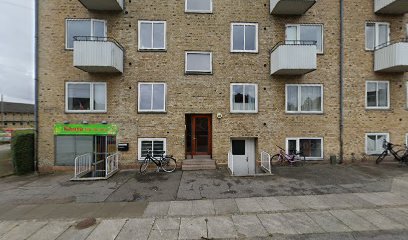
Adults-only swinger and wellness retreat in rural Jutland, blending erotic exploration, spa comforts and themed rooms in a discreet, rules-based environment.
For the vibe & atmosphere seeker
- Tranquil
- Scenic
- Unique
- Casual
For the architecture buff
- Historic
- Parks & Gardens
- Landmarks
For the view chaser and sunset hunter
- Iconic Views
For the social media creator & influencer
- Photo Spots
- Selfie Spots
- Architectural Shots
For the eco-conscious traveler
- Low Impact
- Public-Transport Accessible
- Leave-No-Trace Critical
- Locally Managed
For the kind of experience you’re after
- Cultural Heritage
- Photowalk
- Nature Escape
- Day Trip
- Roadtrip Stop
For how adventurous you want the journey to be
- Easy Access
Location Audience
- Family Friendly
- Senior Friendly
- Child Friendly
- Teen Friendly
- Solo Friendly
- Couple Friendly
- Solo Female Friendly


