Ordrupgaard, North Zealand Travel Guide
A historic country house turned art museum, where French masters, Danish classics, bold contemporary architecture, and a sculpture-filled park meet in leafy Charlottenlund.
Ordrupgaard is an elegant art museum set in leafy Charlottenlund, just north of Copenhagen, renowned for its outstanding collection of 19th- and early 20th-century Danish and French art. Housed in a former country mansion with striking modern extensions by Zaha Hadid and Snøhetta, it combines historic interiors, cutting-edge architecture, and a sculpture-dotted park. The adjacent Finn Juhl House and an on-site café round out a rich, design-focused cultural escape.
A brief summary to Ordrupgaard
- Vilvordevej 110, Charlottenlund, 2920, DK
- Click to display
- Click to display
- Duration: 2 to 3.5 hours
- Mid ranged
-
 Mixed
Mixed
- Mobile reception: 5 out of 5
- Tuesday 11 am-5 pm
- Wednesday 11 am-7 pm
- Thursday 11 am-5 pm
- Friday 11 am-5 pm
- Saturday 11 am-5 pm
- Sunday 11 am-5 pm

Know before you go
Hi, I'm Eve. Here are a few practical things to know before exploring Ordrupgaard.
- Plan at least 2–3 hours so you can see the main collection, any temporary exhibition, and still have time for the art park and café without rushing.
- Check in advance whether Finn Juhl’s House is open and book the required separate ticket and time slot if you are particularly interested in design.
- Arrive close to opening time on weekends or school holidays to enjoy the galleries before they become busy, then move outdoors to the park later.
- Bring comfortable shoes and weather-appropriate clothing so you can fully explore the sculpture park and garden, which are an important part of the visit.
- If you enjoy sketching or photography, pack a small notebook or camera; the mix of historic interiors, modern architecture, and sculptures offers varied motifs.
Do you manage this location?
Take control to get all the benefits, like improved information, better appearance, and stronger visibility across AI-powered discovery. Learn more about listing your business on Evendo
Activate your presenceOther nearby places you may find interesting
The closest places of the same kind, if this one is not quite what you had in mind.
Explore Ordrupgaard on the Map
A handpicked selection of must-see spots near Ordrupgaard, mapped for you.
Unlock the Best of Ordrupgaard
Buy tickets
-
No tickets available
Book tours with entry

Book tours without entry
-
No tours available
Getting There
-
S-train and bus from central Copenhagen
From Copenhagen city centre, take an S-train on line C towards Klampenborg or line E towards Holte and ride around 15–20 minutes to Klampenborg Station. From there, board bus 388 towards Lyngby, which typically runs every 20–30 minutes and takes about 10 minutes to reach the stop near Vilvordevej. The combined journey usually takes 35–50 minutes, depending on connections. A standard adult ticket for the zones involved generally costs around 24–36 DKK when using a travel card or mobile ticket.
-
Local bus connections from Lyngby area
If you are staying in or near Lyngby, you can reach Ordrupgaard by taking a local bus such as route 388 towards Klampenborg, which stops close to the museum on Vilvordevej. Travel time from Lyngby Station area is usually 15–20 minutes. Buses typically run at least twice an hour during the day. Expect to pay in the region of 24–30 DKK for a single adult ticket across the necessary zones when using a travel card or mobile ticket.
-
Cycling from Copenhagen
For a more active option, cycle from inner Copenhagen to Ordrupgaard via the well-developed network of bike lanes heading north through Østerbro and along the coastal or inland routes. The distance is roughly 10 km and usually takes 35–50 minutes at a moderate pace. Terrain is mostly flat, but be prepared for wind and rain in cooler months. There is no direct cost beyond bicycle rental, which in Copenhagen typically ranges from about 100–200 DKK per day depending on the type of bike.
-
Taxi or ride-hail from Copenhagen
Taxis and app-based ride services provide a straightforward way to reach Ordrupgaard from central Copenhagen, especially if you are short on time or travelling with others. The drive is usually 20–30 minutes outside peak rush hours, though heavier traffic can extend this. Fares vary by time and company, but a one-way trip commonly falls in the range of 250–400 DKK. Note that there is typically roadside space for drop-off near the entrance, but availability of long-stay parking may vary in busy periods.
For the on-the-go comforts that matter to you
-
 Restrooms
-
 Drink Options
-
 Drinking Water
-
 Food Options
-
 Seating Areas
-
 Sheltered Areas
-
 Trash Bins
-
 Information Boards
-
 Visitor Center
Discover more about Ordrupgaard
A country house turned world‑class art museum
Ordrupgaard began life in 1918 as the stately home of Wilhelm and Henny Hansen, who built a neo-classical country mansion amid rolling lawns on the edge of Ordrup Krat. From the outset, the house was conceived as both residence and private gallery, with high, light-filled rooms designed to show paintings at their best. Today, those same rooms form the heart of a state-owned museum, preserving the refined domestic atmosphere while opening the Hansen collection to the public.Walking through the original wings, you sense the scale of the couple’s ambition: parquet floors, tall windows framing the garden, and intimate salons where art and everyday life once mingled. It is a rare chance to experience a historic collector’s home largely intact, yet curated with the clarity of a modern museum.French masters and the Danish Golden Age
The collection is best known for its remarkable ensemble of 19th- and early 20th-century paintings. On the French side, you encounter works spanning Romanticism, early Realism, and Impressionism, with atmospheric canvases by artists such as Monet, Degas, Gauguin, and their contemporaries. The rooms are scaled for close looking, allowing you to appreciate brushwork, light, and colour at an almost domestic distance.Equally important is the Danish section, which traces local art from the Golden Age into modernism. Landscapes, quiet interiors, and portraits by key figures such as Eckersberg, Købke, and Hammershøi offer a distinctly Nordic counterpoint to the French works. Together they reveal the Hansens’ eye for quality and their interest in both international currents and national identity.Architecture in dialogue: Zaha Hadid and Snøhetta
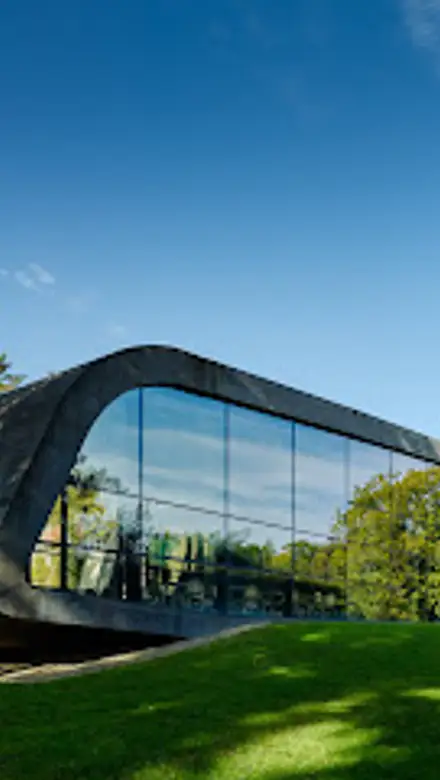
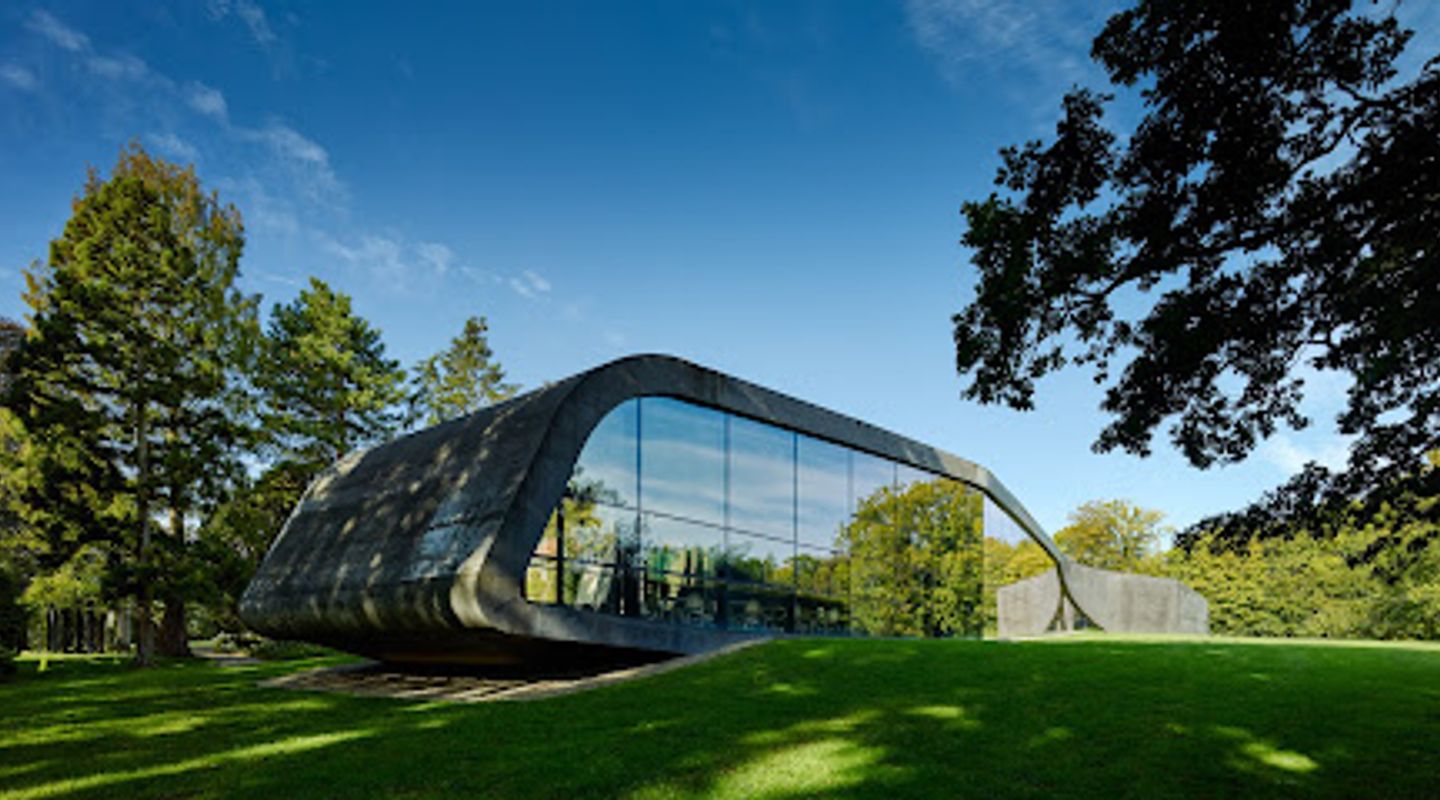
Beyond the main house, Ordrupgaard has become a showcase for contemporary architecture. Zaha Hadid’s 2005 extension sweeps out from the historic building in dark lava concrete and glass, its deconstructivist curves cutting a dramatic line through the greenery. Inside, flexible exhibition spaces host major temporary shows, supported by modern climate and security standards.A newer, largely subterranean extension by Norwegian studio Snøhetta continues this interplay between landscape and architecture. Discreetly tucked into the terrain, it adds further galleries without overwhelming the historic ensemble. Moving between the old mansion and the new wings, you experience a carefully orchestrated contrast between past and present, ornament and minimalism, rectilinear rooms and fluid forms.Finn Juhl’s living laboratory of design
A short stroll from the main building brings you to Finn Juhl’s House, a separate but integral part of Ordrupgaard. Completed in 1942 by the influential Danish furniture designer and architect, the house is considered one of Denmark’s finest functionalist single-family homes. Here, Juhl tested ideas that would define mid-century Scandinavian design.Inside, iconic pieces such as the Chieftain Chair, Poet Sofa, and Silver Table are arranged just as they were in Juhl’s lifetime, surrounded by carefully chosen modernist artworks. Colour, proportions, and sightlines are all calibrated to create a total work of art, where architecture, furniture, and painting form a harmonious whole. The house offers an intimate immersion in the language of organic forms and human-scaled modernism.Art in the park and a lingering café break
Ordrupgaard’s grounds are as thoughtfully curated as its interiors. The surrounding park, originally laid out in the early 20th century, now doubles as an art park with contemporary sculptures and installations scattered among lawns, shrubs, and mature trees. Paths invite you to wander, sit on the grass, or encounter artworks in playful, unexpected ways.When it is time for a pause, the on-site café provides a relaxed setting for tea, coffee, and light meals, often with a Nordic touch. Large windows and outdoor seating keep you visually connected to the greenery, extending the museum experience beyond the galleries. With its blend of painting, design, architecture, and landscape, Ordrupgaard encourages you to slow down and let art infuse an entire afternoon.Planning your visit for an unhurried experience
A typical visit runs from two to three hours, though design enthusiasts and slow art lovers can easily linger longer. Many visitors choose to start in the historic house, continue through the modern wings for temporary exhibitions, and finish in the park. Access to Finn Juhl’s House is via the museum grounds and usually requires a separate timed ticket, so checking availability in advance is wise.The museum operates with fixed opening hours most days of the week, generally around late morning to late afternoon, with an extended evening one day midweek. Facilities such as restrooms, a café, and information points are located close to the entrance, and the building complex is designed with step-free routes in key areas. Set in quiet suburban greenery yet close to Copenhagen, Ordrupgaard offers a manageable, high-quality cultural outing that feels both focused and pleasantly relaxed.












Your all‑in‑one travel companion app
Explore expert travel guides, compare and book tours, experiences, hotels, and more—all from the palm of your hand. Download now for seamless trip planning wherever your wanderlust takes you.


Explore More of North Zealand
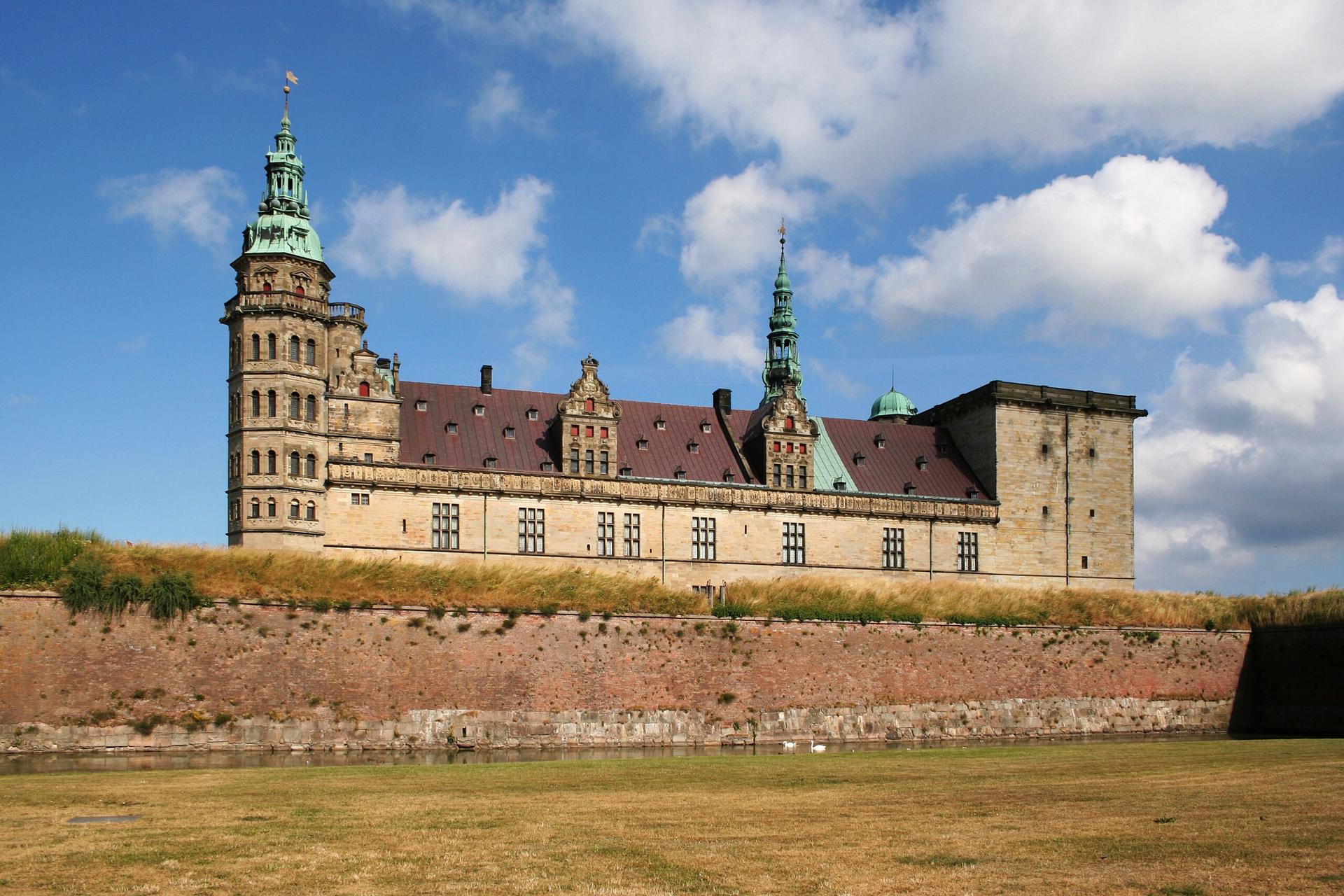
Looking beyond Ordrupgaard? Discover North Zealand for broader travel guides, local hot-spots, and regional highlights.
Explore North Zealand