Langelinie Park
Copenhagen's iconic waterfront where history, art, and nature converge along the harbor.
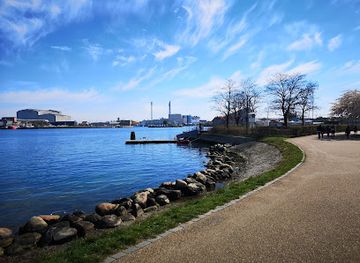
Langelinie Park is Copenhagen's iconic waterfront destination stretching along the Øresund Strait in the Østerbro district. Home to the world-famous Little Mermaid statue, the park combines natural beauty with historical landmarks including the Gefion Fountain and Kastellet fortress. This 1-kilometer promenade, established in 1894, offers scenic harbor views, public art installations, and a peaceful atmosphere where locals and visitors alike enjoy leisurely walks, picnics, and cultural exploration.
A brief summary to Langelinie Park
- Nordre Toldbod, Copenhagen Municipality, København K, 1259, DK
- Duration: 1 to 3 hours
- Free
-
 Outdoor
- Mobile reception: 5 out of 5

Know before you go
Hi, I'm Eve. Here are a few practical things to know before exploring Langelinie Park.
- Visit early morning to avoid crowds and capture better photographs of the Little Mermaid and harbor views without throngs of tourists.
- Manage expectations about the Little Mermaid's size—it is human-sized and modest, but the surrounding promenade walk and other monuments provide substantial value.
- Explore Kastellet fortress and its ramparts for quieter moments and deeper historical context beyond the main promenade attractions.
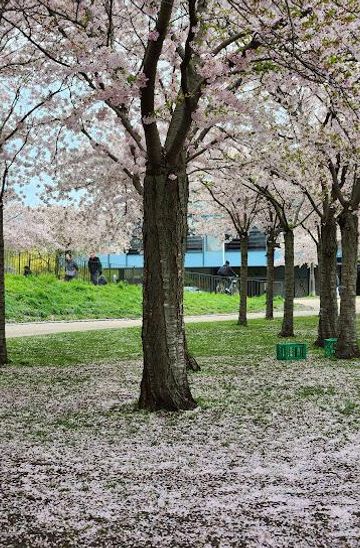
- Visit during spring (April–May) to experience the cherry blossom festival when approximately 200 trees create a stunning pink and white canopy.
- Combine your visit with nearby attractions like Amalienborg Palace, the Gefion Fountain, and waterfront dining options for a fuller day experience.
Do you manage this location?
Take control to get all the benefits, like improved information, better appearance, and stronger visibility across AI-powered discovery. Learn more
Activate your presenceOther nearby places you may find interesting

Getting There
-
S-train or bus to Østerport Station
Take the S-train or regional bus service to Østerport Station in central Copenhagen. From street level, follow signs marked 'Langelinie' and 'Den Lille Havfrue' (The Little Mermaid) to the left. The walk to the park entrance takes approximately 5 minutes. This is the most convenient option for visitors staying in central Copenhagen, with frequent service throughout the day.
-
Ferry from Det Kongelige Bibliotek
Take Line 992 Ferry from Det Kongelige Bibliotek (Royal Library) to Nordre Toldbod, approximately 25 minutes travel time. Upon arrival, walk 6 minutes (527 meters) to reach the park. Ferry tickets cost approximately 14–20 Danish Krone (2–3 USD). This option offers scenic waterfront views and operates daily with regular service intervals.
-
Taxi or ride-share from city center
Taxi service from central Copenhagen to Langelinie takes approximately 5 minutes and covers roughly 3.5 kilometers. Estimated cost is 87–114 Danish Krone (13–17 USD). This option provides direct access and is practical for visitors with luggage or mobility considerations.
-
Hop-On Hop-Off bus tour
Copenhagen's Hop-On Hop-Off bus service includes a stop near Langelinie with 22 stops throughout the city. This option allows flexible exploration of multiple attractions and provides context about the surrounding neighborhoods. Buses operate daily with regular intervals.
For the on-the-go comforts that matter to you
-
 Restrooms
-
 Drink Options
-
 Food Options
-
 Seating Areas
-
 Information Boards
-
 Trash Bins
Discover more about Langelinie Park
A Waterfront Legacy Born from Military Heritage
Langelinie Park emerged from Copenhagen's transformation from a restricted military zone to a beloved public space. Originally part of the city's military fortifications, the area was closed to civilians under military orders announced in 1819. The turning point came in 1848 when Denmark's absolute monarchy was abolished, opening this strategic harbor front to the public. The iconic pier itself was constructed in 1894 as part of Copenhagen's harbor expansion, creating a deep basin capable of accommodating large oceanic vessels. Today, cruise ships arrive approximately every other day, adding a dynamic maritime character to the promenade.The Little Mermaid: Copenhagen's Most Iconic Symbol
The Little Mermaid statue stands as the park's most recognizable attraction and perhaps Denmark's most famous landmark. Created by sculptor Edvard Eriksen and completed in 1913, this bronze sculpture was funded by Carl Jacobsen, a Danish brewer and cultural patron. Inspired by Hans Christian Andersen's beloved fairy tale, the 1.25-meter statue sits gracefully on a rock at the water's edge, gazing dreamily toward the shore. Despite its global fame, visitors often express surprise at its modest human size. The statue has endured vandalism over the decades, including decapitation incidents, yet remains a pilgrimage site for millions seeking the mandatory photograph. The sculpture's journey to international prominence included a notable 2010 exhibition at Shanghai's EXPO, during which webcams broadcast live feeds worldwide.Monumental Sculptures and Architectural Treasures
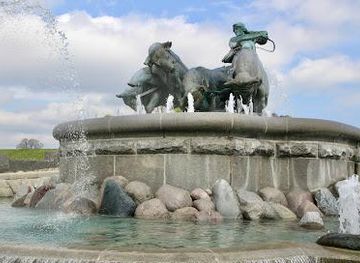
Beyond the Little Mermaid, Langelinie showcases an impressive collection of public art and historical monuments. The Gefion Fountain, Copenhagen's largest fountain, dominates the southern end of the promenade with its powerful depiction of the Norse goddess Gefion driving oxen. Unveiled in 1908, this sculptural masterpiece draws inspiration from Norse mythology, commemorating the legend of how Gefion created the island of Zealand. The park also features the Iver Huitfeldt Column, a reminder of the Great Northern War, and various other statues positioned throughout the landscape. These monuments collectively tell stories of Denmark's cultural heritage, military history, and artistic traditions.Kastellet: A Star-Shaped Fortress Through the Centuries
Adjacent to the promenade stands Kastellet, an impressively preserved star-shaped fortress dating to the 17th century. This military fortification, now functioning as a historical monument and public space, offers visitors peaceful walks along its ramparts and leafy pathways. The fortress provides insight into Copenhagen's strategic importance and defensive architecture while maintaining its role as a tranquil green space where locals enjoy Sunday strolls. The combination of military history and natural beauty makes Kastellet an essential complement to the promenade experience.A Destination for All Seasons and Purposes
Langelinie transforms throughout the year, with spring bringing particularly enchanting scenery. Approximately 200 cherry trees create delicate pink and white blossoms, attracting visitors for the annual Sakura festival celebration. The promenade stretches from the Gefion Fountain to the Dahlerup Warehouse, offering varied experiences along its length. The Langelinie Pavilion, built in the early 20th century and now an event space, features furnishings by renowned Danish designers including Poul Henningsen and Arne Jacobsen. Nearby, the Løgismose deli offers French cheeses and locally produced provisions. The area also hosts outlet stores offering significant discounts, making it attractive for both cultural exploration and shopping.Harbor Views and Contemporary Life
The park's setting along the Øresund Strait creates a harmonious soundscape of waves and provides romantic waterfront vistas. Large cruise ships docked at the pier add visual drama and international character to the landscape. Food carts scattered throughout offer coffee, ice cream, and hotdogs, allowing visitors to enjoy refreshments while taking in harbor views. The promenade remains open year-round, accessible 24 hours daily, making it equally suitable for sunrise walks, midday strolls, or evening contemplation. Its proximity to major attractions including Amalienborg Palace and the Copenhagen Opera House positions it as a natural hub within the city's cultural landscape.Explore the best of what Langelinie Park has to offer













More about North Zealand
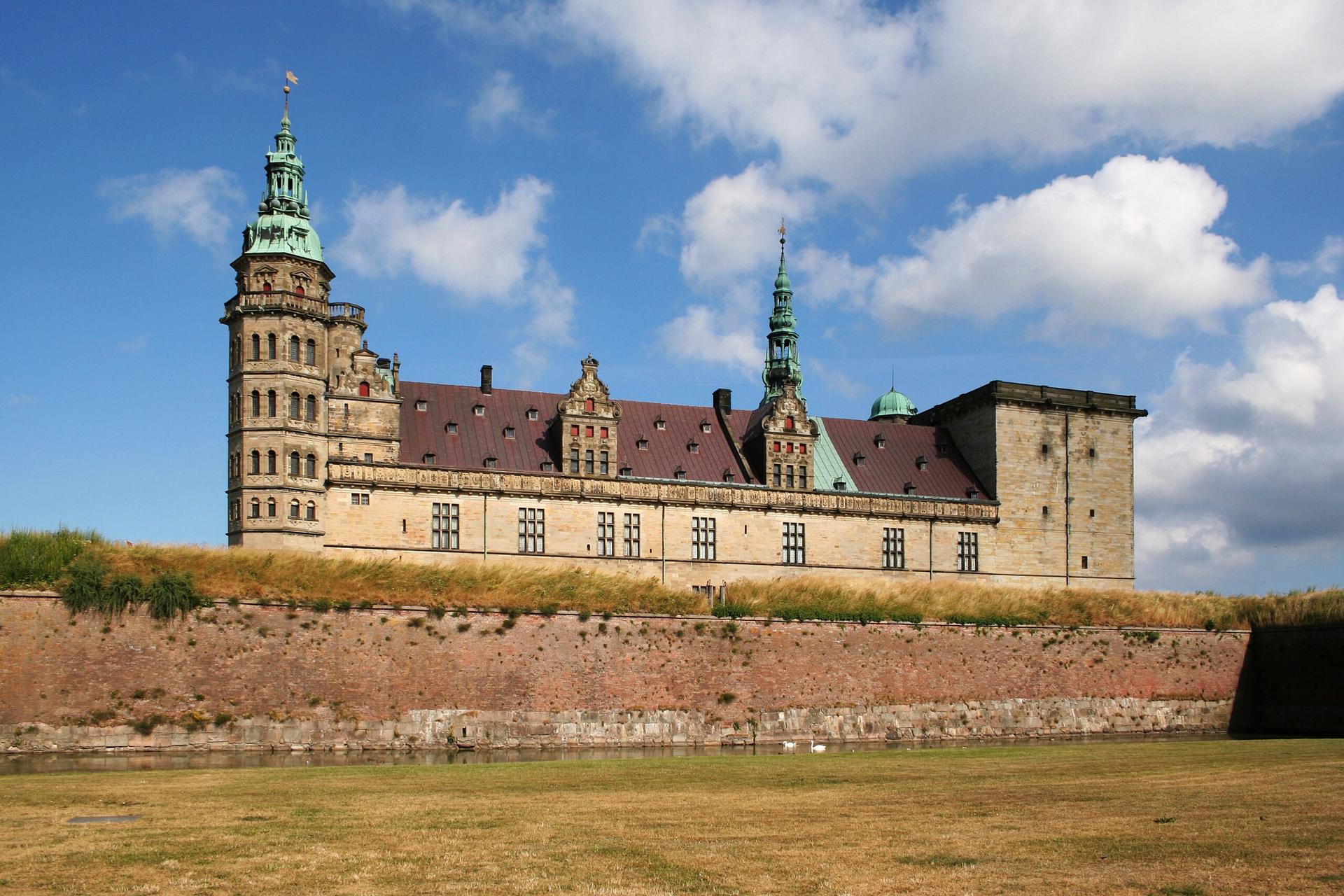
Explore North Zealand, Denmark's enchanting region of castles, beaches, and royal estates, perfect for history buffs, nature enthusiasts, and seaside lovers.
Tell me more about North Zealand