Bellevue Beach, Zealand Travel Guide
Iconic Danish beach where modernist design meets Baltic leisure, just 20 minutes from Copenhagen.
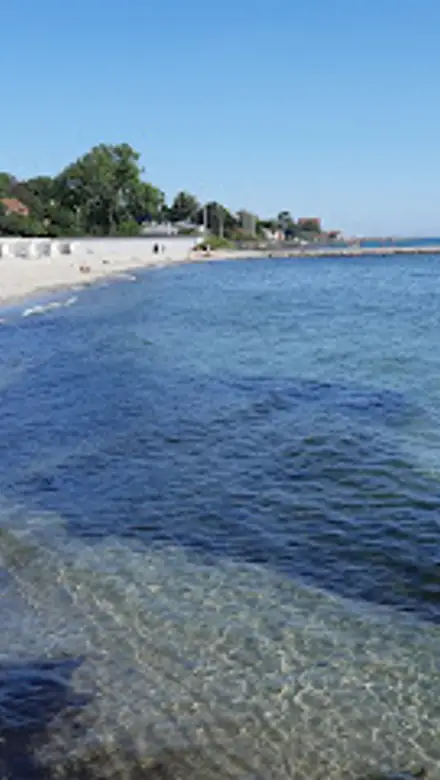
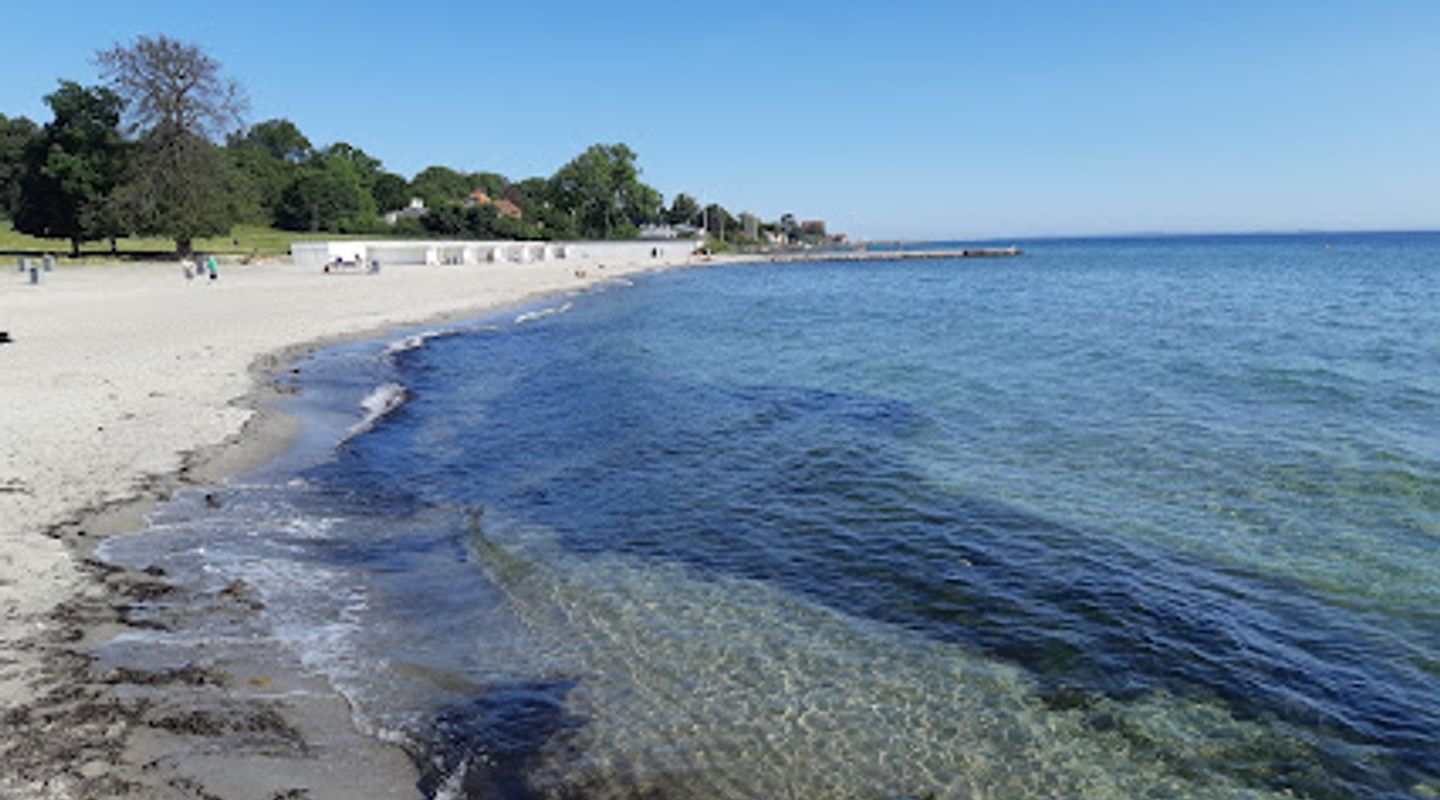
Bellevue Beach is a 700-metre sandy beach in Klampenborg, just north of Copenhagen, attracting around 500,000 visitors annually. Designed by renowned Danish architect Arne Jacobsen in 1932, the beach features his iconic blue-striped lifeguard towers and geometric kiosks. With soft white sand, clear shallow waters, adjoining lawns, and excellent facilities including lifeguards and freshwater showers, it remains one of Copenhagen's most popular coastal destinations. Located just 10 kilometres from the city centre and a short walk from Klampenborg station, the beach offers the perfect blend of relaxation, recreation, and architectural heritage.
A brief summary to Bellevue Beach
- Strandvejen 340, Klampenborg, 2930, DK
- Click to display
- Duration: 2 to 6 hours
- Free
-
 Outdoor
- Mobile reception: 5 out of 5

Know before you go
Hi, I'm Eve. Here are a few practical things to know before exploring Bellevue Beach.
- Arrive early on warm summer days to secure prime spots on the sand and avoid peak crowds. The beach reaches maximum capacity in mid-afternoon during July and August.
- Photograph Arne Jacobsen's iconic blue-striped lifeguard towers from the pier at different times of day—they photograph beautifully in morning light and golden hour.
- Combine your beach visit with a walk through Dyrehaven (Animal Park) just inland, where you can observe semi-wild deer and explore historic woodland trails.
- Visit the nearby Skovshoved Texaco petrol station, Jacobsen's 1936 prototype design—a unique piece of architectural heritage preserved as a listed building.
- Try grilled mackerel with lemon and dill sauce at the beach kiosks, or sample homemade Danish ice cream—local specialities that change seasonally.
Do you manage this location?
Take control to get all the benefits, like improved information, better appearance, and stronger visibility across AI-powered discovery. Learn more about listing your business on Evendo
Activate your presenceOther nearby places you may find interesting
The closest places of the same kind, if this one is not quite what you had in mind.


Explore Bellevue Beach on the Map
A handpicked selection of must-see spots near Bellevue Beach, mapped for you.
Getting There
-
S-Train (C-Line)
Take the C-line S-train northbound from Copenhagen Central Station directly to Klampenborg Station. Journey time is approximately 20–25 minutes. Exit the station and walk 2 minutes downhill towards the coast to reach the beach. Trains run every 5–10 minutes during peak hours and every 10–20 minutes off-peak. A single ticket costs approximately 36–48 DKK depending on zones. This is the most convenient and popular option for visitors.
-
Bicycle
Cycle north from central Copenhagen via Strandvejen and Route 152, following the coastal road. The journey takes approximately 45 minutes and covers roughly 10 kilometres. The route is relatively flat and well-signposted. Bike rental is widely available throughout Copenhagen at approximately 60–100 DKK per day. This option offers flexibility and allows you to explore the scenic coastline at your own pace.
-
Car
Drive north from central Copenhagen via Strandvejen and Route 152, following signs towards Klampenborg. The journey takes approximately 25 minutes depending on traffic. Parking is available near the beach, though spaces fill quickly during summer weekends. Expect to pay approximately 40–60 DKK for 2–3 hours of parking. This option is most practical for groups or families with young children.
-
Bus
Several bus routes serve Klampenborg, including lines 1A, 2A, and 14. Journey times from central Copenhagen range from 35–50 minutes depending on the route and traffic. Buses run every 10–20 minutes during peak hours. A single ticket costs approximately 24 DKK. This is a budget-friendly alternative to the train, though journey times are longer.
For the on-the-go comforts that matter to you
-
 Restrooms
-
 Drink Options
-
 Drinking Water
-
 Food Options
-
 Seating Areas
-
 Picnic Areas
-
 Trash Bins
-
 Information Boards
Discover more about Bellevue Beach
A Landmark of Danish Design and Leisure Culture
Bellevue Beach stands as one of Denmark's most iconic seaside destinations, embodying the nation's commitment to public recreation and modernist design. Inaugurated in June 1932 by Danish Prime Minister Thorvald Stauning, the beach emerged during a transformative period when vacation rights became legally mandated across Denmark. The 700-metre stretch of white sand and adjoining lawns was conceived as an ambitious beach complex designed to serve approximately 15,000 paying visitors daily. Today, it welcomes around 500,000 visitors annually, making it one of the most visited beaches in the greater Copenhagen area.The beach's creation reflected broader social and political change in Denmark. A direct tram ticket from central Copenhagen to Bellevue, including beach entrance, cost just 30 øre—less than five cents—making seaside leisure accessible to working-class Copenhageners. This democratisation of beach culture transformed the Danish coastline into the nation's most popular holiday destination during the 1930s.Arne Jacobsen's Visionary Design Philosophy
The beach's distinctive character owes entirely to Danish architect and furniture designer Arne Jacobsen, whose first major commission was the Bellevue complex. Jacobsen's approach embodied the concept of Gesamtkunst—total art—meaning he designed every element of the experience, from bathing cabins and lifeguard towers to kiosks, tickets, and staff uniforms. His characteristic blue-striped, almost cartoonish lifeguard towers and geometric kiosks remain instantly recognisable and have become symbols of Danish modernist design worldwide.Jacobsen's vision extended beyond the beach itself. The surrounding area includes the Bellavista apartment buildings (1934), the Bellevue Theatre (1936), and the Søholm houses—all still standing and exemplifying his timeless design aesthetic where form seamlessly meets function. A short distance away in Skovshoved, his prototype Texaco petrol station (1936) stands as a listed building, preserved exactly as originally constructed. These structures collectively demonstrate Jacobsen's influence on Danish architectural heritage and his role in establishing modernism as a defining feature of Copenhagen's northern suburbs.Natural Setting and Recreational Facilities
The beach's physical environment combines natural beauty with thoughtful infrastructure. Soft white sand stretches for 700 metres, backed by expansive grassy areas perfect for sunbathing, picnicking, or playing games. The shallow, clear waters of the Øresund Strait provide safe swimming conditions, while the beach's eastern exposure offers views across the water towards the Swedish coast and the iconic Øresund Bridge to the south. Lifeguards patrol the beach during summer months, and freshwater showers allow visitors to rinse off salt water.Facilities include changing rooms, public restrooms, and multiple kiosks serving refreshments and light meals. Beach volleyball courts accommodate both casual play and organised tournaments. The adjoining Dyrehaven (Animal Park) lies just a few hundred metres inland, offering forested walking trails where visitors can observe semi-wild deer roaming freely—a unique experience combining beach leisure with nature exploration.Connectivity and Surrounding Attractions
Bellevue's accessibility has been central to its enduring popularity. Located just 10 kilometres north of central Copenhagen, the beach sits a mere two-minute walk from Klampenborg S-train station, with direct C-line service from the city centre requiring approximately 20–25 minutes. This proximity transforms Bellevue into an ideal day-trip destination for Copenhageners seeking respite from urban life. Cycling is equally viable, with the route via Strandvejen and Route 152 taking approximately 45 minutes from the city centre.The surrounding area offers numerous complementary attractions. Dyrehaven, a UNESCO World Heritage site, provides peaceful woodland walks and historic hunting lodges. Bakken, the world's oldest continuously operating amusement park, lies just 1.1 kilometres away, offering rides and entertainment for families. The Bellevue Theatre, designed by Jacobsen, hosts cultural performances. Nearby restaurants and cafés, including the popular PLB Strandcafe, serve fresh seafood and traditional Danish fare, with grilled mackerel and homemade ice cream among local specialities.Cultural Significance and Contemporary Life
Bellevue has woven itself into Danish popular culture and contemporary leisure patterns. The beach features prominently in Danish music, literature, and visual arts as a symbol of summer, relaxation, and national identity. It remains a gathering place for locals across all ages and demographics—from families with young children to teenagers playing beach volleyball on summer evenings, to couples enjoying peaceful sunset views and solitary visitors seeking contemplation by the water.The beach's character shifts throughout the day and seasons. Summer evenings buzz with activity as people play volleyball, picnic on the grass, and socialise along the shore. As darkness falls, the atmosphere becomes more tranquil, with visitors enjoying the lights of the Swedish coast and the illuminated Øresund Bridge. Winter brings fewer crowds but maintains a dedicated core of swimmers and walkers who appreciate the beach's quiet beauty and crisp Nordic air.












Your all‑in‑one travel companion app
Explore expert travel guides, compare and book tours, experiences, hotels, and more—all from the palm of your hand. Download now for seamless trip planning wherever your wanderlust takes you.


Explore More of Zealand
Looking beyond Bellevue Beach? Discover Zealand for broader travel guides, local hot-spots, and regional highlights.
Explore Zealand
Romantic country house turned lakeside art hall, where classical architecture, Golden Age stories and a leafy park by Bagsværd Lake meet just outside Copenhagen.

A classic Danish city beach where Arne Jacobsen’s modernist design meets soft sand, clear Øresund waters and relaxed seaside life just north of Copenhagen.