Gravlev Kilde Spring
A crystal-blue basin spring beneath a hillside church, where ancient beliefs, restored nature and lively wildlife meet in the heart of Gravlev Ådal.
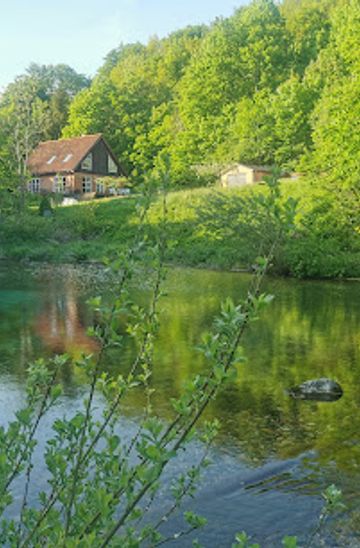
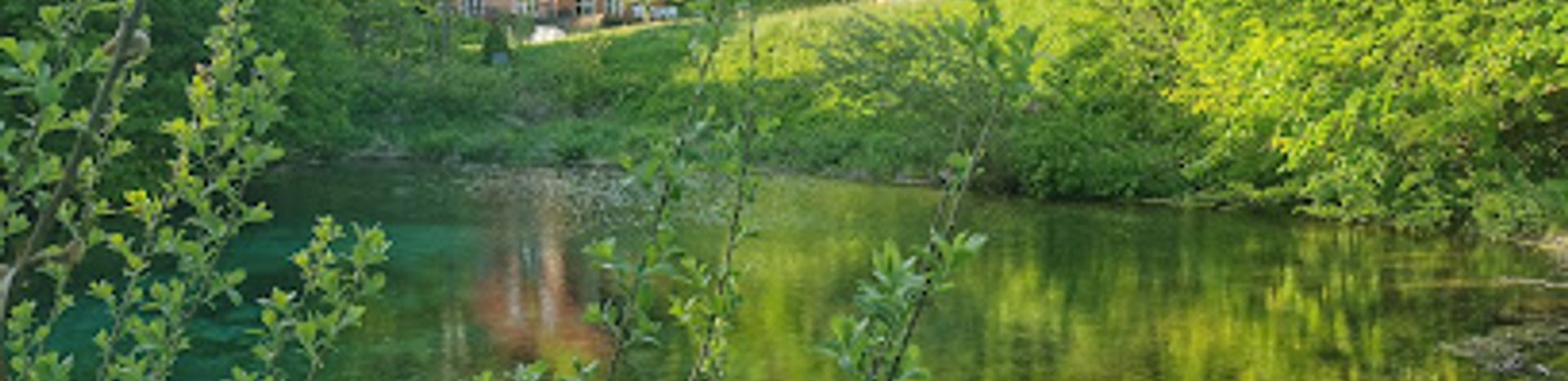
Tucked at the foot of Kirkebakken near Gravlev Church, Gravlev Kilde is one of Denmark’s largest and most beautiful basin springs. Here crystal-clear, turquoise-blue water pulses up from the chalk bed, feeding Gravlev Lake with an impressive 100–150 liters every second. Restored in the 1990s after decades of human use, the spring now forms the serene heart of a protected valley rich in wildlife, from trout to kingfishers, and makes a tranquil stop within the wider Rebild Bakker and Gravlev Ådal landscape.
A brief summary to Gravlev Kilde
- Skørping, 9520, DK
- Duration: 0.5 to 2 hours
- Free
-
 Outdoor
- Mobile reception: 4 out of 5

Know before you go
Hi, I'm Eve. Here are a few practical things to know before exploring Gravlev Kilde.
- Wear waterproof or sturdy shoes; the ground around the spring field and brook can be soft and muddy, especially after rain or in winter.
- Bring binoculars if you enjoy birdwatching; kingfishers, grey wagtails and dippers are often spotted along the clear brook.
- Plan extra time to combine the spring with a walk on the Gravlev Ådal or Rebild Bakker routes, which link several other notable springs.
- Visit on a cold day to see how the flowing spring water keeps patches of the brook ice-free and attracts trout to their spawning grounds.
- Avoid stepping into the spring basin or brook; the fragile habitat and spawning grounds depend on undisturbed clean gravel and vegetation.
Do you manage this location?
Take control to get all the benefits, like improved information, better appearance, and stronger visibility across AI-powered discovery. Learn more
Activate your presenceOther nearby places you may find interesting
Getting There
-
Car from Aalborg
From central Aalborg, driving to Gravlev Kilde typically takes 30–40 minutes via the main route toward Skørping and Rebild. The roads are paved and straightforward year-round, though fog or winter conditions can slow traffic. There is a small free parking area close to Gravlev Church, a short walk from the spring, but spaces are limited on sunny weekends and holidays.
-
Regional train and local walk
Take a regional train to Skørping Station from Aalborg or Aarhus; the trip from Aalborg usually takes about 20–25 minutes and standard tickets cost roughly 40–70 DKK one way, depending on discounts and time of purchase. From Skørping, the onward journey to Gravlev is best done on foot or by bicycle along local roads and paths; allow 45–75 minutes on foot or 20–30 minutes by bike, and be aware that stretches have no dedicated footpath or lighting.
-
Taxi from Skørping
If you arrive by train, a local taxi from Skørping Station to Gravlev Kilde is the most convenient option, usually taking 10–15 minutes. Fares are typically in the range of 120–200 DKK depending on time of day and waiting time. Taxis should be booked in advance, especially in the evening or outside peak commuting hours, as cars are not always waiting at the station.
For the on-the-go comforts that matter to you
-
 Restrooms
-
 Seating Areas
-
 Trash Bins
-
 Information Boards
Discover more about Gravlev Kilde
Crystal Waters in a Chalk Valley
Gravlev Kilde lies in the gently folded Gravlev Ådal, just below the low hill crowned by Gravlev Church. What looks at first like a quiet, emerald pool reveals itself, on closer inspection, as a powerful basin spring. From the vantage point some 15–20 meters above, you see water shimmering in bands of turquoise, deep blue and green as it pulses up from the chalk-rich ground, constantly renewing the pool.Every second, between 100 and 150 liters of cold, clear water flow out of the spring toward nearby Gravlev Sø, making Gravlev Kilde one of the largest springs in Denmark. The clarity of the water and the rippling sand on the bottom hint at the journey of rainwater as it filters through the limestone of Rold Skov before reappearing here in the open valley.Layers of Sacred and Practical History
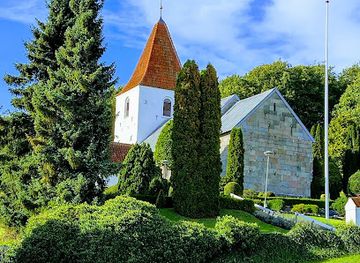
For centuries, springs like Gravlev Kilde were places of worship, seen as gateways between the human and spiritual worlds. Long before the church rose on the hill above, this spot may have hosted a pagan sanctuary where offerings were made to northern gods. In the 1100s a stone church was built beside the spring, echoing a wider pattern where Christian sites replaced older cult places without abandoning their special locations.During the Middle Ages, Gravlev Kilde served as a holy well, associated with healing and pilgrimage. Later, it entered a more practical era. In 1938 a main road was laid across part of the spring field, forcing the water eastward and confining it. For roughly half a century the abundant flow supplied a local fish farm, turning the energy of the spring into economic livelihood for the valley.Nature Restoration and a Living Landscape
By the 1990s, growing appreciation of the area’s natural value led to a major restoration project. The basin and the “natural” spring field below were reshaped to mimic a more original state, with a gently meandering brook replacing straightened channels. Today, the kildebæk twists through lush meadow, its banks edged with wetland plants that thrive on the constant, cool outflow.This restored landscape also ties Gravlev Kilde to the wider Gravlev Ådal and Rebild Bakker routes, which link several major springs and viewpoints through the valley and adjoining hills. Walkers encounter information boards along the way that explain how the chalk, springs and cultural traces fit together into a single, evolving environment.Wildlife Drawn to Cold, Clear Water
The purity and steady temperature of spring water make Gravlev Kilde a magnet for wildlife. Trout glide slowly through the emerald shallows, using the clean gravel as spawning ground. In winter, when much of the valley lies under ice, the constant spring flow keeps sections of water open, providing lifelines for fish and birds alike.Birdwatchers often scan the brook for flashes of blue and orange from kingfishers, or for the bobbing tail of grey wagtails along the stony margins. White-throated dippers sometimes perch on midstream stones before plunging into the current. Even a short, quiet pause by the water can reveal small dramas as insects skim the surface and underwater plants sway in the flow.Experiencing the Spring Up Close
Visiting Gravlev Kilde is a gentle, contemplative experience rather than a checklist stop. From the small parking area near the church, short paths lead down toward the spring basin and along the brook through the lower meadow. The terrain is mostly easy, with a mix of grass and compacted earth, though some spots can be damp underfoot after rain.Most visitors spend time simply watching the spring’s surface and the shifting colors created by depth, vegetation and light. The combination of open valley, nearby lake and enclosing forested slopes makes the site ideal as a pause along longer walks through Rold Skov and the surrounding hills. Whether you stay for a quick look into the water or linger to follow the brook’s curves, Gravlev Kilde offers a compact but memorable glimpse of how geology, water and culture converge in northern Jutland.Explore the best of what Gravlev Kilde has to offer













More about North Jutland
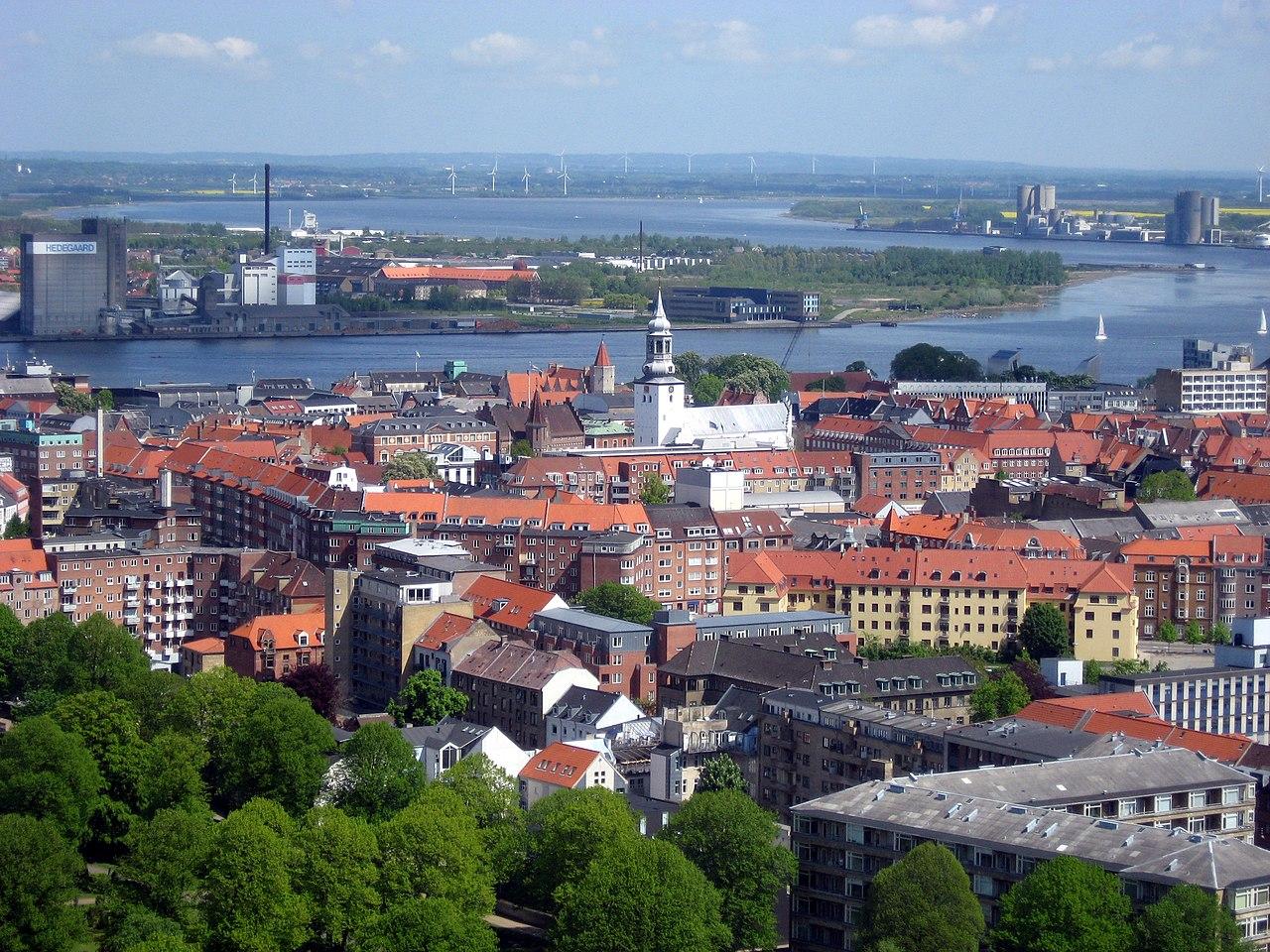
Discover North Jutland: Denmark's northernmost region, renowned for its stunning coastlines, rich Viking history, vibrant culture, and outdoor adventures.
Tell me more about North Jutland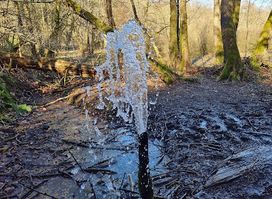
A hidden artesian spring surging from the forest floor in a steep Lindenborg valley, where water, ice and deep green woodland create an intimate natural spectacle.
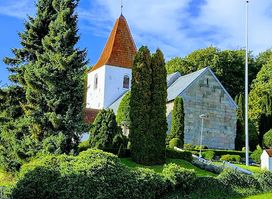
One of Denmark’s largest basin springs, where crystal-clear turquoise water wells up from chalk depths to feed a wildlife-rich brook and lake in Gravlev Valley.