St. Alban's Church: Copenhagen's English Gothic Gem
Discover St. Alban's Church, Copenhagen's English Gothic Revival masterpiece nestled near the historic Kastellet and Gefion Fountain.
St. Alban's Church, known as the English Church, is a Gothic Revival Anglican church in Copenhagen, built between 1885 and 1887. Nestled near the Kastellet and Gefion Fountain, it serves as a serene sanctuary reflecting the historical ties between Denmark and the UK.
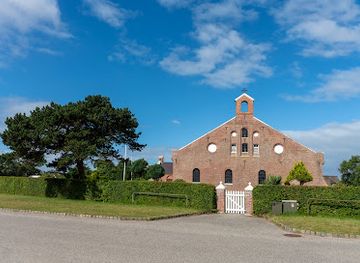
A brief summary to Jacob A. Riis Museum
- Sortebrødregade 1, Ribe, 6760, DK
- Click to display
- Click to display
- Monday 10 am-5 pm
- Tuesday 10 am-5 pm
- Wednesday 10 am-5 pm
- Thursday 10 am-5 pm
- Friday 10 am-5 pm
- Saturday 10 am-5 pm
- Sunday 10 am-5 pm
Local tips
- Visit during a service to experience the church's acoustics and the harmonious chimes of its fifteen tubular bells.
- Explore the nearby Kastellet fortress and Gefion Fountain to enrich your historical tour of the area.
- Check the church's official website for information on special events or concerts that may coincide with your visit.
- Photography enthusiasts will appreciate the church's unique architectural details and its picturesque park setting.
- Be mindful of the church's opening hours, especially if planning a visit during holidays or special occasions.

Do you manage this location?
Take control to get all the benefits, like improved information, better appearance, and stronger visibility across AI-powered discovery. Learn more
Activate your presenceOther nearby places you may find interesting
Getting There
-
Public Transport
From Helsingør Station, board a train towards Copenhagen Central Station. Trains depart approximately every 20 minutes, and the journey takes about 45 minutes. A standard adult ticket costs around 108 DKK. Upon arrival at Copenhagen Central Station, transfer to the M3 metro line and alight at Østerport Station. From there, it's a pleasant 10–15-minute walk through the historic district, passing landmarks like the Kastellet fortress and the Gefion Fountain, leading you directly to St. Alban's Church.
-
Driving
Driving from Helsingør to St. Alban's Church in Copenhagen covers approximately 45 kilometers and typically takes around 45–60 minutes, depending on traffic. Follow the E47 motorway south towards Copenhagen. Be aware that parking near the church is limited; however, there are public parking facilities available in the vicinity, with rates averaging 20 DKK per hour. It's advisable to check for any parking restrictions or fees before your visit.
Discover more about Jacob A. Riis Museum
Explore the best of what Jacob A. Riis Museum has to offer















More about Ribe
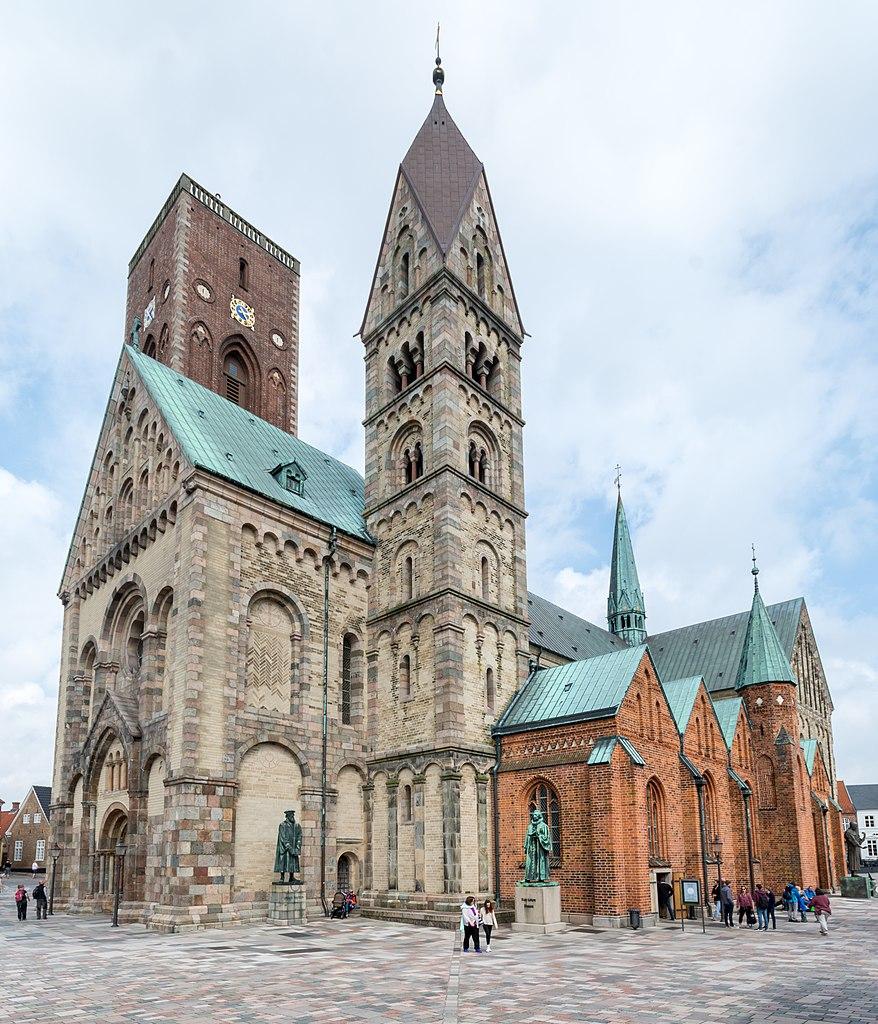
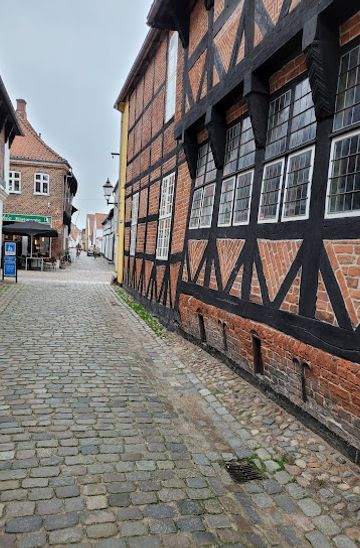
Discover Ribe, Denmark's oldest town, where medieval charm meets modern allure. Experience Viking history, stunning architecture, and breathtaking natural wonders.
Tell me more about Ribe
An iconic copper bridge tower turned cultural gem, offering harbor panoramas, intimate events, and a taste of Copenhagen’s creative spirit on Knippelsbro.
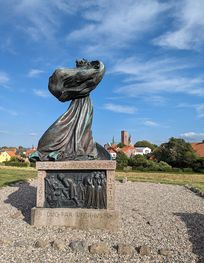
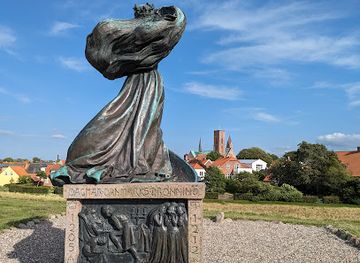
A contemplative statue on Ribe’s former castle hill, honouring the gentle 13th‑century Queen Dagmar where her life and legend became entwined with Denmark’s history.