

From Eve
Know before you go
Hi, I'm Eve. Here are a few practical things to know before exploring Copenhagen City Hall.
Local know-how to help you travel smarter and make the most of every moment.

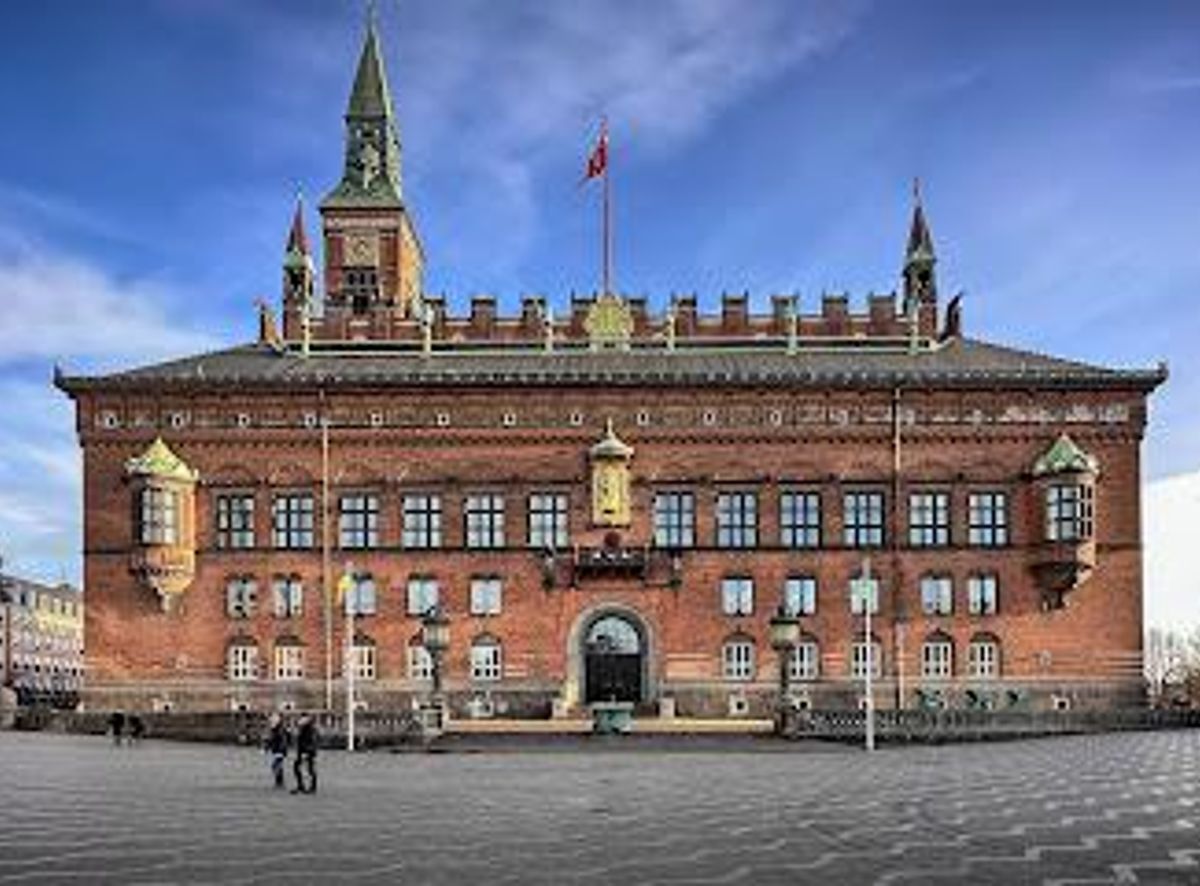
A soaring National Romantic landmark where Copenhagen’s political life, rich craftsmanship, hidden gardens and sweeping tower views meet on bustling Rådhuspladsen.
Commanding the lively Rådhuspladsen, Copenhagen City Hall is a grand National Romantic landmark combining Italian-inspired towers with richly detailed Danish brickwork. Built between 1892 and 1905, it remains both the city’s political heart and a cultural showpiece, known for its ornate interiors, peaceful inner garden, and Jens Olsen’s astonishing astronomical World Clock. Free to enter, it is also the gateway to Tivoli Gardens and the Strøget pedestrian street, making it a natural anchor for exploring central Copenhagen.
Opening times, essentials, and a few local tips gathered into one calmer, easier-to-scan planning section.
Hi, I'm Eve. Here are a few practical things to know before exploring Copenhagen City Hall.
Local know-how to help you travel smarter and make the most of every moment.
Train and short walk from Copenhagen Central Station
From anywhere in the region, take a regional or S‑train to Copenhagen Central Station. Services are frequent throughout the day, and most city‑zone tickets and travel cards cover this leg. The ride from suburbs such as Østerport or Nørreport usually takes 5–10 minutes, while regional trains from outlying towns can take 30–60 minutes. From the station, it is an easy 6–10 minute walk on level pavements to Copenhagen City Hall, suitable for wheelchairs and luggage. Standard two‑zone tickets within the city typically cost around 20–25 DKK one way.
Metro to Rådhuspladsen station
Use the M3 Cityringen or M4 metro lines and get off at Rådhuspladsen station, which opens directly onto the city hall square. From central hubs like Nørreport or Kongens Nytorv the journey is about 3–5 minutes, with trains running every few minutes from early morning until late night. Metro travel within the central zones usually costs about 20–25 DKK per single ticket, and the route is fully accessible with lifts and escalators at both ends.
City bus services to the square
Several city bus lines stop along the northern edge of Rådhuspladsen, making Copenhagen City Hall easy to reach from neighbourhoods not served directly by the metro. Travel times vary from 10–30 minutes depending on traffic and starting point, and buses generally run every 5–15 minutes during the day. A standard city bus ticket for the relevant zones costs roughly 20–25 DKK and can usually be bought via ticket machines or mobile apps. Most buses have low floors, but they can be crowded at rush hour and during major events on the square.
Bicycle within central Copenhagen
For a classic local experience, cycle to Copenhagen City Hall from nearby districts such as Vesterbro, Nørrebro or Østerbro. Distances from these areas are typically 10–20 minutes by bike along dedicated cycle lanes. You can use rental bikes or city bike schemes, which often charge either a small unlock fee plus a per‑minute rate or a flat hourly price; expect to pay around 20–60 DKK for a short ride depending on provider. Bicycle parking stands are available around the square, though space can be limited at peak times and during large events.
 Restrooms
 Drink Options
 Drinking Water
 Food Options
 Seating Areas
 Sheltered Areas
 Trash Bins
 Information Boards
 Visitor Center
Catch the right light and the right mood, whether you want a bright city moment or a more cinematic evening visit.


Use Tower Bridge as your starting point for nearby food, family ideas, nightlife, and more local discoveries.
A quick look at seasonal patterns and peak visiting hours.

Explore expert travel guides, compare and book tours, experiences, hotels, and more—all from the palm of your hand. Download now for seamless trip planning wherever your wanderlust takes you.
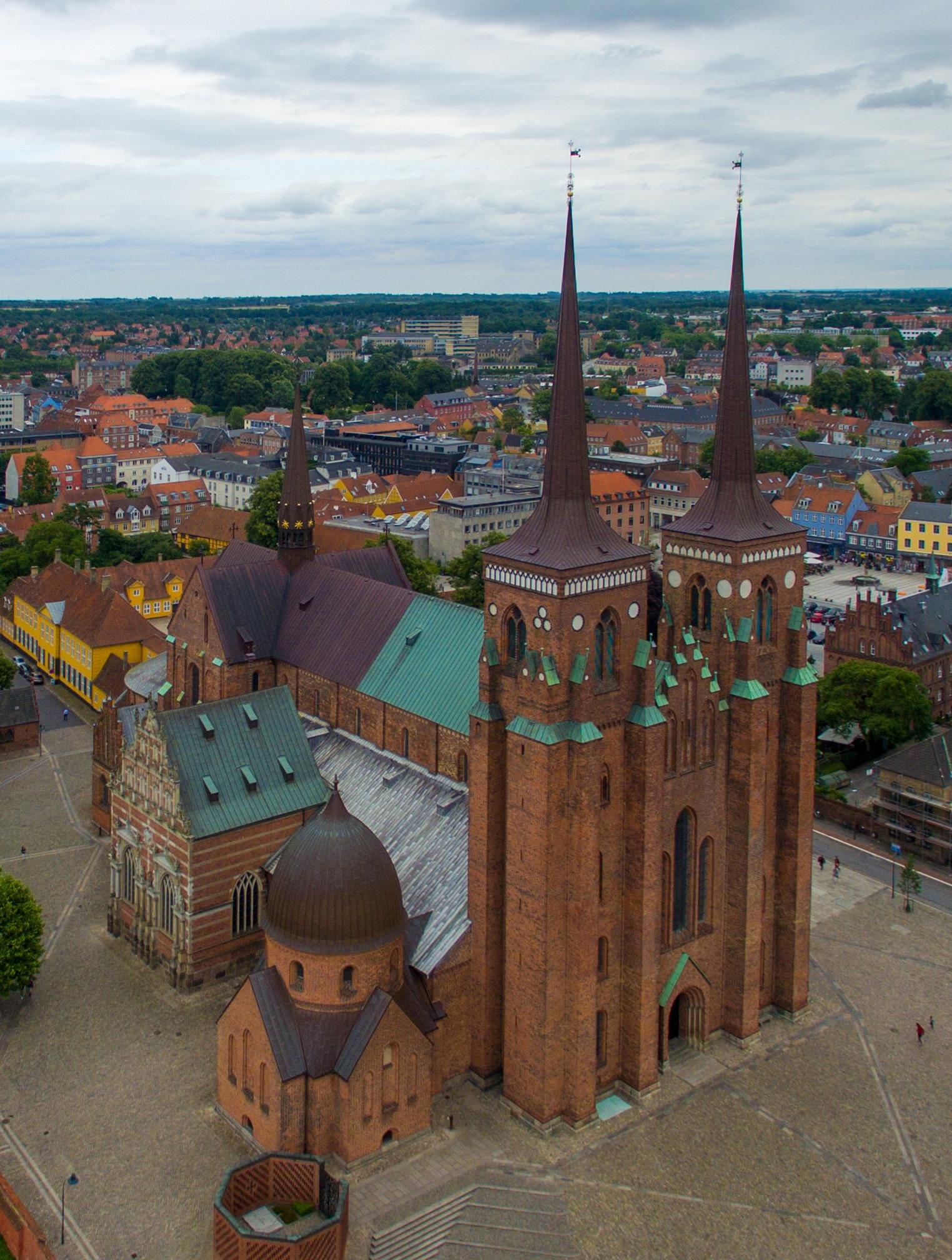
Discover Roskilde: A blend of rich history, Viking heritage, and vibrant music culture in the heart of Denmark, just a short journey from Copenhagen.
Tell me more about Roskilde


