Holmen Neighbourhood
Historic naval islands turned calm harbour quarter, where dockyards, academies and the Copenhagen Opera House share wide quays and sweeping city views.
Islands of ships, canals and quiet water
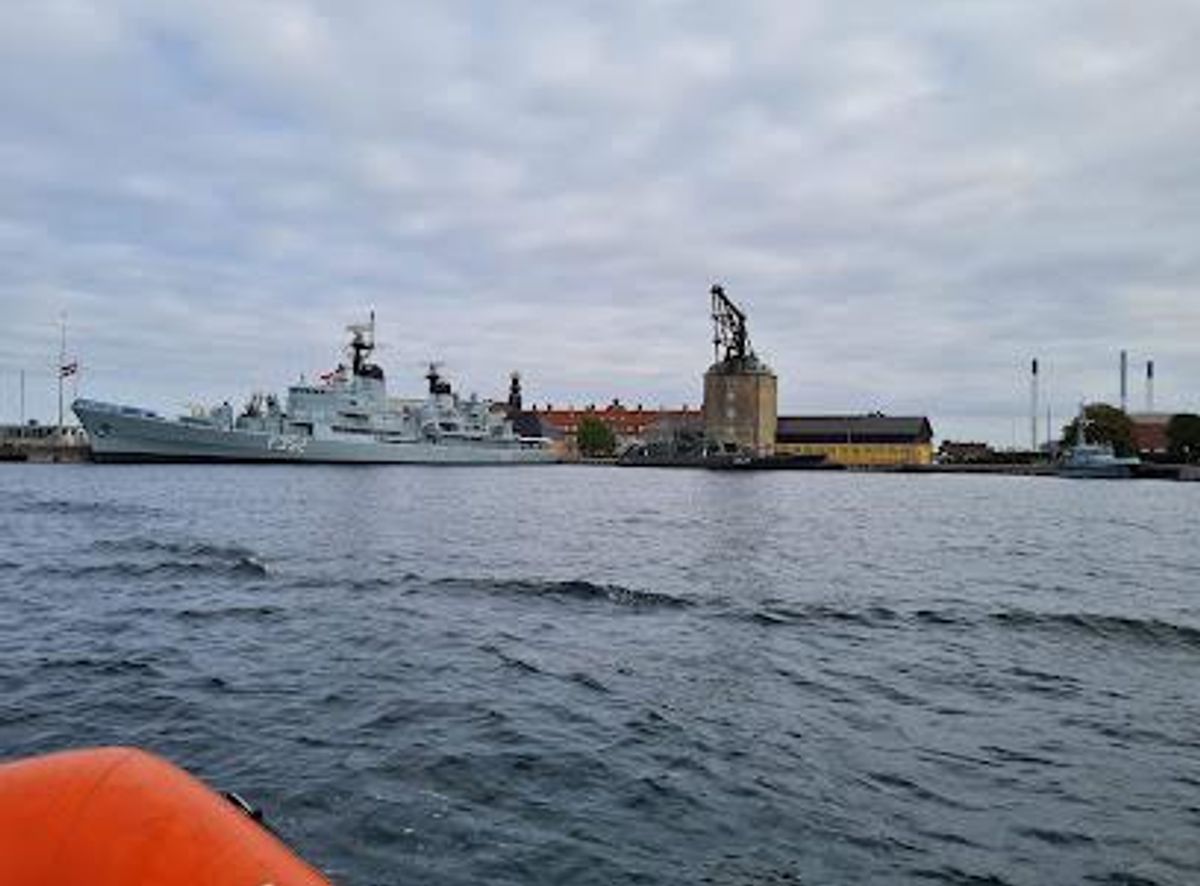
Holmen is a small archipelago of reclaimed islands just across the harbour from Copenhagen’s historic centre, where ship masts and cranes once defined the skyline. For more than 300 years this was the Royal Danish Navy’s base, a self-contained world of docks, workshops and barracks screened by defensive ramparts and bastions. Today, the same basins and quaysides frame calm stretches of water, houseboats and low brick buildings, giving the area a distinctive maritime character that still feels slightly apart from the city. Though officially part of central Copenhagen, Holmen sits at the end of the harbour like a cul‑de‑sac of islands. That geography gives it a noticeable sense of quiet. Wide quays replace busy streets, and instead of traffic you hear the slap of water against hulls and the distant hum of ferries. From almost any point you have broad views back towards the spires and rooftops of the old town, with the royal palaces and church domes neatly aligned across the water.From royal dockyard to creative campus
The story of Holmen begins in the 17th century, when the Danish fleet was moved out of the cramped inner harbour and new islands were created for a purpose-built naval base. Over time, sheds, ropewalks, powder magazines and dry docks filled the reclaimed land. Some of the oldest surviving buildings date from the late 1600s, simple but solid structures that reveal how carefully the military infrastructure was planned. Naval activity gradually shifted elsewhere in the late 20th century, and since the 1990s Holmen has been reshaped as a new city district. Many former military buildings now house parts of the Royal Danish Academy, including schools of architecture, music, film and theatre. Their presence keeps the area lively on weekdays, with students sketching on the quays or practising in rehearsal rooms behind old brick facades. New housing has been added sensitively between the historic structures, so the islands feel lived-in without losing their dockyard identity.Opera, harbour views and architectural drama
The most striking modern addition is the Copenhagen Opera House, occupying a prime position on one of Holmen’s waterfronts. Its bold horizontal roof and glass-fronted foyer project out towards the harbour, forming a dramatic counterpoint to the royal palaces across the water. Inside, the auditorium is known for warm acoustics and intricate detailing, but even from outside the building acts as a sculptural landmark that anchors Holmen in the city’s mental map. Around the opera house, the harbourfront has become an informal gathering place. In warmer months locals use the steps and quays as open-air seating, watching boats pass and the evening light sink over the skyline. On clear days you can pick out the tower of Church of Our Saviour, the dome of Frederik’s Church and the outline of Amalienborg Palace. The long perspectives across water mean the city always feels close, even as Holmen itself remains relatively tranquil.Everyday life by the water’s edge
Away from the headline architecture, Holmen’s charm lies in its everyday rhythm. Narrow lanes of small houses, once built for naval personnel, create a village-like pocket among the larger industrial buildings. Former warehouses now host creative businesses, cafés and bakeries with large windows facing the harbour. It is common to see swimmers using the clean water by designated ladders, or kayakers and paddleboarders threading quietly between piers and moored boats. Despite its proximity to major sights, Holmen never feels crowded. There is space to wander along the quays, pause on low walls and watch reflections move on the surface of the basins. Occasional sound carries from music schools or rehearsal spaces, lending an unexpected soundtrack to the otherwise slow-paced surroundings. At night, the opera’s illuminated roof, scattered house lights and navigation beacons give the islands a softer, almost theatrical mood.A calm counterpoint to central Copenhagen
For visitors, Holmen offers a different perspective on Copenhagen: less about grand monuments and more about the transition from working harbour to cultural waterfront. It is a place to understand how the city’s maritime history is being folded into its present, with naval heritage coexisting alongside contemporary design and performance spaces. The mix of water, brick, greenery and open sky creates a soothing urban landscape that rewards unhurried exploration. Whether you come for a performance, an architectural walk or simply a quieter patch of harbour, Holmen acts as a gentle counterpoint to the busier streets across the water. The story of ships and sailors may no longer dominate daily life here, but the shape of the islands, the surviving dock structures and the constant presence of the sea ensure that the naval past is never far from view.Local tips
- Plan at least one visit in the late afternoon or early evening, when the low light over the harbour adds drama to the Opera House and skyline views.
- Bring layers and a windproof jacket even in summer; the open waterfront can feel noticeably cooler and breezier than inner-city streets.
- If you intend to swim, use designated bathing spots, check local signage about water quality and currents, and bring a towel or robe for changing on the quays.
- Combine a wander around Holmen with time in nearby Christianshavn or Refshaleøen to see how different harbour districts have evolved from shared maritime roots.
- For photography, walk the quays opposite the city centre to capture long perspectives of church spires, palaces and boats framed by the Opera House.
A brief summary to Holmen
- Copenhagen, Indre By, DK
Getting There
-
Harbour bus from central Copenhagen
From central Copenhagen, use the public harbour bus lines that serve Operaen or Holmen Nord; from Nyhavn or near the Royal Library, the trip typically takes 10–20 minutes depending on the route and waiting time. Services run at least every 20–30 minutes during the day, with reduced frequency in late evenings and on some weekends. A standard zone ticket or city travel card is valid, with single adult fares usually in the range of 20–30 DKK. All boats are step-free onto the main deck, but ramps can be steep in very low water conditions.
-
City bus from Copenhagen Central Station area
Several regular city buses connect the inner city and Christianshavn with stops close to Holmen and Refshaleøen; from the Central Station or Rådhuspladsen area the ride is commonly 20–30 minutes depending on traffic. Buses operate frequently throughout the day, roughly every 7–15 minutes on core routes, and accept the same 20–30 DKK single tickets and travel cards as the metro. Most vehicles have low floors and spaces for wheelchairs and prams, though some older stops may involve kerbs or short ramps.
-
Metro and short walk via Christianshavn
An alternative is to take the metro to Christianshavn or Kongens Nytorv, which are both on core metro lines with trains every few minutes. From there, continue on foot across the harbour bridges towards Holmen; the walk is typically 15–25 minutes on flat, paved surfaces. Metro fares match other city public transport at around 20–30 DKK per adult for the relevant zones. This option offers step-free access at most stations, but the outdoor walk can be exposed to wind and rain, and may feel long for those with limited mobility.
-
Cycling from the inner city
Copenhagen’s extensive cycle lanes make biking to Holmen straightforward from most central districts, commonly taking 10–20 minutes from areas like Nyhavn, Nørreport or Vesterbro. Dedicated bicycle bridges over the harbour help separate cyclists from motor traffic, but sections near construction sites or docks may involve sharing space with cars or service vehicles. There is no extra fee to bring a standard bicycle when you ride only on the streets; bike-share schemes and rentals usually cost from about 50–100 DKK per day. Surfaces are generally smooth, yet wind off the water can make the ride feel more demanding.