
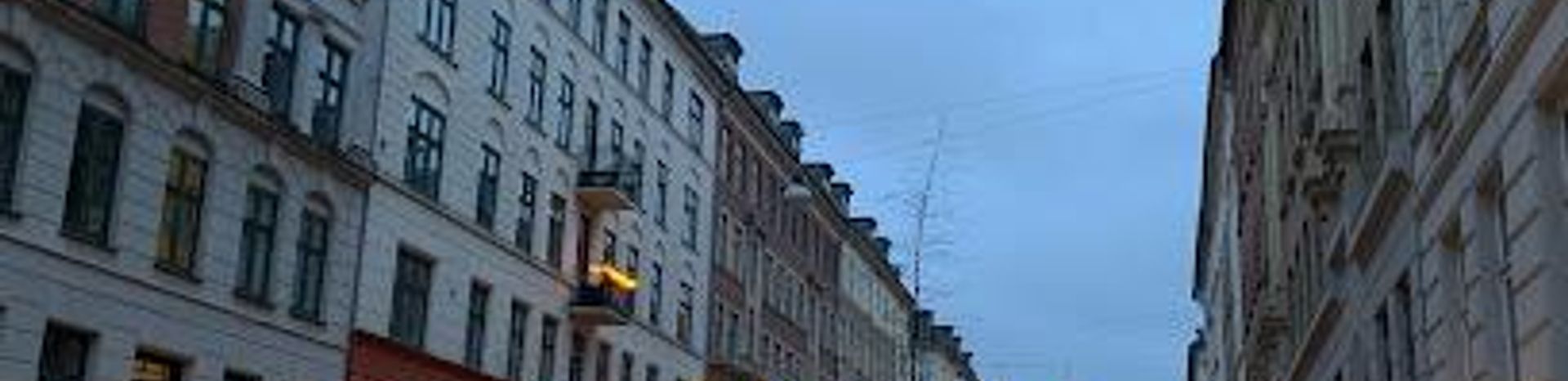
Jægersborggade
A short Nørrebro side street turned creative powerhouse, where independent makers, specialty food and relaxed urban life share the same cobbled stage.
Jægersborggade is a short but character-packed street in Copenhagen’s Nørrebro district, known for its independent spirit and creative energy. Once a rough residential stretch, it has transformed into a hub of small galleries, designer boutiques, ceramics studios, specialty food shops and intimate wine bars. Cobblestones, six-storey apartment blocks and basement storefronts create a distinctly urban yet human-scale setting, perfect for slow wandering between coffee roasteries, bakeries, porridge bars and handcrafted design studios.
A brief summary to Jægersborggade
- Copenhagen, Nørrebro, 2200, DK
- Duration: 1 to 3 hours
- Free
-
 Outdoor
- Mobile reception: 5 out of 5

Know before you go
Hi, I'm Eve. Here are a few practical things to know before exploring Jægersborggade.
- Aim for a weekday morning or early afternoon if you prefer browsing shops and galleries with fewer people and more time to chat with owners.
- Bring a small daypack or tote: many finds are delicate ceramics, prints or food items that travel best when well protected.
- Combine coffee, a light meal and dessert on the same visit by sampling different spots rather than settling into just one venue.
- Have a rough spending limit in mind; handcrafted design and natural wine can add up quickly on such a tempting, compact street.
Do you manage this location?
Take control to get all the benefits, like improved information, better appearance, and stronger visibility across AI-powered discovery. Learn more
Activate your presenceOther nearby places you may find interesting

Getting There
-
Metro and walk from central Copenhagen
From central Copenhagen, take the M3 Cityringen metro to Nørrebro Station; trains run every few minutes and the ride typically takes 10–15 minutes. A standard adult single ticket within the city zones usually costs around 20–30 DKK. From Nørrebro Station it is about a 10–15 minute walk along mostly flat, paved streets to Jægersborggade, suitable for most mobility levels, though cobblestones on the street itself can be uneven.
-
City bus from the inner city
Frequent city buses such as the 5C connect the inner city with the Nørrebro area in roughly 15–25 minutes depending on traffic. Expect to pay approximately 20–30 DKK for a single adult ticket within the city fare zones. Buses usually stop on major roads a few blocks from Jægersborggade, from where you continue on foot for about 10 minutes along broad pavements. Services run throughout the day, with slightly reduced frequencies late at night and on weekends.
-
Cycling from the city centre
Cycling is one of the most convenient ways to reach Jægersborggade from the historic centre, with the ride typically taking 10–20 minutes along Copenhagen’s extensive network of bike lanes. You can use a rental or bike-share, with typical short-term rentals starting around 75–150 DKK per day depending on the provider. The route is mostly flat and well-signed, but be prepared for busy intersections at peak times and remember to lock your bike securely once you arrive, as street bike racks can fill up on sunny days.
For the on-the-go comforts that matter to you
-
 Restrooms
-
 Drink Options
-
 Drinking Water
-
 Food Options
-
 Seating Areas
-
 Sheltered Areas
-
 Trash Bins
-
 Information Boards
Discover more about Jægersborggade
From Gritty Backstreet to Creative Showcase
Jægersborggade runs for only a few hundred metres through the heart of Nørrebro, but its story mirrors Copenhagen’s wider urban transformation. What was once a fairly rough residential street has, over the last couple of decades, been steadily reimagined as a hub for small-scale entrepreneurs, designers and food innovators. The buildings themselves remain classic early-20th-century apartment blocks, but the ground floors have been opened up and animated with studios, shops and eateries.Today, around forty businesses line the street, many of them tiny, owner-run spaces tucked slightly below pavement level. The result is a lived-in, local-feeling street where you can still see laundry on balconies above while browsing a ceramics studio or stepping into a micro-roastery. It feels distinctly Copenhagen: modest in scale, but big on ideas and attention to detail.Shopping for Stories Rather Than Souvenirs
Jægersborggade is first and foremost a place to browse. Independent boutiques specialise in everything from paper-thin porcelain and hand-cast jewellery to recycled fashion, art prints and carefully curated vintage clothing. Many of the makers work on site, so it is common to glimpse a jeweller at the bench or a ceramicist trimming a new piece just behind the counter.Because the spaces are small, displays are thoughtful rather than crowded, inviting you to take your time. Prices can reflect the craftsmanship and small-batch nature of what is on offer, but the street rewards those who enjoy finding one-of-a-kind pieces, whether that is a minimalist vase, a handmade hat or a letterpress poster to roll into your suitcase.A Compact Culinary Hotspot
Food is another of Jægersborggade’s great draws. For such a short street, it offers an impressive spread of places to eat and drink, from porridge-focused cafés and organic bakeries to natural-wine bars and contemporary bistros. Influential names in the New Nordic movement have left their mark here, with former Michelin-starred dining paving the way for today’s refined yet relaxed food scene.You can start the day with cardamom-scented pastries and expertly brewed coffee, then return later for a bowl of seasonal grain porridge, a scoop of nitrogen-frozen ice cream or plates of seafood paired with low-intervention wines. Many venues embrace organic and sustainable sourcing, and vegetarian or plant-forward options are easy to find, making the street popular with food-focused travellers.Strolling, People-Watching and Everyday Life
Physically, Jægersborggade feels intimate and sociable. The roadway is narrow, with parked cars and low traffic, and the pavements are broad enough for café tables, prams and window-shoppers to coexist. In warmer months, outdoor seating spills onto the street, blurring the line between public and private space as conversations drift from one doorway to the next.The street’s setting between two larger arteries keeps it slightly tucked away, so you sense a neighbourhood rhythm rather than big-city rush. Locals pop out for bread or a glass of wine, families linger at ice-cream counters, and students cycle through on their way to nearby parks and the leafy cemetery. It is a place to walk slowly, peering into basement windows and pausing wherever your curiosity catches.Neighbourhood Connections and Local Character
Part of Jægersborggade’s appeal lies in how it connects to the wider Nørrebro area. At one end, paths lead towards a historic cemetery that doubles as a green space, while just a few blocks away busier shopping streets carry most of the everyday errands. This leaves Jægersborggade free to specialise in the more unusual: hand-boiled caramels, small-batch roasted coffee, experimental design.Despite its fashionable reputation, the street still reads as a residential corridor, with six-storey façades framing the sky and cross-streets cutting back into courtyard worlds. The mix of long-time residents, newcomers and visiting flâneurs gives it a layered character, where moments of trendiness sit alongside ordinary scenes of bikes being repaired or groceries carried home.Planning Your Visit on the Street Itself
Most visitors spend a couple of unrushed hours here, weaving up one side and down the other. There is no single landmark to tick off; instead, the pleasure lies in sampling a little of everything. You might time your visit for a weekday morning for a quieter feel, or arrive later in the afternoon when wine bars begin to fill and the street buzzes more loudly.Wear comfortable shoes for the cobblestones and be prepared for Copenhagen’s changeable weather; on blustery days, basement shops feel extra cosy, while on bright evenings the outdoor tables become prime seats. Jægersborggade rewards curiosity and an unhurried approach, offering a compact slice of Nørrebro’s creative, culinary and community spirit.Explore the best of what Jægersborggade has to offer















More about North Zealand
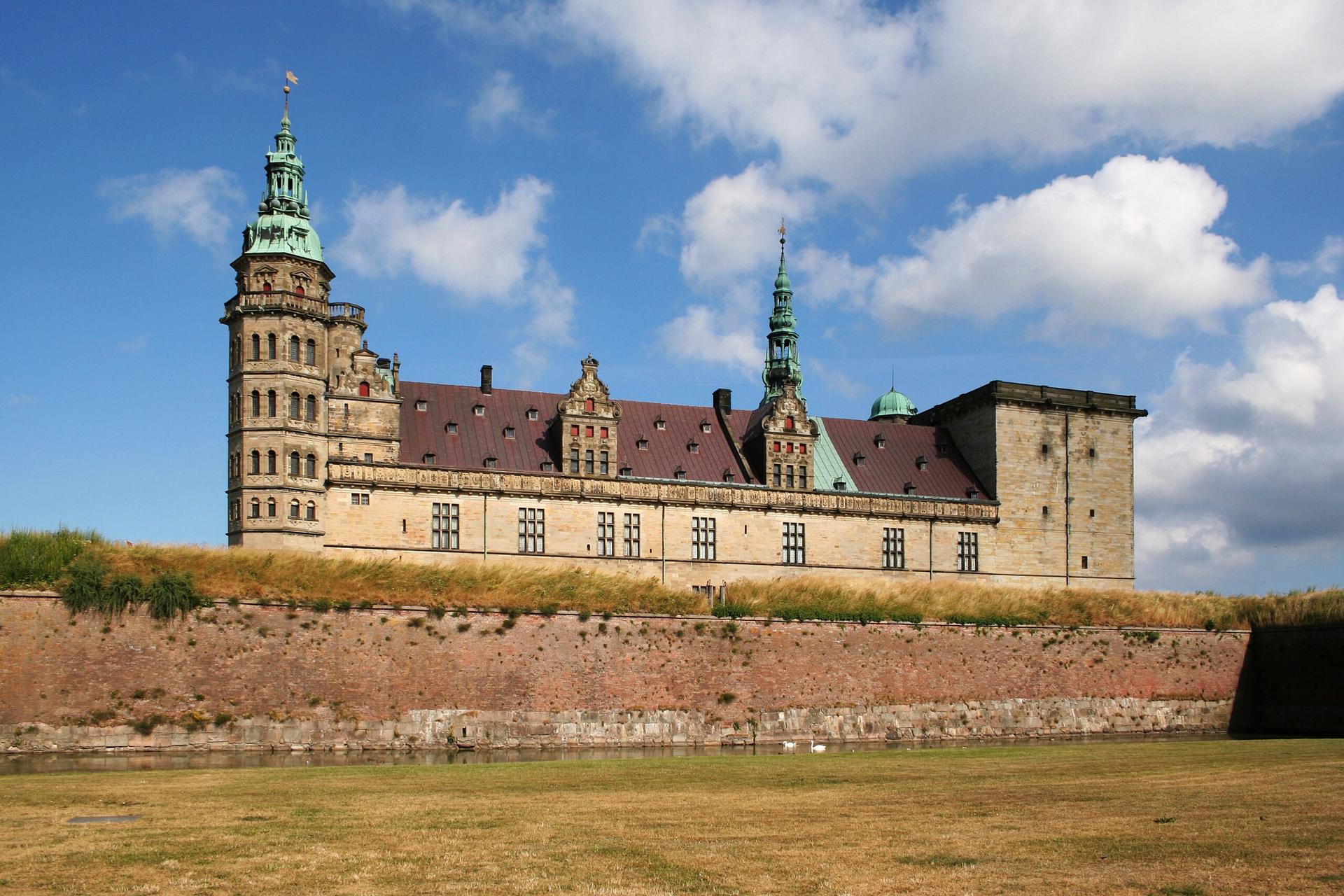
Explore North Zealand, Denmark's enchanting region of castles, beaches, and royal estates, perfect for history buffs, nature enthusiasts, and seaside lovers.
Tell me more about North Zealand

