

Musicon-bydelen, Roskilde Travel Guide
Free Guide: A former concrete factory reborn as Roskilde’s creative heart, where bold architecture, skateparks, art and everyday life blend into a living urban laboratory.


A brief summary of Musicon-bydelen
A former concrete factory reborn as Roskilde’s creative heart, where bold architecture, skateparks, art and everyday life blend into a living urban laboratory.
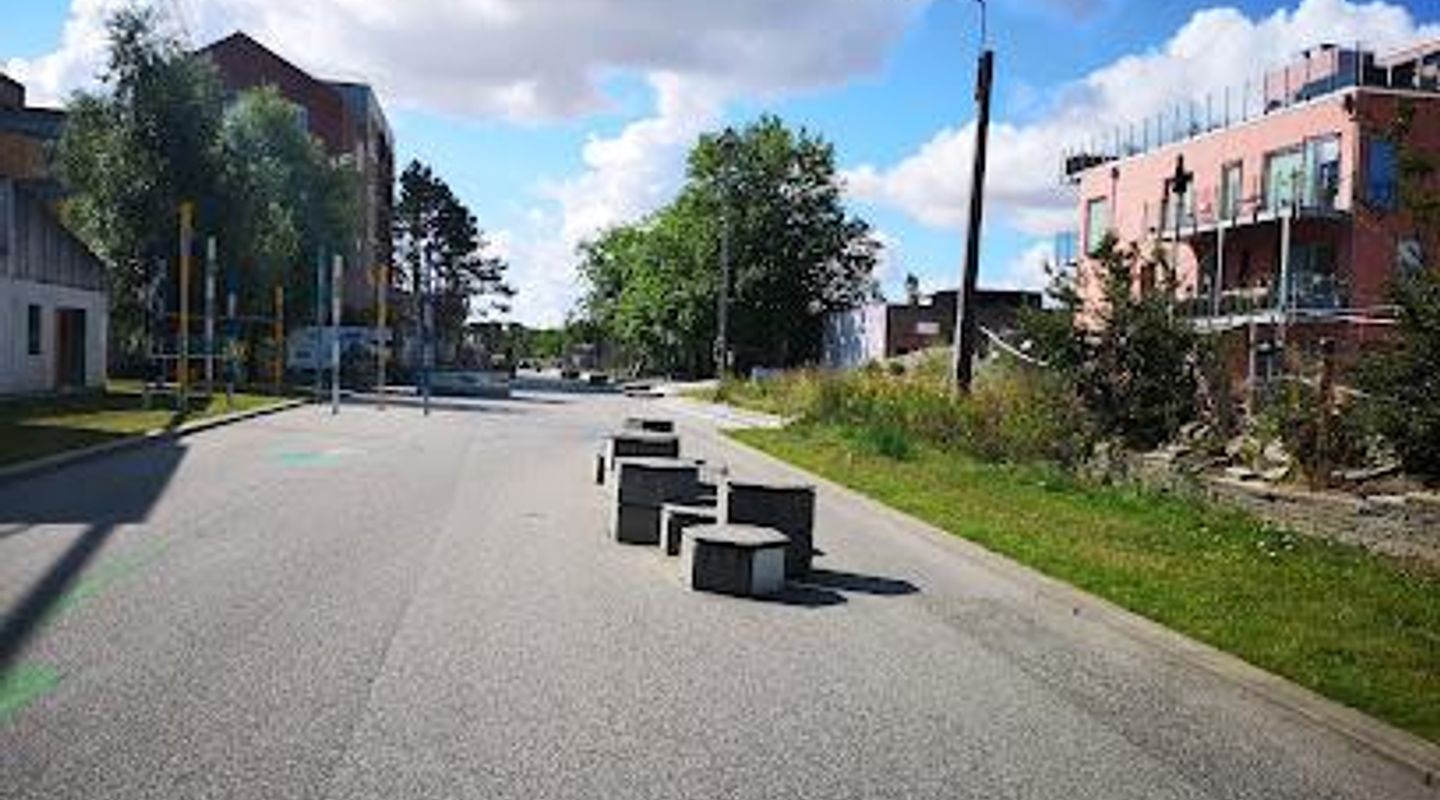
Musicon-bydelen is Roskilde’s bold creative district, transformed from a former concrete factory into a lively urban quarter of studios, skateparks, music venues and experimental architecture. Just south of the city centre, it blends industrial heritage with colourful contemporary buildings, climate-smart design, street art and independent makers. From the iconic Ragnarock rock museum to Rabalderparken’s skate bowls and playful water features, Musicon is a place to wander, watch, create and hang out at any time of day.
On-site amenities
 Restrooms
 Drink options
 Drinking water
 Food options
 Seating areas
 Sheltered areas
 Picnic areas
 Trash bins
 Information boards
 Visitor centre
Opening hours
- Every dayOpen 24 hours
Opening hours as listed on the venue’s Google Business Profile. Hours can change for services and special events, so check with the venue before you go.
- Address
- 4000 Roskilde
Getting there
Train and walking from Roskilde Station
City bus from Roskilde Station
Bicycle from central Roskilde
Taxi within Roskilde
Discover more about Musicon-bydelen
From concrete factory to creative playground
Musicon-bydelen occupies the vast former grounds of a concrete factory in Roskilde’s southern quarter, an industrial site that lay idle before being reimagined as a new kind of neighbourhood. Instead of wiping the slate clean, planners and artists kept fragments of the old production halls, silos and asphalt yards, using them as a raw canvas for culture. Walking in, you notice how the district feels both rough and carefully curated: steel beams, concrete walls and old warehouse shells now frame studios, cafés and venues.The area stretches between the historic city centre and the fields that host the famous Roskilde Festival, acting as a bridge between centuries-old heritage and contemporary youth culture. Its name, Musicon, hints at this role: the district is steeped in sound, performance and experimentation. Much of what you see here has emerged over time through local initiatives, temporary projects and grassroots ideas gradually becoming permanent.
Architecture where industry meets imagination
One of Musicon’s signatures is its mix of industrial remnants with striking new architecture. The most eye-catching landmark is the Ragnarock Museum of pop, rock and youth culture, a golden, cantilevered building that seems to hover above a blood-red carpet of steps and plaza. Nearby, the Roskilde Festival Folk High School combines bold geometric forms with warm materials, reflecting its focus on creativity and community.Elsewhere, former factory halls host dance companies, coworking spaces and makers’ workshops. Shipping containers stack up into the colourful "Container Street", filled with small shops and studios. Across the district, you see façades clad in recycled materials, playful lighting, and outdoor artworks that treat walls and staircases as giant canvases. At street level, the design encourages you to stay and explore: wide pavements, urban furniture and informal seating invite you to pause, talk and observe.
Rabalderstræde and the art of playful infrastructure
Running through the district, Rabalderstræde is more than just a road. Here, stormwater management doubles as public art and recreation. A sinuous strip of white concrete ripples along the street like draped fabric, forming steps, ramps and lounging spots. When it rains, water flows beneath and between these sculptural forms, guided towards the lower-lying Rabalderparken.Rabalderparken itself is a large skate and activity park shaped from former gravel pits. Deep concrete bowls, ramps and channels that manage heavy rainfall also host skaters, BMX riders and children on scooters. Instead of hiding technical infrastructure underground, Musicon turns it into a central attraction. On dry days the channels become play spaces; after a downpour they briefly transform into miniature urban streams, linking climate adaptation with everyday fun.
Culture, community and everyday life
At almost any hour, Musicon hums with activity. Dance theatres, rehearsal spaces and small stages host performances, while workshops such as metal studios and blacksmith collectives open their doors for exhibitions and events. Street art lines the sides of former warehouses, and small galleries present local and regional artists. Creative businesses share the district with residents, so you might pass a skate session, a choir rehearsal and a design meeting within the same block.Food and drink are part of the story. Independent cafés and microbreweries serve locally roasted coffee, craft beer and simple meals, often spilling out onto terraces, pallets and benches in warmer months. The atmosphere feels informal and collaborative rather than polished: it is a place where you might join a community dinner, stumble upon a workshop or find a new favourite venue in a repurposed hall.
Space for movement, play and experimentation
Musicon is deliberately designed as a district where you can move freely and try things out. Children cycle over sculpted concrete waves, teenagers practice tricks in the skate bowls, and runners weave through open squares and narrow side streets. Under elevated parking decks and in leftover corners, you find parkour zones, climbing elements and improvised hangout spots.As a visitor, you are encouraged to treat the neighbourhood as an open lab. Many initiatives start small—temporary installations, pop-up gardens, outdoor art projects—and some become permanent parts of the streetscape. The result is a place that changes from year to year, yet keeps a consistent identity built on curiosity, reuse and the idea that a former industrial site can become one of Roskilde’s most vibrant urban spaces.
Why Musicon matters in Roskilde’s story
In a city best known for its Gothic cathedral and Viking ships, Musicon adds a different chapter to Roskilde’s narrative. It shows how heritage can include not only medieval churches and archaeological finds, but also late-20th-century industry and the cultural energy of a modern music festival city. The district’s award-winning urban design and climate solutions have drawn attention far beyond the region, offering a concrete example of how to combine sustainability with creative life.For travellers, Musicon offers a chance to experience Roskilde from the inside: to see how artists, entrepreneurs and residents shape their neighbourhood in real time. Whether you come for the architecture, the skateparks, a concert at Ragnarock or simply to wander, the district reveals a side of Denmark that is experimental, collaborative and proudly unfinished.
Evendo Review Centre
 Google
Guest reviews
Best time to go
Quietest: Jan, Feb & Mar · at 1am or at 2am or at 6am
Busy times are Evendo estimates for a typical year, to help you plan. Actual crowds vary with events, school holidays and the weather.
Explore Musicon-bydelen on the map
A handpicked selection of must-see spots near Musicon-bydelen, mapped for you.
Get your free copy of our complete guide to Musicon-bydelen, delivered straight to you.
Everything on this page, from opening hours and how to get there to Eve’s tips and the best time to go, in one PDF you can read offline, print or share.
Already have an account? Sign in
Your Musicon-bydelen guide is ready.
We'll send it to · Not you? Sign out

Getting your guide ready…
We are putting together a fresh copy of the Musicon-bydelen guide. This can take up to a minute.
This can take a few moments. If your browser asks, choose Allow so the download can start. You'll find the guide in your Downloads folder.
Nothing happened? Download it again
Sorry, the guide is taking longer than usual. Please try again in a minute, or get it by email instead.
Other nearby places you may find interesting
The closest places of the same kind, if this one is not quite what you had in mind.
-
-
-

-
-


Swipe for more places
More to explore near Musicon-bydelen

 Best experiences near Musicon-bydelen
 Best hotels near Musicon-bydelen
 Best landmarks near Musicon-bydelen
 Best attractions near Musicon-bydelen
 Best shops near Musicon-bydelen
 Best restaurants near Musicon-bydelen
 Best bars near Musicon-bydelen
Do you manage this location?
Take control to get all the benefits, like improved information, better appearance, and stronger visibility across AI-powered discovery.
Explore more

Explore more of Roskilde
Discover Roskilde: A blend of rich history, Viking heritage, and vibrant music culture in the heart of Denmark, just a short journey from Copenhagen.
Explore Roskilde
Explore more of Denmark
Discover Denmark: A perfect blend of history, modern design, and the cozy concept of hygge. Explore vibrant cities, serene landscapes, and world-class cuisine.
Explore Denmark
