Ørstedsparken
A former city moat turned leafy retreat, Ørstedsparken is Copenhagen’s central green pause of lakeside paths, sculptures, playgrounds and everyday hygge.
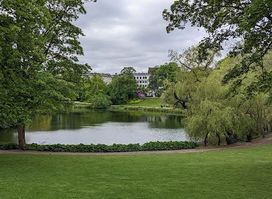
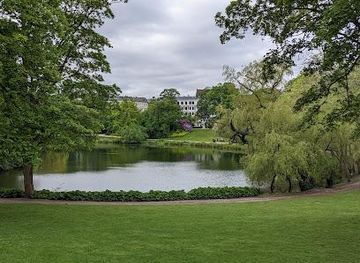
Ørstedsparken is a lush 19th-century park wrapped around a former fortification moat in the very heart of Copenhagen. Centered on a curving lake once part of the city’s defensive ramparts, it blends sweeping lawns, mature trees, sculptures and winding paths with two popular playgrounds and a cozy lakeside café. Locals come here to jog, picnic, sunbathe and find a quiet moment of hygge just a few minutes’ walk from busy Nørreport and the historic inner city streets.
A brief summary to Ørstedsparken
- Nørre Voldgade 1, Copenhagen, Indre By, 1358, DK
- Click to display
- Click to display
- Duration: 0.5 to 2 hours
- Free
-
 Outdoor
- Mobile reception: 5 out of 5

Know before you go
Hi, I'm Eve. Here are a few practical things to know before exploring Ørstedsparken.
- Aim for a loop around the lake, then detour up the slopes for the best views across the water and back towards Copenhagen’s rooftops.
- Combine a visit with nearby Torvehallerne: pick up picnic supplies there and enjoy them on the lawns or by the water.
- If you prefer quieter moments, come early in the morning or outside peak summer days when the park is at its most tranquil.
- Families should head to the dedicated playgrounds, which have equipment for different ages and nearby benches for supervising adults.
- Dress for changeable weather; even on cool or breezy days the park can be delightful with the right layers and a warm drink from the café.
Do you manage this location?
Take control to get all the benefits, like improved information, better appearance, and stronger visibility across AI-powered discovery. Learn more
Activate your presenceOther nearby places you may find interesting

Getting There
-
Metro and short walk from central Copenhagen
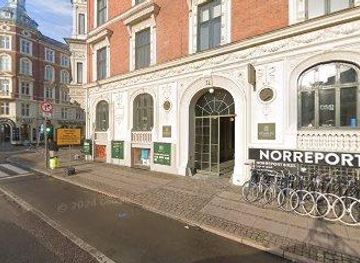
From central Copenhagen, take the M1 or M2 metro line to Nørreport Station, a major hub with frequent services throughout the day. The ride from Kongens Nytorv or Christianshavn is typically 3–5 minutes and costs around 20–25 DKK for a single zone ticket. From Nørreport it is an easy 5–10 minute walk along broad pavements to the park’s edges, suitable for wheelchairs and strollers.
-
City bus connections
Several inner-city bus routes stop near Nørreport and along Nørre Voldgade, placing you within a few minutes’ walk of Ørstedsparken. Travel times from districts like Vesterbro or Østerbro are usually 10–20 minutes depending on traffic, with single tickets in the 20–25 DKK range. Buses run frequently during the day and early evening, though late-night services can be less regular.
-
Cycling within Copenhagen
For a classic Copenhagen experience, use the city’s extensive cycle lanes to reach Ørstedsparken. From areas such as Vesterbro, Christianshavn or Østerbro, expect 10–20 minutes of mostly flat cycling. Many hotels and bike shops rent bicycles, often from about 100–150 DKK per day. Bike racks are available around the perimeter of the park, but avoid leaving valuables on your bicycle.
-
Taxi or rideshare from the wider city
Taxis and licensed rideshare services can drop you along Nørre Voldgade or nearby streets, just outside the park. Journeys from neighbourhoods like Amager, Sydhavn or Nordhavn usually take 10–25 minutes depending on traffic. Typical fares within central Copenhagen range from about 120–250 DKK; prices increase at night and on weekends. This option is the most convenient for travellers with limited mobility or heavy luggage.
For the on-the-go comforts that matter to you
-
 Restrooms
-
 Drink Options
-
 Drinking Water
-
 Food Options
-
 Seating Areas
-
 Sheltered Areas
-
 Trash Bins
-
 Information Boards
Discover more about Ørstedsparken
From City Ramparts to Green Refuge
Ørstedsparken stretches along the line of Copenhagen’s old fortifications, where earthworks and moats once defended the city until the mid-19th century. When the ramparts were dismantled, the city seized the chance to create a chain of parks and lakes; Ørstedsparken was inaugurated in 1879 as part of this visionary transformation. The central lake still follows the curve of the former moat, its irregular shoreline and steep grassy embankments hinting at a more martial past.The park is named after Hans Christian Ørsted, the Danish physicist who discovered electromagnetism, and it reflects the era’s fascination with both science and romantic landscape design. Rather than rigid avenues, paths meander, viewpoints are carefully framed and plantings are layered to create a sense of depth and discovery. Even though the city has grown up around it, the moment you step through the gates the atmosphere shifts from urban bustle to cultivated calm.Lakeside Strolls and Everyday Hygge
The lake is the park’s quiet star. Broad paths loop around the water, crossing small bridges and skirting sheltered coves where ducks, swans and the occasional turtle bask or glide between reeds. Benches dot the shoreline, inviting you to linger over reflections of willows, brick façades and church towers beyond the trees. In spring, flower beds edge the paths with color; in summer the lawns fill with people reading, chatting or simply stretching out in the sun.Early mornings bring joggers and dog walkers tracing the circuit, while later in the day the park slows to a gentler rhythm of strolling couples, friends with takeaway coffee and students revising under the trees. The compact size makes it an easy loop, but the curving paths and varied planting keep it interesting, rewarding those who wander off the main route with quieter pockets and unexpected views back across the lake.Playgrounds, Picnics and Social Corners
Ørstedsparken has long been associated with play: it once hosted Copenhagen’s first public playground, and today two modern playgrounds continue that legacy. Slides, swings and climbing structures attract families throughout the day, and the soft surfaces and enclosed areas make them welcoming for younger children. Nearby lawns become informal picnic grounds, with blankets spread out and prams parked under the trees.On warm days the park turns into an open-air living room. Groups gather with portable speakers, board games or a simple bag of pastries, always with room left on the grass for anyone else to join the scene. There is space for a casual kick-about, yet the sloping terrain and planting help disperse people so the park rarely feels overwhelming. Even if you come alone, Ørstedsparken has an easy, shared atmosphere that makes it a comfortable place to linger.Sculptures, Stories and Subtle Details
Beyond its greenery, the park is dotted with statues and monuments that add a slightly theatrical note. Classical figures, including Greek gods, appear amid the shrubbery, some dramatically posed on plinths along the paths. They lend the park a hint of 19th-century romanticism, where art, nature and urban life were meant to blend into a single promenade experience. Small viewpoints and platforms over the lake, as well as tucked-away corners under old trees, reveal how carefully the landscape was composed.The planting is diverse, with both native and ornamental species, so the park changes character through the seasons. Spring blossoms give way to dense summer shade, then to autumn color mirrored in the water. Even in winter, the outlines of the embankments and bare branches highlight the underlying structure of the old fortifications. Subtle details—an ornate lamp post here, a curved railing there—reward a closer look.A Central Pause Between City Highlights
One of Ørstedsparken’s great strengths is its location. Sandwiched between busy streets near Nørreport, the food halls at Torvehallerne and major cultural sights like the Botanical Garden and Rosenborg Castle, it functions as a green breathing space in the middle of a packed itinerary. Many people drop in between museum visits or shopping, using the park as a reset button before heading back into the city.Despite this central position, the park remains essentially a neighborhood space as well as a visitor-friendly attraction. Its role as a route between nearby squares, markets and universities keeps it animated throughout the day, yet the layering of paths and planting preserves quiet pockets. Whether you come for a brisk walk around the lake, a lunchtime break or an evening of golden light on the water, Ørstedsparken offers a gentle, thoroughly Copenhagen blend of history, design and everyday life.Explore the best of what Ørstedsparken has to offer













More about North Zealand
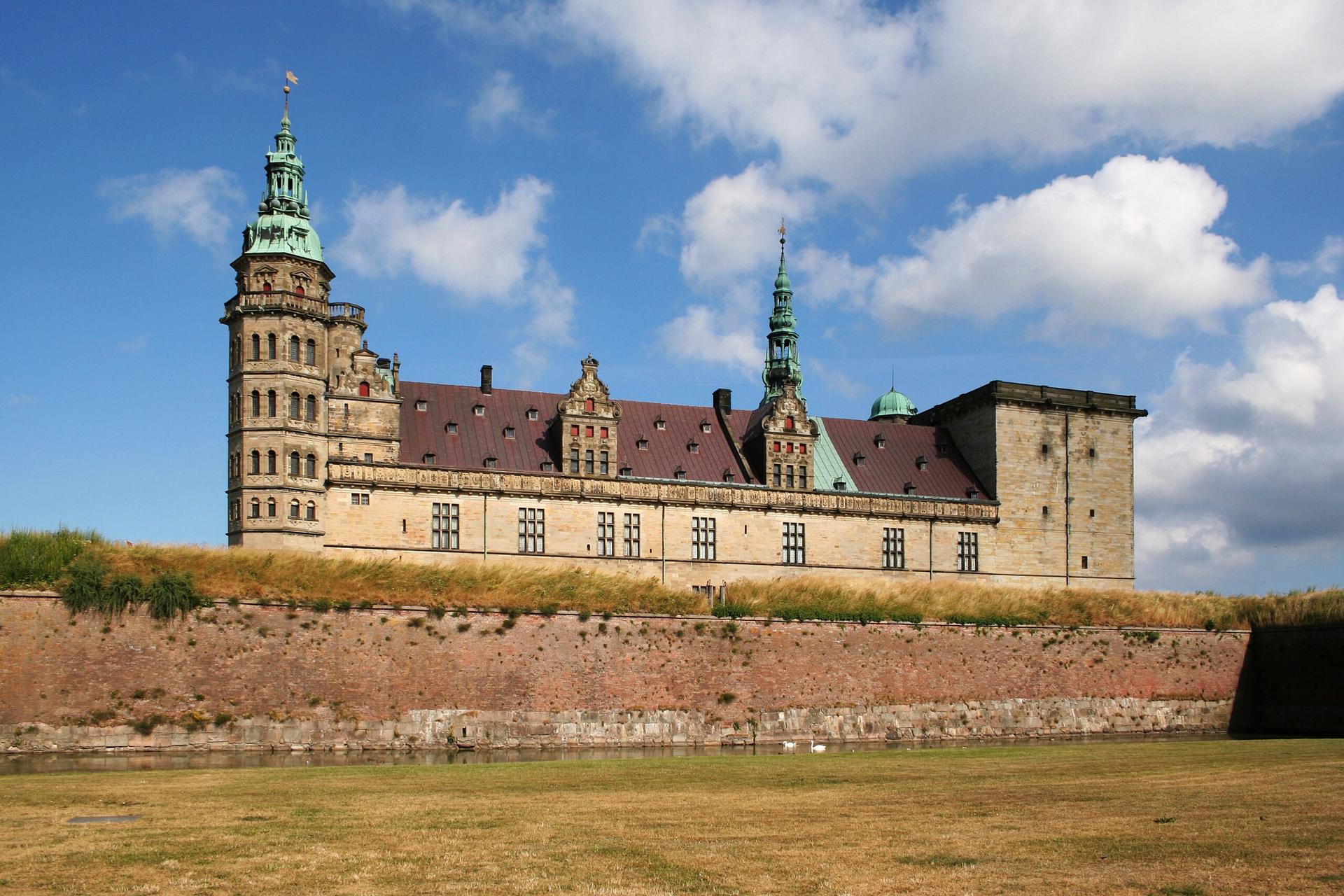
Explore North Zealand, Denmark's enchanting region of castles, beaches, and royal estates, perfect for history buffs, nature enthusiasts, and seaside lovers.
Tell me more about North Zealand