Øksnehallen
Vast former cattle hall turned cultural venue, Øksnehallen blends industrial heritage, daylight-filled architecture and flexible space for major fairs, art shows and events.
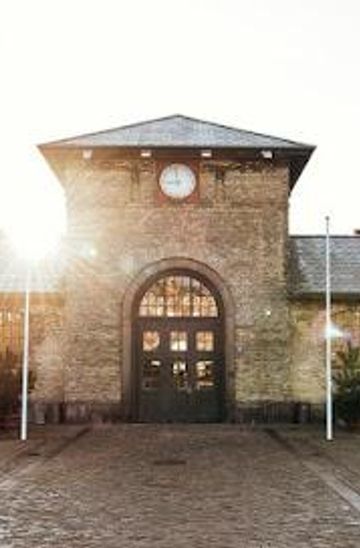
Øksnehallen is a vast, historic exhibition hall in Copenhagen’s Vesterbro district, set just off Halmtorvet and on the edge of the former Meatpacking District. Once a cattle market building, this more-than-century-old brick hall has been transformed into one of the city’s largest and most flexible venues for fairs, design and photo shows, conferences and cultural events. Its 5,000-plus square metres of soaring, pillar-lined space and generous daylight make it a striking backdrop for everything from art to trade shows.
A brief summary to Øksnehallen
- Halmtorvet 11, Copenhagen, København V, 1700, DK
- Click to display
- Click to display
- Duration: 1 to 4 hours
- Mid ranged
-
 Indoor
- Mobile reception: 5 out of 5
- Monday 9 am-4 pm
- Tuesday 9 am-4 pm
- Wednesday 9 am-4 pm
- Thursday 9 am-4 pm

Know before you go
Hi, I'm Eve. Here are a few practical things to know before exploring Øksnehallen.
- Check the event calendar and ticket details in advance; Øksnehallen is only open when fairs, exhibitions or conferences are scheduled.
- Allow extra time before or after your visit to explore the surrounding Meatpacking District, with its galleries, bars and restaurants in former warehouses.
- Wear comfortable shoes: the hall’s concrete floors and the size of the space mean you may be on your feet for long periods during fairs and trade shows.
- Bring layers, as temperatures can vary slightly in such a large open hall, especially during events with frequent door traffic.
- Have cashless payment options ready; most pop-up stalls and cafés at events operate primarily with cards or mobile payments.
Do you manage this location?
Take control to get all the benefits, like improved information, better appearance, and stronger visibility across AI-powered discovery. Learn more
Activate your presenceOther nearby places you may find interesting
Getting There
-
Train and short walk from Copenhagen Central Station
Take any regional, InterCity or S-train service that stops at Copenhagen Central Station, a major hub served frequently throughout the day. From the station, expect a 5–10 minute urban walk on level pavements, suitable for most visitors and wheelchairs. Standard single tickets on local trains and S-trains within the city typically cost around 20–30 DKK, and there is no additional charge to reach Øksnehallen once you arrive at the station.
-
City bus to Halmtorvet area
Several city bus lines run through Vesterbro and stop within a 5–10 minute walk of Øksnehallen near Copenhagen Central Station and Halmtorvet. Buses usually operate every 5–15 minutes during the day and less frequently in the evening. A single bus ticket within Copenhagen generally costs about 20–30 DKK, valid for a limited time window, and low-floor buses provide step-free access, though they can be crowded at rush hour and during major events at the hall.
-
Bicycle from central Copenhagen districts
Cycling to Øksnehallen from inner-city neighbourhoods such as Indre By, Nørrebro or Østerbro typically takes 10–20 minutes, following Copenhagen’s network of segregated bike lanes. Standard city bikes can be rented from numerous shops or bike-share schemes, with typical rental prices ranging from 75–150 DKK per day depending on the provider. The terrain is flat and well-suited to casual cyclists, but extra care is needed around rush hours when bike traffic is dense.
-
Taxi or rideshare within Copenhagen
A taxi or licensed rideshare from most central areas of Copenhagen to Øksnehallen usually takes 5–15 minutes, depending on traffic. Daytime fares from the historic centre commonly range between 80 and 160 DKK, increasing at night and on weekends. Vehicles can drop passengers close to the entrance, which is convenient for those with limited mobility or carrying equipment, but availability may be reduced and journey times longer when large events are taking place nearby.
For the on-the-go comforts that matter to you
-
 Restrooms
-
 Seating Areas
-
 Sheltered Areas
-
 Trash Bins
-
 Information Boards
Discover more about Øksnehallen
From cattle hall to cultural powerhouse
Øksnehallen began life in the late 19th century as a functional backdrop to Copenhagen’s bustling cattle market. Built as part of the brown Meatpacking District, it was designed to stable large numbers of beef cattle before slaughter, with robust brick walls, iron columns and wide aisles that allowed animals and traders to move easily through the space. Its very name alludes to “oxen”, underlining its original purpose.By the 1990s, the industrial era that had shaped this corner of Vesterbro was fading. In connection with Copenhagen’s role as European Capital of Culture in 1996, the former livestock hall was reimagined as a contemporary exhibition venue. Rather than erasing its working past, the conversion preserved the long, basilica-like volume, exposed structure and large skylights, turning a utilitarian shed into one of the city’s most distinctive event spaces.Architecture of light, volume and raw detail
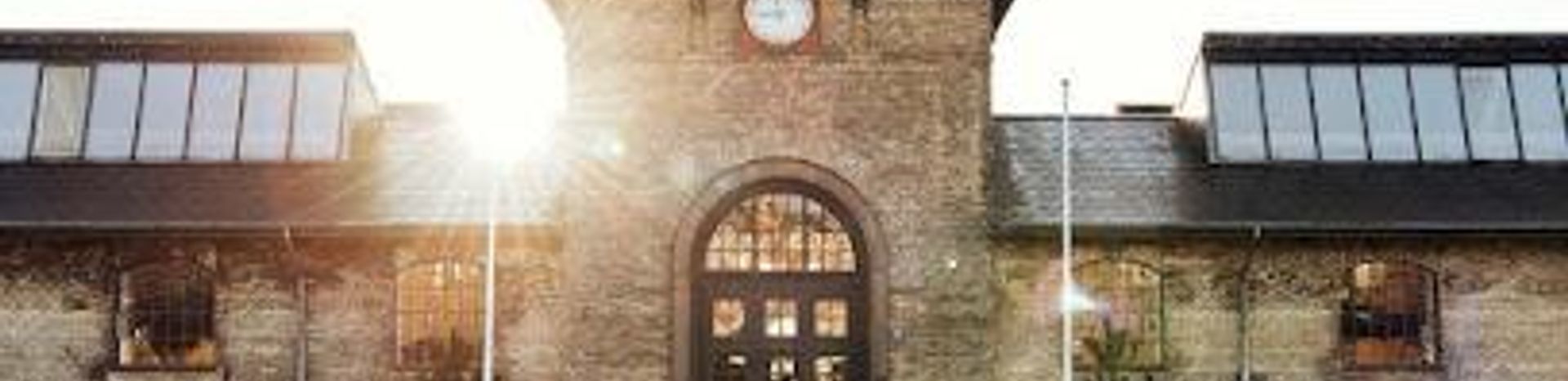
Step inside Øksnehallen and the first impression is sheer scale. The hall stretches out as a single, uninterrupted room of roughly 5,000 to 5,500 square metres, its high roof carried by rhythmic rows of cast-iron columns. Above, bands of skylights flood the interior with soft daylight, reducing the need for artificial lighting and creating an even illumination that suits exhibitions and fairs.The architecture leans into a raw, industrial character: brick walls, visible trusses and concrete floors are part of the aesthetic rather than something to be hidden. This simplicity makes the hall highly adaptable. Lightweight partitions, staging and drapery can carve the vast room into more intimate zones, or it can be left open for large-scale installations, fashion shows or congresses. The flexible infrastructure for lighting, sound and rigging allows organisers to transform the atmosphere from bright trade fair to dramatic performance venue overnight.Life on the edge of the Meatpacking District
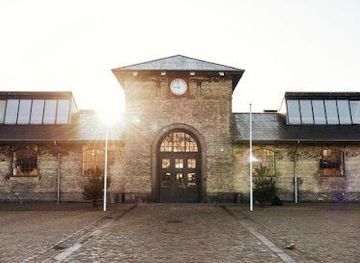
Øksnehallen sits at Halmtorvet, where the older city meets the creative energy of Vesterbro’s former Meatpacking District. Outside the main entrance, a broad urban square opens up, giving the hall a generous forecourt that acts as spillover space during busy events. On fair days you might see queues forming here, food trucks parked at the edges or small outdoor installations hinting at what waits inside.The neighbourhood around the hall still carries strong traces of its industrial roots, with low brick warehouses, cobbled streets and former cold stores now housing bars, restaurants and galleries. Between events, simply wandering around the surrounding blocks offers a sense of how a working meat market has morphed into a cultural and culinary hub. Øksnehallen acts as a kind of anchor in this transformation, a large, still recognisably historic building that bridges past and present.A stage for exhibitions, trade fairs and ideas
Over the years, Øksnehallen has hosted a remarkably varied programme. International photo exhibitions have used the neutral, high-ceilinged space to present large-format images and immersive installations. Design and lifestyle fairs fill the hall with stands and pop-up shops, while food festivals, wine fairs and specialty markets bring stalls, tasting areas and demonstration kitchens under the same roof.The dimensions and central location also make it suitable for congresses, product launches and large company gatherings. With capacity for several thousand people, it can accommodate plenary sessions, parallel talks and networking areas all within the same envelope. During some events, the hall is subdivided with black-box-style stages at one end and brighter exhibition zones at the other, demonstrating just how versatile the layout can be.Visitor experience inside the hall
For visitors, the experience of Øksnehallen changes dramatically depending on what is on the calendar. On some days, the space may be filled with design booths, music and chatter; on others, it becomes a quiet gallery where photographs or installations dominate. Whatever the event, the constant is the powerful sense of volume and the interplay of daylight and structure overhead.Wayfinding is straightforward thanks to the hall’s single, elongated plan. Facilities such as restrooms and basic seating are typically clustered along the sides, leaving the central nave-like space clear. During larger fairs, temporary cafés and lounge areas are often set up within the hall, allowing you to pause and take in the surroundings while remaining immersed in the event.Planning your time at Øksnehallen
Because Øksnehallen functions as a dedicated event venue, access is almost always tied to specific exhibitions, fairs or conferences taking place inside. Some events are ticketed, others free; opening hours vary from daytime-only to late-evening programmes. It is worth checking the current schedule and any entry fees in advance so you can plan how much time to set aside.Once inside, you will likely spend at least an hour exploring even a modest exhibition, and significantly longer if attending a full trade show or conference. Combined with the lively streets and cultural life of Vesterbro and the nearby Meatpacking District, a visit here often becomes part of a wider day spent discovering this reshaped industrial quarter of Copenhagen.Explore the best of what Øksnehallen has to offer













More about Helsingor
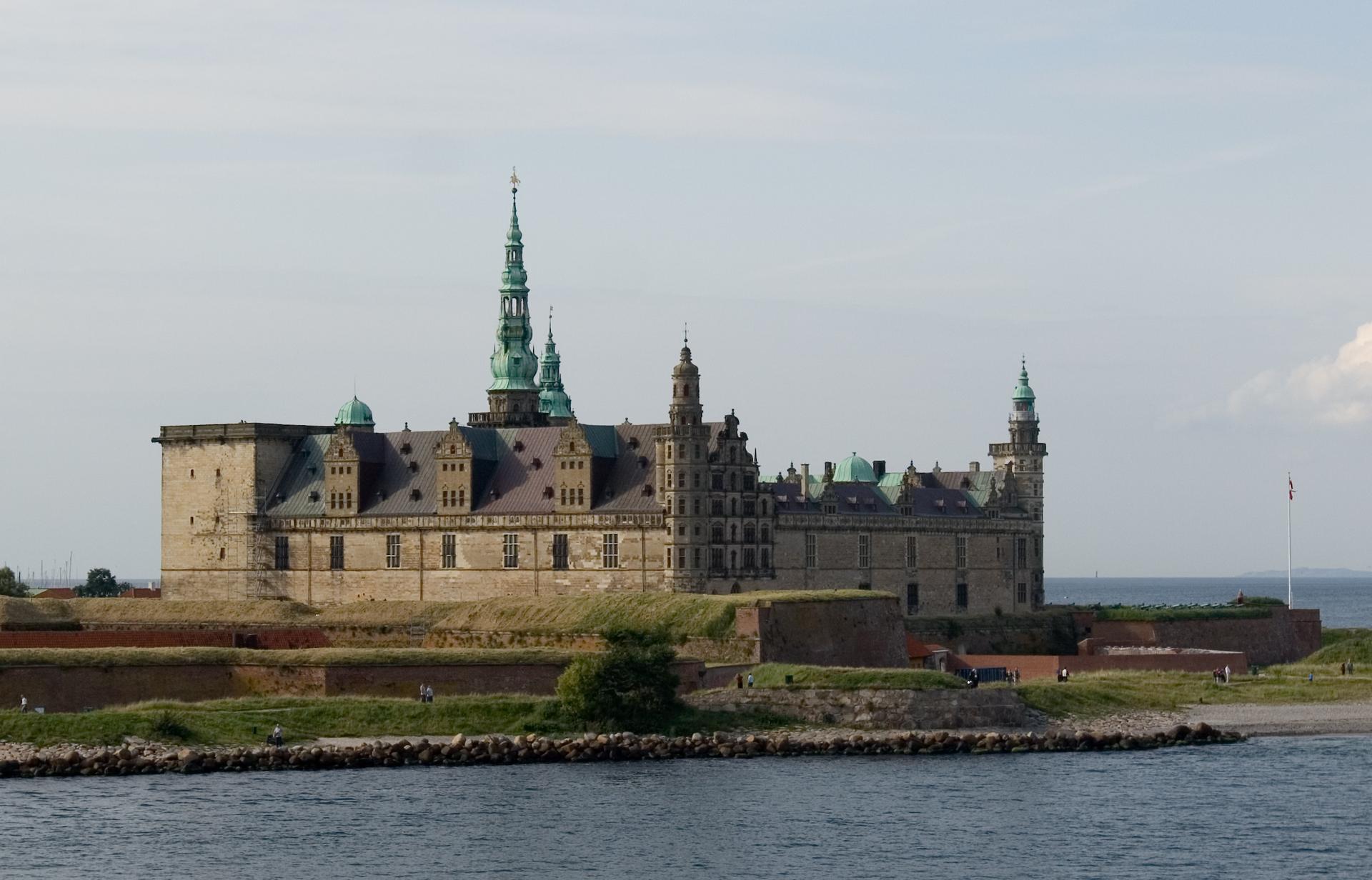
Discover Helsingør, Denmark's historic coastal city, home to Kronborg Castle and a vibrant cultural scene, offering a blend of history, scenic beauty, and local charm.
Tell me more about Helsingor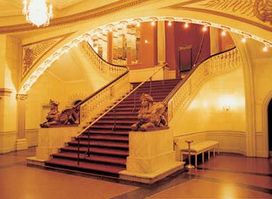
Historic 1908 Belle Époque playhouse on Gammel Kongevej, famed for lavish musical productions, ornate interiors and a lively passageway linking Vesterbro and Frederiksberg.
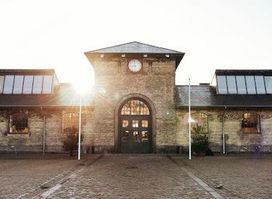
A vast former cattle hall turned industrial-chic exhibition venue, Øksnehallen anchors Vesterbro’s cultural scene with big-scale fairs, art shows and conferences.