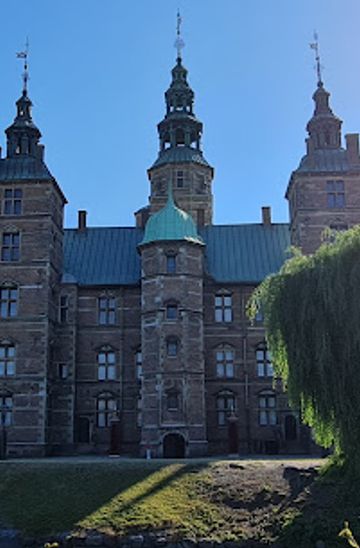
The King’s Garden (Kongens Have), Copenhagen
Copenhagen’s oldest royal park, where Renaissance order, castle views and everyday city life blend into one effortlessly charming green escape.
The King’s Garden, or Kongens Have, is Copenhagen’s oldest and most beloved royal park, wrapped around fairytale Rosenborg Castle in the heart of the city. Laid out in the early 1600s for King Christian IV, it blends formal Renaissance geometry with leafy lawns, sculptures, playgrounds and shaded avenues. Locals picnic on the grass, children explore imaginative play areas, and visitors wander historic paths like the Knight’s and Lady’s Walks, all with castle turrets rising above the treetops. Free to enter and open long hours, it’s an easy, atmospheric escape from the city streets.
A brief summary to The King's Garden
- Øster Voldgade 4A, Copenhagen, Indre By, 1307, DK
- Click to display
- Click to display
- Duration: 1 to 3 hours
- Free
-
 Outdoor
- Mobile reception: 5 out of 5
- Monday 7 am-10 pm
- Tuesday 7 am-10 pm
- Wednesday 7 am-10 pm
- Thursday 7 am-10 pm
- Friday 7 am-10 pm
- Saturday 7 am-10 pm
- Sunday 7 am-10 pm

Know before you go
Hi, I'm Eve. Here are a few practical things to know before exploring The King's Garden.
- Bring a picnic or grab takeaway nearby; there is plenty of lawn space and benches, and picnicking is part of the local garden culture.
- Visit early in the morning in spring or autumn for quieter paths and soft light on Rosenborg Castle and the tree-lined avenues.
- If visiting with children, aim for the central playground area and check seasonal schedules for the Marionette Theatre’s puppet shows.
- Combine your walk with a tour of Rosenborg Castle to see the crown jewels, then return to the lawns for a relaxed break afterwards.
- In winter, confirm current opening hours, as the garden usually closes earlier and some smaller facilities may be shut.
Do you manage this location?
Take control to get all the benefits, like improved information, better appearance, and stronger visibility across AI-powered discovery. Learn more
Activate your presenceOther nearby places you may find interesting

Getting There
-
Metro and short walk from Nørreport Station
From anywhere on Copenhagen’s M1, M2, M3 or M4 metro lines, ride to Nørreport Station, one of the city’s main hubs, which typically takes 5–15 minutes from central districts. A standard single metro ticket within the city zones usually costs around 20–30 DKK. From Nørreport, expect about a 7–10 minute walk on level city pavements to reach the King’s Garden entrances; the route is suitable for strollers and most wheelchairs, though some paths inside the park are gravel.
-
City bus to stops around Øster Voldgade and Kronprinsessegade
Several city bus lines run along the streets bordering the King’s Garden, with typical journey times of 10–20 minutes from central Copenhagen areas depending on traffic. A single bus ticket within the core zones is generally 20–30 DKK, and buses usually operate every 5–15 minutes during the day. Bus stops are within a few minutes’ flat walk of the park gates, making this a good option in poor weather or if you prefer minimal walking.
-
Bicycle from central Copenhagen
Copenhagen’s extensive cycle lanes make biking to the King’s Garden straightforward. From popular central areas such as Rådhuspladsen or Nyhavn, the ride typically takes 5–15 minutes along marked bike lanes. Public bike-share and rental shops usually charge from about 50–150 DKK per day depending on the type of bicycle. Bike racks are available around the park perimeter, but cycling is not allowed on the main interior paths, so be prepared to dismount and walk once you reach the garden.
-
Walking from the historic city center
If you are already exploring central Copenhagen on foot, reaching the King’s Garden is easy. From areas like Strøget or Kongens Nytorv, allow roughly 10–20 minutes’ walk on mostly flat, paved streets. This option costs nothing and lets you enjoy the transition from dense urban streets to open greenery, though in wet or icy conditions some surfaces can be slippery, so sturdy footwear is recommended.
For the on-the-go comforts that matter to you
-
 Restrooms
-
 Drink Options
-
 Food Options
-
 Seating Areas
-
 Sheltered Areas
-
 Picnic Areas
-
 Trash Bins
-
 Information Boards
Discover more about The King's Garden
A Renaissance Garden at the Heart of Copenhagen
Kongens Have, the King’s Garden, spreads out like a green carpet around Rosenborg Castle in central Copenhagen. Created in 1606 for King Christian IV as part of his new summer residence, it was originally a working kitchen and pleasure garden laid out in the Renaissance style, with orderly beds, fruit trees and herb plots supplying the royal table. Today, the castle’s red-brick towers and copper spires still anchor the park, giving every stroll a distinctively royal backdrop.Over four centuries the garden has shifted from private royal domain to democratic city oasis. Yet the underlying geometry remains: diagonal avenues cut across the lawns, hedged compartments structure the space, and sightlines deliberately frame the castle. This combination of formality and openness is what gives the garden its particular character—historic, but never stiff.Tree-Lined Walks, Sculptures and Seasonal Color
One of the garden’s signatures is its straight, tree-lined paths, especially the Knight’s Path and the Lady’s Path, which intersect near the center. Walking beneath these canopies, you pass clipped hedges, rose beds and sculptural groups that recall the park’s aristocratic past. In spring, flowering trees and bulbs bring soft color to the lawns; in summer, dense foliage casts cool shade over benches and gravel avenues.Scattered around the grounds are statues and monuments, from classical figures to more recent works, adding quiet points of interest between the greenery. Formal flowerbeds and meticulously maintained lawns introduce a Baroque order to the scene, while looser plantings and mature trees soften the edges, making the garden feel both carefully curated and comfortably lived-in.Everyday Life: Picnics, Playgrounds and Puppet Shows
Despite its royal origins, the King’s Garden functions very much as Copenhagen’s communal living room. On sunny days the lawns fill with office workers on lunch breaks, students revising under the trees and families spreading out picnics. Bicycles lean against trunks, dogs snooze in the shade and there is a steady hum of conversation, yet the park remains spacious enough to find a quiet corner.For children, the central playground is a highlight, with imaginative structures such as dragons, fairy-tale figures and climbing frames inspired by Danish stories. Nearby, a small café kiosk often serves ice creams and simple snacks, making it easy to linger for an afternoon. In summer, the open-air Marionette Theatre stages free puppet shows, turning a corner of the park into a tiny world of stories and music.Royal Echoes: Rosenborg and Historic Pavilions
Even if you do not step inside Rosenborg Castle itself, its presence shapes the experience of the garden. Views of the moat, bridge and towers constantly reappear as you wander, reminding you that this was once a carefully choreographed royal setting. The alignment of paths and lawns was designed to showcase the building’s façades, creating a series of outdoor “rooms” from which the monarch and guests could admire their surroundings.Elsewhere in the garden you may come across historic pavilions such as the Hercules Pavilion, a decorative structure with sculpted figures and classical details. These buildings add architectural punctuation to the greenery and sometimes host small cafés or seasonal activities, blending heritage with contemporary urban life.Visiting Practicalities and Seasonal Atmosphere
The King’s Garden is a public park with free admission, and its opening hours typically stretch from early morning to late evening, with somewhat shorter hours in winter. Paths are mostly flat and gravelled, making the main routes accessible to wheelchairs and strollers, though lawns can be uneven after rain. Simple facilities such as toilets and seating areas are dotted around, and the surrounding streets provide plenty of options for food and drinks.Season shapes the mood of the garden. Spring brings blossom and fresh green leaves, ideal for quiet morning walks. In high summer the park is vibrant, busy and sun-drenched, perfect for long picnics and people-watching. Autumn wraps the castle and trees in warm golds and reds, while winter strips the scene back to silhouettes of branches and stone, giving Rosenborg and its avenues a stark, almost theatrical beauty.Explore the best of what The King's Garden has to offer













More about North Zealand
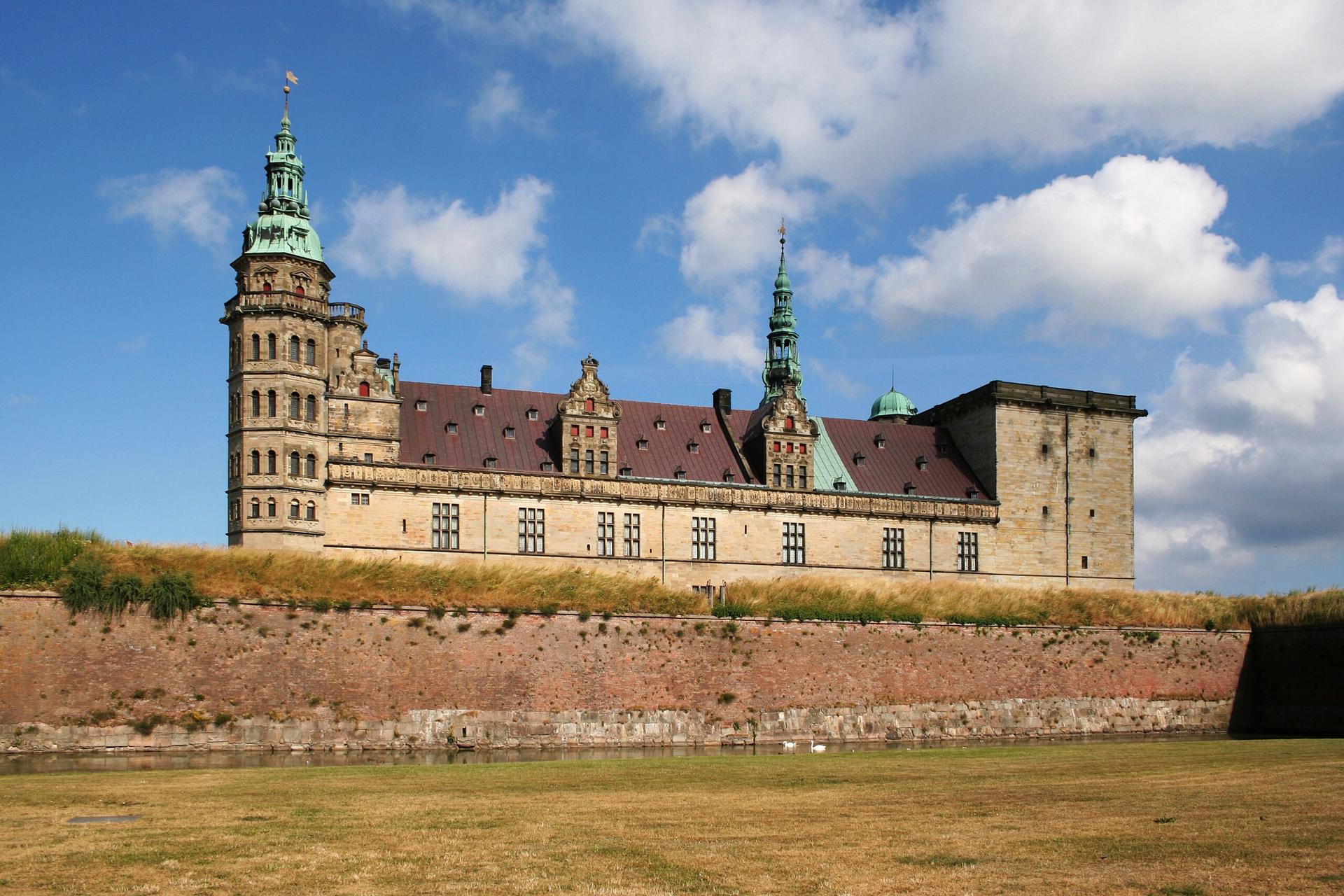
Explore North Zealand, Denmark's enchanting region of castles, beaches, and royal estates, perfect for history buffs, nature enthusiasts, and seaside lovers.
Tell me more about North Zealand