

The David Collection Travel Guide
Free Guide: Scandinavia's premier Islamic art museum, housed in a historic townhouse with free admission year-round.


A brief summary of The David Collection
Scandinavia's premier Islamic art museum, housed in a historic townhouse with free admission year-round.
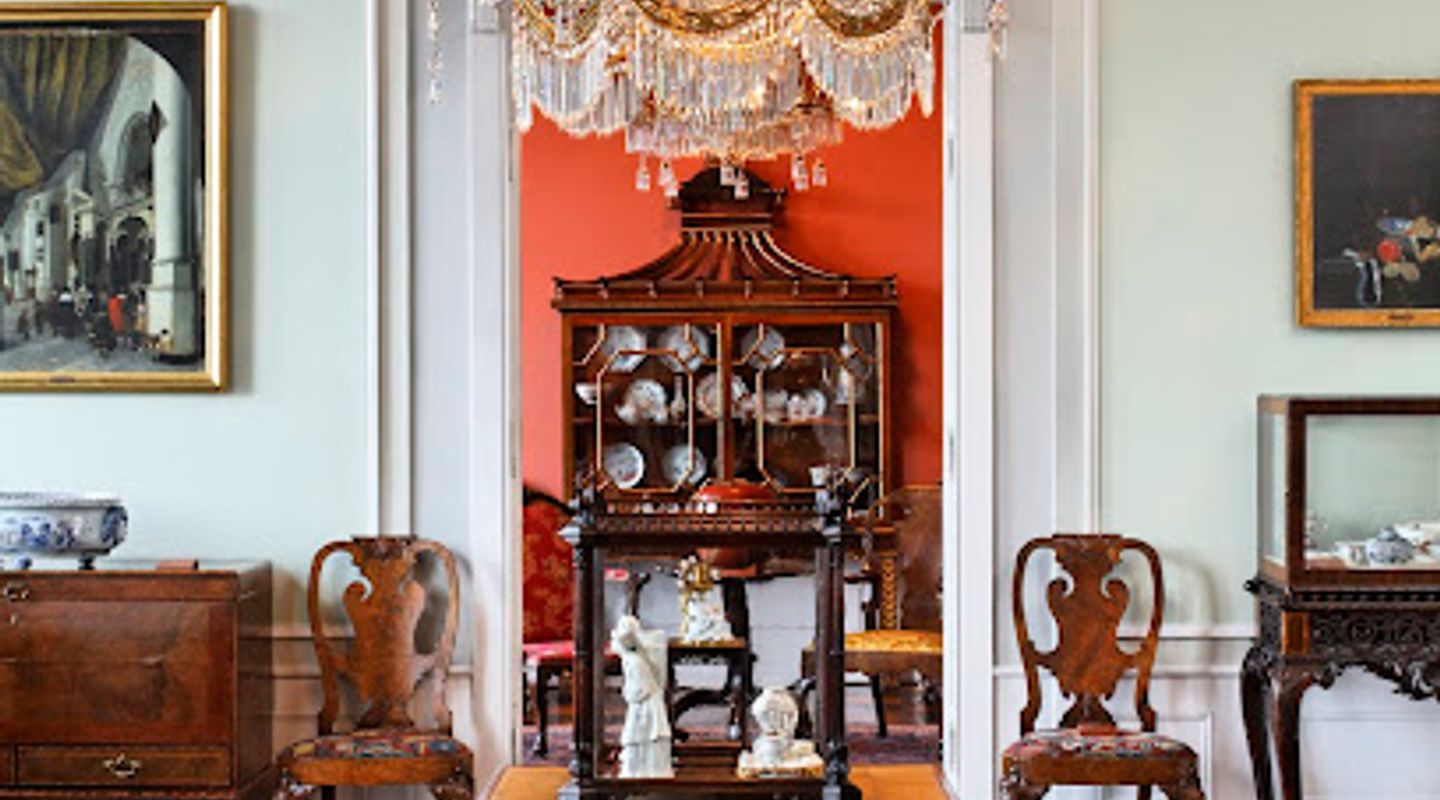
Housed in a historic Copenhagen townhouse opposite Rosenborg Castle, The David Collection is one of Scandinavia's most significant art museums and home to the Western world's most comprehensive collections of Islamic art. Founded by lawyer and philanthropist C.L. David, the museum showcases over 4,000 Islamic artworks spanning from the 7th to 19th centuries, alongside refined European 18th-century decorative arts and Danish early modern paintings. Admission is free year-round, making this world-class institution exceptionally accessible.
On-site amenities
 Restrooms
 Drink options
 Food options
 Seating areas
 Information boards
Opening hours
- MonClosed
- Tue10 am–5 pm
- Wed10 am–9 pm
- Thu10 am–5 pm
- Fri10 am–5 pm
- Sat10 am–5 pm
- Sun10 am–5 pm
Opening hours as listed on the venue’s Google Business Profile. Hours can change for services and special events, so check with the venue before you go.
- Address
- Kronprinsessegade 30, 1306 København
- Phone
- Website
Getting there
Metro and Walking
Bicycle
Bus
Walking
Discover more about The David Collection
A Visionary Collector's Legacy
The David Collection emerged from the passion and foresight of Christian Ludvig David, a prominent Copenhagen lawyer and businessman born in 1878. David acquired the townhouse at Kronprinsessegade 30 in 1917, positioning it directly opposite the royal Rosenborg Castle in the heart of the city. Initially, he made his growing collection available to the public on the upper floors of his private residence. A bachelor who never married, David devoted himself entirely to art acquisition, guided by directors of the Danish Museum of Art and Design who gradually introduced him to Islamic art—a field that had attracted little scholarly attention in Denmark at the time. Upon his death in 1960, David bequeathed his entire estate, including the townhouse and his collections, to a private foundation bearing his name. This act of cultural generosity transformed a private passion into a public treasure, ensuring that future generations could access one of the world's finest art collections without financial barrier.
The Islamic Art Collection: A Global Perspective
The Islamic collection has grown to become the museum's most prominent and internationally significant holding, with over 4,000 objects representing the entire classical Islamic world. The collection spans geographically from Spain in the west to India in the east, and chronologically from shortly after Islam's emergence in the 7th century through the 19th century. This exceptional breadth encompasses all artistic media and decorative traditions: intricate textiles and carpets, masterful calligraphy and miniature paintings, metalwork inlaid with precious metals, weapons of extraordinary craftsmanship, and jewelry of refined elegance. The collection's comprehensiveness reflects the diversity and richness of Islamic cultures across centuries and continents, showcasing how rival dynasties and princely patrons fostered artistic innovation along the great trade routes. Today, this collection ranks among the top ten most important Islamic art assemblies in the Western world and stands as Scandinavia's most significant holding in its field.
European Refinement and Danish Artistic Vision
The first and second floors of the museum display the European collection, featuring exquisite 18th and 19th-century artworks presented in original period interiors. Fine furniture, French and German porcelain, Danish faience, and silverware reflect the aesthetic sophistication of the era. The collection also includes paintings by Danish, Dutch, and French masters, offering insight into the artistic currents that shaped European taste during the Enlightenment and Romantic periods. The second floor also houses the Danish early modern collection, a smaller but carefully curated group of paintings, sculptures, and ceramics created by Danish artists between approximately 1880 and 1950. Works by Theodor Philipsen, Jens Ferdinand Willumsen, L.A. Ring, and Vilhelm Hammershøi represent the pinnacle of Danish artistic achievement during this transformative period. Notably, almost all Danish artworks were acquired personally by C.L. David himself, reflecting his deep commitment to supporting contemporary Danish creativity.
Architectural Distinction and Museum Design
The building itself merits attention as a work of architectural heritage. The top floor features three rooms finished in neo-classical style with coffered ceilings, tall panels, and patterned parquet floors—woodwork that continues to captivate visitors. Remarkably, this wood originates from King Christian VI's dock, which was dismantled in 1918, lending historical resonance to the very structure that houses the art. In 1928, renowned architect Kaare Klint designed two exhibition rooms for the porcelain collection, with walls of Douglas fir and display cases crafted in Rudolf Rasmussen's workshop. These rooms now exclusively serve the Islamic collection, their intimate scale creating an ideal environment for contemplating precious objects. The museum's layout encourages visitors to follow a natural trail through the townhouses, creating a sense of discovery as one moves through interconnected galleries.
Access and Contemporary Engagement
The David Collection remains free to all visitors throughout the year, a remarkable commitment to public access that distinguishes it in expensive Copenhagen. The museum offers tablet-based audio guides in English that provide detailed information about objects in the Islamic collection, enhancing understanding without overwhelming the intimate gallery spaces. The institution continues to evolve, hosting temporary exhibitions that contextualize its permanent holdings—recent and upcoming exhibitions explore connections between Islamic art and contemporary design, as well as the influence of Ottoman Constantinople on 19th-century Danish artists. The museum's location within the Parkmuseerne museum district, adjacent to the royal gardens and Rosenborg Castle, positions it within a broader cultural landscape that rewards extended exploration.
Evendo Review Centre
 Google
Guest reviews
Best time to go
Quietest: Jan, Feb & Dec · before 10am or at 6pm
Busy times are Evendo estimates for a typical year, to help you plan. Actual crowds vary with events, school holidays and the weather.
Explore The David Collection on the map
A handpicked selection of must-see spots near The David Collection, mapped for you.
Get your free copy of our complete guide to The David Collection, delivered straight to you.
Everything on this page, from opening hours and how to get there to Eve’s tips and the best time to go, in one PDF you can read offline, print or share.
Already have an account? Sign in
Your The David Collection guide is ready.
We'll send it to · Not you? Sign out

Getting your guide ready…
We are putting together a fresh copy of the The David Collection guide. This can take up to a minute.
This can take a few moments. If your browser asks, choose Allow so the download can start. You'll find the guide in your Downloads folder.
Nothing happened? Download it again
Sorry, the guide is taking longer than usual. Please try again in a minute, or get it by email instead.
Unlock the best of The David Collection
Skip-the-line tickets, guided tours with entry, and walking tours of the area, booked in a few clicks.


Other nearby places you may find interesting
The closest places of the same kind, if this one is not quite what you had in mind.
-
-
-
-
-


Swipe for more places
More to explore near The David Collection

 Best experiences near The David Collection
 Best hotels near The David Collection
 Best landmarks near The David Collection
 Best attractions near The David Collection
 Best shops near The David Collection
 Best restaurants near The David Collection
 Best bars near The David Collection
Do you manage this location?
Take control to get all the benefits, like improved information, better appearance, and stronger visibility across AI-powered discovery.
Explore more
Explore more of Zealand
Discover the charm of Zealand, Denmark's largest island, blending vibrant city life in Copenhagen with serene coastal beauty and rich cultural heritage.
Explore Zealand
Explore more of Denmark
Discover Denmark: A perfect blend of history, modern design, and the cozy concept of hygge. Explore vibrant cities, serene landscapes, and world-class cuisine.
Explore Denmark
