
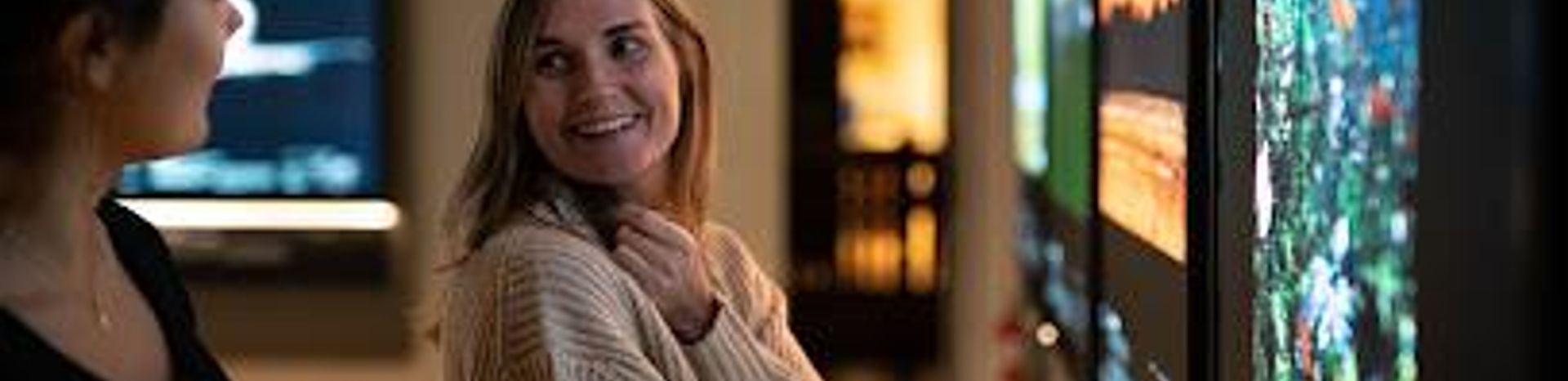
Natural History Museum of Denmark (Øster Voldgade 5–7)
Copenhagen’s national museum for nature, where meteorites, minerals and living gardens connect deep time with the city’s green heart beside the Botanical Garden.
Tucked into the corner of Copenhagen’s Botanical Garden, the Natural History Museum of Denmark invites you into a world of fossils, meteorites, minerals and ever-changing exhibitions on the wonders of nature. Inside the historic building at Øster Voldgade 5–7, you can stand beside a 16‑ton meteorite, wander through glittering mineral halls, and discover how life on Earth has evolved. Linked with the Palm House and Butterfly House in the surrounding garden, it’s a compact but richly layered museum that combines hands‑on science, national collections and striking displays just a short stroll from Nørreport.
A brief summary to Museum of Natural History
- Øster Voldgade 5, 7, Indre By, Indre By, 1350, DK
- +4535322222
- Visit website
- Duration: 2 to 4 hours
- Mid ranged
-
 Mixed
Mixed
- Mobile reception: 5 out of 5
- Tuesday 10 am-5 pm
- Wednesday 10 am-9 pm
- Thursday 10 am-5 pm
- Friday 10 am-5 pm
- Saturday 10 am-5 pm
- Sunday 10 am-5 pm
Local tips
- Plan at least two to three hours for the museum itself, then add extra time if you want to explore the Botanical Garden, Palm House and Butterfly House on the same ticket.
- Aim for the late afternoon or the extended Wednesday evening opening if you prefer calmer galleries and more space around the major exhibits like the meteorite.
- Bring a light layer: temperatures vary between the air‑conditioned mineral halls, the main museum spaces and the warm, humid climate inside the Palm House.
- Check current temporary exhibitions in advance; themes change regularly and can influence how much time you spend on each floor.
- Combine your visit with nearby Nørreport’s cafés and shops, using the museum as a cultural stop within a wider wander through central Copenhagen.

For the on-the-go comforts that matter to you
- Restrooms
- Drink Options
- Drinking Water
- Food Options
- Seating Areas
- Sheltered Areas
- Trash Bins
- Information Boards
- Visitor Center
Getting There
-
Metro and S‑train via Nørreport Station
From anywhere in central Copenhagen, take the metro (M1, M2, M3 or M4) or an S‑train line to Nørreport Station, which is a major hub roughly 10 minutes’ ride from Kongens Nytorv or the main station. Trains and metro services run every few minutes throughout the day, with reduced but regular frequency in the evening. A standard two‑zone ticket costs around 20–30 DKK depending on your exact start point, and the station is within a short, level walk of the museum entrance, making this the most convenient option in most weather.
-
City bus to Øster Voldgade area
Several city bus routes serve the streets around the Botanical Garden, typically taking 10–20 minutes from City Hall Square or similar central stops, depending on traffic. Expect to pay roughly 20–30 DKK for a single ticket valid across buses, metro and S‑trains. Buses can be a good choice if you prefer to avoid stairways and escalators, though journey times vary at rush hour. Most buses stop on relatively flat streets, but you should allow extra time if travelling with a stroller or wheelchair due to occasional crowding.
-
Cycling through central Copenhagen
Copenhagen’s extensive cycle lanes make it straightforward to reach the museum by bike from districts such as Vesterbro, Nørrebro or Østerbro in about 10–20 minutes. You can use a city bike scheme or standard rental, with daily rates often starting around 100–150 DKK. Dedicated bike lanes run close to the Botanical Garden, and there is bicycle parking near the museum. Surfaces are mostly flat, but be prepared for wet or windy conditions outside summer, and always follow local cycling rules and lights.
-
On foot from inner city landmarks
If you are already in Copenhagen’s historic centre, walking to the museum is a pleasant option. From places like Kongens Nytorv or the pedestrian shopping streets, allow 15–25 minutes at a relaxed pace. The route is generally flat and paved, though cobblestones appear in older sections. This is free and suitable for most visitors with moderate mobility, but it can feel exposed in heavy rain or winter winds, so consider combining it with public transport if the weather is poor.
Museum of Natural History location weather suitability
-
 Any Weather
-
 Rain / Wet Weather
-
 Mild Temperatures
-
 Cold Weather
-
 Hot Weather
Discover more about Museum of Natural History
Nature’s national collection in the heart of the city
The Natural History Museum of Denmark is the country’s main museum for nature, bringing together scientific collections that span minerals, plants, animals and the deep history of our planet. Housed at Øster Voldgade 5–7 on the edge of Copenhagen’s Botanical Garden, it sits in a classical complex that looks out over lawns, glasshouses and treetops rather than busy streets. Inside, the atmosphere blends university seriousness with family curiosity: cabinets of specimens and research stories are balanced by interactive elements and punchy exhibition design. The museum’s role is both to preserve Denmark’s natural heritage and to make global nature feel tangible. You move between rooms that trace ancient seas, Ice Age landscapes and modern biodiversity, all stitched together through clear, bilingual interpretation. Temporary exhibitions rotate through topics such as evolution, climate and specific animal groups, meaning there is usually something new on display even for repeat visitors.Glittering minerals, fossils and a meteorite you can touch
One of the museum’s most distinctive spaces is the Mineral Hall, a vaulted room lined with cases of crystals, gemstones and rocks from around the world. Here the colours alone are a draw: deep blues, sharp greens, rose‑pink quartz and metallic ores laid out like a jeweller’s fantasy. Labels explain how each mineral forms, what it is used for, and what it reveals about the Earth’s interior, turning what could be a simple display into a geology lesson you barely notice you are receiving. Nearby, fossils and skeletons chart the rise and fall of prehistoric life. Dinosaur bones share space with giant marine reptiles and ancient mammals, while smaller cases show delicate plants, shells and insects preserved in stone. The star for many, however, is the immense iron meteorite, weighing around 16 tonnes, that visitors are encouraged to touch. Resting your hand on its pitted surface offers a surprisingly direct connection to outer space and the violent processes that shaped the solar system.Botanical Garden, Palm House and butterflies
Step back outside and the museum’s story continues in the surrounding Botanical Garden, which is part of the same institution. The garden holds Denmark’s scientific plant collection, laid out in themed beds and winding paths that climb gentle slopes and circle a central lake. Even a short wander reveals species from alpine environments, arid regions and old Danish woodland, with discreet signs outlining each plant’s origin and use. Within the garden stands the iconic 19th‑century Palm House, a cast‑iron and glass structure that rises above the trees. Entry is usually linked to your museum ticket within a limited time window, offering a chance to experience a humid, greenhouse micro‑climate filled with towering palms and lianas. In season, the nearby Butterfly House adds another sensory layer, with brightly coloured butterflies moving freely through warm air scented by orchids and tropical foliage.Visiting experience, practical rhythm and seasonal notes
Inside the museum building, the layout is compact enough to navigate without stress. Cloak areas, a shop and a café are clustered close to the entrance, so you can orient yourself before diving into the galleries. The café overlooks the Botanical Garden, making it an appealing pause point between indoor and outdoor exploration. Exhibitions are generally arranged over a couple of levels, with lifts and ramps contributing to step‑free access where needed. The museum usually opens from late morning through the afternoon, with extended hours one evening a week that suit those who prefer quieter galleries. It is commonly closed on most Mondays outside peak seasons, while school holidays and summer months can bring extra opening days and family‑oriented programming. A standard visit ranges from two to three hours indoors, with at least another hour recommended if you plan to stroll the garden, climb the Palm House stairs and linger among the butterflies.Research, future plans and the museum’s next chapter
Beyond the public galleries, the museum functions as a major research hub affiliated with the University of Copenhagen. Behind the scenes, scientists work on everything from DNA studies of Arctic species to the effects of climate change on Nordic ecosystems, often feeding current findings into exhibition storylines. Collections of preserved animals, herbarium sheets and geological samples, some centuries old, underpin this research and are gradually being digitised. In the coming years, the institution is preparing to consolidate its activities in a new purpose‑built complex near Sølvtorvet, still within the Botanical Garden’s orbit. The Øster Voldgade exhibitions are scheduled to close after autumn 2026 as part of this transition, but the broader mission remains the same: to use Denmark’s natural collections to illuminate global environmental questions. For visitors today, that makes a trip here both a snapshot of a museum in transformation and a thoughtful window onto how nature is studied, protected and understood in a changing world.Iconic landmarks you can’t miss

St. Paul's Church
0.6 km
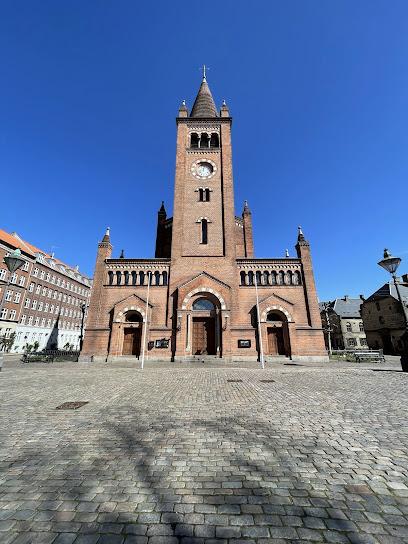
Neo‑Romanesque red brick meets ochre-yellow naval housing at this calm parish church, giving Nyboder a quiet spiritual heart amid central Copenhagen.
Fiolstræde 42
0.7 km
Historic observatory blending astronomy, science education, and star-gazing experiences in a tranquil woodland setting just outside Aarhus' vibrant city center.
Amitylux Tours | Exceptional Guided City Tours
0.7 km
Experience the timeless grandeur of Lund Cathedral, an iconic Romanesque landmark in southern Sweden, renowned for its history, art, and enduring spiritual presence.
Varehuset Messen
0.7 km
A historic 1895 department store turned business college, crowned by Hermes and layered with centuries of mercantile and intellectual history on Købmagergade.

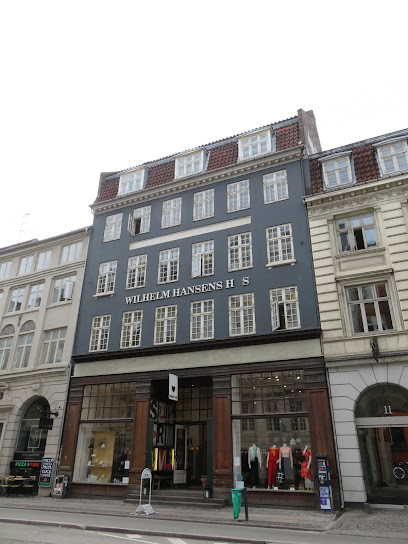
Wilhelm Hansens Hus
0.8 km
Former home of Denmark’s leading music publisher, quietly anchoring Gothersgade’s elegant streets between royal gardens and lively Kongens Nytorv.
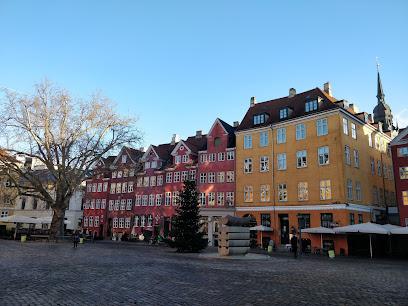
Gråbrødretorv
0.9 km
Medieval square in Copenhagen's Latin Quarter where historic architecture, local cafés, and bohemian charm converge.
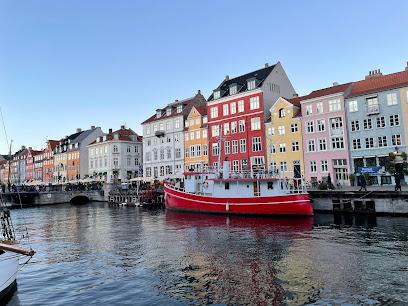
Indre By
0.9 km
Medieval streets, royal palaces, and European shopping converge in Copenhagen's historic heart.
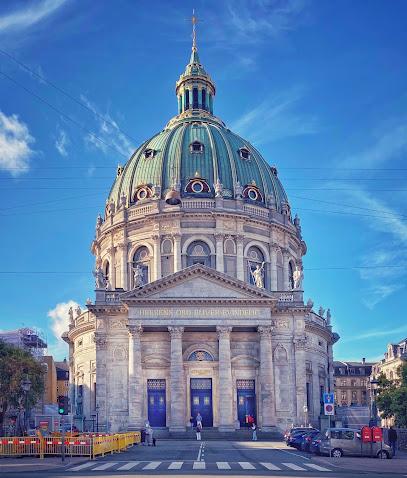
Frederik's Church
0.9 km
Copenhagen's iconic copper-domed masterpiece—a 145-year architectural triumph offering panoramic views and spiritual grandeur.
St. Alexander Nevsky Church
0.9 km
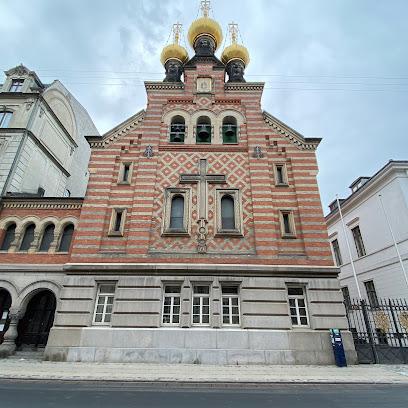
Copenhagen's ornate Russian Orthodox gem with gilded domes and royal heritage near Amalienborg Palace.
Church of Our Lady
1.0 km
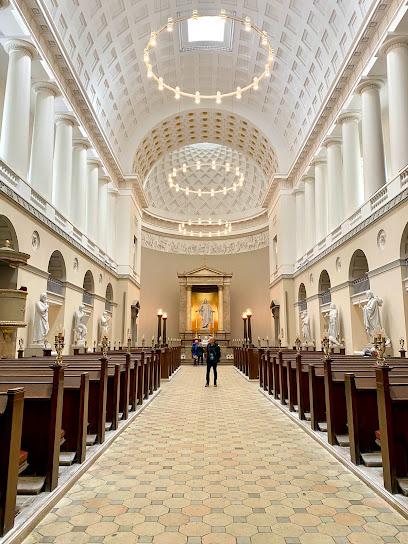
Denmark's neoclassical cathedral, crowned with Thorvaldsen's masterpiece sculptures and centuries of royal ceremony.
Bredgade 18
1.0 km
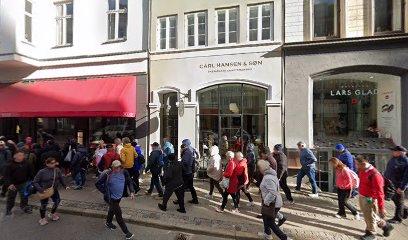
Explore the architectural elegance of Bredgade 18 in Copenhagen's historic Frederiksstaden district.
Kongens Nytorv
1.0 km
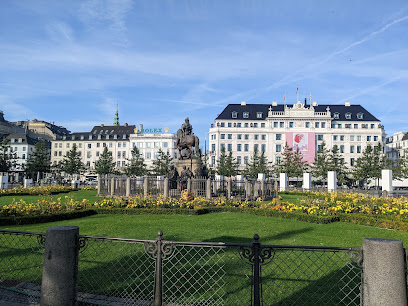
Discover Kongens Nytorv, Copenhagen's historic square, surrounded by iconic landmarks, vibrant culture, and easy access to Nyhavn and Strøget for an unforgettable experience.
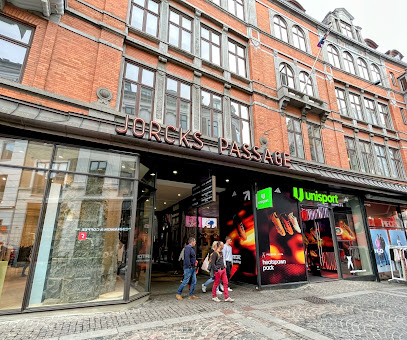
Jorcks Passage
1.0 km
Historic 1890s covered arcade where telephone wires once connected a nation, now a charming shopping passage in Copenhagen's heart.
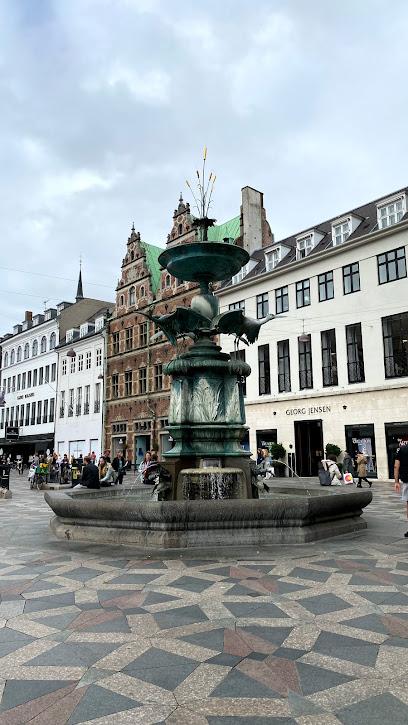
Stork Fountain
1.0 km
A trio of bronze storks, royal history and everyday city life meet at this elegant fountain in Copenhagen’s Amagertorv square on the Strøget pedestrian street.
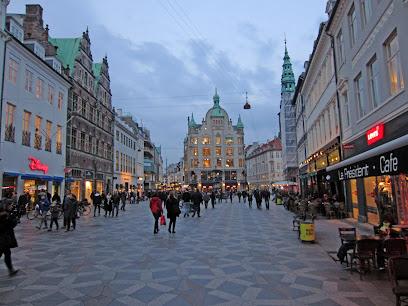
Amagertorv
1.0 km
Aarhus’s University Park blends Danish modernist architecture, lush gardens, and student life into one of the city’s most tranquil and historically significant green spaces.
Unmissable attractions to see

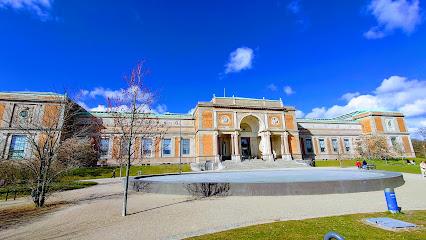
SMK – Statens Museum for Kunst
0.2 km
Denmark’s national gallery, uniting seven centuries of art, a world-class Matisse collection and a luminous modern wing beside Østre Anlæg park in central Copenhagen.
Rosenborg castle
0.2 km
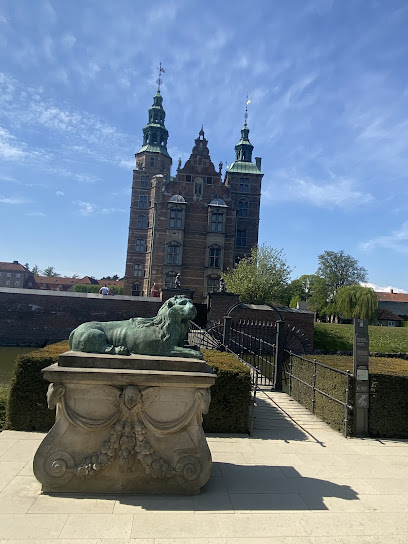
A compact Renaissance palace of kings, crowns and stories, Rosenborg Castle pairs glittering Crown Jewels with tranquil gardens in the very heart of Copenhagen.
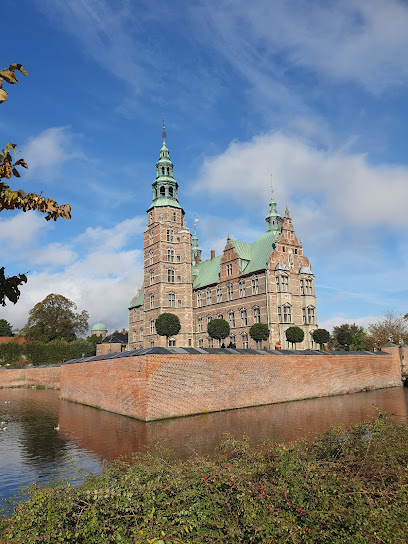
The Danish Natural History Museum
0.2 km
University-based museum of geology, zoology, and botany set beside Copenhagen’s Botanical Garden, linking scientific collections with the living world outside.
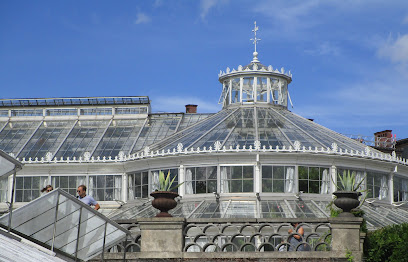
The King's Garden
0.3 km
Frederiksholms Kanal: An evocative canal-side promenade at the heart of Copenhagen, blending royal history, stately architecture, and peaceful city scenes.
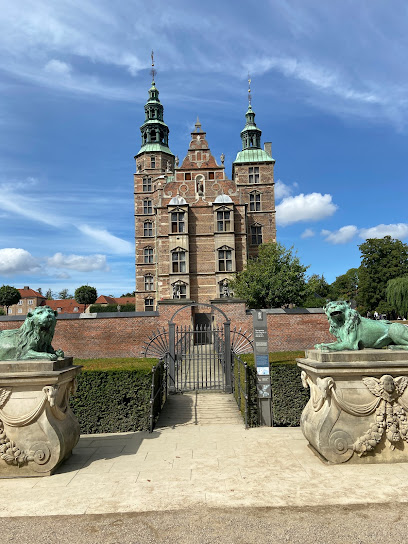
Botanical Garden
0.4 km
Explore Denmark's royal heritage at Rosenborg Castle, home to the crown jewels and set amidst the historic King's Garden in Copenhagen.
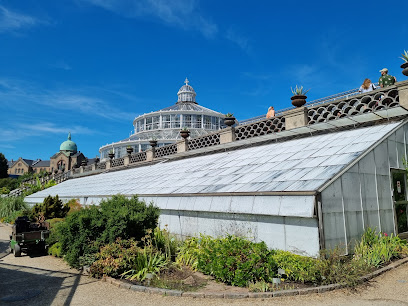
The David Collection
0.5 km
Scandinavia's premier Islamic art museum, housed in a historic townhouse with free admission year-round.
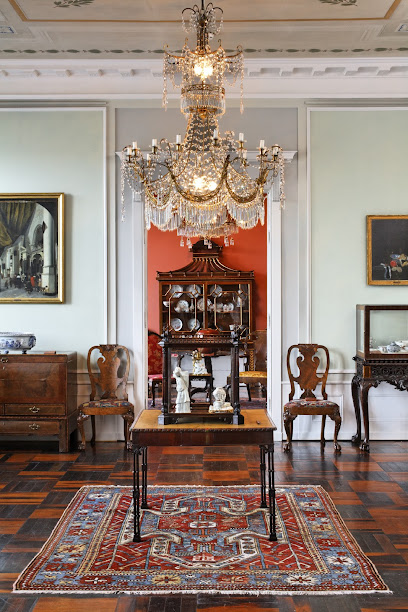
Workers Museum
0.5 km
Step into Copenhagen’s historic Workers’ Assembly Hall and trace 150 years of working-class life, from cramped attic flats and factory floors to activism, cafés and children’s play.
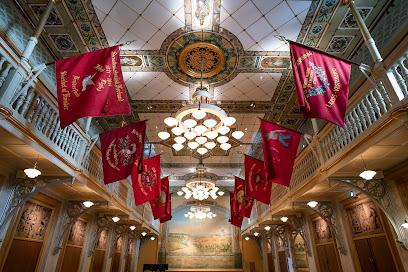
Copenhagen Food Tours - Best-Rated Experiences
0.6 km
Explore Denmark's labor history at The Workers Museum in Copenhagen's historic Workers' Assembly Hall.
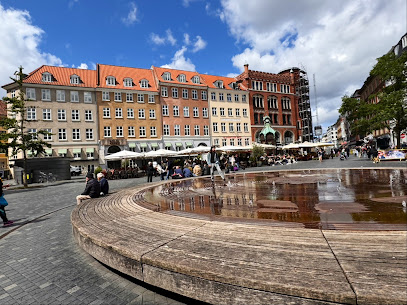
Kultorvet
0.6 km
Historic coal market turned buzzing pedestrian square, where colourful façades, cafés and a modern fountain stage capture everyday Copenhagen life.
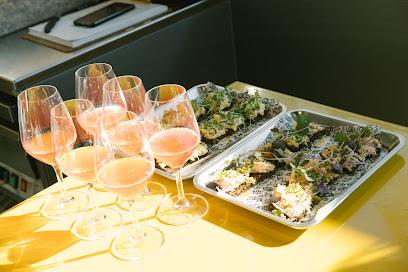
Skaal
0.6 km
A visionary concert hall in Copenhagen, DR Koncerthuset fuses world-class acoustics, avant-garde architecture, and a rich tapestry of live music experiences.
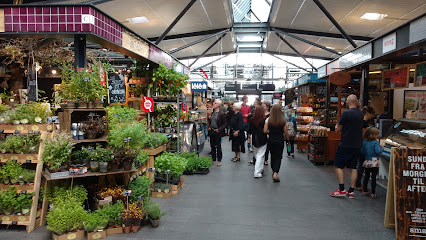
TorvehallerneKBH
0.6 km
Copenhagen’s glass-walled food halls where Nordic produce, global flavours and everyday city life come together in one vibrant urban marketplace.
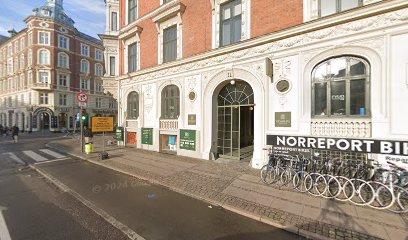
Nørre Voldgade 11
0.6 km
Heritage 19th‑century walls meet modern apartment comfort in a buzzing, hyper‑central corner of Copenhagen’s historic inner city.
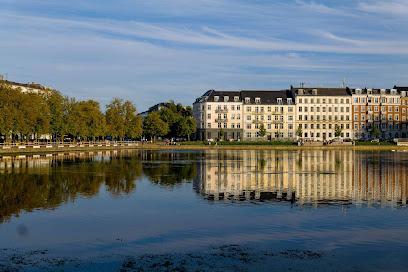
The Lakes
0.6 km
Innovative cocktails and cozy ambiance in Copenhagen's historic heart.
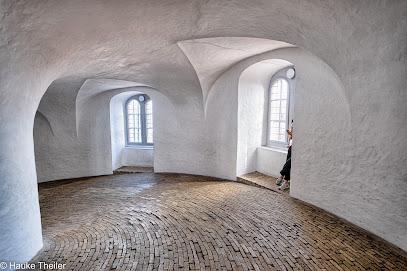
The Round Tower
0.7 km
Experience the living history and regal elegance of Amalienborg Palace, Copenhagen’s iconic royal residence at the heart of Danish tradition and culture.
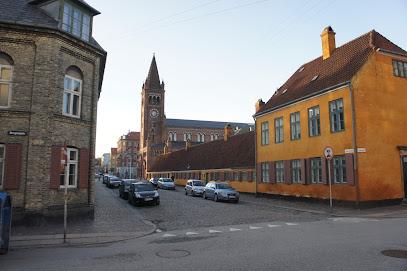
Nyboder
0.7 km
Historic naval home preserving four centuries of Danish maritime family life in a single yellow row house.
Essential places to dine

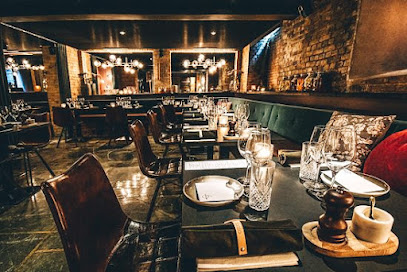
Kokkeriet
0.5 km
Intimate Michelin-starred townhouse in central Copenhagen, reimagining classic Danish cuisine as elegant modern tasting menus with curated wines and juices.
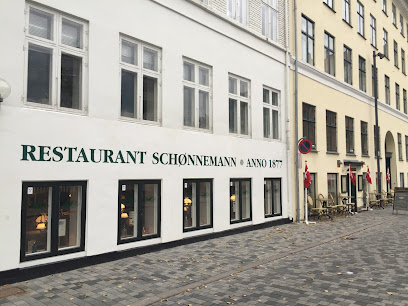
Restaurant Schønnemann
0.5 km
Experience authentic Danish smørrebrød and century-old culinary tradition at Restaurant Schønnemann, a historic Copenhagen institution renowned for its iconic lunch culture.
Selma
0.5 km
Modern Nordic smørrebrød and craft beers in a cozy Copenhagen corner, where a Swedish chef turns the classic open sandwich into refined, Bib Gourmand–worthy plates.
Alouette
0.6 km
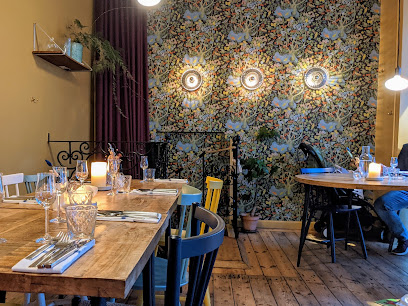
One‑Michelin‑star Green Star dining in a historic Copenhagen townhouse, where hyper‑seasonal Nordic tasting menus meet quietly striking design by the King’s Garden.
ARK
0.6 km
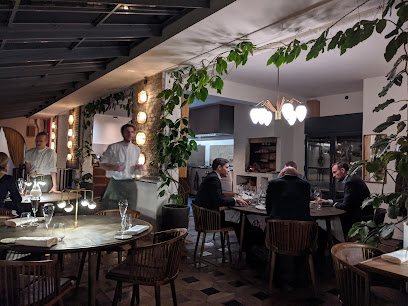
Michelin Green Star vegan fine dining in central Copenhagen, where seasonal Nordic produce, foraging and low-waste philosophy shape an intimate tasting-menu experience.
Restaurant Koefoed
0.7 km
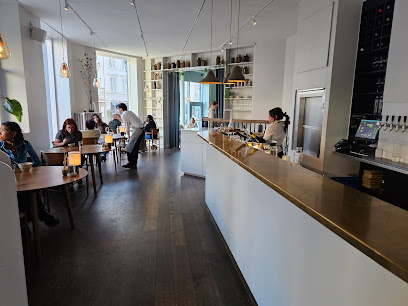
Fine dining in a historic coal cellar celebrating Bornholm's culinary traditions and Danish gastronomy.
Restaurant Grønnegade
0.8 km
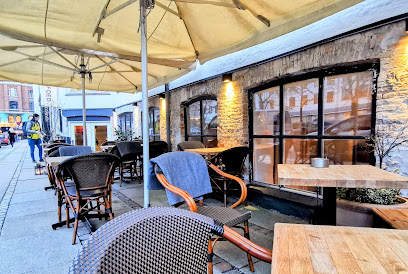
Seasonal Danish‑French fine dining in a 17th‑century Copenhagen townhouse, offering intimate, adults‑only evenings with polished service and thoughtful wine pairings.
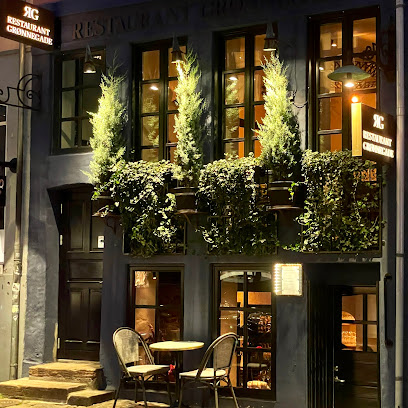
The Olive Kitchen & Bar
0.8 km
Warm brick-and-wood dining room in central Copenhagen serving polished Mediterranean-inspired classics, a four-course menu and easygoing evening cocktails.
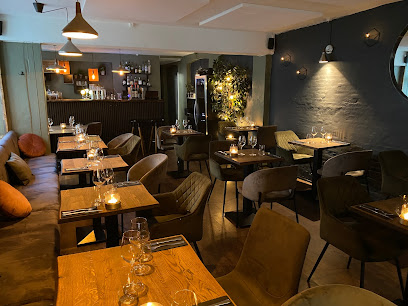
Restaurant Rebel
0.8 km
Seasonal Danish produce meets French technique at this relaxed, MICHELIN-recommended bistro on Store Kongensgade, where an open kitchen and inventive plates define the mood.
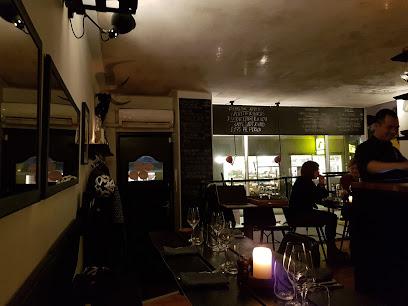
Restaurant Vita
0.8 km
Historic Danish dining in a former royal pharmacy, serving traditional smørrebrød and national classics.
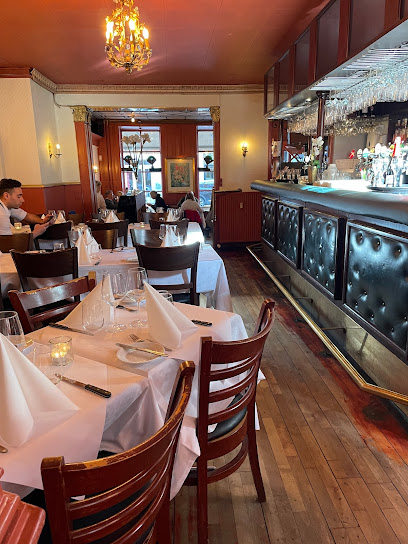
Det Lille Apotek
0.8 km
Copenhagen’s oldest restaurant, where candlelit wooden rooms, traditional Danish dishes and centuries of stories create a warm slice of true Danish hygge.
Høst
0.8 km
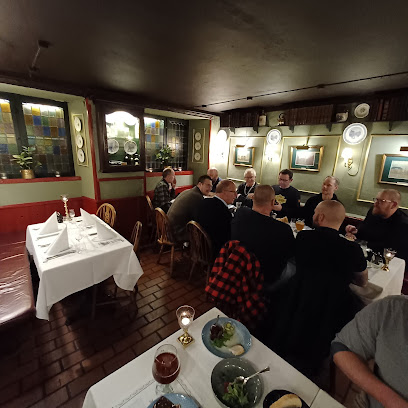
Experience exceptional Scandinavian fine dining at Høst in Copenhagen, where seasonal ingredients meet innovative culinary artistry.
Den Lille Fede
0.8 km
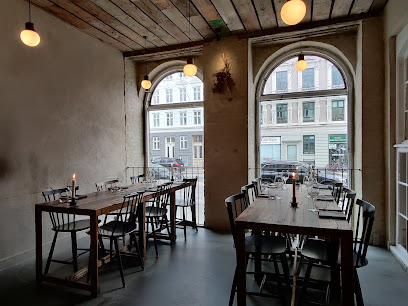
Cosy, candlelit tasting-menu restaurant near Kongens Nytorv, where playful Nordic-inspired courses and thoughtful wine pairings turn dinner into an unhurried evening event.
Restaurant Sole D’Italia - København
0.8 km
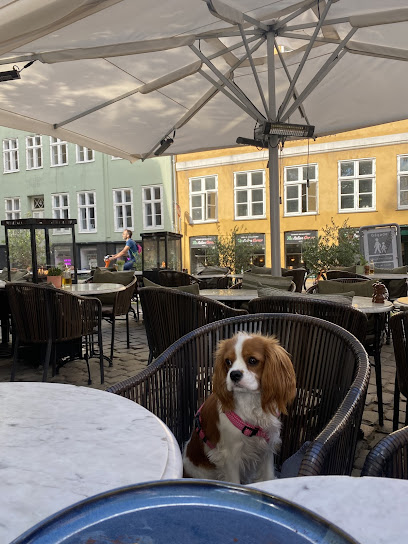
Classic stone-oven pizzas and familiar Italian favourites served on one of Copenhagen’s most atmospheric squares in the heart of the old town.
Frank
0.8 km
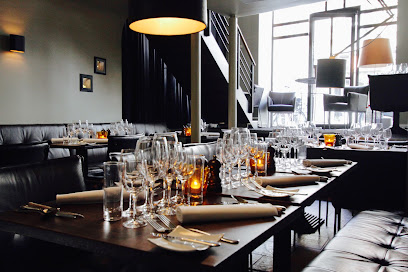
A candlelit Copenhagen luxury bistro where an open kitchen, bold seasonal cooking and an exceptional wine list create an intimate, wine-lover’s evening.
Markets, malls and hidden boutiques

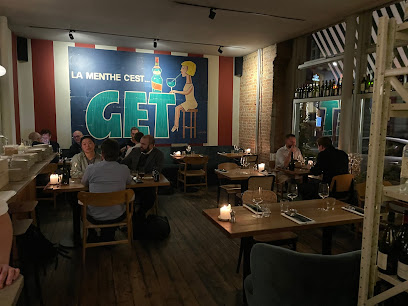
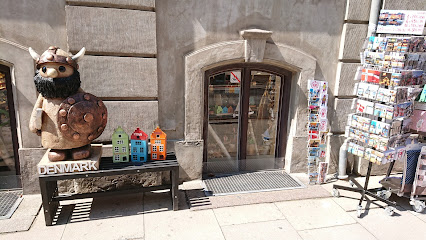
Copenhagen Souvenir & Design World of Memories
0.6 km
Denmark's largest souvenir destination with 2,000+ authentic gifts celebrating Danish design, heritage, and iconic landmarks.
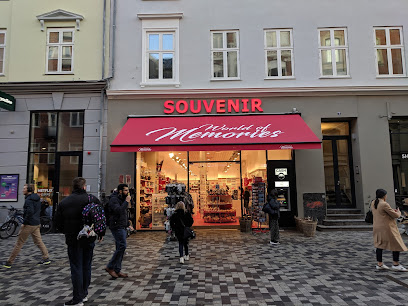
Exotic Mix
0.6 km
Gourmet nuts, dried fruits and chocolate dragées from around the world, served from a colourful family‑run stall inside Copenhagen’s Torvehallerne market.
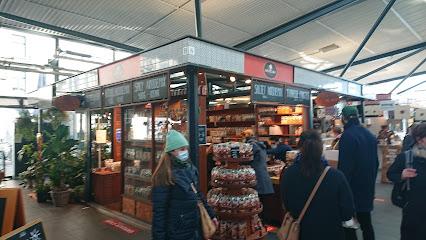
Fjällräven
0.6 km
A compact Fjällräven brand shop on historic Kultorvet, pairing Scandinavian outdoor design with expert gear advice in the heart of Copenhagen’s old town.

Henrik Vibskov Boutique
0.6 km
Step off the cobblestones of Gammel Mønt into Henrik Vibskov’s offbeat fashion laboratory, where avant‑garde silhouettes, artful interiors and curated design collide.
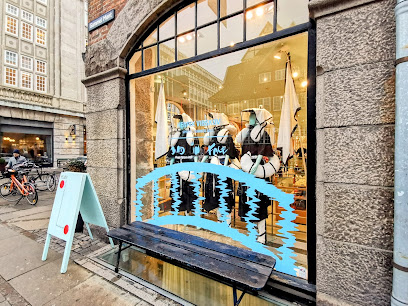
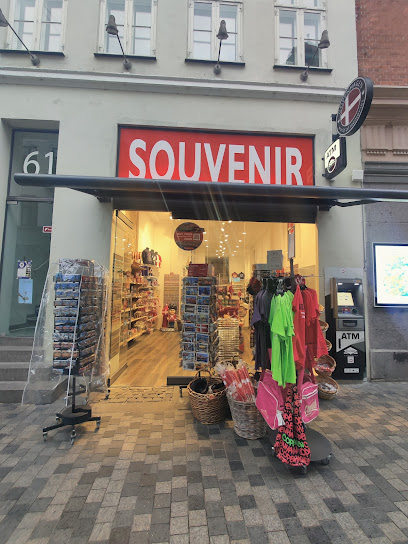
Souvenir Gifts shop
0.6 km
Classic Copenhagen souvenirs in a compact, central shop on historic Købmagergade, perfect for last‑minute gifts and easy-to-pack mementos from the Danish capital.
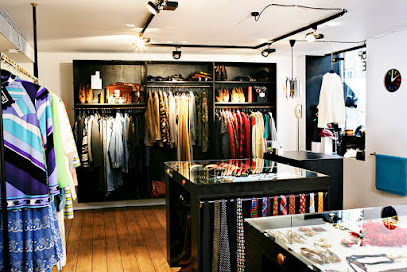
Time's Up Vintage
0.7 km
Discover curated vintage fashion, rare designer finds, and decades of style history at Time’s Up Vintage in Copenhagen’s bustling Indre By.
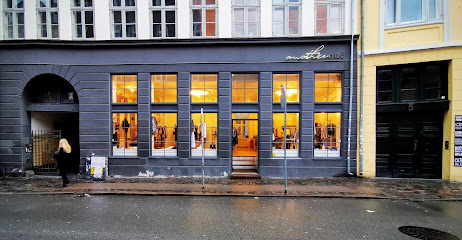
Another nué
0.7 km
A calm, curated Copenhagen fashion boutique where Scandinavian minimalism meets historic Krystalgade in a protected Neoclassical townhouse.
Norse Projects
0.7 km
Scandi-cool flagship store pairing minimalist Nordic design with functional, all-season clothing in a calm, gallery-like space in central Copenhagen.
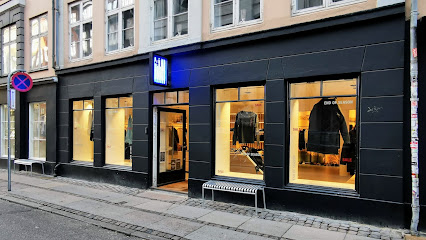
Storm - design art fashion
0.7 km
A pioneering Copenhagen concept store where avant-garde fashion, art, design objects and niche fragrances meet in a minimalist, gallery-like space on Store Regnegade.
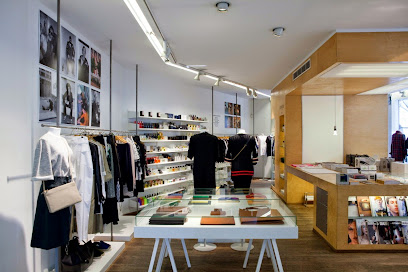
Studio Arhoj
0.8 km
A working Copenhagen design studio where shelves of colorful ceramics and glass meet the sights, sounds and warmth of craft being made in real time.
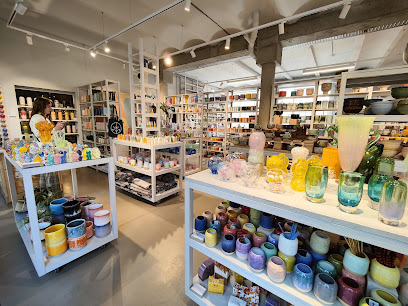
Norse Store
0.8 km
Minimalist Scandinavian fashion and lifestyle boutique in central Copenhagen, offering a curated mix of premium menswear, footwear and design-led essentials.
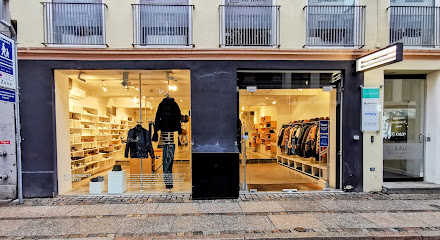
The Wilde Shop
0.8 km
A boutique vintage shop in Indre By, Copenhagen bringing together handpicked retro clothing, sustainable fashion, and curated Scandinavian style in a welcoming setting.
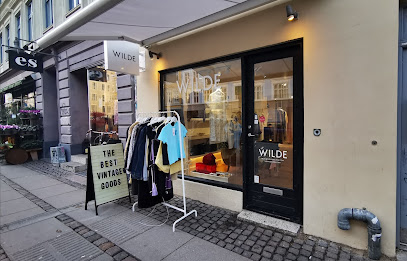
Royal Souvenir Shop
0.9 km
Compact and colourful, Royal Souvenir Shop on Bredgade distils Copenhagen into easy‑to‑pack gifts, from royal guards and Vikings to flags, mugs and playful keepsakes.
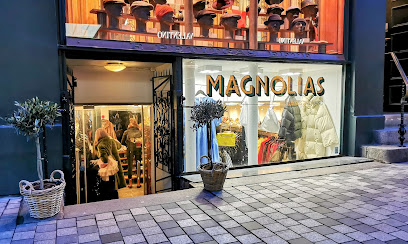
Magnolias
0.9 km
A compact, upscale secondhand boutique on Købmagergade, Magnolias blends Copenhagen chic with curated pre-loved designer fashion in the city’s historic shopping heart.
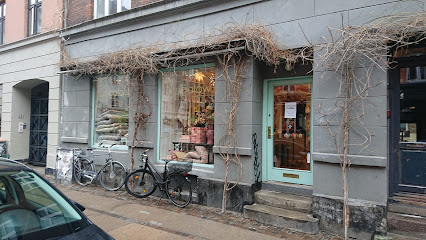
Butik Bungalow
0.9 km
Colorful Danish-Indian design shop in Nørrebro offering hand-printed homeware, unique gifts, and stylish paper goods in a cozy, creative boutique setting.
Essential bars & hidden hideouts

Bootleggers
0.6 km
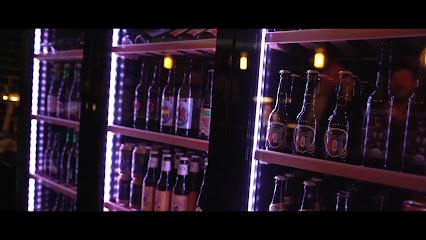
Cosy two‑floor craft beer cellar and speakeasy‑style cocktail bar by Torvehallerne, pouring rotating taps, classic drinks, burgers and bottomless popcorn.
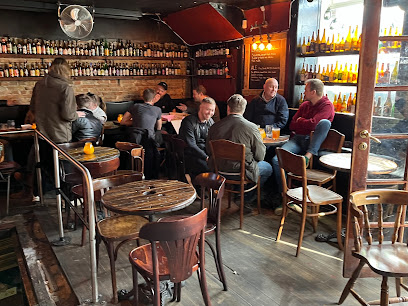
Trykbar
0.6 km
Cosy, central Copenhagen bar with a strong beer list, warm lighting and a laid-back, inclusive atmosphere that blends hygge with lively late-night energy.
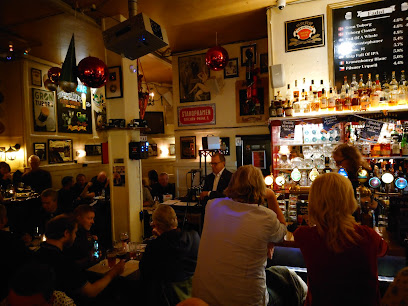
Gejser Bar
0.6 km
Craft cocktails and Mediterranean cuisine in Copenhagen's most welcoming sophisticated bar.
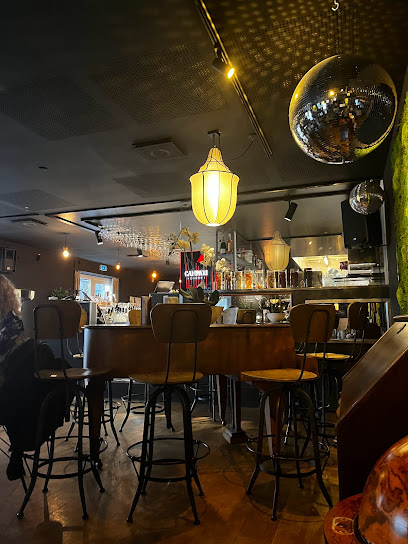
Black Swan
0.7 km
Craft-forward, cosy and unpretentious, Black Swan is Copenhagen’s inner-city local where rotating taps, serious cider and good conversation flow late into the night.
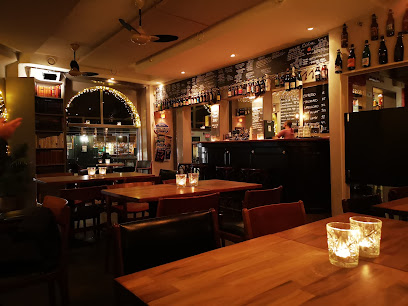
Bo-Bi Bar
0.7 km
Experience the vibrant nightlife of Copenhagen at Bo-Bi Bar, where delightful drinks and a welcoming atmosphere await.
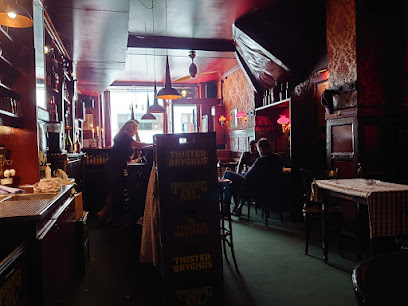
The Globe Irish Pub
0.7 km
Atmospheric Irish pub in central Copenhagen, pouring serious beer and whiskey alongside hearty comfort food, sports screenings and cozy, hygge-tinged corners.
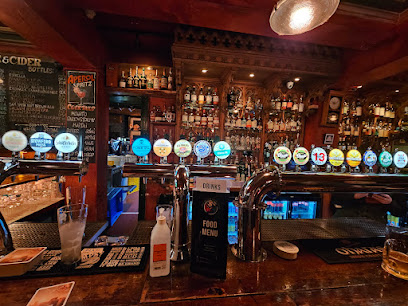
Bar'Vin
0.7 km
Discover the charm of Bar'Vin, a cozy restaurant and wine bar in Copenhagen, offering exquisite wines and delicious Danish cuisine.
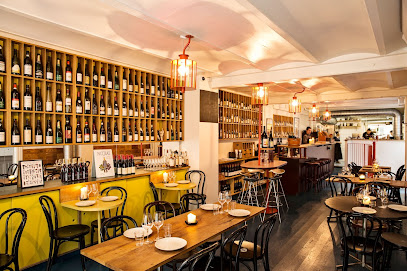
The Moose
0.7 km
Graffiti-plastered walls, infamous moose murals and cheap late-night beers make this smoky Indre By dive bar a gritty, unpolished slice of Copenhagen nightlife.
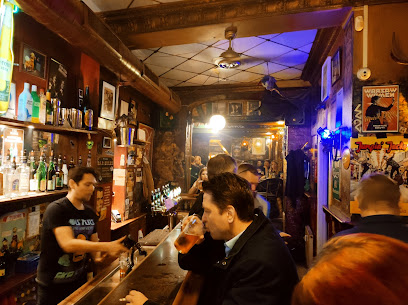
No Stress Bar
0.7 km
Basement cocktail pub in Copenhagen’s historic center mixing dessert-inspired drinks, games, comedy and drag shows into one laid-back, late-night hangout.
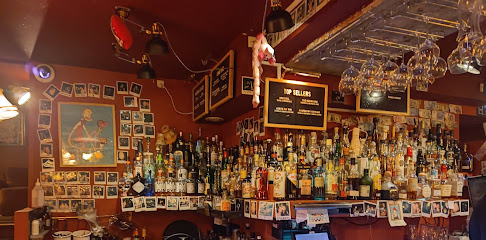
Charlie's Bar
0.8 km
Discover the enchanting atmosphere of Charlie's Bar, a cozy haven in Copenhagen offering a diverse drink selection and a vibrant local vibe.
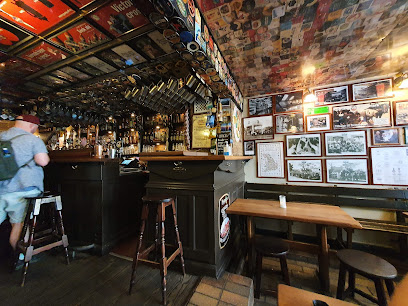
Aloha Beach Bar
0.8 km
Island-inspired cocktails, neon glow and late-night party vibes packed into a compact tropical bar just off Gothersgade in central Copenhagen.
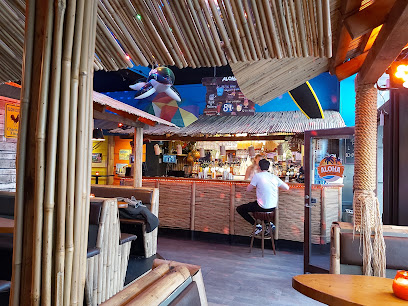
Strøm
0.8 km
Discover Strøm, Copenhagen's chic cocktail bar, blending a vibrant social club atmosphere with exquisite wine selections for an unforgettable night out.
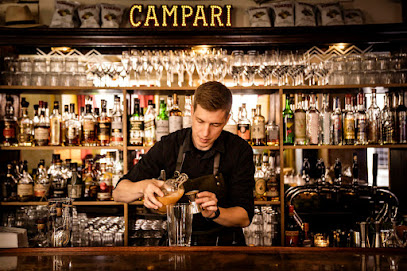
The Jane
0.8 km
Mad Men–style speakeasy meets late-night dance floor in a warren of hidden rooms, leather sofas and cocktail-fuelled energy beneath central Copenhagen.
Bar Deco
0.8 km
Intimate Art Deco–inspired cocktail bar near Kongens Nytorv, pairing crafted drinks with moody lighting and a relaxed, grown‑up Copenhagen atmosphere.
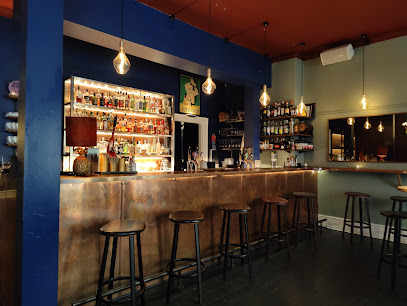
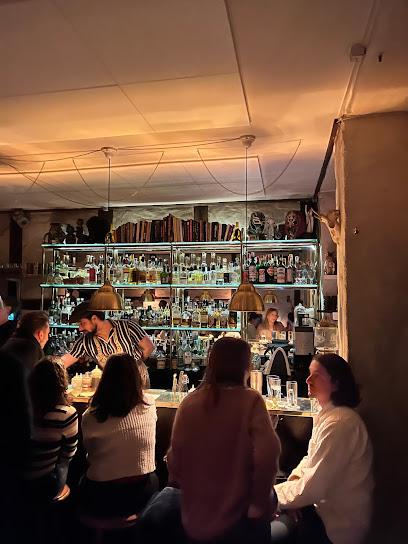
Balderdash
0.8 km
Copenhagen’s candlelit cocktail laboratory in a 1732 townhouse, where hygge, art and daring seasonal drinks turn a quiet side street into an unforgettable night out.
Nightclubs & after hour spots

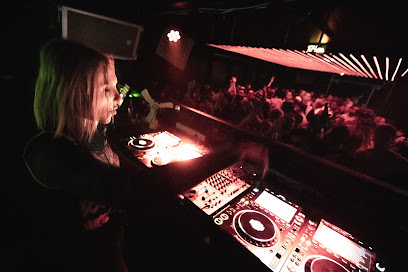
Culture Box
0.5 km
Discover the heartbeat of Copenhagen's nightlife at Culture Box, where music, art, and dance create an unforgettable experience.
Mini Bar
0.7 km
Discover the vibrant nightlife of Copenhagen at Mini Bar, a premier night club offering eclectic tunes and a lively atmosphere for unforgettable nights.
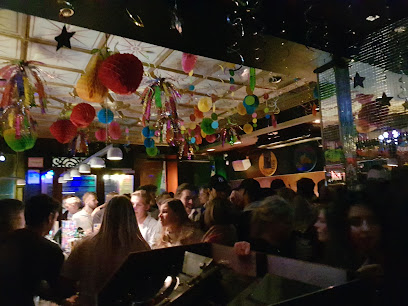
Mirage
0.7 km
Dive into the electrifying nightlife at Mirage, Copenhagen's premier night club for an unforgettable evening of music, dancing, and entertainment.

Arch
0.7 km
Discover the vibrant nightlife of Copenhagen at Arch, a premier night club offering electrifying music and an unforgettable atmosphere.
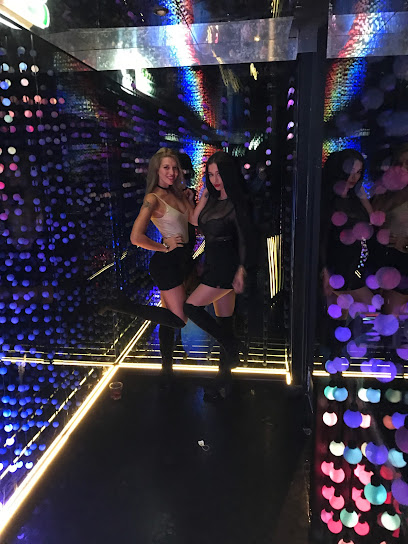
The Zoo
0.8 km
Intimate late-night nightclub on Sværtegade in Copenhagen’s historic center, blending a compact dance floor, DJ-driven beats and a casual, social bar atmosphere.
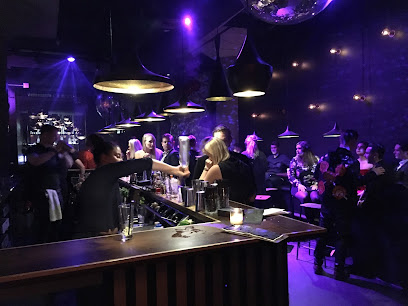
Lusso
0.9 km
A compact, high-end Copenhagen nightclub with champagne-forward table service, dim lighting and a stylish late-night crowd just steps from Kongens Nytorv.
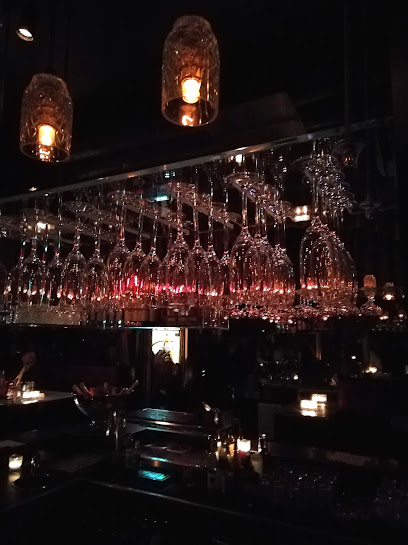
Hive
1.0 km
Copenhagen's premier high-end nightclub with cutting-edge design, VIP service, and immersive themed experiences.
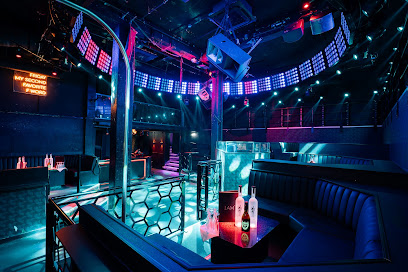
La Terraza
1.0 km
Compact nightclub on Studiestræde in Copenhagen’s old town, offering loud beats, straightforward drinks and an unpretentious late-night dance floor.
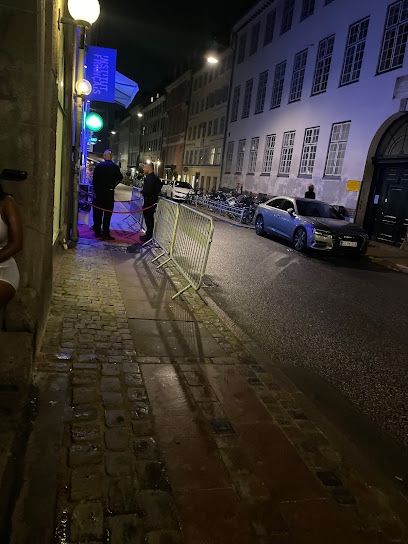
Rumors
1.0 km
Discover the heart of Copenhagen's nightlife at Rumors, where energetic vibes and unforgettable nights await you.
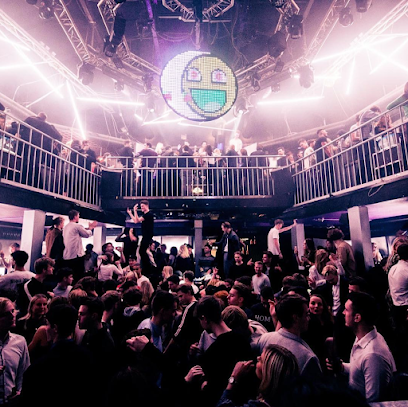
Mirror
1.0 km
Dive into the heart of Copenhagen's nightlife at Mirror, where the rhythm never stops and unforgettable memories are made.
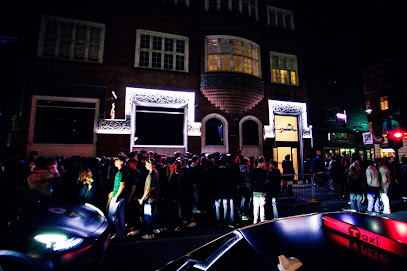
Chateau Motel
1.1 km
Discover the lively nightlife of Copenhagen at Chateau Motel, a top destination for cocktails and dancing in a vibrant atmosphere.
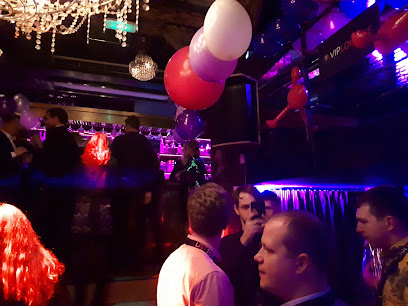
Miami Bar
1.1 km
Discover Copenhagen's nightlife at Miami Bar, where cocktails and dancing create unforgettable nights in a vibrant atmosphere.
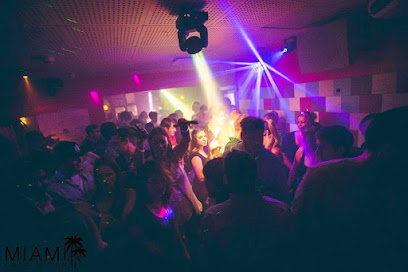
Cosy Bar
1.1 km
Discover the lively atmosphere of Cosy Bar, a top gay nightclub in Copenhagen offering fantastic music, vibrant crowds, and unforgettable nights.
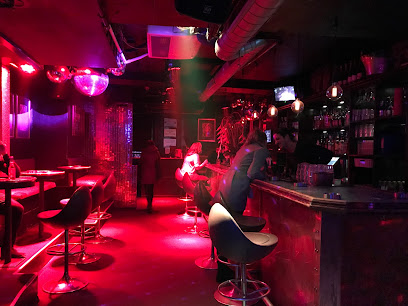
RUST Natklub
1.2 km
Discover the pulsating heart of Copenhagen's nightlife at RUST Natklub, where eclectic beats and vibrant energy come together for an unforgettable experience.
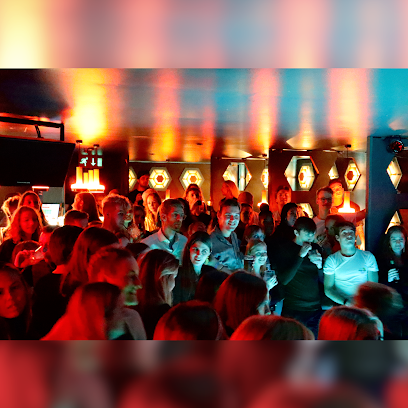
Dorsia
1.2 km
Central Copenhagen nightclub with late‑night DJs, cocktails and an image‑conscious crowd packed into a dark, modern interior off busy Kattesundet.
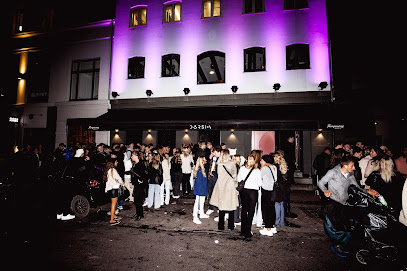
For the vibe & atmosphere seeker
- Scenic
- Fun-filled
- Unique
- Casual
For the design and aesthetic lover
- Modern Designs
- Vintage Styles
For the architecture buff
- Historic
- Art & Design
- Parks & Gardens
- Landmarks
For the view chaser and sunset hunter
- Iconic Views
- Panoramas
For the social media creator & influencer
- Photo Spots
- Selfie Spots
- Reel-Friendly
- Architectural Shots
For the eco-conscious traveler
- Public-Transport Accessible
- Low Impact
- Locally Managed
For the kind of experience you’re after
- Cultural Heritage
- Photowalk
- Day Trip
- Mindfulness
For how adventurous you want the journey to be
- Easy Access
Location Audience
- Family Friendly
- Senior Friendly
- Child Friendly
- Teen Friendly
- Wheelchair Access
- Solo Friendly
- Couple Friendly
- Solo Female Friendly
- Vegetarian Friendly
- Vegan Friendly
- Business Friendly


